





Starting March 27 through June 29, 2026, Palazzo Bonaparte in Rome will host a major exhibition dedicated to Katsushika Hokusai, the celebrated Japanese artist and protagonist of the artistic season of the Edo period (1603-1868), which profoundly transformed Japanese and, later, Western imagery. A prolific, visionary and indefatigable painter and printmaker, Hokusai is best known worldwide for his celebrated Ukiyo-e prints in which nature, the movement of water, landscape and figures that animate Japan’s daily life are transformed into images of astonishing poetic power and modernity.
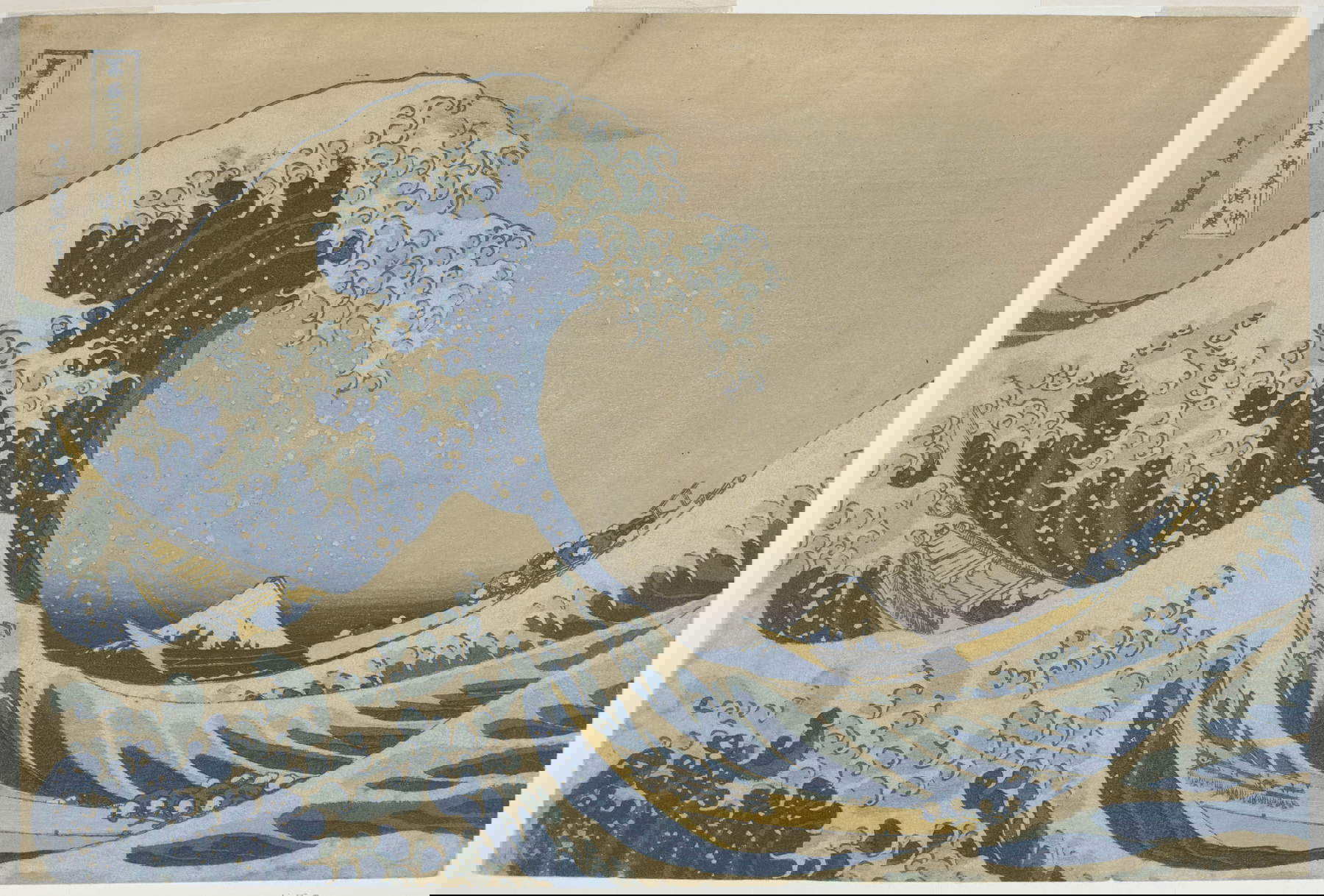
The public will be able to admire works from the series of the Fifty-three Stations of Tōkaido and Thirty-six Views of Mount Fuji, as well as celebrated Great Wave of Kanagawa, to the astonishing Manga, the albums of drawings that have consigned to history one of the best-known terms in contemporary visual culture. More than 200 works will be on display, from the prestigious collection of the National Museum in Krakow, which is exceptionally lending its works to Italy for the first time.
The exhibition also aims to offer a key to interpreting the artist’s works: at the center of his images is not only monumental nature, but the human being. Between views of Japan and the constant presence of the sacred Mount Fuji, Hokusai observes life with extraordinary sensitivity. Fuji often recedes into the background, while gestures and details of the everyday emerge in the foreground: a man-made hut, the back of a horse along the road, the outline of a roof dialoguing with that of a hillside.
Alongside the centrality of man, another major protagonist of Hokusai’s work emerges: water. Not only in the famous Wave, present here in one of the earliest printings, but in the endless variations with which the artist observes, studies and reinvents it. Water flows impetuously in the series A Journey Among the Waterfalls of Various Provinces (Shokoku taki meguri), shatters into eddies and splashes, stretches into silent surfaces or becomes pure visual energy.
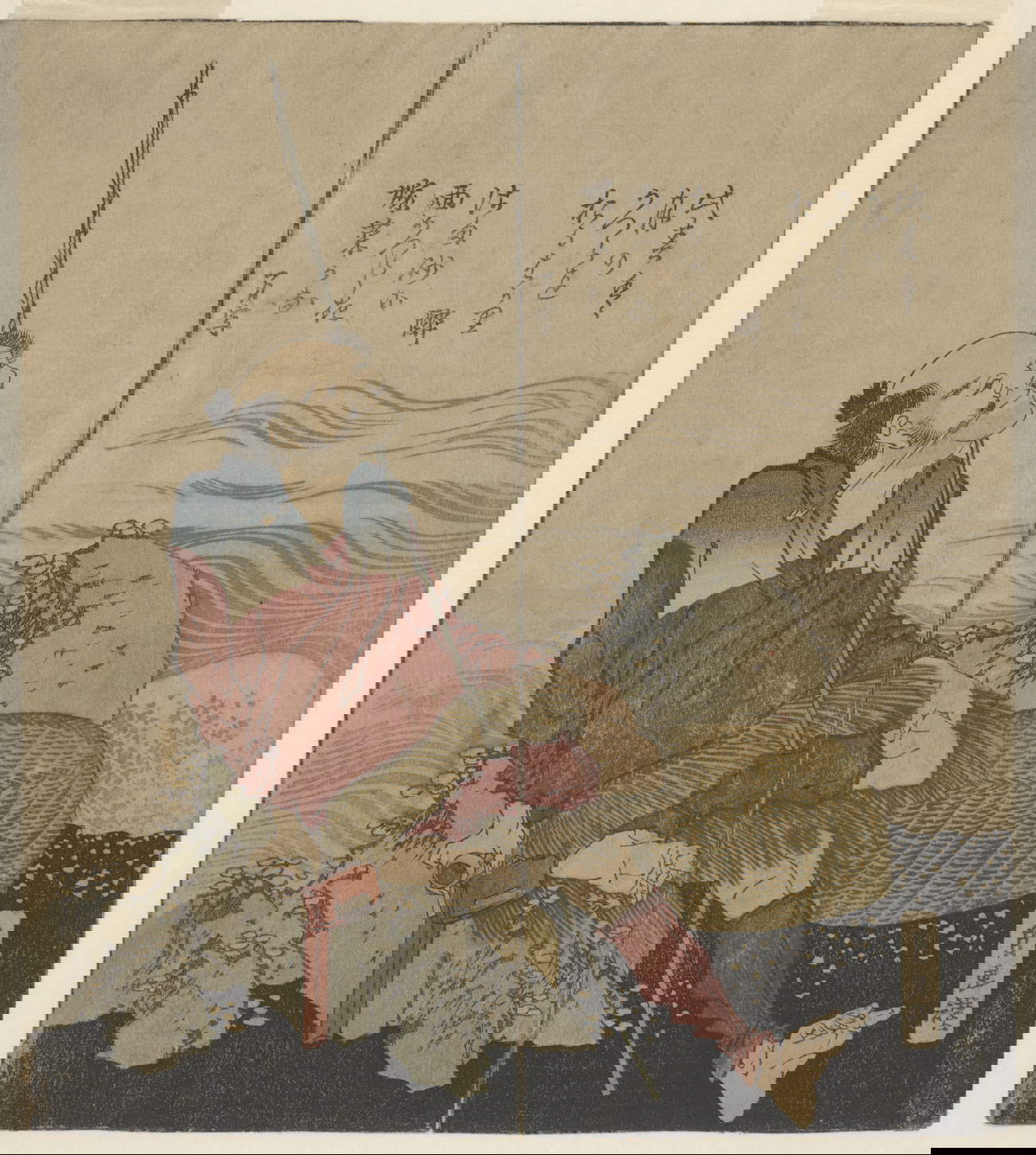
The exhibition also highlights lesser-known aspects of Hokusai’s personality, such ashumor and lightness. Emblematic is the fine surimono print Self-Portrait as Fisherman, in which the artist plays with his own image with irony and freedom.
With the same humor he summed up his artistic quest, leaving us testimony to his strong curiosity: “Everything I drew before the age of seventy is not worth considering.... At ninety I will have penetrated the mystery of nature. At one hundred I will be a wonderful artist. At a hundred and ten years old everything I create, a dot, a line, will come to life as never before. To all of you who will live as long as I do, I promise to keep my word.” Words that make one reflect on his idea of himself and art: an endless journey of study, observation and refinement, in which the artist never stops learning. Indeed, it was just after the age of seventy that he created some of his most famous masterpieces, among them the Great Wave near Kanagawa.
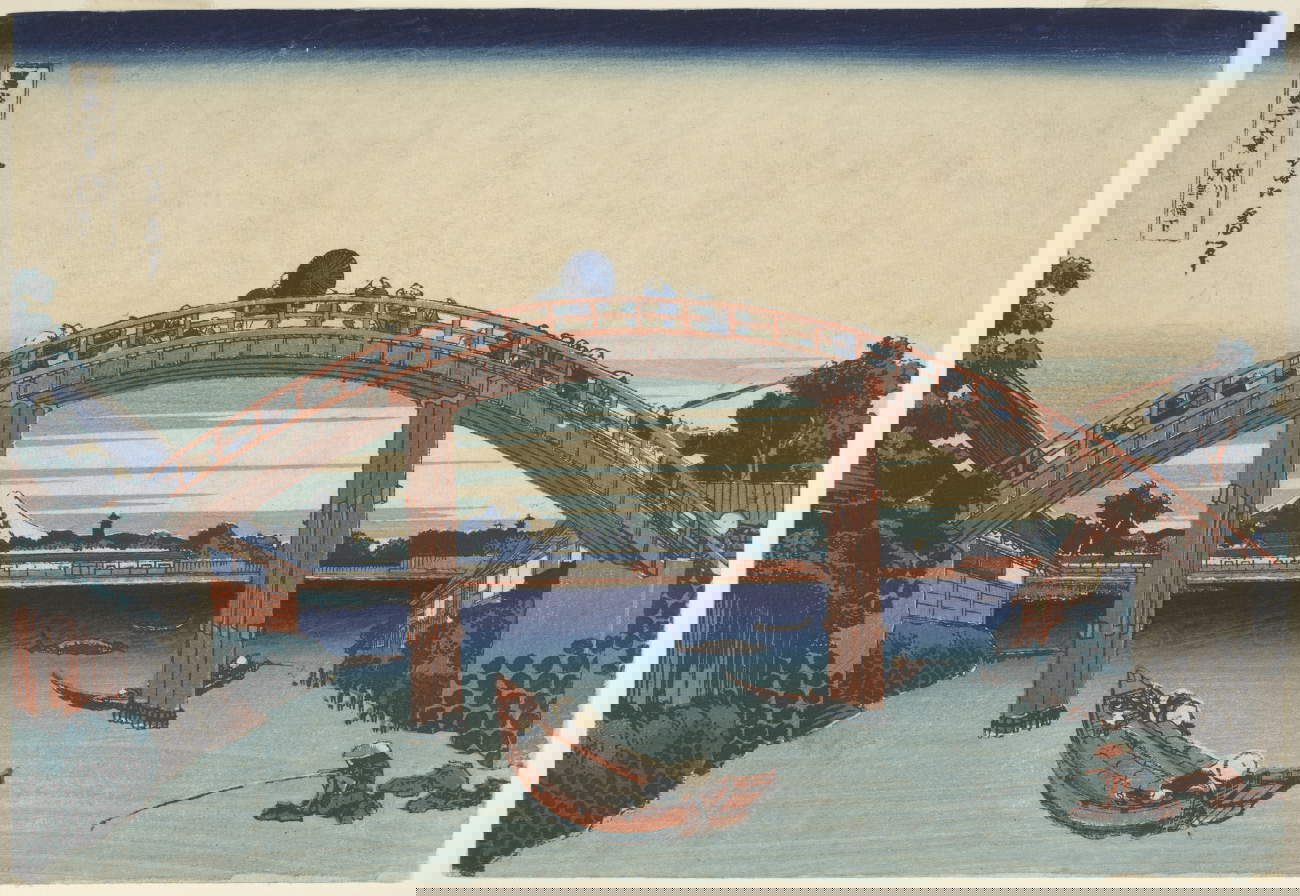
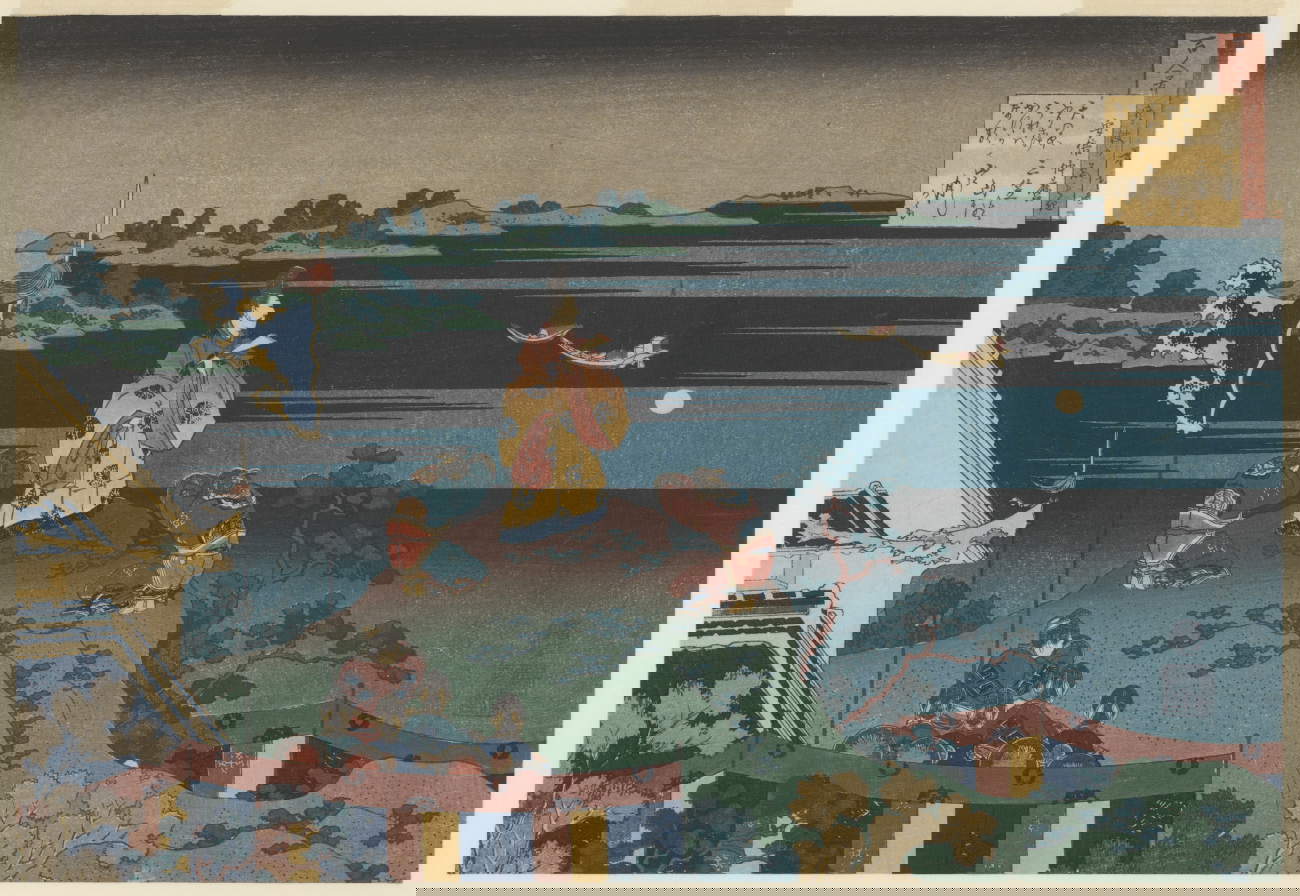
Alongside Hokusai’s masterpieces, the exhibition also features a collection of more than 180 pieces including extremely rare books and precious Japanese objects, including lacquerware, cloisonné enamels, travel accessories, armor, helmets and swords, as well as traditional musical instruments. Costumes, such as kimonos, haori jackets and obi headbands, visually accompany the visit, creating a continuous dialogue between art, daily life and spirituality of Japanese culture.
The exhibition is also enriched by a different look at 19th-century Japan through the photographs of Felice Beato: an Italian photographer and one of the first travelers to document the country that had just opened to the West. His images, collected in a video recounting his life and artistic activity, restore landscapes, cities and scenes of daily life that ideally dialogue with the visual universe of the Japanese master.
Finally, an educational path through the rooms will allow the public to delve into the complex but fascinating world of the technical-artistic production of the works of Hokusai and his pupils.
Promoted by the Chairman of the Culture Committee of the Chamber of Deputies, under the patronage of the Ministry of Culture, the Embassy of the Republic of Poland in Rome, the Embassy of Japan in Italy, the Japanese Cultural Institute, the Lazio Region and the Municipality of Rome - Department of Culture, the exhibition is produced in collaboration with the National Museum in Krakow, is produced and organized by Arthemisia and is curated by Beata Romanowicz with scientific and editorial advice for textual, audiovisual and popular content by Francesca Villanti. Main partner is Fondazione Terzo Pilastro - Internazionale, with Fondazione Cultura e Arte and Poema.
The catalog is published by Moebius.
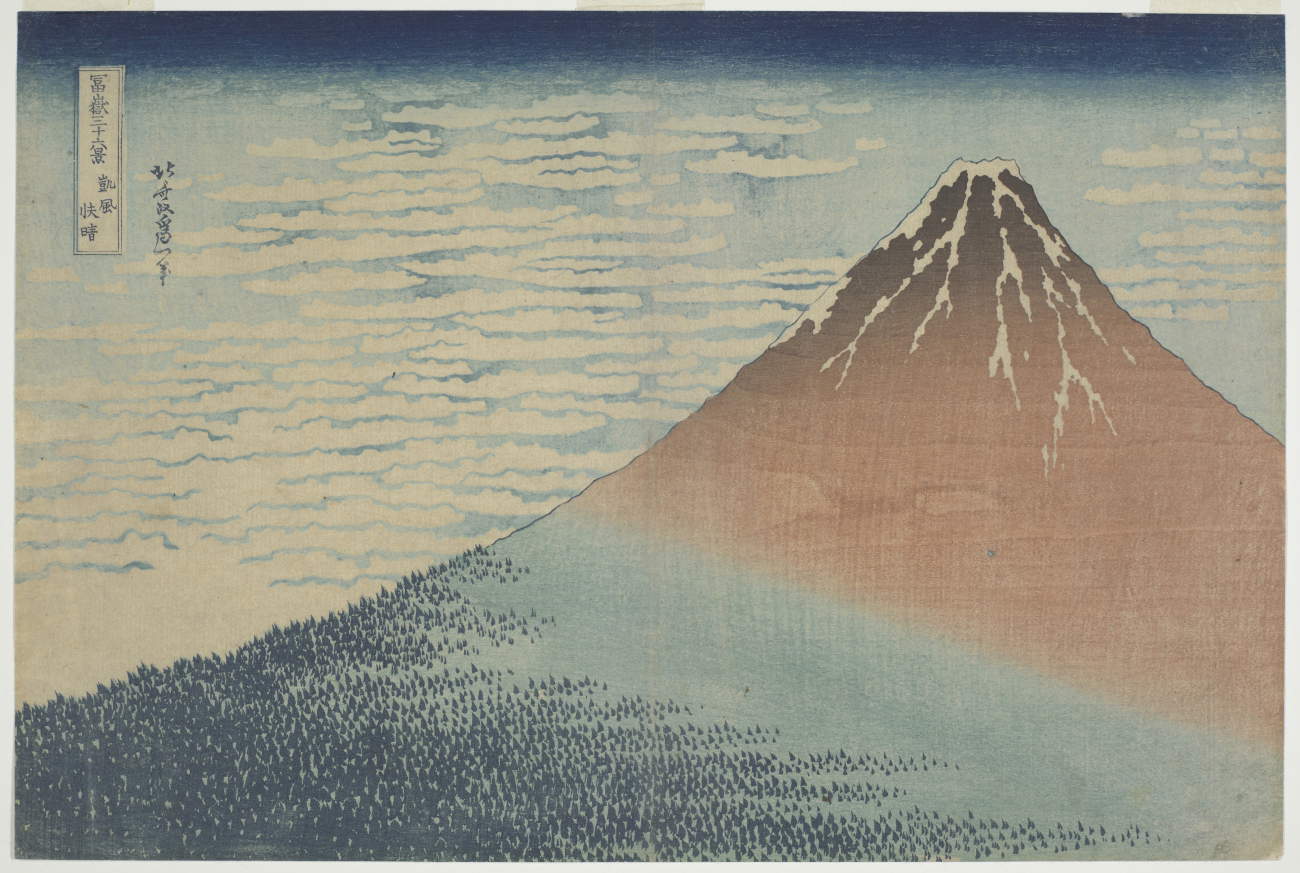
|
| At Palazzo Bonaparte in Rome, a major exhibition dedicated to Hokusai, with works from the National Museum in Krakow |

Warning: the translation into English of the original Italian article was created using automatic tools. We undertake to review all articles, but we do not guarantee the total absence of inaccuracies in the translation due to the program. You can find the original by clicking on the ITA button. If you find any mistake,please contact us.



























 IT
IT FR
FR DE
DE ES
ES CN
CN


