





The PAC - Padiglione d’Arte Contemporanea in Milan presents, from June 13 to 15, the exhibition Eravamo notte, ora siamo giorno, a solo show by visual artist and photographer Ambrosia Fortuna (Naples, 1993), curated by Sabato De Sarno. Promoted by the Municipality of Milan - Culture and produced by PAC in collaboration with Wunderplace Studio and Orgoglio Porta Venezia Milano, the exhibition brings together for the first time a large body of photographs, videos and archival materials made by the artist over a period of more than ten years between Milan, Naples and Rome. The exhibition is part of the cultural program of Orgoglio Porta Venezia Milano, the project that enhances one of the city’s symbolic neighborhoods of inclusion and freedom and that in 2026 reaches its fourth edition. In this context, We were night, now we are day is proposed as a space dedicated to presence, relationship, complexity and visibility, offering the public an articulated reflection on identity, memory and processes of self-representation.
The project stems from a personal archive built over time. A collection of preserved, recovered, rescued, lost and found images that does not give rise to a linear narrative or a simple visual autobiography. Rather, the archive becomes a living organism, composed of fragments, presences and relationships that continue to exist in the present and find in the exhibition space a new possibility to manifest themselves. Born in Naples in 1993, Ambrosia Fortuna lives and works between Milan, Naples and Rome. A visual artist and photographer, she has developed her research from direct experience gained within performance contexts and marginalized communities, with particular attention to the Italian queer and trans scene. Her work interweaves photography, performance and visual research in an ongoing reflection on the themes of identity, transformation, the body and belonging.
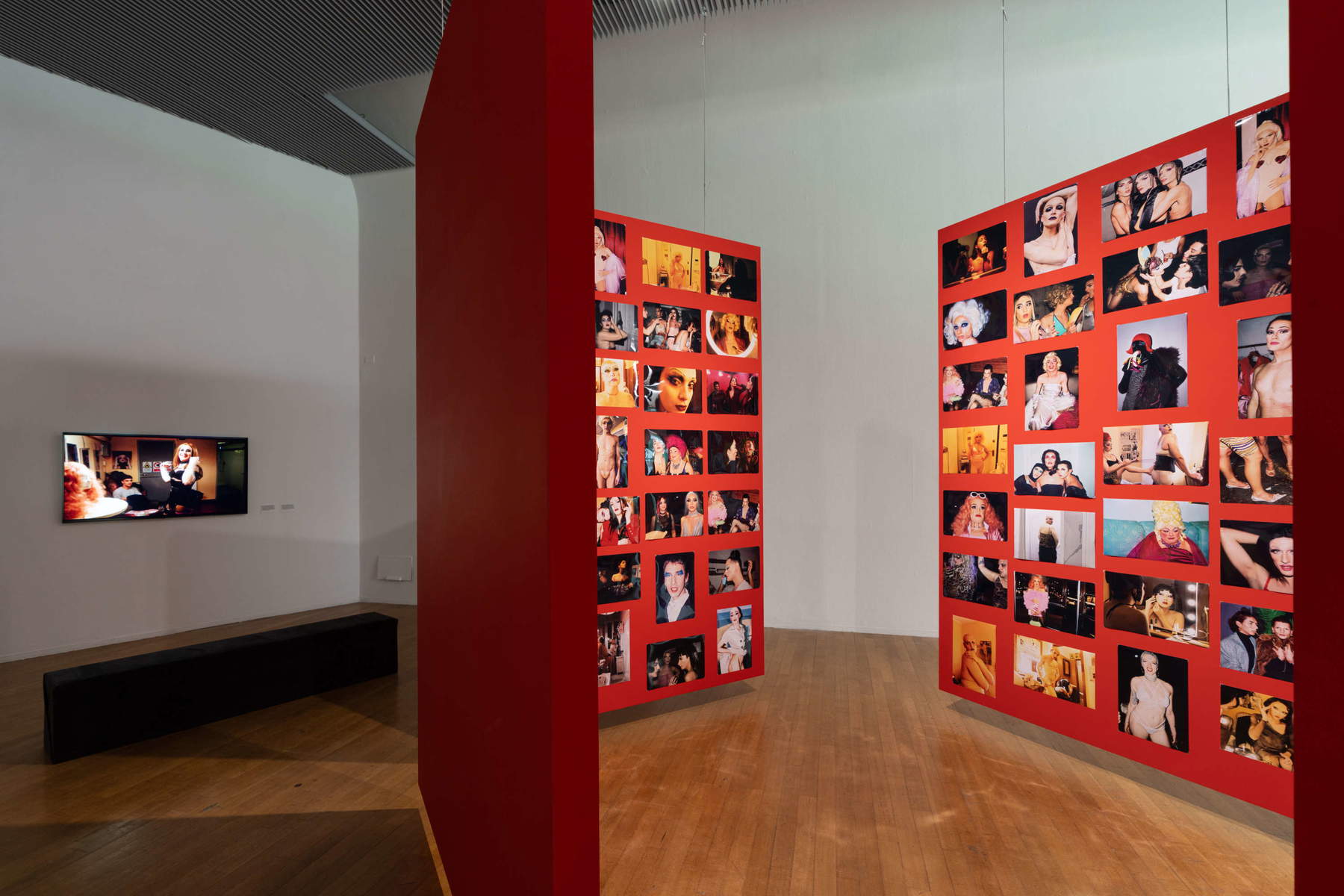
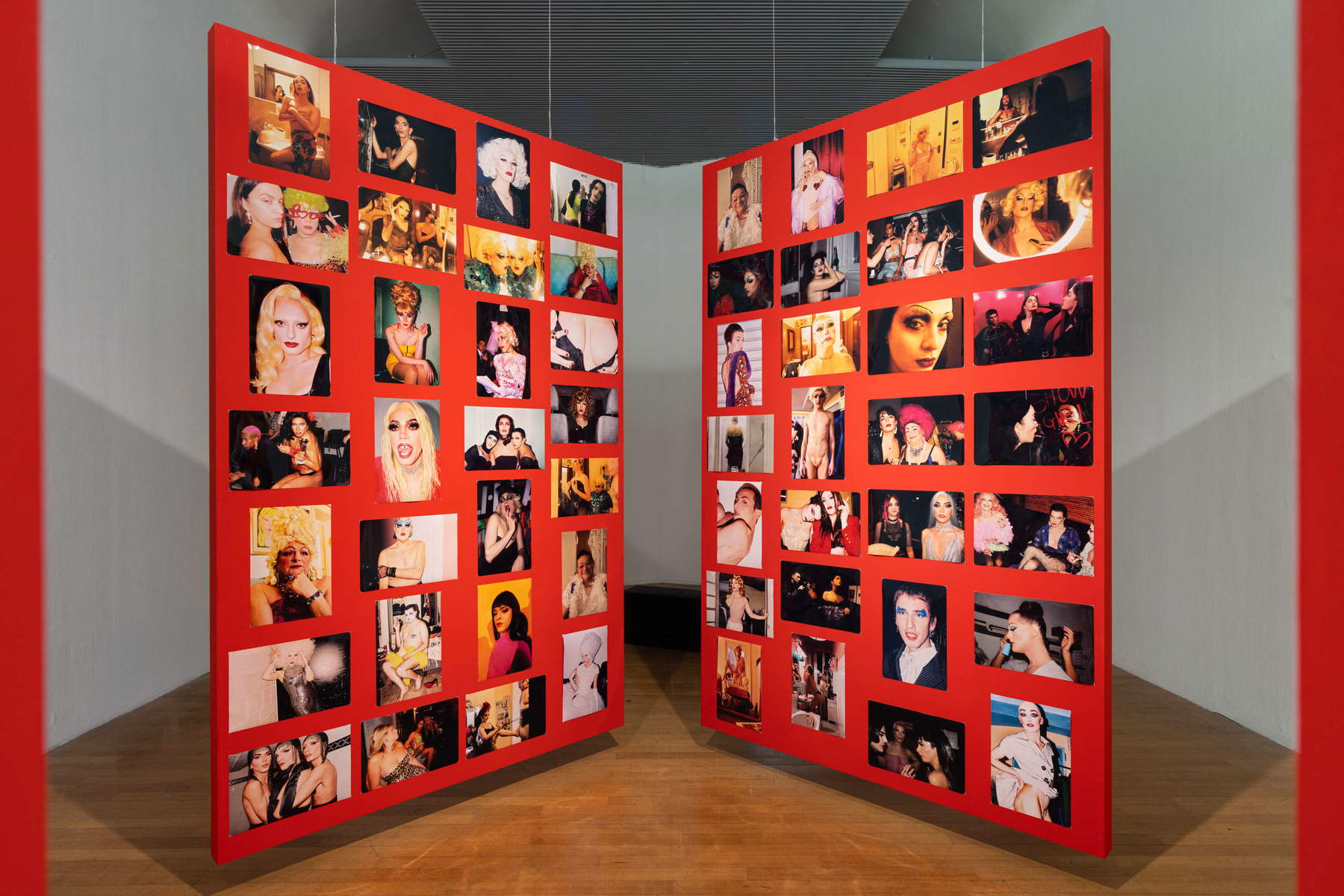
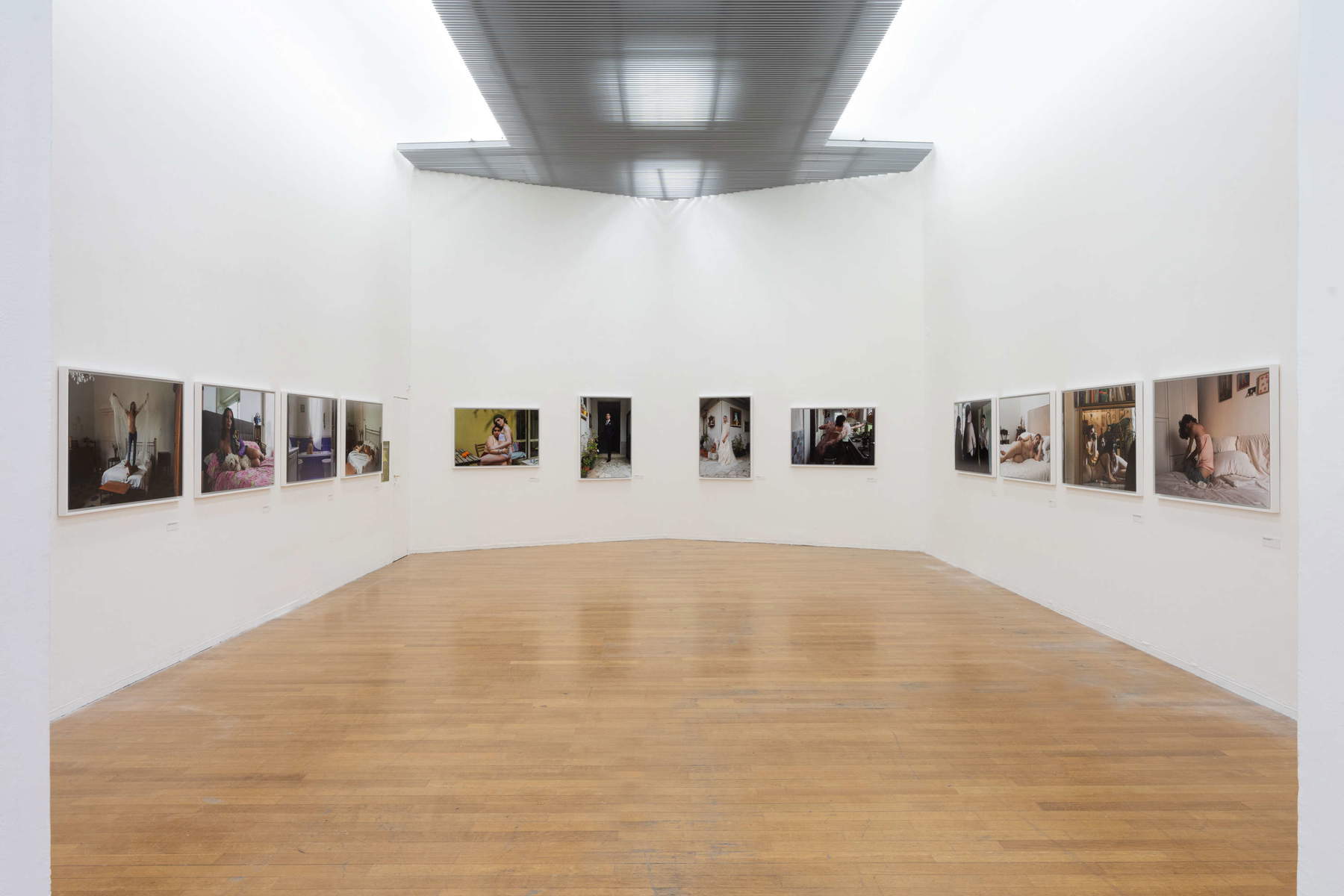
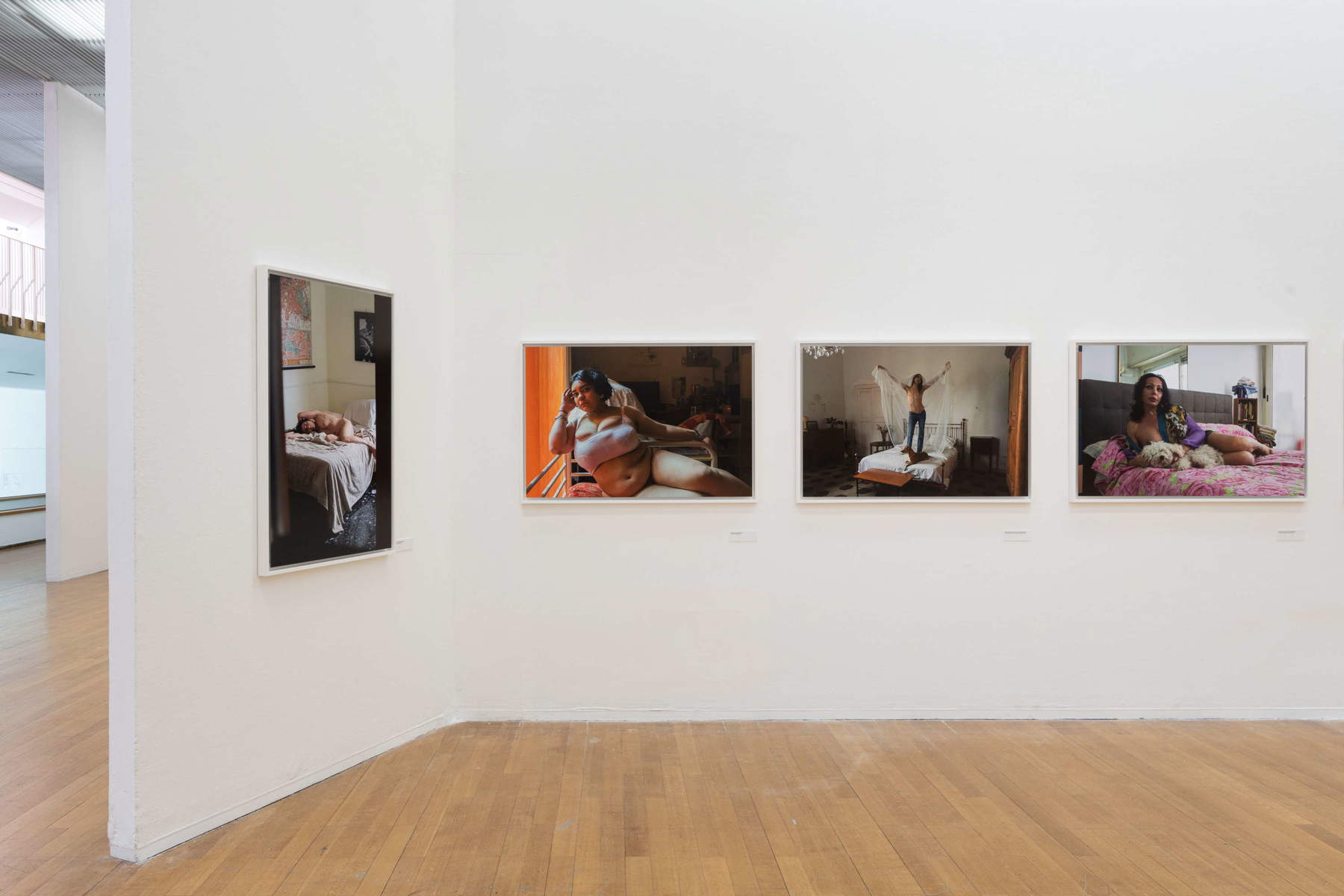
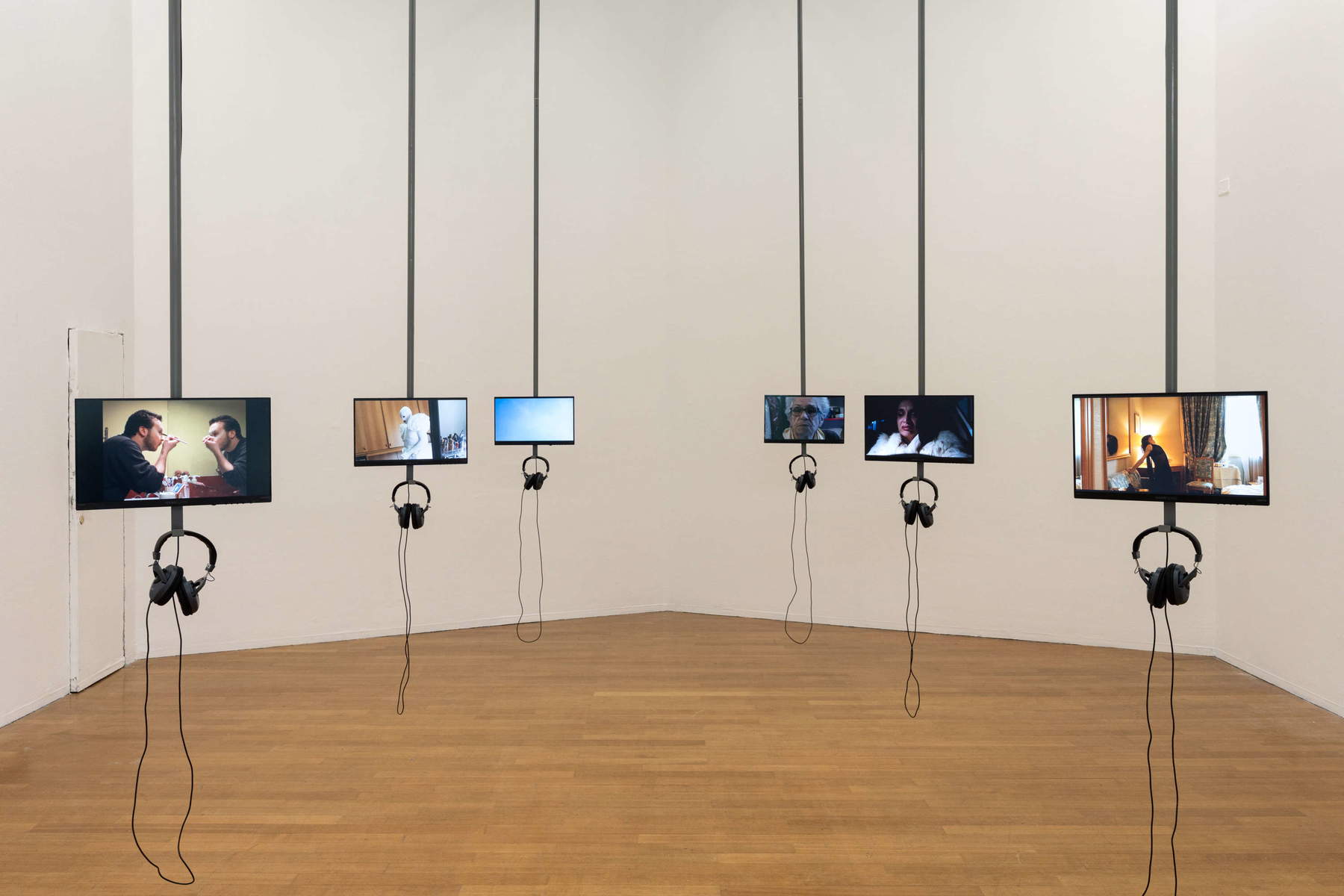
As curator Sabato De Sarno points out, “the exhibition does not interpret. It exposes.” A statement that clearly defines the curatorial approach adopted for the project. The images are not included in a nostalgic or retrospective reading, but are presented as elements capable of establishing a direct relationship with the public. The time that passes through them does not coincide with the memory of something that has been, but with the active permanence of experiences, ties and transformations that continue to produce meaning. Through her own work, Ambrosia Fortuna builds an archive at once emotional and political. A collection of portraits, daily fragments, confessions, expectations, dressing rooms and relationships born and developed within the Italian queer scene. This is not an external or documentary look. The images are the result of a direct participation in the community they narrate. Performers, friends, lovers and sisters inhabit the photographs naturally, showing a dimension of trust and mutual recognition that constitutes one of the central elements of the entire project.
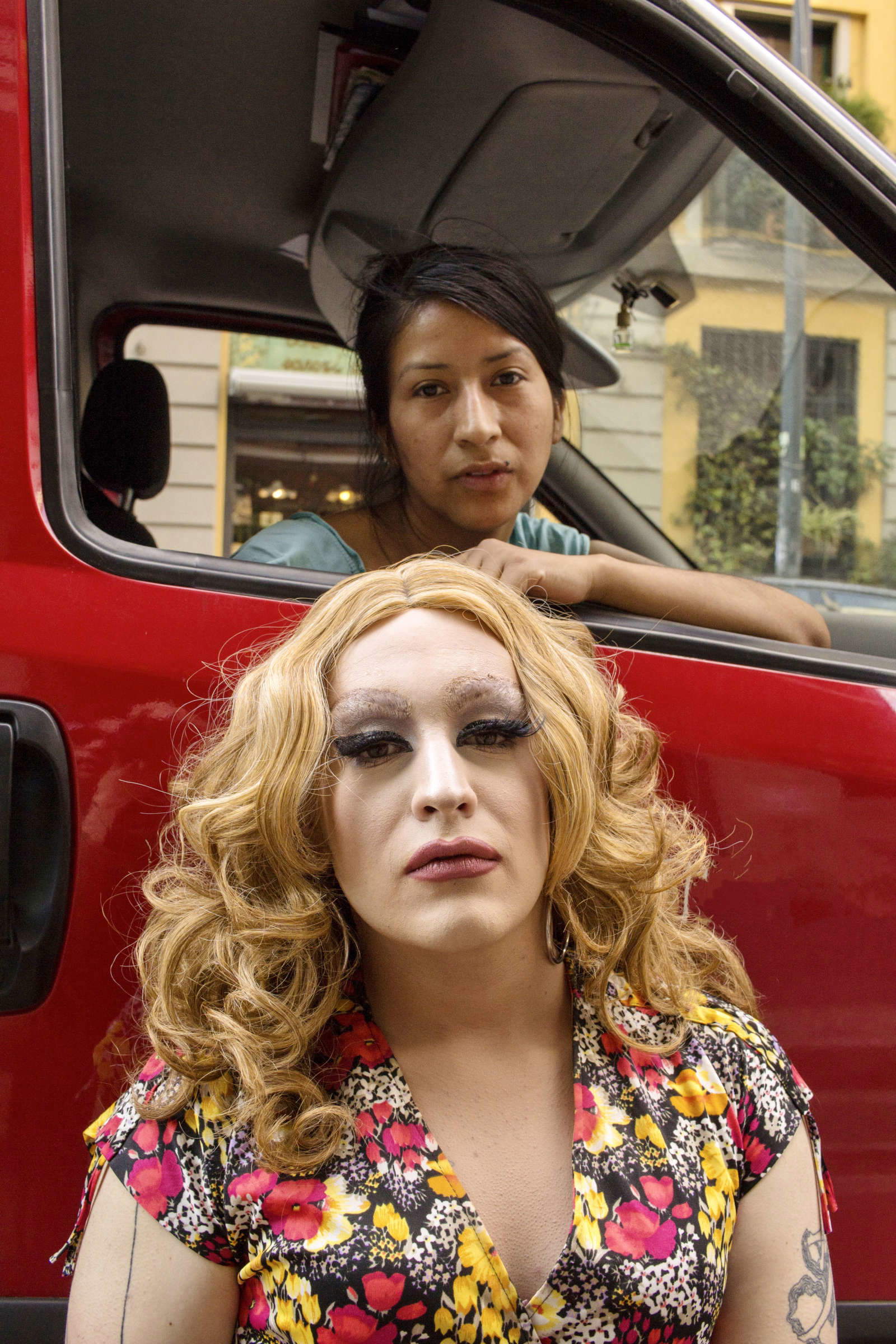
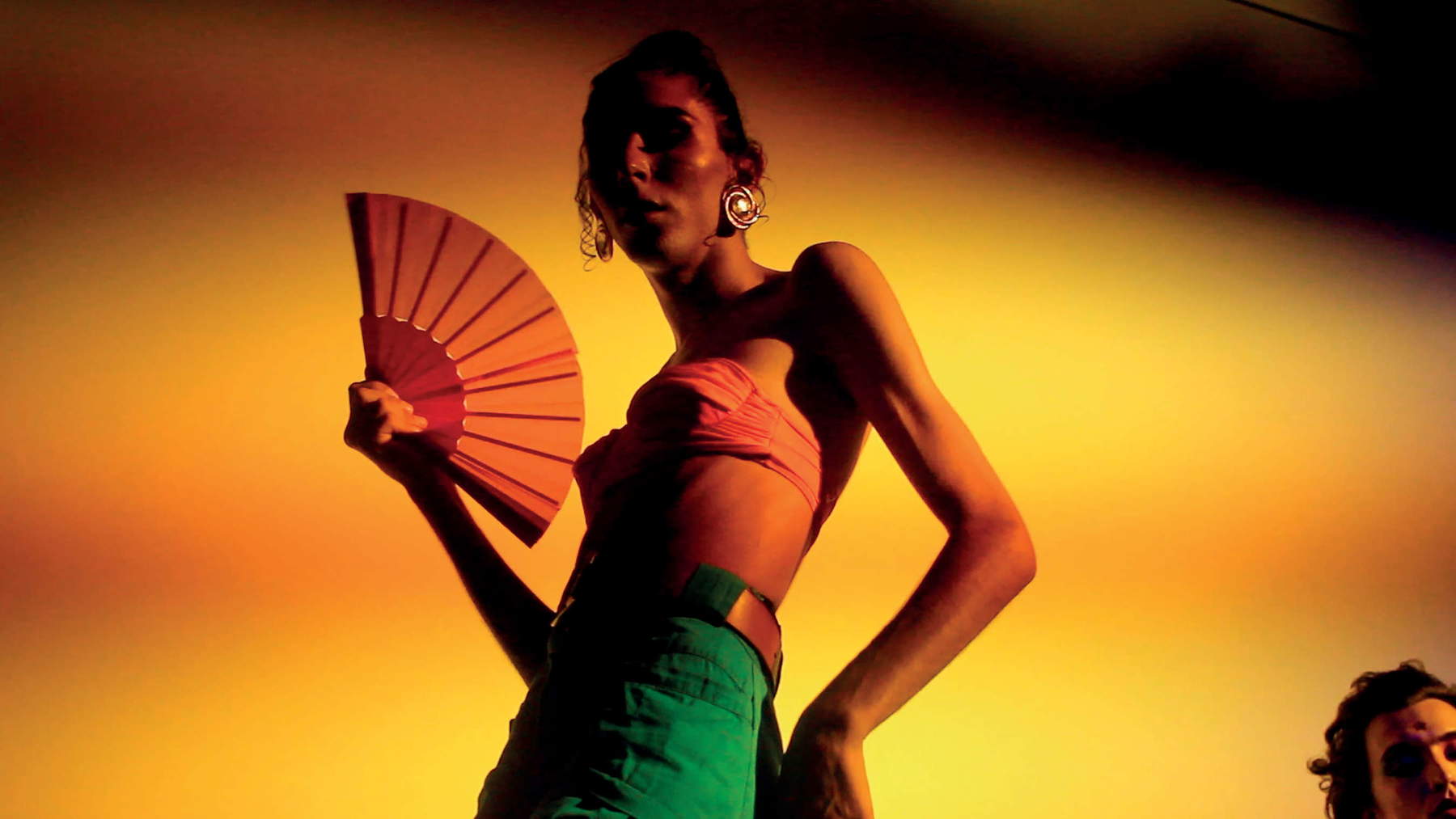
The exhibition itinerary is developed through three main nuclei that correspond to as many modes of gaze and experience. The first section, entitled Belle di notte, collects images taken by Ambrosia Fortuna during her early years in Milan. These are photographs born within the nocturnal dimension, among dressing rooms, club bathrooms, shared apartments, returns at dawn, preparations and suspended moments. In these works, photography takes on the character of an urgent gesture, necessary to hold situations, people and relationships that were in constant danger of disappearing. The night emerges as a space of possibility and experimentation, a place in which identities and belongings can be constructed, explored and affirmed. The portrayed bodies are not simply objects of representation, but subjects engaged in the search for a form, a language and a fully recognized possibility of existence. The images restore the intimacy of a community built through deep bonds, often fragile, but shot through with a strong vital energy. More than documenting a cultural scene, Belle by Night tells a shared emotional geography.
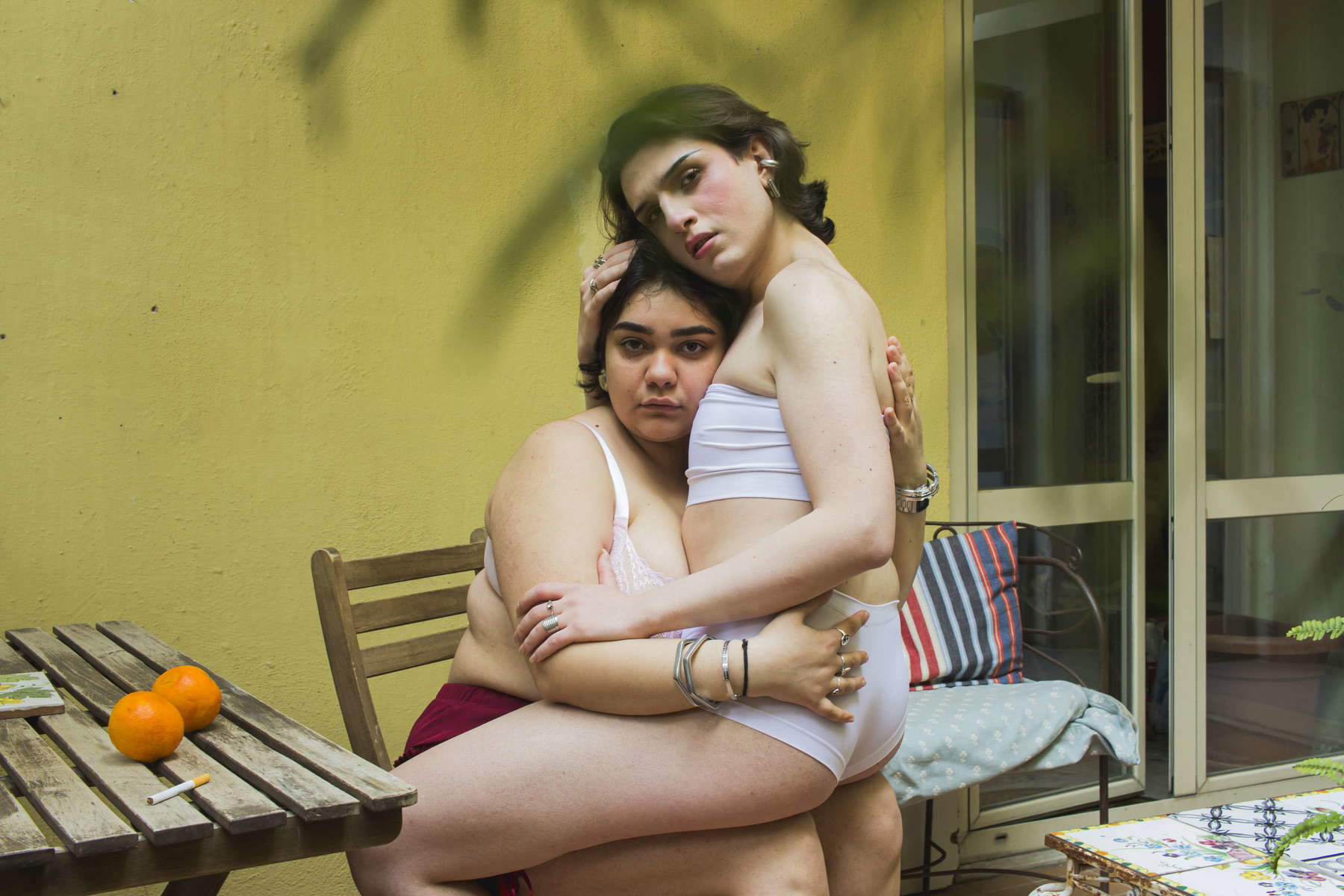
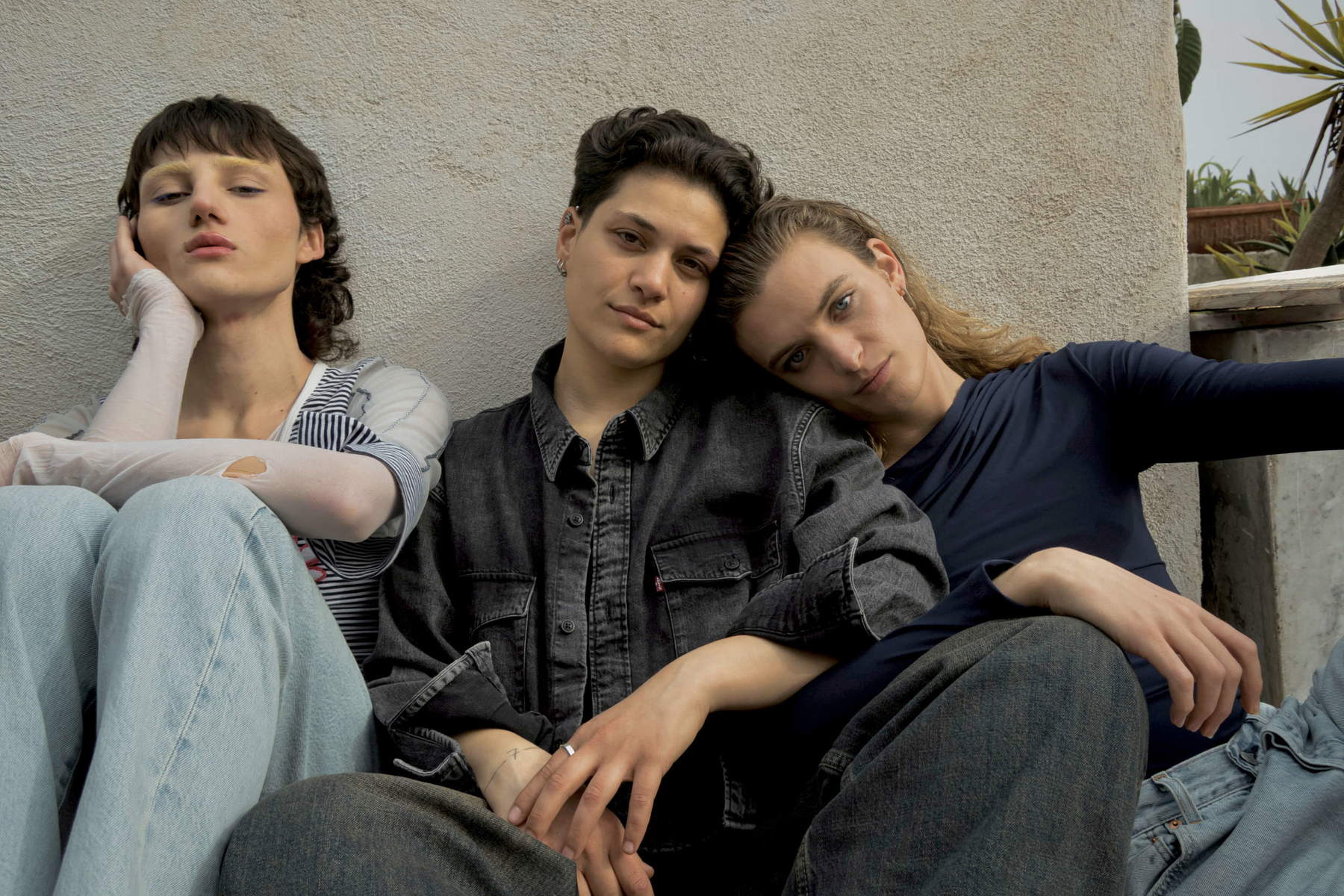
The second section, Dollhouse, marks a shift in the gaze toward the domestic dimension and a more stable temporality. Photography slows its pace and approaches bodies and relationships in a quieter, more collected way. The portraits are taken inside homes and private spaces that become places of listening, vulnerability and permanence. The people photographed belong to the artist’s daily life and are connected to her by relationships of proximity and trust. They are not performers observed from the outside, but intimate presences who share a common history with the author. The title of the section invokes a definition historically associated with trans and queer culture, transforming it into a symbolic place of affection and recognition. Here, identity is no longer merely research or performative construction, but manifests itself as stable presence and the possibility of permanence.
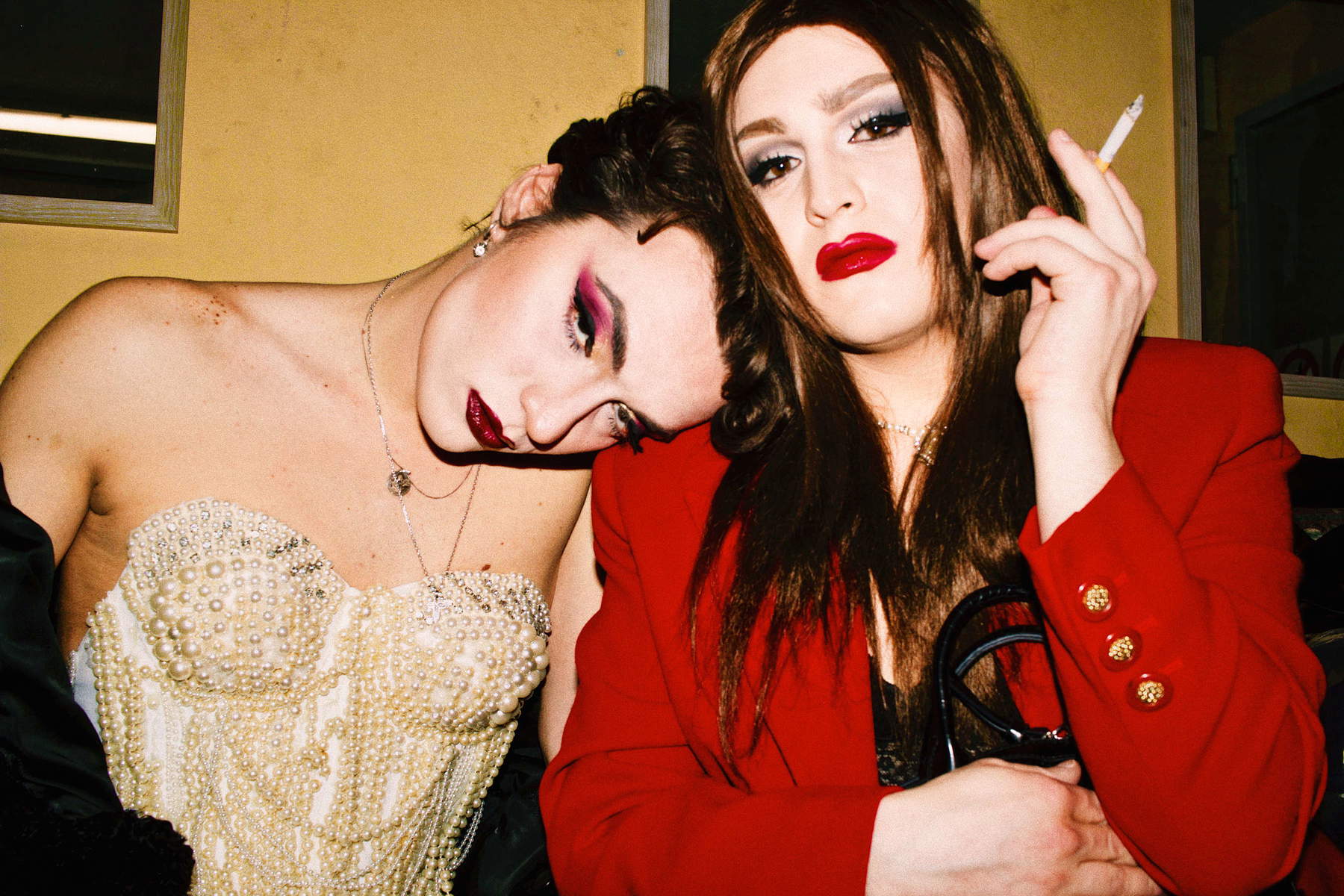
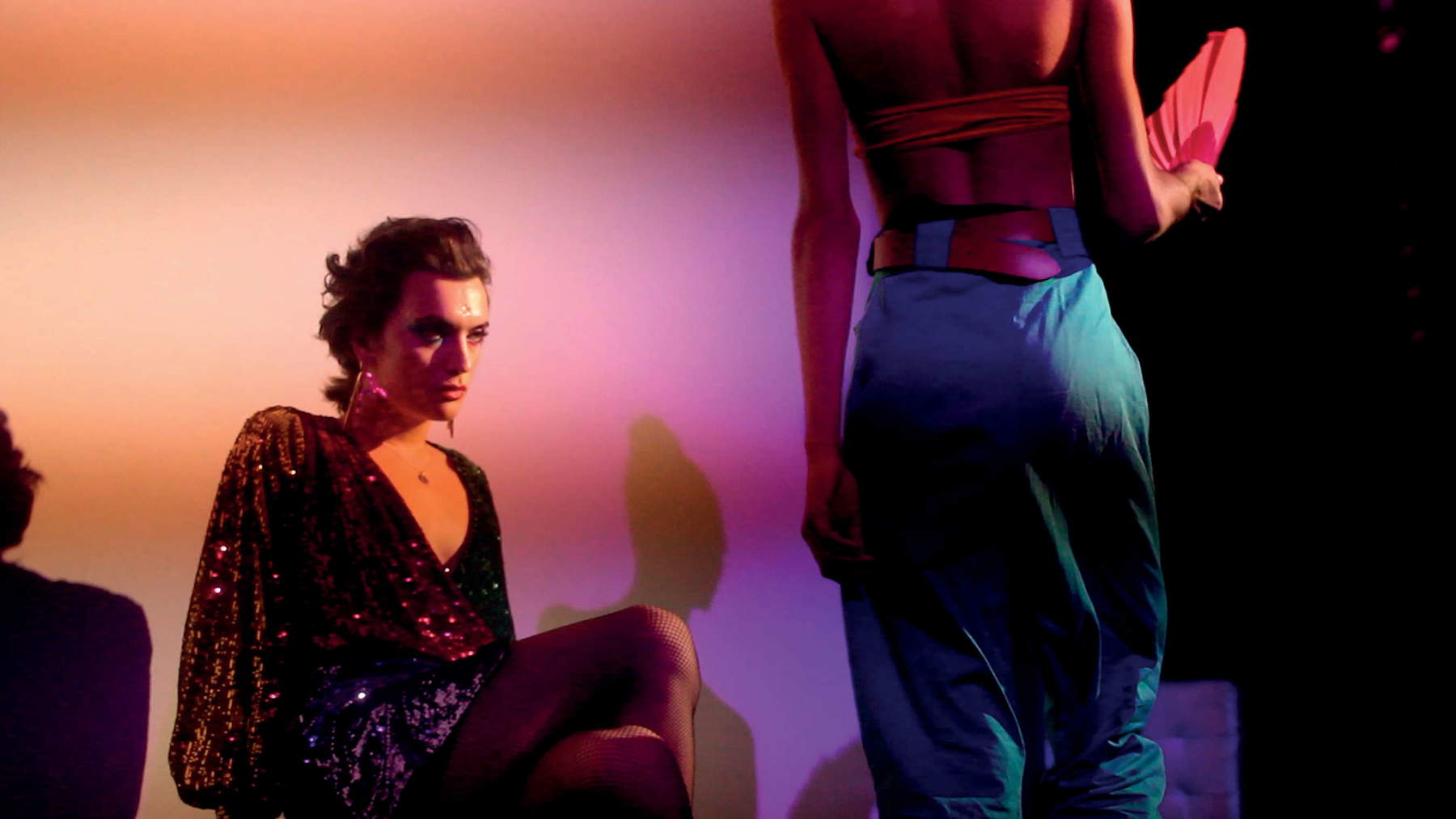

The third section, Rediscovered Moments, focuses instead on screenshots, digital images, recovered materials, fragments of conversations, and visual traces that were not originally conceived as part of an archive. In this context, the artistic gesture no longer coincides with the act of taking photographs, but with that of selection, retrieval, and reinterpretation. The images, often imperfect, low definition or incomplete, take on the value of testimonies capable of guarding relationships, transformations and absences. In an age dominated by the incessant production of visual content, these fragments become forms of involuntary archives of intimacy. Small survivals that continue to preserve traces of affections and life paths.
The entire project is traversed by a reflection on the possibility of self-representation and of restoring complexity to existences that have too often been told by external gazes or reduced to stereotyped representations. Ambrosia Fortuna’s photographs and videos reject all forms of spectacularization and focus attention on the smallest details of existence: a gesture, a tired face, a wait, a shared silence, an embrace. The exhibition thus intends to configure itself as a space traversed by different temporalities. The night and day evoked by the title do not represent a linear or definitive transformation. Rather, they are a permanent threshold between visibility and invisibility, exposure and protection, fragility and affirmation. A condition that continues to characterize many of the experiences recounted by the works in the exhibition.
The exhibition is promoted by the City of Milan - Culture and produced by PAC Padiglione d’Arte Contemporanea with Wunderplace Studio, in collaboration with Orgoglio Porta Venezia Milano. The project is realized with the support of Levi’s®, which renews through this initiative its commitment to support the LGBTQIA+ community. The exhibition is accompanied by a catalog published by Silvana Editoriale. Levi’s® support is part of a vision that recognizes self-expression as a form of identity, freedom and belonging. Always close to the languages of contemporary culture, the brand supports contexts and communities in which identities are redefined and languages are transformed, helping to create spaces of authenticity and sharing.
With this project, PAC also participates in Milano Pride 2026, becoming part of the cultural program that will accompany Pride Month in the city and confirming its commitment to promoting artistic practices capable of addressing social, cultural and political issues of particular relevance.
|
| At the PAC in Milan, Ambrosia Fortuna's queer archive: memory, identity and visibility |

Warning: the translation into English of the original Italian article was created using automatic tools. We undertake to review all articles, but we do not guarantee the total absence of inaccuracies in the translation due to the program. You can find the original by clicking on the ITA button. If you find any mistake,please contact us.


























 IT
IT FR
FR DE
DE ES
ES CN
CN


