




Until September 6, 2026, the Reggia di Venaria hosts Queens on Stage. The Art of Italian Costume between Cinema and Theater, an exhibition that investigates the role of costume in the construction of the imagery of royalty through different languages and contexts. The initiative is promoted by the Consortium of the Royal Residences of Savoy, chaired by Michele Briamonte and directed by Chiara Teolato, and is part of the exhibition itinerary dedicated to fashion and costume launched in 2011.
The exhibition, curated by costume designer Massimo Cantini Parrini together with art historian Clara Goria, brings together in the Sale delle Arti 31 outfits that, between cinema, theater and opera, have helped define the queen’s image over time. The project focuses on the function of costume as a visual device capable of constructing identity, suggesting power and orienting the viewer’s perception, going beyond the decorative dimension.
The path is developed around the theme of royalty as a stage construction, a transversal language that crosses eras and genres. Cinema and theater are compared as distinct but complementary fields of production: in the former, costume is defined through its relationship with the camera, light and detail; in the latter, on the other hand, it must respond to the needs of legibility and presence in space, accompanying the actor’s movement and the duration of the performance.
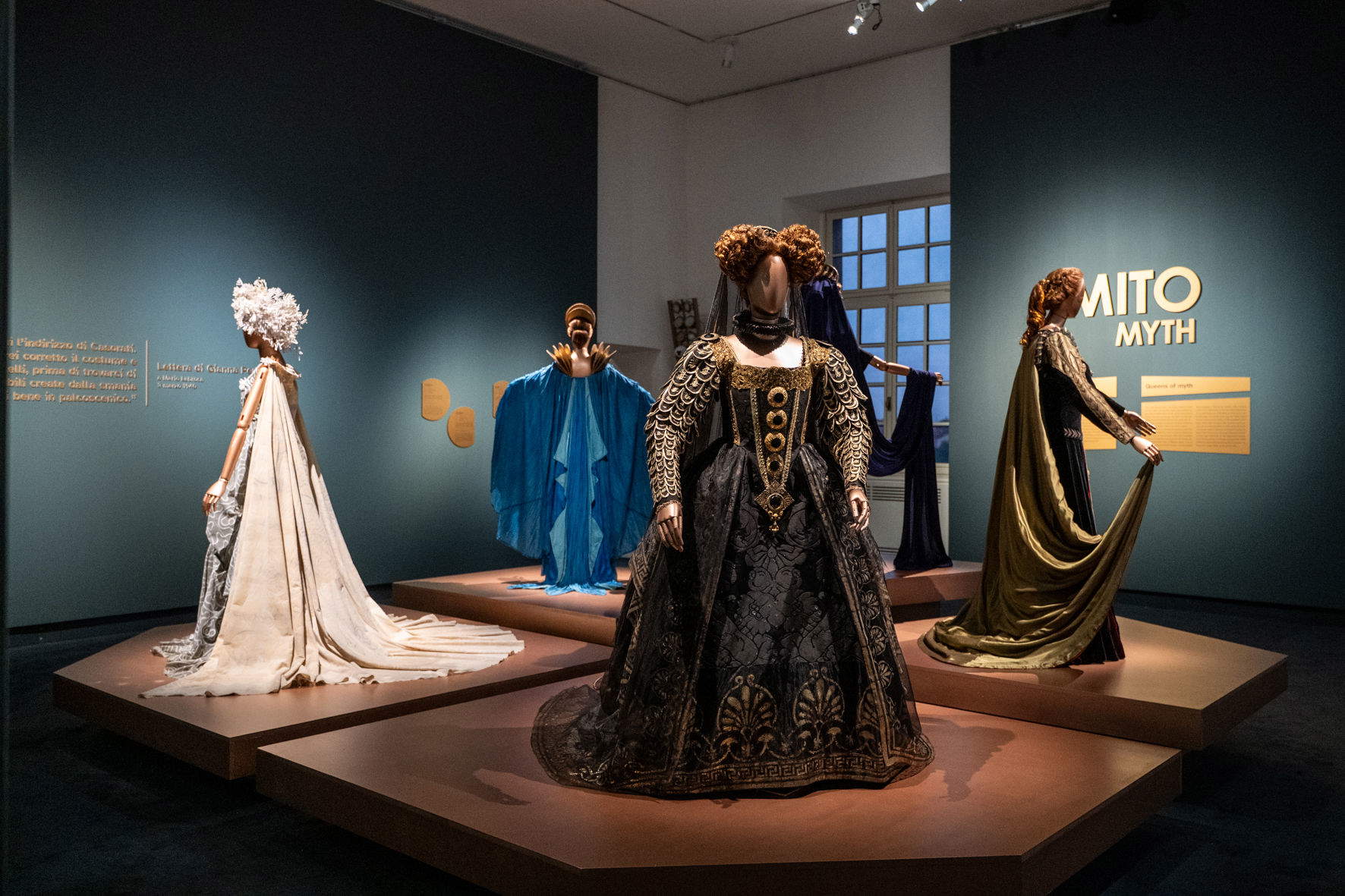
The exhibition narrative is divided into three nuclei, Myth,History andFantasy, also organized chromatically through the symbolic use of gold, silver and bronze. The exhibition design, conceived as a structure in three acts and eleven scenes, brings figures from different spheres into dialogue: mythological and legendary queens, characters born of literature and drama, and historical rulers. The path thus transcends the distinction between real fact and imagination, privileging the dimension of visual language.
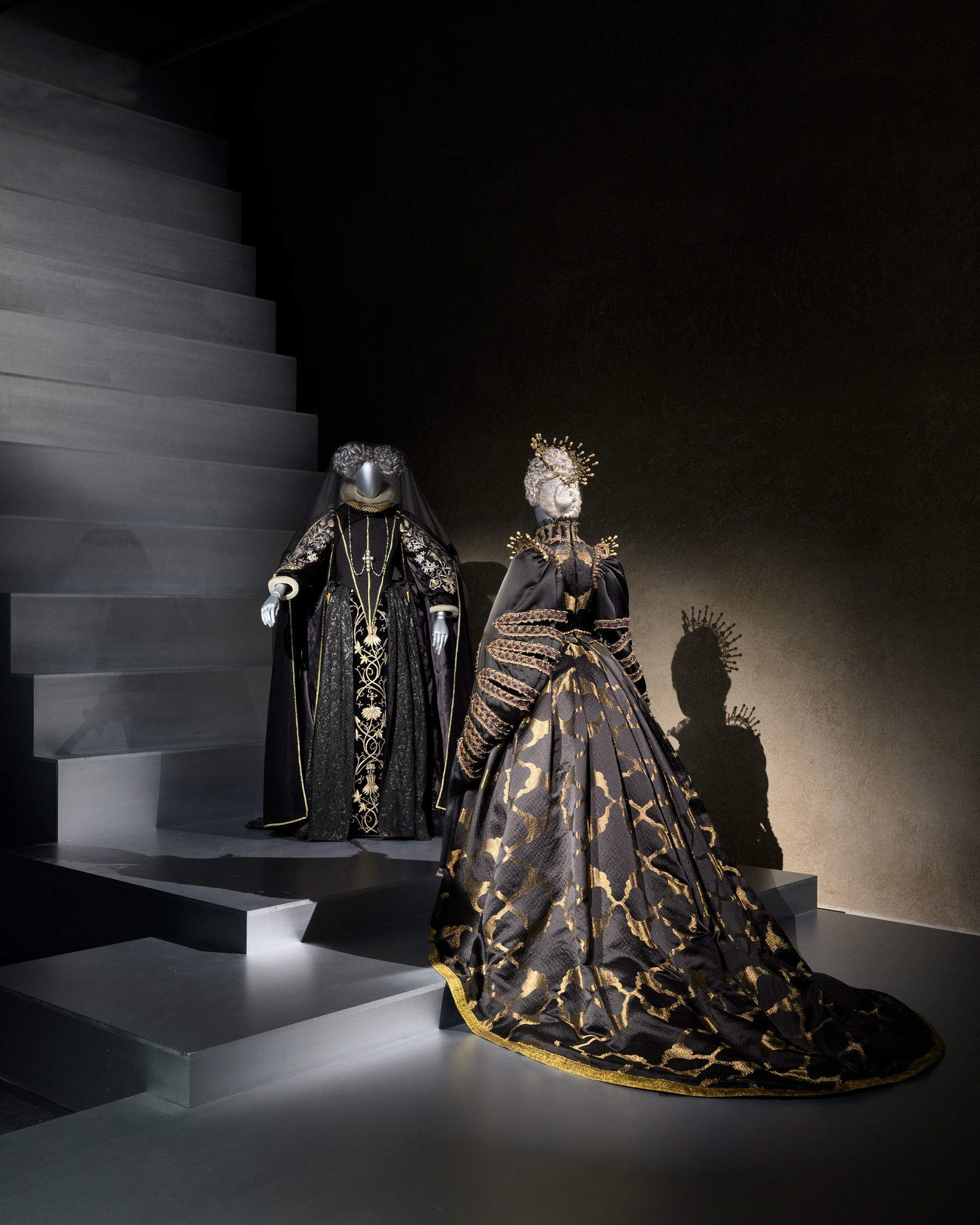
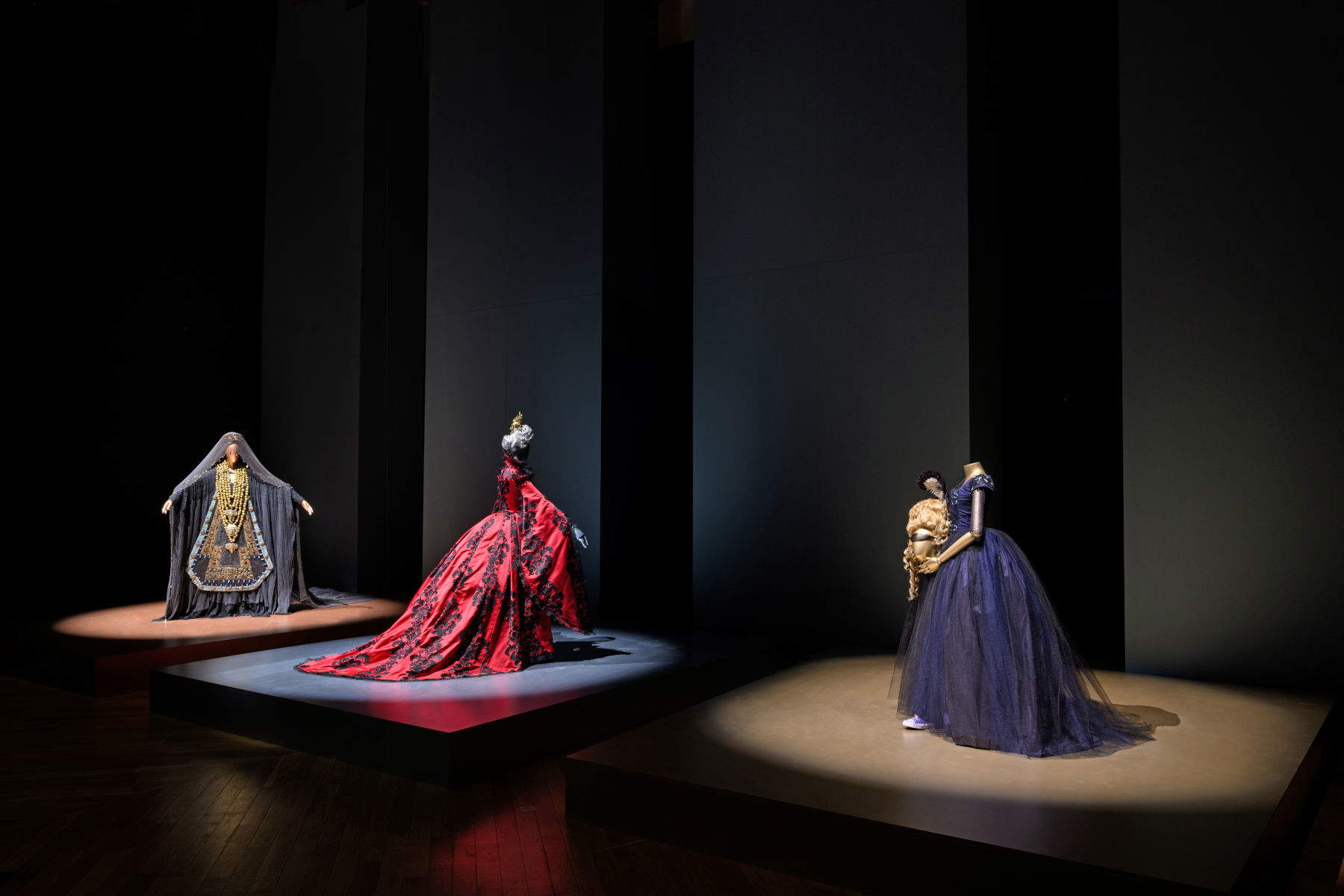
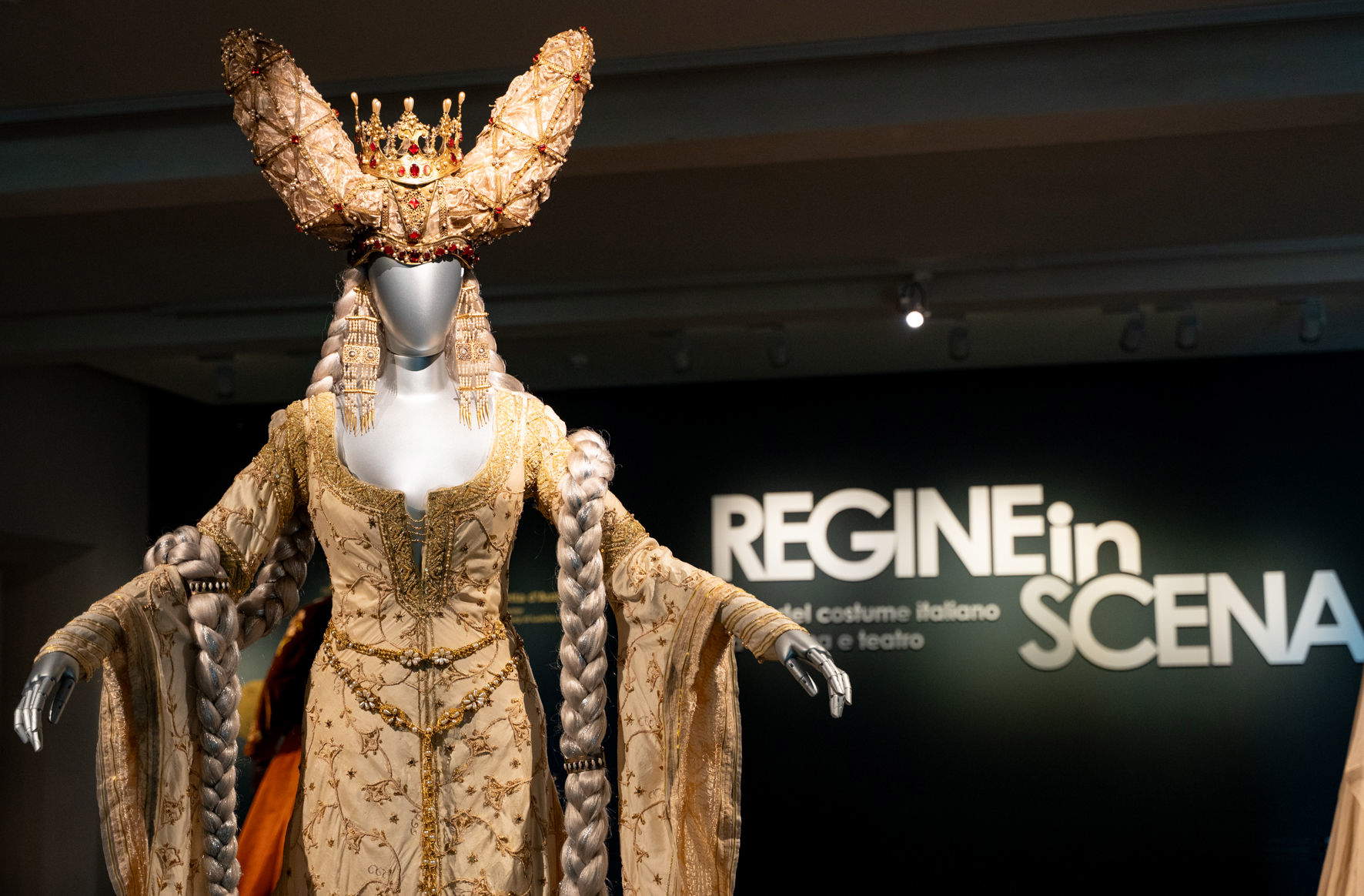
Among the costumes on display appear figures belonging to the cinematographic and theatrical imagination. The section dedicated to fantasy includes, among others, the Mirror Queen played by Monica Bellucci in Terry Gilliam’s film The Brothers Grimm, characterized by a late Gothic-inspired dress made of silk shantung and enriched with embroidery and organza inserts. The character, dubbed “Mirror Queen,” stands on a threshold between appearance and truth, while the costume combines historical elements and fantastical suggestions to construct a figure suspended between reality and legend.
Alongside this presence is Ariadne, queen of the moon, played by Valentina Cortese in The Adventures of Baron Münchausen, again with costumes by Gabriella Pescucci. The dress, inspired by the Renaissance, uses laminated organza and pleated fabrics to build a monumental image, directly affecting the actress’ posture and stage presence. Also in the same section is Titania, Queen of the Fairies played by Michelle Pfeiffer, whose lightweight, layered costume reacts to light to create a mobile, almost immaterial visual effect. The fantasy section also includes the Queen of Selvascura played by Salma Hayek in Matteo Garrone’s film The Tale of Tales. In this case the costume works on material and color variation, with a red that changes intensity in relation to the light, helping to construct a figure dominated by drives and transformations.
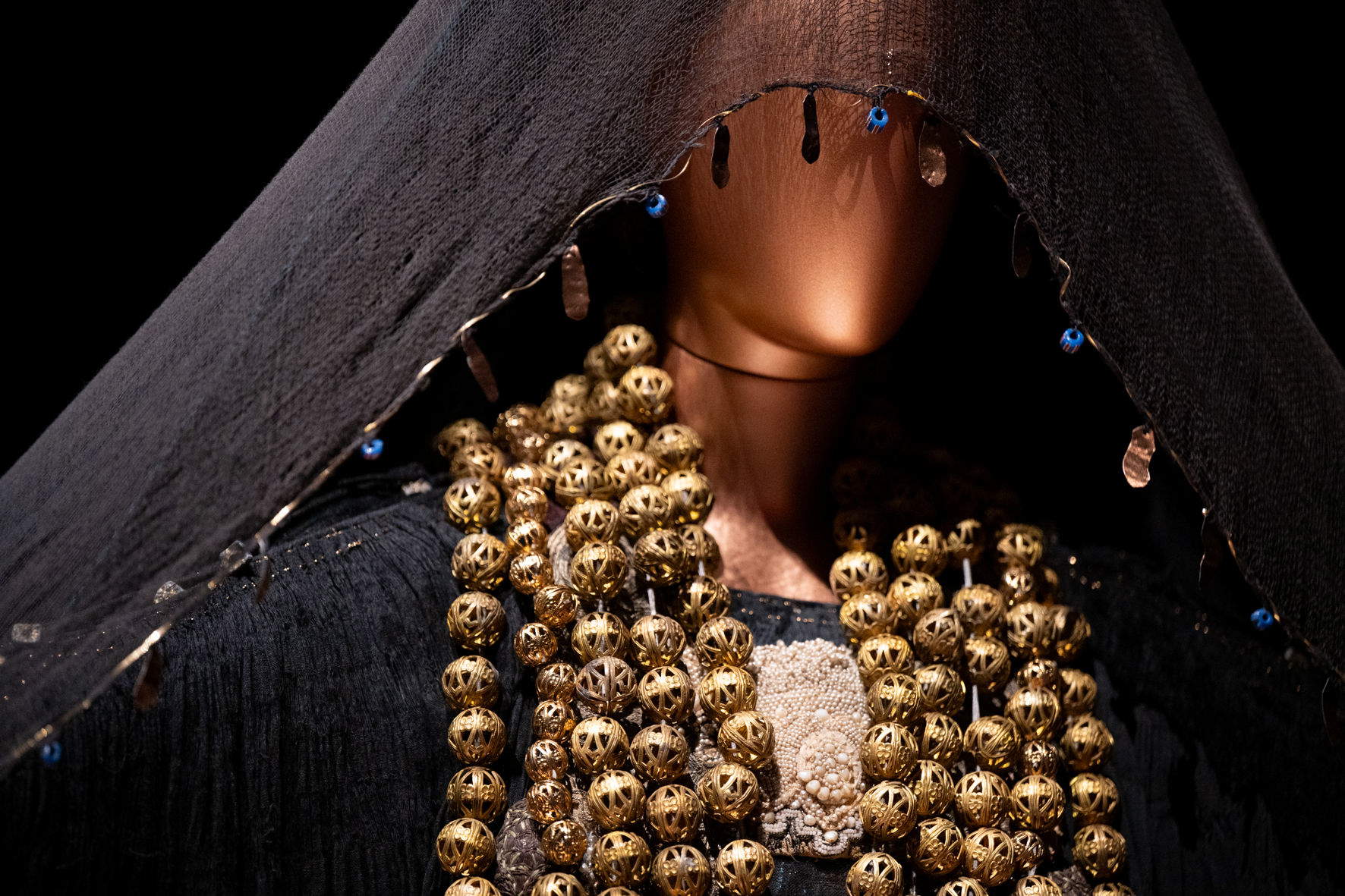
In the core dedicated to myth, figures such as Medea, played by Maria Callas in Pier Paolo Pasolini’s film, emerge. The costume, designed by Piero Tosi, is composed of multiple layers and materials, including natural and decorative elements applied directly to the dress, and contributes to the construction of an out-of-time figure, distant from any historical reconstruction. In the same sphere are Clytemnestra, queen of Mycenae, played by Rossella Falk in the play Orestes with costumes by Arnaldo Pomodoro, and Jocasta, queen of Thebes, played by Silvana Mangano in Oedipus Rex, with costumes by Danilo Donati. In these cases the costume takes on a sculptural or archaic dimension, helping to define the rhythm and posture of the characters.
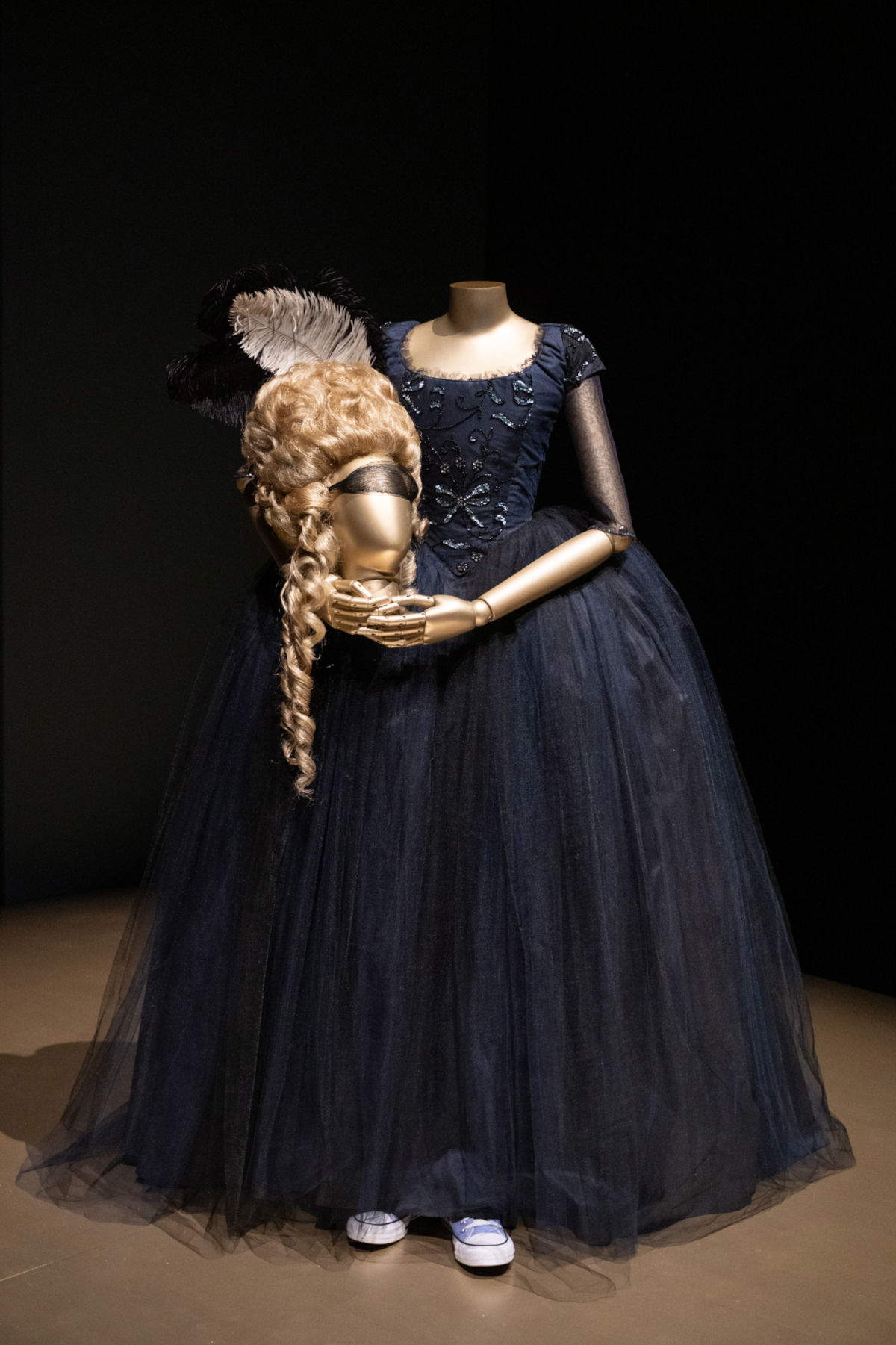
The section dedicated to history includes figures linked to documented contexts, such as Pauline Borghese Bonaparte played by Gina Lollobrigida in the film Venere imperial, or Elisabeth of Bavaria, known as Sissi, played by Romy Schneider in Luchino Visconti’s Ludwig. In the latter case, Piero Tosi’s work is based on an in-depth study of the sources, with the aim of restoring a figure far removed from the previous romantic representation. Also appearing in the same section are Elizabeth I of England, again played by Rossella Falk in the play Maria Stuarda directed by Franco Zeffirelli, and Marie Antoinette, played by Mélanie Laurent in Gianluca Jodice’s Le Déluge. In the latter case, the costume visually recounts the progressive loss of power, moving from rich clothes to essential solutions, until the final simplicity.
The exhibition traverses cinema, theater, opera and television series, relating different eras and languages. The Reggia di Venaria becomes an integral part of the project, with its architecture amplifying the theatrical dimension of the costumes and allowing the viewer to observe silhouettes, proportions and materials. The exhibition also features preparatory sketches, which are useful in reconstructing the creative process behind the making of the clothes.
Among the names involved are some of the main protagonists of twentieth-century and contemporary Italian costume design, including Anna Anni, Giancarlo Bartolini Salimbeni, Aldo Calvo, Milena Canonero, Danilo Donati, Giulio Coltellacci, Gabriella Pescucci, Luigi Sapelli known as Caramba, Gino Carlo Sensani and Massimo Cantini Parrini himself, along with artists such as Felice Casorati, Corrado Cagli, Giorgio de Chirico and Arnaldo Pomodoro. The works come from institutions and collections such as the Gallerie degli Uffizi - Museo della Moda e del Costume in Florence, Costumi d’Arte Peruzzi, Tirelli Trappetti, Sartoria Farani, Archivio Corrado Cagli in Rome, Cerratelli Foundation in Pisa, Sartoria De Valle in Turin, and Massimo Cantini Parrini’s own collection. The clothes are accompanied by wigs, jewelry and ornaments made by specialized workshops or produced specifically for the exhibition, elements that contribute to the construction of the visual identity of the characters. The project highlights an articulated network of expertise, including museums, archives and tailors, that has contributed to the international diffusion of Italian costume.
Special attention has been paid to accessibility, with the inclusion of visual-tactile panels, audio descriptions, subtitles, Italian Sign Language translations and highly readable texts. There are also guided tours and reservation-based activities for audiences with special needs, in collaboration with local organizations and foundations. The exhibition project is accompanied by a catalog published by Silvana Editoriale with photographs by Leonardo Salvini, while the installation is curated by Paolo Bertoncini Sabatini with the collaboration of Dedalo Building Lab Firenze.
Alongside the exhibition itinerary is a program of collateral initiatives that broadens the scope of the project. Conversations at Court, meetings dedicated to theatrical and film costumes, directing and criticism, with the participation of professionals in the field, are planned. The Stories of Art at the Reggia di Venaria project, carried out in collaboration with the Department of Historical Studies of the University of Turin, is part of the same framework.
The thematic itinerary Femminile Plurale. A new declination of Venaria Reale, developed by the Consortium’s Educational Services and REAR in collaboration with the Holden School. The itinerary is aimed at secondary schools and groups and introduces a reading of the Reggia that places alongside the traditionally central figures a plurality of female presences, including queens, duchesses, but also female workers and figures less visible in the historical narrative. The itinerary proposes an inclusive rereading of history, relating memory and contemporary instances.
At the same time as the exhibition, the collaboration with the Royal Museums of Turin is renewed through the rearrangement of the apartment of Princess Ludovica of Savoy. Inside the so-called Room of the Fierce Fairs finds space for part of the frieze with Heroic Events of Princesses of the Royal House of Savoy who entered by marriage to become part of other dynasties, a pictorial cycle created between 1660 and 1663 based on a design by Emanuele Tesauro. The canvases, from the collections of the Royal Palace of Turin, recount episodes in Savoy dynastic history from the 12th to the 16th century and present female figures involved in political and military dynamics, outlining a model of female sovereignty.
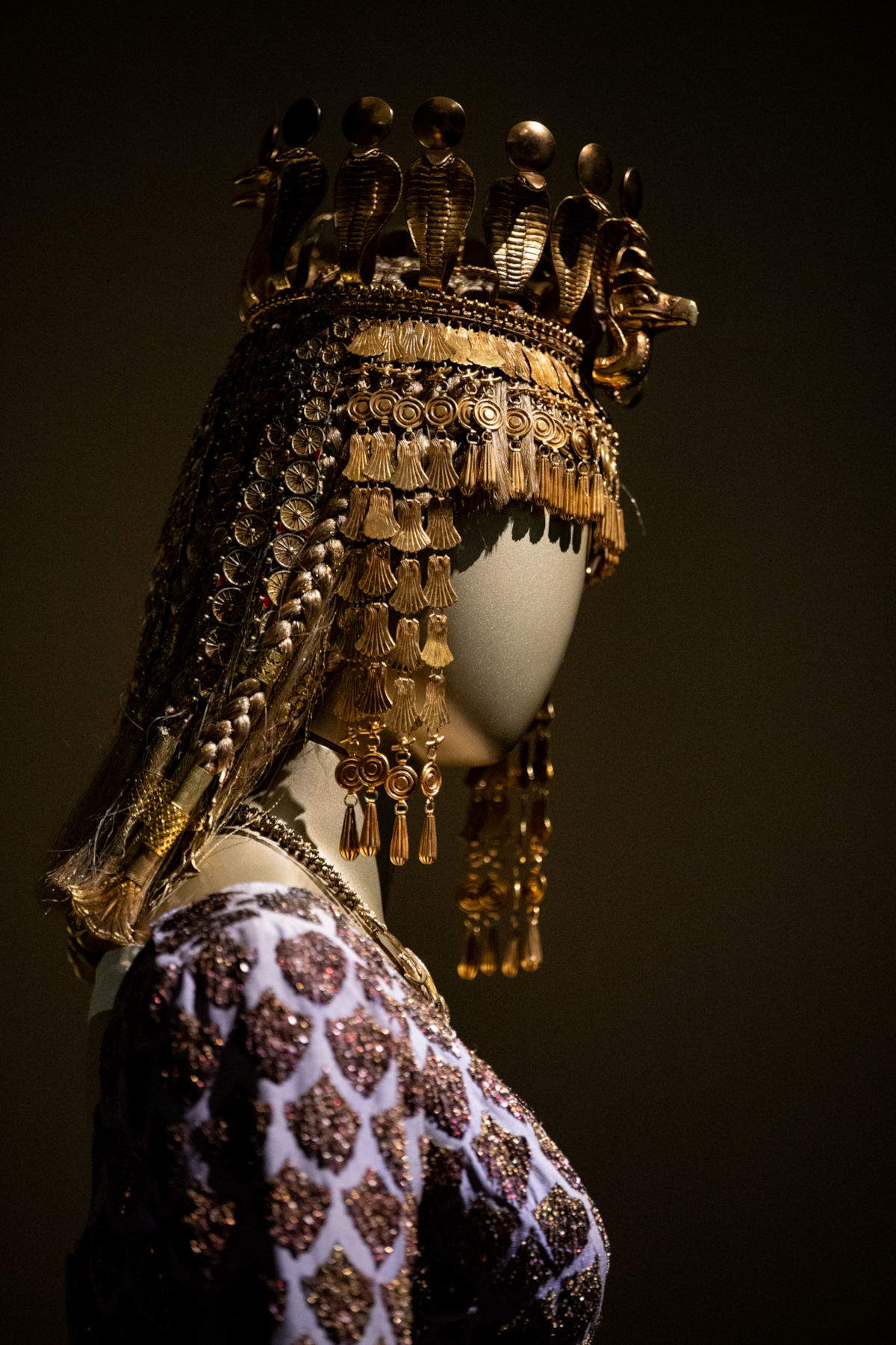
The project also extends to a widespread program in the Savoy Residences of Piedmont, with initiatives dedicated to the theme of female kingship. In June, in collaboration with the National Cinema Museum, the Cinema Massimo will host a film show linked to the exhibition. The program includes screenings in original subtitled versions of films such as Gianluca Jodice’s Le Déluge, Sofia Coppola’s Marie Antoinette, Pasolini’s Medea and Joseph L. Mankiewicz’s Cleopatra.
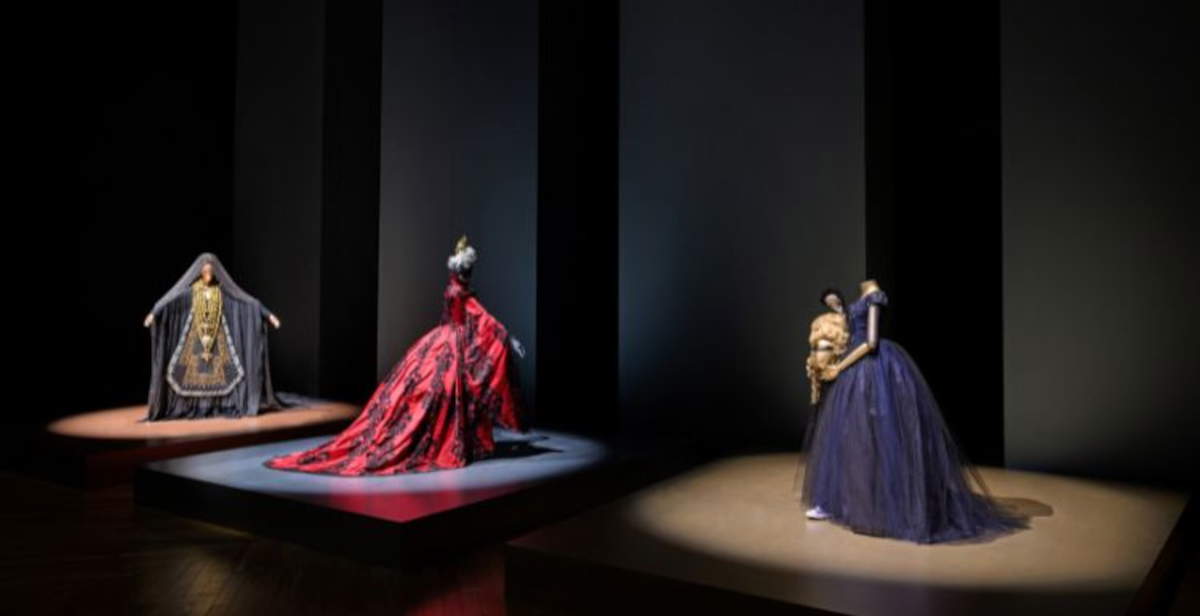 |
| At the Reggia di Venaria, 31 costumes tell the story of queens on stage |

Warning: the translation into English of the original Italian article was created using automatic tools. We undertake to review all articles, but we do not guarantee the total absence of inaccuracies in the translation due to the program. You can find the original by clicking on the ITA button. If you find any mistake,please contact us.




























 IT
IT FR
FR DE
DE ES
ES CN
CN


