





The Fondazione Centro Studi sull’Arte Licia and Carlo Ludovico Ragghianti announces the organization of the first modern monographic exhibition dedicated to Emilio Malerba (Milan, 1878-1926), an artist whose production represents an important contribution to the Italian scene of the first half of the 20th century, still little known to the contemporary public. The exhibition, entitled Emilio Malerba (1878-1926). From the Beginnings to the Novecento Italiano, will be on view in Lucca from Feb. 28 to June 7, 2026 in the rooms of the Fondazione Ragghianti, and was created in collaboration with the Malerba Archive in Monza and with the support of the Fondazione Cassa di Risparmio di Lucca. Curated by Paolo Bolpagni and Elena Pontiggia, the exhibition presents a wide selection of works, original posters and documents, with the intention of offering an organic picture of Malerba’s artistic career on the centenary of his death and almost a century after the last retrospective dedicated to him, dating back to 1931.
"The anthological Emilio Malerba (1878-1926). From the Beginnings to the Novecento Italiano will make use of many important unpublished works found during the research for the monograph on the artist," says co-curator Elena Pontiggia.
“It will be an exceptionally important event,” stresses Paolo Bolpagni, director of the Ragghianti Foundation and co-curator, “continuing in the wake of the rediscovery of Italian artists of the first half of the 20th century already practiced by the Ragghianti Foundation, in 2022, with the successful exhibition on Leonardo Dudreville, who, together with Malerba, was one of the founders of the ’Novecento’ group.”
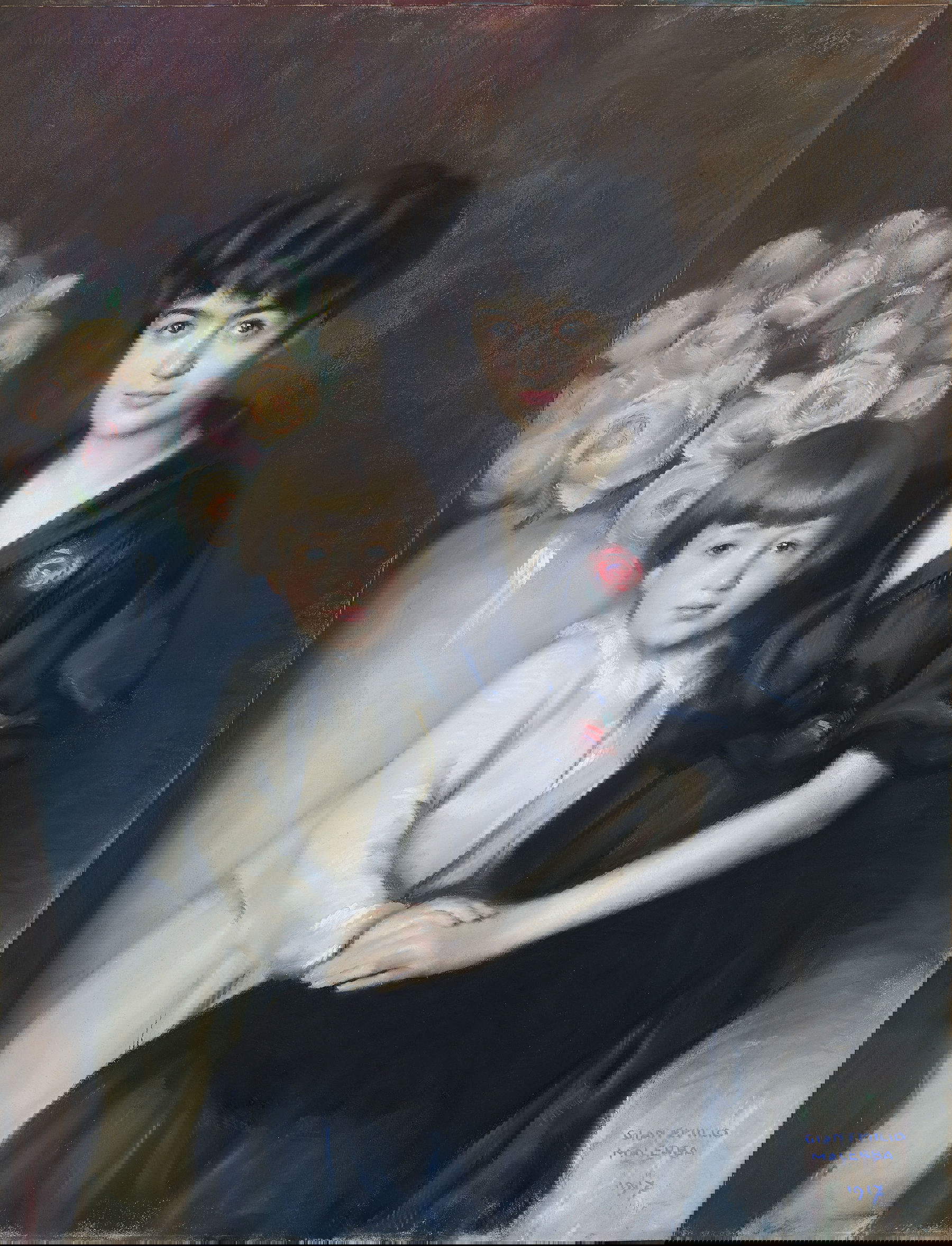
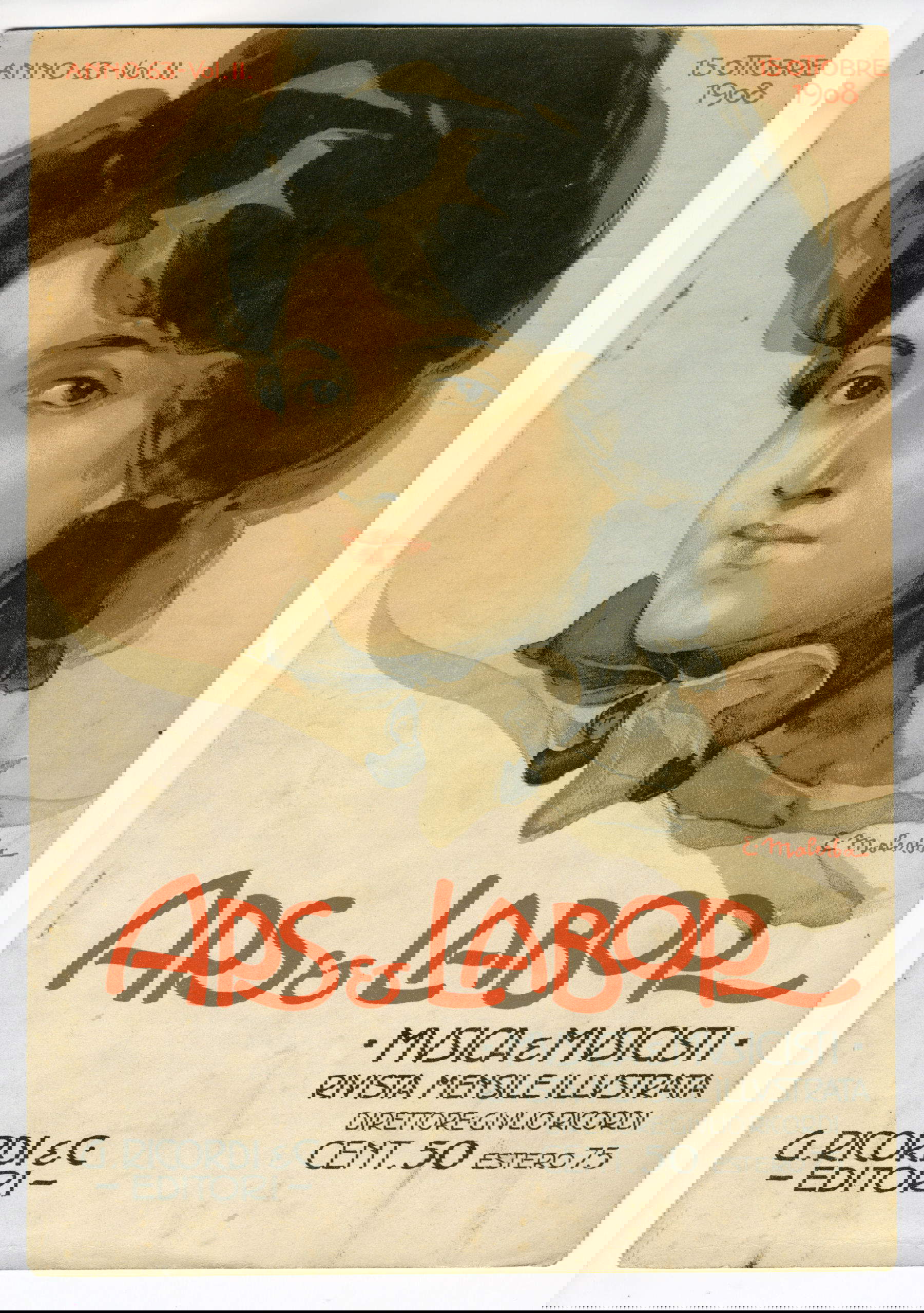
The exhibition follows the artist’s evolution from his youthful years to his early experiences in the Novecento Italiano, with a focus on post-scapigliate, Novecentista and Purist works. The exhibition includes numerous unpublished works, made accessible thanks to recent research, which will be exhibited for the first time in Lucca. Enriching the itinerary, a selection of works by other artists belonging to the early nucleus of the Novecento, Anselmo Bucci, Leonardo Dudreville, Achille Funi, Piero Marussig, Ubaldo Oppi and Mario Sironi, and a portrait of the artist executed by Primo Sinopico in 1917, allow us to contextualize Malerba’s production within the stylistic tensions and collective visions of a group that was never entirely homogeneous. After training at the Brera Academy of Fine Arts, Emilio Malerba began exhibiting in 1906, with works that testify to his connection with the late Scapigliatura style through landscapes and portraits of evanescent subjects. At the same time, he distinguished himself in the field of advertising graphics, creating posters for brands such asAmaro Ramazzotti in Milan and Grandi Magazzini Italiani E. & A. Mele & C. in Naples, in which the artist’s attention to the female figure and ability to suggest complex psychological dimensions through the advertising image already emerged.
Starting in 1916, Malerba developed a more structured and personal painting style, arriving in 1920 at a critically recognized form of Magic Realism, characterized by a sharp but suspended representation of reality. The exhibition presents examples from this phase, such as Le maschere (1922), exhibited at the 13th Venice Biennale, Ritratto di giovinetta (1919) and Femmina volgo (1920), in which the figures, though immersed in everyday contexts, take on a mysterious and intimate aura. The search for the real in Malerba aims to reveal the inner essence of the subjects, outlining domestic spaces and everyday moments with an introverted and collected sensibility. In 1922, Malerba was among the founders of the “Novecento” group, along with Mario Sironi, Achille Funi and six other colleagues, with the critical support of Margherita Sarfatti. The group proposed a return to order in art, recovering classicism and compositional harmony in reaction to the avant-garde experiments of the 1910s. Works such as Nudo con capriolo (1923-1924), Bambine al pianoforte (1924) and Le amiche (1924) show Malerba’s tendency toward a more pronounced volumetric construction and intense chromatic rendering, lending solemnity and monumentality to the bodies depicted.
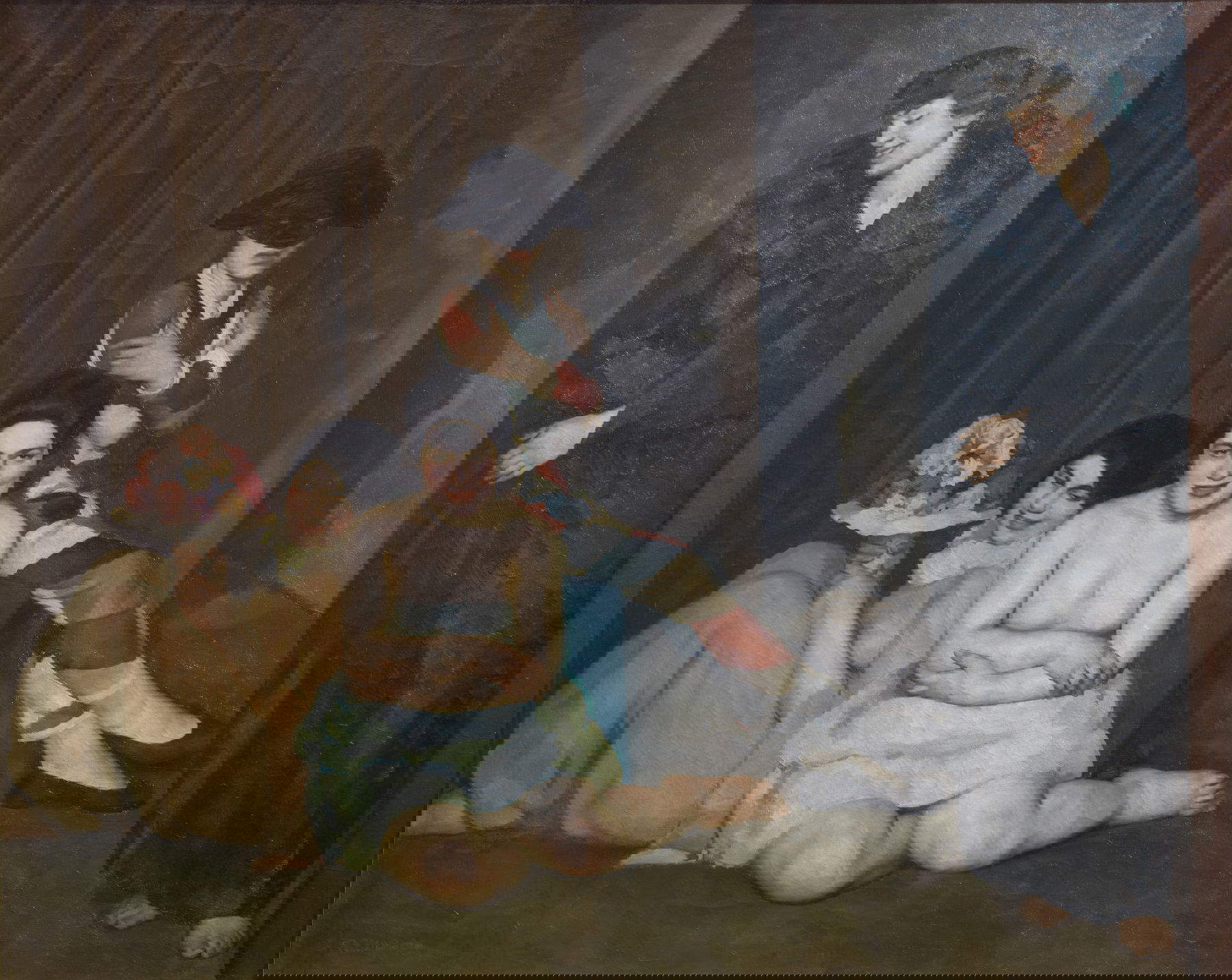
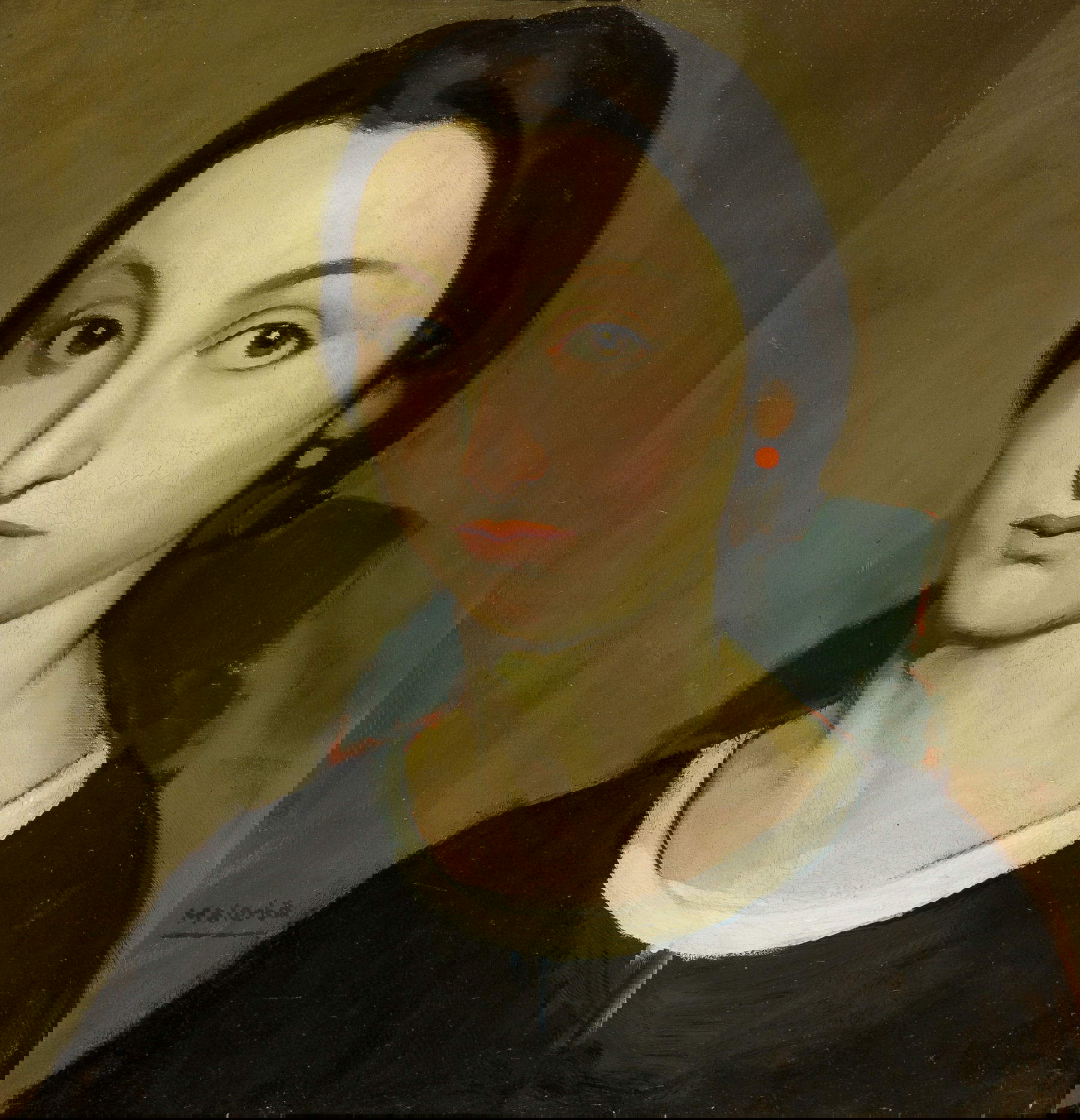
Malerba’s production, prematurely interrupted by the illness that struck him in 1925, shows how the brevity of his career did not prevent the artist from developing a coherent and refined poetics, centered on the observation of reality and the revelation of the inner experience of his subjects. His work testifies to an ability to restore, through seemingly ordinary objects and figures, an intimate, collected world animated by delicate emotional nuances. Alongside the exhibition, a catalog will be published by Edizioni Fondazione Ragghianti Studi sull’arte, containing historical-critical essays by curators Paolo Bolpagni and Elena Pontiggia, contributions by Daniela Ferrari, scientific files on the works on display and bio-bibliographical apparatus. The publication constitutes a useful tool for delving into the figure and work of Malerba, consolidating the Lucca retrospective as an occasion for critical and historical review of his production, while offering a complete picture of the artistic context of the early 20th century in Italy.
The exhibition thus represents a relevant moment of recovery and valorization of the figure of Malerba, inserted in a context of studies and research on Italian art of the first half of the 20th century. The selection of works and documents makes it possible to reconstruct not only the milestones of Malerba’s career, but also his relationships with other artists of the period, offering an in-depth look at the dynamics of the twentieth century and the tensions between tradition, innovation and aspirations for the definition of a new visual language.
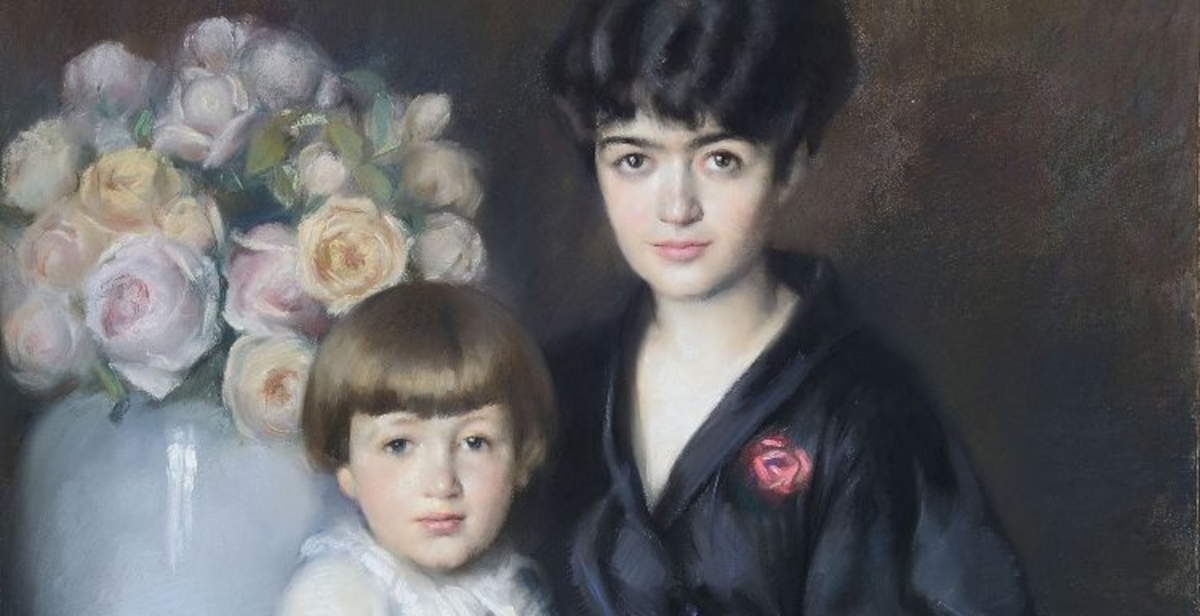 |
| In Lucca in 2026 the first major modern retrospective on Emilio Malerba |

Warning: the translation into English of the original Italian article was created using automatic tools. We undertake to review all articles, but we do not guarantee the total absence of inaccuracies in the translation due to the program. You can find the original by clicking on the ITA button. If you find any mistake,please contact us.





















 IT
IT FR
FR DE
DE ES
ES CN
CN


