




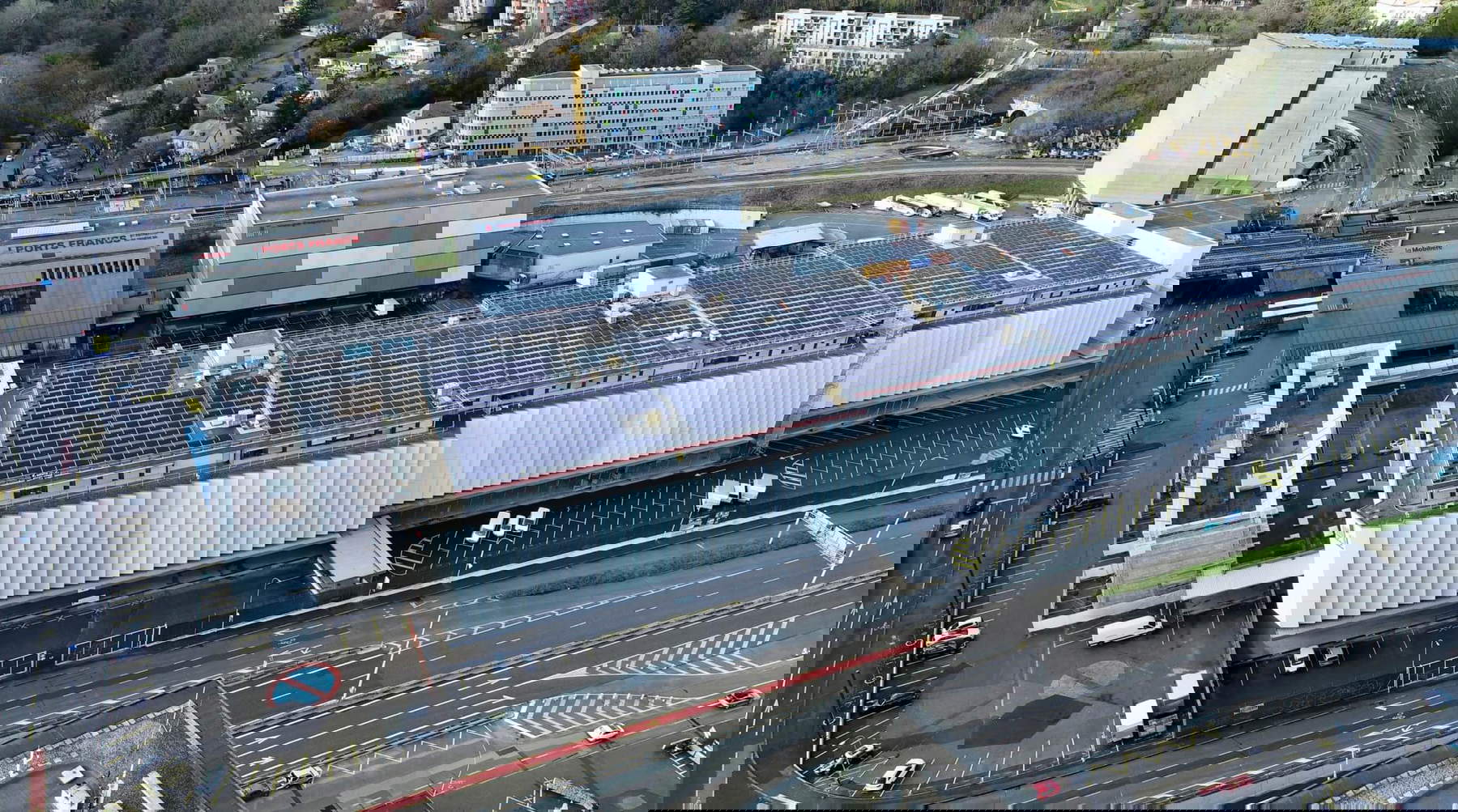
Near Geneva, along quiet arteries that escape the tourist routes, is a complex that resembles neither a museum nor a gallery: the Geneva Freeport. The facade is austere, almost anonymous. Armored doors, fences, surveillance systems. The entrance seems designed to discourage any curiosity. Inside, however, lies one of theworld’s largest and most secret art repositories.
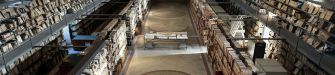
According to recent estimates, the Geneva Freeport houses more than 1.2 million works ofart, with a total value estimated in the range of $100 billion. They range from canvases by modern and contemporary masters to sculptures, antiquities, Persian carpets, and more “exotic” items such as vintage bottles, collector cars, and gold bars. About 40 percent of the space is reserved for artworks, with ideal storage conditions: stable temperature of 17°C, controlled humidity, state-of-the-art fire protection systems, and access allowed only to those with biometric keys.
To walk through these corridors is to enter a world whereart is simultaneously precious and invisible. Works can remain years, sometimes decades, without being exhibited, never meeting the public gaze. Art, in this context, becomes aninvestment asset, subject to economic logic rather than cultural needs.
Some collectors and investors consider it a store of value rather than an asset to be shared, and often the mobility of works is governed by tax or customs reasons rather than aesthetic considerations. This paradox, linked to extreme conservation and total invisibility, is what makes Swiss vaults so fascinating.
Inside the Geneva Freeport,art does notconverse with the public, does not participate in the contemporary cultural conversation. Some journalistic reconstructions, in fact, believe, for example, that there are about a thousand works by Picasso inside that have never been publicly exhibited. Yet these same works could rewrite, in part, the history of modern collecting, or illuminate little-known aspects of the economics of art. What they lack, then, is a public dimension. Is the quiet beauty of a Picasso or Giacometti in a repository worth as much as that displayed in a museum? Or does it just become an object of financial value? The debate widens when considering the fiscal and legal mechanisms that make Freeports and other similar facilities not only places of safety but also instruments of estate planning.
Switzerland, with its financial privacy and free-zone detention laws, has made this unique ecosystem possible: a combination of technical protection and cultural invisibility. At the same time, the phenomenon stimulates deeper reflections: who servesart if not the public? How much value does a sculpture or painting have if it is not admired, studied, interpreted? And what responsibility do owners and intermediaries have in the balance between investment and cultural enjoyment?
There are signs of change: some repositories are beginning to offer in-house showrooms, loans to museums, temporary exhibitions. At Geneva Freeport, for example, some works emerge periodically, especially at events such as Art Basel. But, for the most part, the rule remains the same: art stands, silent, suspended in anticipation.
In this sense, the repository becomes a powerful metaphor: of a Europe and Italy that hold treasures but often struggle to make them accessible, of a heritage that exists but “lives” little, of a right to beauty that does not always translate into real access. Armored rooms, hidden inside mountains or behind airport hangars, embody a cultural paradox, namely owning treasure without being able to show it, or showing it only to a privileged few.
Yet Swiss repositories also tell another story: that of patience and waiting. Some works remain in storage for years before being sold, exported or transferred. Each climate-controlled room, each guarded corridor, becomes an archive of artistic memory, where time seems to stand still. This is not a poetic description; it is a concrete observation. Each guarded work possesses the potential to surprise, to stimulate curiosity, to rekindle the interest of collectors, scholars and enthusiasts.
The real fascination lies in the knowledge that, behind armored doors and hyper-technological security systems, there is a parallel world, a real invisible museum, larger and more valuable than many public institutions. Switzerland is thus configured as an archive of unseen beauty, a silent custodian of works waiting to finally meet the human gaze.


The author of this article: Federica Schneck
Federica Schneck, classe 1996, è una giornalista specializzata in arte contemporanea. Laureata in Storia dell'arte contemporanea presso l'Università di Pisa, il suo lavoro nasce da una profonda fascinazione per il modo in cui le pratiche artistiche operano all’interno, e in contrapposizione, alle strutture sociali e politiche del nostro tempo. Si occupa delle trasformazioni del sistema dell'arte contemporanea, del dialogo tra ricerche emergenti e patrimonio culturale, del mercato, delle istituzioni e delle fiere internazionali. Alla scrittura giornalistica affianca quella critica, con testi per artisti, gallerie e collezioni private.Warning: the translation into English of the original Italian article was created using automatic tools. We undertake to review all articles, but we do not guarantee the total absence of inaccuracies in the translation due to the program. You can find the original by clicking on the ITA button. If you find any mistake,please contact us.














 IT
IT FR
FR DE
DE ES
ES CN
CN


