





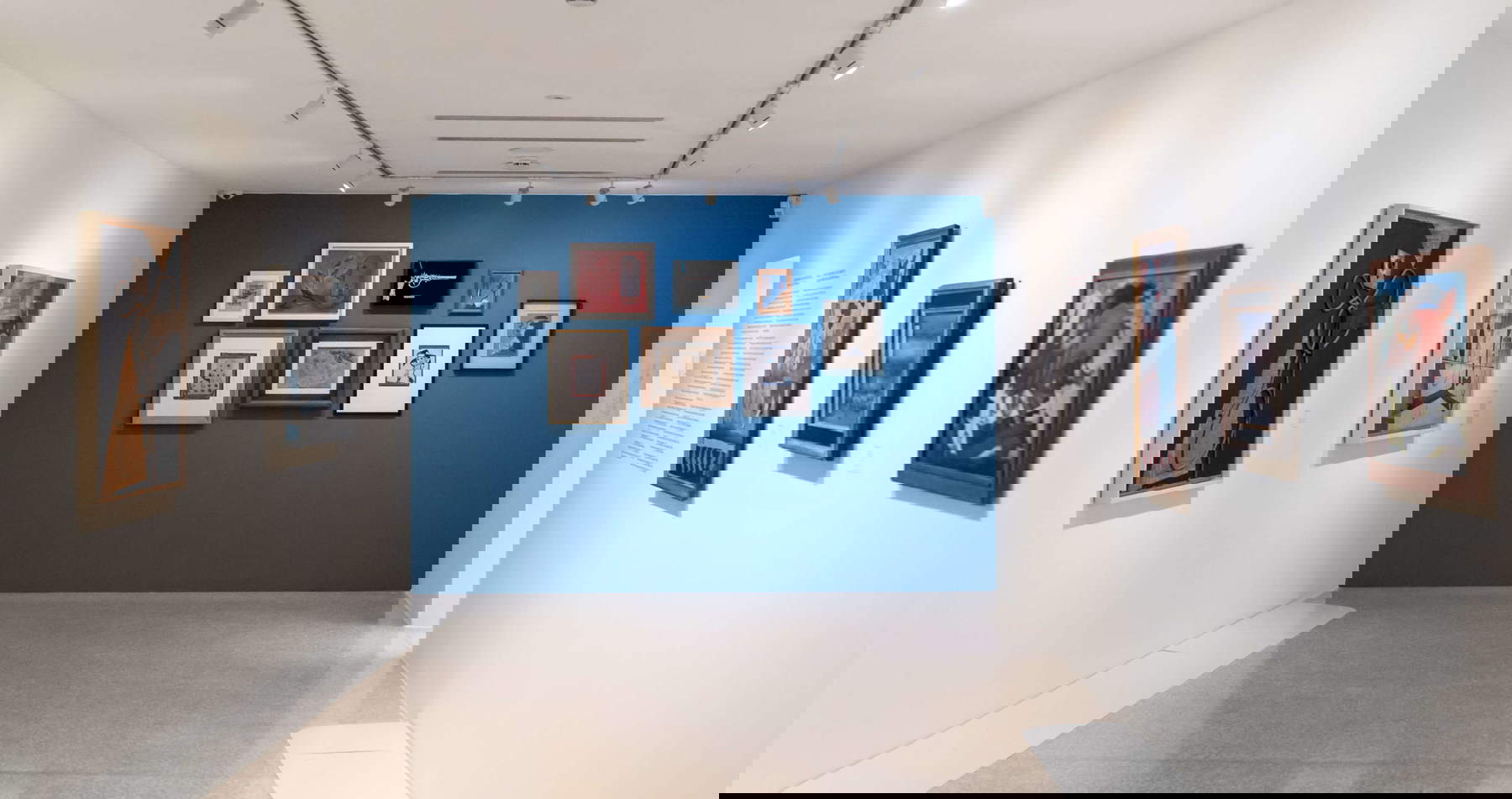
From April 25 to October 19, 2026, the Peggy Guggenheim Collection in Venice presents the exhibition Peggy Guggenheim in London. Birth of a Collector, the largest exhibition ever mounted in a museum setting dedicated to theLondon experience of the celebrated patron Peggy Guggenheim (New York, 1898 - Camposampiero, 1979) and her first gallery, Guggenheim Jeune, active at 30 Cork Street between 1938 and 1939. Curated by Gražina Subelytė and Simon Grant, the exhibition reconstructs a decisive chapter in Peggy Guggenheim’s education, destined to definitively orient her role as collector and advocate of twentieth-century art.
The brief but intense experience of the London gallery was part of a complex cultural context, marked on the one hand by the conservatism of British institutions and on the other by the growing push toward innovation brought by the European avant-garde. In this scenario, Guggenheim Jeune played a central role, helping to spread and legitimize contemporary art in Britain. Along with others such as the Redfern Gallery, the Mayor Gallery, and the London Gallery, the space founded by Guggenheim challenged traditional exhibition conventions, offering visibility to artistic languages then considered radical.
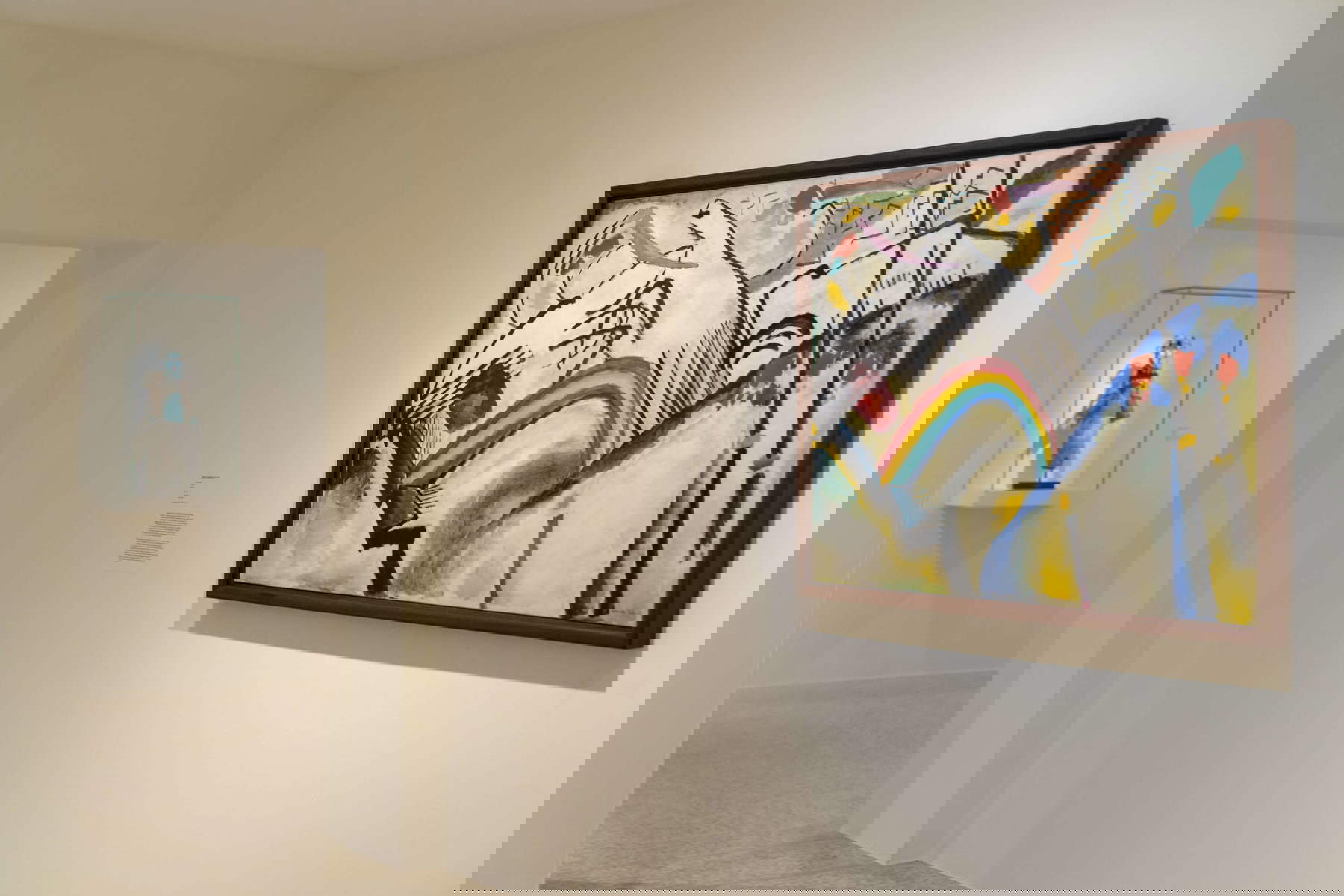
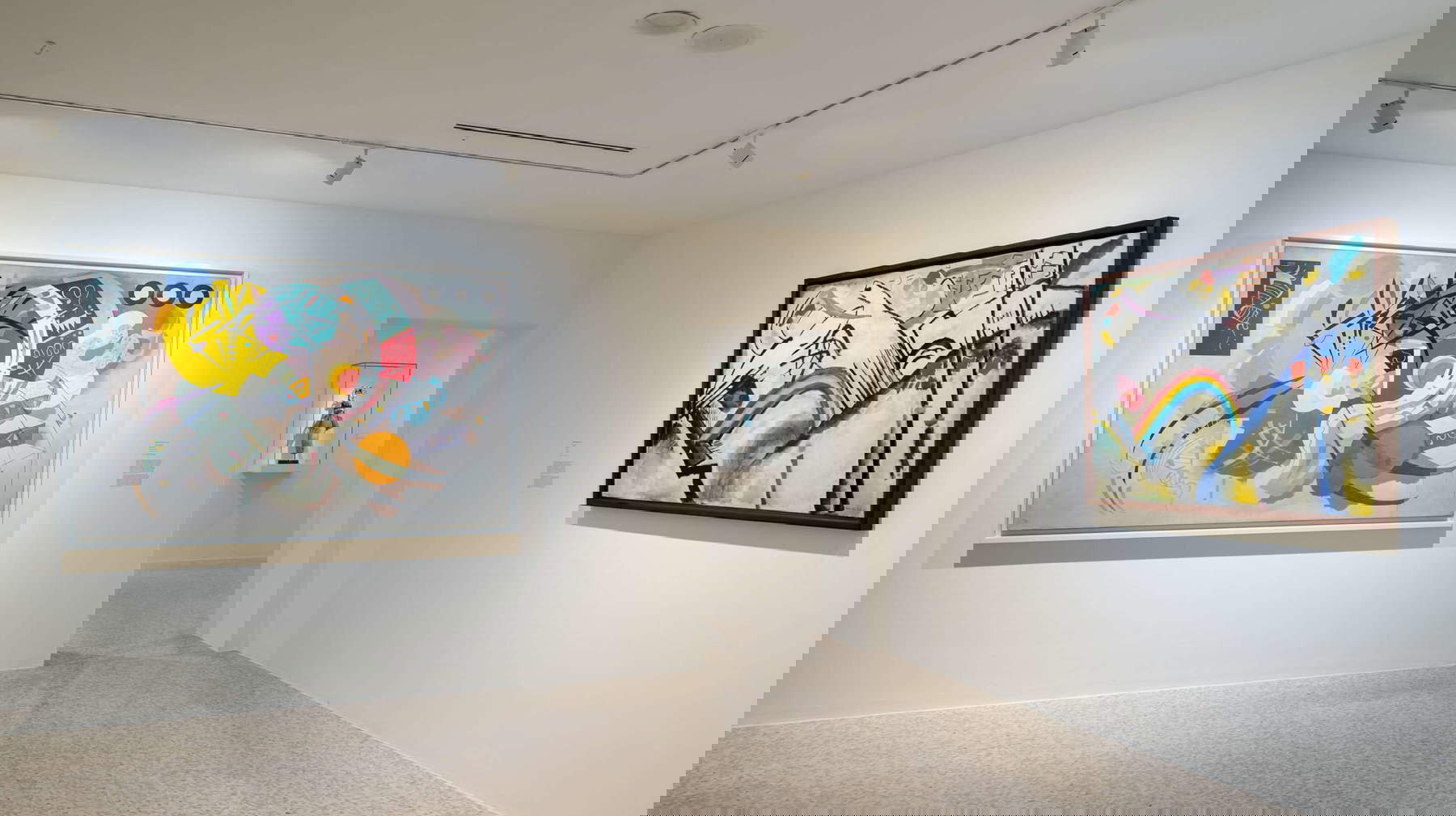
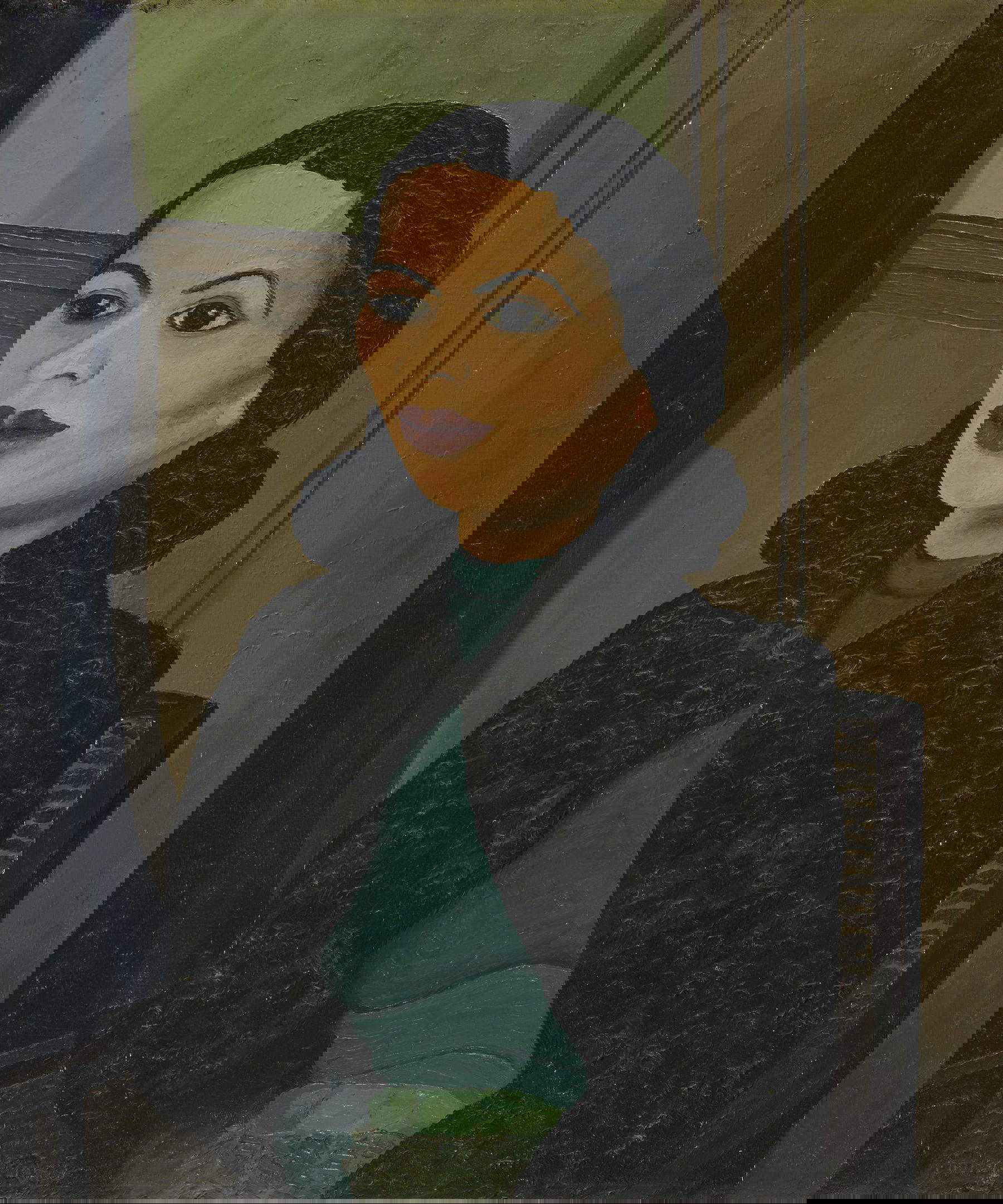
Over the course of just eighteen months, from January 1938 to June 1939, the gallery hosted more than twenty exhibitions, many of which represented true ephemera on the British scene. These included the first solo exhibition in the UK of Vasily Kandinsky, a show devoted to Jean Cocteau, the first exhibition devoted entirely to collage, and a survey of contemporary sculpture that provoked widespread public debate. No less significant was the exhibition of works made by children, in which even a painting by the very young Lucian Freud appeared, marking the exhibition debut of one of the future protagonists of British art.
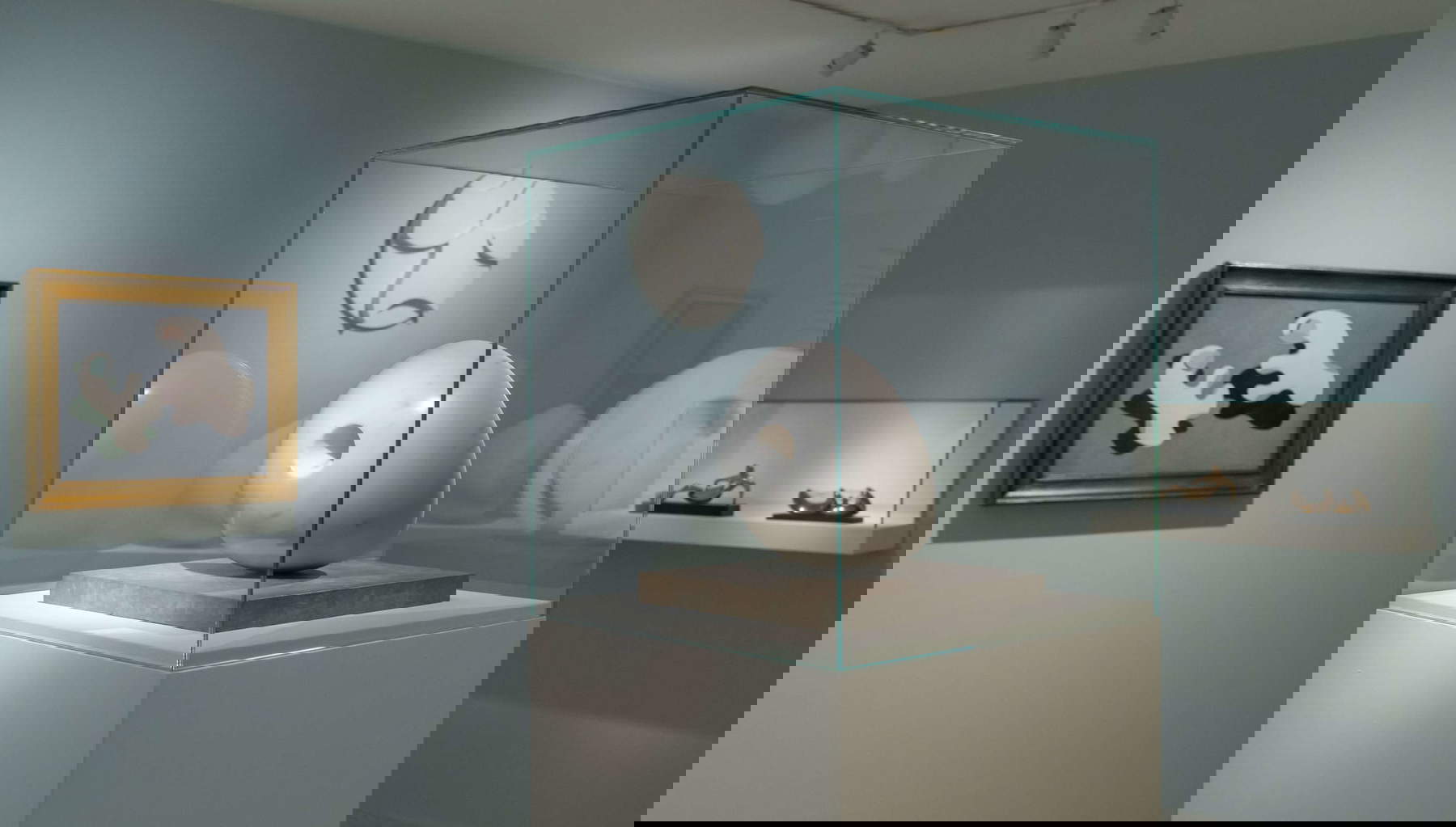
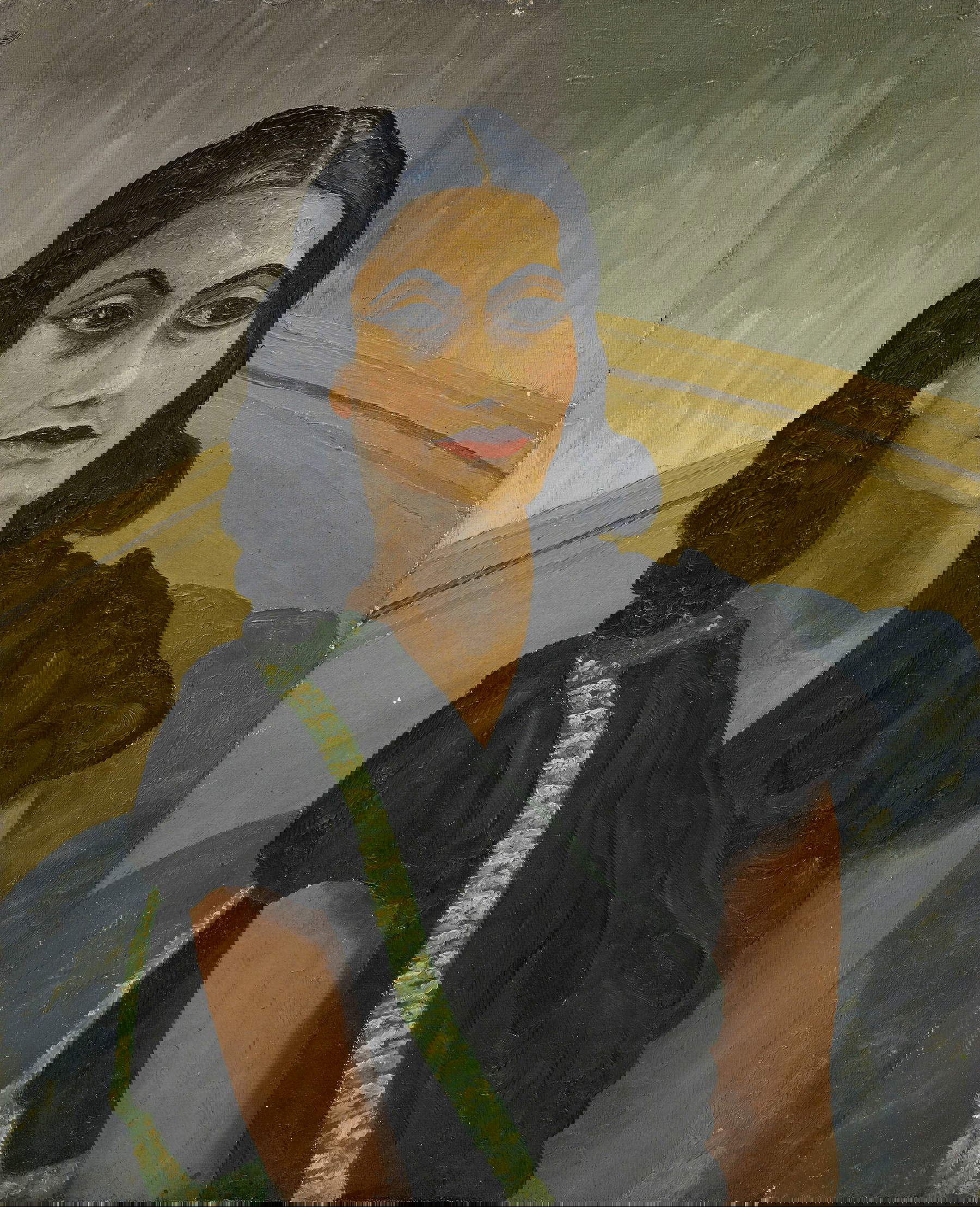
The Venetian exhibition brings together some 100 works from major international institutions and private collections, many of which were originally presented in London. It includes paintings, sculpture, works on paper, photographs, puppets and archival materials, restoring the variety and vitality of Guggenheim Jeune’s programming. Artists featured include Eileen Agar, Jean Arp, Barbara Hepworth, Kandinsky, Rita Kernn-Larsen, Piet Mondrian, Henry Moore, Cedric Morris, Sophie Taeuber-Arp, and Yves Tanguy, alongside figures Guggenheim would later include in its own collection.
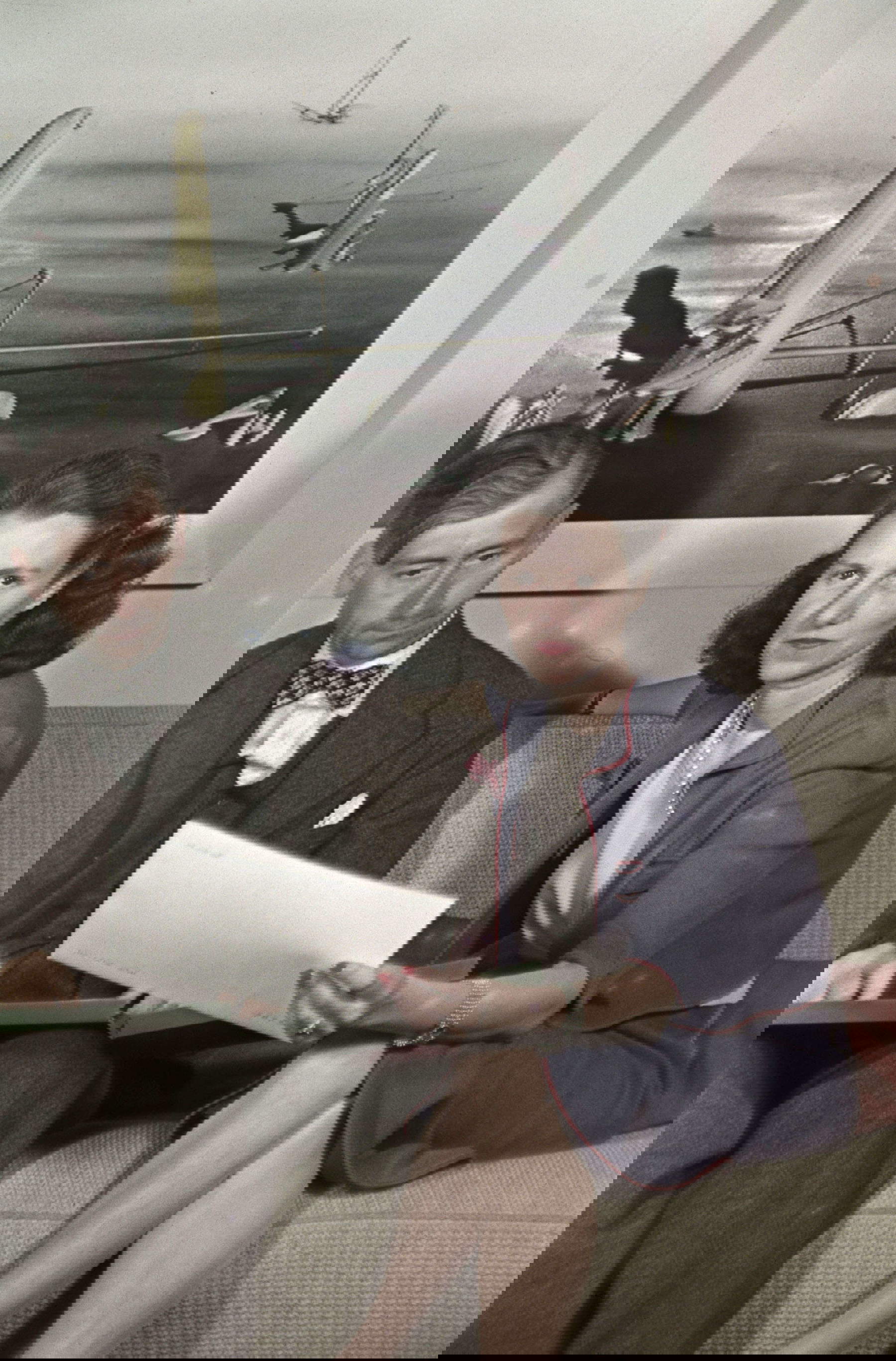
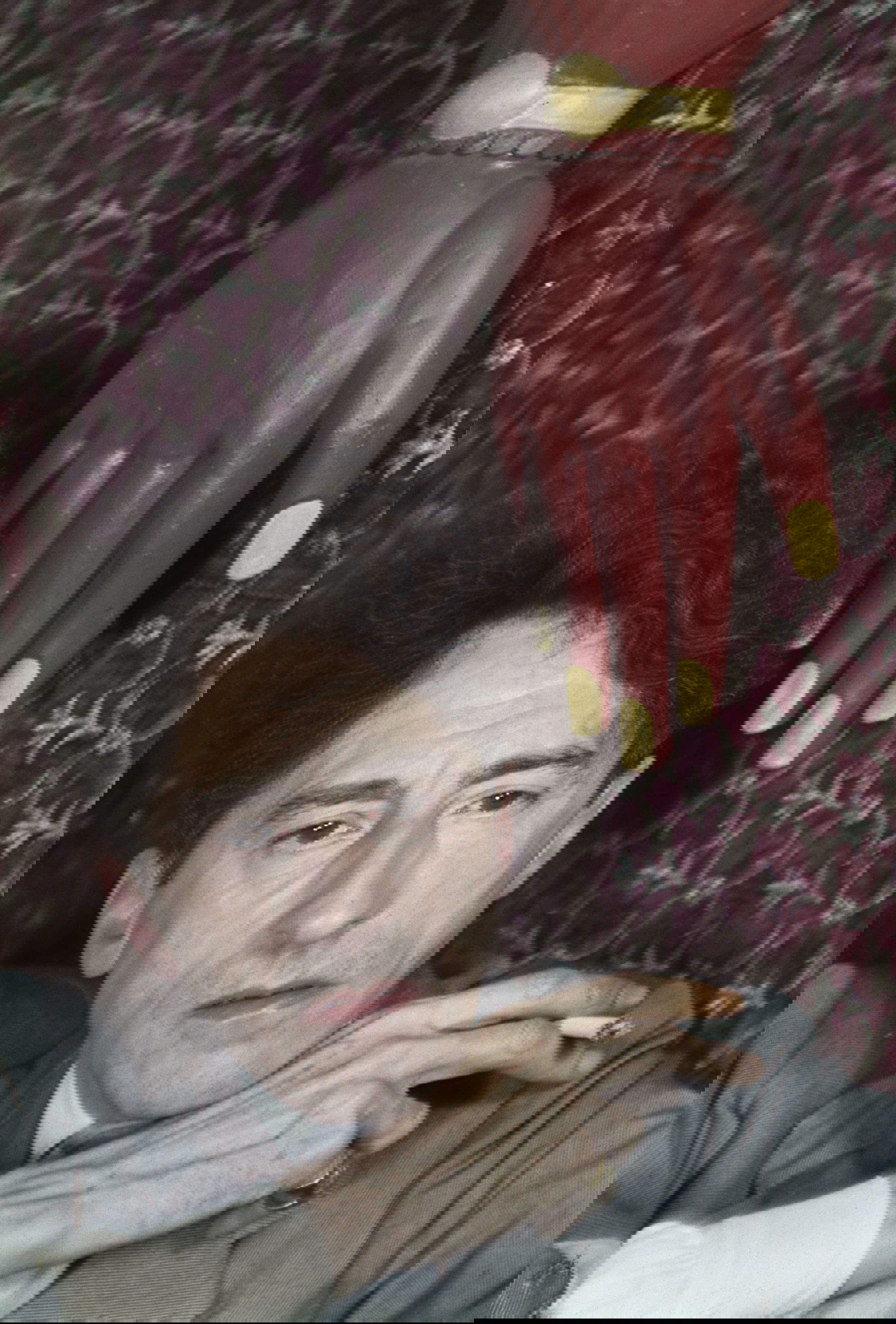
A central element of the exhibition is the network of relationships that sustained the gallerist’s work. Collaborations and friendships with protagonists of modernism such as Samuel Beckett, Marcel Duchamp, Roland Penrose, Herbert Read and Mary Reynolds turned out to be crucial in defining her cultural vision. In this sense, the exhibition does not merely document an exhibition experience, but restores a dynamic intellectual environment, marked by exchanges and contaminations between different disciplines and languages.
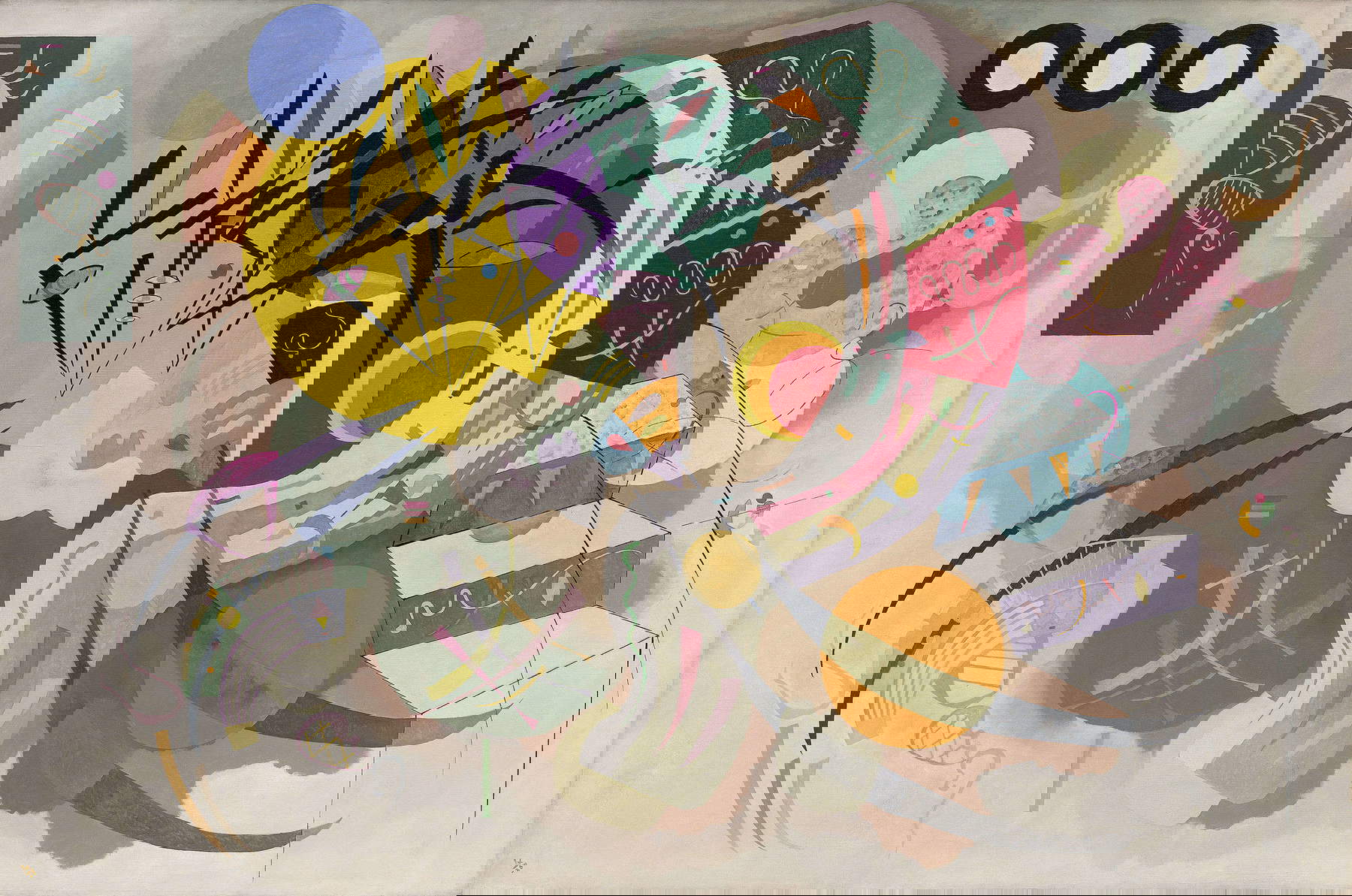
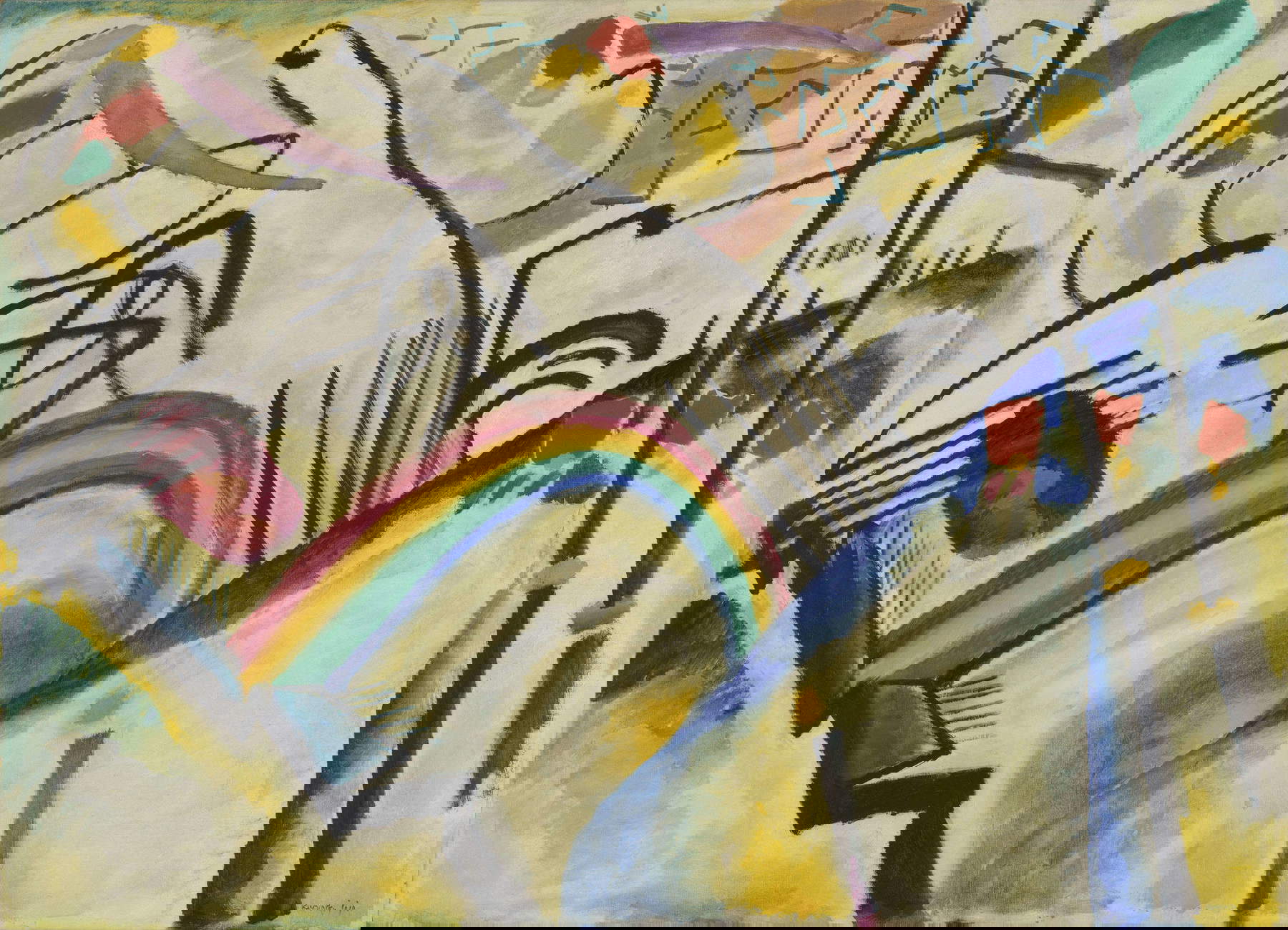
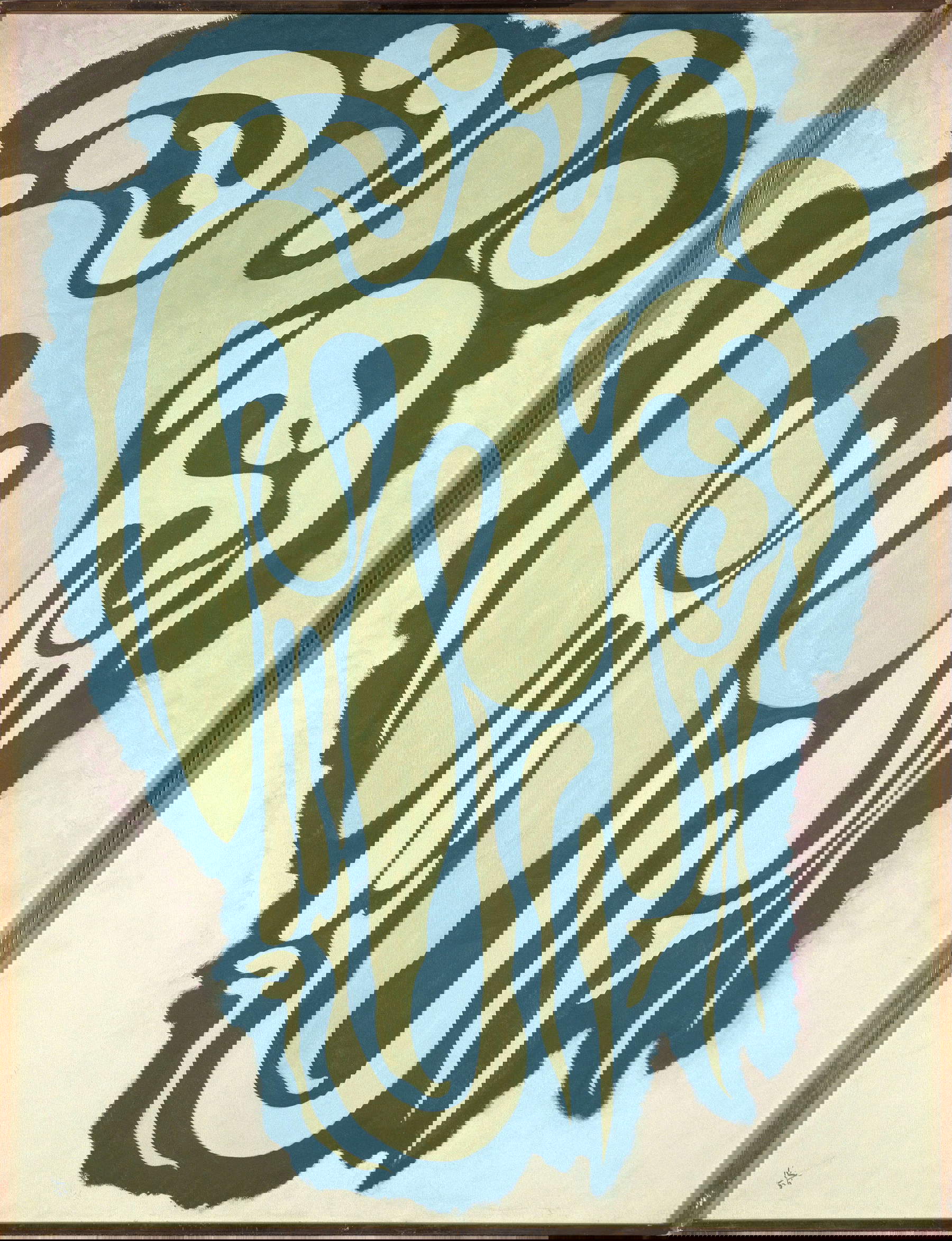
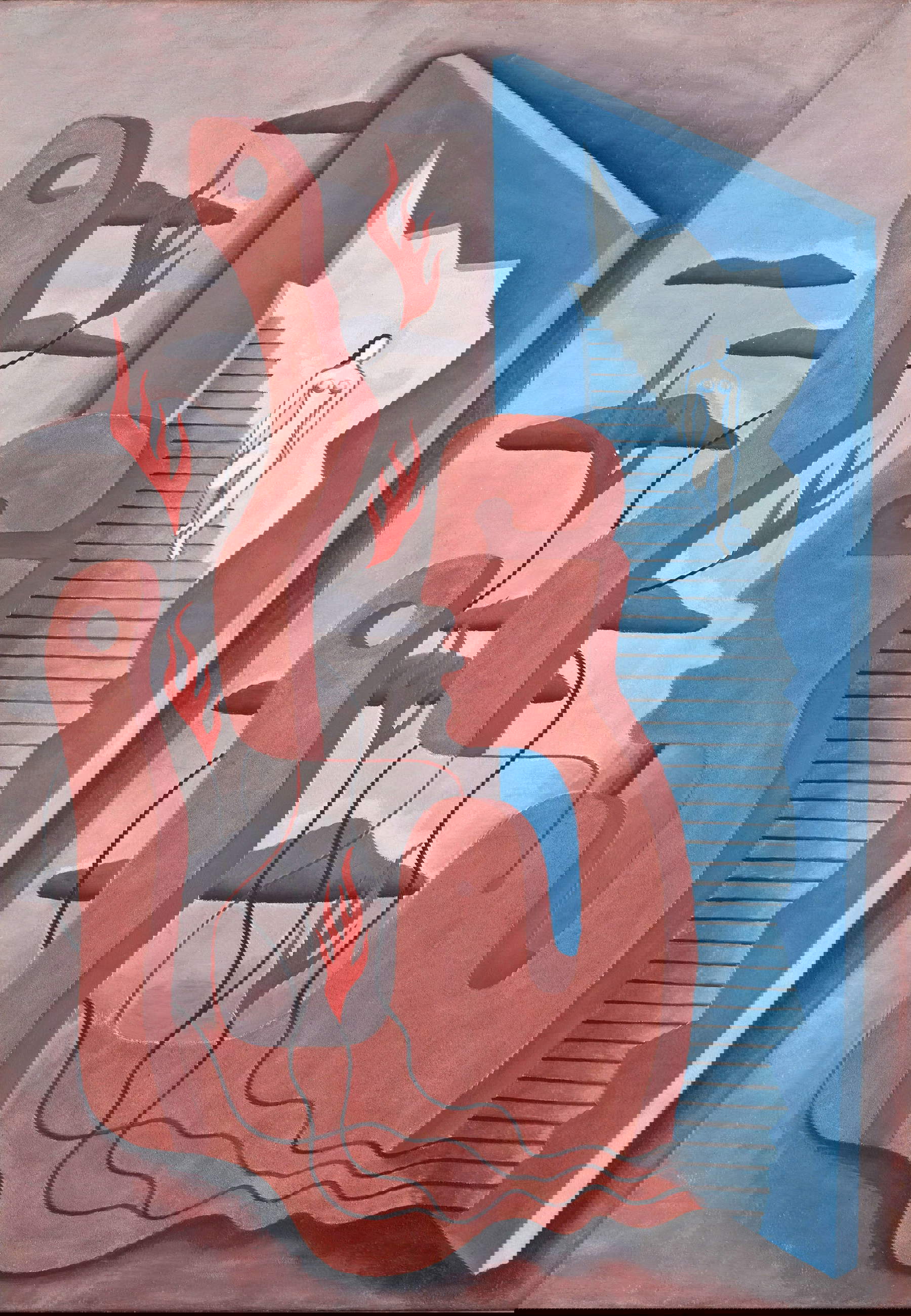
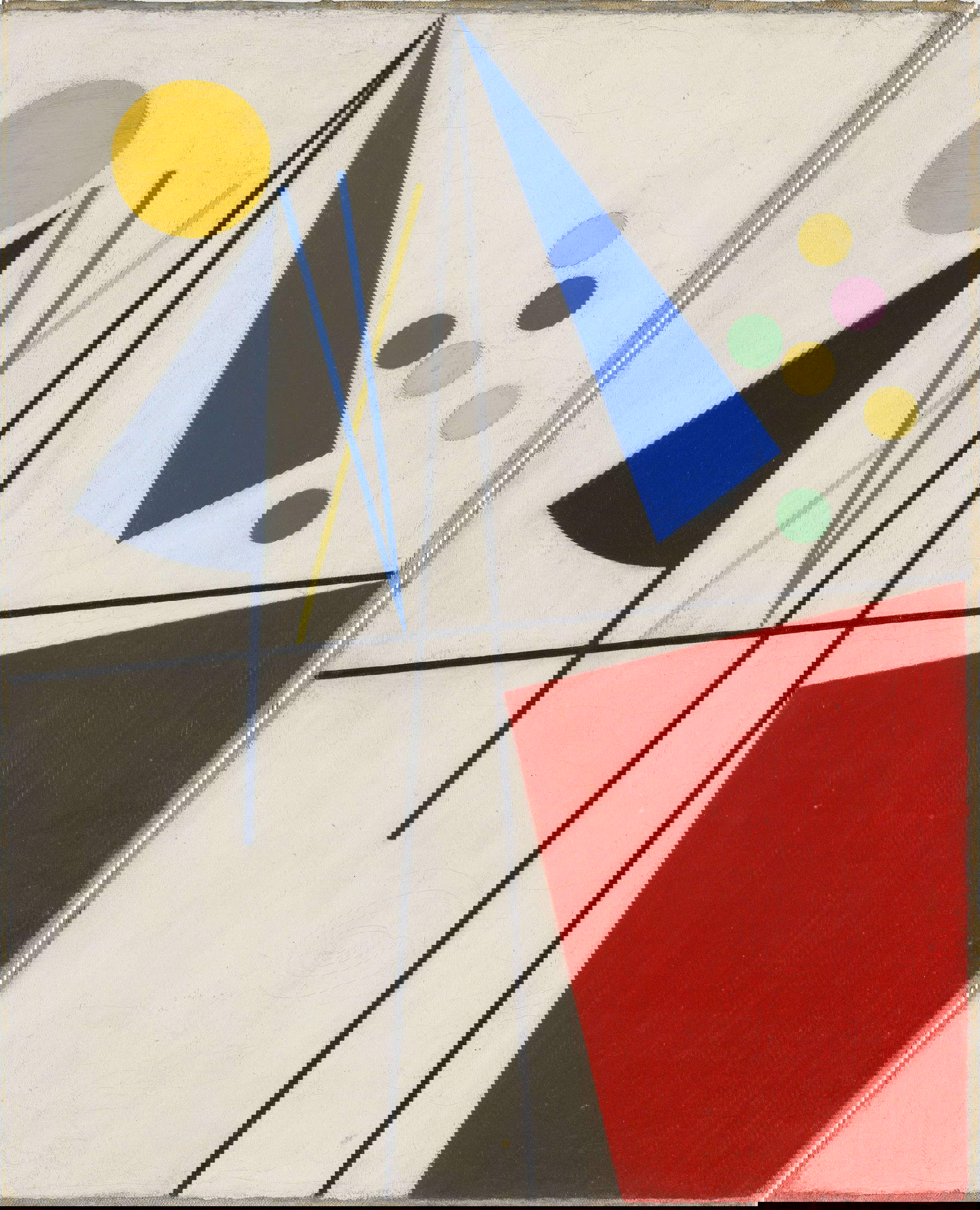
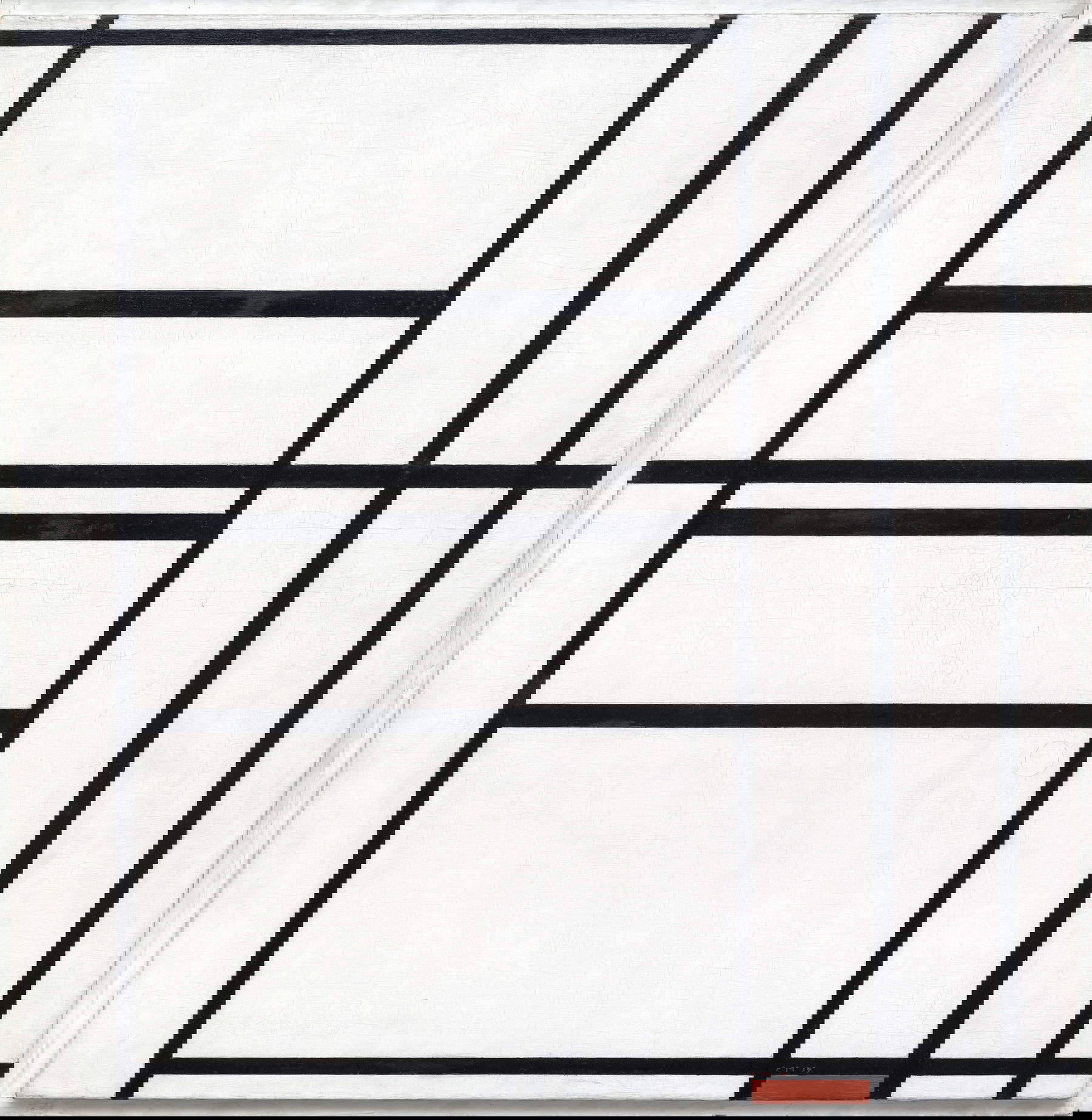
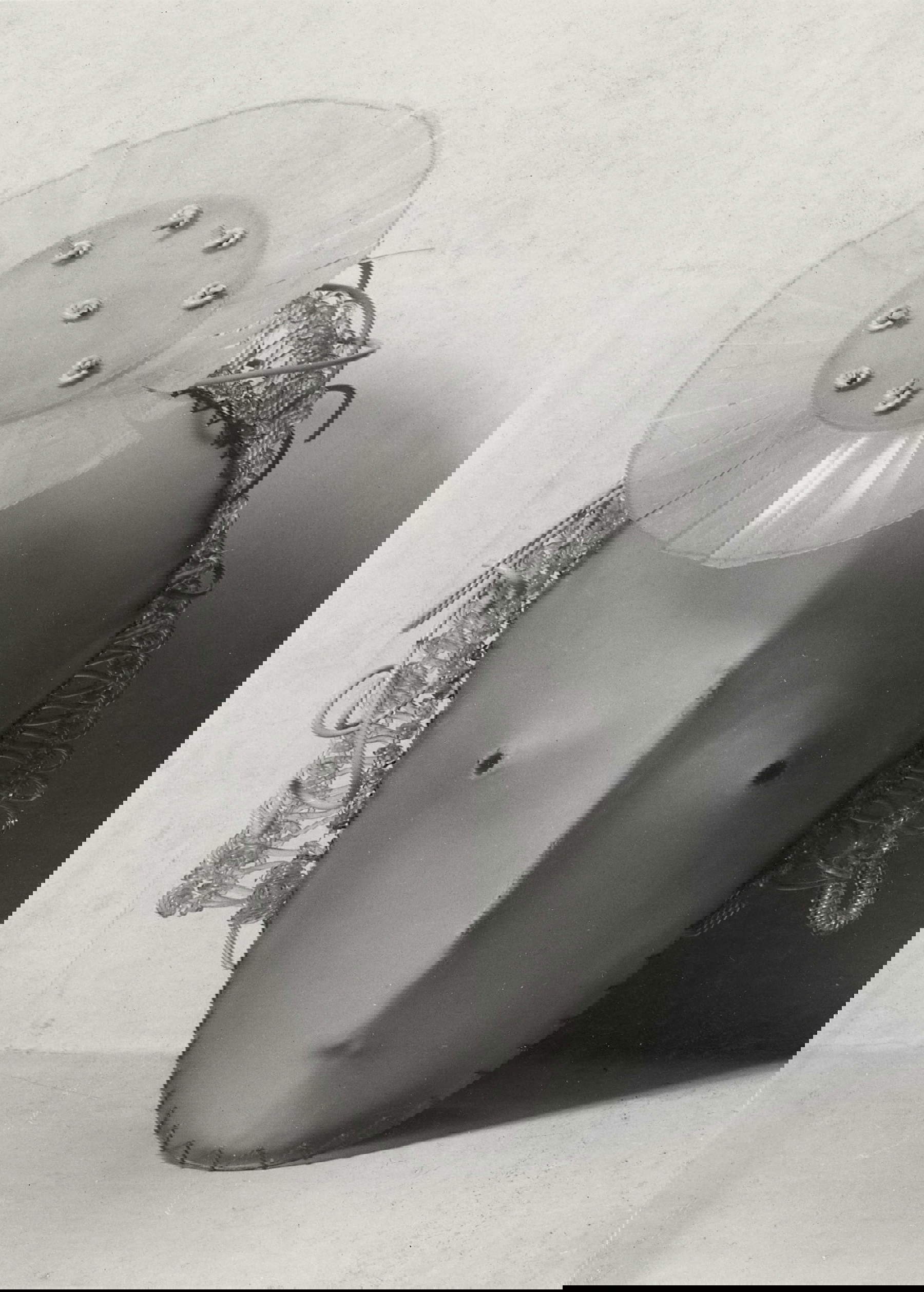
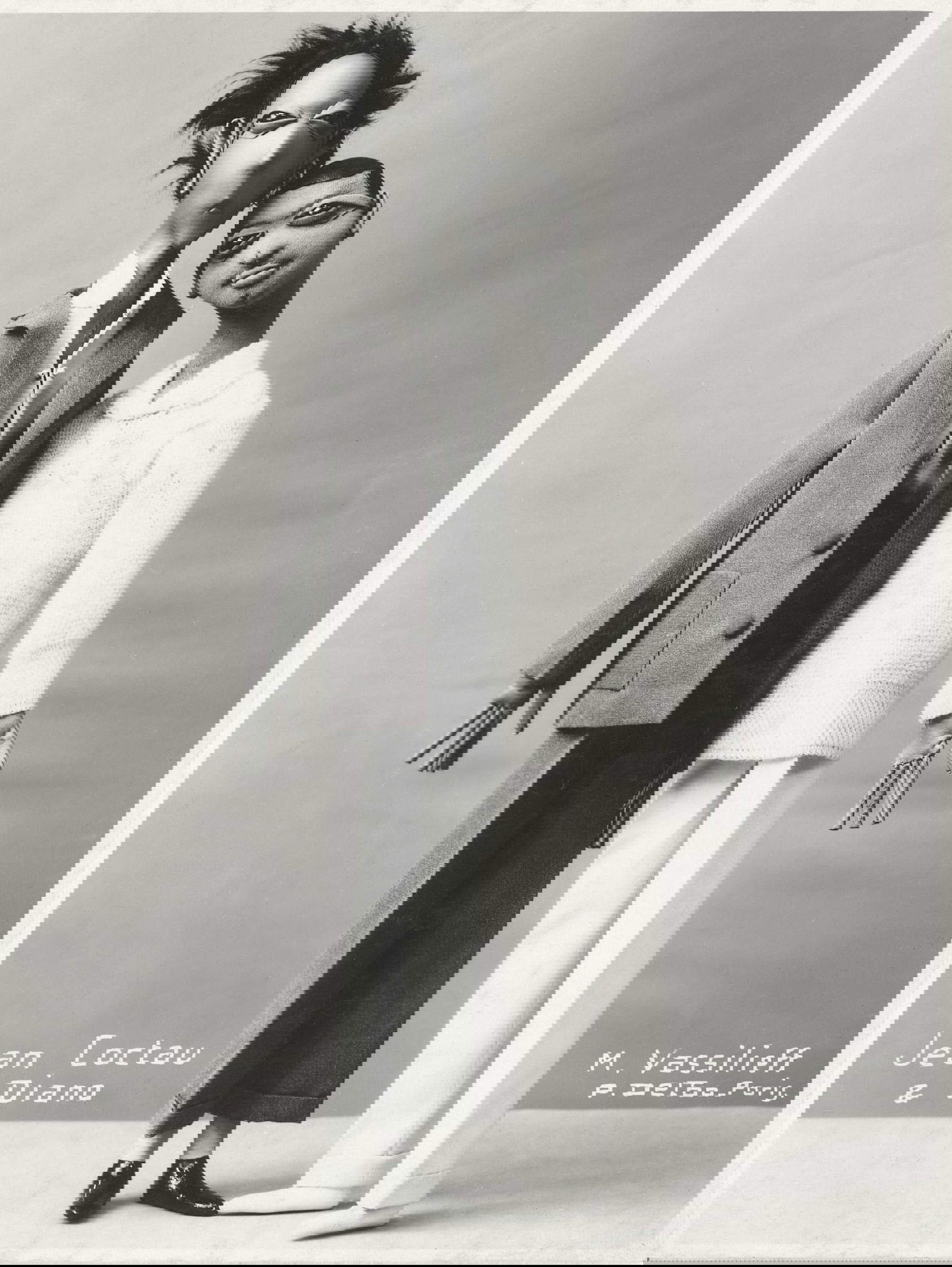
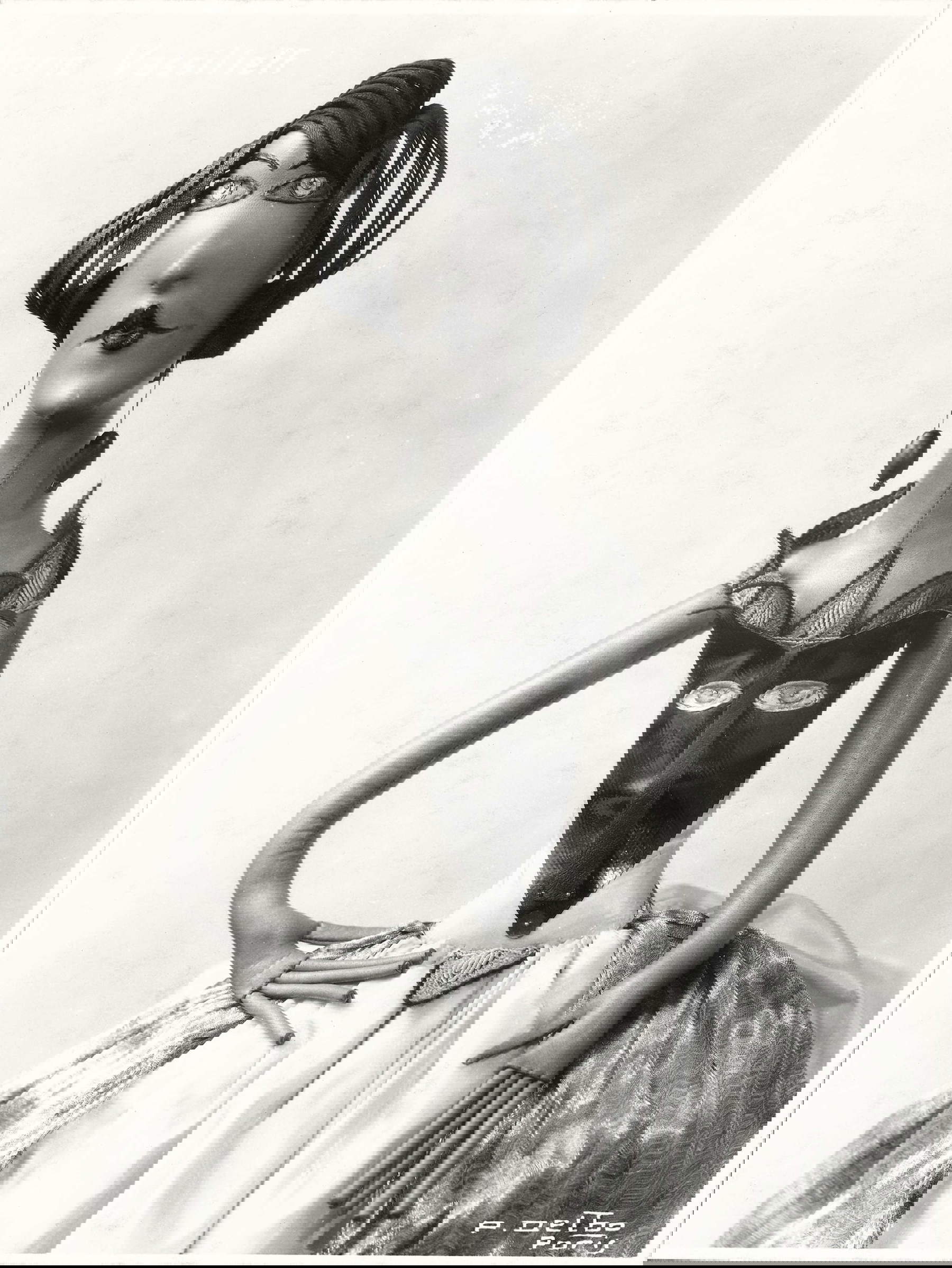
The exhibition opens with a selection of works related toabstraction and Surrealism, reflecting the main directions of the gallery’s programming. This is followed by sections devoted to individual exhibitions organized by Guggenheim Jeune, including one on Kandinsky, which represented the artist’s first retrospective in Britain, and one on Marie Vassilieff, a key figure in an artistic practice that combined art, craft and design. Ample space is also given to the 1938 exhibition of contemporary sculpture, a crucial event for the diffusion of new plastic languages in the British context.
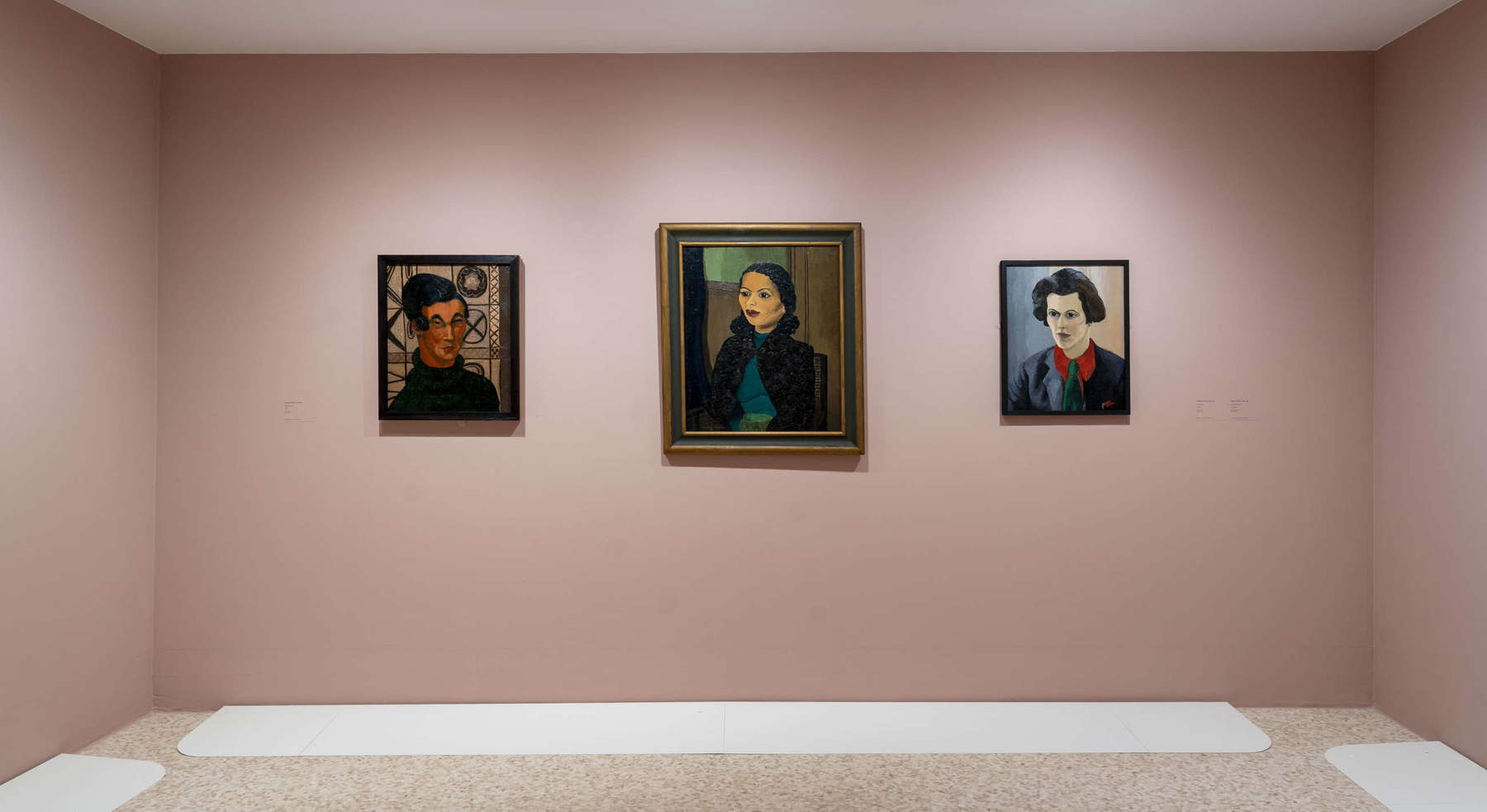
The narrative continues with the section devoted to Cedric Morris, an artist at the center of the English avant-garde scene, whose portraits render an articulate panorama of London’s cultural society. This also includes the presence of Lucian Freud, whose artistic debut is documented through a work made in his teens. This is followed by sections devoted to Charles Howard and Heinz Henghes, which testify to the variety of artistic research presented in the gallery, between surrealist suggestions and formal experimentation.
Of particular note is the section devoted to Atelier 17, the workshop founded by Stanley William Hayter, who introduced in Britain an innovative approach to graphic art, based on technical experimentation and collaboration among artists. The works on display highlight the variety of languages developed within the workshop, ranging from figuration to abstraction.
A significant moment of the itinerary is the re-enactment of the exhibition “Abstract and Concrete Art,” which in May 1939 brought together works by international artists engaged in research on pure form. In a context marked by exile and political persecution, the exhibition also took on ideological significance, helping to redefine the European artistic debate.
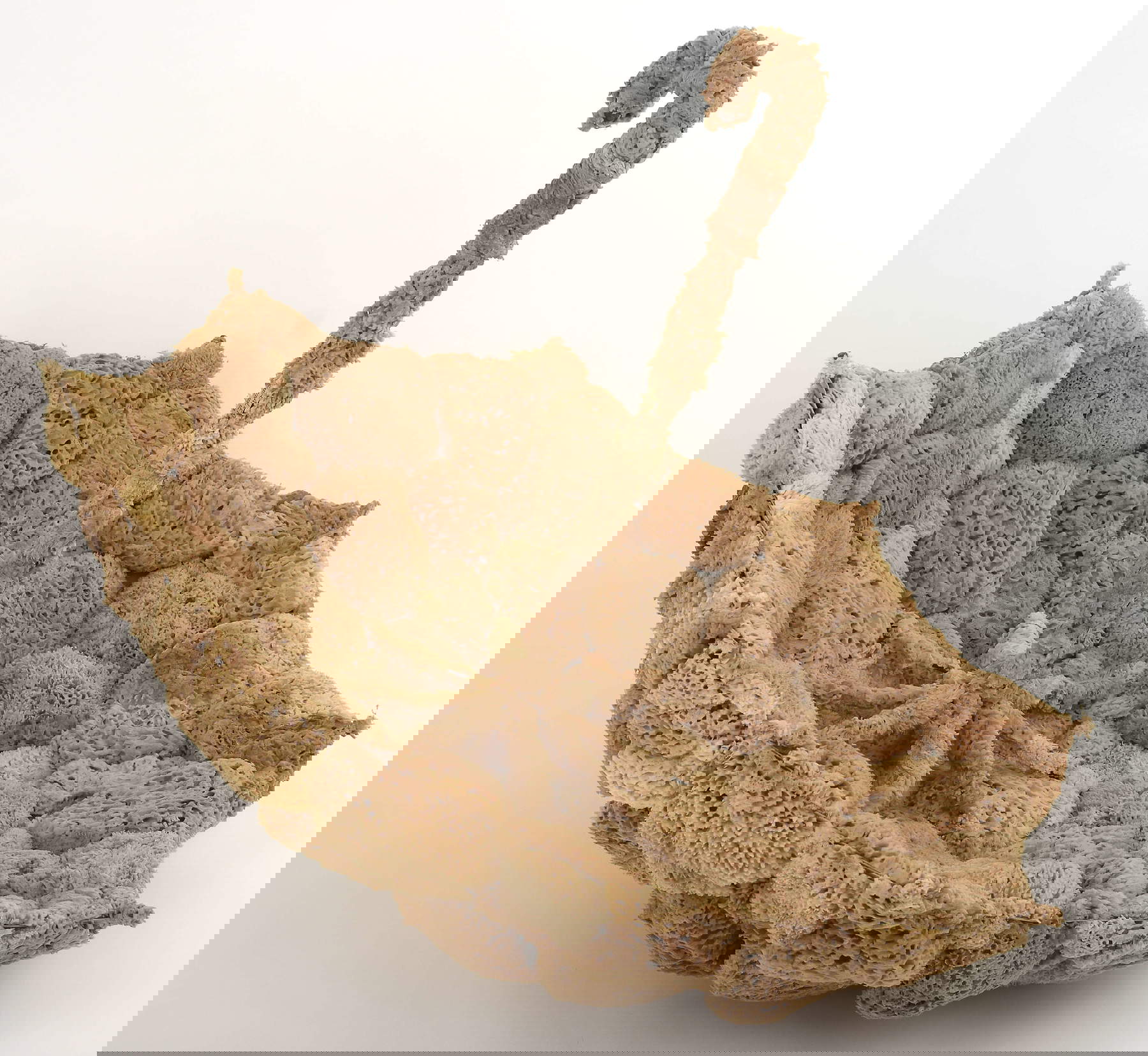
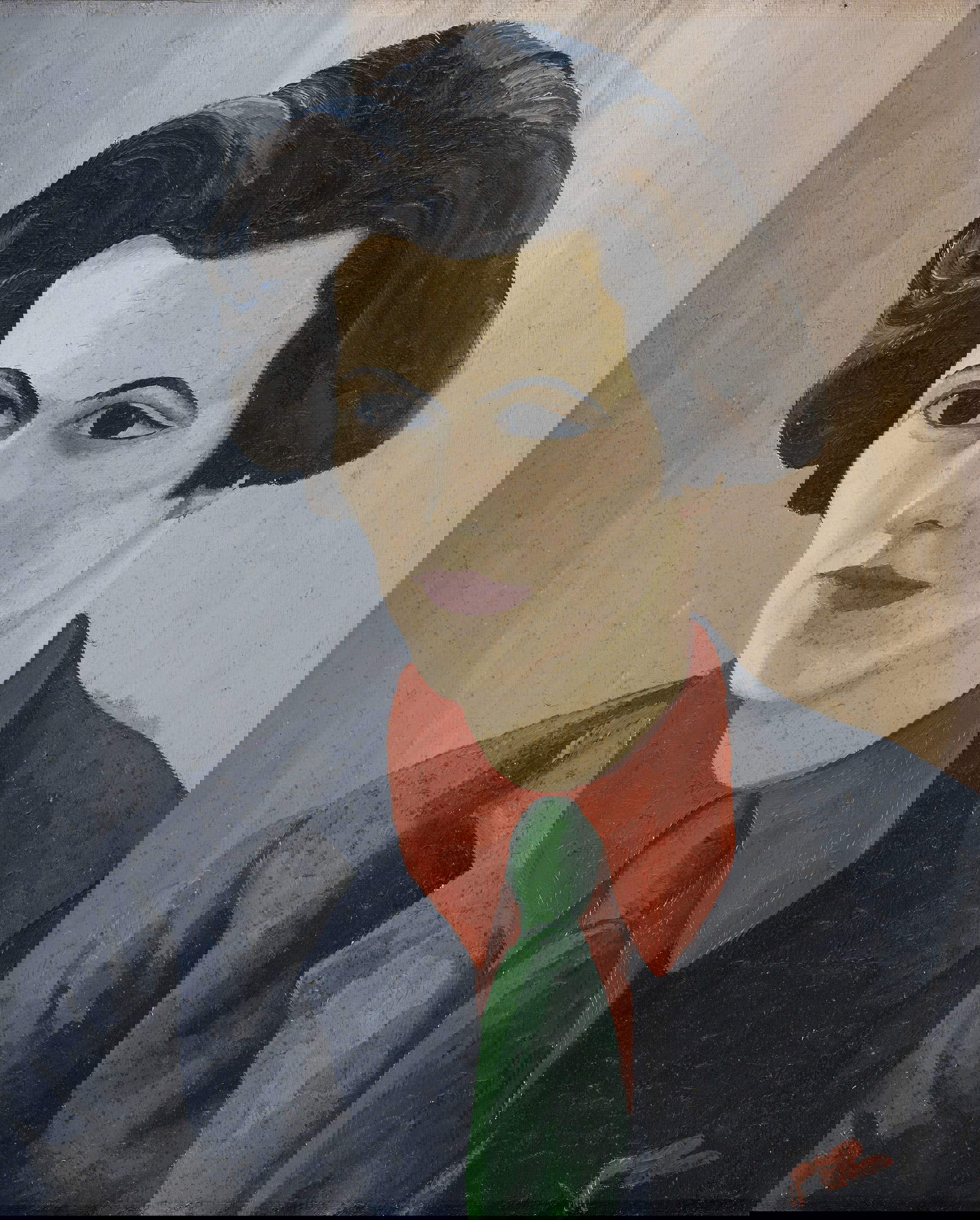
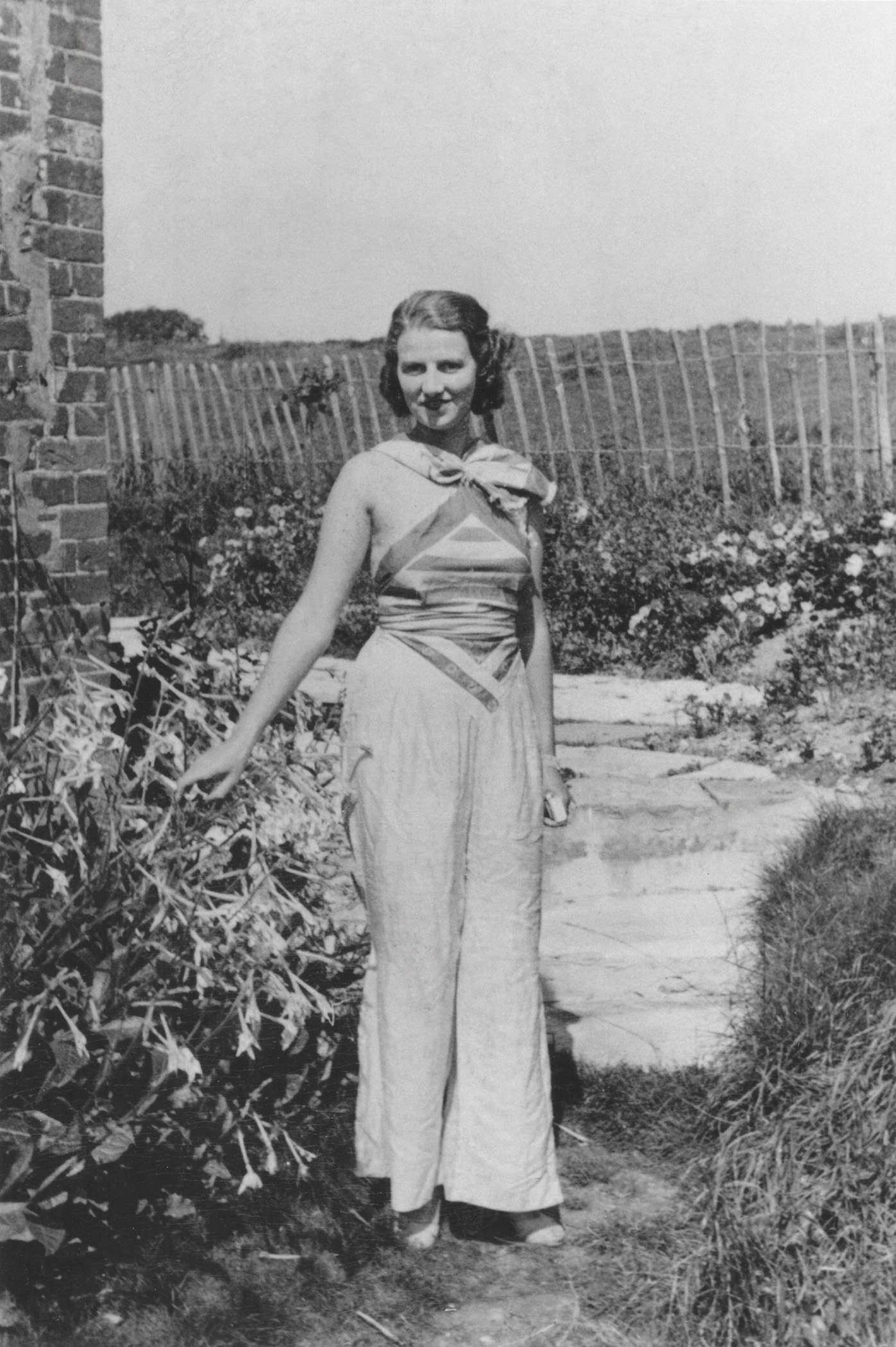
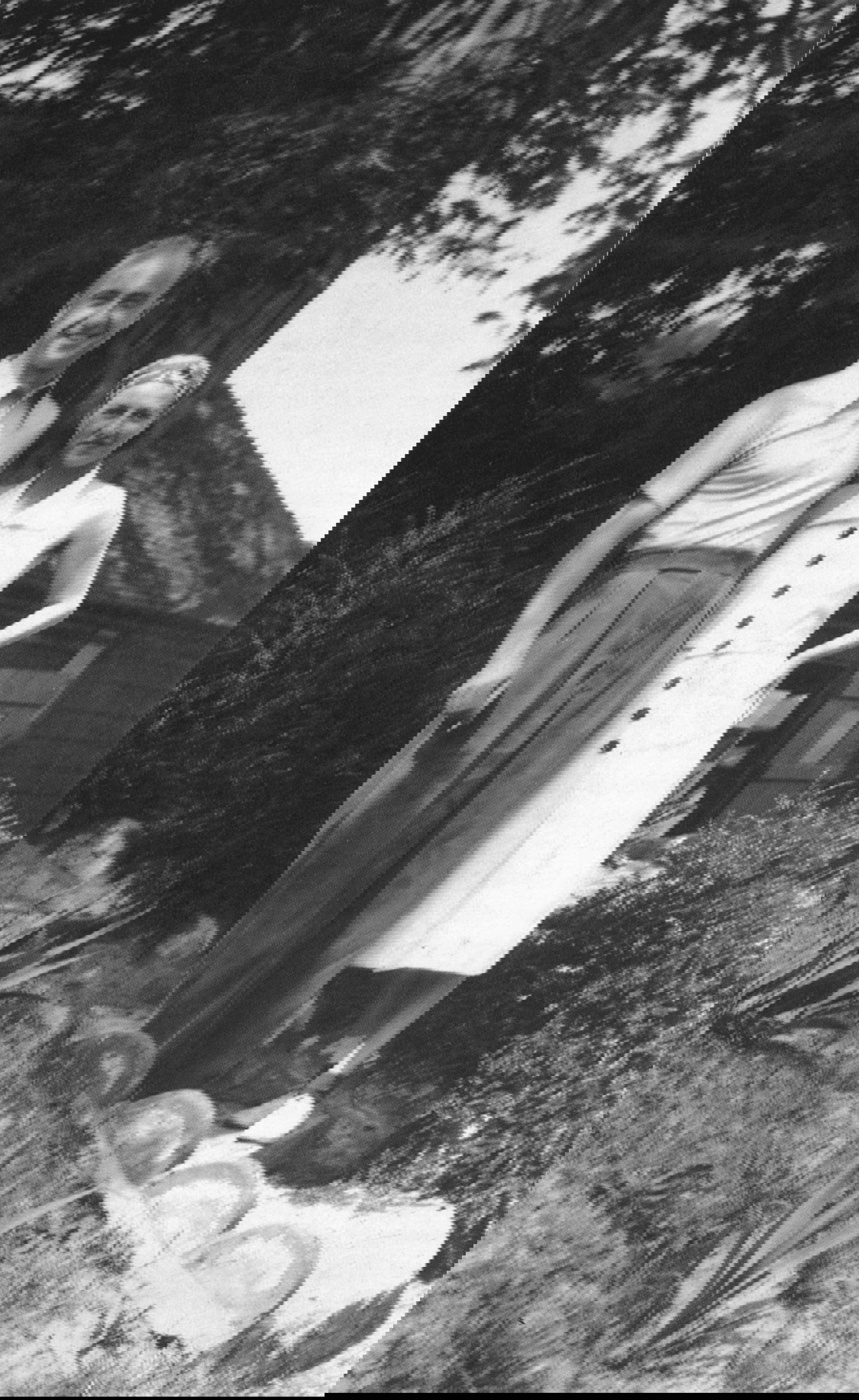
The last part of the exhibition is devoted to Surrealist exhibitions and the historic collage exhibition, which marked a milestone in the spread of this technique in Britain. The works on display testify to the evolution of collage from Cubism to Surrealism, highlighting its central role in the development of modern art.
The exhibition concludes with a tribute to Gisèle Freund, a photographer who in 1939 presented Guggenheim Jeune with her projected color portraits, an innovative mode that helped renew the language of photography. In the same context emerges the figure of Winifred Henderson, a key collaborator of the gallerist, responsible for managing the space and building the network of contacts that sustained its activity.
In addition to the historical and artistic dimensions, the exhibition aims to pay tribute to the deep bond that united Peggy Guggenheim toEngland, which she considered a spiritual homeland. A sentiment that the collector herself summarized in a 1976 interview, declaring that if she had not lived in Venice, she would have chosen the English countryside.
The exhibition project is accompanied by an illustrated catalog published by the Peggy Guggenheim Collection and distributed by Marsilio Arte, with contributions by numerous international scholars. A program of free collateral activities, realized thanks to the support of the Araldi Guinetti Foundation, completes the initiative. After the Venetian stop, the exhibition will be presented at the Royal Academy of Arts in London from November 21, 2026 to March 14, 2027, and then at the Guggenheim Museum in New York from April 16 to September 12, 2027.
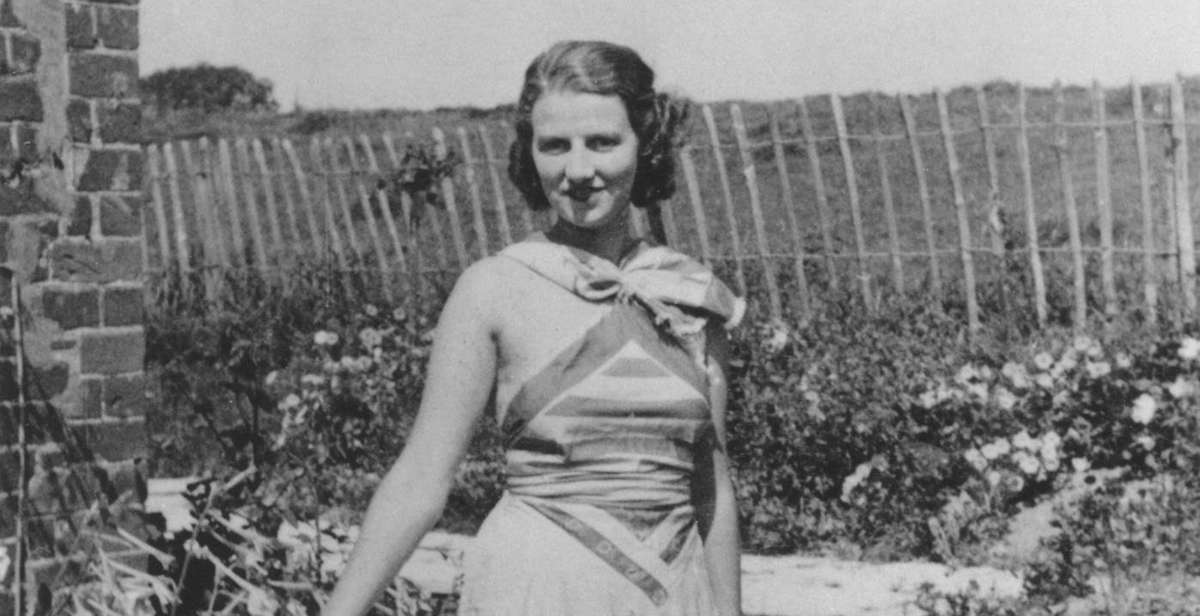 |
| Peggy Guggenheim in London: the birth of a collector on display in Venice |

Warning: the translation into English of the original Italian article was created using automatic tools. We undertake to review all articles, but we do not guarantee the total absence of inaccuracies in the translation due to the program. You can find the original by clicking on the ITA button. If you find any mistake,please contact us.

























 IT
IT FR
FR DE
DE ES
ES CN
CN


