





It will be presented on May 21, 2026 at 12 noon in Siena, in the halls of Palazzo delle Papesse, the exhibition Abitare il Rinascimento. Domestic Furniture in Siena from the 15th Century to the Age of Mannerism, scheduled from May 22 to November 1, 2026. It is curated by Laura Bonelli and Marilena Caciorgna, while Giuseppe Costa, president of Opera Laboratori, Riccardo Coppini, president of the Monte dei Paschi di Siena Foundation, and the curators will speak at the meeting.
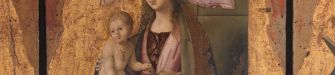
The exhibition addresses the theme ofSienese domestic furnishings between the 15th and 16th centuries through an itinerary composed of more than eighty works, many of them from Italian and foreign institutions. The exhibition focuses on artistic production intended for the private rooms of aristocratic residences, with particular attention to objects that furnished bedrooms and reception spaces: chests, backboards, cribs, headboards, textile artifacts and furnishings.
The exhibition project takes shape inside Palazzo delle Papesse, a Renaissance building that belonged to Caterina Piccolomini, sister of Pope Pius II. The rooms of the palace become the context for a reconstruction of the Sienese Renaissance domestic environment, with the aim of returning the objects on display to the original function for which they were intended. A substantial part of these artifacts, in fact, is now dispersed among museums and collections, often deprived of the domestic context that determined their meaning and use. In many cases, the works are now perceived as autonomous paintings, placed on gallery walls, without reference to their original purpose.
The exhibition focuses in particular on the bedroom, considered in the Renaissance age as one of the central rooms of the palace. Indeed, the domestic space linked to marriage and the continuity of the lineage constituted the privileged place for the inclusion of figured furnishings, capable of associating practical function and symbolic value. Chests and backboards were often decorated with episodes from ancient history or literary tradition and also had an educational function. Images of heroes and heroines recalled the virtues of fidelity, conjugal love and moral behavior, addressing especially the young bride.
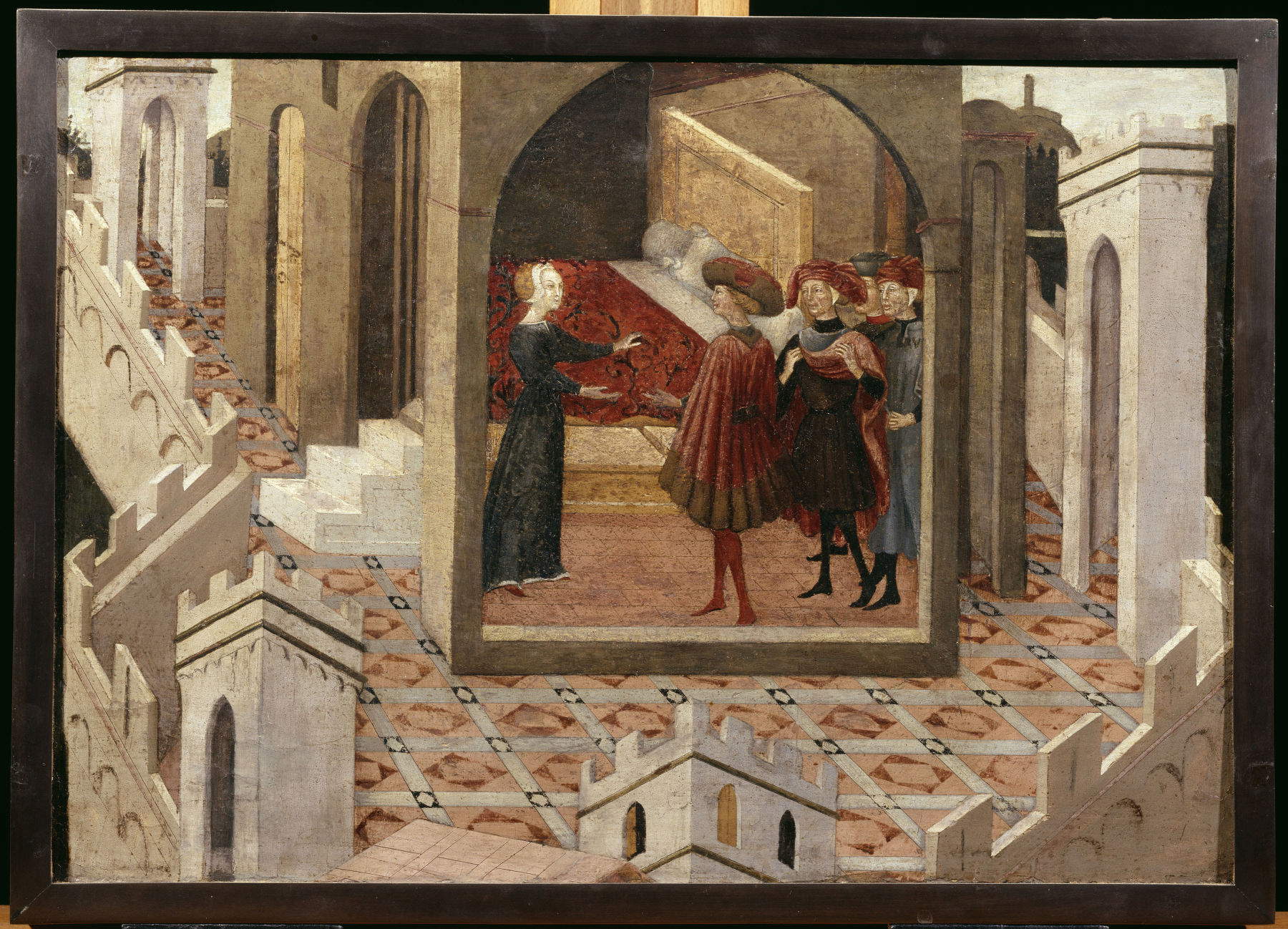
Alongside the artistic dimension, the itinerary also aims to highlight the social and cultural aspects that accompanied the making of the furnishings. Attention is extended to the relationships between artists and patrons, the definition of iconographic programs and the literary sources that guided the choice of subjects. Sienese domestic production is thus presented as an expression of cultural models and customs related to family life and the representation of social prestige.
The display also aims to highlight the role played by collecting in the preservation of these artifacts. Some of the works in the exhibition were acquired on the antiques market by collectors who were aware of the historical and artistic value of a type that risked a final dispersion to the international, especially Anglo-Saxon, market. The exhibition thus also addresses the circulation of the works and their progressive decontextualization.
The itinerary includes works attributed to some of the main protagonists of the Sienese school between the 15th and 16th centuries and their respective workshops. Artists featured include Francesco di Giorgio Martini, Benvenuto di Giovanni, Bernardino Fungai, Girolamo del Pacchia, Domenico Beccafumi and Andrea Piccinelli known as Brescianino.
Abitare il Rinascimento brings together loans from Italian and international museums and institutions, including the Banca Monte dei Paschi, with works held in the deposits of the Chigi-Saracini Collection, the Monte dei Paschi di Siena Foundation, the Opera della Metropolitana di Siena, theArchdiocese of Siena-Colle di Val d’Elsa-Montalcino, the Pinacoteca Nazionale di Siena, the Società di Esecutori di Pie Disposizioni, the Museo Diocesano di Pienza, the Stibbert Museum and the Museo Nazionale del Bargello in Florence, as well as the Musée du Petit Palais - Musée du Louvre en Avignon. The exhibition also includes works from private collections.
On the occasion of the exhibition, numerous restoration interventions were also carried out on painted panels and furnishings, entrusted to specialized workshops. The interventions involved works that will be exhibited in the itinerary and return visible to the public after recovery and conservation operations. The exhibition is produced by Opera Laboratori, Fondazione Monte dei Paschi di Siena and Vernice Progetti. The exhibition catalog is published by Sillabe.
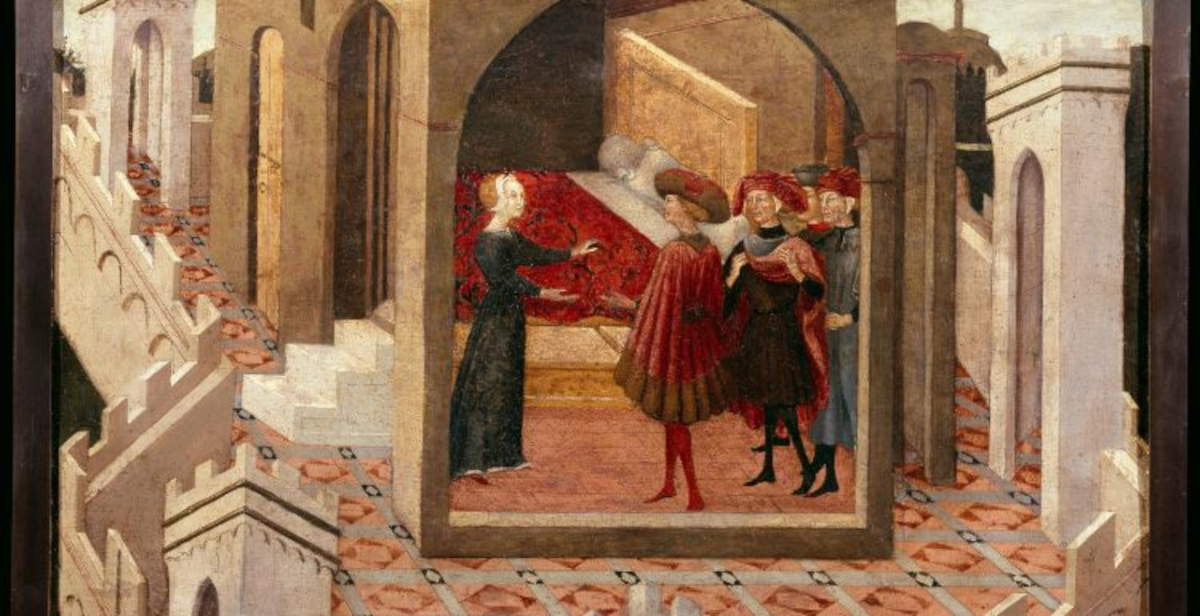 |
| Siena, an exhibition in the Palazzo delle Papesse recounts the interiors of the Sienese Renaissance |

Warning: the translation into English of the original Italian article was created using automatic tools. We undertake to review all articles, but we do not guarantee the total absence of inaccuracies in the translation due to the program. You can find the original by clicking on the ITA button. If you find any mistake,please contact us.



















 IT
IT FR
FR DE
DE ES
ES CN
CN


