





From March 7 to June 8, 2026, the Museo del Settecento Veneziano at Ca’ Rezzonico in Venice welcomes a selection of paintings by Francesco Guardi (1712-1793) from the Calouste Gulbenkian Museum in Lisbon. The exhibition I Guardi di Calouste Gulbenkian, curated by Alberto Craievich, is placed in the centerpiece of the museum’s exhibition season and represents a dialogue between international institutions, highlighting the relationships between histories of collections and collectors.
The works on display belong to one of the most important nuclei of Guardi’s late production, from one of the world’s most prestigious collections dedicated to the Venetian artist. The Calouste Gulbenkian Museum, opened in 1969, has its origins in the collections of the Armenian entrepreneur and philanthropist, naturalized Englishman, Calouste Sarkis Gulbenkian (1869-1955). His acquisitions ranged from Greek and Roman art to the Italian Renaissance, from the European seventeenth century to Impressionism, including decorative arts and objects of fine collecting. Between 1907 and 1921 Gulbenkian acquired nineteen works by Guardi, now considered among the most representative of the artist, who began to devote himself to vedute at a mature age after years of experimentation in genre and history painting.
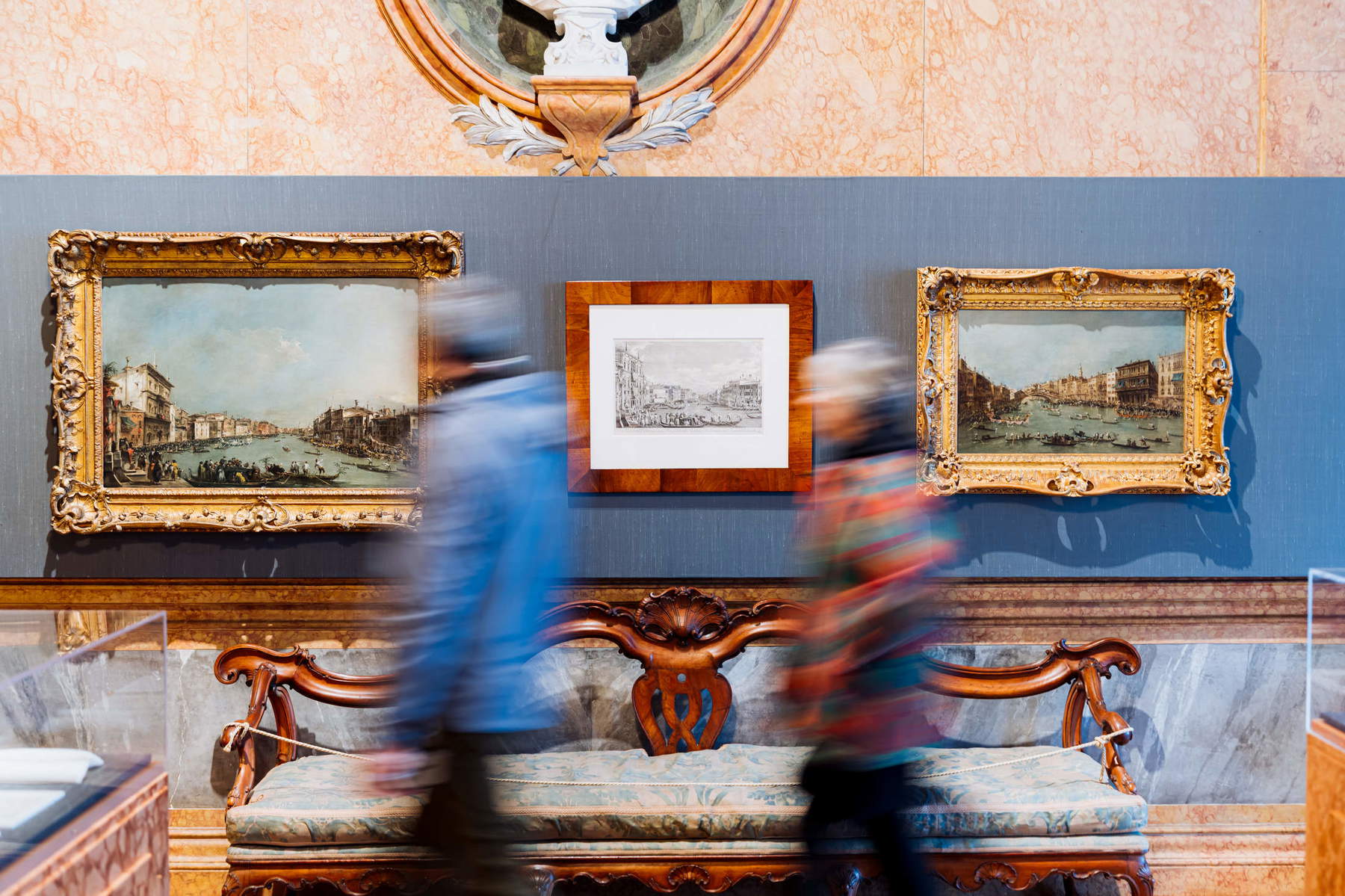
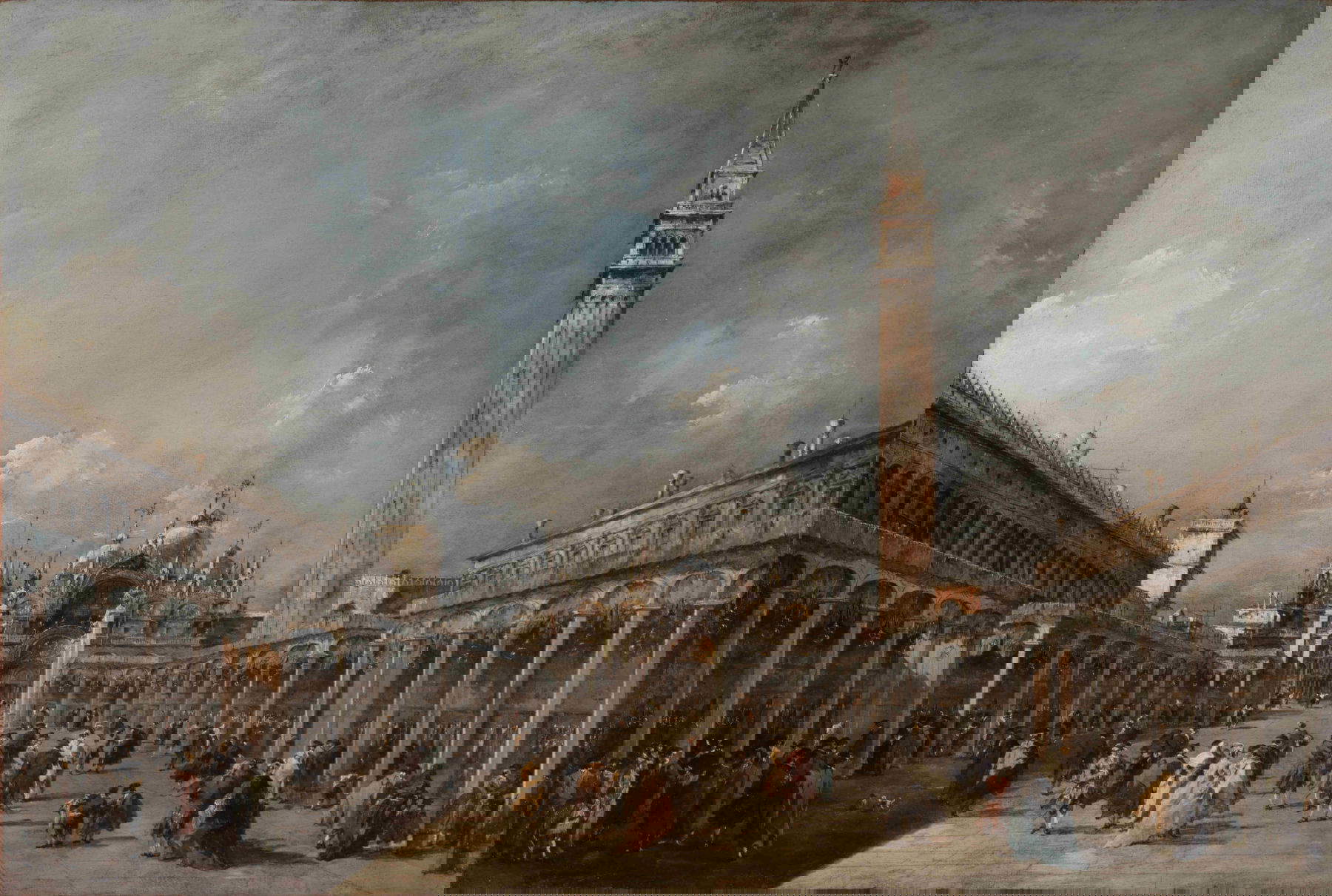
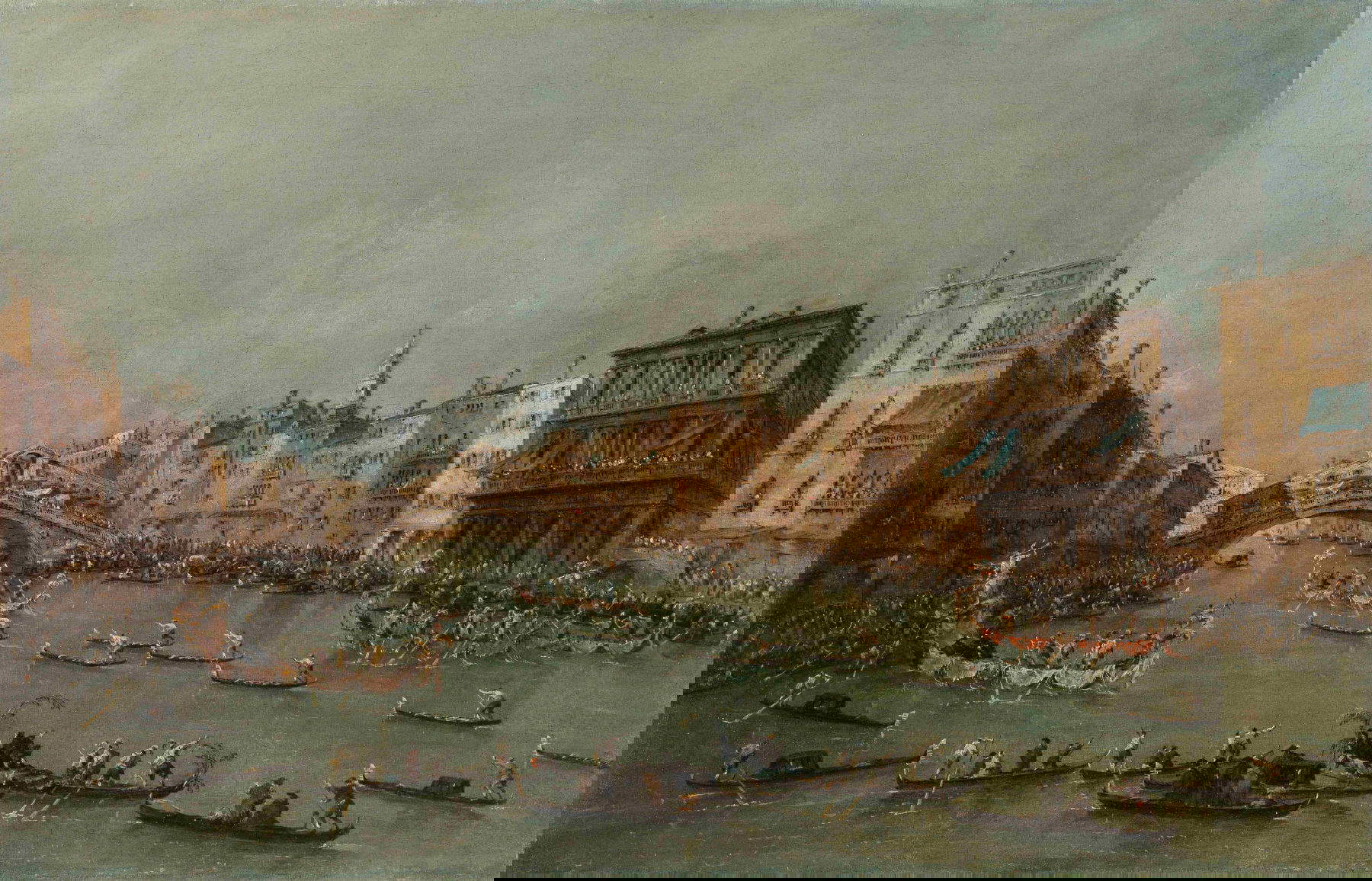
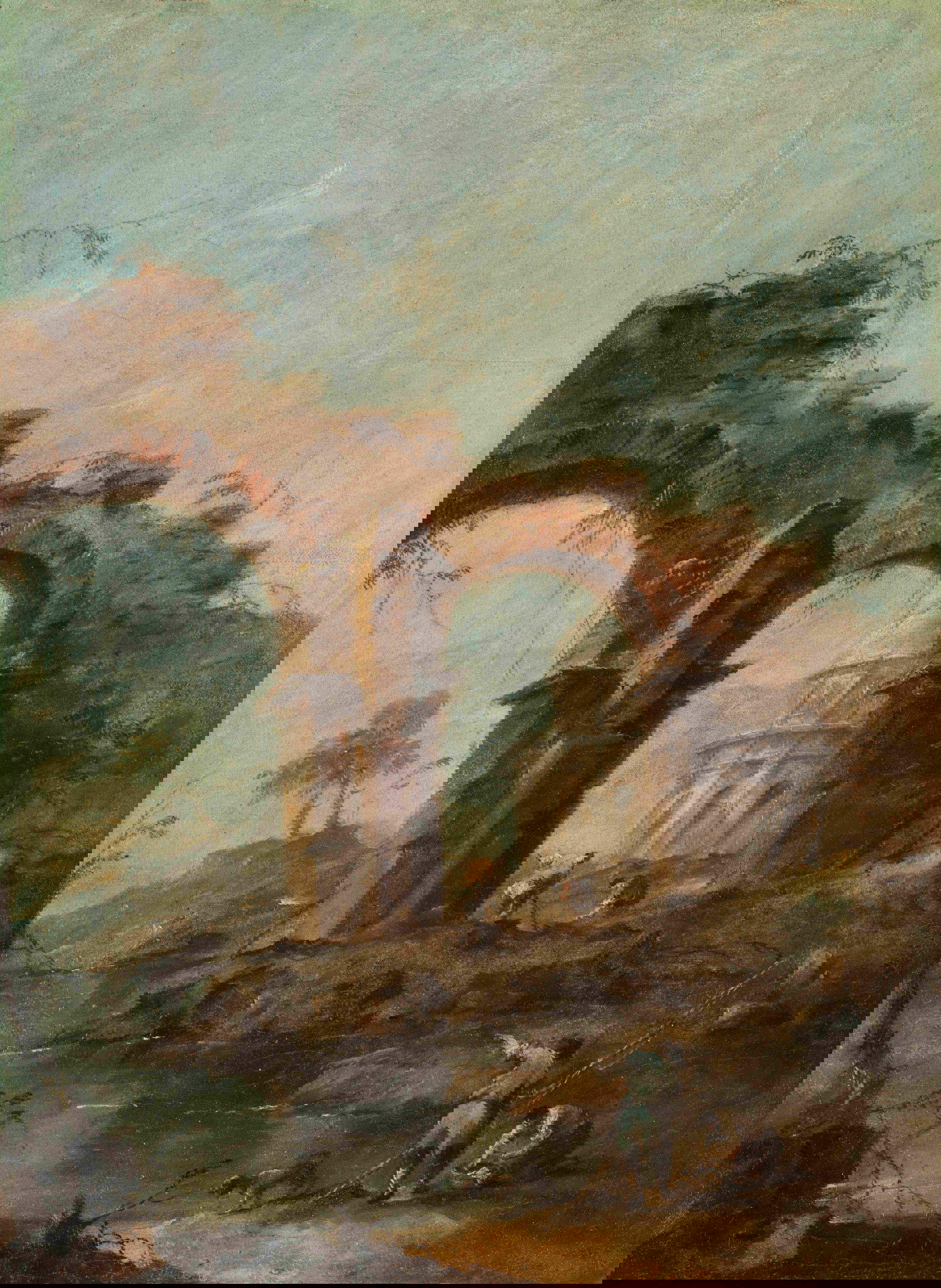
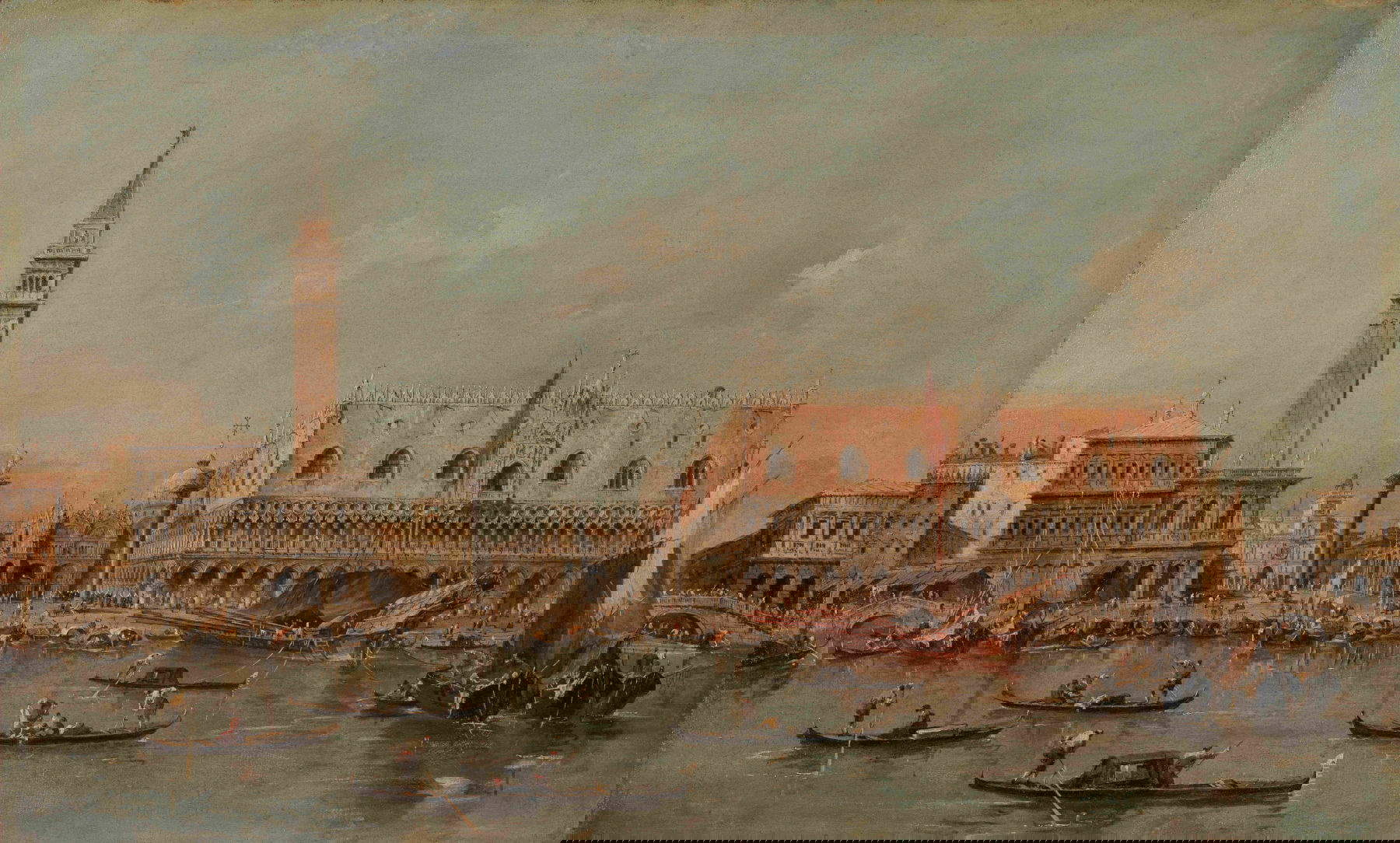
The return of these works to Venice is in the context of the Museo del Settecento Veneziano, which allows a comparison with Guardi’s drawings preserved in the funds of the Gabinetto dei disegni e delle stampe, originally acquired by Teodoro Correr, founder of the civic collections. The exhibition includes ten paintings dated between 1770 and 1790, placed in the portego on the second floor of Ca’ Rezzonico, showing the artist’s distinctive style. The Venetian views are characterized by allusive brushstrokes and loosely staggered proportions, where the perspective structure appears elastic and the city is rendered with buildings traversed by light, in which the flickering painting returns a subjective vision of the city and a declining civilization, anticipating tensions and sensibilities typical of Romanticism.
Prominent among the subjects depicted are scenes of festivals and water parades, such as the Festa della Sensa in St. Mark’s Square and La Partenza del Bucintoro, which depicts the doge on the ship of state bound for the Lido, with the symbolic throwing of the golden ring into the sea. The Regatta on the Grand Canal, while inspired by Canaletto, shows Guardi’s unmistakable atmospheric effect. The Rialto Bridge according to Palladio’s design offers a curious interpretation of one of Venice’s symbols, while the Venetian mainland is documented by the View of the Dolo Locks.
Drawings from the civic collections selected for comparison include The Grand Theatre La Fenice and two watercolor sheets dedicated to The Wedding of the Duke of Polignac, in which the thin, aerial stroke generates rarefied, atmospheric compositions, comparable to Japanese screens or silk paintings. The works share a lightness and fragile grace with Guardi’s paintings. The exhibition at Ca’ Rezzonico thus highlights the link between private collecting and civic collections, in an itinerary that tells the story of 18th-century Venice through the eyes of one of the city’s last great vedutisti.
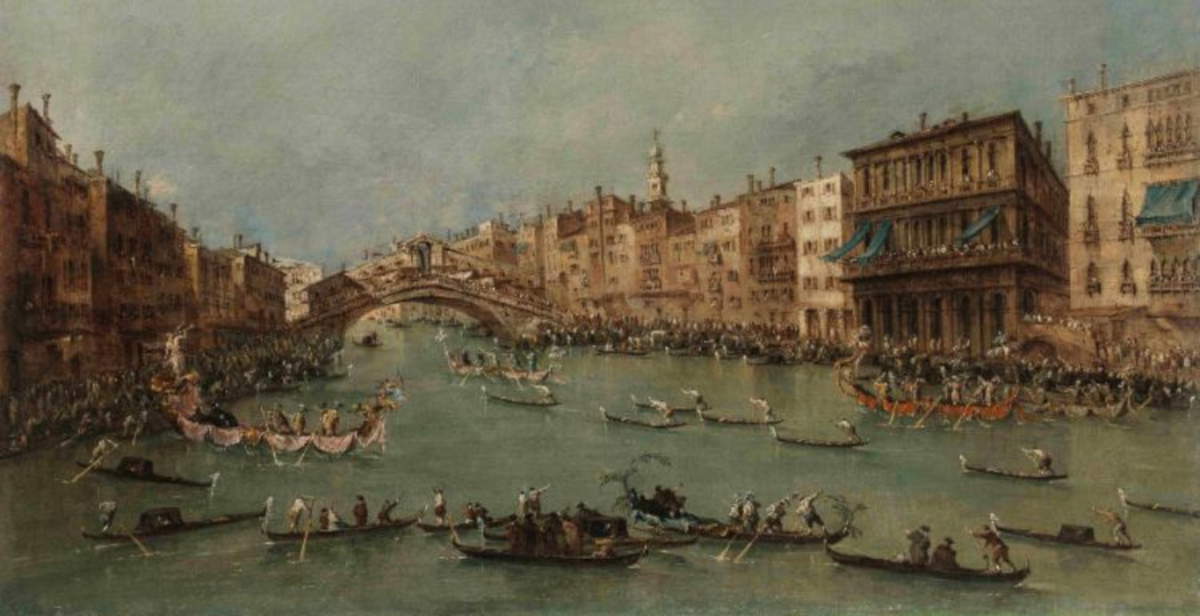 |
| Venice, paintings by Francesco Guardi from the Calouste Gulbenkian Museum in Lisbon on display at Ca' Rezzonico |

Warning: the translation into English of the original Italian article was created using automatic tools. We undertake to review all articles, but we do not guarantee the total absence of inaccuracies in the translation due to the program. You can find the original by clicking on the ITA button. If you find any mistake,please contact us.
























 IT
IT FR
FR DE
DE ES
ES CN
CN


