



by
Federico Giannini  @federicogiannini1
20/05/2026
@federicogiannini1
20/05/2026



Categories: Interviews / Disclaimer
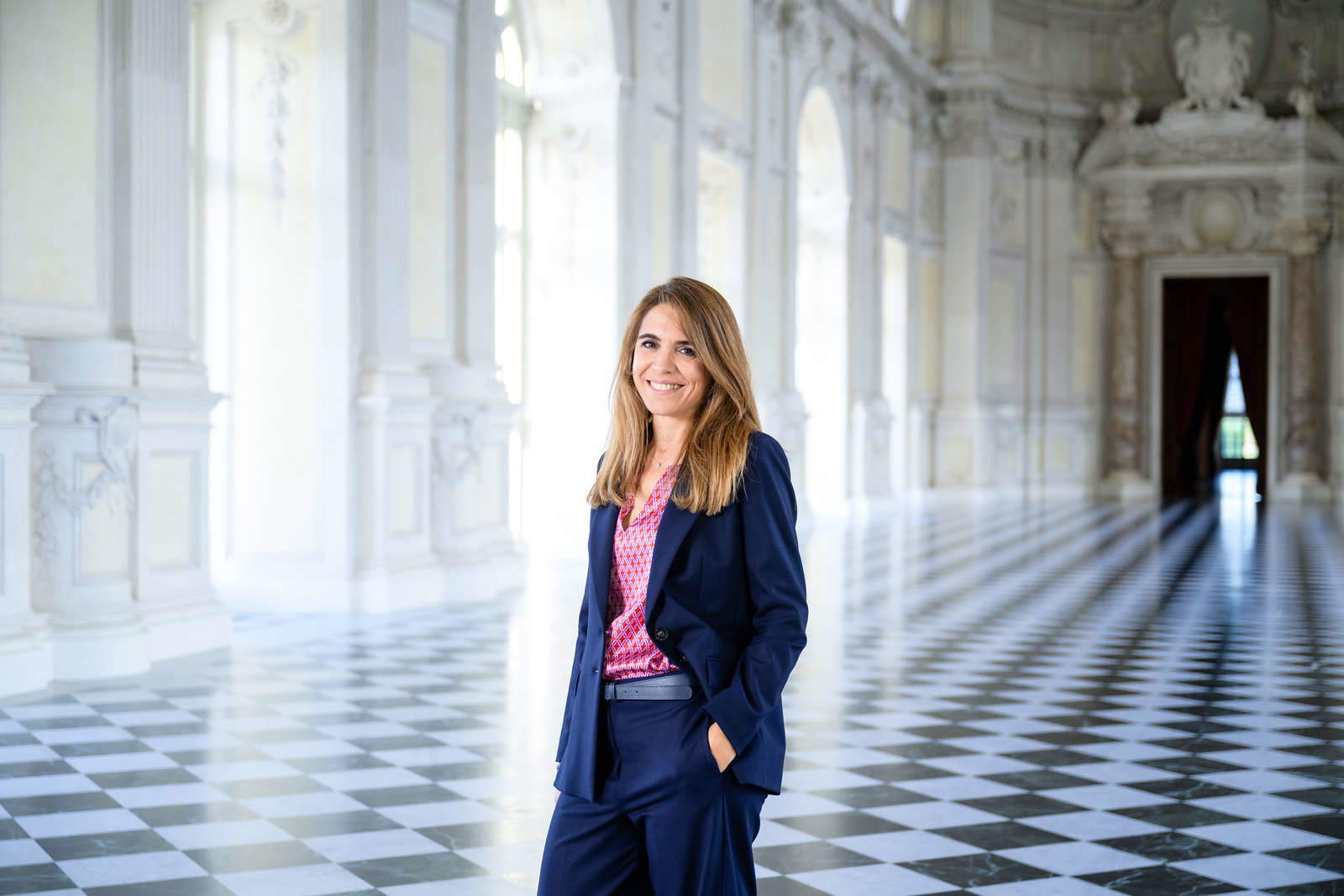
Chiara Teolato, director of the Reggia, outlines in this interview with Federico Giannini the future of the Savoy complex: exhibitions, cultural activities, internationalization and an increasingly strong relationship with the territory, with great attention to the new needs of the public.
Chiara Teolato has been director of Venaria Reale and the Consortium of Royal Savoy Residences since the end of 2024: a year and a half of work under the banner, one might say, of dialogue. Dialogue with the territory, with the public, with European institutions, with the present. In this interview with Federico Giannini, the director takes stock of these first months and talks about the vision she is trying to build for one of Italy’s most important cultural complexes. A vision that aims to make Venaria not only a tourist destination or a place for large exhibitions, but a “permanent cultural garrison,” experienced daily by the local community as well. During the interview, Teolato addresses many of the issues central to the museum debate today: the relationship between heritage and territory, the need to involve diverse audiences without distorting the identity of places, the value of international networks, and the growing importance of well-being and experience in accessing culture. The Reggia, in his words, emerges as a complex organism that must continuously innovate without losing its connection to its history.
FG. Director, you have been heading the Consortium of the Royal Residences of Savoy and consequently the Royal Palace of Venaria Reale for about a year and a half. I would like to begin this interview by asking you what direction you have tried to give the Reggia and what results you consider most significant from this first period.


CT. I have tried to look at the entire complex as a broad cultural project with enormous potential: not a sum of many events, but a series of activities that can dialogue with each other and that can contribute to making the Reggia a permanent cultural garrison, not only for the very large number of visitors who come to visit us from outside Turin, but also for the territory, trying to anchor the Reggia to the cultural needs of the territory and to make it dialogue with what the territory itself offers. I have to say that I found the Reggia in a very good state, with many activities already under way, plus I consider myself very lucky because I have many outstanding collaborators who had already brought forward this idea of a place where you don’t just come once, but where there is the possibility of different experiences at different times of the year. Starting from this very solid base, I tried to give this imprint, also because the Reggia is in fact in a special situation: it is not a museum in the strict sense, that is, it is not a collection, and it is also affected by what has been its history. However, I believe that anchoring itself in history and visible cultural achievement today is an essential fact. So working with the territory, working to create cultural occasions that can speak to different audiences, partly by retracing what was already being done and trying to increase it, in dialogue with the staff and especially with the president, lawyer Michele Briamonte, with respect to the challenges of the coming years.
You have a deep knowledge of the Piedmontese residences system, since before coming to the Venaria you directed Palazzo Carignano, the Villa della Regina, and for a few months also the Castello di Agliè. Of your previous experiences, what did you bring to the Venaria?
Definitely the awareness that the Consortium of Royal Residences of Savoy is a great opportunity for the area. Coming from these experiences, I know the potential of the different residences, and I also point out that some of the other residences, which I did not personally direct but in which I previously worked, were part of the Piedmont Regional Museums Directorate and now the current autonomous Residenze Reali Sabaude museum. I know their enormous potential and the difficulties of management, precisely because it is an immense heritage located in a vast territory, with very good people directing and working there. I also have a very good relationship with the current director Filippo Masino. In fact there is a complexity in the direction of these places precisely because they are not museums close to each other: they insist on very different territories, with different problems and richness. So I think the Consortium is really a great opportunity for the development of a cultural project: the residences are in fact a system, among other things recognized by UNESCO in 1997 (and next year will be the 30th anniversary of this recognition). Great potential, not indifferent problems because of management complexity, but I believe that in the conception of a system of residences can reside an added value for the territory. In the last period at Villa della Regina I had worked a lot with the Consortium, and I had really tested how much the synergy with the Consortium could help me: the garden of Villa della Regina, for example, has really changed its face since it has been looked after by the Consortium. On the other hand, ever since I was director of Palazzo Carignano and then of Villa della Regina, I have always carried out cultural initiatives together with the Venaria Study Center: I remember the conferences around Palazzo Carignano that we had planned together, and then the conversations about Princess Ludovica, from which a conference and the publication of a book resulted. As director of Villa della Regina, I have always felt very accompanied and welcomed by the Consortium, including in this possibility of developing new perspectives for the residence. I really believe that the Consortium and the possibility of doing things together, even in relation to residences like the Royal Palace, can produce real added value for the area.
The consortium you head brings together 16 residences largely with different management models, because there are municipal museums, state museums, there is the Pollenzo Estate which is a s.p.a. and so on: how do you keep the various pieces together, and what are the results produced by the consortium over time?
Since there is not, as you said, a single management, nor an apex figure (the residences are entities with different management models, different directors who answer who to the Ministry, who to the municipality, who to foundations or consortia), the thing that I think can work (and we are testing it a bit) is to work together, that is, to be all jointly responsible for a cultural project. It means, then, engaging people to work on themes: themes that we have in common, themes that differentiate us, themes that we deal with on a daily basis. Working on common themes can definitely be one way, as can being jointly responsible for this cultural project. So what can the consortium do? It can definitely coordinate this kind of work, because each director has his or her own priorities and each institution has its own goals. So I believe that dialogue and working together can be the winning figure; we are working in this direction. In the past, the foundations have been laid to be able to tackle this work: system activities can be those that, on the one hand, make us aware internally that we are a system, and on the other hand, show us externally not as a summation of separate entities, but as entities that certainly have their autonomy and yet work together. In short: recognizing ourselves as a system and showing ourselves to others as a system.
Returning instead to the Reggia, if I am not mistaken, the Venaria spends about 2 million euros a year on exhibitions, which play an important role within the museum’s offerings, although they are not the only reason visitors come to the Reggia. I’d like to ask you two questions: first, whether you plan to increase this kind of investment, and second, what is the target audience for the exhibitions (this is because we know that the Venaria’s activities appeal to very diverse audiences... ).
And so the exhibitions: the activities of the exhibitions are very important, and they should not be relegated only to a connoisseur audience, but again to different audiences. Whenever you decide to have a major exhibition there is a huge investment, and it is something that the public expects: to be able to have, in an excellence such as the Reggia di Venaria, an exhibition of excellence is something that everyone expects. So we plan to increase resources as we are able to find additional funding on projects that we are, moreover, already working on. To make exhibitions of a certain kind, it is necessary, after all, to start planning them a long time in advance (I am not talking about a year, and I am not even talking about two... !). Exhibitions have value when they show something new and have something new to tell. And this can be done in different ways. Since I arrived there have been different exhibitions: the one on Tolkien, the one on Blake (already scheduled before I arrived), the one on the Magnificent Collections done in collaboration with Genoa. The exhibition, moreover, can also be an opportunity for internationalization, a goal to which our president, lawyer Briamonte (who, I recall, is also vice president of ARRE, the Association of European Royal Residences), is very keen on. The goal is also to increase valuable exhibitions that make sense with respect to our history, the stories we want to tell, and that can engage different audiences. The exhibition, not being held in a neutral place, is a way to make people understand that there is a Reggia beyond the exhibition. And this is a reason to visit the Reggia but also an opportunity to carry out a cultural program. An example of this is the current exhibition, Regina in scena: an exhibition that stems from the awareness that the Reggia di Venaria was desired by Charles Emmanuel II, but even before that by his mother Maria Cristina, who even before the commissioning to Amedeo di Castellamonte had imagined building a palace here for her son. And the role of the women of the House of Savoy in the realization of the royal Savoy residences is very important. Queen on stage is a way to tell the story of royalty, an element present in our residences, in a different way. If we associate this exhibition with activities that tell, for example, how important female royalty was to our residences, here we find a way to engage different audiences by telling a story that belongs to us.
Speaking of internationalization, since you mentioned the topic earlier: for four years, the Venaria has been collaborating with the Tate in London, while under your tenure a cooperation with France was initiated, which has already led to the opening of the recent exhibition on Léger, Klein, Niki de Saint Phalle and Keith Haring. I feel like saying that the Venaria is a virtuous example when it comes to international cooperation: what prospects does this cooperation with France open up? Should we expect new exhibitions or also research projects and exchanges of other kinds?
In October, a new exhibition created within this cooperation protocol with France will open, with the Musée des Beaux-Arts in Lyon, dedicated to the atelier of the Moderns. But internationalization, as you pointed out, does not happen only through exhibitions. The collaboration with the Tate has been very important in this sense, and we continue to have very good relations with them also in view of future projects. Another very important collaboration is with ARRE, so with the other European Royal Residences, because the Venaria is definitely a place of culture, but it is also a residency. And the residency opens so many spaces for cultural promotion and storytelling: it is a place where works of art are preserved, where new ones are created (think for example of Giuseppe Penone), where there is a very strong dialogue with the contemporary, but it is also a place where there has been a life, where history is very present, unlike a museum with a collecting history. Our president has given great impetus to this, including with collaborations that are already in place with other European royal residences (for example, a memorandum of understanding has been signed with the residence of Chambord). We work both in research and in the development of common programs that can return to international audiences the idea that individual residences constitute a common heritage, not only national, but international. So internationalization is developed along several lines: the new ambassador of France came to visit us not even a month ago, precisely as part of this collaboration. And the collaborations come because there is a very close interlocution with all the European and international colleagues.
In your opinion, in Italy, is enough being done in this area, or are we still lagging behind?
I would say to myself that we are very open to dialogue with the world. Then, for sure, you can always do better, but we are already at a good point and we are working a lot. I think of the Turin area, the one I know best, I think of the museums in Turin, I think of the director of the Royal Museums who is working a lot with foreign countries, the director of the MAO, Palazzo Madama who is doing exhibitions in China. But in general I think Italy is very open to foreign countries: we are now far away from the idea of an Italy that is closed and does not dialogue with other countries. Then I would add a useful piece of information: just in Venaria, the 25th ARRE assembly was held on April 20 and 21. They gathered here at the Palace 36 institutions responsible for the management of more than 100 castles, representing 13 European countries (in terms of visitors, about 10 million). I think it is significant that it was held right here.
Turning instead from the international to the local, one of the most interesting aspects of Venaria Reale is its deep connection with the territory and the local community, a case I would say is very interesting, because we are talking about a complex that moves half a million people, visitors who come from all over Italy and Europe, but with also a very strong local public and I would say also very attached to the Reggia. Reggia that moreover continues to foster this bond, I am thinking for example of the initiative for the under-19s that you launched a few months ago, giving a year of free admission to the youngest students. Here, the question is, how do you consolidate, concretely, the relationship between the museum and the local community?
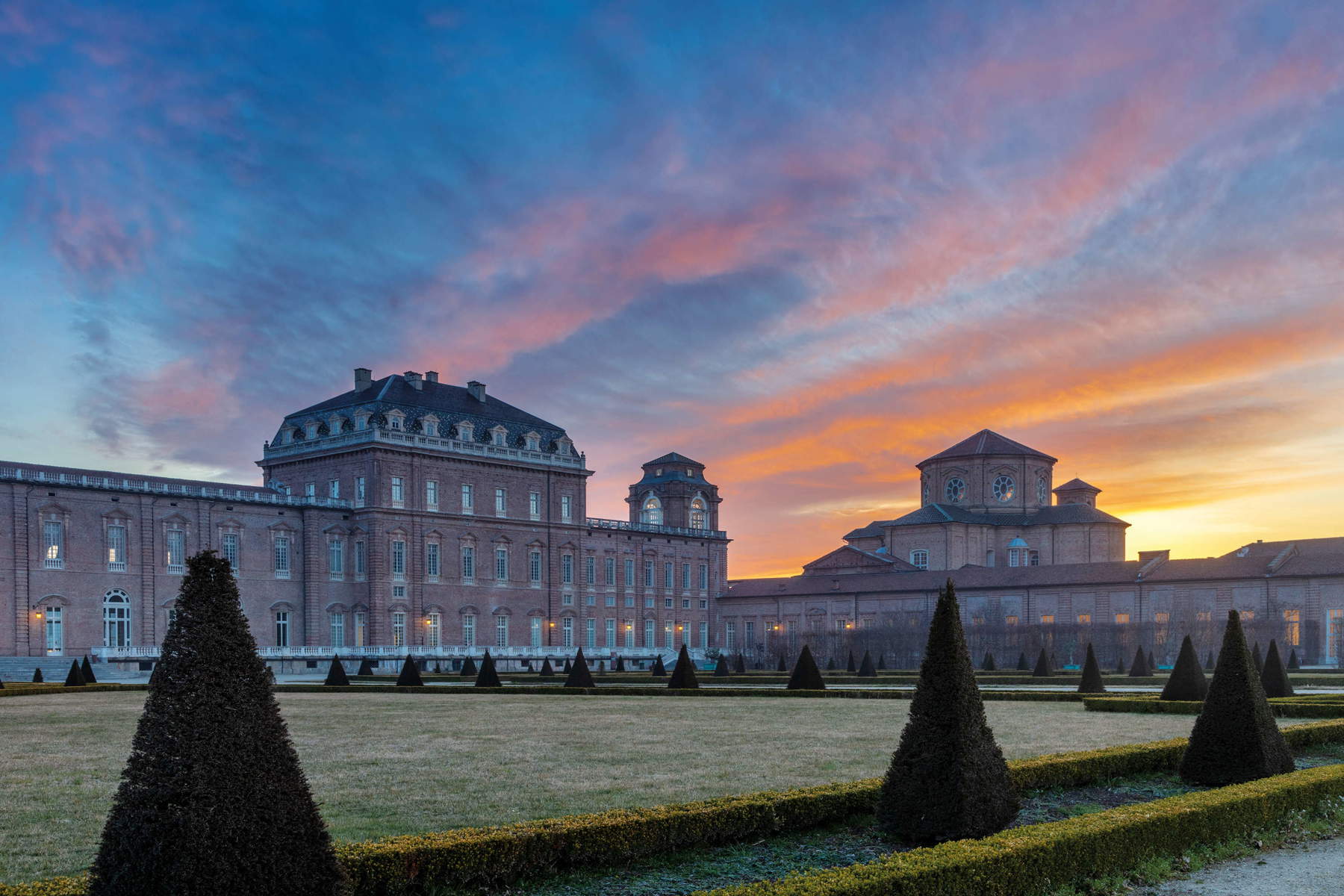
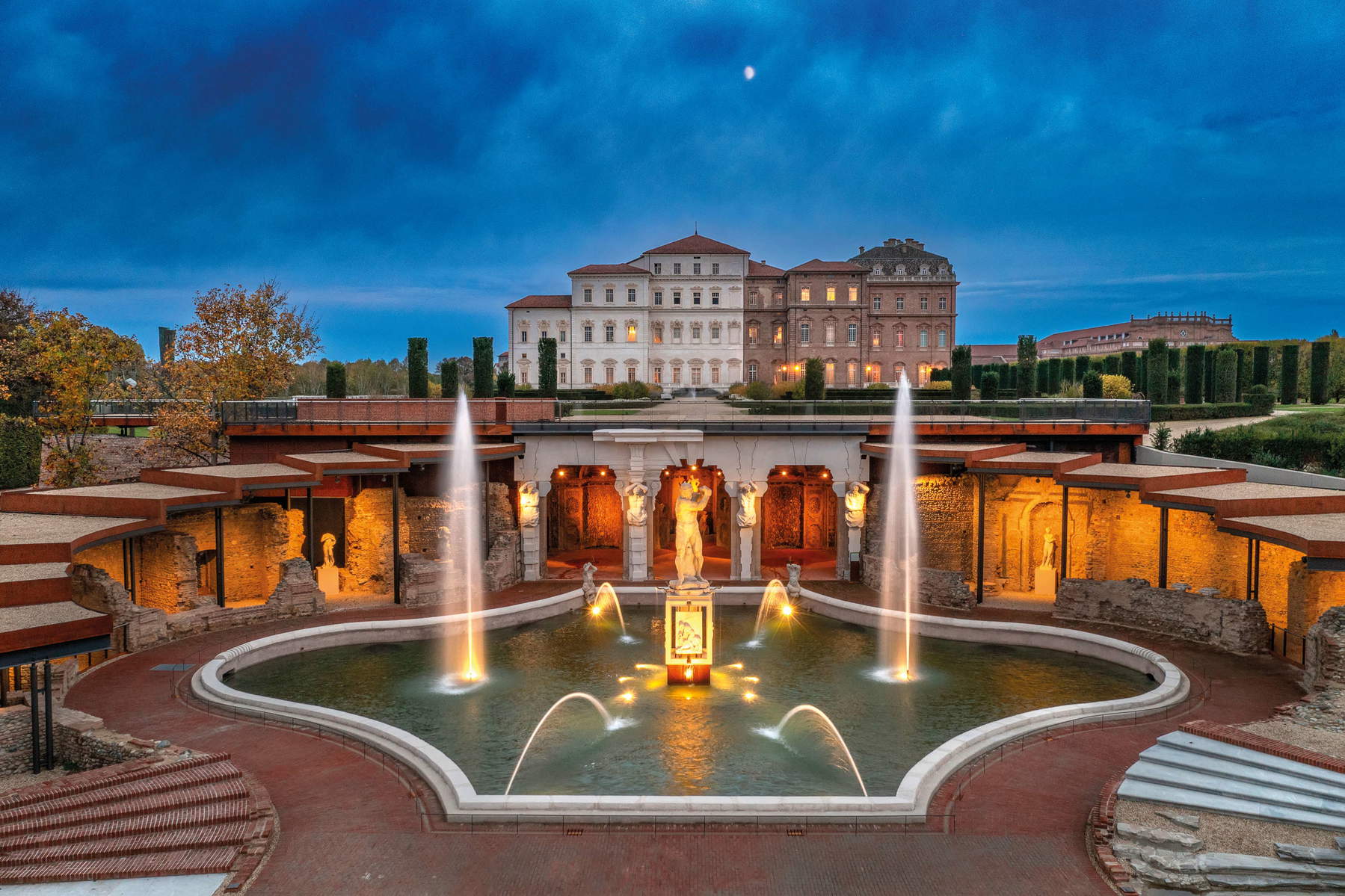
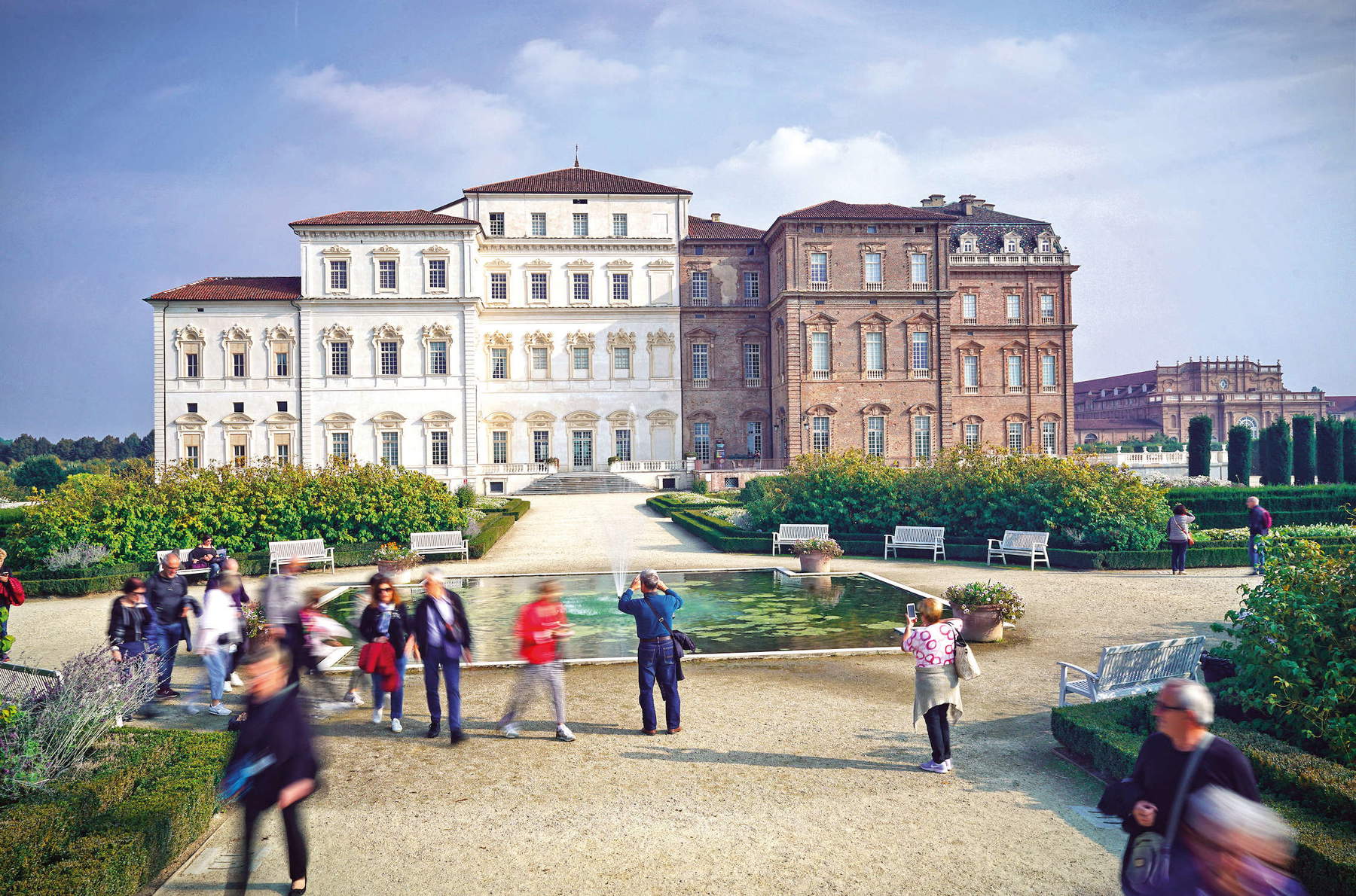
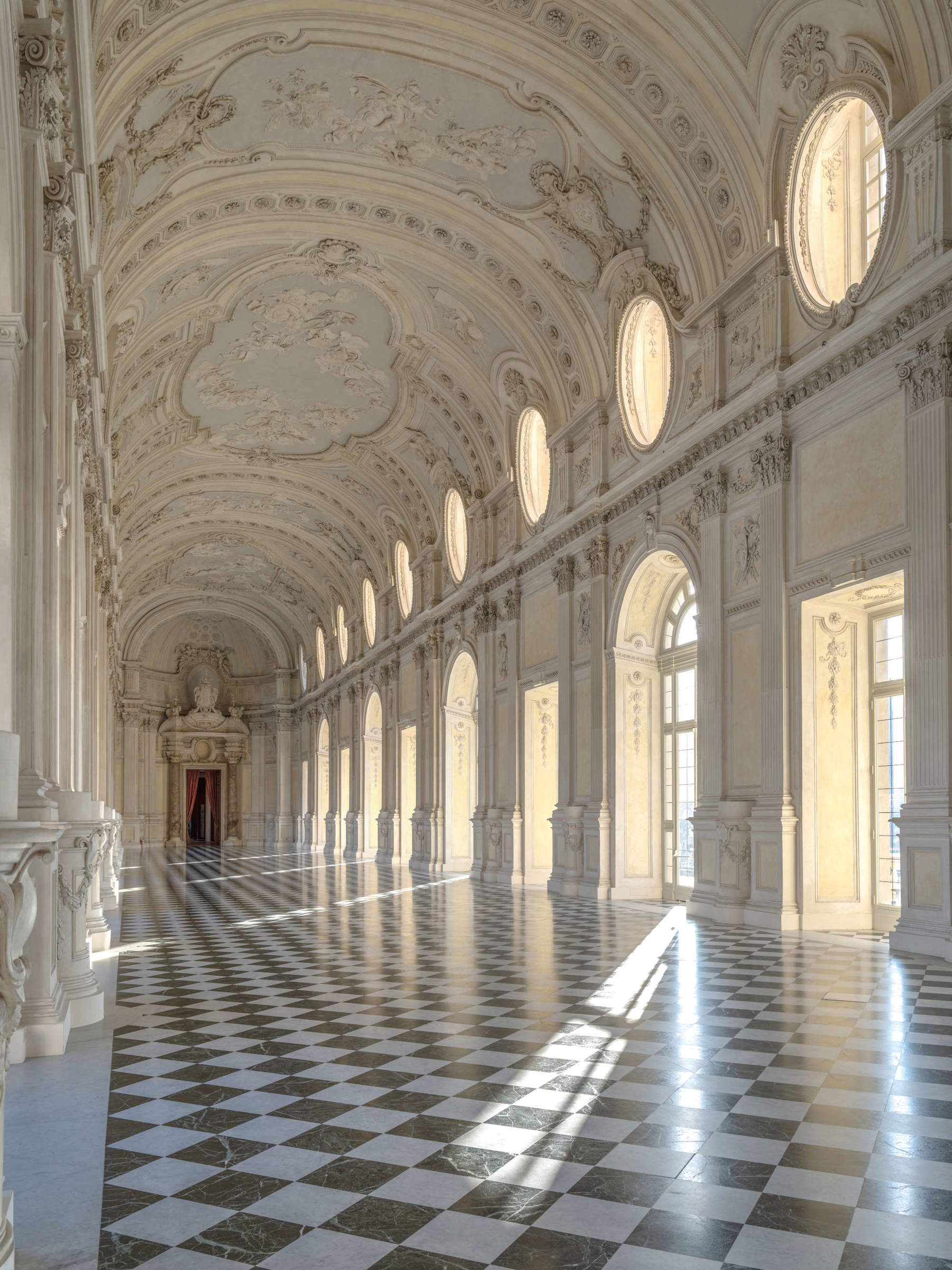
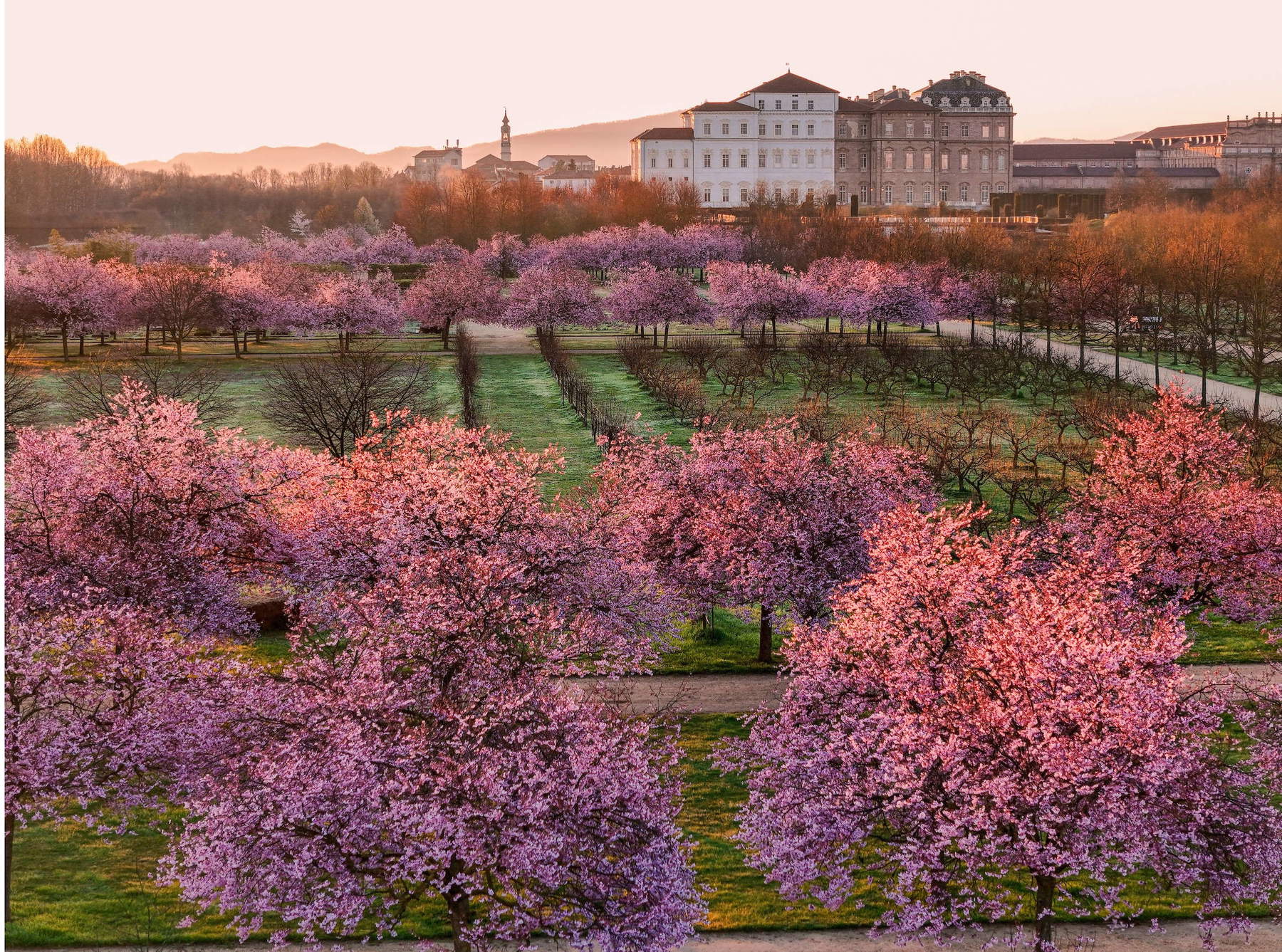
First of all, I think the local community should feel welcomed and should understand that this place is for everyone. You say that the Reggia is much loved by the local public, and this is true, because a person can come to the Reggia and do different things, and not feel out of place. He can come and visit even just the gardens, for example: during the cherry blossom period, for example, we had incredible numbers. Last year we were a little surprised by this influx; this year we vowed to try to govern it, taking inspiration from Japan. So we created a synergy with the MAO and offered our audience an insight into Japanese culture. People who came to see the cherry trees, and who might never have come all the way to the Reggia, or who came to participate in the activities for Biodiversity Week, or other initiatives, thus discovered a heritage that becomes theirs as well. Heritage is not perceived as one’s own if one does not know it, if one does not feel welcomed. You also mentioned the idea of the card, the card for the under-19s, which stems from reasons of public loyalty, but there is also a historical link: the Reggia was born with its borgo, because when Amedeo di Castellamonte decided to build it he created the borgo at the same time. Reggia and Venaria, Reggia and town are strongly interconnected. I was saying earlier that the Reggia should become a permanent cultural garrison, and I think it is done in this way: creating different experiences and visiting possibilities, occasions for which the public likes to come back, and all this generates that loyalty that returns the Reggia to the life of the community. Visiting it then becomes a normal thing, because different things are done in the Reggia and there is always a good opportunity to come. Last Saturday, for example, we had the Silent Book Party as part of the Salone Off of the Book Fair, a key event for our area. And the Reggia fits into this circuit by offering people the chance to read for over an hour in the Grand Gallery, disconnected from reality, with their cell phones stowed in a little bag, giving themselves a moment to themselves. Or come to see the Reggia at sunrise, or participate in the Summer Evenings or the Espressionist Festival concerts, the cherry blossom blossom, and Biodiversity Week (which saw a large number of students and families getting closer to the world of botany). The Reggia has the great good fortune of being a complex with a wonderful garden, large interiors, spaces, art, culture, and its own activities, so it can attract different audiences who then become loyal, concretely realizing this interconnection with the territory.
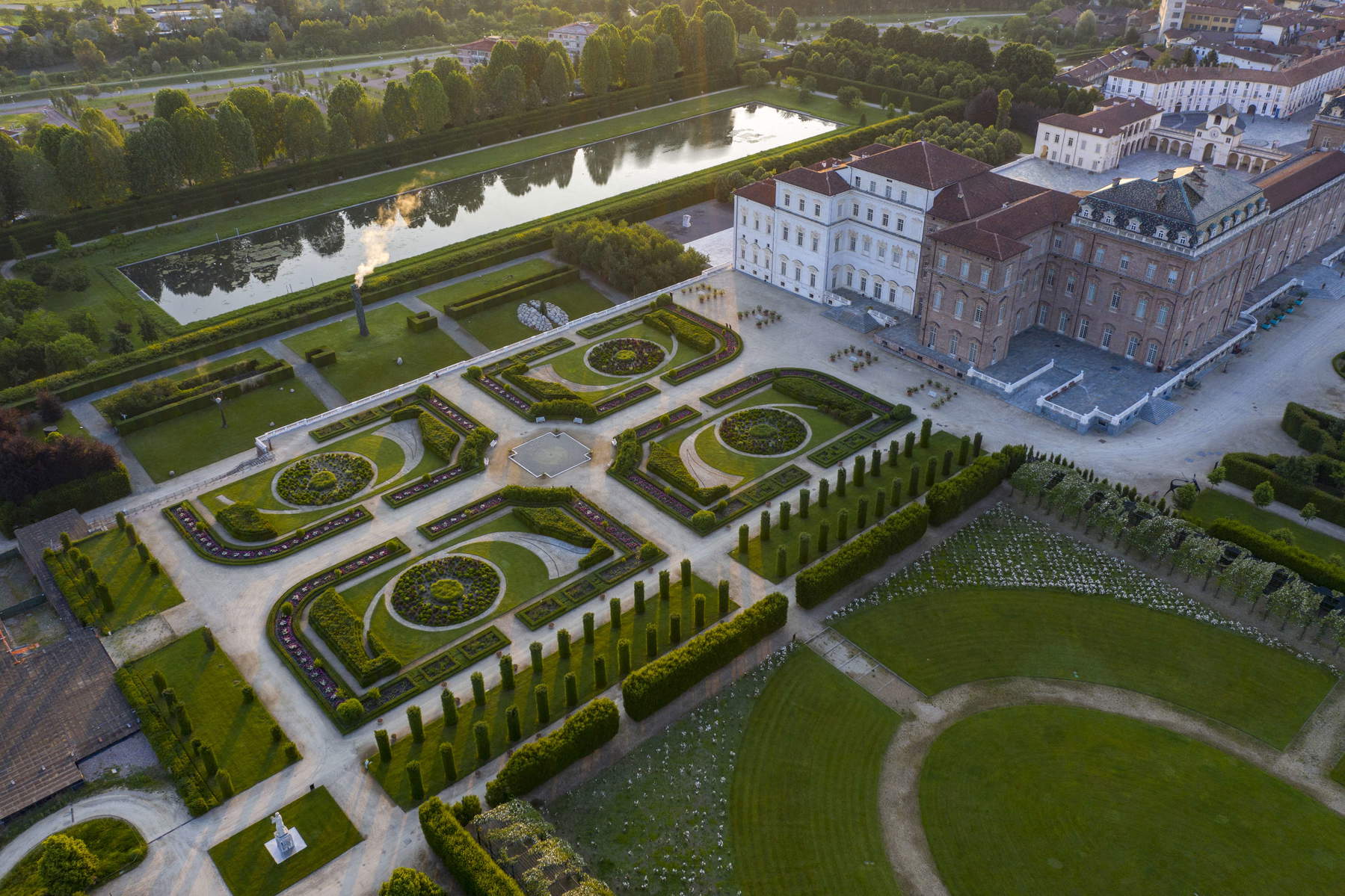
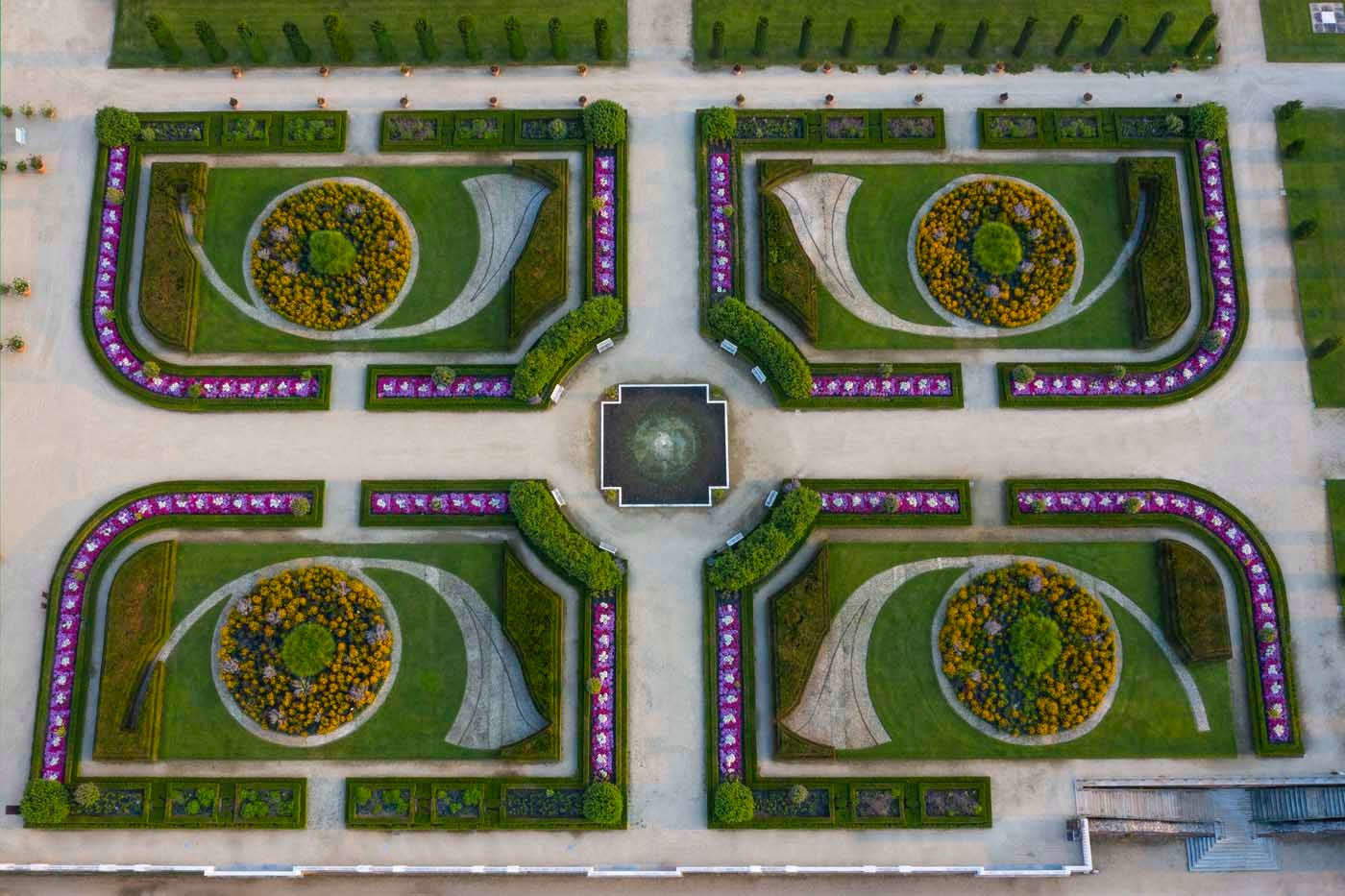
I would like to insist on the topic of activities: You mentioned the days dedicated to readers and the cherry blossom, but just by scrolling through the list of present and past events you find concerts, yoga sessions in the gardens, comic book days, and much more, and the Reggia has always had the ability to never distort its role and to always propose activities compatible with its role. Where do you draw the line between what strengthens a museum’s position and what threatens to weaken it?
It is not simple, because sometimes we risk having visions that, as you evidently suggest, should be avoided. From my point of view, one of the fundamental themes is to refer back to history and what positive things a place can offer. When I talk about reconnecting with the territory there is always a historical reference. And it is also clear to everyone that if I can attract young people and make them understand that they are welcome here and can come and do their activities here, I am not betraying the mission of the place. As for other activities, I think that the moment you implement cultural activities of depth that manage to combine personal well-being with the identity of the place, there is no contradiction. Let’s think about yoga: how important is the theme of the museum and wellness now? There is scientific evidence to prove it, there is a social prescription that is now entering museums, the countries beyond the Alps are teaching us this, and we have received it well. From my point of view, the moment you respect the place, respect its history, and carry out high-level cultural operations that combine people’s well-being with what the area can offer, then I believe there is no betrayal. Picking fruit at Potager Royal or working with pumpkins during Halloween with the kids are activities that do not betray the place, because they make you really feel and experience it. You get to know and experience the place, and I don’t find a dichotomy between the museum and these kinds of activities-it’s a different way of experiencing the museum while respecting its history and its role.
Speaking of visitors, there have been years, between 2016 and 2019, when the Venaria has approached, and sometimes even exceeded, the one million attendance, paying visitors, although the numbers have always fluctuated somewhat, often by virtue of the events the museum hosted (although it should be pointed out that at the time the calculation method was different, so the numbers were overestimated). Is trying to get closer to those numbers a goal of yours?
Numbers are important because they give us back, at least in part, how much we respond to visitors’ cultural needs. We need to listen to them because they give us back a partial truth. Clearly, any director would want his or her museum to be visited, so a growth in numbers is certainly a goal of ours. But our real goal is for these numbers to correspond to real enjoyment and real knowledge: to bring our visitors not so much to say “I’ve been there, I’ve made this stop,” but to bring them to experience genuine enjoyment in coming to see and experience the museum. We are working, and will work, to attract more and more visitors, but always with a view to offering experiences and activities that can justify coming to us. Compared to the past, I can say that the Turin scene has changed a lot: there are a lot of museums doing a lot of good things, and visitors, both those who are in Turin and those who come from outside, now have probably a wider choice than in the past. This makes us happy, because it is good that the city can offer a wide range of perspectives to those who come to us. That said, we are happy with the numbers they have achieved so far.
The Royal Palace of Venaria Reale is a site of enormous proportions, a complex machine that requires constant maintenance, investment, planning and so on. What are the main difficulties and challenges involved in managing such a machine?
They are not few: keeping all the pieces together, offering visitors a well-maintained Royal Palace, coordinating all the various activities. Perhaps the biggest difficulty and challenge, however, is to always maintain a high level of offerings and to innovate, and think of activities that are increasingly responsive to the needs of visitors, which change over time. Otherwise the risk is to think that something done well can simply be replicated because it worked. The world, however, changes, so perhaps the greatest challenge is to have a Royal Palace that remains solid in its historical narrative and its cultural offerings, and yet dialogues with the present: so it means listening to the world, understanding where it is going, understanding what the new needs may be. After Covid, for example, we discovered the importance of gardens. How often we thought that gardens were almost a secondary element. And instead we think about how important the garden has become in policies as well: the PNRR itself has given great importance to the figure of the gardener and the garden. And people have found that living in a green environment brings so many benefits. A museum, a palace, a residence has to live in step with the times, and this is the biggest difficulty: when you do well you tend to replicate the model, but you have to be always in dialogue with the present, open to the outside, to internationalization, to different management models that can sometimes work better. Get out of the comfort zone of a palace that is “doing well.” We also spend a lot of time on internal discussion, precisely because we are trying to dialogue with the present.
One last question, speaking of dialoguing with the present. We are in 2026 and we have now entered the era of artificial intelligence: how can a reality like the Venaria use these technologies to improve the visit without weighing it down or without putting tools in the hands of visitors that then in the end, as often happens, are not even used because in the end the public is mainly interested in the object, the direct experience?
This is an issue we are thinking about. Like all institutions, ours is made up of working people, so artificial intelligence is a topic that we have just started meetings on recently, because we would like to figure out how to work as well. We are already using it for accessibility projects with the university, and for projects related to surveying and information acquisition. We are trying to figure out the right way to use it in the best way, so that it helps us to convey content that is responsive to the needs of visitors. You mentioned something that I think should always be kept in mind: sometimes we think we offer visitors what we think is the smartest, smoothest, most innovative model. But you always have to look at who is coming and, you also have to make observations along the way. Sometimes we are surprised at how our visitors react to something that maybe we did almost by accident. So, I think that on artificial intelligence we have to do a deepening by calibrating well the needs and the possibilities. The risk of drift is always very high (and I see it as a mom, too). However, it is an issue we are thinking about, although I cannot give you an unambiguous answer at the moment. We are using it for some activities, we think the potential can be really a lot, but we still have to understand well what the role of AI will be within the Palace.
Warning: the translation into English of the original Italian article was created using automatic tools. We undertake to review all articles, but we do not guarantee the total absence of inaccuracies in the translation due to the program. You can find the original by clicking on the ITA button. If you find any mistake,please contact us.