





Palazzo Maffei in Verona expands its museum offerings with the inauguration of the so-called Monastery, a small and evocative environment restored and recovered a few steps from the main building, with entrance from Vicolo Raggiri. The structure, which can be likened to a chapel with two main rooms, preserves original architectural elements such as vaults, columns leaning against the walls, lunettes and capitals, as well as a fragment of a fresco that hints at the relevance of the original function of the spaces. The intervention also aims to contribute to the aesthetic and functional recovery of an area of the historic center that until now has been considered isolated and unsafe.
The choice of the name “Monastery” recalls the memory of the ancient Benedictine complex, dependent on the abbey of Leno (Brescia), which between the 10th and 12th centuries extended in the Capitolium area. According to written sources and archaeological findings, the ancient monastery included a church, a cemetery and several outbuildings. Over time, urban transformation gradually erased most of the traces of this structure: the area was incorporated into buildings such as the Corte Sgarzerie, the Torre del Gardello, the Monte di Pietà and the palaces of the Maffei, Pellegrini and Malaspina families. Some evidence still remains, including the eighteenth-century church dedicated to St. Benedict “al Monte,” located behind Palazzo Maffei and nicknamed so because of its proximity to the Monte di Pietà erected in 1490.
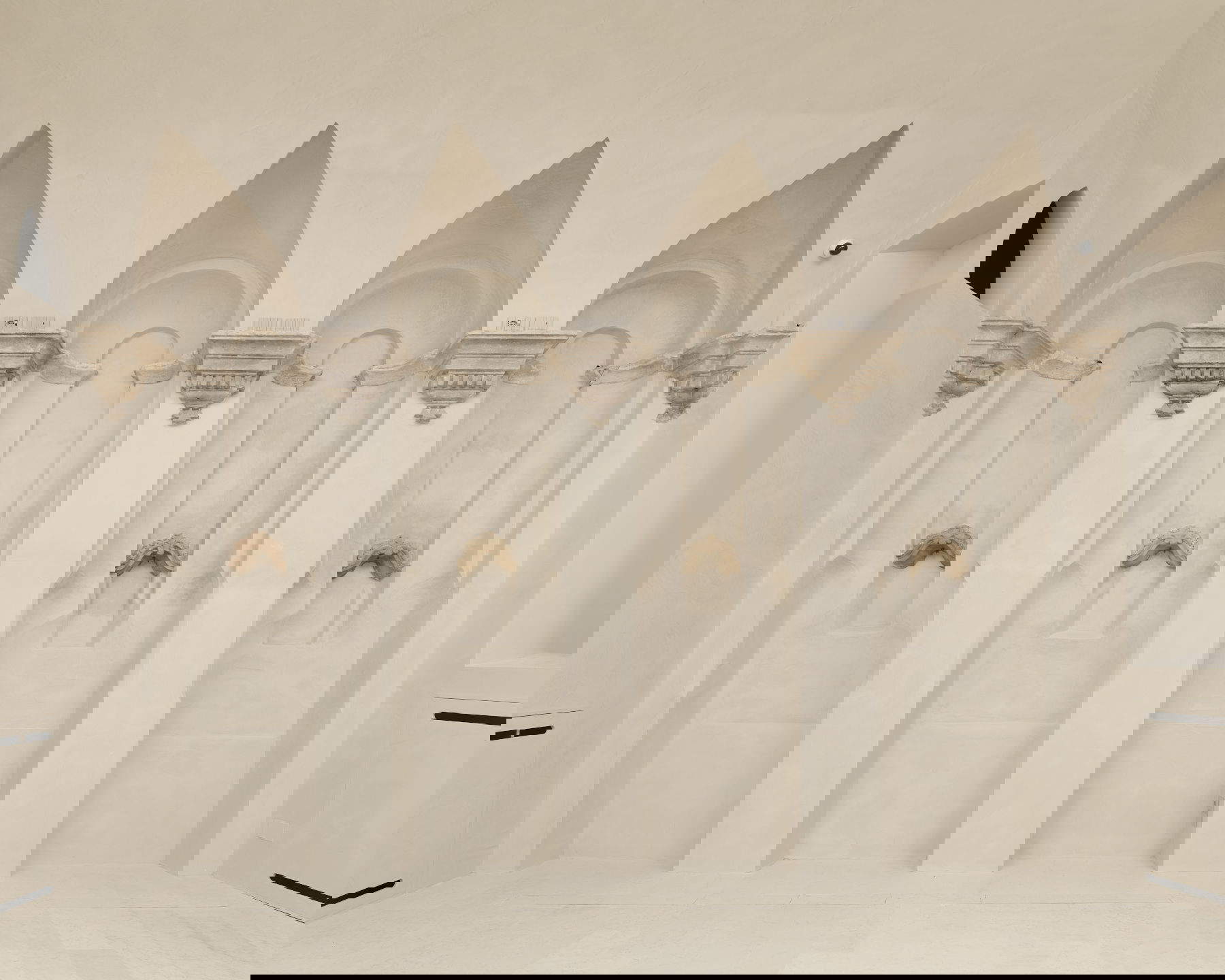
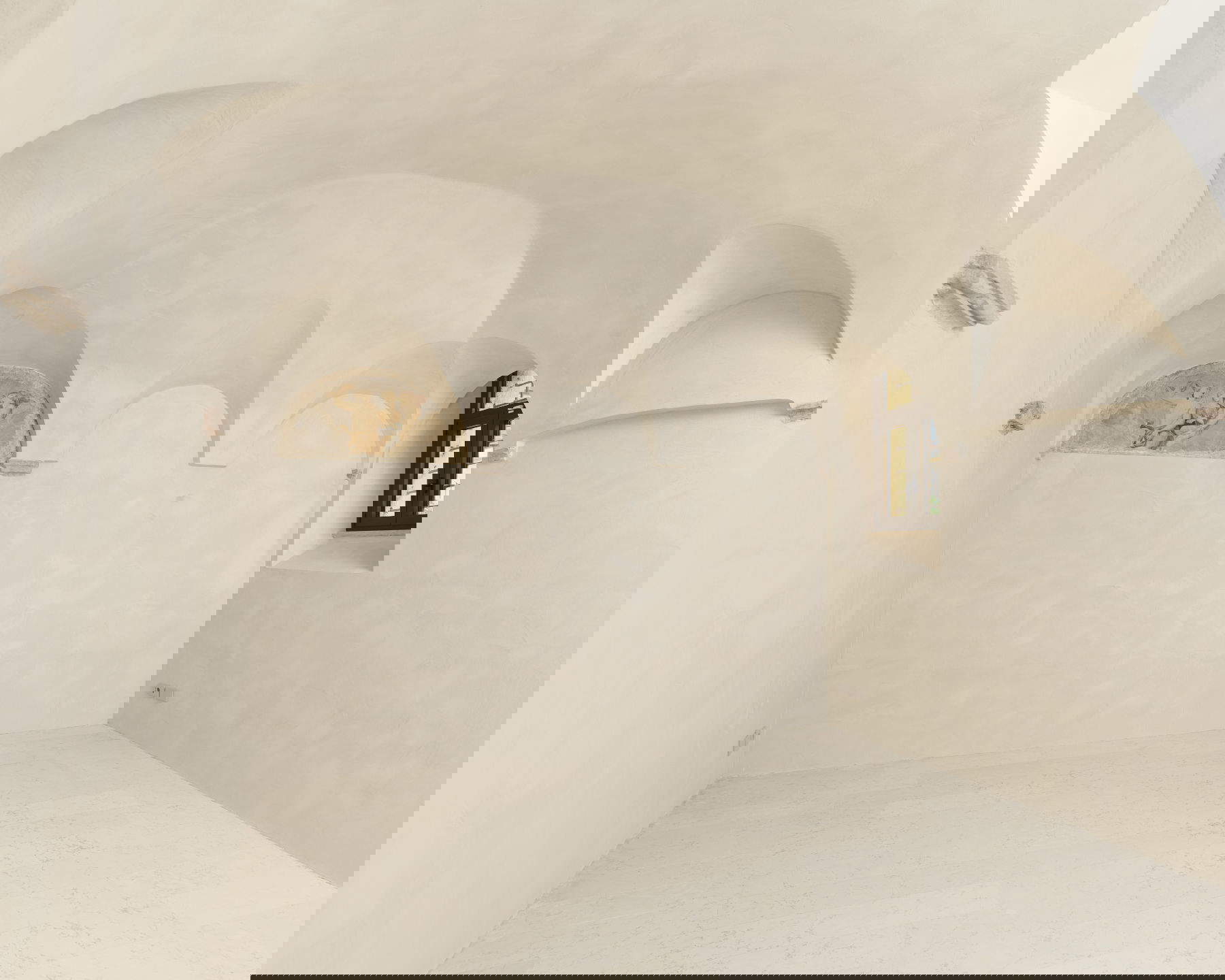
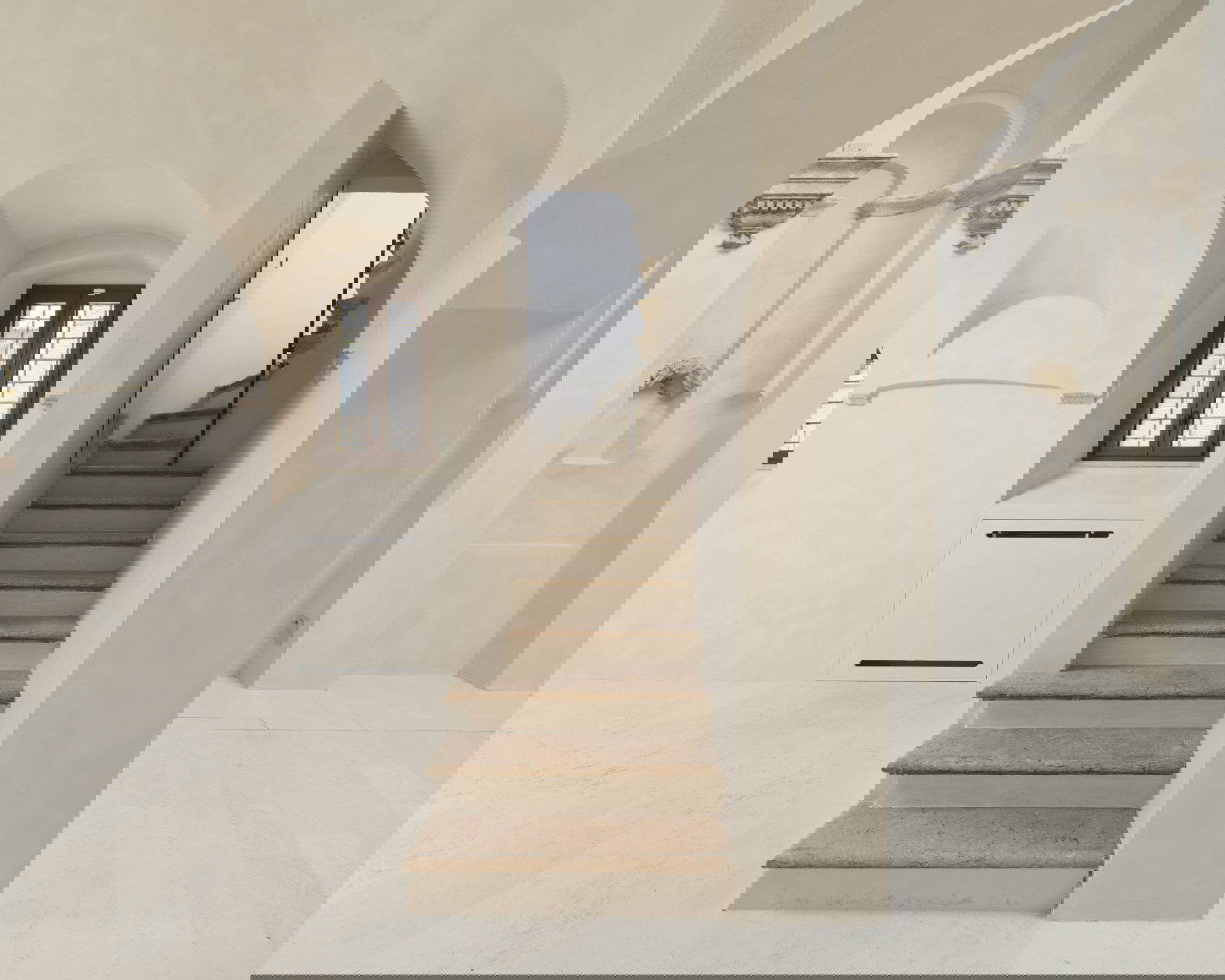
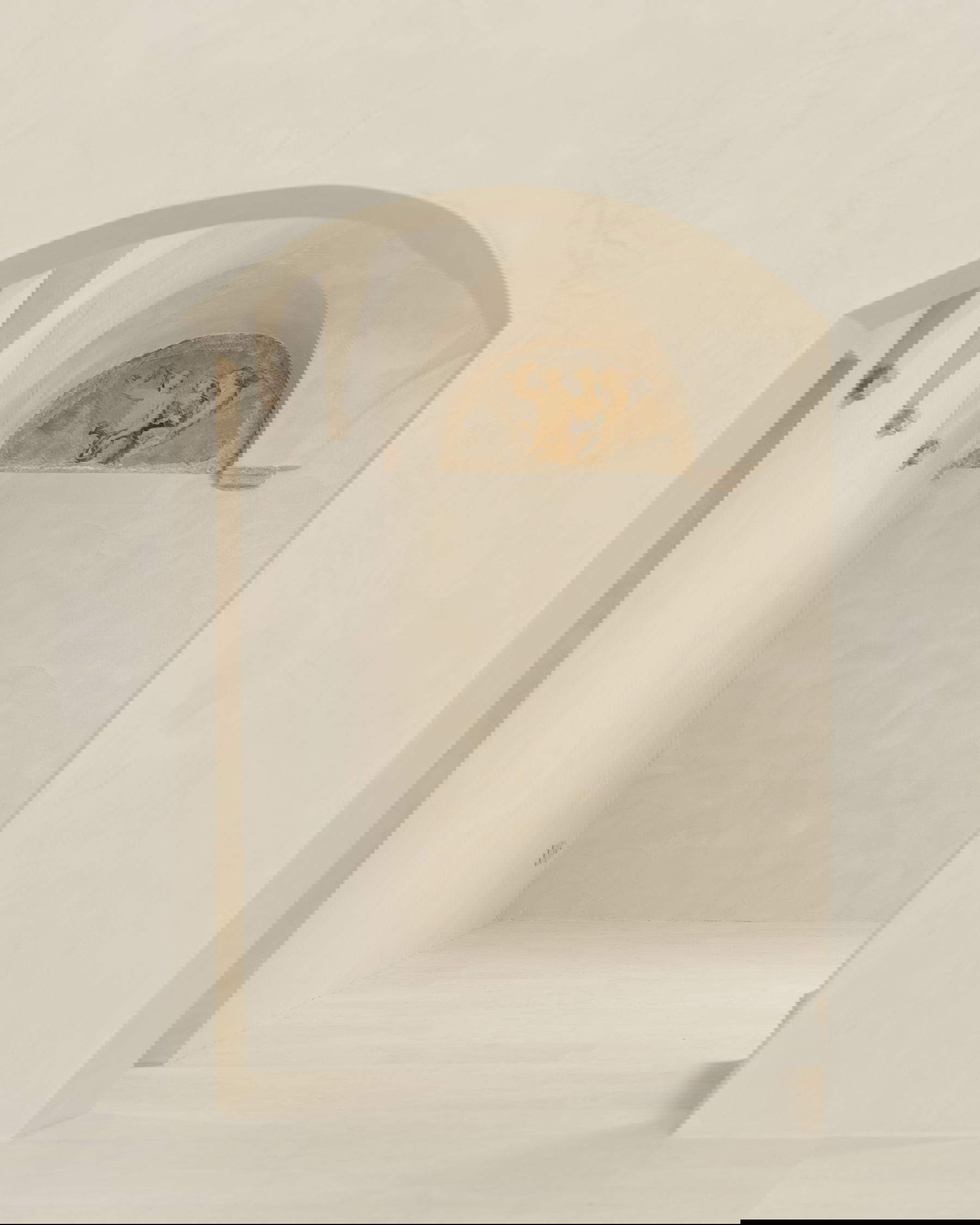
There are no certain records of the original function of the rooms now recovered, but the fresco fragments and architectural features confirm a prominent role within the ancient complex. The restoration has enhanced the vaults and decorative details, creating a cozy place capable of hosting temporary exhibitions, educational initiatives and other cultural activities. The new structure is thus proposed as a space capable of connecting museum activities with the surrounding city and expanding the possibilities for cultural enjoyment in Verona’s historic center.
“In reviving the space annexed to Palazzo Maffei, the so-called monastery,” explains Verona museum director Vanessa Carlon, “I was inspired by a deconsecrated church that stood in the midst of the hubbub of the Vuccirua market in Palermo, and which I had the opportunity to accidentally visit almost 30 years ago: a small, empty, délabrée church that housed a few, powerful works by Miquel Barcelo’. That image of an unexpected place in which to contemplate art in silence and solitude has remained indelibly in my memory.”
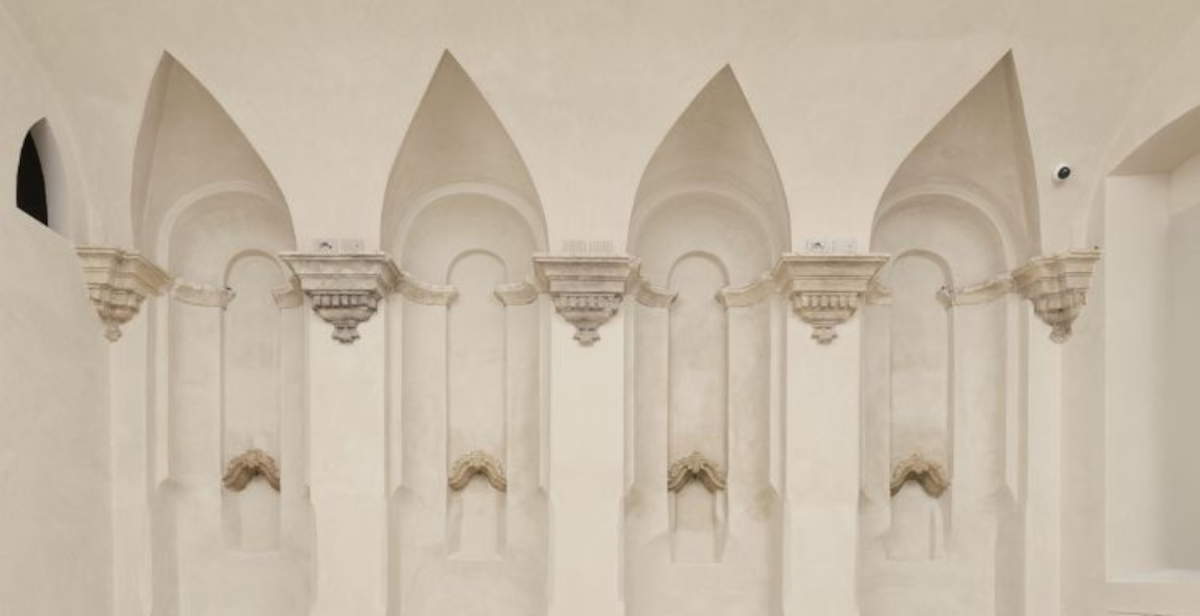 |
| Maffei Palace opens the "Monastery": new museum spaces in Verona |

Warning: the translation into English of the original Italian article was created using automatic tools. We undertake to review all articles, but we do not guarantee the total absence of inaccuracies in the translation due to the program. You can find the original by clicking on the ITA button. If you find any mistake,please contact us.



















 IT
IT FR
FR DE
DE ES
ES CN
CN


