



by Redazione 22/04/2026



Categories: Museums / Disclaimer
The University of Pisa seeks volunteers to look at artwork for a study analyzes emotional reactions to works of art. This is done through a short, computer-guided test. The goal is to understand the mechanisms of aesthetic perception and collect data from a large and diverse sample

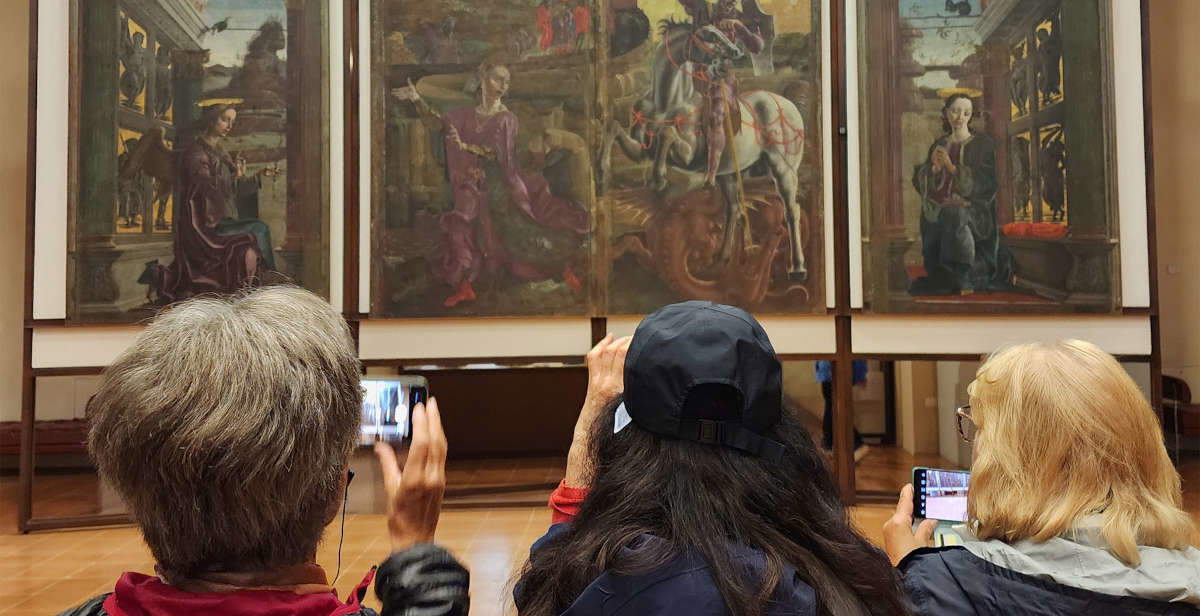
Art, it is known, arouses emotions, and now there are those who want to study this potential, turn it into data useful for scientific research. This is the goal of the ethological survey initiated by the Department of Biology at the University of Pisa, which has issued a call for volunteers over 18 years old who are interested in participating in a study on the perception of visual art. The initiative is open to people of all backgrounds and education, with no specific academic requirements, with the intention of collecting as diverse a sample as possible.
The project is within the framework of neuroaesthetic studies and aims to investigate the effects of art on the viewer, focusing on the emotional reactions that emerge during the observation of visual works. Participants are asked to observe a series of images of works of art and describe what strikes them most emotionally by answering a few simple questions. The test is conducted entirely on a computer, in a specially arranged environment to ensure quiet and controlled conditions, and has a short duration, averaging between ten and fifteen minutes.


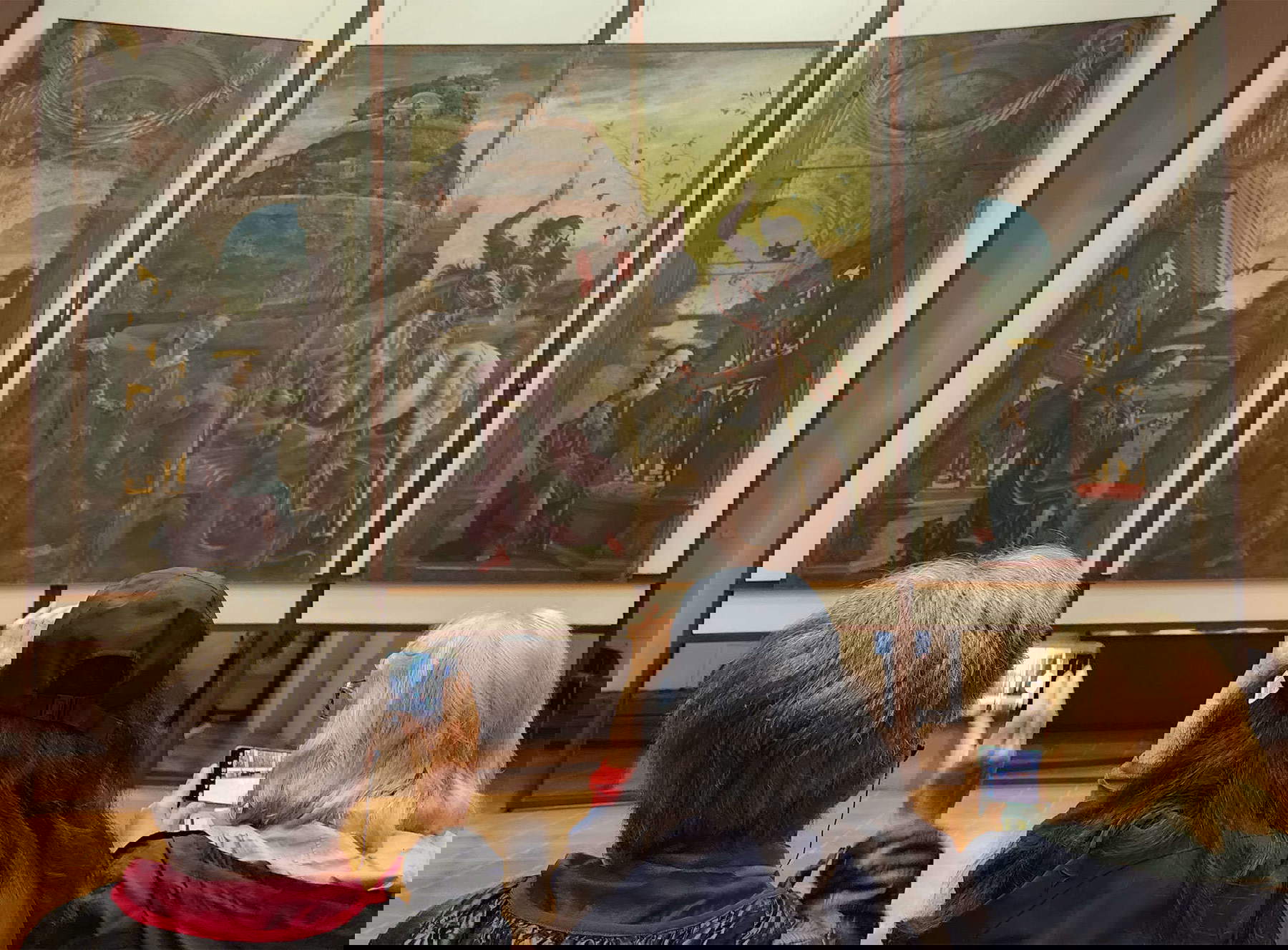
Coordinating the research is Elisabetta Palagi, an ethologist at the University of Pisa, who stresses the importance of collecting diverse data to gain a deeper understanding of the mechanisms underlying emotions and aesthetic perception. According to Palagi, studying how people react to works of art provides valuable information about the cognitive and emotional processes that are activated during the artistic experience. In this sense, each participant represents a unique contribution to the research, making the involvement of a wide and varied audience essential.
The investigation aims to analyze how elements such as stylistic complexity or the degree of abstraction of the works influence the aesthetic experience of the viewer. Through a neuroaesthetic approach, the research team aims to assess differences in emotional responses and identify any common patterns in the visual perception of art. This type of study is part of an interdisciplinary strand that combines biology, psychology and artistic disciplines, with the aim of exploring the relationship between the human mind and artistic production.
In addition to the coordinator, the project involves students and staff from the Department of Biology, including Nader Ayham Ebrahim, Enrica Pollonara and Daniele Santerini, along with external collaborators such as Fosca Mastrandrea and Fausto Caruana. The collaboration between different professionals reflects the cross-cutting nature of the research, which requires expertise from different fields to comprehensively address the topic of aesthetic perception.
The tests are held at the Department of Biology’s Ethology Unit, located at 6 Via Alessandro Volta in Pisa. The venue has been equipped to provide a suitable environment for the conduct of the experiment, minimizing external variables that might influence participants’ responses. The appointment-based organization also allows for efficient management of the flow of volunteers, ensuring that everyone has the time and space they need to complete the test.
Participation in the study is simple and requires only reservation by email, writing to the dedicated email address etoart@unipi.it. No special skills or prior knowledge are required: what counts is the willingness to get involved and share one’s reactions to the proposed works.
The University of Pisa’s call is therefore addressed to anyone who wants to participate in an investigation that combines art and science, focusing on individual experience as the key to understanding complex and universal phenomena. In just a few minutes, through a simple test, any volunteer can help build a useful database to explore how artistic images influence human emotion and perception.
The research will continue in the coming weeks with the goal of collecting a significant number of participants. The larger the sample, the greater the chance of obtaining reliable and representative results. In this sense, citizen participation becomes an essential element for the success of the study, confirming the role of collaboration between academia and civil society in knowledge development.
 |
| University of Pisa seeks volunteers to look at artwork |
Warning: the translation into English of the original Italian article was created using automatic tools. We undertake to review all articles, but we do not guarantee the total absence of inaccuracies in the translation due to the program. You can find the original by clicking on the ITA button. If you find any mistake,please contact us.