



by Noemi Capoccia 22/04/2026



Categories: News Focus / Disclaimer
What are the most representative sales and works of miart 2026? And what do galleries think of the new venue at MiCo's South Wing? An edition amid selective results, large audiences and nevertheless rather sharp judgments about the new venue, which did not convince gallerists. Here's what they think.


The thirtieth edition of Miart, the international fair of modern and contemporary art directed by Nicola Ricciardi, which was hosted from April 17 to 19, 2026 in Milan’s new venue in the South Wing of the Allianz MiCo, has concluded in Milan. A transition that was overtly identity-driven: a transformation that coincides with the event’s 30th anniversary and has resulted in an overall rethinking of the format, the exhibition itinerary, and the visitor experience itself. Under the title New Directions, an homage to John Coltrane and a programmatic statement at once, miart has tried to construct a narrative based on the controlled improvisation of jazz as a curatorial metaphor: a system in which tradition and variation coexist, and in which the past is continually reworked.
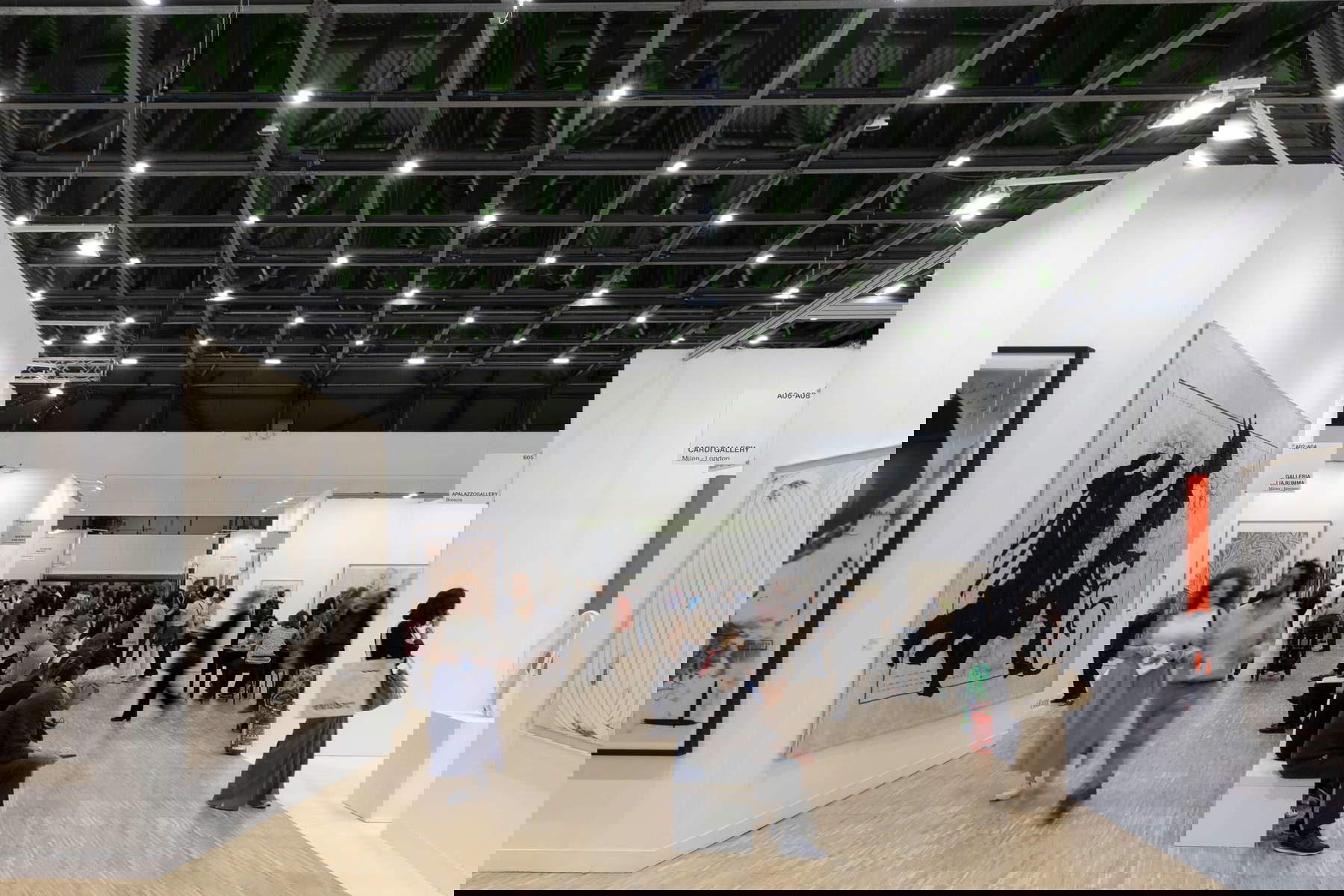
The move to the South Wing of the Allianz MiCo, overlooking the CityLife park, was presented as one of the symbolic cornerstones of this edition. A space articulated on three levels, conceived as a progressive and engaging path, but which in practice generated mixed reactions, often polarized between appreciation for the architectural quality and obvious criticalities in the legibility of the path. From a market point of view, the edition moved on a generally cautious but not unsuccessful register, with sales concentrated mainly on medium-high and medium-low-end works, and with a strong focus on already loyal collectors. Several exhibitors stressed a good quality of attendance, but a lower incidence of the international public than expected, especially on the central days. Here is what they told us.


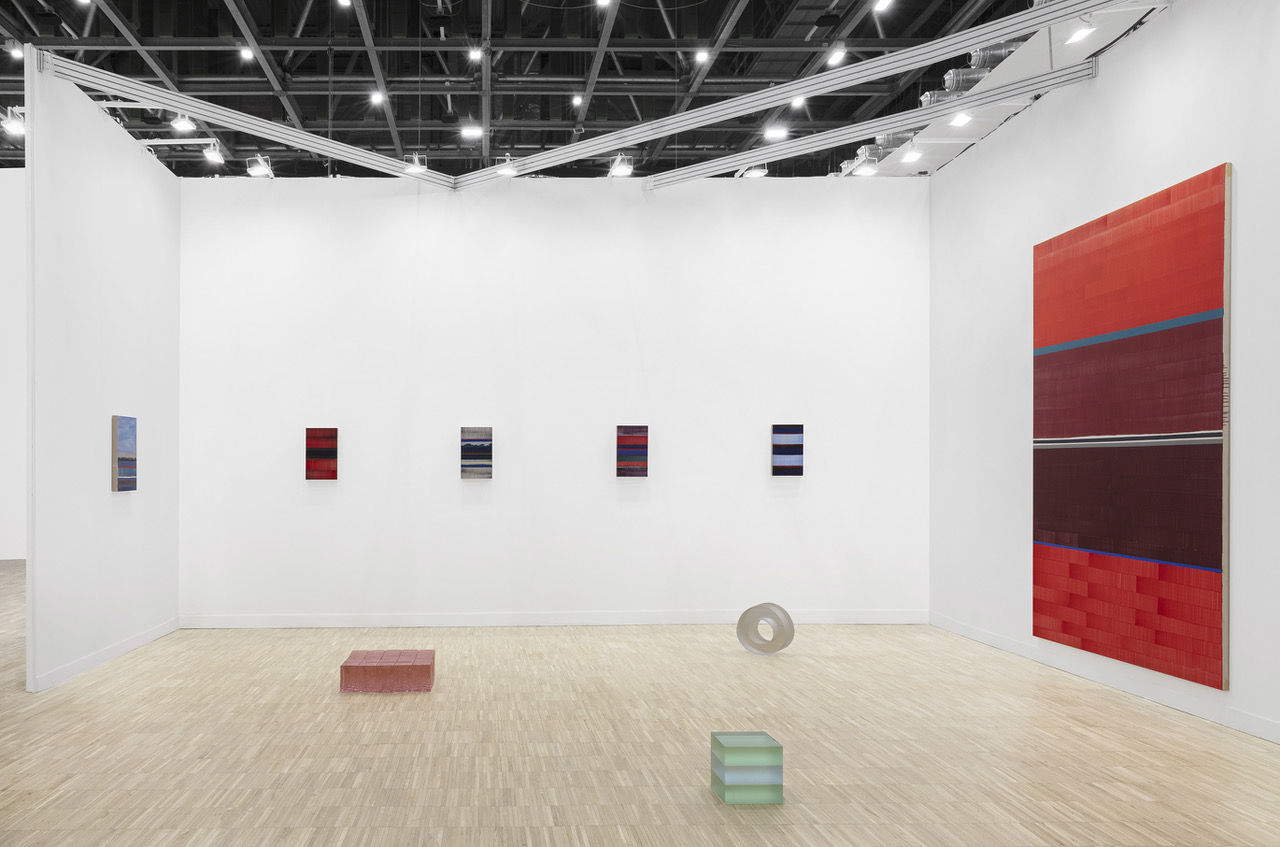
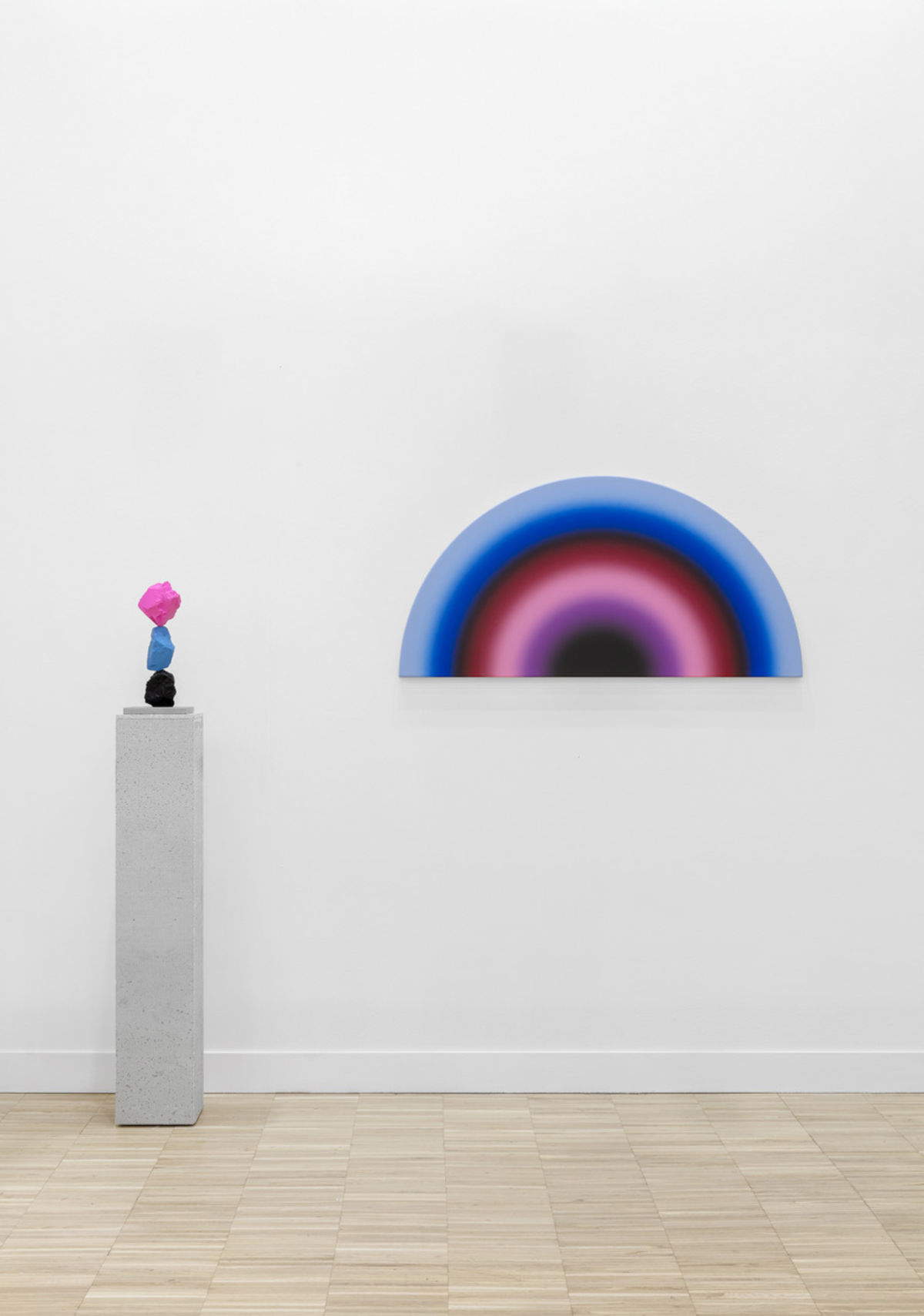
Let’s start with Naples-based Alfonso Artiaco Gallery , which returned to miart after three years, welcoming the new venue with interest and envisioning a possible relaunch of the event. The booth, located on the second floor in the Establish Anthology section, was judged positively from an exhibition point of view, thanks to large spaces, parquet floors and a particularly effective quality of light. The gallery presented an essential and calibrated project at miart, built around just three artists and set up as an almost concentrated itinerary rather than a traditional exhibition booth. On the outer wall of the space stood a sculpture by Ugo Rondinone flanked by a painting from the rainbow series. Inside, the booth developed instead as a solo exhibition of Spanish painter Juan Uslé, who occupied the entire space with his pictorial work. More critical, however, was the reading of the overall structure of the fair: the connection between the levels was perceived as confusing and the pathway unintuitive. There were sales, especially thanks to the gallery’s historical collectors, but the feeling of not fully expressed potential remains.
Florence-based Secci Gallery expresses satisfaction with the performance of its booth, which is judged to be overall positive in terms of relations and public feedback. As Sara Cirillo, the gallery’s director, points out, in this edition of Miart the response of Italians was more important than that of foreigners, whose presence was, at least in her impression, rather contained. More critical is her assessment of the fair’s new venue, which is described as not very functional and rather confusing, with a direct impact on the overall experience of visiting and on the legibility of the exhibition itinerary.
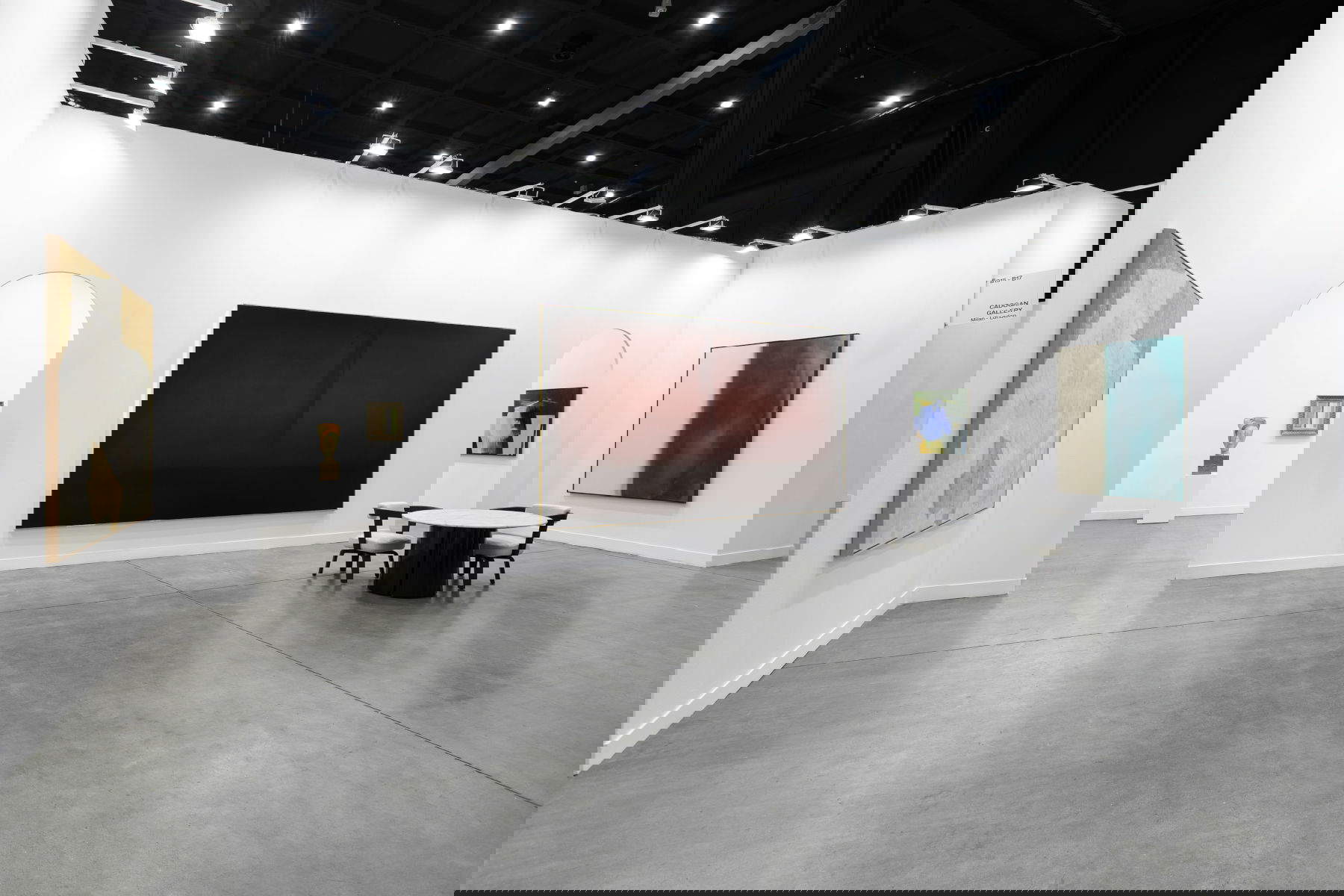
Cadogan Gallery describes a slightly slower fair compared to previous editions, also in relation to the international context. According to the Milanese gallery, however, the weekend saw a strong influx of visitors, supported in part by the coincidence with Design Week. Sales were positive, with works ranging from around 5,000 to 50,000 euros and a steady interest in the curatorial proposal of the booth. On a general level, the growth of the Milanese scene, which is increasingly attractive internationally thanks to the opening of new galleries and the expansion of the city’s cultural system, is emphasized. The new venue is appreciated for its large and flexible spaces, but criticized for the vertical fragmentation on three levels, a situation that slowed down the flow of the public and the relationship between the stands.
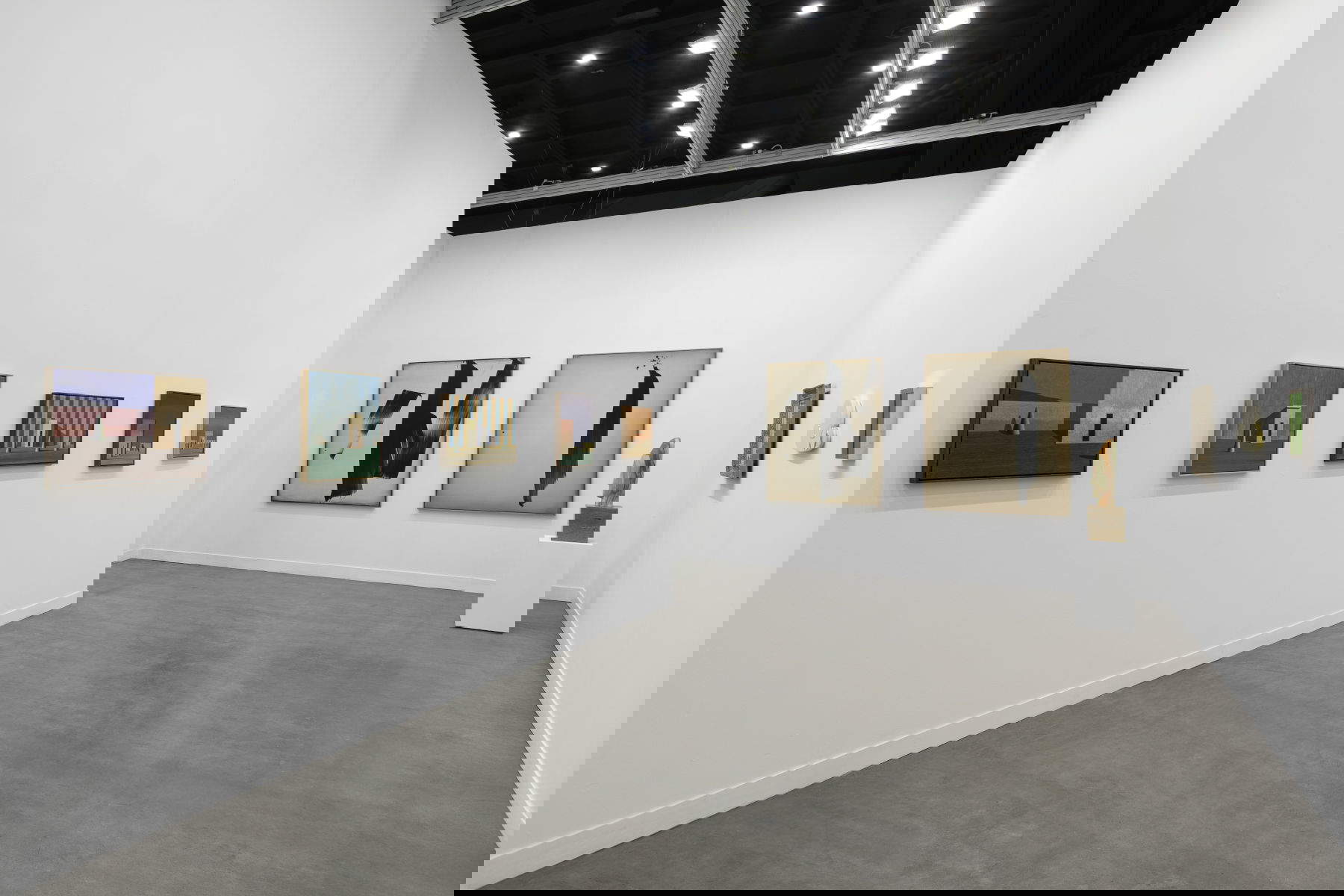
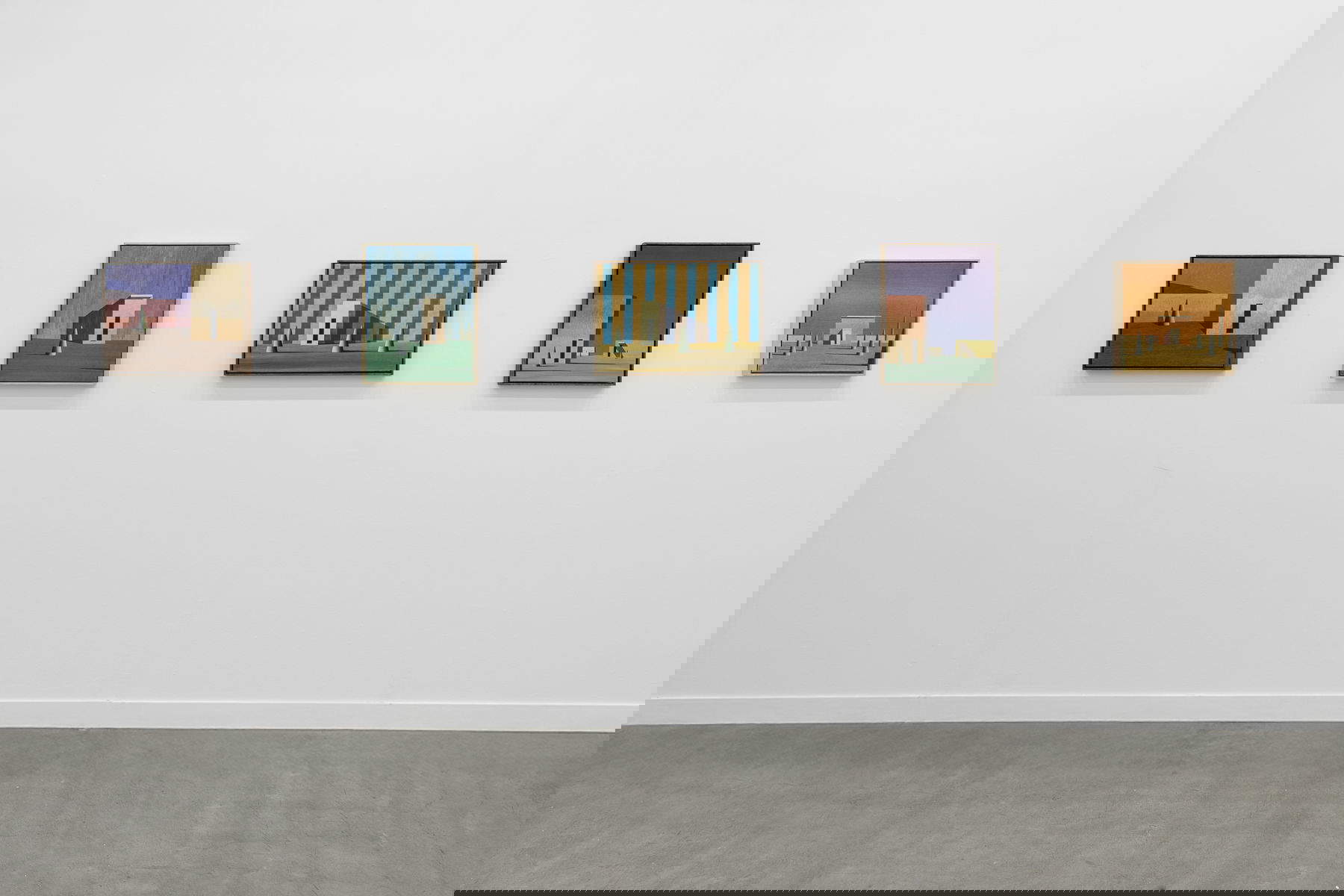
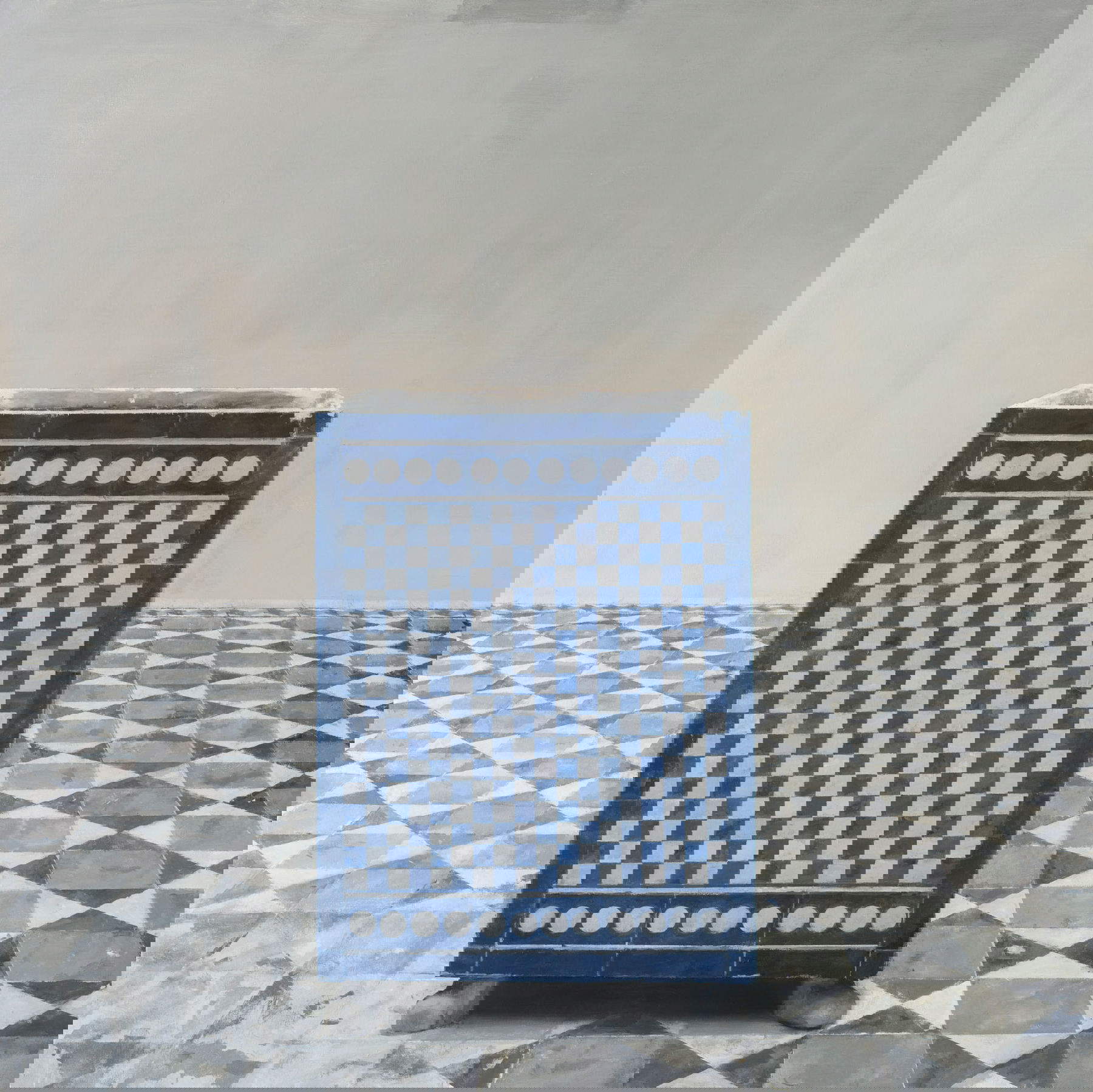
The Roman gallery Carlo Virgilio & C. also directly highlights the logistical difficulties of the new venue. The public often appeared disoriented and not always able to visit all levels, resulting in a loss of continuity in the exhibition itinerary. The first and second floors are considered successful, while the ground floor appears less effective. The preference remains for the former location, which is considered more suitable for building clear and linear itineraries. Commercially, however, the balance is positive: the gallery has sold five works, in a price range of 6,000 to 12,000 euros. These included a large painting by Tullio Pericoli, three works by Luis Serrano and a Self-Portrait by Vanni Rossi.
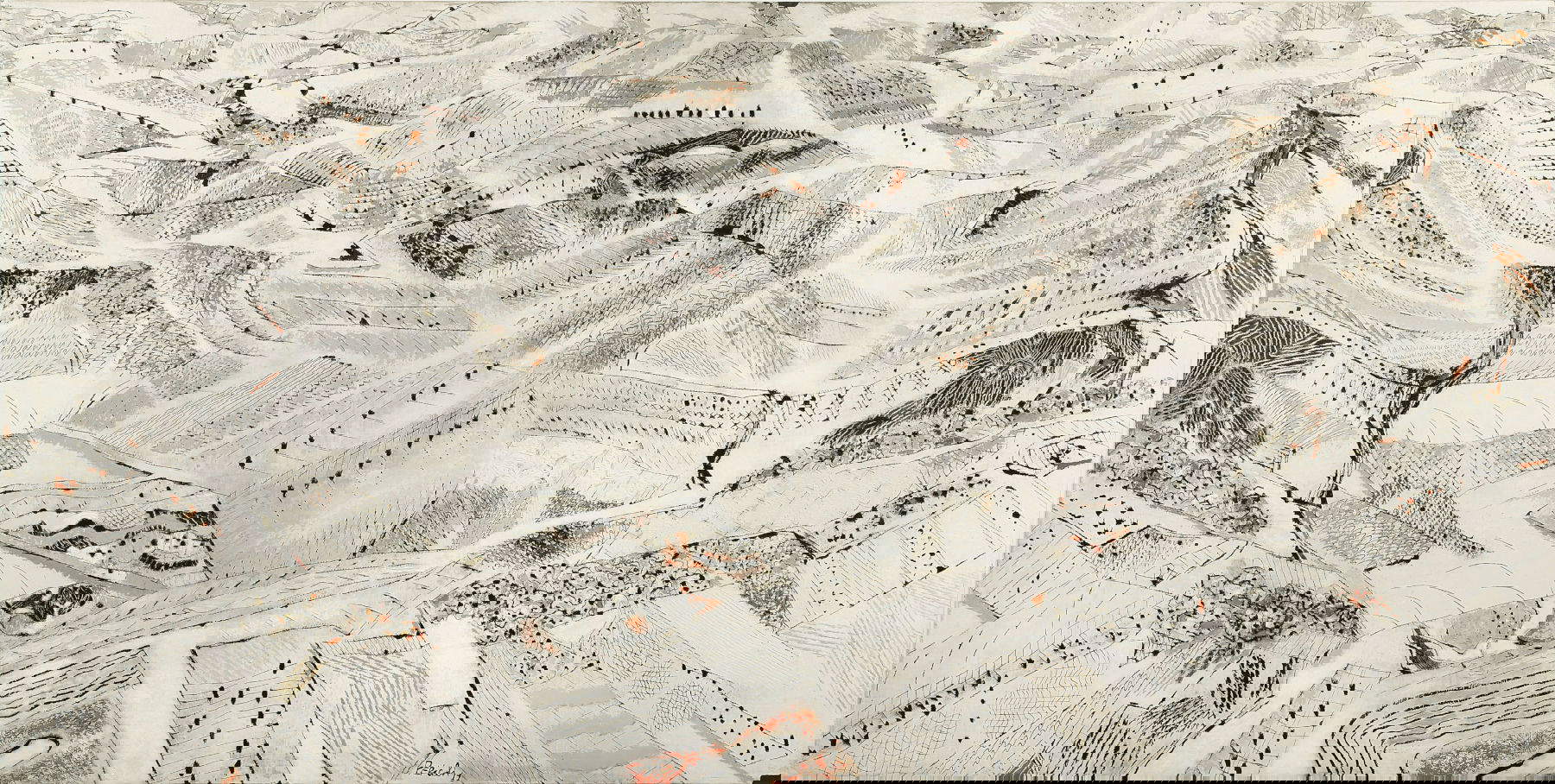
Among the works presented are Luis Serrano’s Fioriera (2024), oil on canvas, which was already included in the catalog of the exhibition Lares (Rome, Galleria Carlo Virgilio & C., 2024), and Tullio Pericoli’s Perdita d’occhio (2011), oil on plaster cast, a work exhibited in various institutional venues between Milan, Senigallia, Urbino and Ascoli Piceno, as well as the subject of an extensive monographic bibliography. The gallery also reports some negotiations currently underway, considered promising, confirming an interest that could translate into further developments in the weeks following the fair.
For its part, the Robertaebasta Gallery in Milan describes a very positive edition, with a constant and very large public participation during all the days of the fair. Sales are spread over different price ranges, with a particular interest in design, considered one of the most appreciated elements of the booth. The new venue is evaluated positively on the scenic level, with an entrance considered particularly effective and capable of giving strength to the overall image of the fair. However, there remains the critical issue related to the booth layout, which was judged unclear.
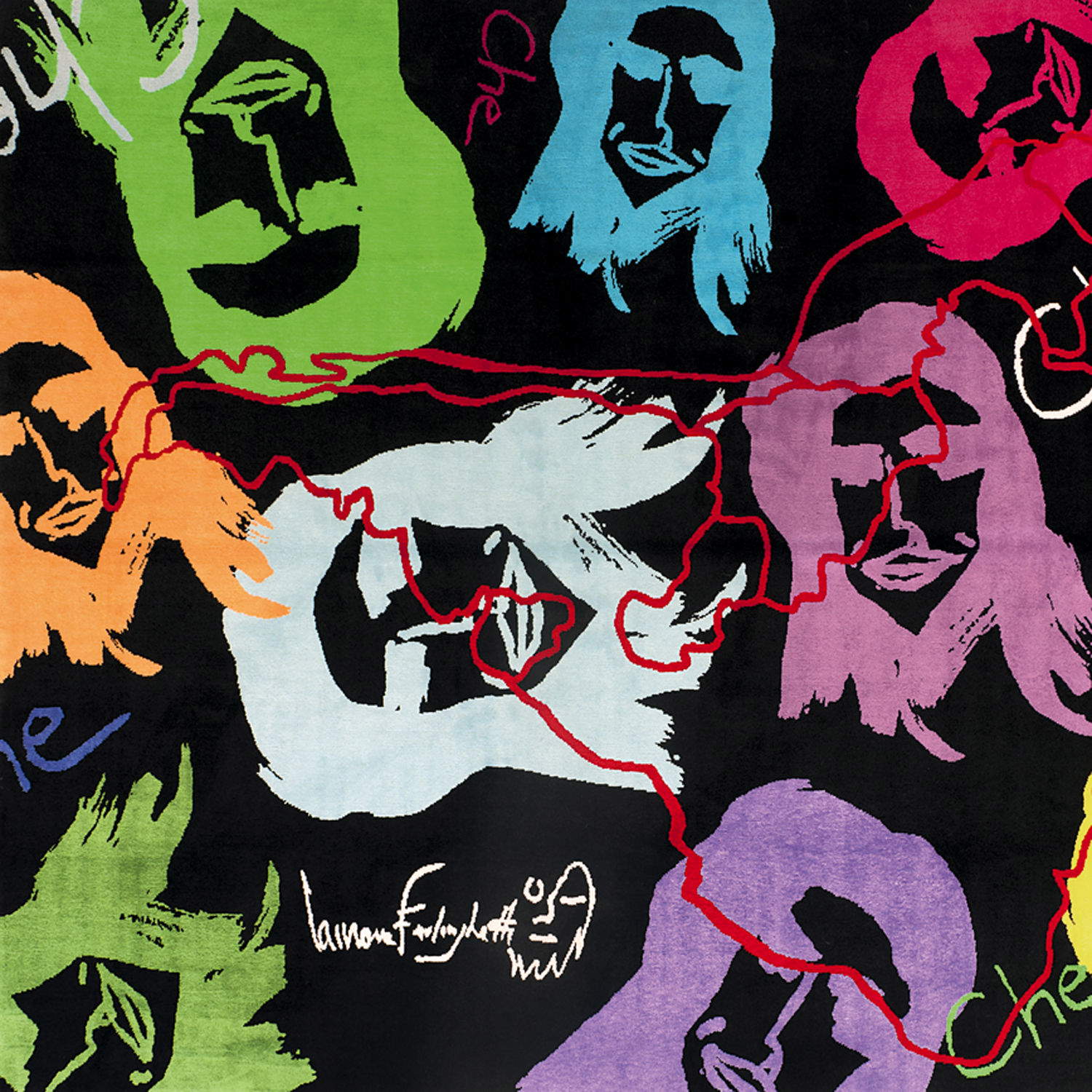
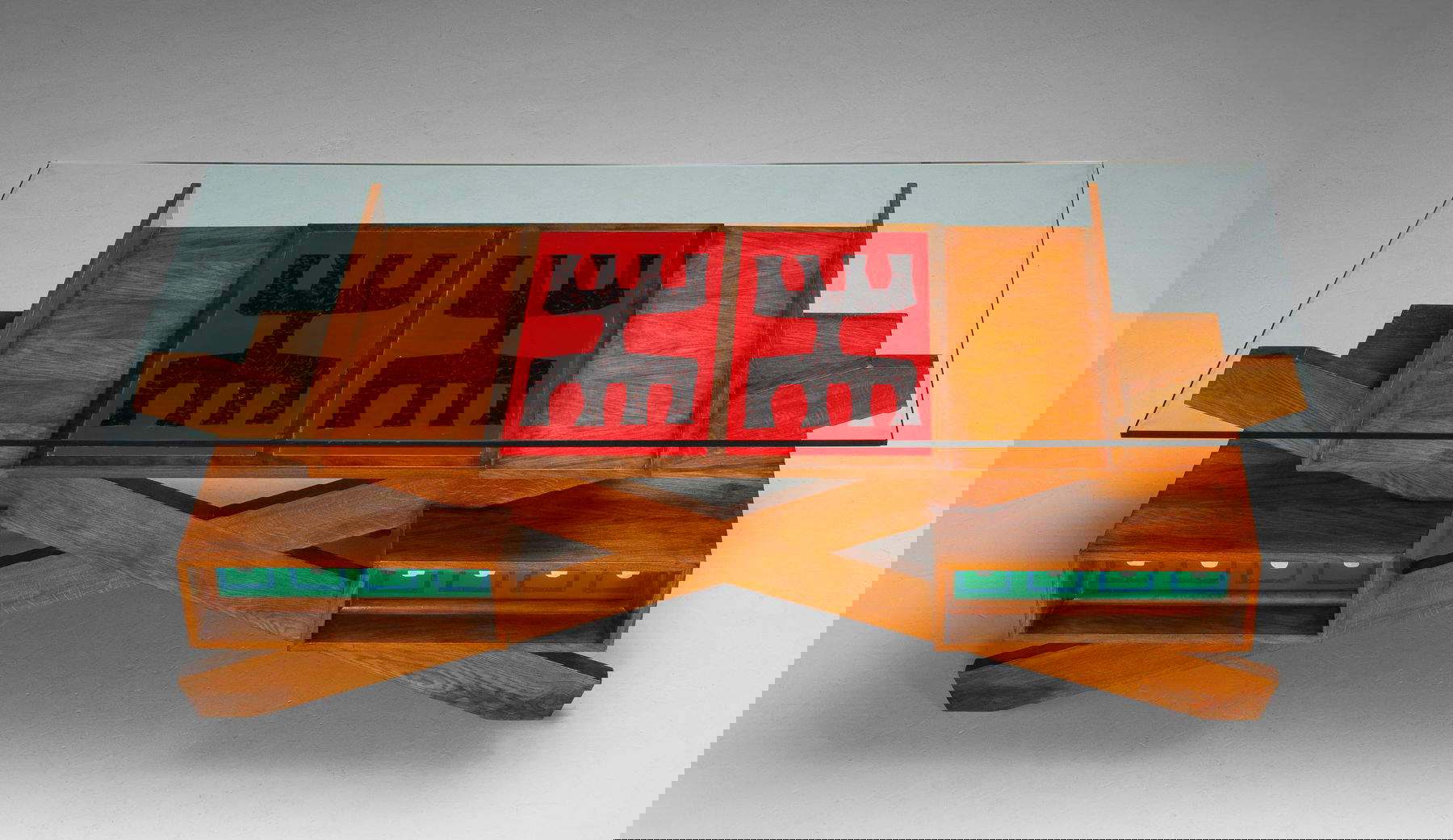
Among the works that stand out are a desk by Renato Angeli and Claudio Olivieri, made of walnut with a lacquered metal support structure and a beveled crystal top, enriched with decorative elements in eglomized glass with abstract decorations, and the El Che rug designed by Lawrence Ferlinghetti for Cleto Munari (2008), limited edition number 5 of 29, of large dimensions.
Dep Art Gallery welcomed the new venue, particularly the strategic location and the strong architectural impact of the entrance, elements that contribute to an overall scenic presentation of the fair. However, this is a favor with reservation: again, according to Dep Art, some critical issues emerge related to the internal structure and the connection between the three exhibition levels, perceived by the Milanese gallery as not always fluid in fruition.
The signage was found to be not always clear and the overall path not very linear, affecting the overall legibility of the whole. On a commercial level, the gallery presented a proposal placed in a high range, between 100,000 and 700,000 euros: no sales were concluded at the fair, but several important negotiations are currently underway.
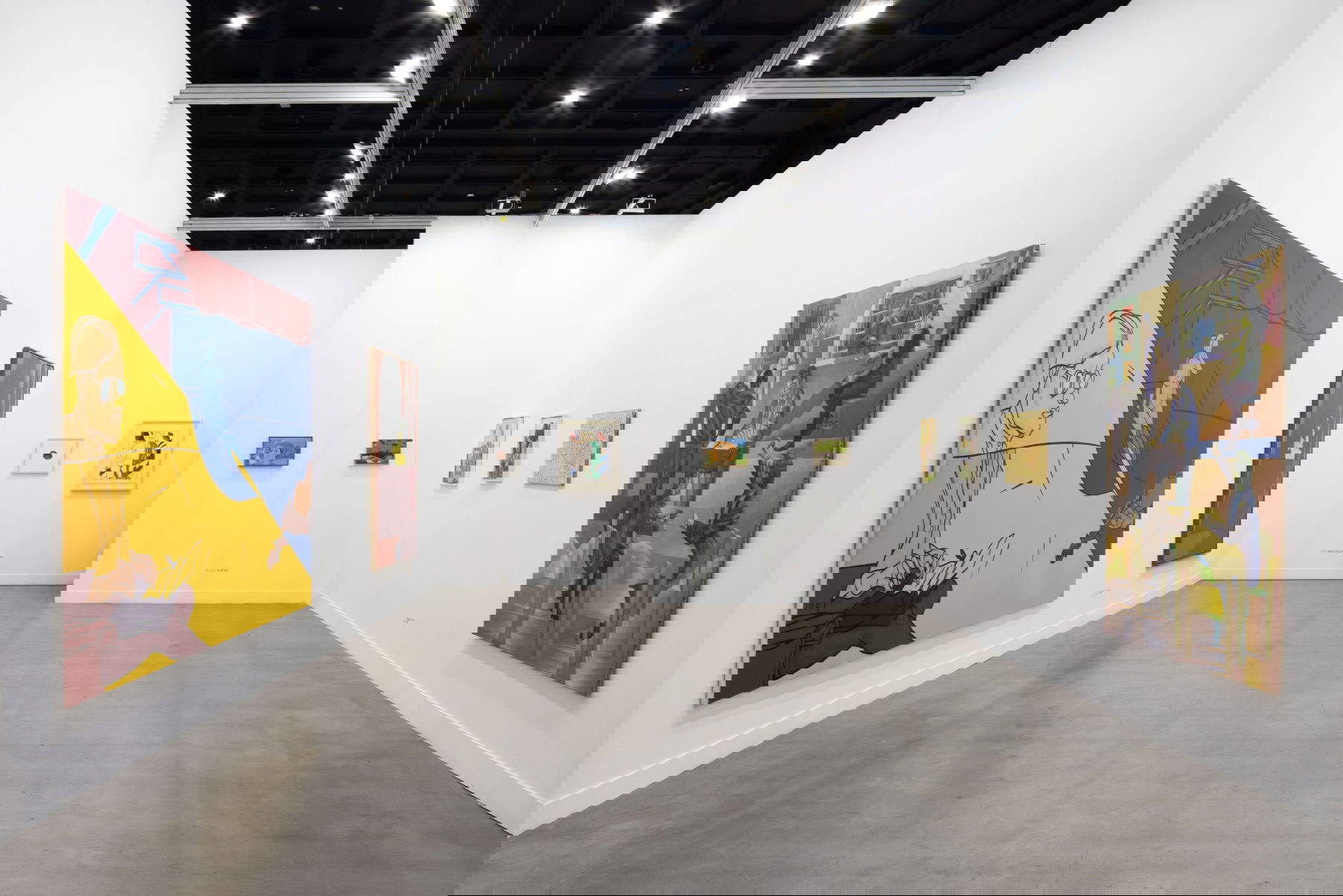
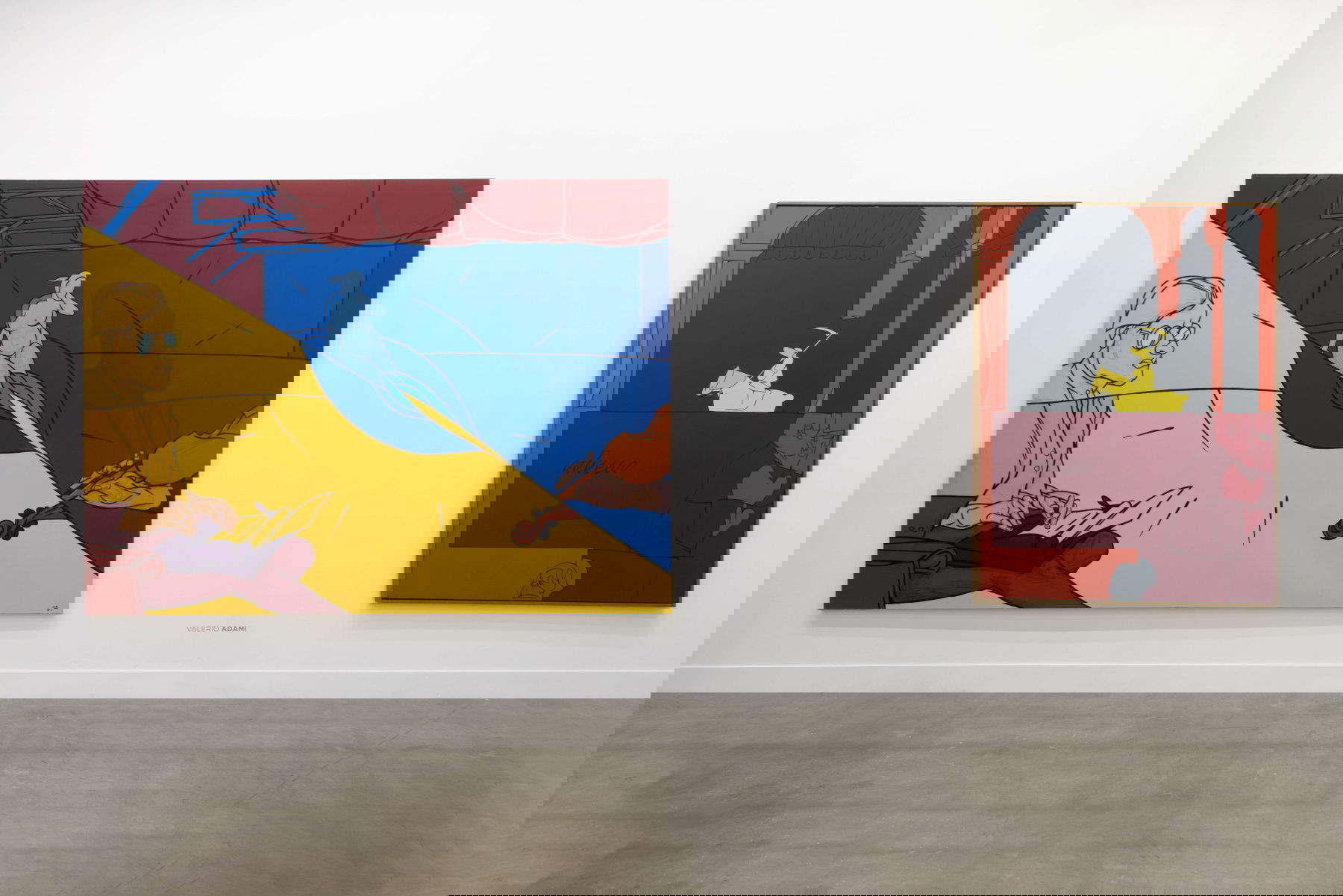
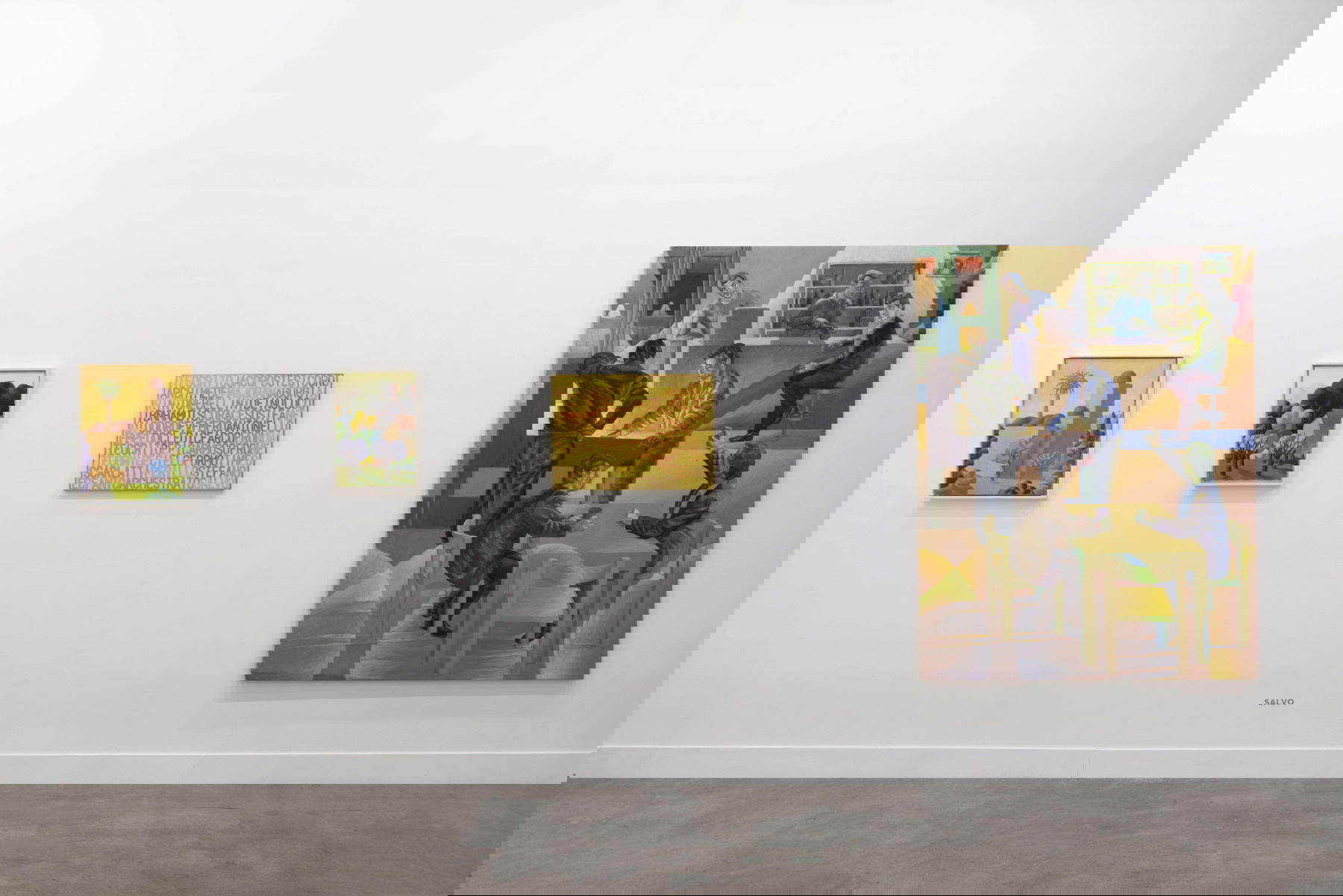
Finally, Repetto Gallery describes an edition characterized by a dynamic atmosphere, with a good turnout and a good level of attention from visitors, in an overall lively context that was concretely interested in the works presented. A relevant criticality is identified in Level 2, where the gallery was located: in particular during the preview day, considered the most important, there was a strong disconnection with respect to the entrance, aggravated by the lack of route directions and inadequate signage. This resulted in dispersed flows and a consequent loss of a substantial portion of the audience. Despite these difficulties, the fair was perceived as well attended. The gallery stresses that strengthening signage, both internally and at access points, along with an increase in information staff, could improve the overall visitor experience.
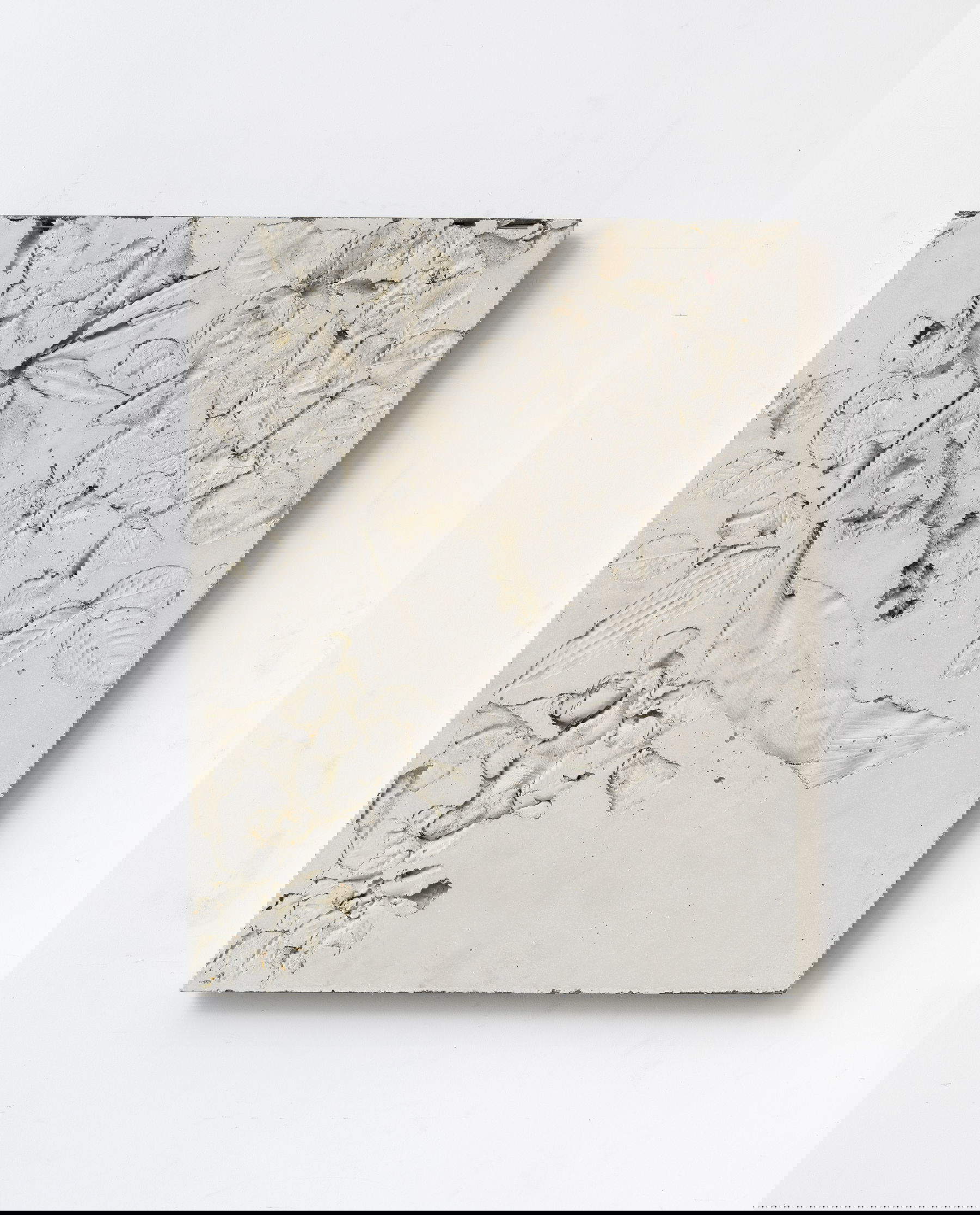
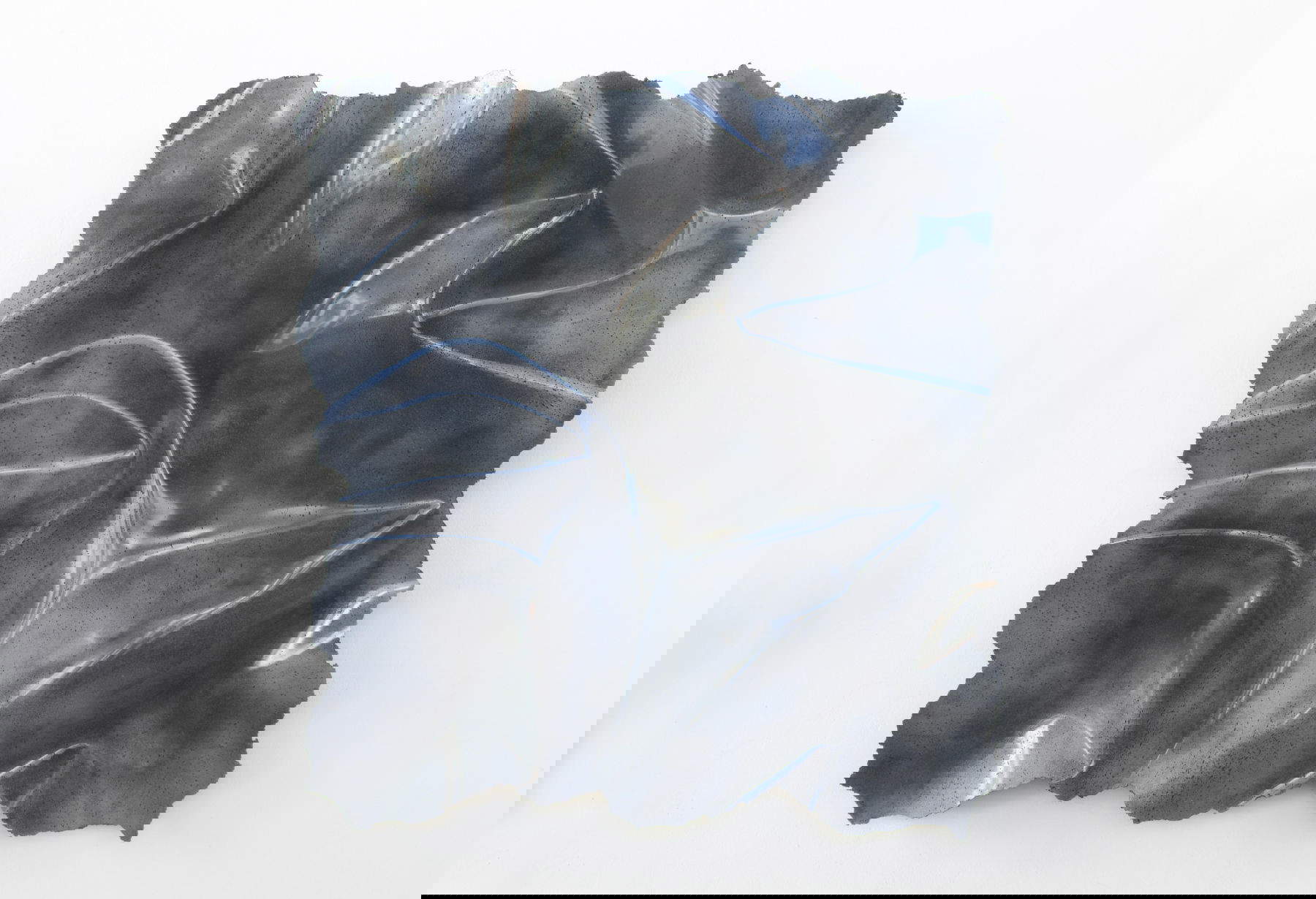
Market-wise, the audience was predominantly domestic, with a smaller international presence. Notable achievements included the sale of an important work by Arcangelo Sassolino, which can be placed in the medium-high range, along with the sale of two works by Alessandro Piangiamore, which received particular interest. Good results also for artists such as Michelangelo Pistoletto, Pier Paolo Calzolari, and for historicized masters such as Filippo de Pisis, Giuseppe Capogrossi, and Bruno Munari. As for the new venue, the Level 2 exhibition space is described as pleasant and well conceived, but in this first edition poorly integrated into the overall fair itinerary and not always immediately accessible.
Overall, miart 2026 presents itself as an edition of strong transformation: ambitious in its new spatial configuration and curatorial proposal, solid in public participation and market hold, but still settling in terms of internal readability and management of the exhibition route. A successful change of scale only in part, but one that opens a new phase for the Milan fair, still to be defined in its future balances.
Warning: the translation into English of the original Italian article was created using automatic tools. We undertake to review all articles, but we do not guarantee the total absence of inaccuracies in the translation due to the program. You can find the original by clicking on the ITA button. If you find any mistake,please contact us.