





On Saturday, March 21 and Sunday, March 22, 2026, the FAI Spring Days, now in their 34th edition, will return throughout Italy. The initiative promoted by FAI - Fondo per l’Ambiente Italiano ETS provides for the extraordinary opening, with free visits, of 780 places distributed in 400 cities. The event is one of the main tools with which the Foundation, which has been active since 1975, carries out its mission of education for the knowledge and protection of cultural heritage, with the aim of promoting its preservation. From the first edition in 1993 to 2025, the FAI Spring Days have involved nearly 13.5 million visitors and opened more than 17,000 places in 7,606 Italian cities. The event also combines cultural outreach activities with fundraising: donations and subscriptions collected during the days help support the activities of the Foundation, which today cares for and manages 75 properties throughout Italy, 60 of which are regularly open to the public.
The organization of the 2026 edition involves a network made up of 7,500 volunteers belonging to the FAI delegations and local groups active in all Italian regions, joined by 17,000 Apprentice Tour Guides, secondary school students who participate in the Foundation’s educational project and who, after specific training, accompany visitors on tour routes. Thanks to this widespread work throughout the territory, hundreds of places that are often little known or not usually accessible will open their doors: historic villas, castles, churches, institutional headquarters, monumental complexes, theaters, art collections, artisan workshops, nature areas and production sites.
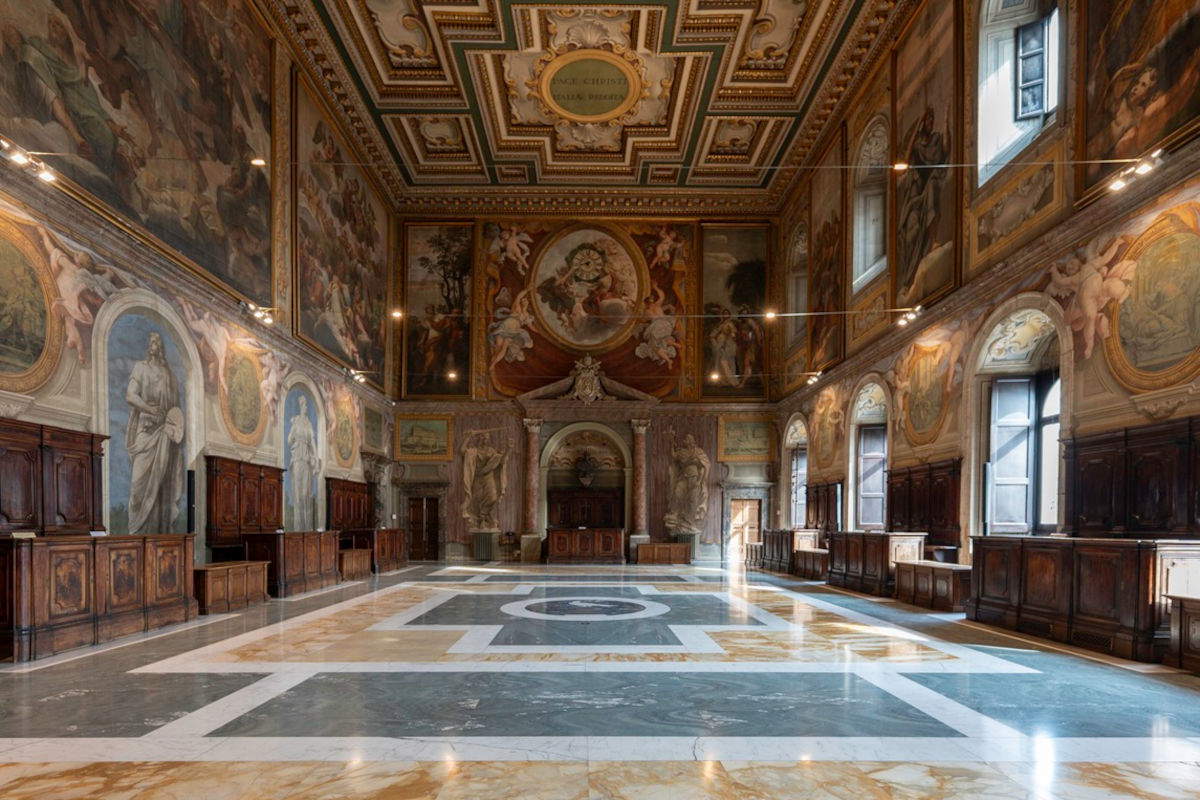
Among the reported openings for the 2026 edition are many buildings of special historical and architectural interest. In Rome, it will be possible to visit environments usually not accessible to the public, such as the Palace of the Ministry of Education and Merit, designed by Cesare Bazzani in 1912. The seat of the Supreme Court of Cassation in the Palace of Justice, built between 1888 and 1910 to a design by architect Guglielmo Calderini, will also be open to visitors, as well as the Palazzo della Cancelleria, among the earliest examples of Renaissance architecture in Rome and today home to ecclesiastical courts such as the Sacra Rota. Also among the openings reserved for FAI members is Palazzo Corrodi, an atelier complex founded in the early 20th century by painter Hermann Corrodi and later becoming a central place for Italian poetry, radio and cinema.
In Milan, buildings such as the Palazzo delle Finanze, built in the 1930s and open to the public for the last time before a renovation that will also affect the building’s bunker and vault, will be open to the public. Other openings include Palazzo Turati, now the headquarters of Istituto Marangoni Moda and featuring rooms decorated by 19th-century Lombard artists; the Libeskind Tower in CityLife, designed by architect Daniel Libeskind and nicknamed “the Curved” because of its shape; and the RAI headquarters on Corso Sempione, where visitors will be able to access television and radio studios and learn about some of the technologies used in television productions.
In Emilia-Romagna, visitors will be able to visit the San Giovanni in Monte complex in Bologna, which began as a convent and was converted into a prison before becoming a university campus, with a Renaissance cloister and refectory frescoed by Bartolomeo Cesi; theformer monastery of San Sisto in Piacenza, now used by the Army’s 2nd Engineer Bridges Regiment; and Guiglia Castle, also known as Montecuccoli Castle, which will reopen to the public during the new visiting season.
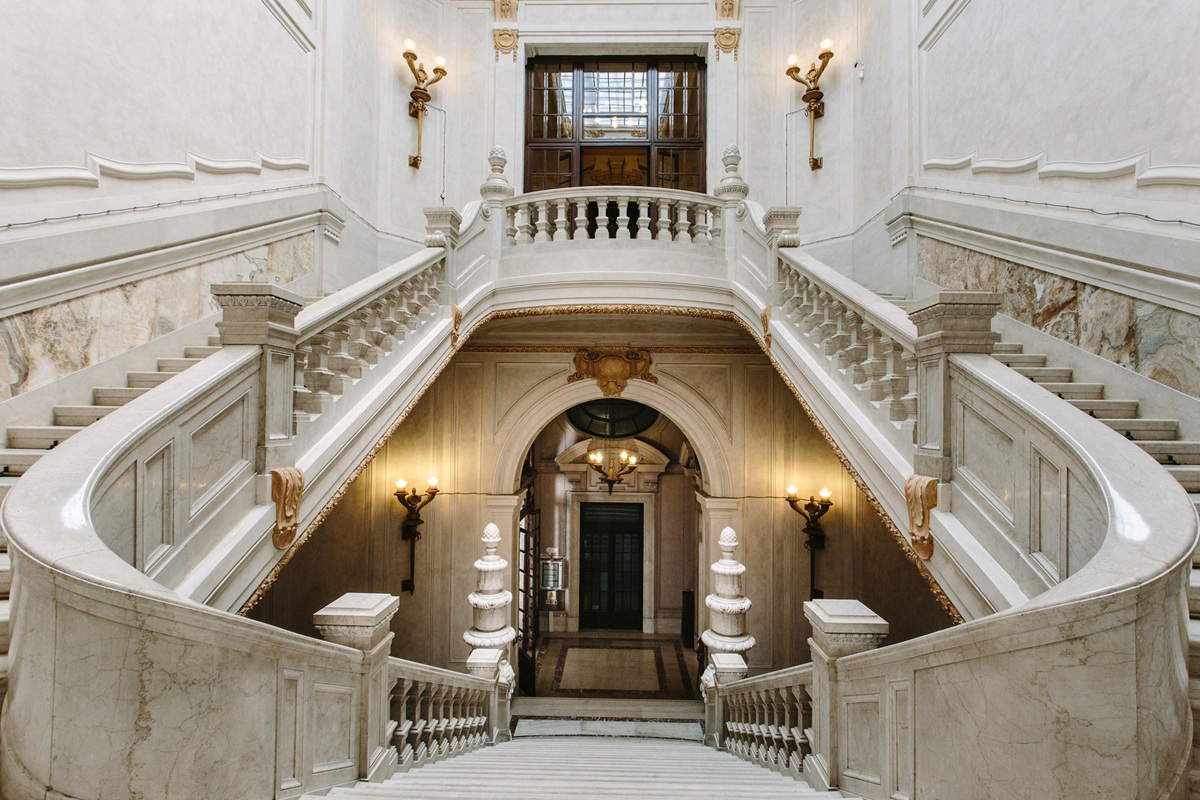
Openings in southern Italy include the Maradona Stadium in Naples, where visitors will be able to access the playing field and walk the so-called “Blue Mile,” and the Palazzo d’Avalos del Vasto, a historic residence now undergoing restoration work and accessible on an extraordinary basis for FAI members. In Liguria, it will be possible to visit the Lantern of Genoa, a historic symbol of the city documented since the 12th century, and the Navy’s helicopter station in Sarzana, with a path dedicated to the operational and rescue activities carried out by the crews.
Numerous openings will also cover cities such as Turin, Florence, Venice and Palermo. In Turin, the Palazzo di Città, home of the city hall with decorated rooms and institutional halls not usually accessible, theOpificio delle Rosine, an institution founded in the 18th century to promote women’s emancipation through training and work, and theAuditorium Rai Arturo Toscanini, home of the Rai National Symphony Orchestra, will be open to visitors. In Florence, Palazzo Cerretani, seat of the Regional Council of Tuscany, with the Barbarossa Room frescoed by Vincenzo Meucci, and Palazzo Buontalenti, also known as the Casino Mediceo di San Marco, now home to the School of Transnational Governance of the European University Institute, will open their doors.
The 2026 edition also includes a special itinerary dedicated to the 800th anniversary of the death of Francis of Assisi. Openings linked to the figure of the saint and the spread of Franciscan spirituality will be organized in several Italian regions, including the Sanctuary of San Donato with the Historic Garden of St. Francis in Ripacandida (Potenza), the Franciscan complex of San Bernardino in Caravaggio (Bergamo) and the convent of San Fortunato in Montefalco (Perugia). In Assisi it will also be possible to visit the Bosco di San Francesco, a FAI property located at the foot of the basilica and characterized by the presence of Michelangelo Pistoletto’s Third Paradise.
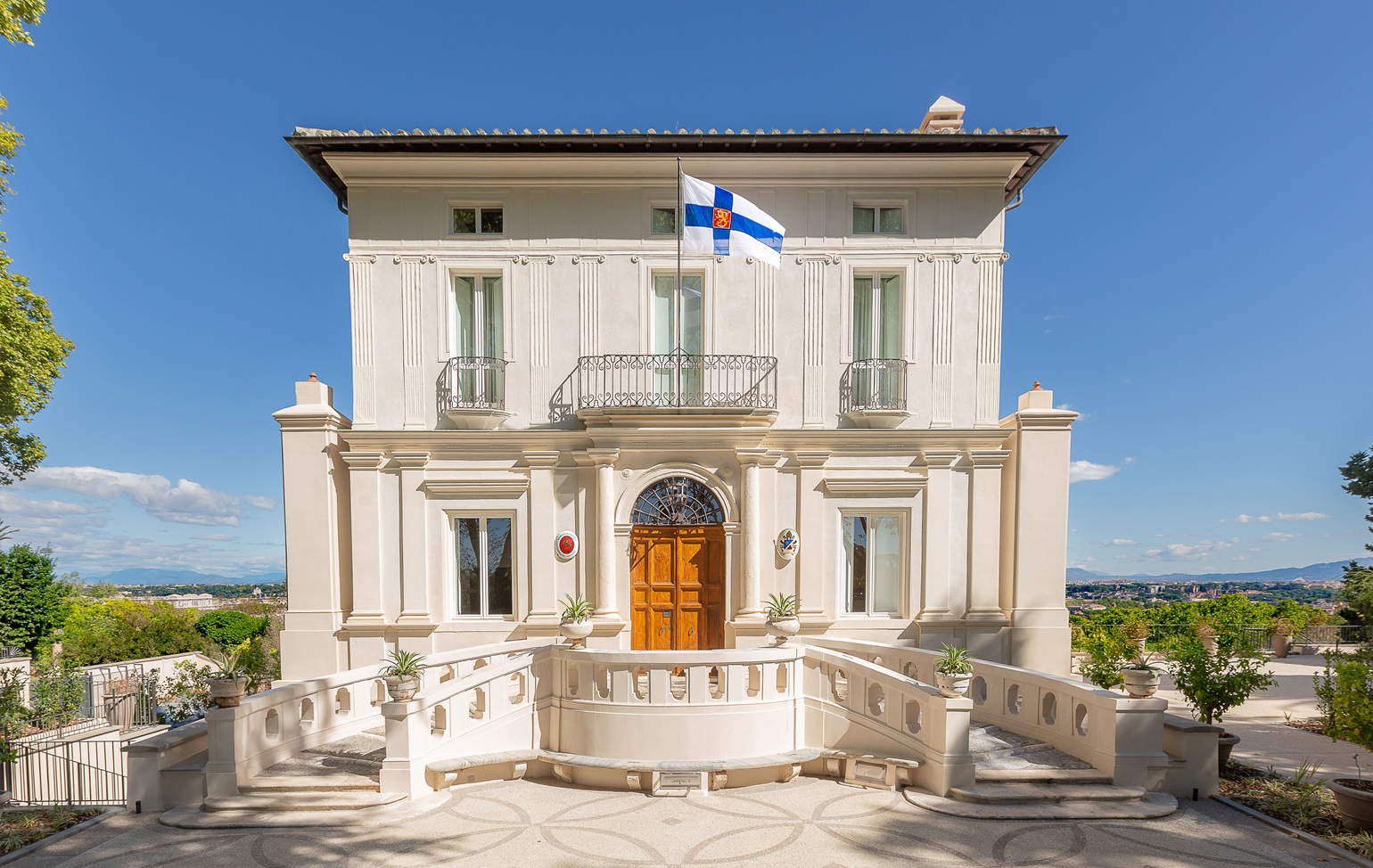
Other initiatives include openings dedicated to contemporary art, such as Casa L’Orto in Praiano (Salerno), linked to the figure of Carol LeWitt and the presence of works by conceptual artist Sol LeWitt, and the Votiva path in Parabita (Lecce), which collects votive aedicules reinterpreted by contemporary artists including Mimmo Paladino and Michelangelo Pistoletto. Numerous open sites will also cover the heritage of 20th-century architecture, craftsmanship and artistic production, including Villa del Dosso in Somma Lombardo (Varese), designed by Piero Portaluppi, theformer Stella Maris marine colony in Montesilvano (Pescara) andSassu’s water tanker in Arborea (Oristano).
Alongside the historic places, centers of scientific research and innovation such as the Eucentre Foundation in Pavia, the ChIP laboratory at the University of Camerino (Macerata) and the Agripolis campus of the University of Padua in Legnaro, as well as the Mach Foundation in San Michele all’Adige (Trento), which specializes in studies on agriculture and environmental sustainability, will also be open to visitors.
The list of places also includes historic villages such as Barga in Garfagnana, Villa Santa Maria in Abruzzo and Riccia in Molise, as well as numerous green areas, historic gardens and nature trails. Also on the program are forty bicycle rides organized in collaboration with the Italian Environmental and Bicycle Federation to promote sustainable forms of mobility and landscape discovery.
The initiative is being held with the collaboration of the Ministry of Education and Merit, under the patronage of the Ministry of Culture and the Italian Regions, and has received the President of the Republic’s Plaque. Institutional partners include the Presidency of the Council of Ministers-Department of Civil Defense, the Ministry of Defense, and various public and private administrations that have made available places to visit. The event also concludes the Rai Week dedicated to cultural heritage, during which public service television and radio channels promote content dedicated to Italy’s artistic and landscape heritage. The full list of places and how to participate are available on the initiative’s official website.
“It is essential to rediscover our beauty in order to be aware of an immense heritage that we have a duty to guard, protect and enhance,” commented Culture Minister Alessandro Giuli. “The most beautiful aspect is that we do it together with FAI but especially with so many young people, 17,000 Apprentice Tour Guides, who will lead many Italians to discover and rediscover our beauties in the beautiful season of spring.”
“The FAI Spring Days,” said Marco Magnifico, President of FAI - Fondo per l’Ambiente Italiano, “are increasingly a great and powerful megaphone to tell what FAI is and what it does every day; not a spectacular isolated event but the witness of a daily and widespread commitment throughout the country, of a daring, a curiosity, a spirit of service and a concrete attention to the issues of protection that relies on the support of an increasing number of citizens to continue, alongside and with the institutions of the state, to do good to the most beautiful country in the world: ours. For this reason, FAI memberships and the donations we collect during the event are essential to support the complex daily reality of a Foundation that acquires, restores and enhances forever and for all Cultural and Landscape Assets of every type, size and variety, able to tell their story 365 days a year - and not just two - and with theirs, that of Italy.”
 |
| FAI Spring Days 2026: 780 places open in 400 cities for the 34th edition |

Warning: the translation into English of the original Italian article was created using automatic tools. We undertake to review all articles, but we do not guarantee the total absence of inaccuracies in the translation due to the program. You can find the original by clicking on the ITA button. If you find any mistake,please contact us.





















 IT
IT FR
FR DE
DE ES
ES CN
CN


