




by Redazione 06/03/2026



Categories: News / Disclaimer
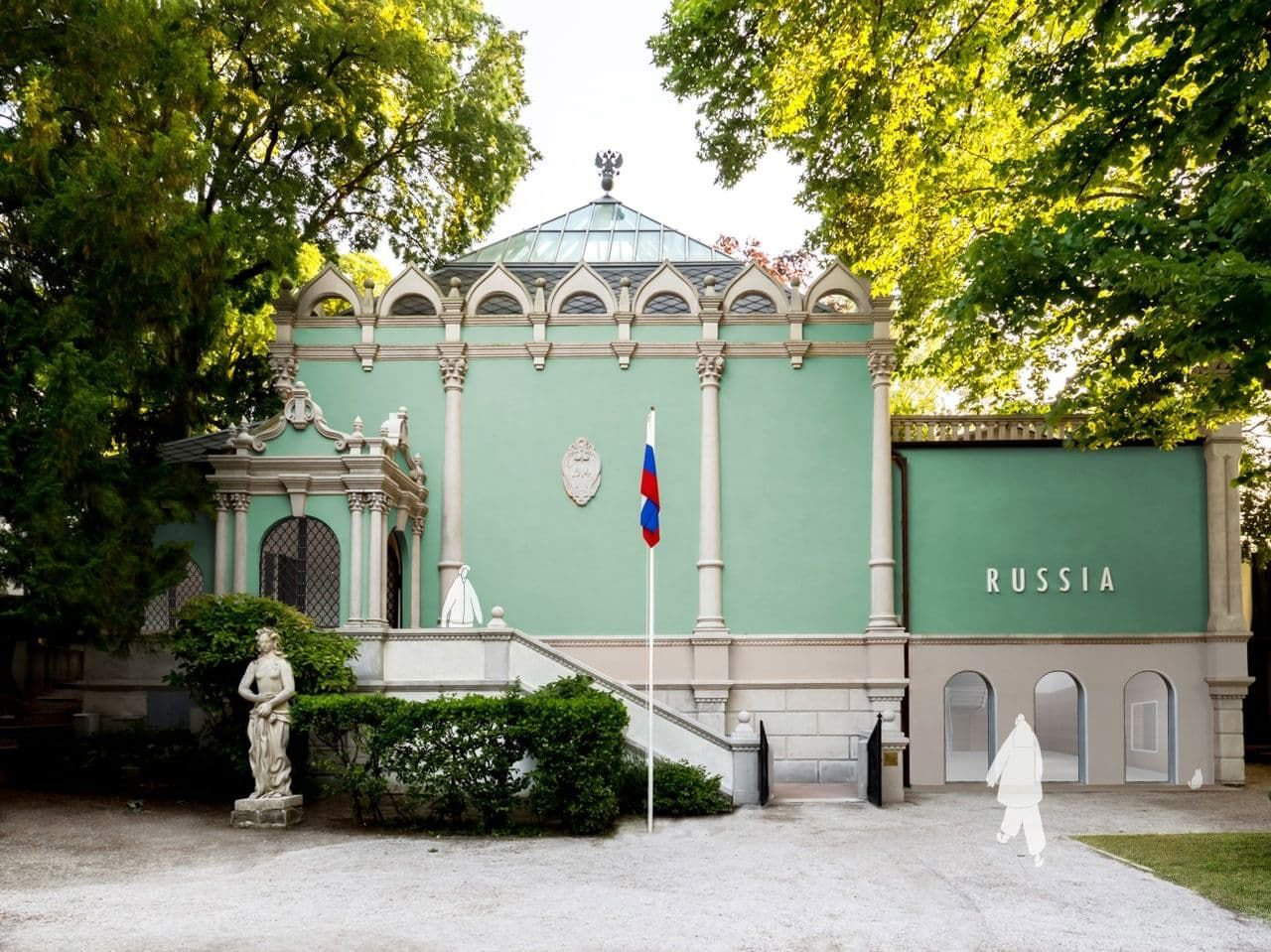
The Ministry of Culture distances itself from the Venice Biennale and clarifies that the participation of the Russian Federation in the 61st International Art Exhibition of the Biennale was decided independently by the Biennale Foundation, despite the contrary orientation expressed by the Italian government.

The Ministry of Culture intervenes on the issue of Russia’s participation in the next edition of the 61st International Art Exhibition of the Venice Biennale: the department headed by Alessandro Giuli in particular has distanced itself from the Biennale, specifying that the decision was made in full autonomy by the La Biennale di Venezia Foundation and does not reflect the position of the Italian government. The clarification comes following statements made by the president of the Biennale, Pietrangelo Buttafuoco. In a note released by the ministry’s Press and Communication Office, the Ministry clarifies that the possible Russian participation in the international event is the result of an independent choice of the Venetian institution.
According to the MiC release, the presence of the Russian Federation at the 61st International Art Exhibition was established “in total autonomy by the Biennale Foundation,” despite the contrary orientation expressed by the Italian government. The clarification was released to clarify the institutional framework after the debate raised by public statements on the issue.


The Ministry also stresses Italy’s position with respect to the conflict involvingUkraine and reiterates our country’s commitment to the protection of Ukrainian cultural heritage, which has been hard hit by the effects of the war. A line that, as recalled in the note, has been reiterated several times by Culture Minister Alessandro Giuli also during various meetings and talks with Ukrainian authorities.
In this context, Italy has in recent years intensified initiatives dedicated to safeguarding Ukraine’s artistic and architectural heritage, much of which has been damaged or destroyed by Russian bombing that has continued for more than four years now. The protection of cultural heritage has become one of the central fronts of international cooperation promoted by Rome in the context of the crisis.
Among the most significant interventions recalled by the Ministry is the Italian commitment to the reconstruction of one of the symbolic buildings of Ukrainian cultural history, the great Orthodox Cathedral of the Transfiguration in Odessa. The religious complex was severely damaged during the conflict and is one of the most significant monuments of the city’s spiritual and architectural tradition. The initiative is part of the broader international support program aimed at protecting and restoring Ukrainian cultural heritage affected by the war. Within this framework Italy, through the Ministry of Culture and in collaboration with institutional partners and international bodies, has expressed its intention to contribute concretely to the reconstruction and preservation of some symbolic sites of the country’s historical heritage.
The MiC memo thus emphasizes how the Italian government’s position remains distinct from the decision taken by the Biennale Foundation regarding Russia’s participation in the Venetian event. In fact, the Foundation, which organizes and manages the Biennale, operates as an autonomous entity and is responsible for making choices regarding artistic programming and the participation of different countries in the event.
|
| Russia at the Biennale, MiC distances itself: government expresses contrary orientation |
Warning: the translation into English of the original Italian article was created using automatic tools. We undertake to review all articles, but we do not guarantee the total absence of inaccuracies in the translation due to the program. You can find the original by clicking on the ITA button. If you find any mistake,please contact us.