




by Redazione 16/12/2025



Categories: News / Disclaimer
Starting Jan. 7, tourists may have to pay a two-euro ticket to visit the Trevi Fountain, while Roman residents will continue to enter for free. The measure, still at the hypothetical stage, aims to manage flows and enhance tourist services.


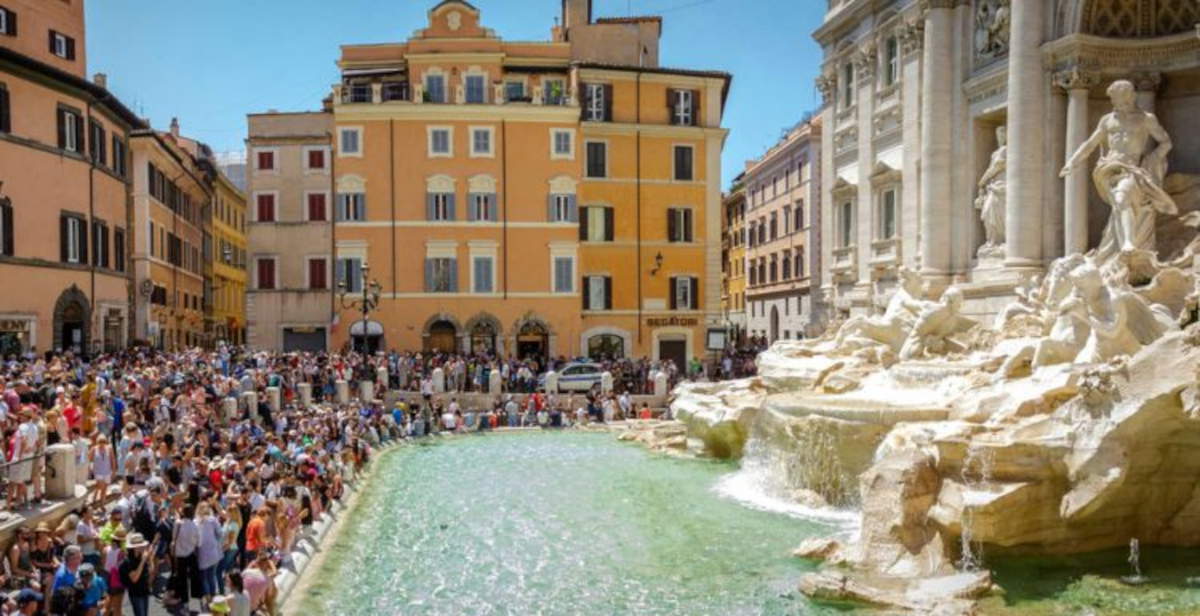
As of January 7, tourists visiting the Trevi Fountain in Rome may have to pay an entrance fee of two euros (on the subject read the opinions of: Federico Giannini, Roberto Guiggiani, Vittorio Sgarbi and Isabella Ruggiero). Access for Roman residents, however, would remain free, according to early reports in national newspapers. As ANSA reports, the introduction of a fee for one of the symbols of the Capital would be part of a project to regulate tourist flows and enhance services dedicated to visitors. For the past 12 months, the Trevi Fountain area has been subject to a visitor quota, with a maximum limit of 400 people present at the same time. With the eventual enactment of the ticket, two separate lanes would then be set up: one for Roman citizens and the other for paying tourists, who will also be able to use credit cards for payment.


According to estimates reported by Corriere della Sera, the initiative could generate revenues of 20 million euros, sums earmarked for improving tourist offerings and services. The proposal has been supported by the councillor for Tourism and Major Events, Alessandro Onorato, and finds support in the city administration. The stated goal is to safeguard the Trevi Fountain, a late Baroque monument designed by Nicola Salvi that is one of the capital’s most visited attractions. In the first six months of 2024, the fountain recorded more than 5.3 million visitors, a number higher than that totaled in the same period by the Pantheon, which welcomed 4,086,947 admissions.


AsCorriere della Sera writes, the implementation of the ticket will be possible thanks to the collaboration between the Campidoglio, the in-house company Zètema, in charge of the management and enhancement of the artistic and cultural heritage, and the Capitoline Superintendence. The chosen timing, just after the Epiphany and the conclusion of the Jubilee, seems related to a period of suspension of novelties during the Christmas holidays. Despite this, estimates from the Bilateral Tourism Board predict about 338,100 arrivals between December 23 and 28, an increase of 2.92 percent over 2024, and 770,200 presences, up 2.39 percent. Added to these numbers is the predictable turnout for New Year’s Eve, when the traditional concert at Circus Maximus will feature Alessandra Amoroso, Fabri Fibra and Tananai. The postponement of the introduction of the ticket therefore appears to be a strategic choice, designed to avoid possible negative reactions during a period of high international visibility, with the Capital crowded with tourists and the closing of the Holy Door at St. Peter’s Basilica.


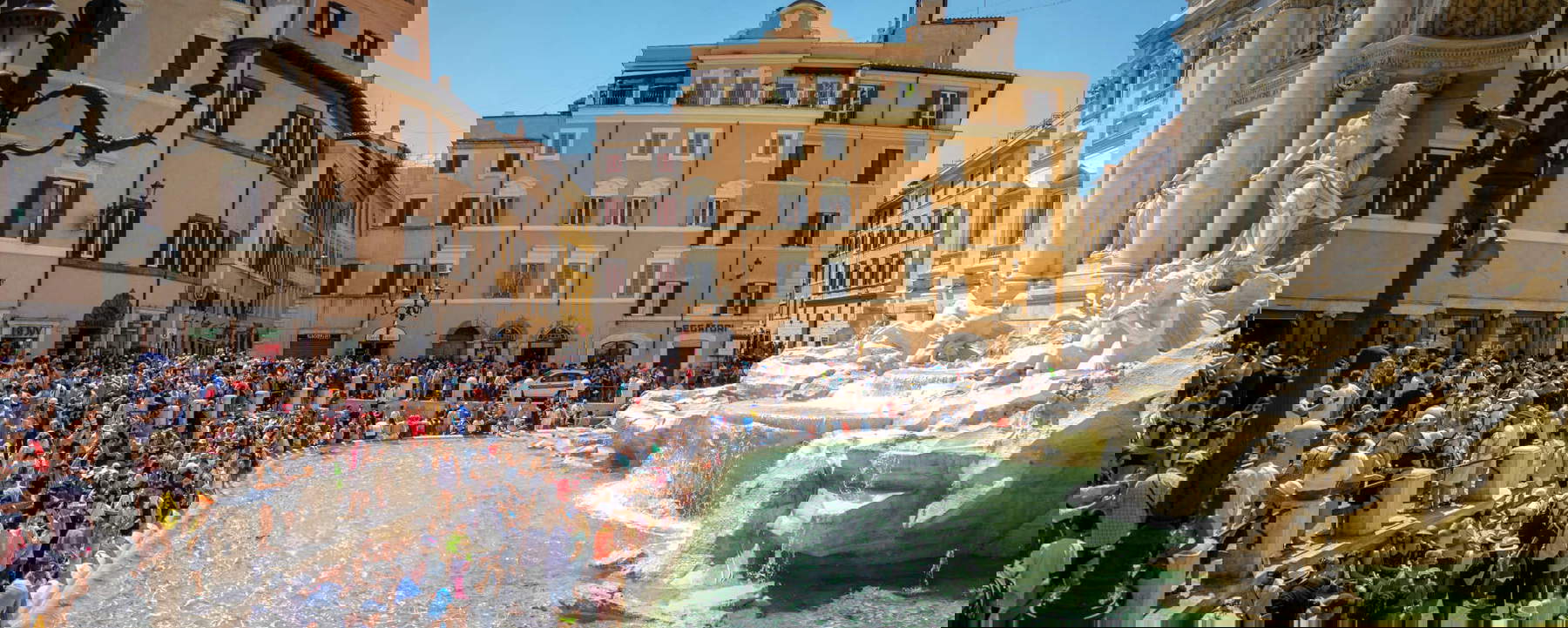
In any case, Capitol sources clarified that this is only a working hypothesis at the moment. No firm dates have been set or final decisions made regarding the entrance fee. The hypothesis, which has already been under discussion for some time, continues to be evaluated by the relevant offices, with no official confirmation about its actual implementation starting next January. The proposal has already provoked reactions among associations and practitioners. Codacons, in particular, has declared itself against the introduction of the ticket for tourists, while stressing the need to limit access to avoid overcrowding and safeguard the integrity of the surrounding area. According to the association, measures to regulate flows appear necessary, but paying a ticket could penalize access to the Fountain, one of Rome’s most visited sites.
“We have always been opposed to the monetization of monuments, squares, fountains and sites of historical and cultural interest,” Codacons explains, “and we believe that instituting entrance fees is a detriment to tourists, who should be able to enjoy the beauties of Rome for free, also because often the money collected through levies imposed on tourists arriving in Italy, as in the case of the tourist tax, is not used to improve services to users but only to cover budget holes. At the same time, it is necessary to limit crowding and mass tourism, which create degradation and disfigure the capital’s heritage, and in this direction we support the quotaed entrances to the Trevi Fountain, a solution that allows the visitors themselves to better enjoy the area without throngs and assemblages of people.”
The debate on the management of tourism at the Trevi Fountain is part of a context in which Italy’s major art cities are seeking solutions to reconcile the high influx of visitors with the protection of cultural heritage. The risk of overcrowding, damage to monuments and deterioration of the visitor experience has prompted many administrations to consider systems to regulate flows, from paid entry to online booking to differentiated routes for residents and tourists. In the case of the Trevi Fountain, the proposal for a two-euro ticket would be an important novelty, both because of the tradition of free access to the monument and because of the economic and organizational implications. The hypothesis envisages that the resources derived from the payments would be reinvested to enhance tourist services, improve usability and ensure maintenance and conservation works, in line with the need to protect one of the best-known masterpieces of late Roman Baroque.
 |
| Trevi Fountain to charge from January: Rome could cash in on tourists |
Warning: the translation into English of the original Italian article was created using automatic tools. We undertake to review all articles, but we do not guarantee the total absence of inaccuracies in the translation due to the program. You can find the original by clicking on the ITA button. If you find any mistake,please contact us.