




by Marco Tonelli 27/04/2026



Categories: Opinions / Disclaimer
Reducing Italian art of the 1980s to Transavanguardia alone is a simplification that obscures a rich and complex scene. A broader and more inclusive history needs to be rewritten. Marco Tonelli's opinion.
In this same journal, I had occasion to read in a recent critical reflection that art in Italy in the 1980s would be reduced to five artists and a single movement (I quote verbatim: "theItaly of the 1980s, the Italy of the Transavanguardia"). One may wonder whether it is not also because of such synthetic reductionisms that the critical and artistic situation in Italy is given up for dead and is declared to be almost dying out (even in light of the absence of Italian artists in such exhibitions as the upcoming Venice Biennale or Manifesta), all the more so when one reduces theItalian contemporary art to the few names admitted by the official system, to which is now added the ubiquitous, all-pervasive, inescapable artist who, despite having declared that he has stopped being an artist, has reinvented himself as a curator while continuing to be an artist, already famous for a marble severed finger placed in front of the Milan Stock Exchange or for five puppets with the features of children hanging from a tree.
Transavanguardia was successful in the 1980s, sure, and with it ABO, the three Cs (Cucchi, Clemente, Chia) plus Paladino and De Maria. But was all the Italian art of that decade here? If we read today what the well-known Australian critic Robert Hughes wrote in the Times reviewing their exhibitions in New York in the 1980s, we would wonder how that could be possible (and Hughes was certainly no lover of transgression and conceptual art). We quote some of the original terms used at the time: “mélange of twentieth-century...eclectic revivalism...symbolist with roller skates...duffer.” The fact, however, is not only about their quality of painting in light of what happened later with respect to their individual careers, but also in light of what was happening at the time.


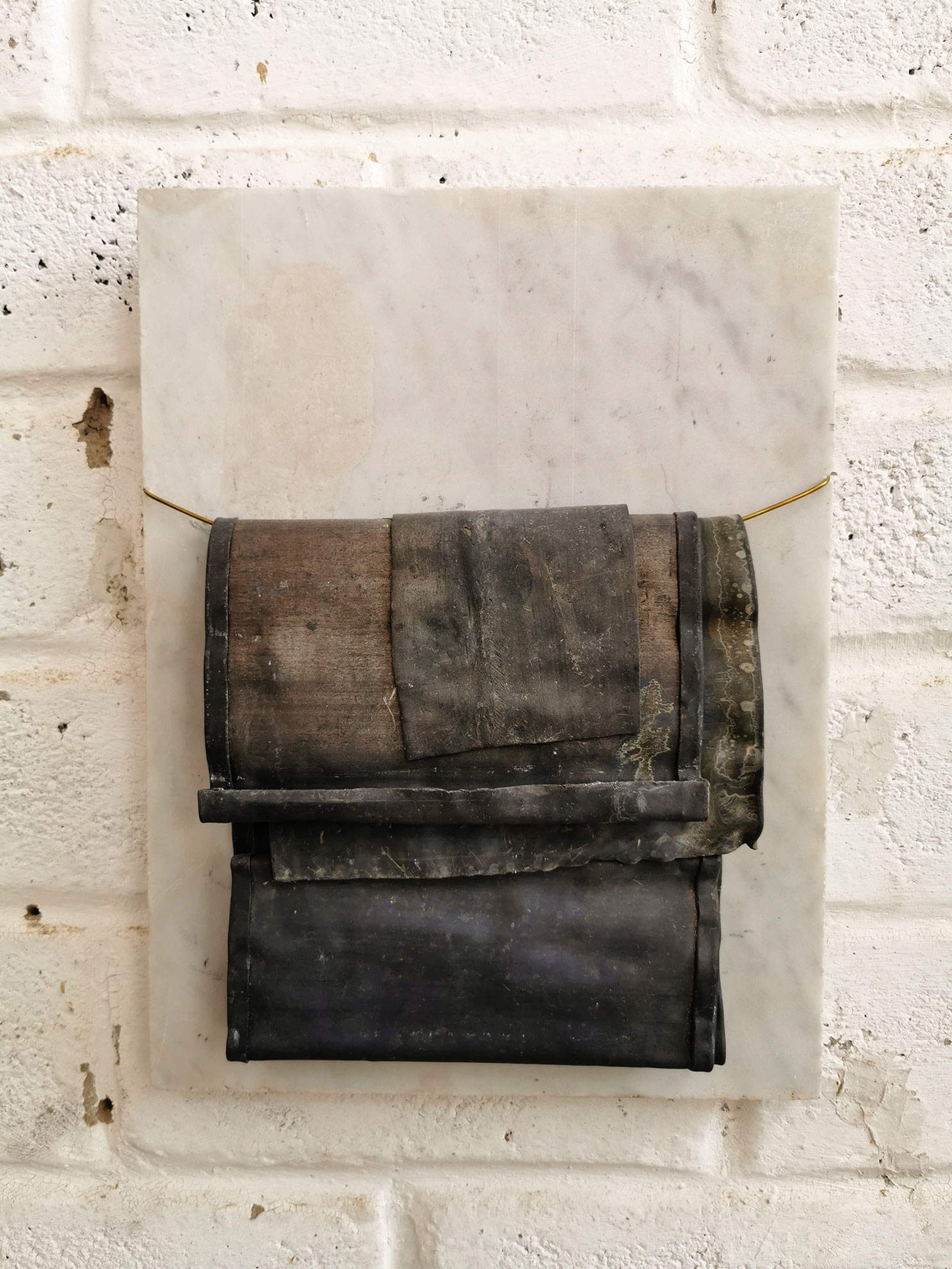
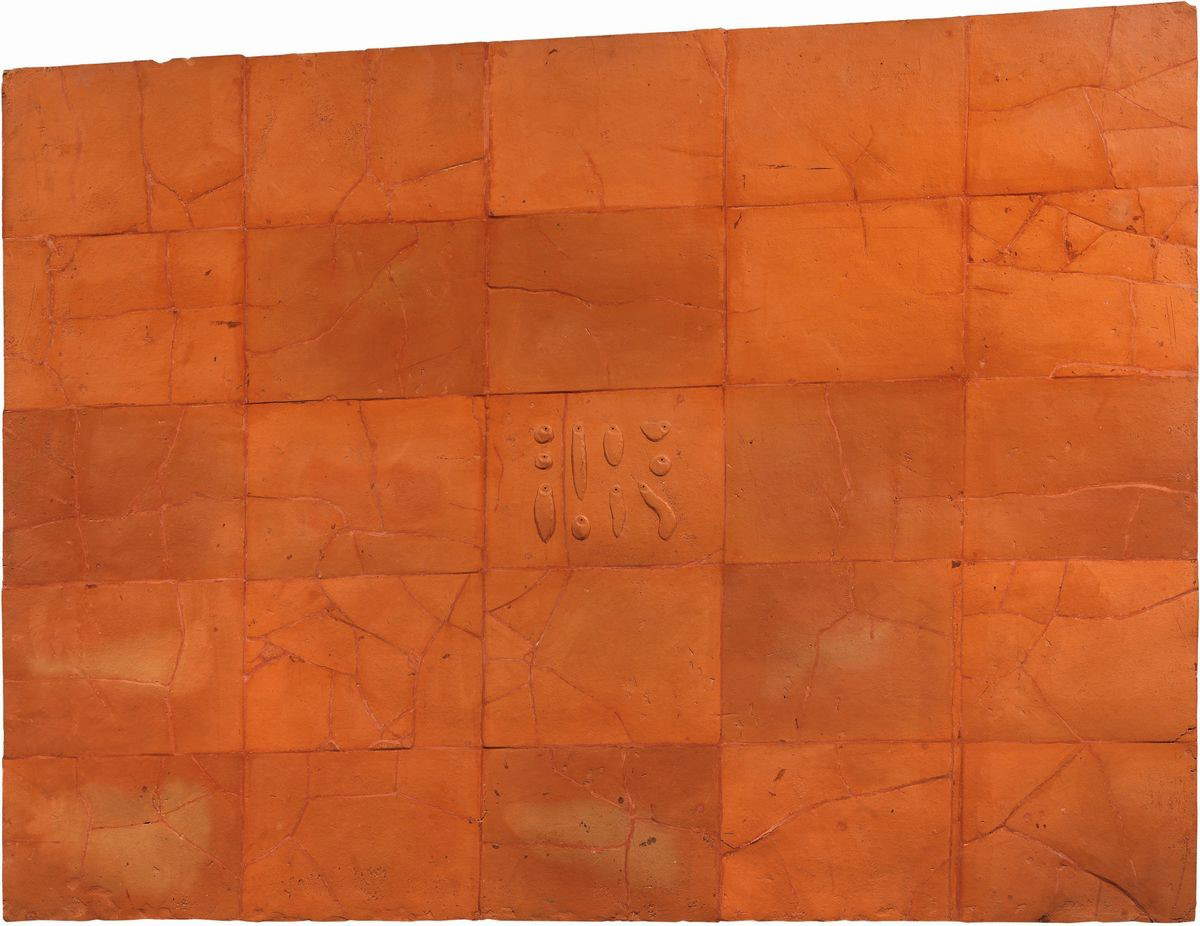
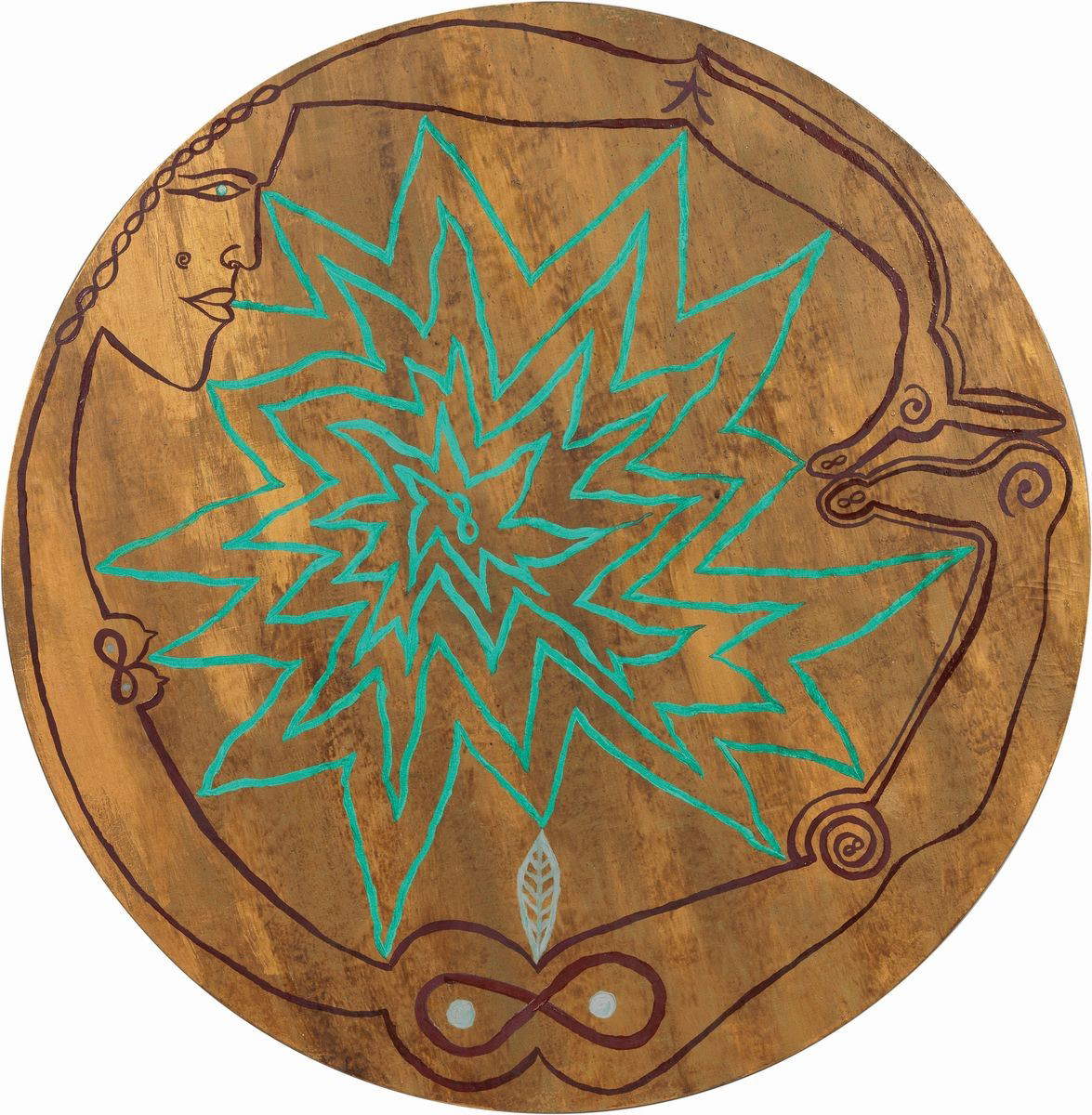
The 1980s had so many other nuances in Italy that the victorious history of a single movement cannot erase, although one would wonder why, if so victorious, in highly prestigious books that took stock of theinternational art from 1900 to the present, written among the most influential contemporary art critics working (Krauss, Buchloh, Foster, Bois), only Chia and Clement are mentioned on a skimpy page and listed in the index of names. The 1980s saw the emergence and affirmation of so many other artists the Trans’ contemporaries or younger and movements that today, indeed especially today, would be a valid reason to go back to talk about Italian art and review its history and events in an integral way (from Magico Primario, to Poor Abstraction to Nuovi Nuovi, like it or not).
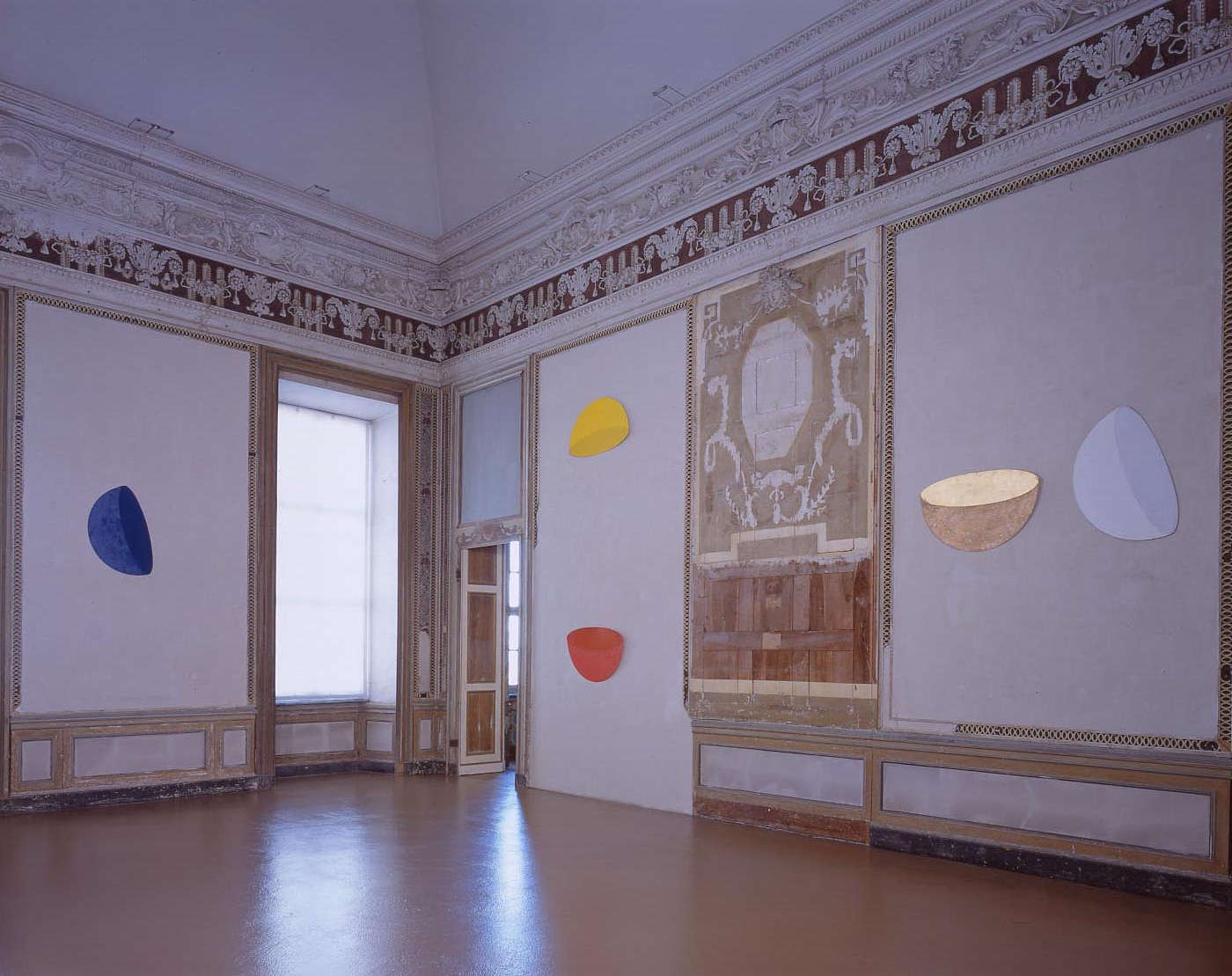
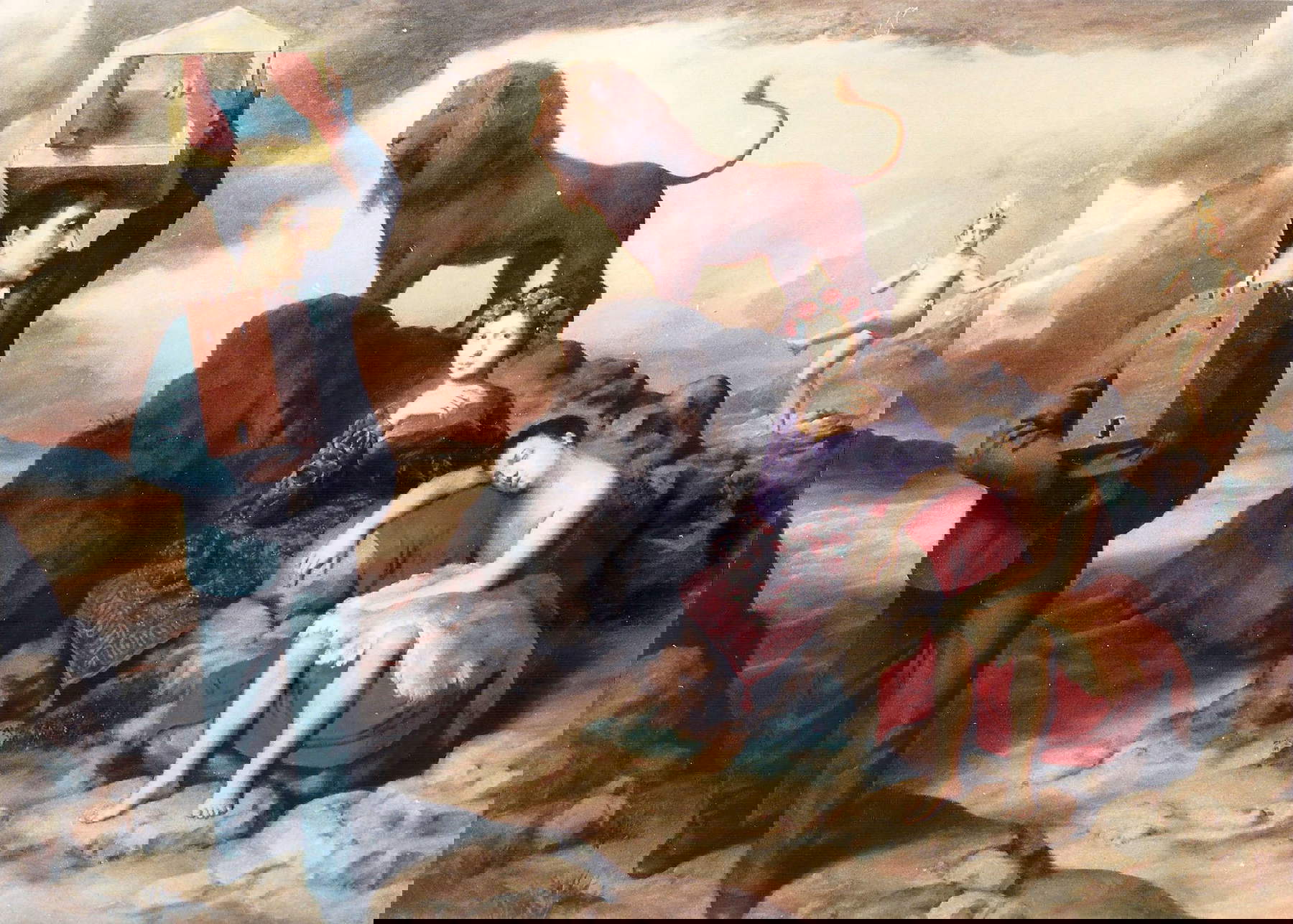
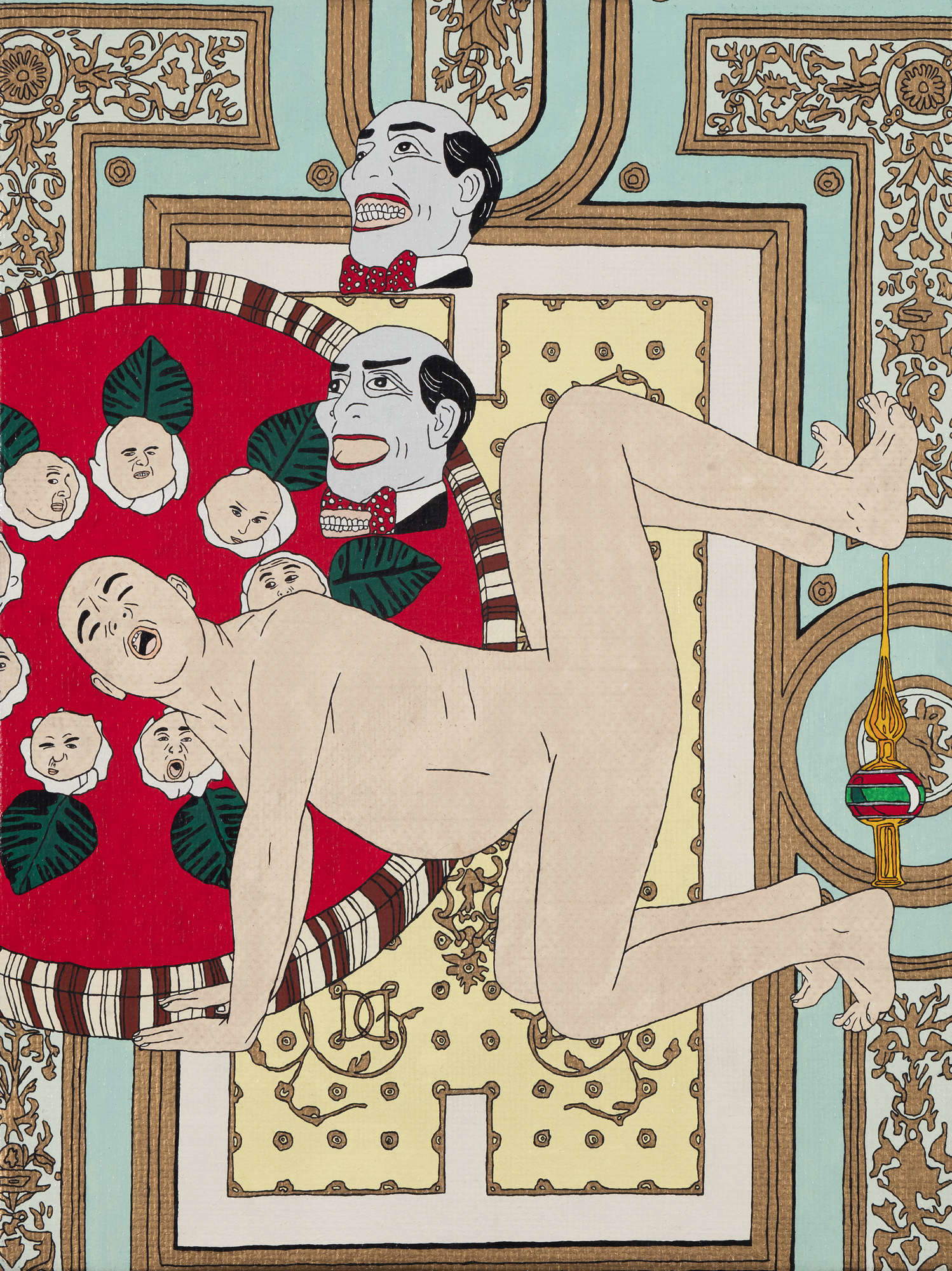
Let us think broadly, and without necessarily relying on personal preferences, of Gianfranco Notargiacomo, Vittorio Messina, Luigi Mainolfi, Luigi Ontani, Remo Salvadori, and Ernesto Tatafiore, all from the same generation as the Trans and all very different from each other, but also of the younger artists active at the time of theepoch of the 1980s (and many of them still today) such as Gianni Asdrubali, Felici Levini, Stefano Di Stasio, Maurizio Cannavacciuolo, Sergio Ragalzi, Luigi Carboni up to Giacinto Cerone who died prematurely, not to mention the Pastificio Cerere group that nonetheless had its moment of glory in that decade and beyond. A troop worth three Trans movements for number of artists, originality and quality of works.
In the face of this, can one still reduce that decade to five names? Here it is not a matter of making lists, which we could draw up endlessly, each one on its own, but to reason about a fact: about the blindness, even unintentional, of Italian critics who always play the same chips, which are then those of dominant market systems and sometimes, while knowing, continue to pretend not to know, according to the rules in the best cases of so-called “cynical reason.” Is it not also because of this historical défaillance, that Italian art fails to propose alternative and therefore more innovative and interesting models? Also because if the situation is as described in the partial and narrow ways in which Italian art history would move for some, is it not finally worth risking something more and taking some responsibility?
The domination, power of “persuasion,” fascination and critical influence of certain powers (i.e., galleries, curators and museum directors of the 1980s close to the Trans system) is over, have nothing to fear. Take advantage of this open field (not enlarged but still open), of this unexpected opportunity to rewrite a new history, complete the crossword puzzle, connect all the dots and put things back in the right place or at least in a more updated and historically convincing version.
Italian art, and art in general, is an archipelago that cannot be based on market quotations, exhibitions at MoMA, mainstream galleries and editorial successes, but on other values, which are those of content, form, invention. The games are open...
Warning: the translation into English of the original Italian article was created using automatic tools. We undertake to review all articles, but we do not guarantee the total absence of inaccuracies in the translation due to the program. You can find the original by clicking on the ITA button. If you find any mistake,please contact us.