





A new phase of archaeological investigations at the site of Saepinum, in theAltilia area in the province of Campobasso, returns a more articulated picture of the urban evolution of the ancient city, among the most relevant contexts of the national museum system. The research, conducted between 2023 and 2025 thanks to Development and Cohesion funds and funding from the Ministry of Culture through the Directorate General for Museums, has brought to light structures and materials that help redefine the history of the Molise center.
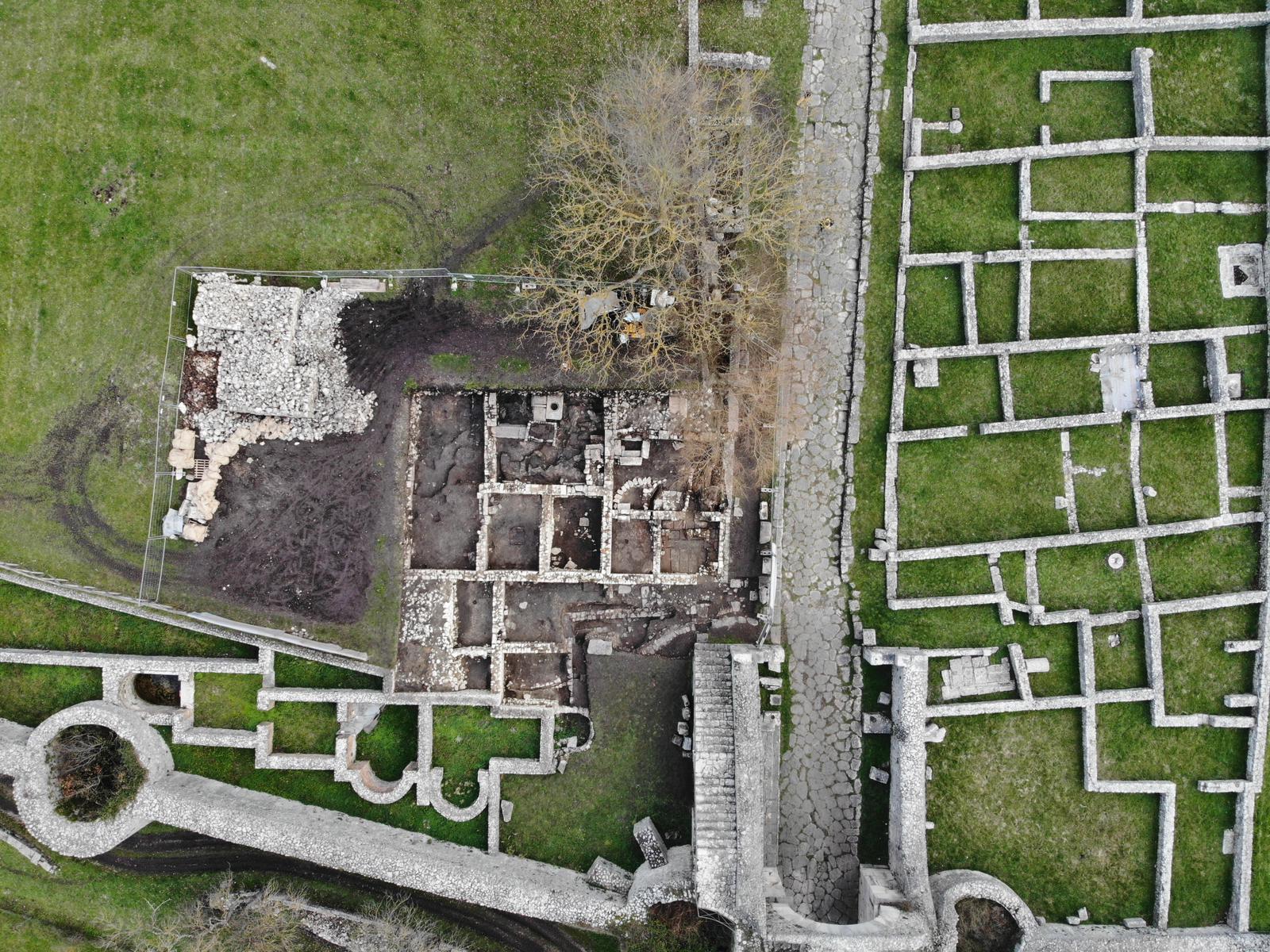
One of the most important results concerns the urban sector of Porta Bojano, already the subject of systematic investigations in the 1950s under the direction of Superintendent Valerio Cianfarani. The new excavation campaigns made it possible to reopen the study of the area, bringing to light a domus of considerable importance, characterized by a monumental entrance facing the decumanus, one of the main arteries of the Roman city oriented in an east-west direction.
The building presents an articulated architectural palimpsest that documents a long continuity of frequentation, from the early imperial age to the sixth century AD. The complexity of the structures and the extension of the domus, which exceeds the limits of the area currently investigated, confirm the monumental dimensions already assumed through previous geophysical surveys. The next excavation campaigns will be geared toward defining more precisely the extent of the residence and its internal articulation, placing it in the overall urban framework of the city.
Material evidence makes it possible to reconstruct the different phases of life in the complex. The oldest evidence, which can be traced back to the Augustan and Tiberian ages, includes architectural antefixes and ceramics that indicate a high level of quality in the residence as early as the 1st century AD. In the following centuries, up to the 3rd century AD, the presence of imported African common and sealed pottery signals Saepinum’s inclusion in Mediterranean trade circuits. In late antiquity, between the 4th and 6th centuries AD, there is instead a functional transformation of the rooms, intended for production or storage activities.
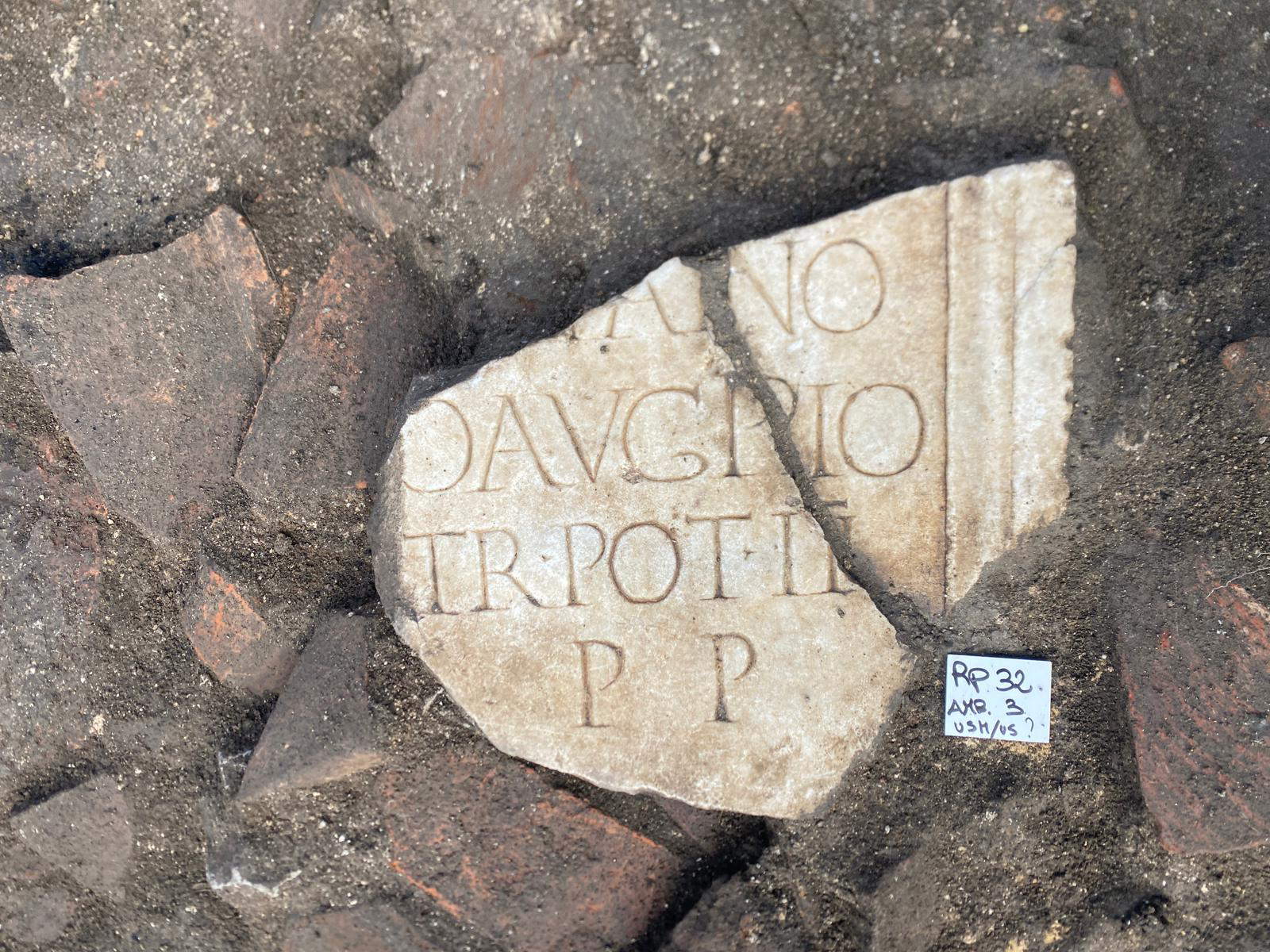
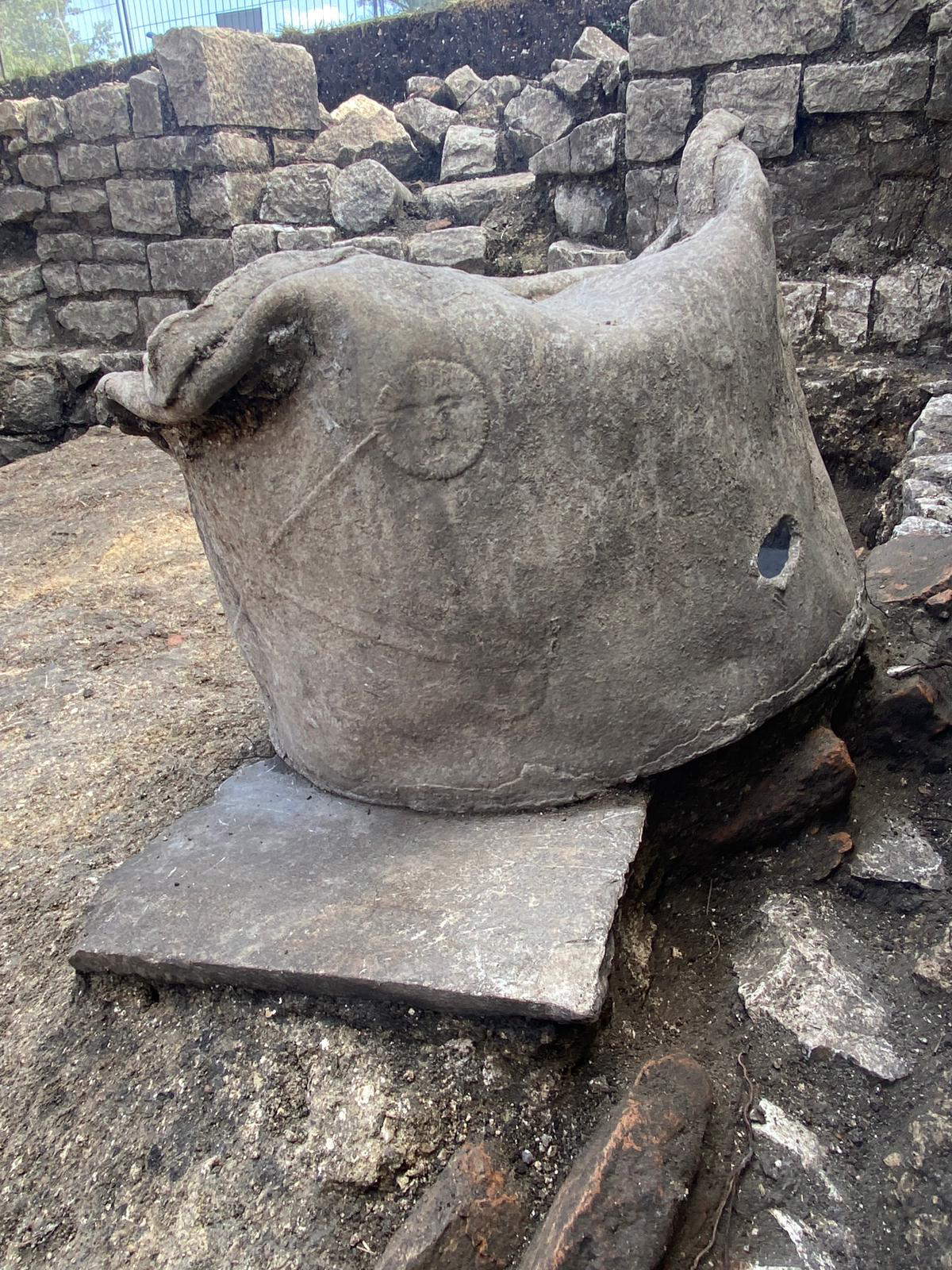
The repertoire of movable materials returns additional elements on daily life. Finds include terracotta oil lamps, a rare perfume burner, small ceramic containers and bronze personal items, including rings and a casket key. These are complemented by the recovery of a large lead container belonging to a domestic water heating system. The vessel, cylindrical in shape, is decorated in relief with stylized solar motifs and Gorgon heads, and is a testament to the plumbing technologies adopted in the high-end residences of the Roman world, also in light of the fragments of pipes and valves found in the same context. The 2025 campaign further enriched the picture with the recovery of marble architectural fragments and an honorary inscription dated AD 139, during the reign of Emperor Antoninus Pius. The epigraph documents a direct intervention of the imperial house in the city, confirming a privileged relationship between Saepinum and the central administration of the Empire.
At the same time, thanks to ministerial funding allocated for excavation campaigns on the national territory, investigations in the Forum, in the area behind the so-called Arch of the Nerazi, have resumed after more than twenty years. The study, which is also supported by three-dimensional surveys, involves about four hundred stone blocks and aims to clarify the configuration of the monumental complex of the imperial age and earlier phases. Research in this area is helping to reconstruct the transition from the Samnite settlement of the Hellenistic age, datable between the 2nd and 1st centuries B.C., to the progressive formation of the Roman city. Rooms and tanks attributable to a late-republican production building, most likely intended for wool processing, have emerged alongside the sewerage system canalizations.
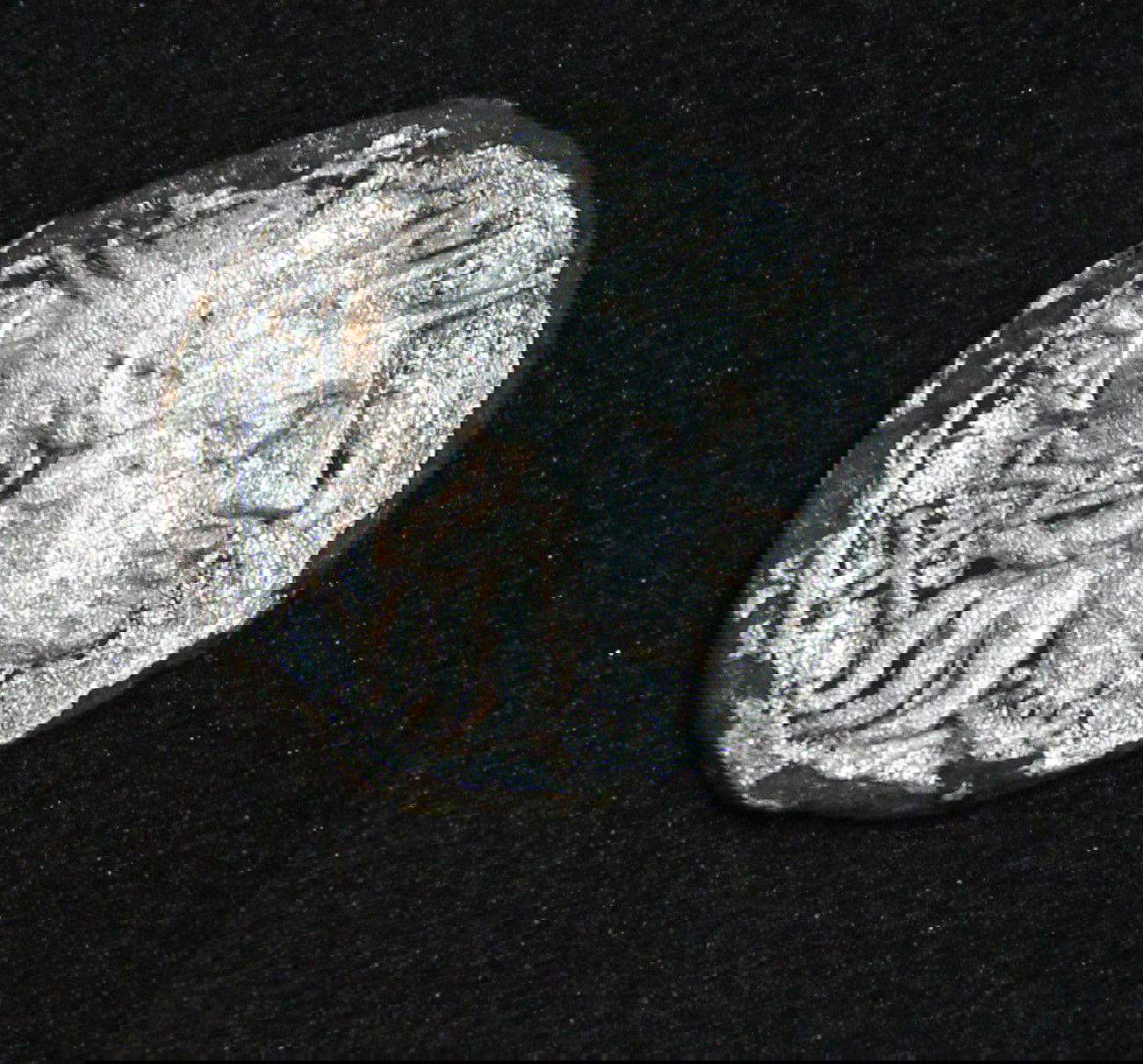
Additional data come from the investigations conducted as part of the PNRR-funded interventions for the excavation and restoration of the accessibility of the cardo massimo at Porta Terravecchia. The cardo, a main road axis oriented in a north-south direction, was the subject of a stratigraphic analysis that made it possible to document its continuity of use even in the phases following the end of the ancient age. Among the most notable finds is a small treasure of coins datable to the fifth century AD, identified in a level referable to the Byzantine occupation phase of the city. The coin deposit represents relevant evidence for understanding settlement dynamics and socio-economic transformations in the Late Antique period.
“The results of the research at Saepinum confirm the importance of archaeological research as a fundamental tool of knowledge,” Massimo Osanna, Director General Museums, comments. “The new evidence makes it possible not only to acquire unpublished data on the history of the city, but also to restore concrete aspects of daily life and the transformations of the urban landscape over the centuries. Interventions such as this one are also made possible thanks to the funding allocated to archaeological excavation campaigns on the national territory, which make it possible to continuously support research and expand knowledge about our heritage. This advancement of studies provides a more solid basis for strengthening the paths of enhancement of the site and for making the narrative of one of the most significant places in Italian archaeology increasingly aware and articulate.”
“The recent excavation campaigns are returning results of great scientific importance, allowing a deeper understanding of the ancient city and its transformations over the long term,” says Enrico Rinaldi, director of the Sepino Archaeological Park. “The new discoveries confirm Saepinum’s central role in the urban network of Roman Italy and open new perspectives for the study and enhancement of the site.”
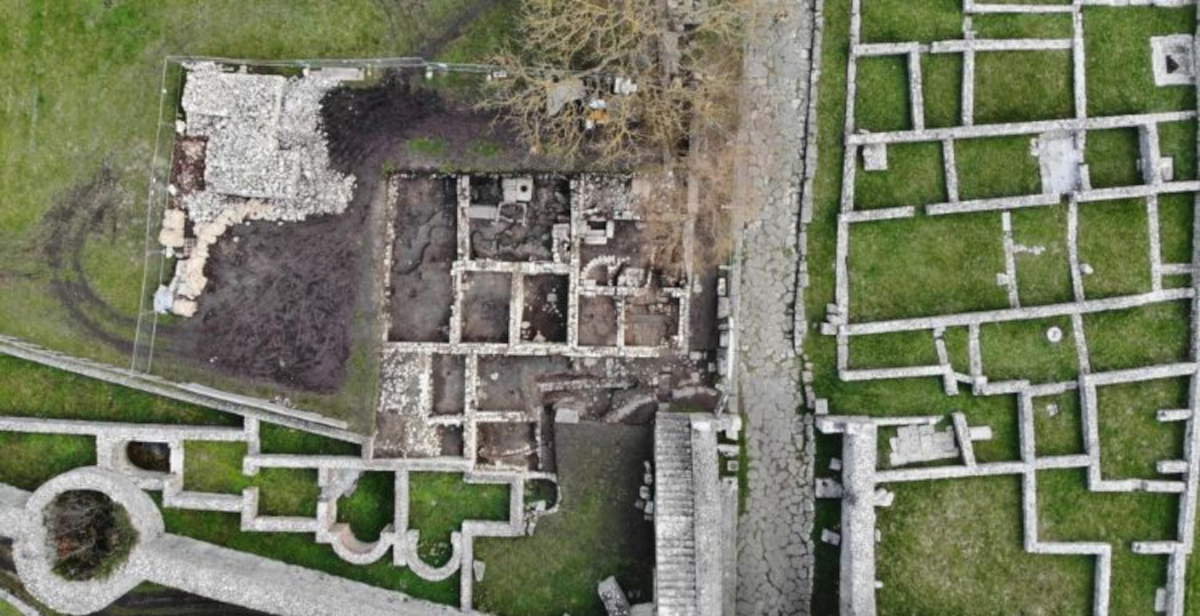 |
| Imperial domus discovered in Sepino archaeological park (Campobasso) |

Warning: the translation into English of the original Italian article was created using automatic tools. We undertake to review all articles, but we do not guarantee the total absence of inaccuracies in the translation due to the program. You can find the original by clicking on the ITA button. If you find any mistake,please contact us.


























 IT
IT FR
FR DE
DE ES
ES CN
CN


