





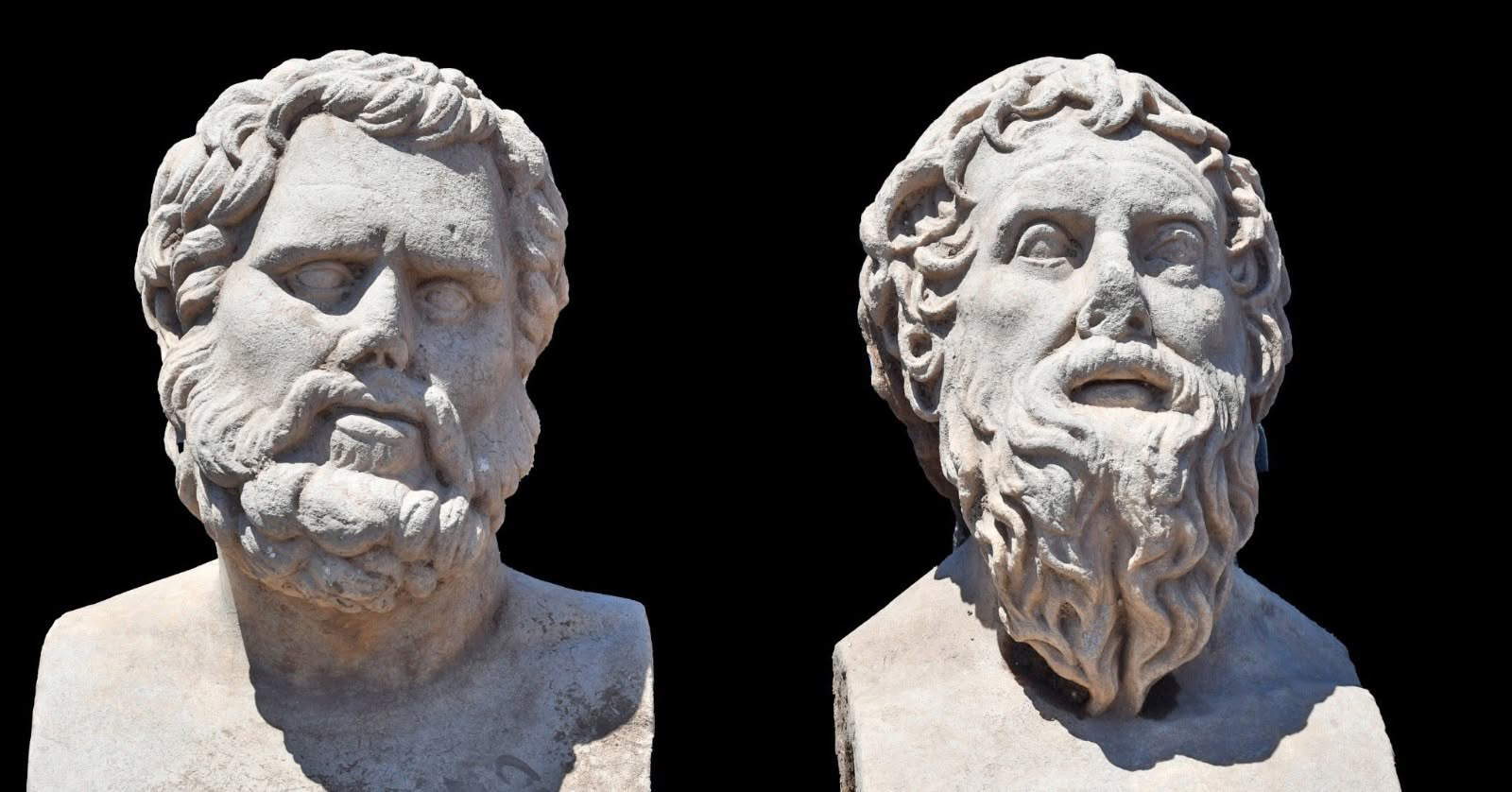
During an archaeological excavation conducted by theIsrael AntiquitiesAuthority near Binyamina, Israel, two marble busts dating back approximately 1,700 years were discovered. The works, two protomes (a decorative form widely used in ancient art, consisting solely of the head or the head and upper body of human figures, animals, or mythical creatures) depicting historical figures from the Greco-Roman world, were found buried inside a wine collection pit connected to a Roman-Byzantine-era wine press.
One of the two artifacts also bears a Greek inscription bearing the name “Lycurgus.” The discovery was made during archaeological investigations related to the Connecting Israel project, sponsored by the Israeli Ministry of Transport and Israel Railways.
The remains of a thermal bath complex were also uncovered near the discovery site. According to archaeologists, the busts may have once adorned a luxury villa belonging to a resident of Caesarea. After an initial public exhibition, the two statues will undergo cleaning and conservation and will be the subject of further studies to shed light on their historical and archaeological context.
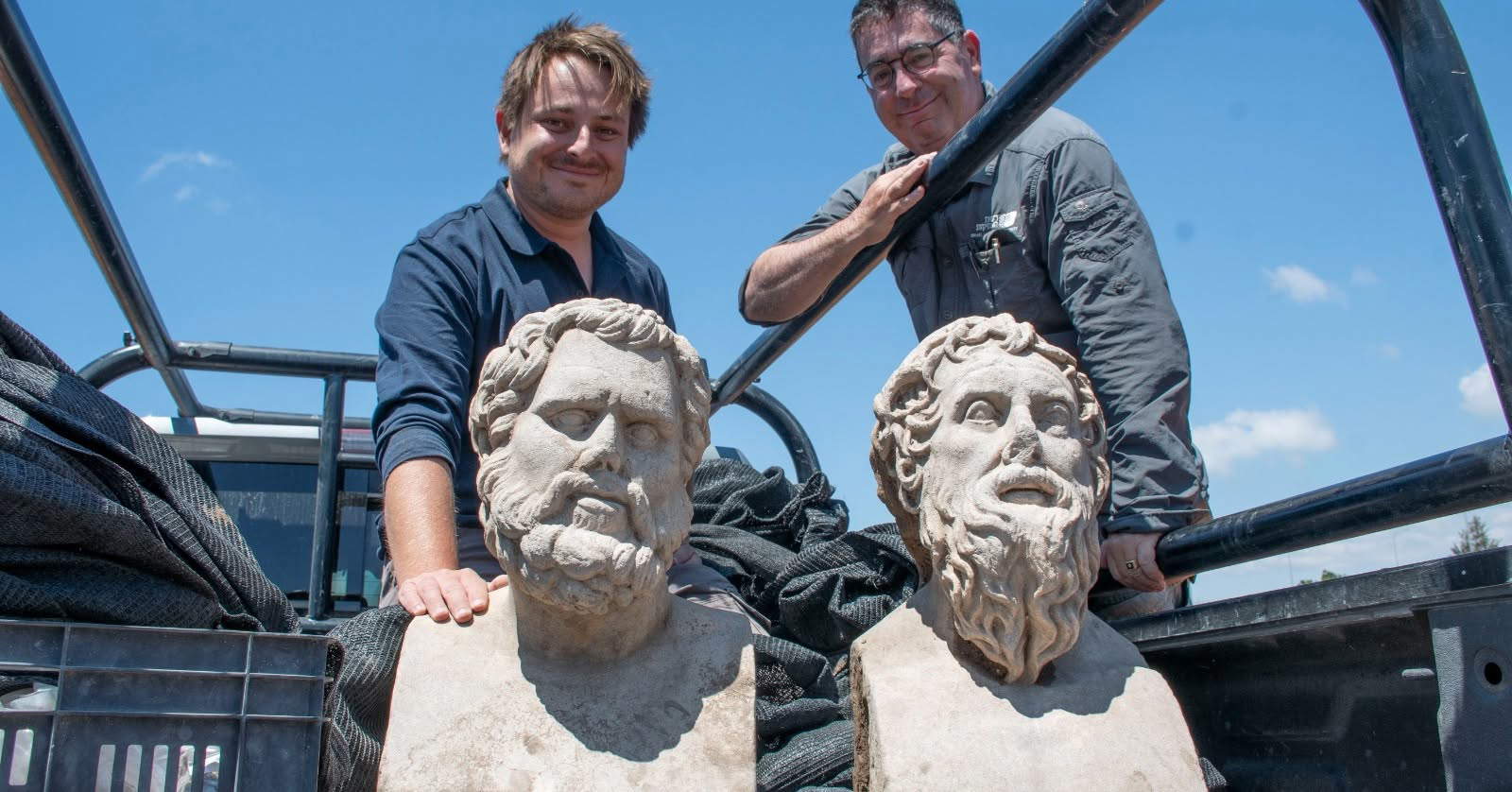
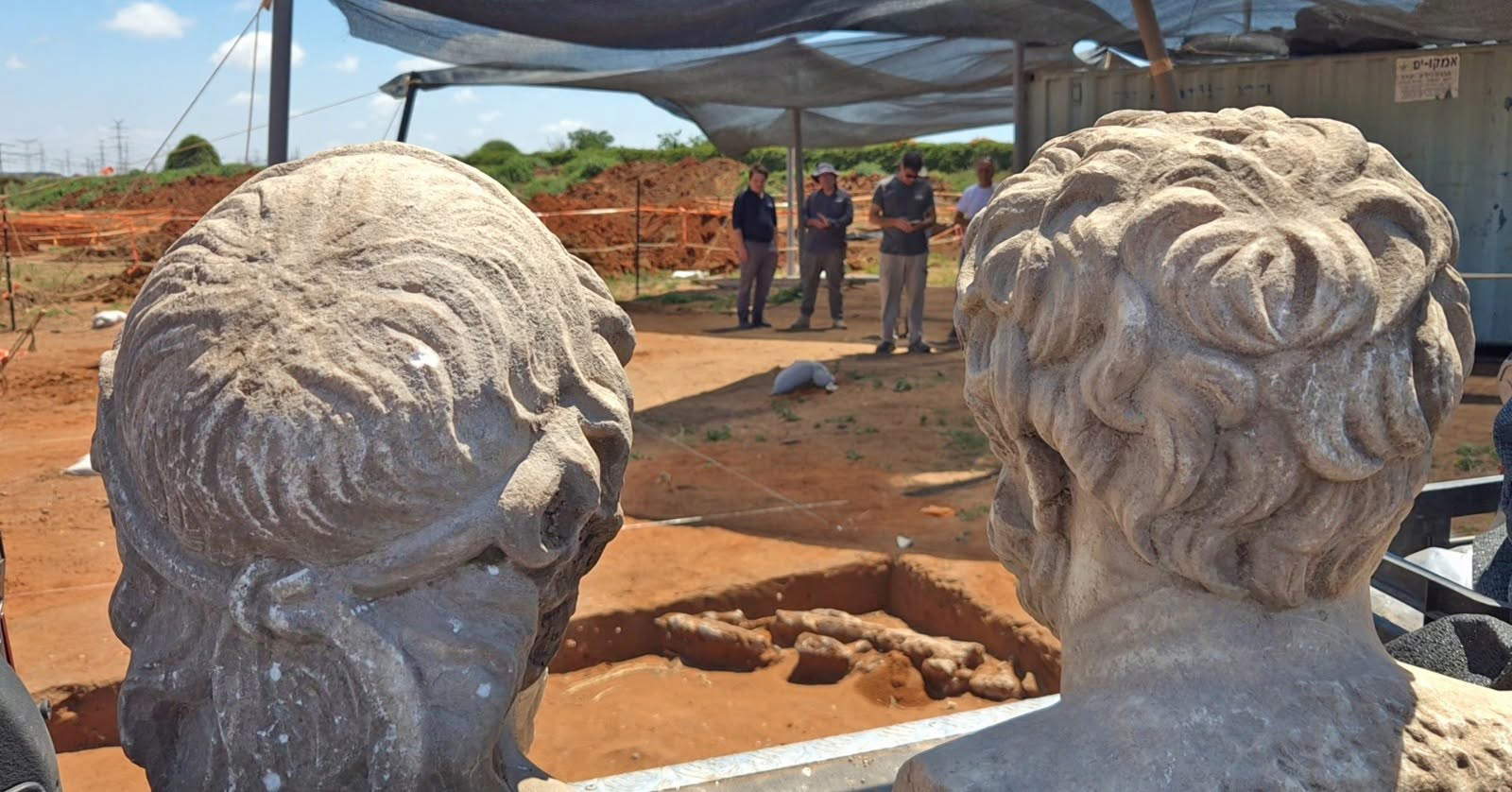
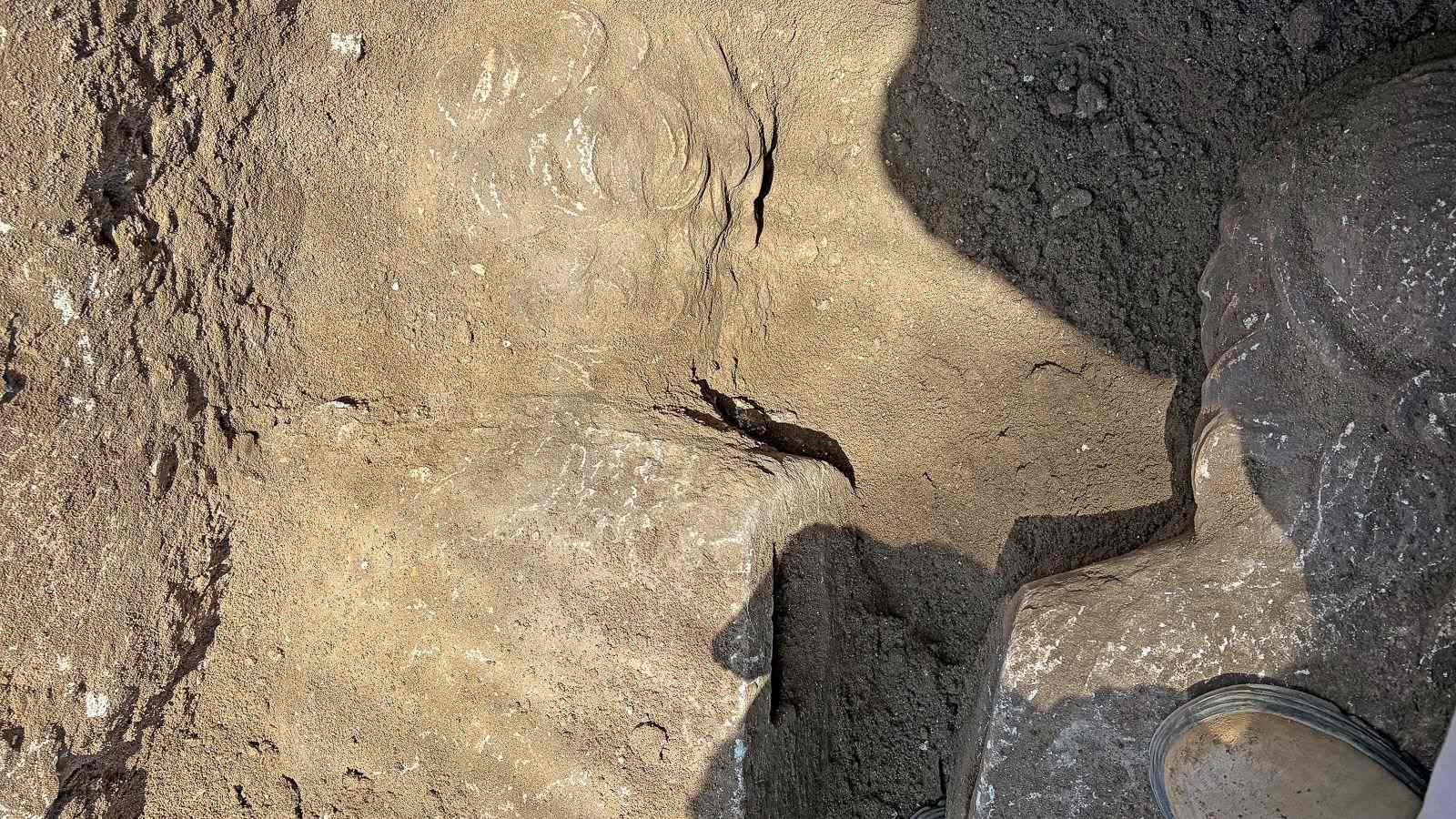
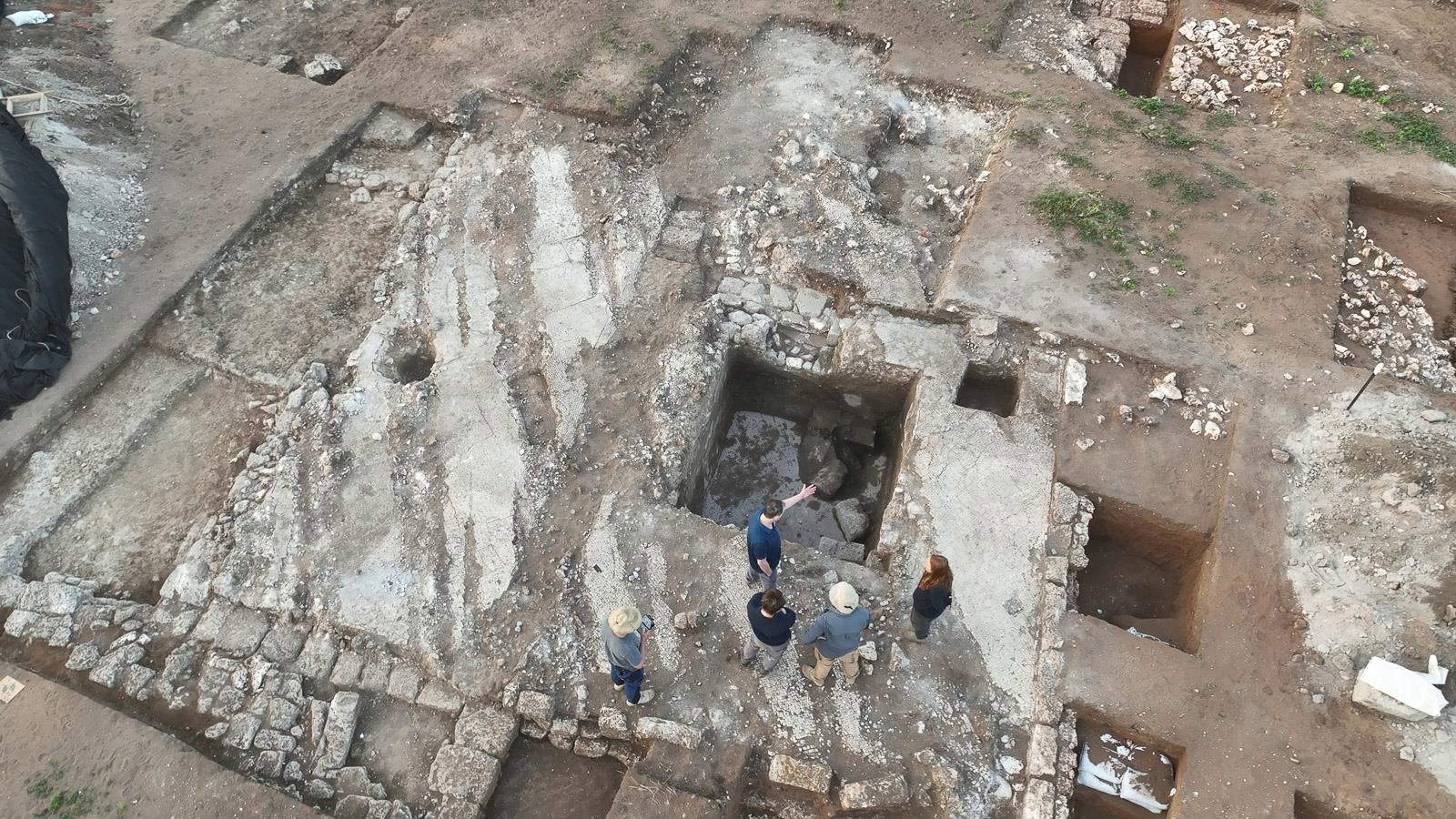
“The statues date to the Roman period and were not found in their original location,” explain Eliran Oren and Avishag Reiss, directors of the excavation on behalf of the Israel Antiquities Authority. “In a rather enigmatic way, they were found carefully placed face down inside a must-collection vat belonging to a Roman-Byzantine wine press, indicating that they were buried when the structure ceased to be used. This is a once-in-a-lifetime discovery. We didn’t expect it at all.”
“The statues join a series of portraits of historical figures already discovered in Caesarea,” says Peter Gendelman, an expert on the Caesarea area at the Israel Antiquities Authority. “One of the protomes bears a Greek inscription with the name Lycurgus. In Greek history, there are two notable figures with this name: Lycurgus of Sparta, considered the city’s founder, and Lycurgus of Athens, a famous politician and orator of the 4th century BCE. In Roman times, statues of this type were displayed both in public buildings and in the homes of the elite, who sought to connect with the cultural and spiritual world of antiquity.”
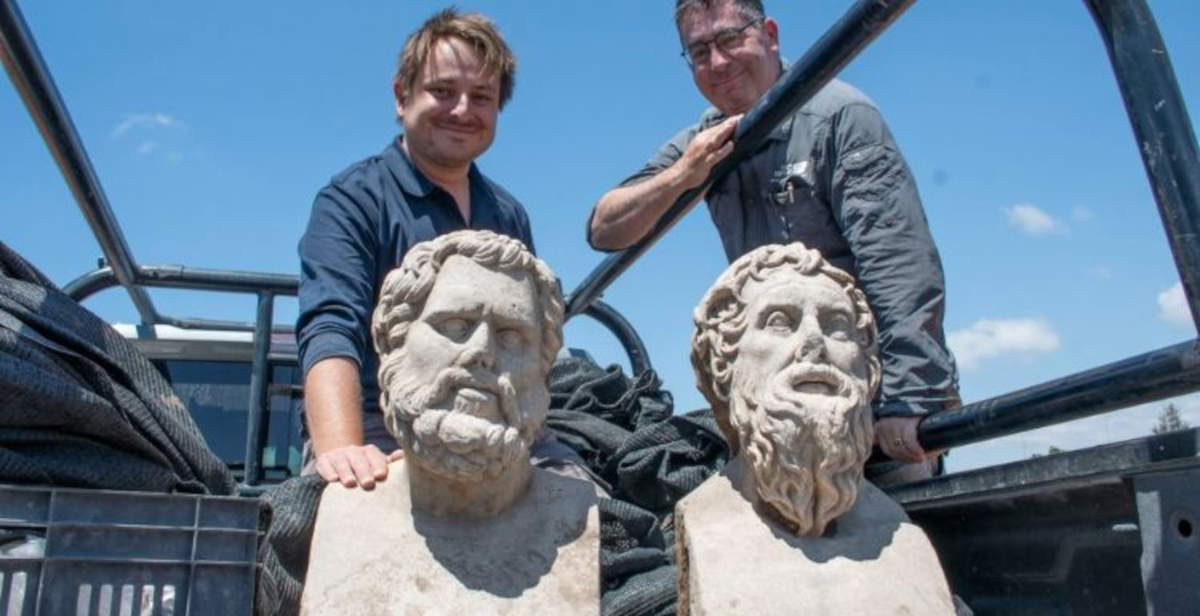 |
| Israel: Two 1,700-year-old Roman marble statues discovered near Binyamina |


The author of this article: Noemi Capoccia
Originaria di Lecce, classe 1995, ha conseguito la laurea presso l'Accademia di Belle Arti di Carrara nel 2021. Le sue passioni sono l'arte antica e l'archeologia. Dal 2024 lavora in Finestre sull'Arte.Warning: the translation into English of the original Italian article was created using automatic tools. We undertake to review all articles, but we do not guarantee the total absence of inaccuracies in the translation due to the program. You can find the original by clicking on the ITA button. If you find any mistake,please contact us.






























 IT
IT FR
FR DE
DE ES
ES CN
CN


