








TheNational Association of Archaeologists (ANA) is once again intervening on the regulation of the credit license, the tool introduced on Oct. 1, 2024, with the aim of raising safety levels at construction sites and reducing the number of occupational accidents in a sector considered high-risk. At the heart of the critical issues reported by the association is a requirement for access to the system that archaeologists say would produce a discriminatory effect against freelancers.
The credit license is mandatory for companies and self-employed workers working on construction sites, including individuals not directly belonging to the construction industry. To obtain the title, there are five requirements, includingregistration with the Chamber of Commerce. This very condition is pointed out by the ANA as a problematic element.
According to the association, the current regulatory structure would not take into account the distinction between businesses and freelancers. In fact, the Chamber of Commerce represents a registry intended for business activities, while self-employed professionals are registered with professional social security funds or, alternatively, with the separate management of INPS. Archaeologists, restorers and other figures pertaining to the field of cultural heritage therefore practice their profession without a Chamber of Commerce registration, unless they establish a company.
Within this framework, the ANA points out an inconsistency that would directly affect access to the license. The obligation to declare registration with the Chamber of Commerce, even in the absence of the prerequisites for possessing it, would put professionals in front of a critical choice, according to the association: either renounce their activity on construction sites or provide a declaration that does not correspond to their legal position.
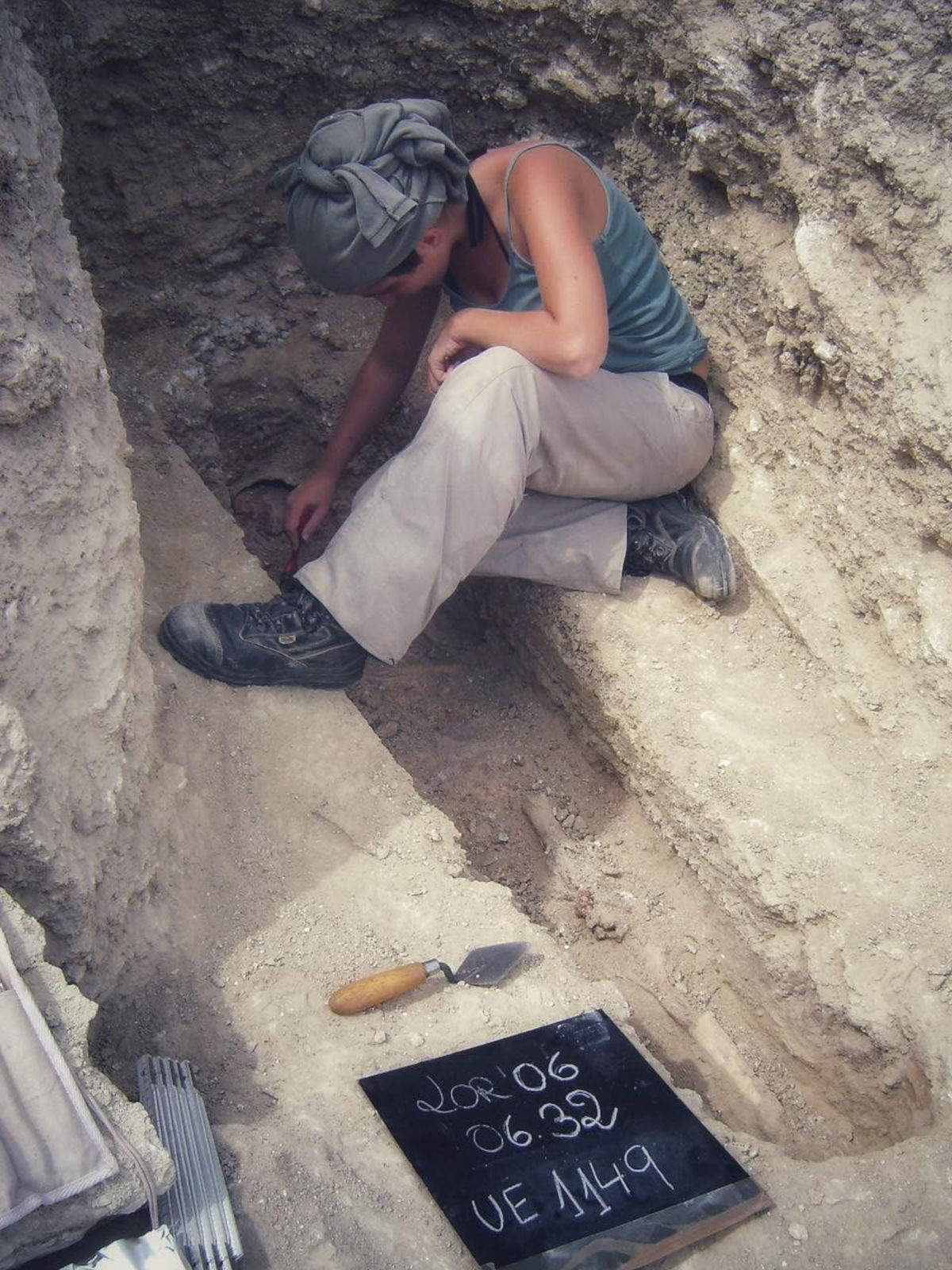
TheNational Labor Inspectorate has already intervened with an attempt at interpretive clarification. The position expressed suggests that a professional registered with a private social security fund can still indicate registration with the Chamber of Commerce for the purpose of applying for a license. A reading that, according to the ANA, shifts the issue to the level of the legitimacy of the statements made. Indeed, the association disputes this interpretation, believing that it creates a situation in which the administrative procedure would imply the possibility of untrue attestations. For the ANA, this would entail an operational, legal and ethical problem, as it would introduce a mechanism formally inconsistent with the real condition of the self-employed workers involved.
The ANA urges timely intervention by the Ministry of Labor and Social Policy so that the credit license can be configured as a real instrument of general protection, without turning into a factor of uncertainty for professionals who work daily on construction sites in compliance with current regulations. The request made by the Association is pointed and bounded: to remove the obligation to register with the Chamber of Commerce for self-employed workers with VAT numbers registered with professional social security funds. This would be a circumscribed regulatory intervention, but decisive in practice, capable of enabling thousands of professionals to comply with the rules without having to resort to improper declarations.
This is not a question of contesting the spirit of the rule, which we agree with,“ explains the ANA-Archaeologists Nation Association. ”It is about correcting a technical inconsistency that shifts the burden of an ill-calibrated system onto professionals. Asking a freelancer to attest to an inscription they do not and cannot have is not a simplification, it is a problem."
“This change,” adds Marcella Giorgio, national president of the ANA, “is beyond urgent, because we also believe that it is highly discriminatory for the entire professional category of archaeologists to provide, in divergence from the norm, a separate procedure reserved only for archaeologists, where the tasks of an intellectual nature carried out by our professionals on construction sites, with the exception of the specific category of ’archaeological excavation’ (specifically regulated by Annex II.18 of the Public Contracts Code), are similar to those of other professionals working on the same construction sites, such as engineers and architects.”
 |
| License to credit, archaeologists: you risk untrue statements to work |

Warning: the translation into English of the original Italian article was created using automatic tools. We undertake to review all articles, but we do not guarantee the total absence of inaccuracies in the translation due to the program. You can find the original by clicking on the ITA button. If you find any mistake,please contact us.






























 IT
IT FR
FR DE
DE ES
ES CN
CN