





An archaeological discovery at the El Caño site in the Natá de los Caballeros district of Coclé province , Panama, is expanding knowledge of the pre-Hispanic societies that inhabited the Central American isthmus more than a thousand years ago. During the 2026 excavation season, archaeologists are in fact completing the exploration of a burial called Tomb 3, which was identified during research at the site back in 2009 and is now being systematically investigated. The operations are funded by Panama’s Ministry of Culture in collaboration with Fundación El Caño.
“We are focused on developing the El Caño Museum as a research and educational center for all Panamanians and visitors interested in our origins and history,” emphasizes Culture Minister María Eugenia Herrera. “We are ready to share even more of our cultural wealth with the world and celebrate it. First of all, we Panamanians should feel proud of our identity, thanks to all this valuable research conducted by the El Caño Foundation in collaboration with the Ministry of Culture.”
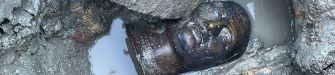
The new tomb, dating back more than a thousand years, adds to the series of important discoveries made at the archaeological site over the past two decades of research activities. The find represents an important element for studies devoted to pre-Hispanic societies that lived in the central provinces of Panama between the 8th and 11th centuries A.D. El Caño is now considered one of the most important pre-Hispanic cemeteries in the region. Tomb 3 expands the picture of known burial contexts and will offer new insights into the social organization, political power, exchange networks, and ritual practices of the communities that inhabited the area in pre-Columbian times. The burial area had been identified in 2009, when archaeologists detected a high concentration of ceramic materials and metal fragments. Excavations this season have uncovered a complex structure consisting of funerary offerings and a multiple deposition.
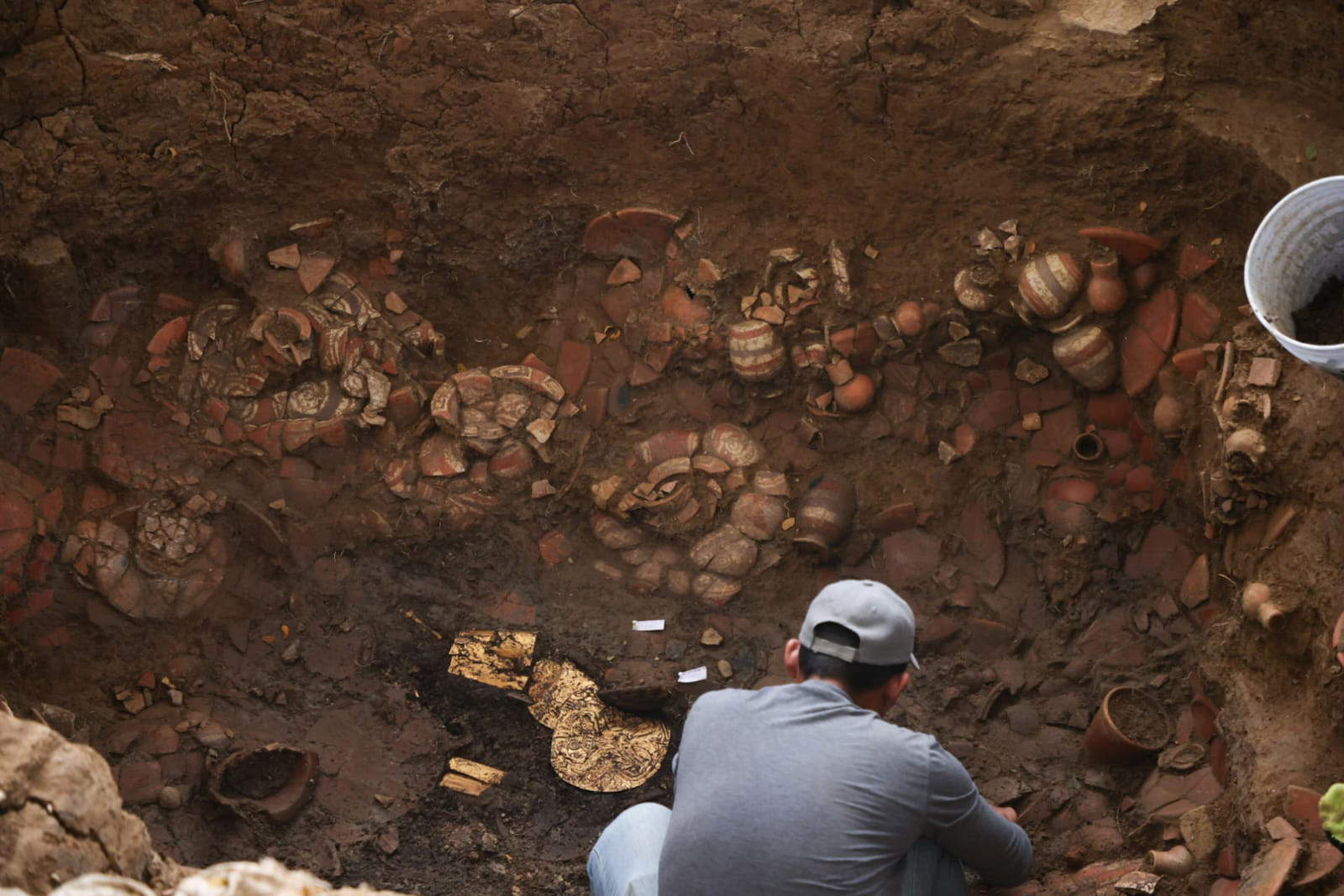
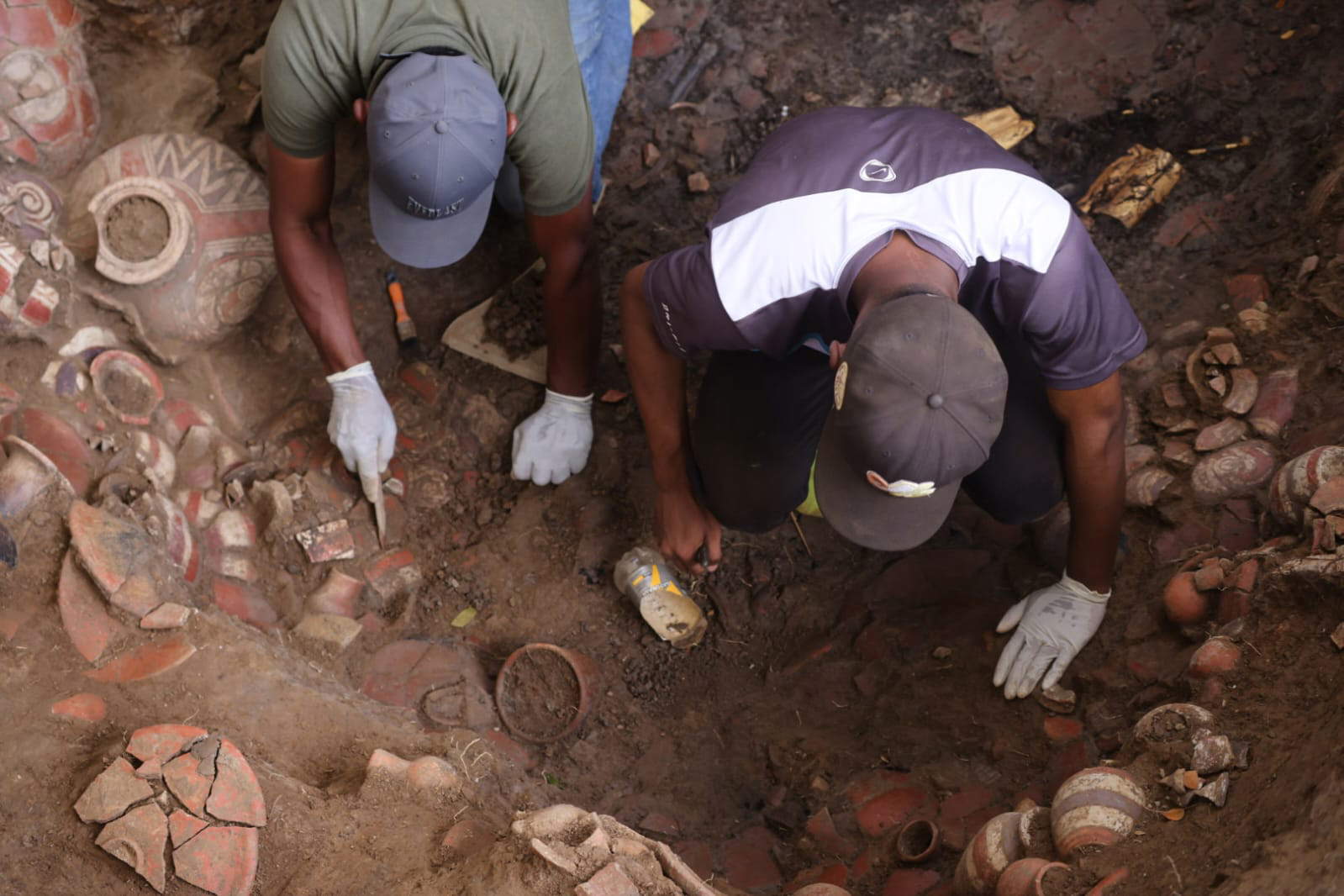
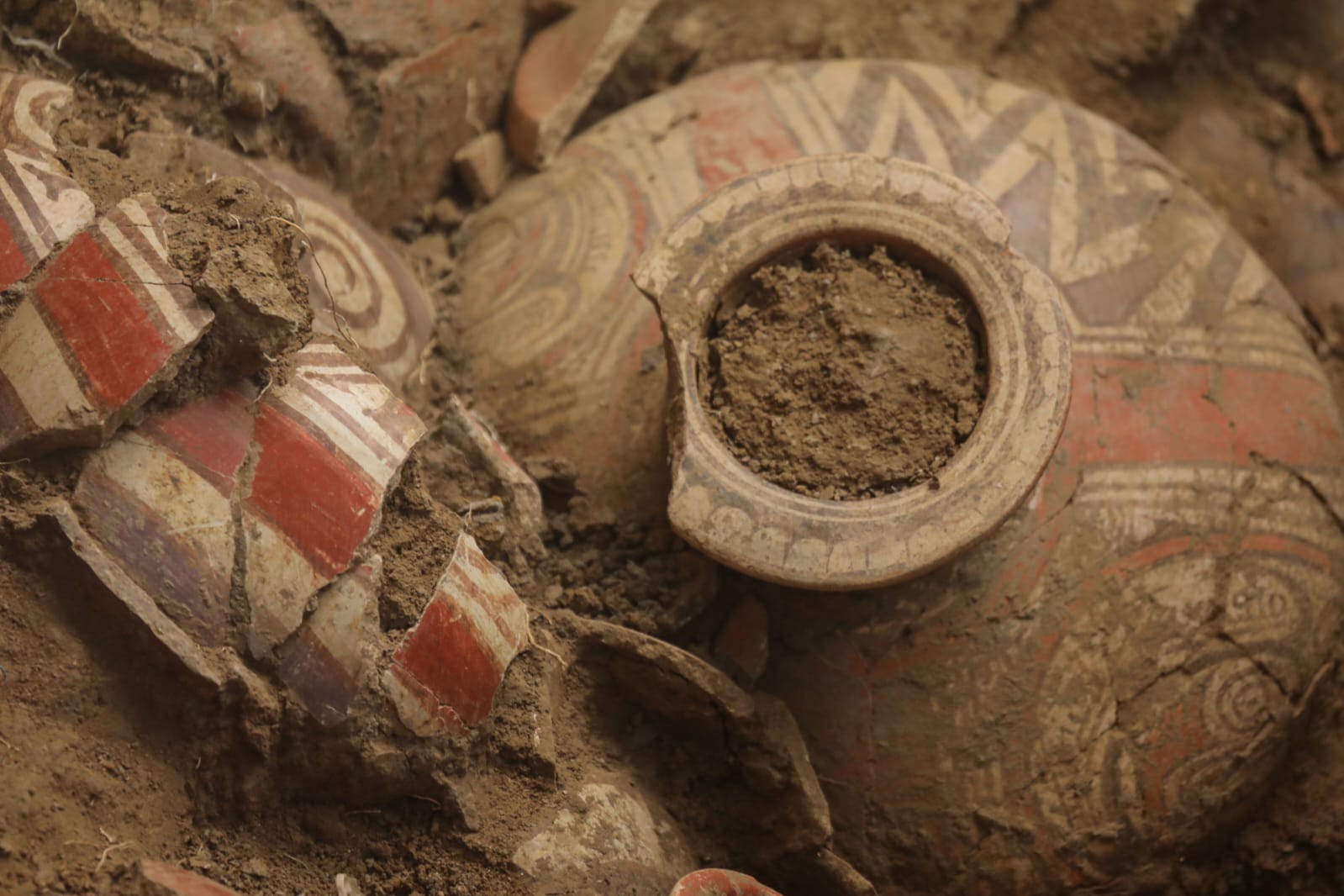
Inside the tomb is in fact a main individual accompanied by several other individuals and a large trousseau. The central figure is arranged in a reclining position and is surrounded by numerous objects of prestige that indicate a high status within the sociopolitical hierarchy of the community to which they belonged. The materials found include metal ornaments, including breastplates, earrings and bracelets, as well as carefully crafted ceramics. Some of these artifacts feature iconographies traceable to the local artistic tradition.
The presence of particularly rich grave goods, especially metal objects, confirms the inclusion of El Caño in a regional system of relations that included other contemporary centers, including the Sitio Conte site. The stylistic and technological similarities between the objects recovered at the two sites reinforce the hypothesis that the communities involved shared a common cultural tradition and had close political and economic relations. The new data provided by Tomb 3 may help reevaluate these relationships and better understand the regional historical dynamics during the period of greatest sociopolitical development in the area.
The excavation also offers insights into ritual practices related to death. The arrangement of bodies, the choice of objects laid down and the spatial organization of the whole suggest the existence of an articulated belief system. From this perspective, death represented a transition to another sphere of existence in which social status continued to play an important role. The abundance of objects associated with the principal deceased can be interpreted as a concrete manifestation of the power held in life and as a useful symbolic tool to reinforce the authority of elites within the community.
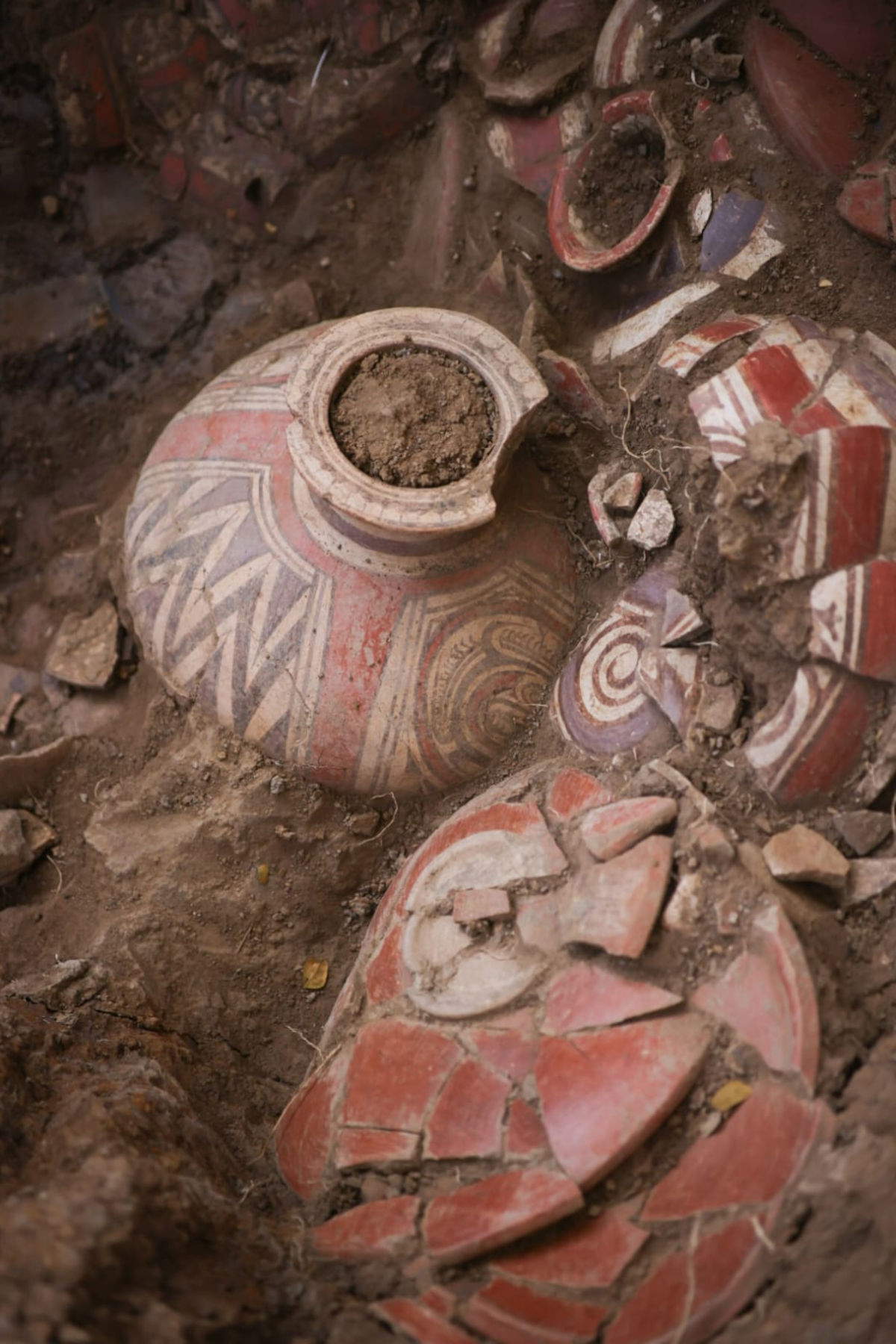
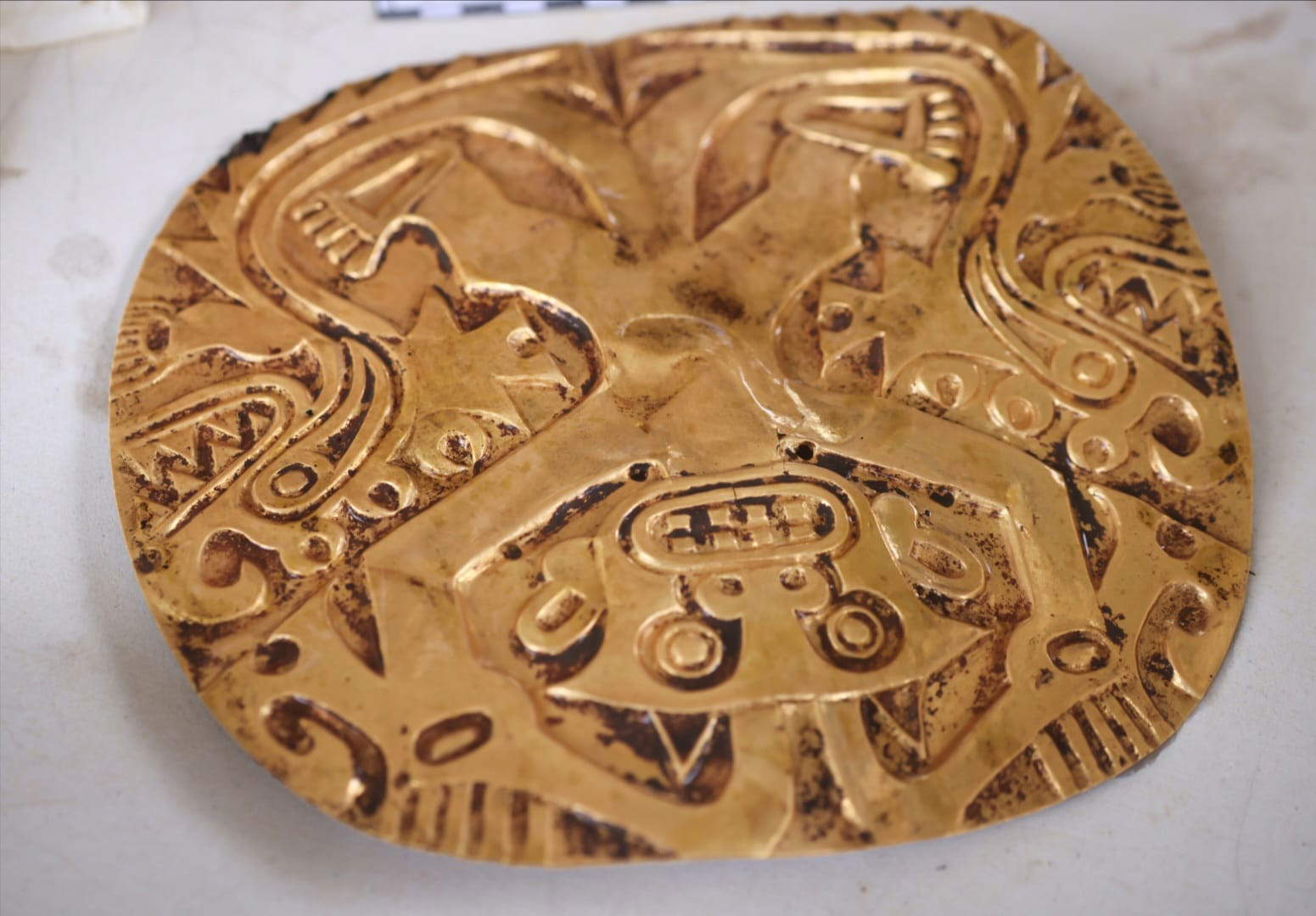
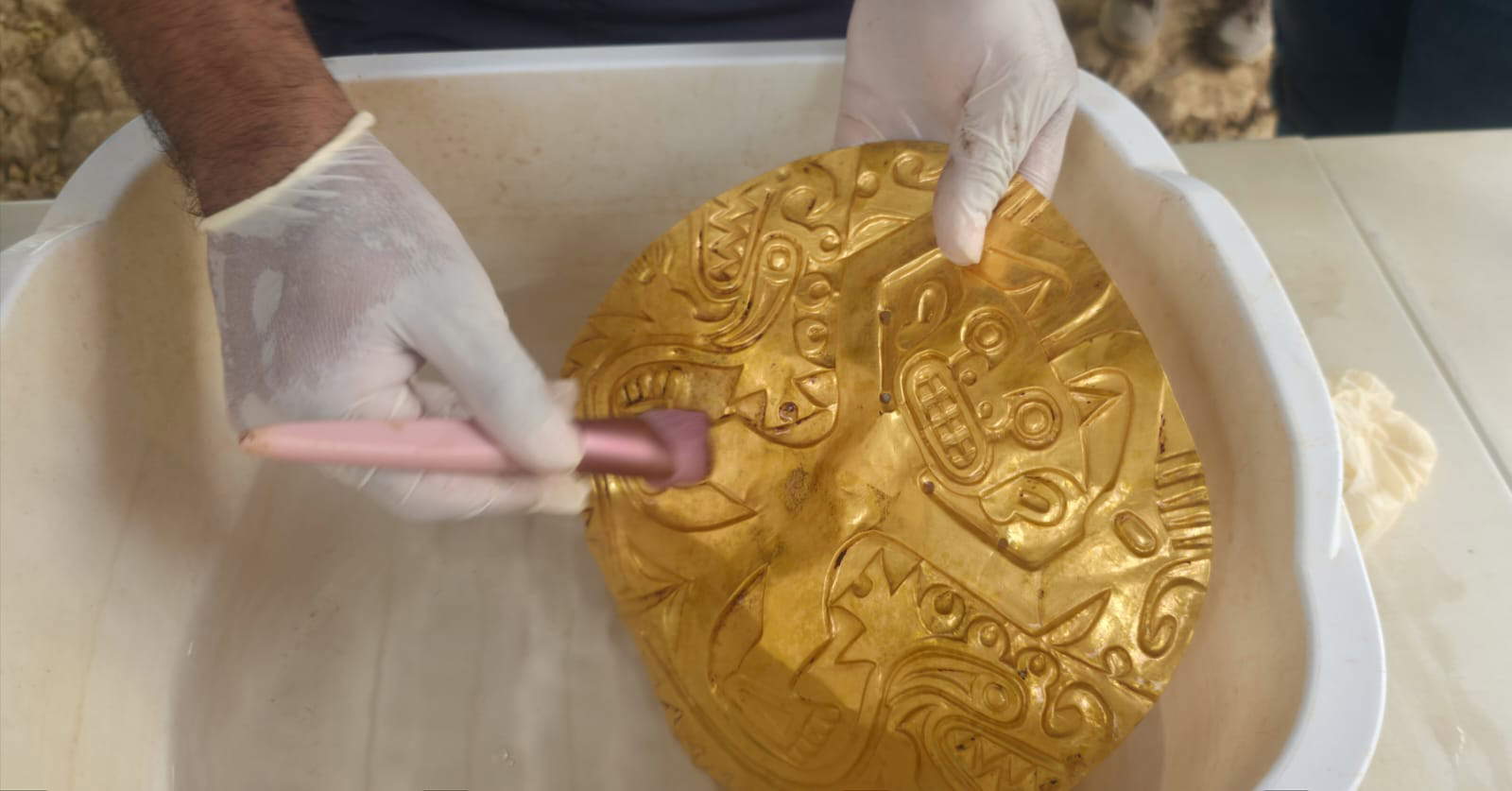
From a scientific point of view, Tomb 3 also provides an opportunity to review some interpretive models on the development of political organization forms based on chieftain systems in the Central American isthmus. Evidence gathered at El Caño points to the presence of centralized political structures capable of mobilizing resources, organizing large-scale ceremonies, and maintaining networks of exchange over long distances. The new funerary context expands the available database and will allow for a more precise analysis of the variability of funerary practices and possible changes over time.
The find also takes on significant heritage and educational value. Over the years, El Caño has established itself as one of the main reference points for the enhancement of Panama’s archaeological heritage. The inclusion of Tomb 3 in the research framework will allow for an update of the narratives about the region’s pre-Hispanic past, introducing new data and interpretive perspectives. In contemporary communities in the area, the findings contribute to the strengthening of cultural identity and the recognition of a complex and articulated ancestral past. The research project also includes activities to disseminate and communicate the findings, with the aim of making the knowledge produced accessible and promoting the protection of cultural heritage.
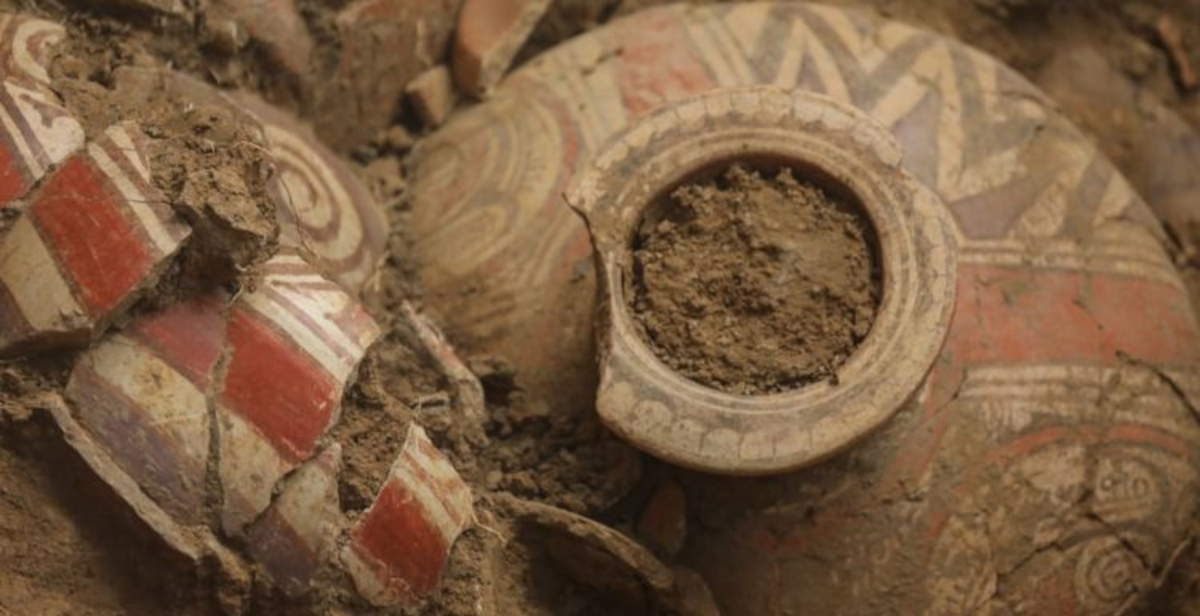 |
| Panama, pre-Hispanic tomb over 1,000 years old discovered with rich grave goods |

Warning: the translation into English of the original Italian article was created using automatic tools. We undertake to review all articles, but we do not guarantee the total absence of inaccuracies in the translation due to the program. You can find the original by clicking on the ITA button. If you find any mistake,please contact us.
























 IT
IT FR
FR DE
DE ES
ES CN
CN