





A discovery set to rewrite an important chapter in Northern Europe’s maritime history has emerged from the depths of the Skagerrak, the strait that separates Norway from Denmark and connects the North Sea to the Baltic Sea. At a depth of about 600 meters off the Norwegian coast, an exceptionally well-preserved shipwreck has been discovered, carrying a rich cargo of 18th-century Chinese porcelain and other commercial goods. Archaeologists have already dubbed it the “Porcelain Wreck” and believe it represents one of the most important underwater archaeological discoveries ever made in the region.
According to initial analyses, the ship is believed to have sunk around the mid-18th century during a commercial voyage whose details have yet to be fully reconstructed. What makes the find extraordinary is not only the presence of a particularly valuable cargo but, above all, its exceptional state of preservation. In fact, scholars emphasize that there are no comparable precedents in Northern Europe in terms of the quantity, variety, and integrity of the recovered materials.
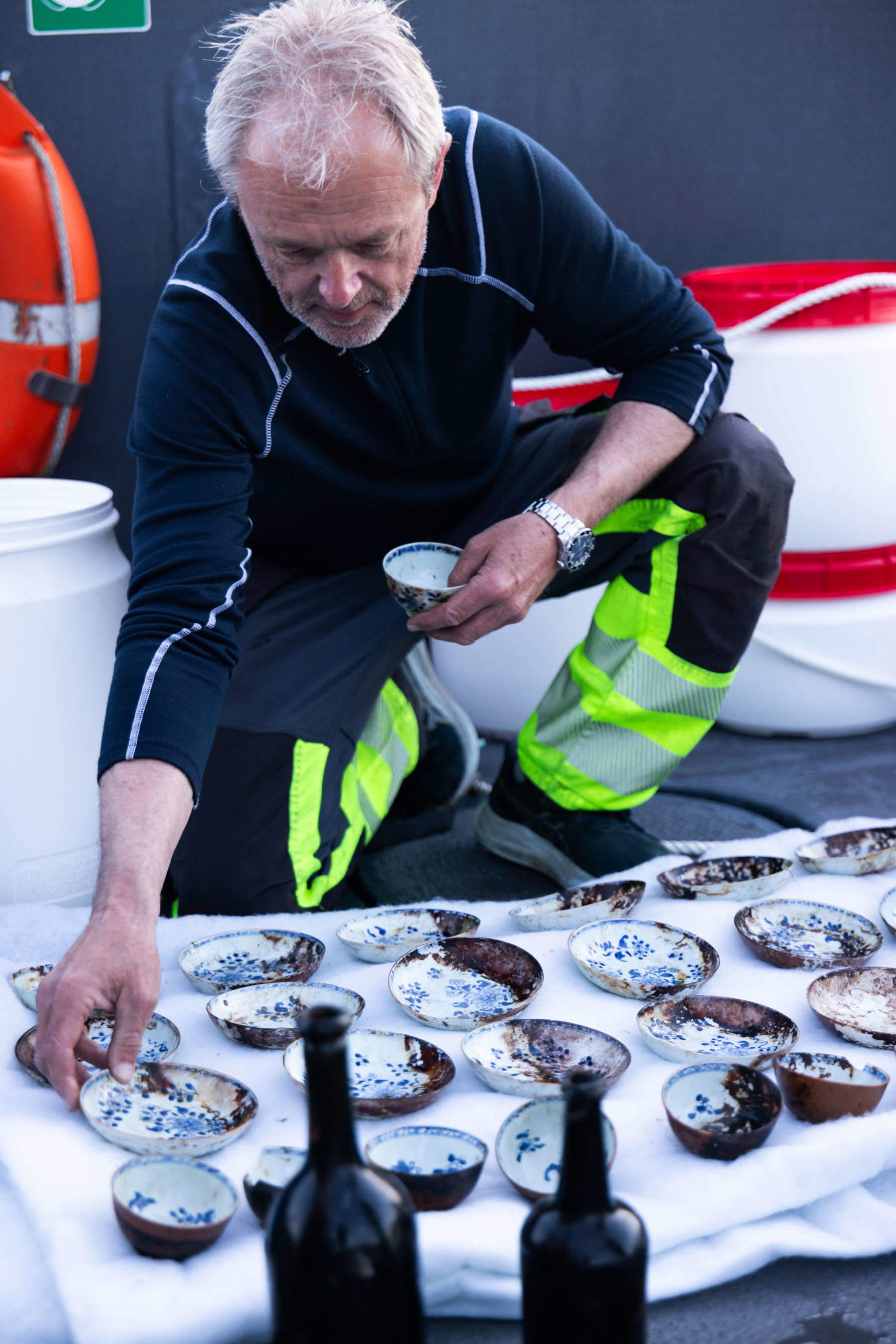
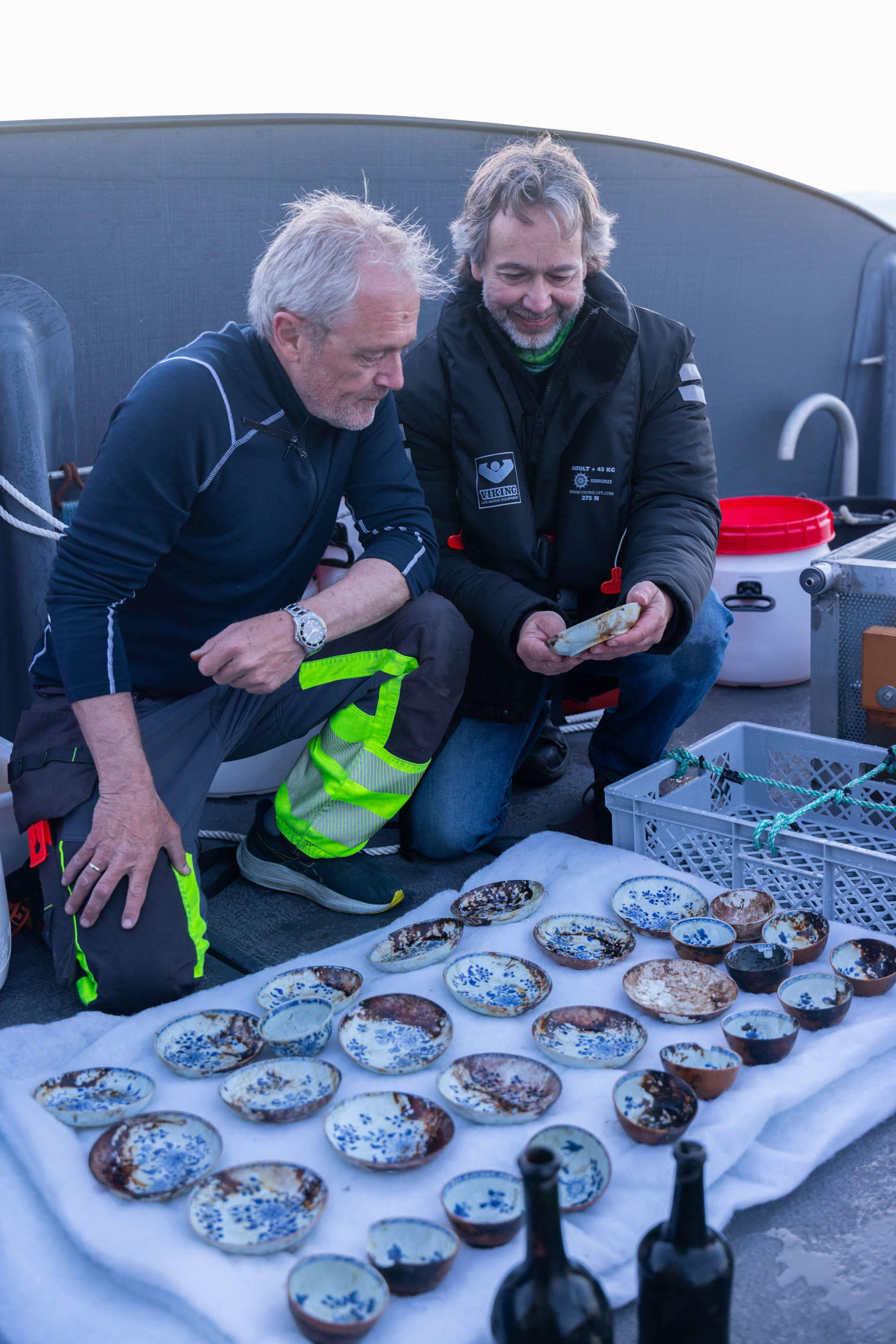
Initial operations at the site have already yielded numerous artifacts. These include Chinese porcelain, chandeliers, goblets, textiles, grains, and crates believed to have contained tea, medicinal herbs, and other products destined for European markets. Exploration and recovery efforts are still underway and continue to yield new findings that could help shed light on the ship’s history, its trade routes, and the economic ties that linked Europe and Asia in the 18th century.
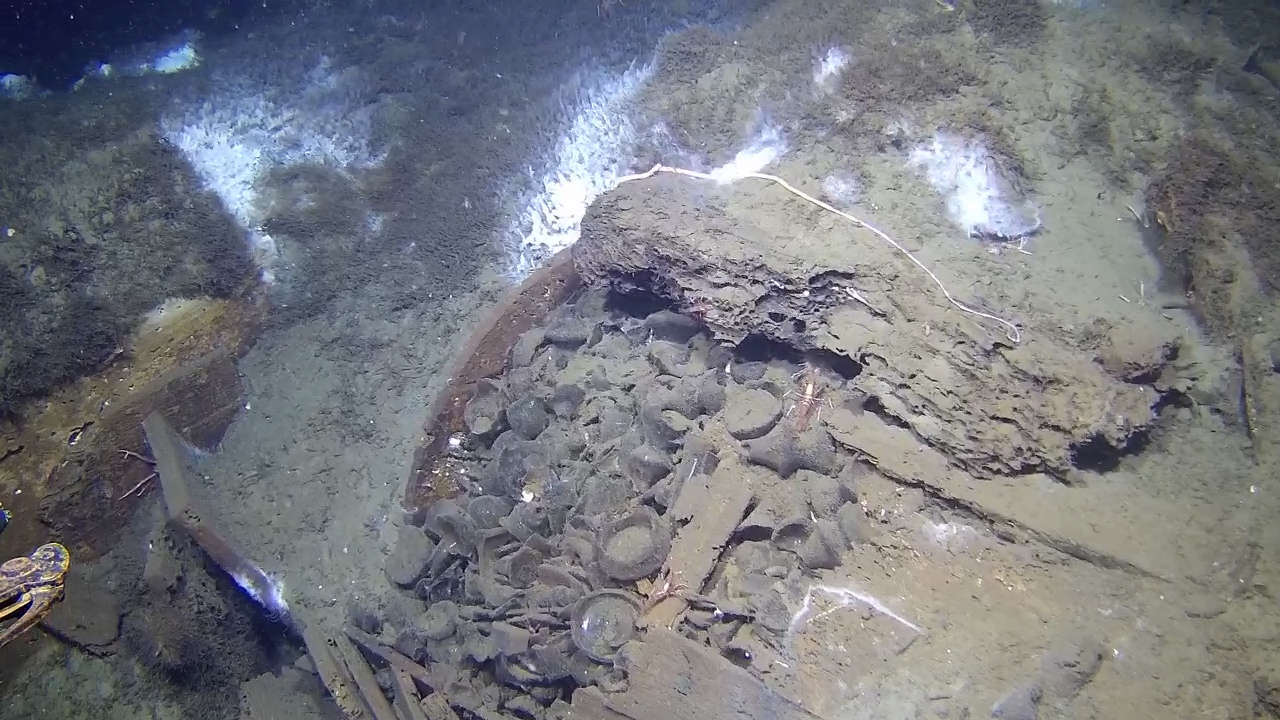
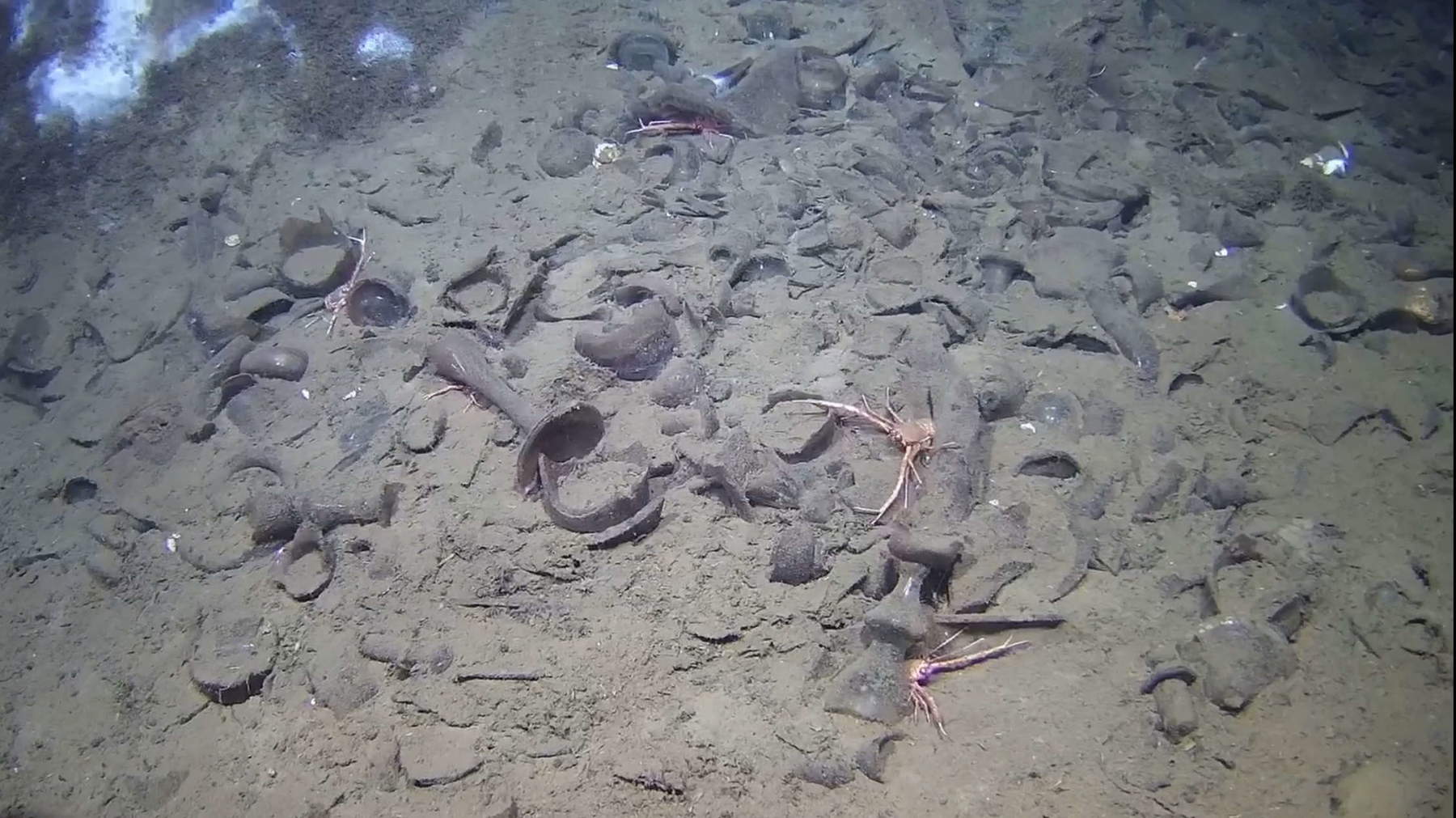
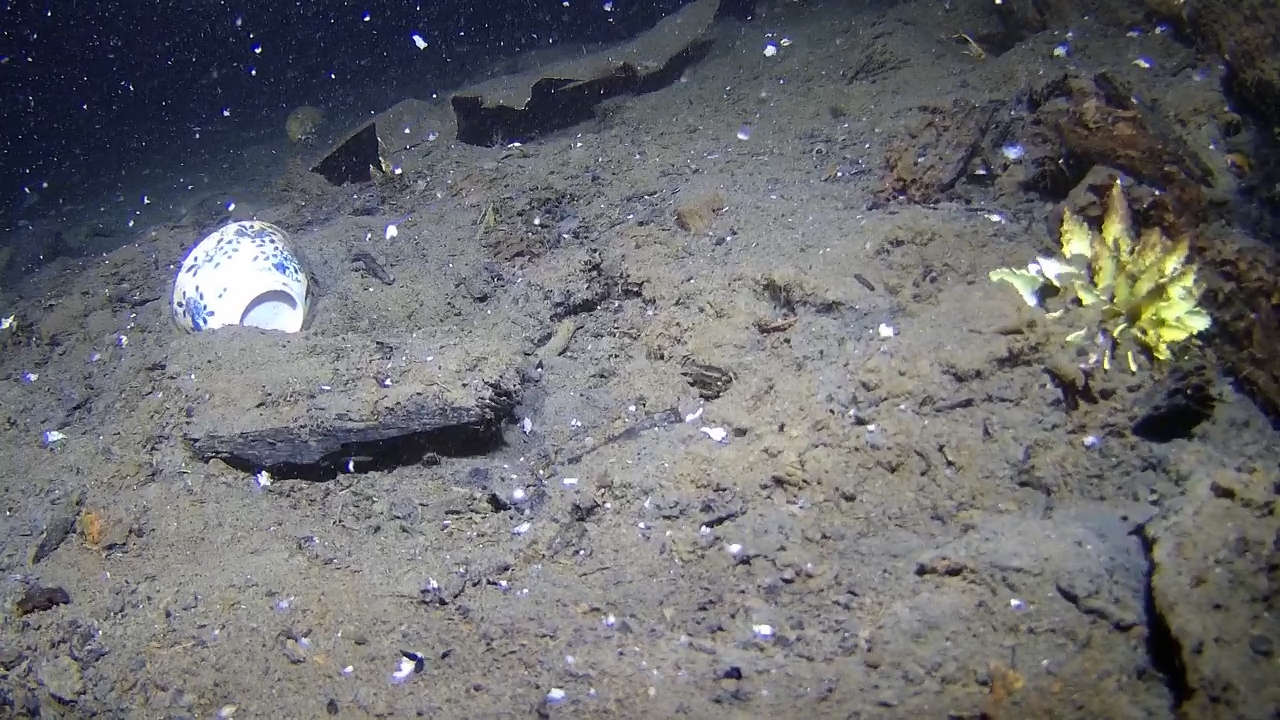
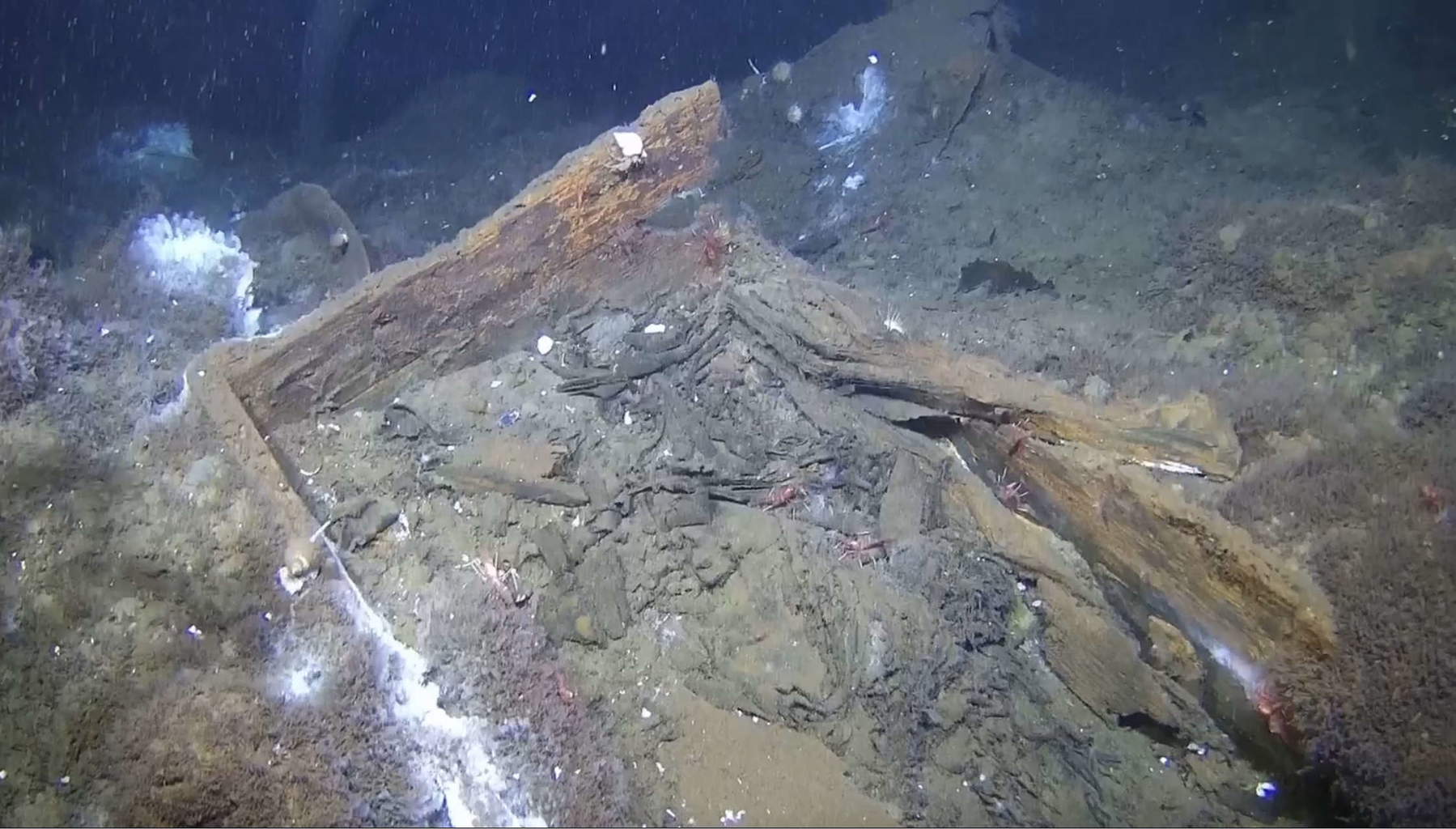
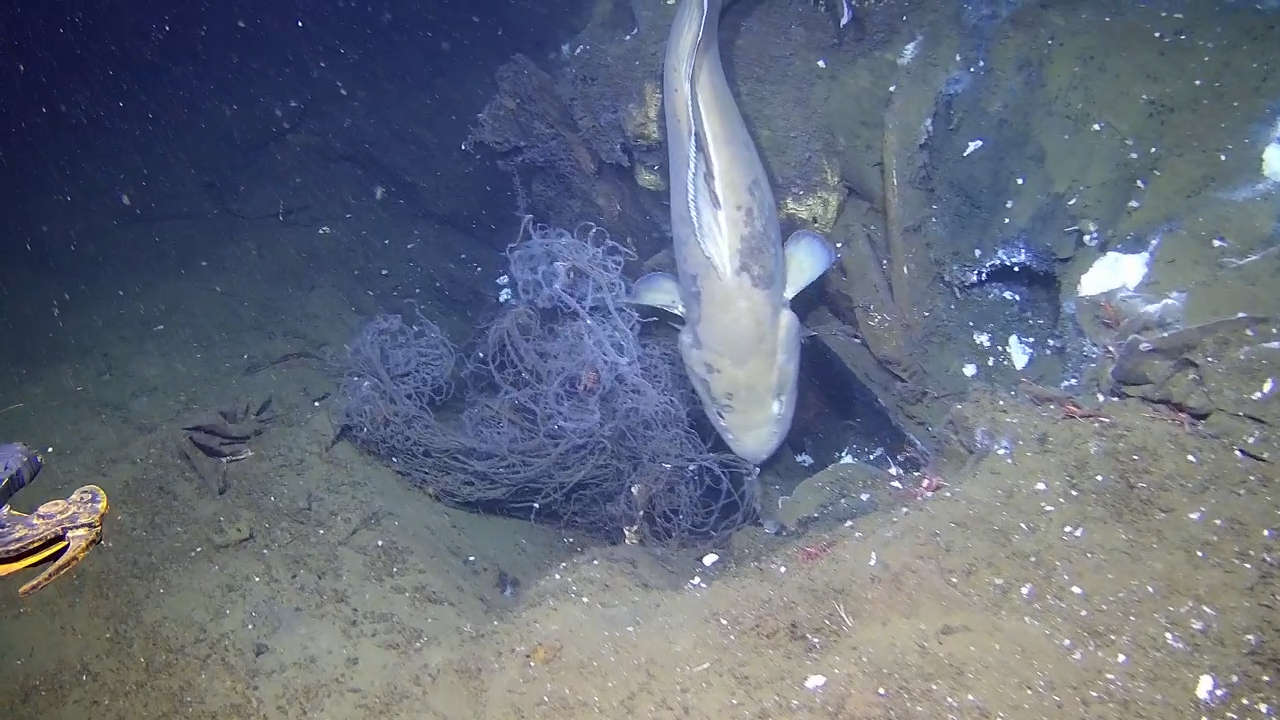
The significance of the discovery was highlighted by Norway’s Minister of Climate and Environment, Andreas Bjelland Eriksen, who emphasized the scientific and technological value of the operation. According to the minister, the find represents an exceptional testament to Norwegian and Northern European maritime history and offers new opportunities for archaeological research, cultural outreach, and the management of submerged historical heritage.
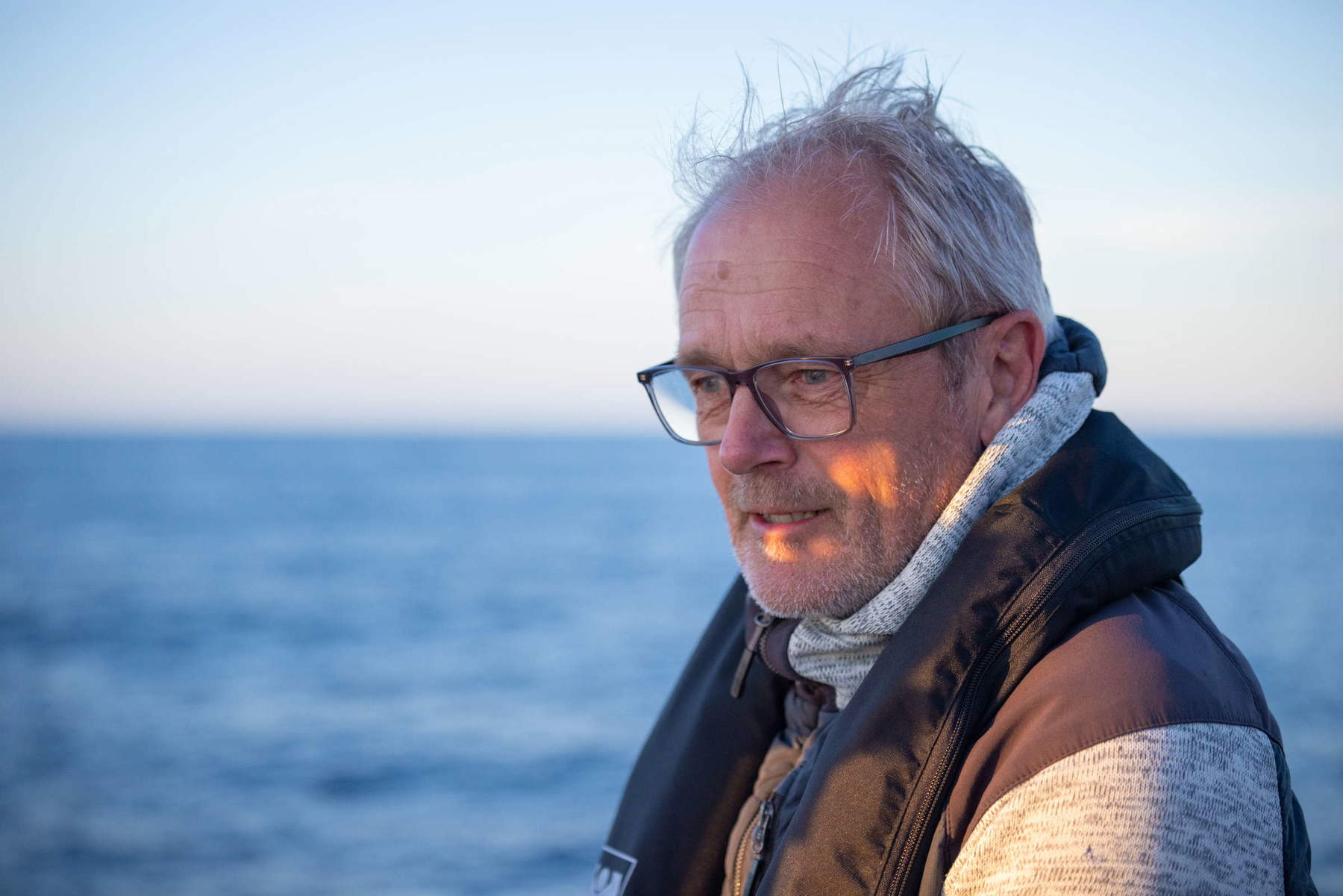
The discovery of the wreck was not the result of a major international scientific expedition: credit goes to a Norwegian entrepreneur with a passion for underwater exploration. The site was in fact located by Espen Saastad, a watchmaker and watch designer living in Porsgrunn, in southeastern Norway. Saastad also runs a small company specializing in the use of remotely operated underwater vehicles and surveying activities. Once he realized the potential significance of the find, Saastad immediately notified the relevant authorities, allowing official conservation and research procedures to begin. Today, he works directly with the Norwegian Maritime Museum in Oslo on the documentation, exploration, and recovery of the artifacts. The Norwegian Maritime Museum, which coordinates activities at the wreck site, is part of the Norwegian Museum of Cultural History Foundation, which also includes major institutions such as Eidsvoll 1814, Bogstad Manor, Bygdø Royal Manor, the Ibsen Museum and Theater, and the Norwegian Museum of Cultural History.
The explorer’s conduct was publicly praised by the Norwegian government, which emphasized that the new knowledge generated by this discovery was made possible precisely because of his decision to act responsibly and report the site to the relevant institutions rather than attempting to take independent action.
Hanna Geiran, Director General of the Norwegian Directorate for Cultural Heritage, said she had trouble believing the scale of the discovery once she grasped its significance. According to Geiran, the wreck represents an extraordinary source of information on the history of navigation and maritime trade, offering scholars materials preserved in conditions rarely observed.

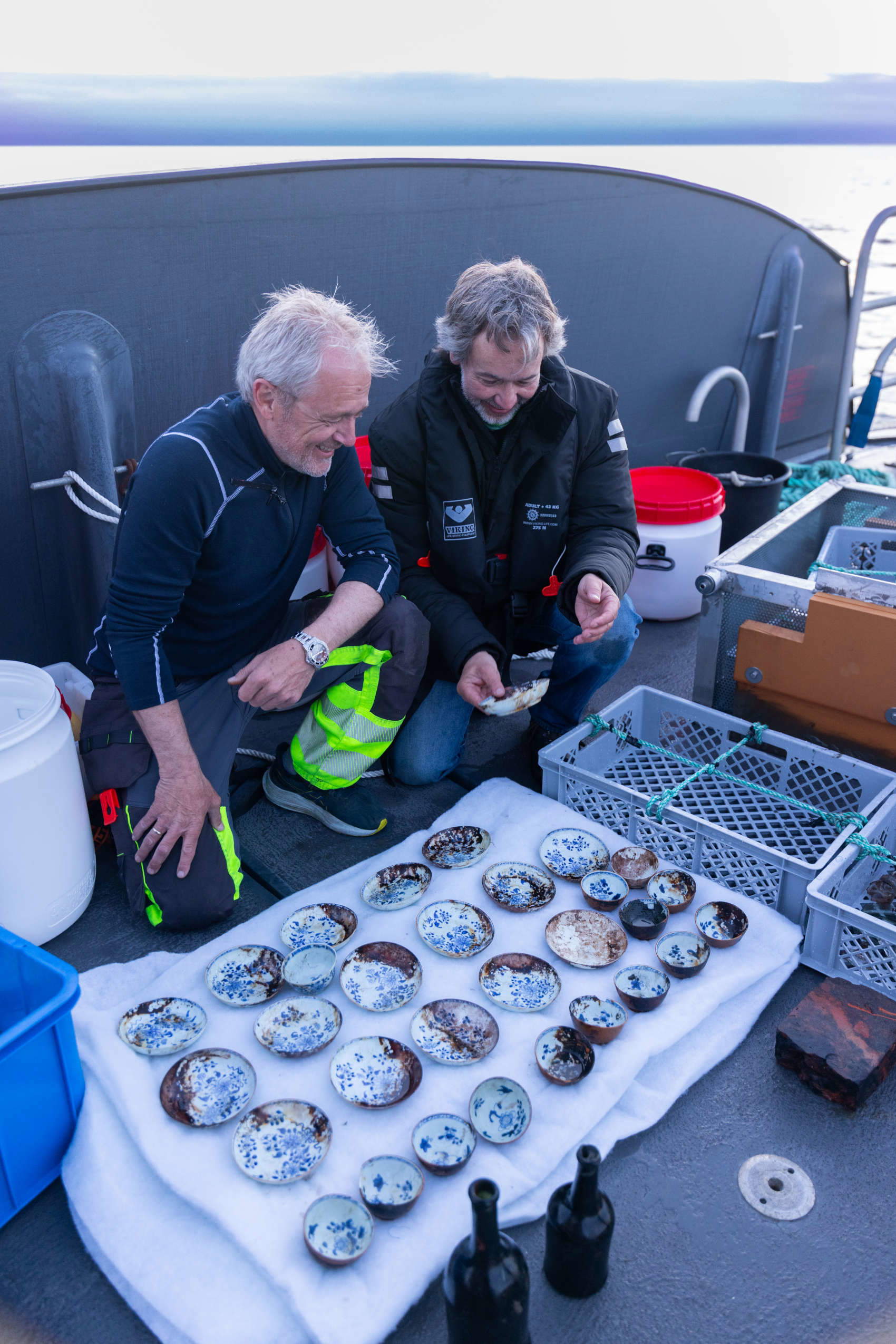
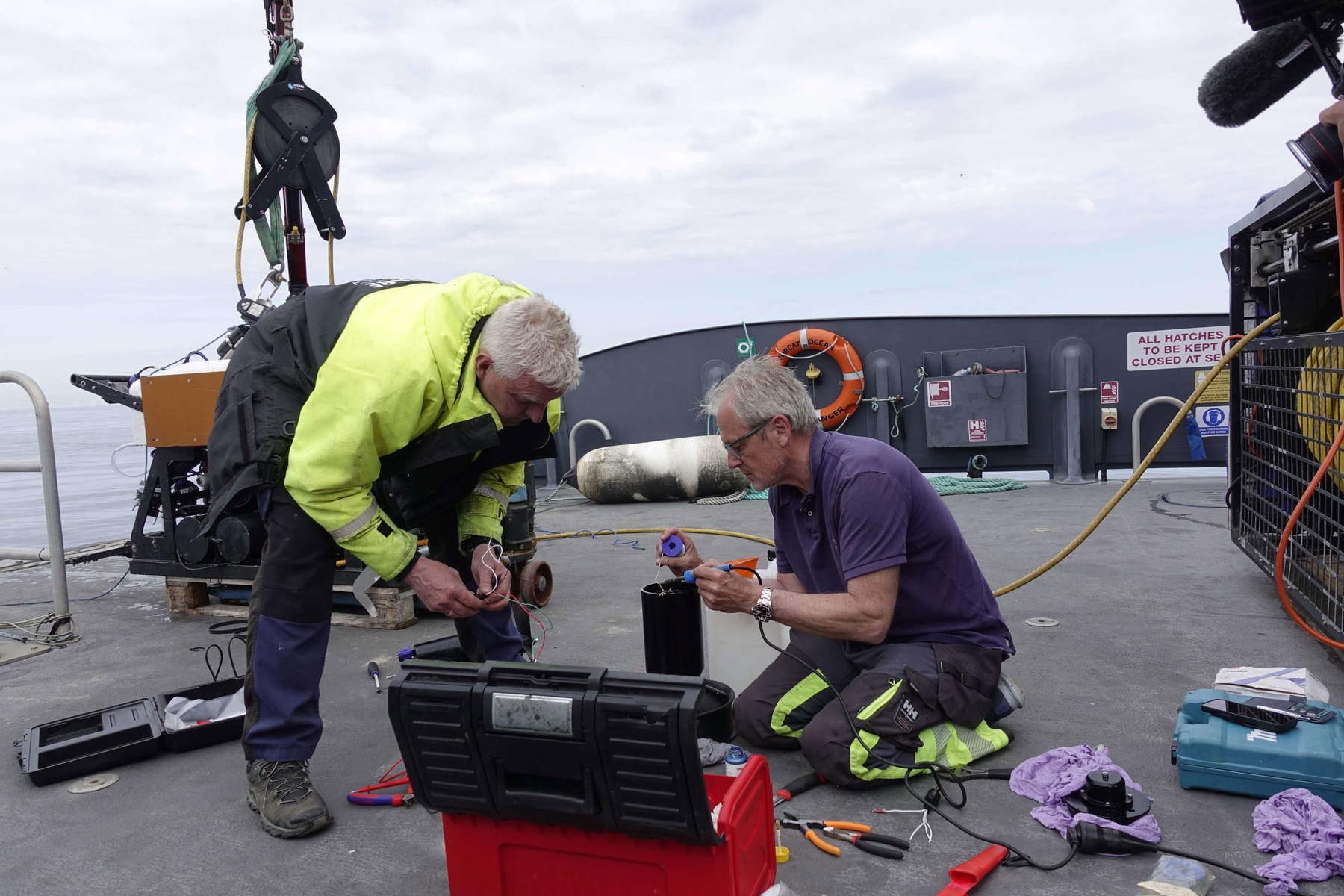

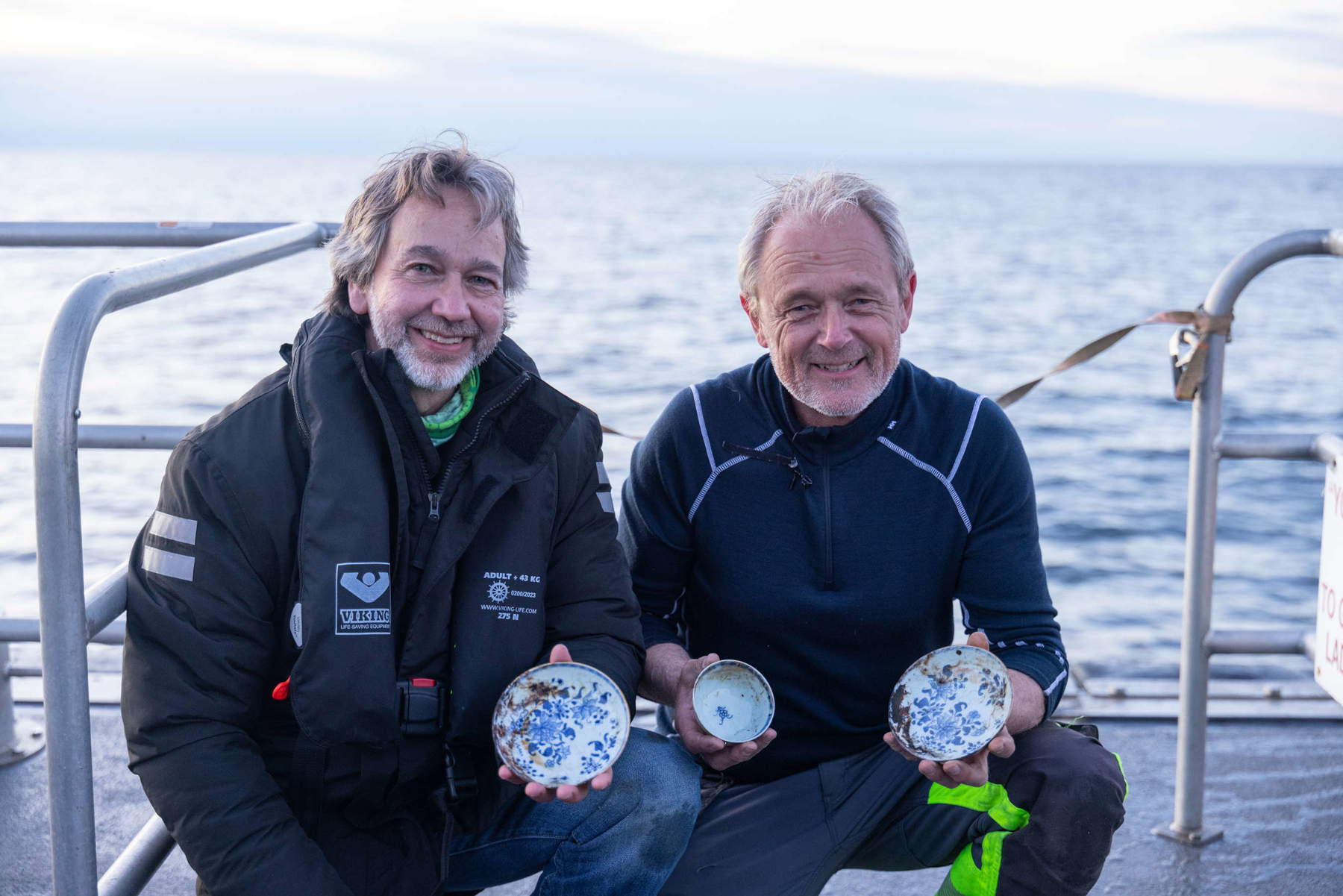
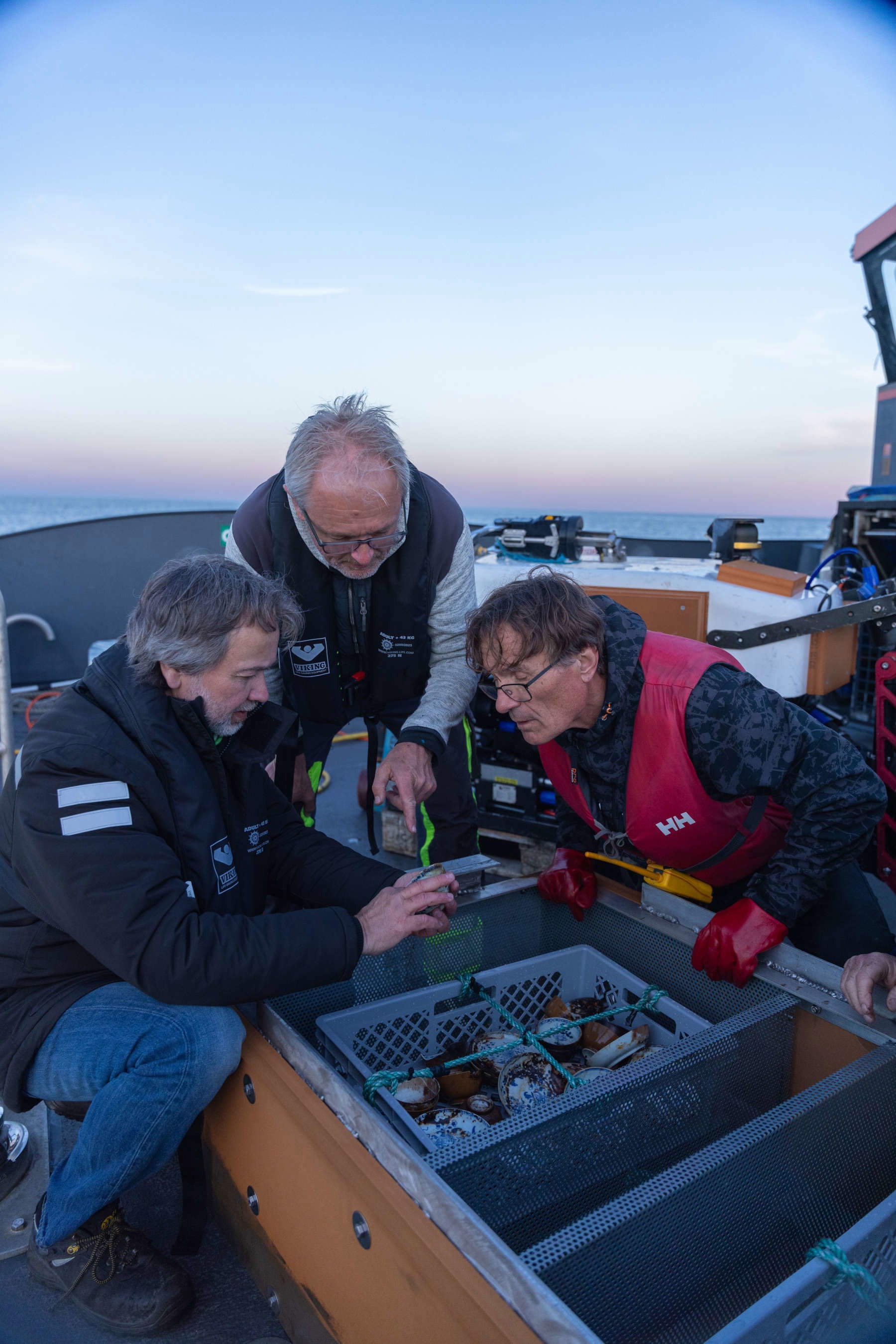
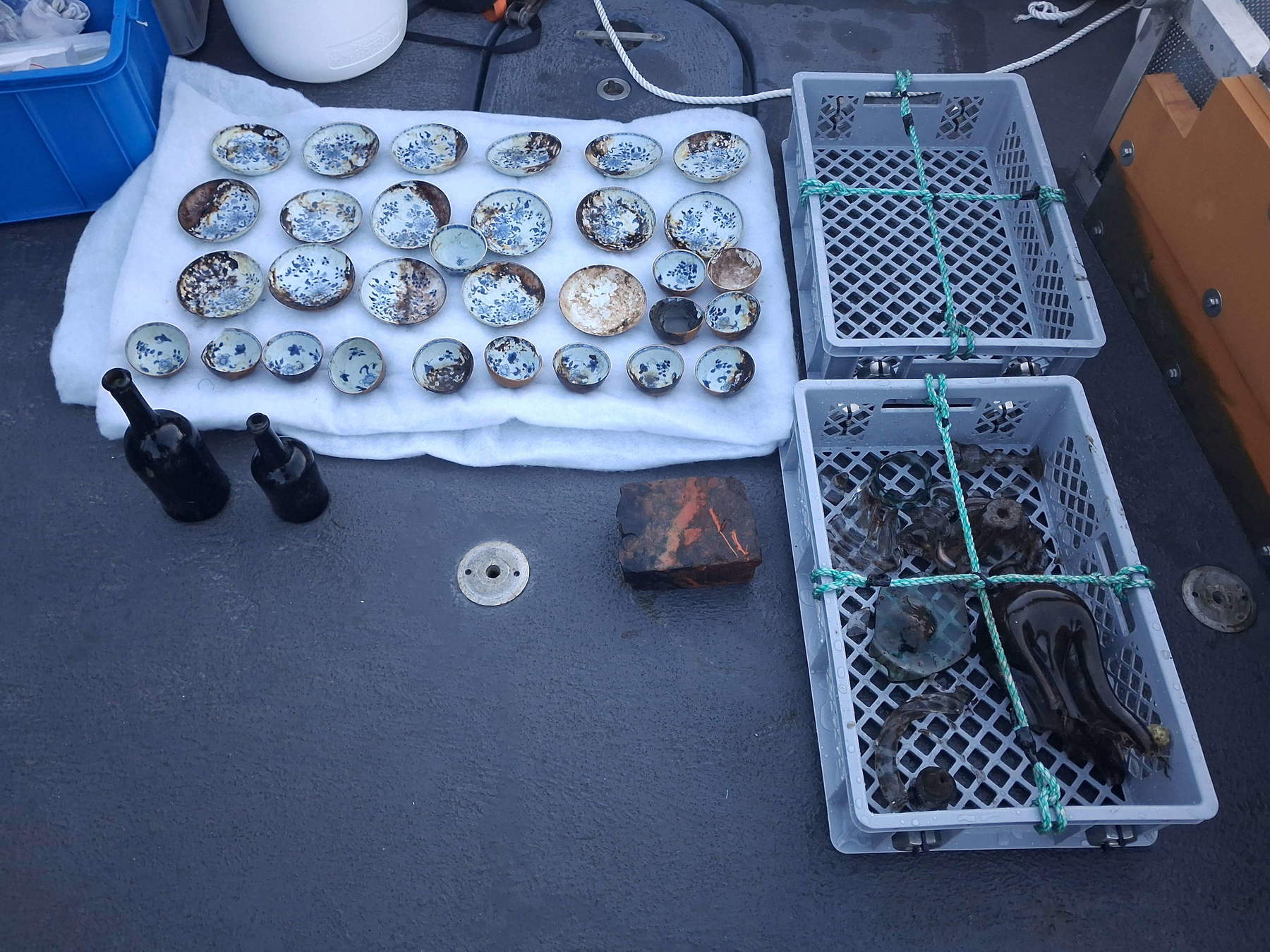
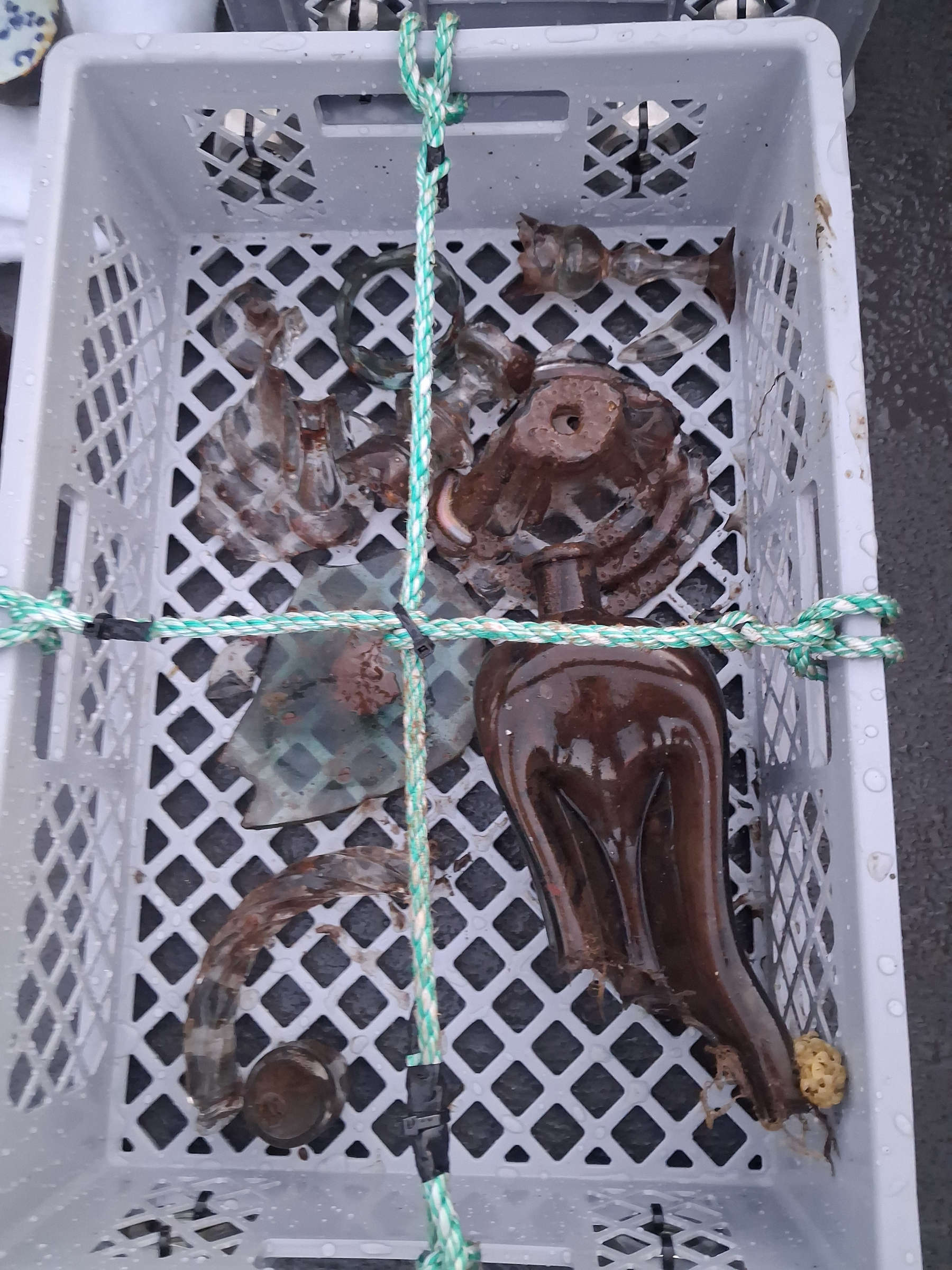
To ensure the protection of this cultural heritage, the wreck was immediately placed under the protection provided by Norwegian cultural heritage legislation. Under current regulations, the site now enjoys automatic protection as an archaeological site, a status that prevents any unauthorized activity and ensures that research can be conducted according to rigorous scientific criteria.
The archaeological operations are also supported by a significant public investment. The Norwegian Directorate for Cultural Heritage has allocated 2.9 million Norwegian kroner (approximately 260,000 euros) to fund the study, recovery, and conservation of the artifacts. The archaeologists and historians involved in the project are working on detailed documentation of the artifacts and analyzing their characteristics to reconstruct the historical context of the shipwreck.
One of the most fascinating aspects of the discovery concerns the composition of the cargo. The porcelain appears to originate from China, a finding that confirms the existence of trade links with the Far East. The recovered chandeliers, on the other hand, display stylistic features suggestive of German or English production: this combination suggests that the ship was carrying goods from different geographic regions and was therefore part of a complex international trade network.
Scholars are working to determine the ship’s origin and final destination with greater precision. At this time, it is still unclear whether the ship flew the British or German flag, or belonged to another maritime power of the era. Analysis of the materials, combined with a study of the ship’s structure and available historical documents, may provide answers in the coming years.
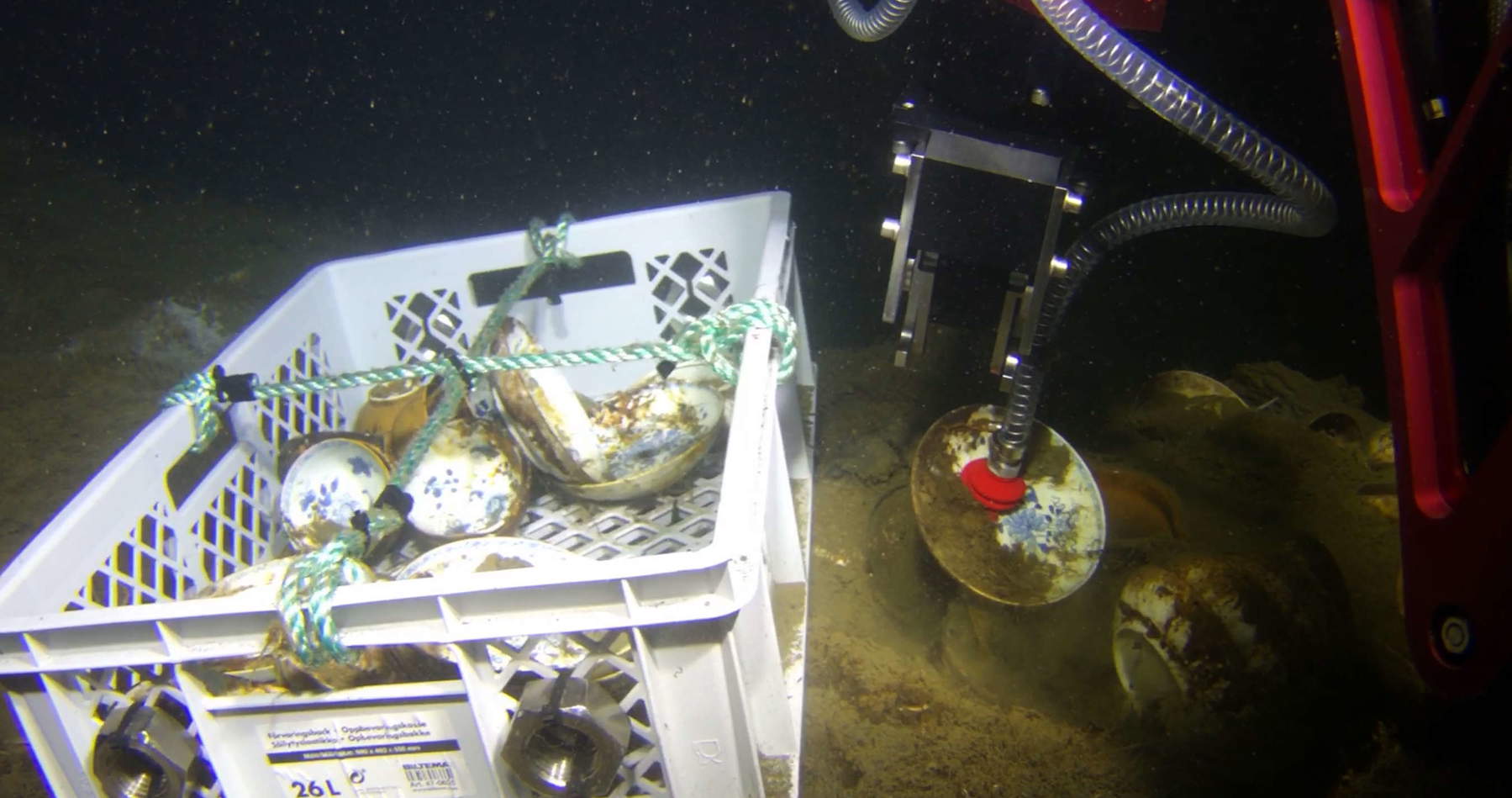
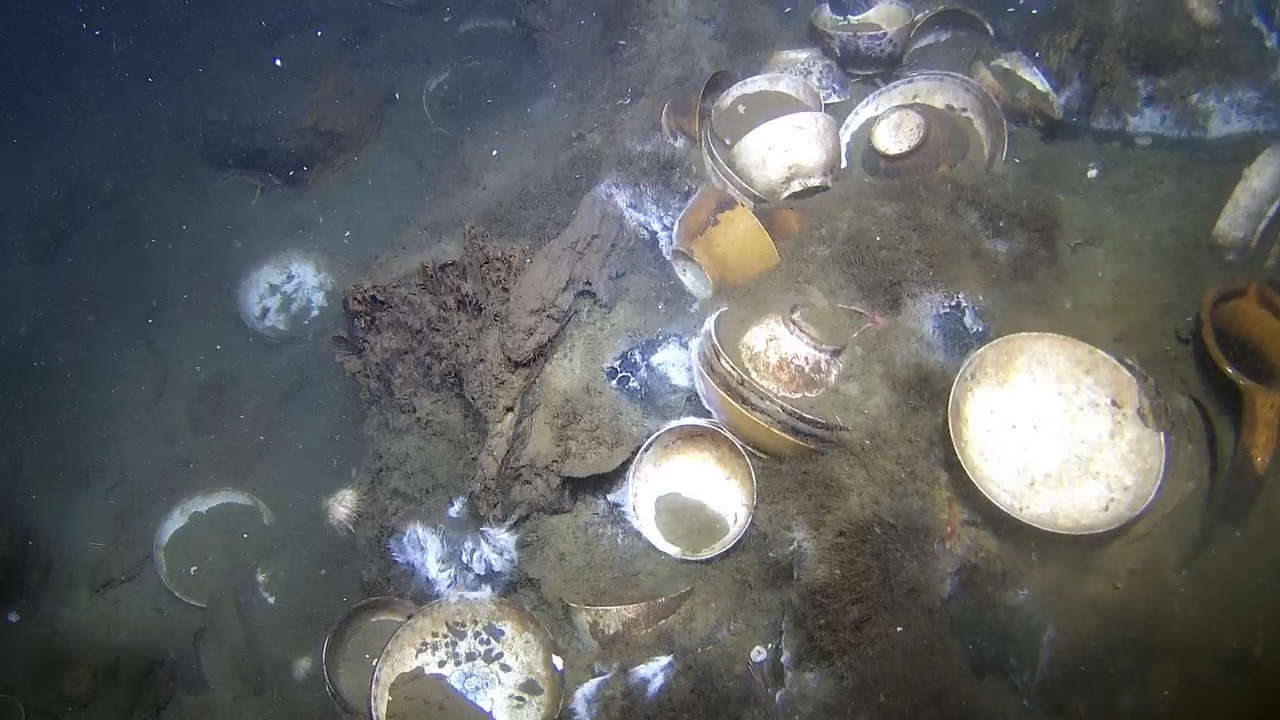
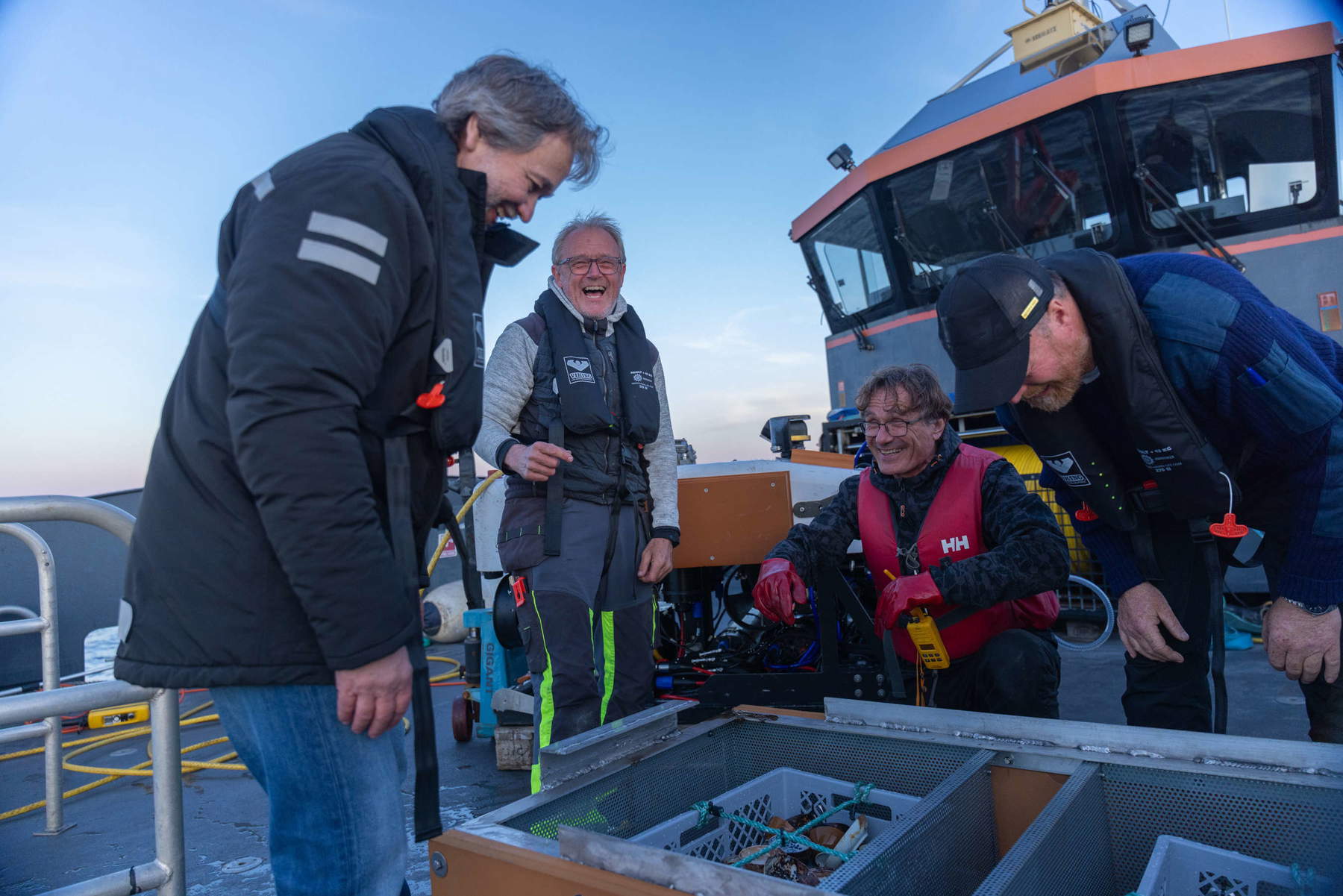
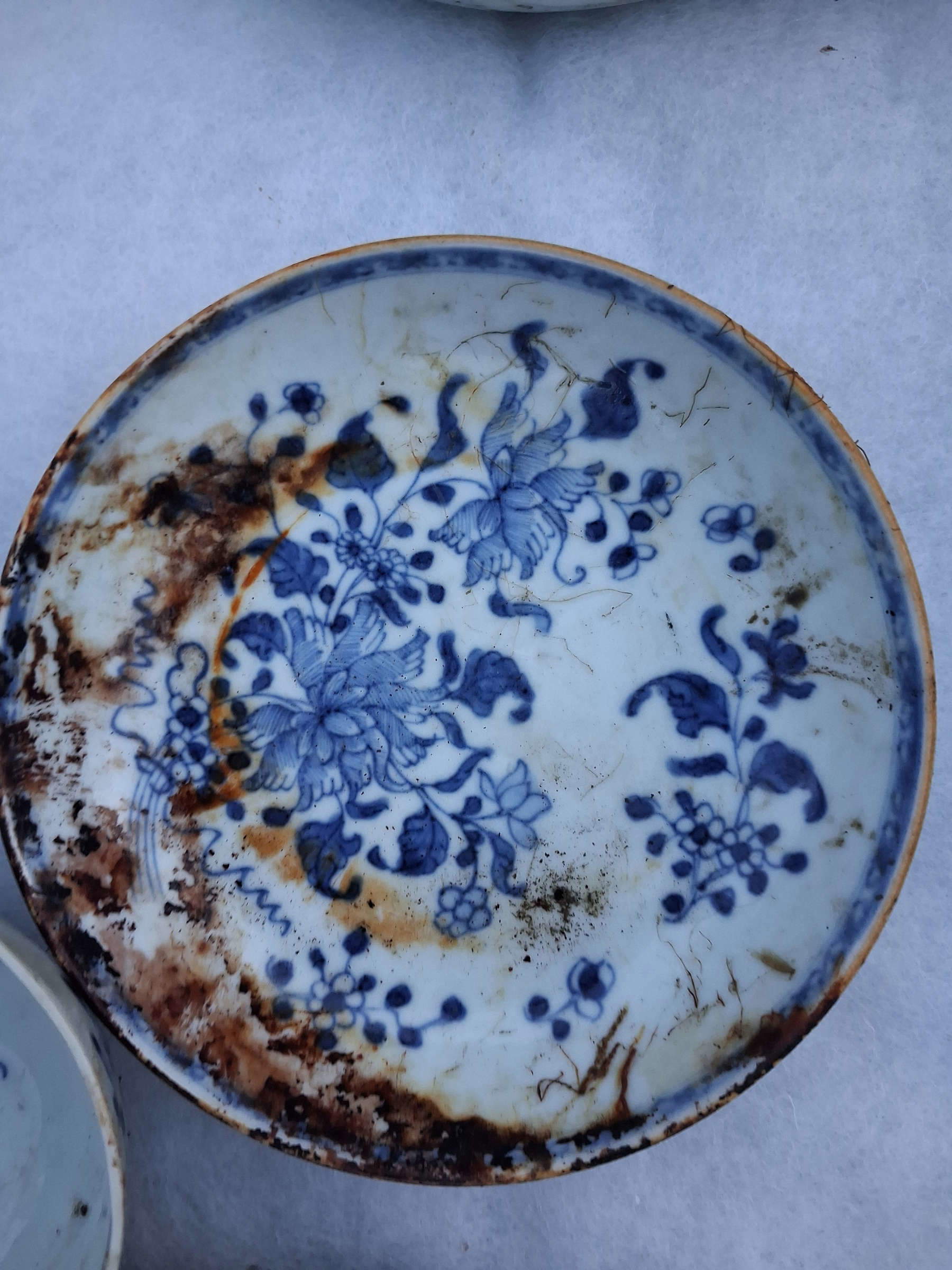
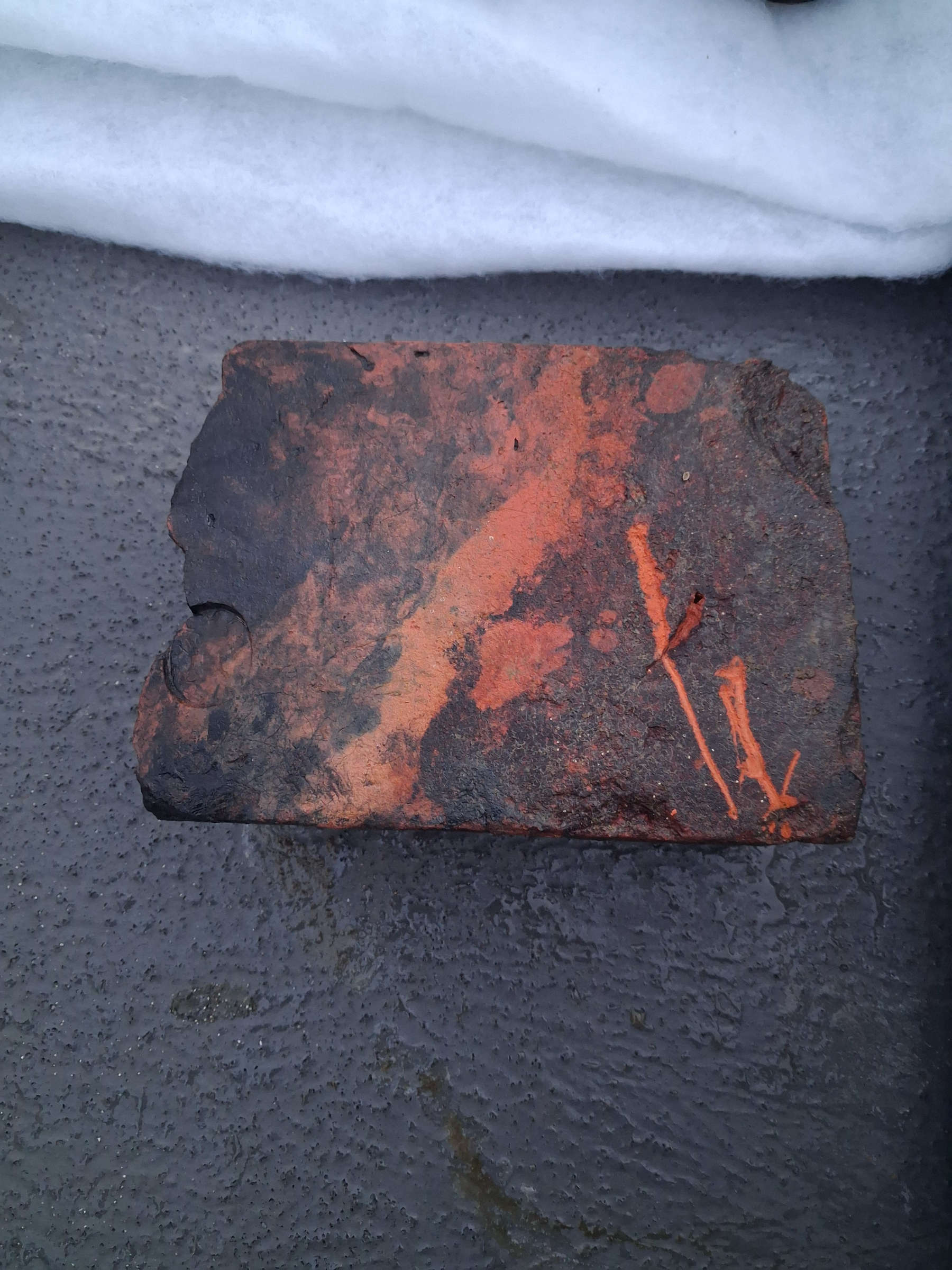
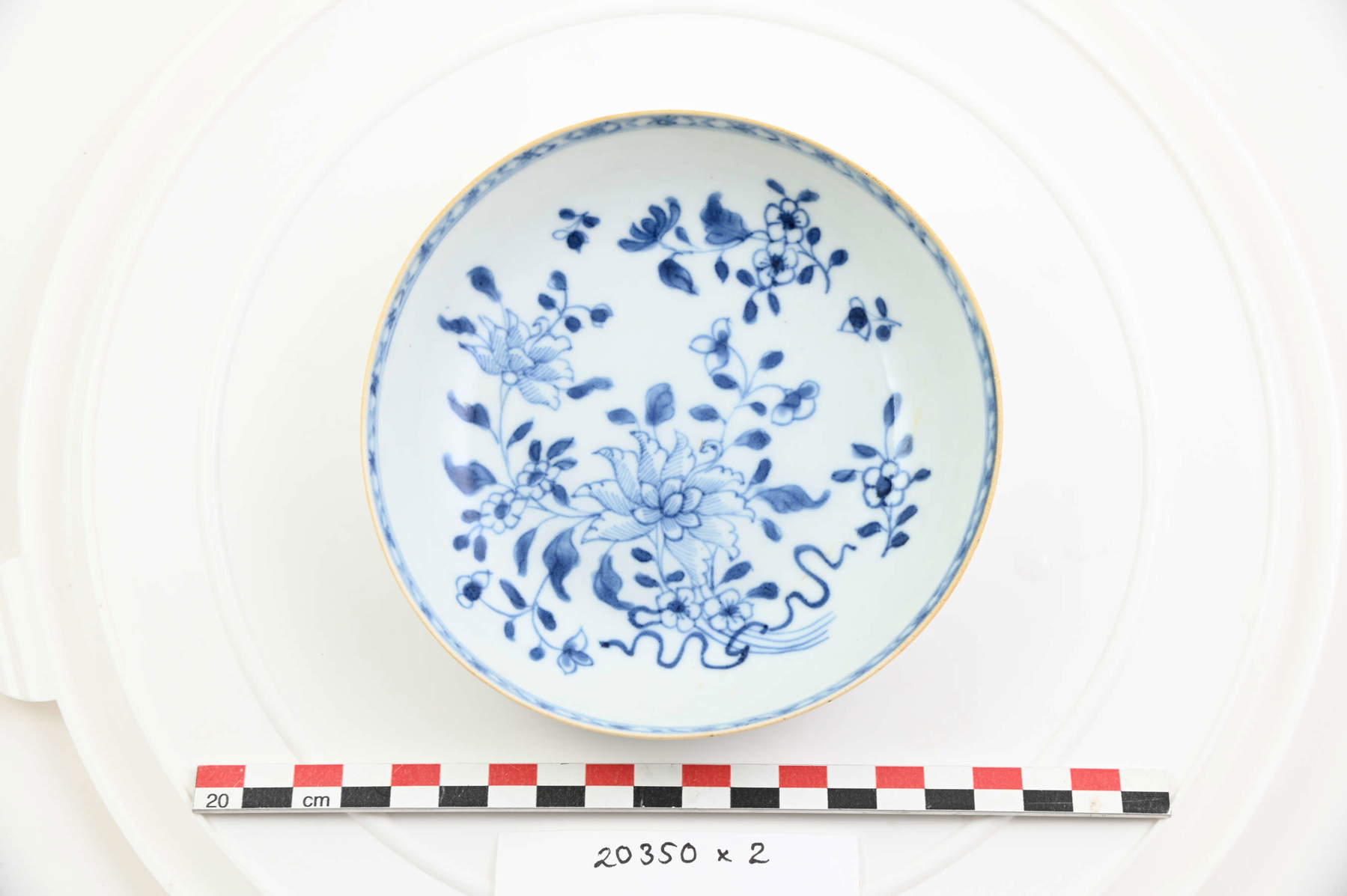
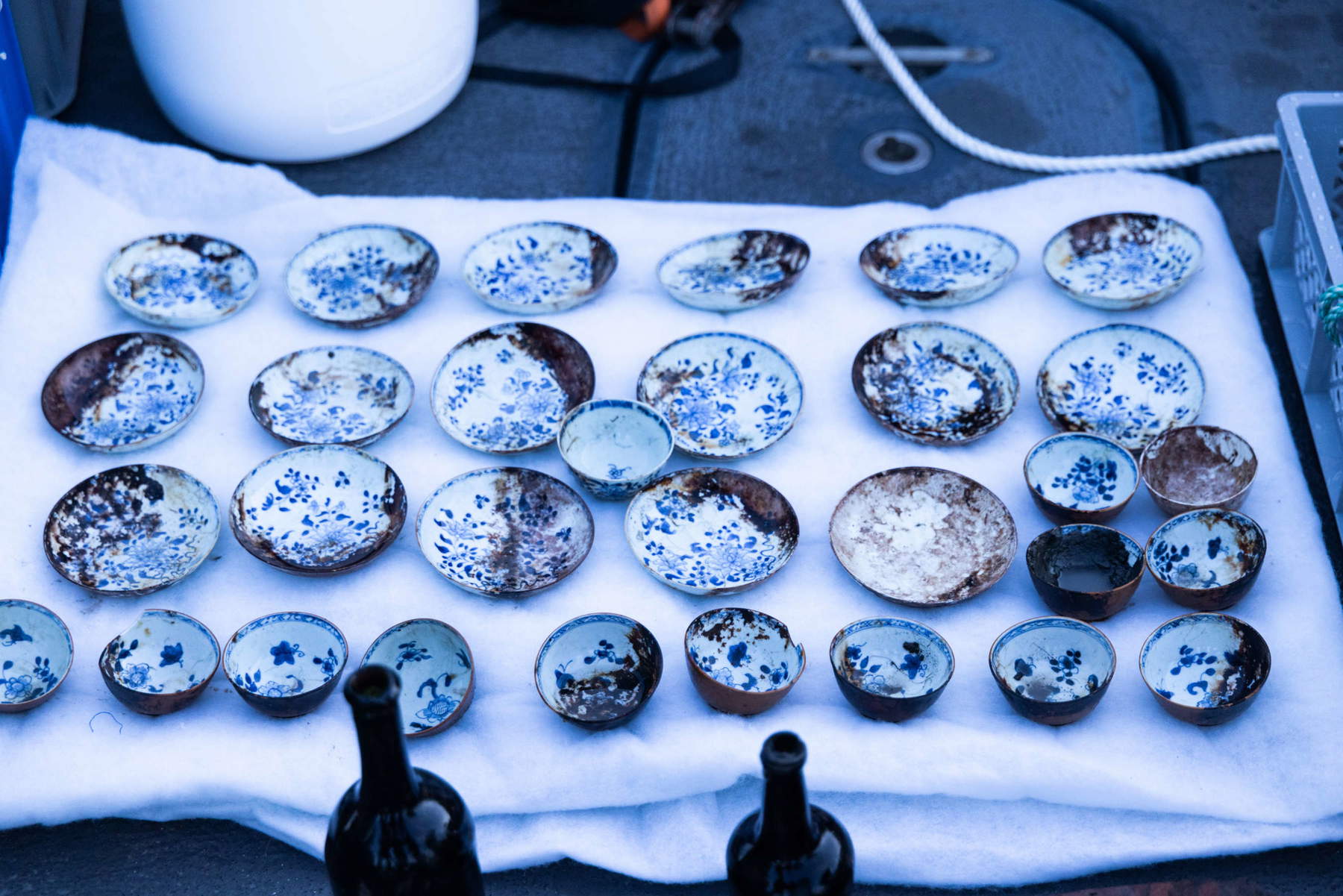
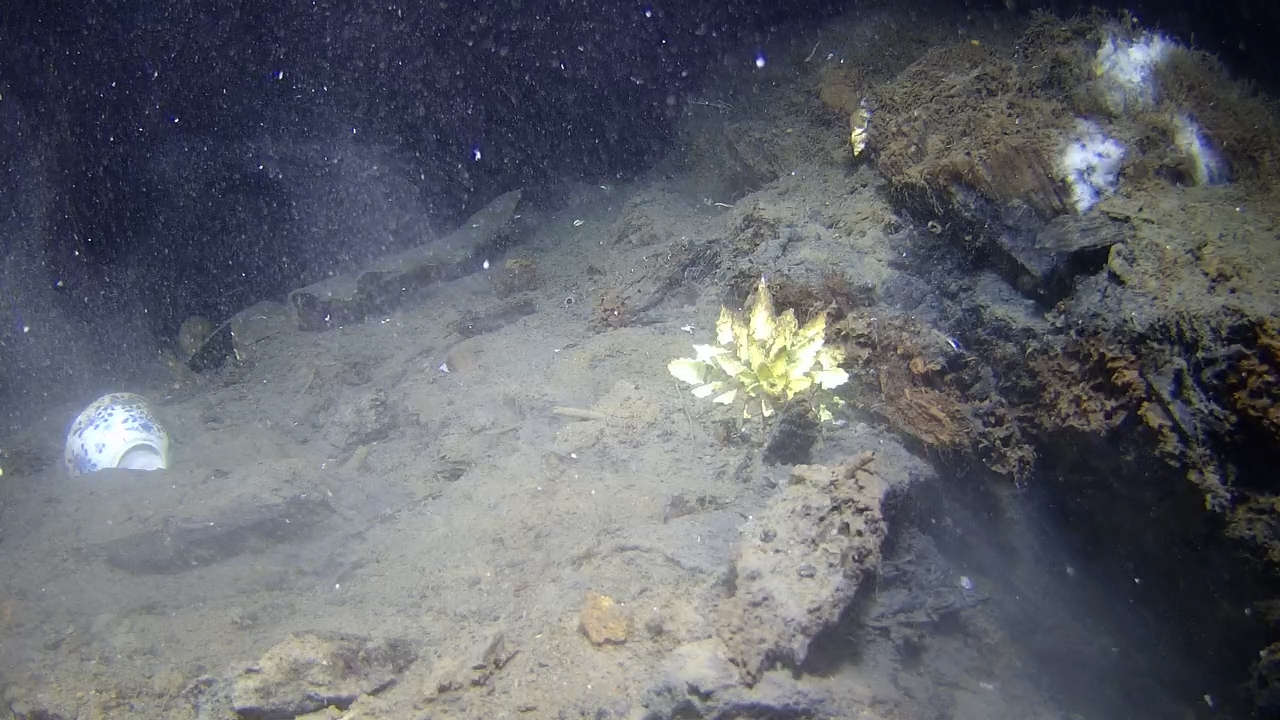
For archaeologists, the wreck is a veritable time capsule. Unlike many other submerged sites identified along the coasts of Northern Europe—which have often been damaged by currents, human activity, or looting over the centuries—this wreck lies in deep, relatively isolated waters. It is precisely this condition that has led to the exceptional preservation of the artifacts. Nina Refseth, director of the Norwegian Museum of Cultural History Foundation, described the discovery as “the beginning of a new era for Norwegian archaeology.” The opportunity to study a site so well-preserved and located in the open sea offers research opportunities rarely available to scholars. According to Refseth, the wreck provides access to an almost intact snapshot of a specific historical moment, allowing researchers to observe 18th-century goods, technologies, and commercial practices in their original context. The operation also highlights the technological advances made in underwater archaeology in recent years. Exploring sites located hundreds of meters below the surface requires the use of sophisticated remotely operated vehicles, advanced surveying systems, and extremely complex recovery procedures. These technologies now make it possible to reach and study environments that were virtually inaccessible just a few years ago.
Once the documentation and conservation work is complete, the precious cargo will be put on public display. The project calls for the artifacts to be housed at the Norwegian Maritime Museum in Oslo, where they can be studied and admired by the public. An initial selection of objects will be presented as early as June, offering visitors a preview of one of the most extraordinary archaeological discoveries in the region in recent years.
|
| "Porcelain Wreck" Discovered in Norway: 18th-Century Treasure Found at a Depth of 600 Meters |

Warning: the translation into English of the original Italian article was created using automatic tools. We undertake to review all articles, but we do not guarantee the total absence of inaccuracies in the translation due to the program. You can find the original by clicking on the ITA button. If you find any mistake,please contact us.






























 IT
IT FR
FR DE
DE ES
ES CN
CN


