





On the occasion of the 61st International Art Exhibition of the Venice Biennale, the National Gallery of Canada, as the official commissioner of the Canada Pavilion, involved the Botanical Garden of Padua in the realization of the exhibition project dedicated to the Canadian participation, on the recommendation of the Royal Botanic Gardens in Kew, London. The Botanical Garden of Padua was identified as the most suitable context to germinate the seeds of Victoria cruziana, a particular variety of water lily chosen by Iranian artist Abbas Akhavan for the site-specific installation Entre chien et loup, set up within the Canadian Pavilion at the Giardini della Biennale.
The initiative thus stems from a prestigious international collaboration promoted by the National Gallery of Canada and supported by the Royal Botanic Gardens in Kew, which recognized the University of Padua Botanic Garden as the ideal place to initiate plant growth. Guided by curator Kim Nguyen, Abbas Akhavan chose this plant species as the central element of his work.
The exhibition project aims to transform the architecture of the Pavilion into a kind of “Ward’s crate,” an ancestor of the modern terrarium employed in the 19th century to transport plants across the territories of the British Empire. Akhavan imagined a meditative space capable of stimulating reflection on the relationship between human beings, nature and built environments. At the center of the installation is a large tank illuminated by grow lights, placed in a room whose walls have been replaced by glass panels so that the plants are visible even from the outside. This choice is reminiscent of the Crystal Palace built in London for the Great Exhibition of 1851, an occasion when numerous specimens of the Victoria genus were presented.
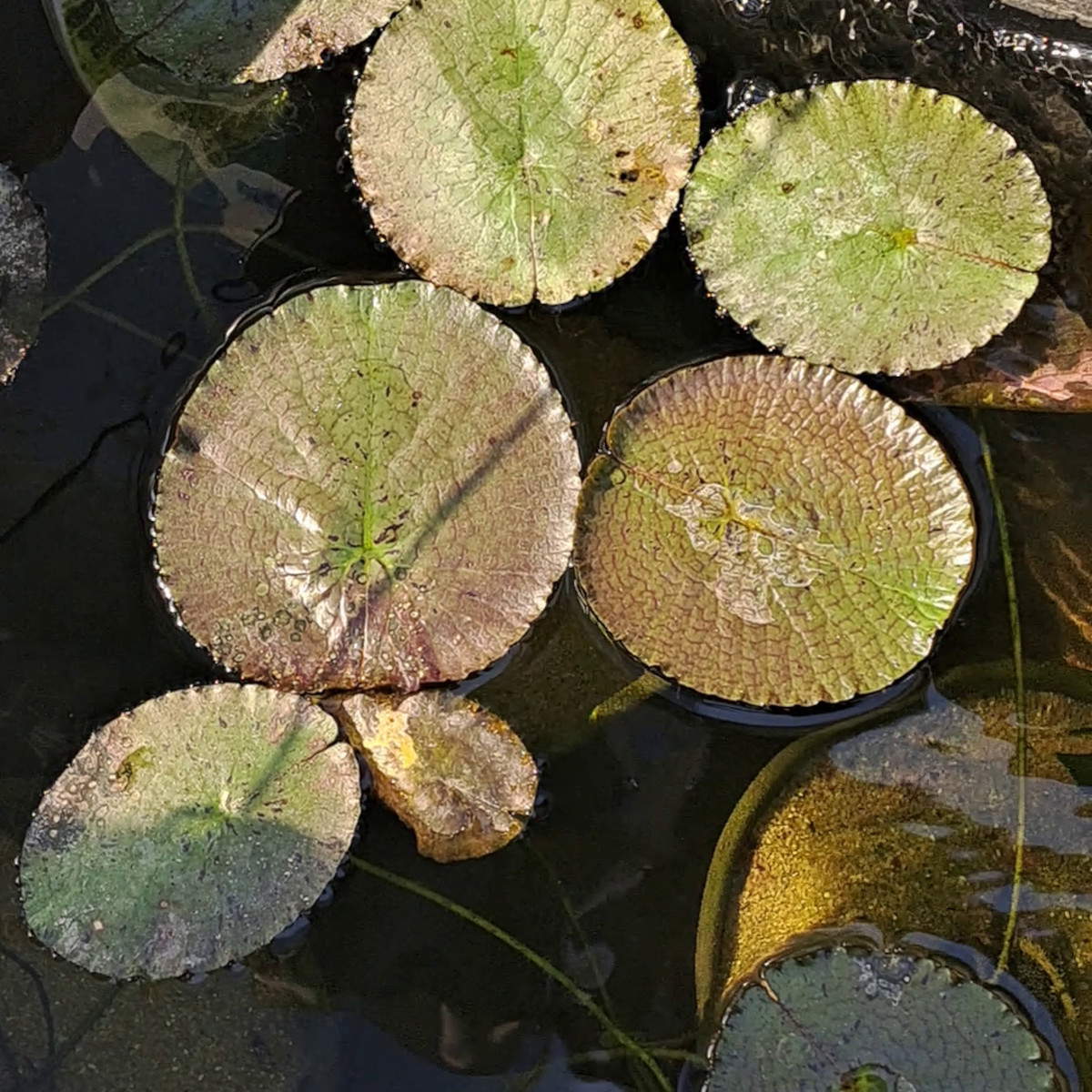
Victoria cruziana is a water lily native to South America, known for its impressive floating leaves that can reach up to two meters in diameter. The Victoria genus was first cultivated at the Royal Botanic Gardens in Kew during the reign of Queen Victoria, to whom the plant was named. The epithet cruziana, on the other hand, pays tribute to Andrés de Santa Cruz, president of Peru and Bolivia, promoter of the expedition to Bolivia that led to the collection of the first specimens of the species, which also spread to Argentina and Paraguay.
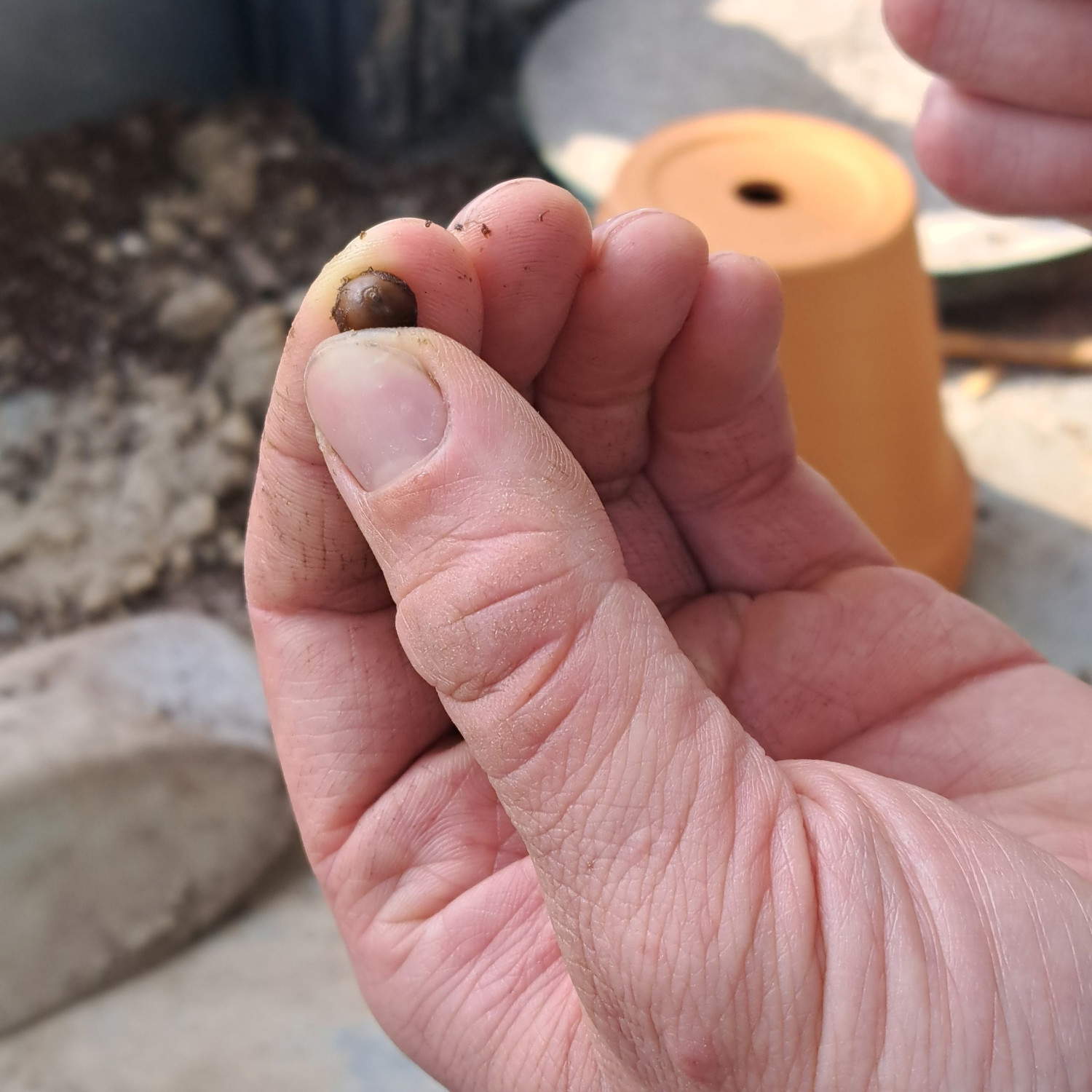
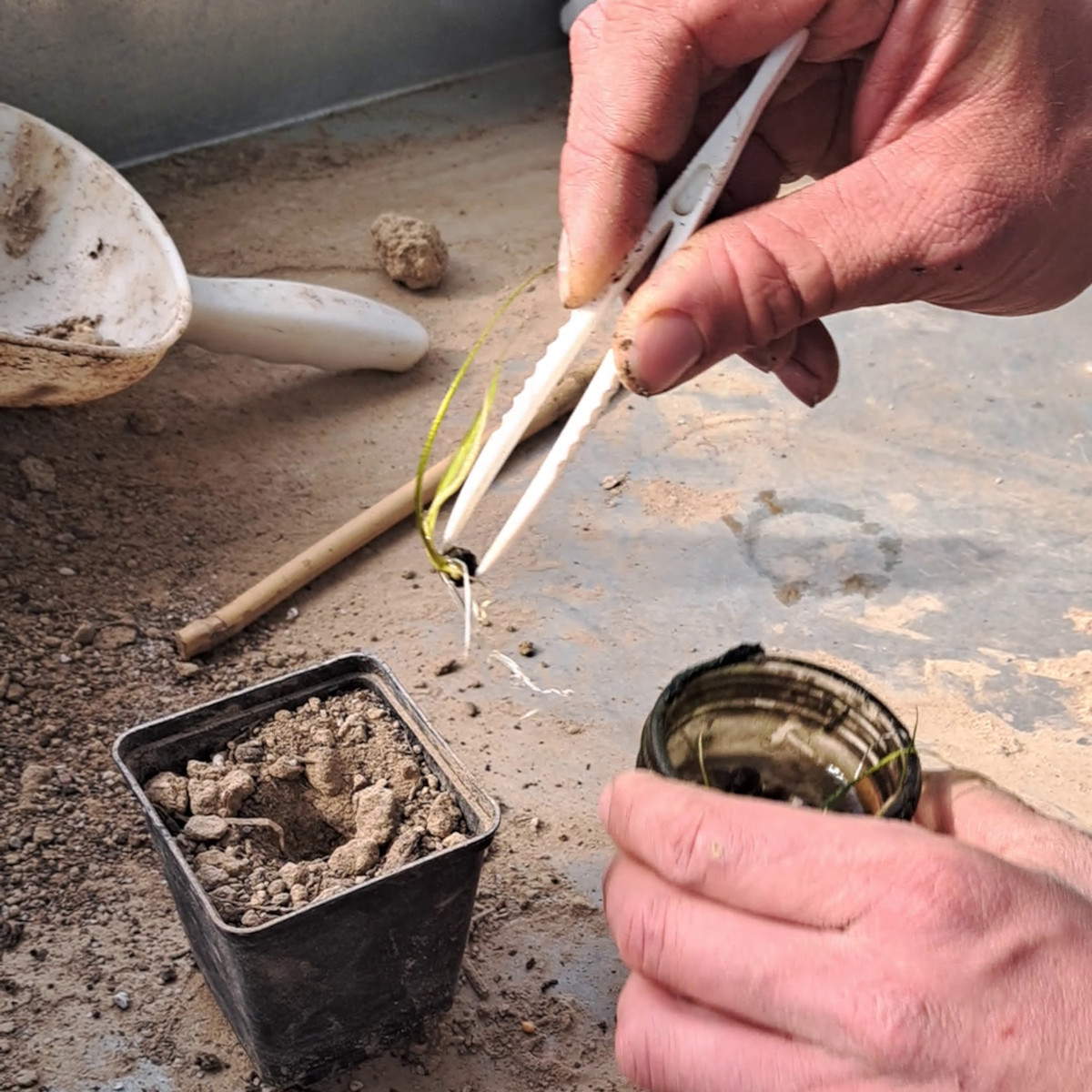
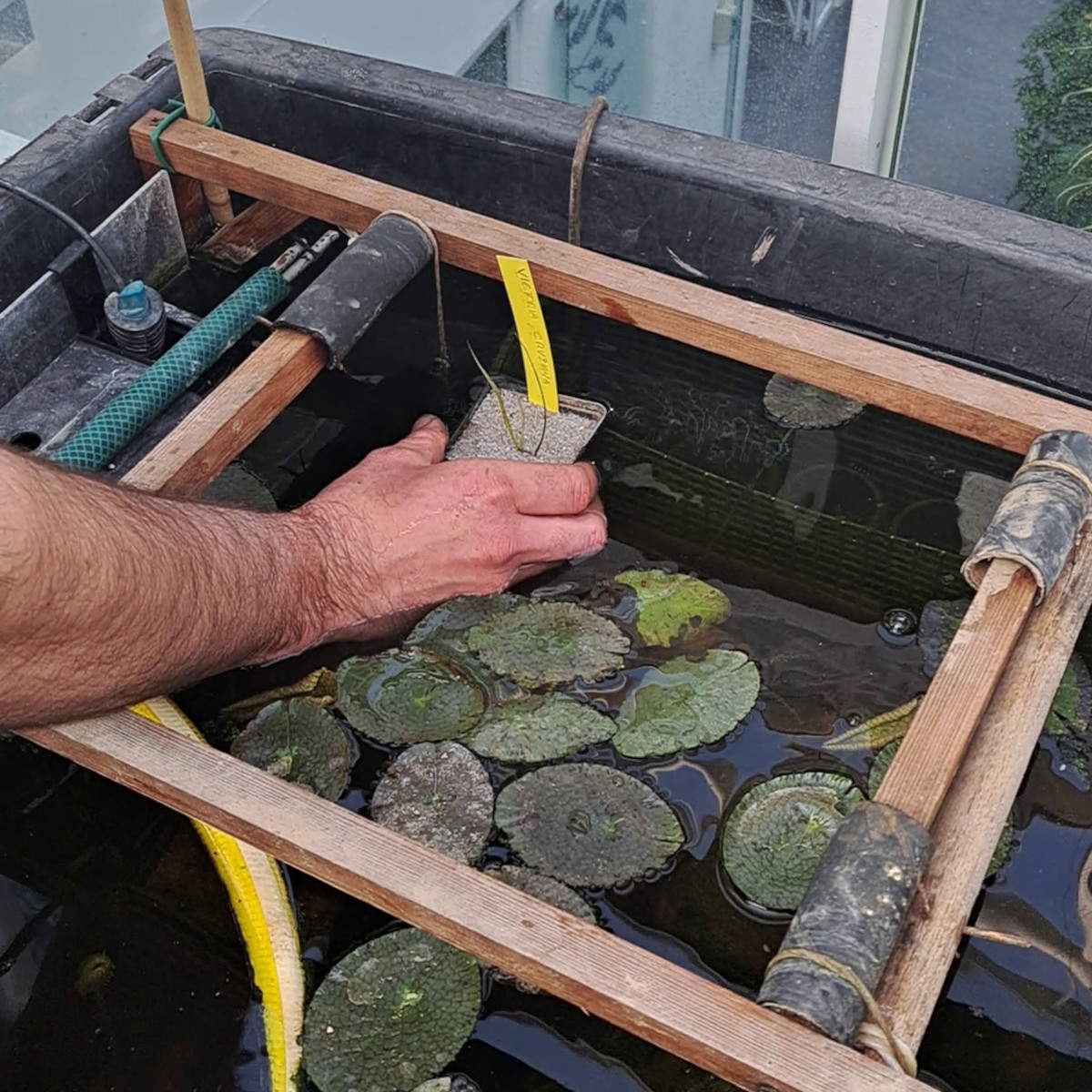
Gardeners at the Botanical Garden of Padua carefully followed all the early stages of the plant’s growth. After germination in water, the seeds were transferred to small pots containing a nutrient-rich, non-floating clay substrate, which were in turn immersed in pools of water. In a warm, moist environment, floating lanceolate leaves began to develop from the shoots, which, within a few weeks, took on the typical circular shape. Victoria cruziana leaves possess a smooth, waxy surface that promotes water runoff, while the underside has dense ribs and sharp spines that are useful in protecting the plant from herbivorous fish and manatees. The flowers, initially white, take on light pink hues after pollination, carried out mainly by beetles belonging to the Dynastini family, attracted by the heat and scent emanating from the plant.
When the specimens reached a suitable size for transfer, the Victoria cruziana plants were transported from the Botanical Garden of Padua to the Canada Pavilion by means of special crates containing enough water to ensure their survival during the journey.
Under the supervision of the artist and the curator, gardeners subsequently transplanted the specimens into large containers placed inside the tank prepared for the exhibition space, equipped with lighting and environmental conditions designed to encourage the full expansion of the leaves. Over the months, until November, the plants will gradually reach their maximum extent, shaping a meditative environment in which the boundary between indoor and outdoor space, as well as that between nature and architecture, will become increasingly blurred.
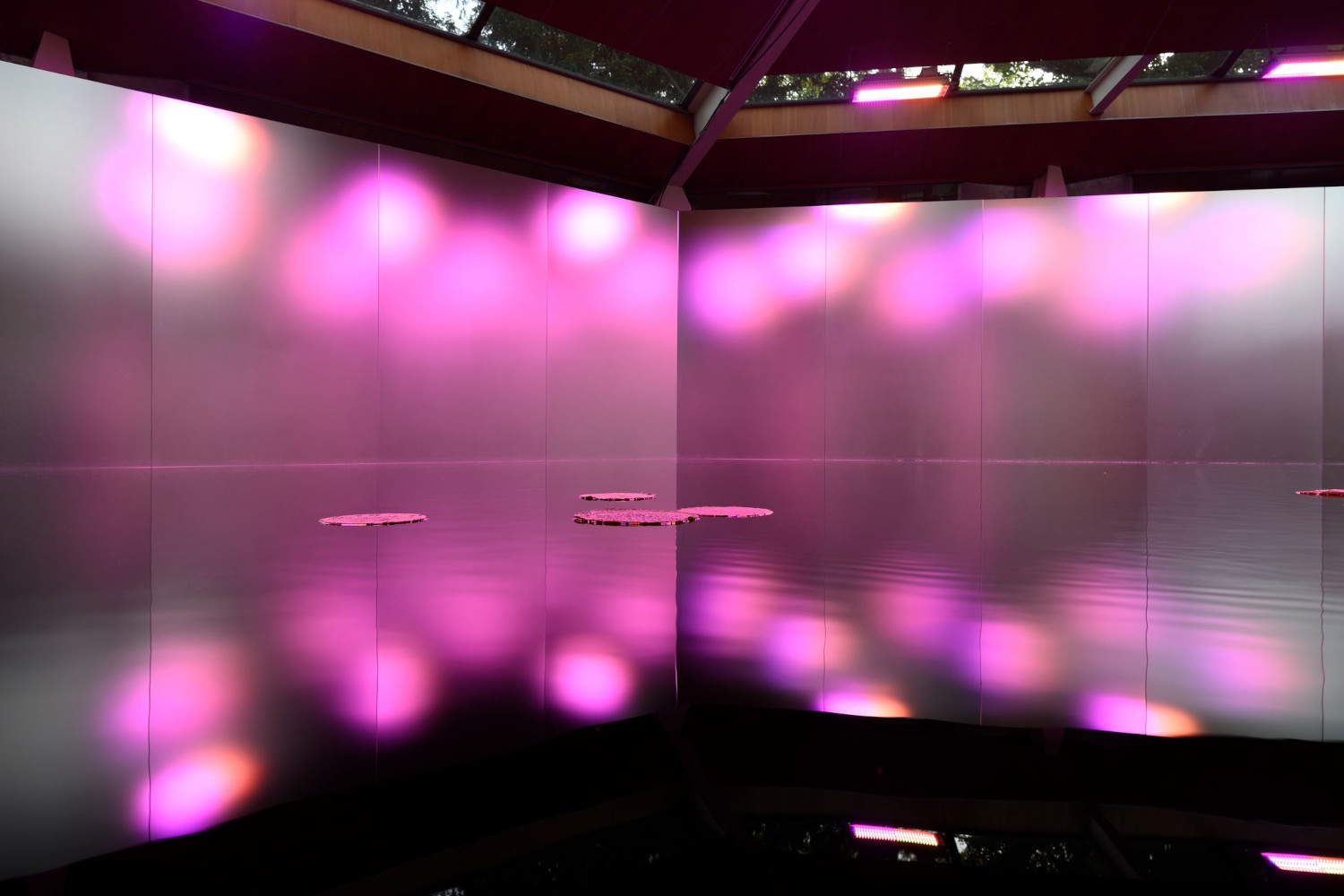
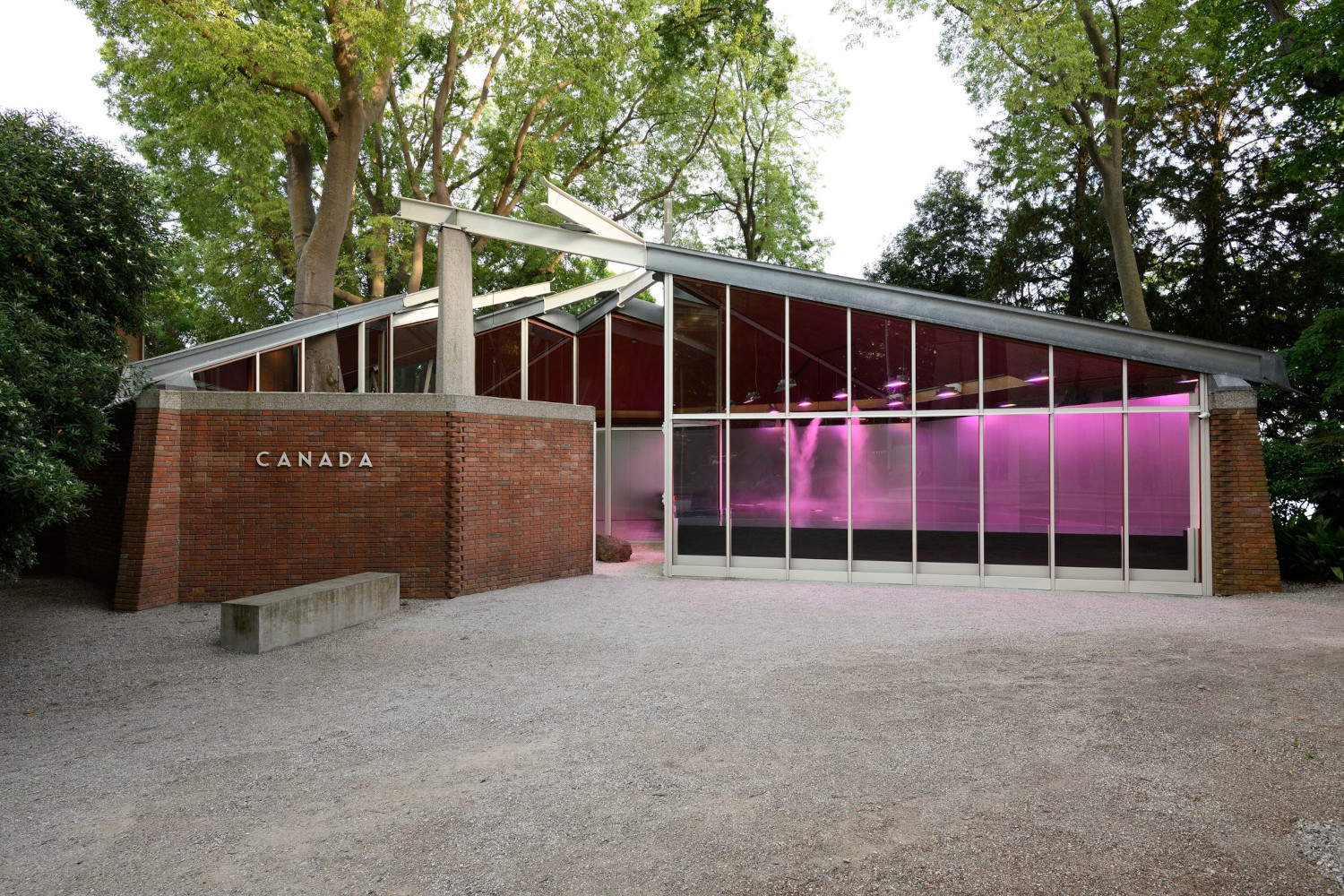
|
| A meditative space in the making at the Canada Pavilion: starring a particular variety of water lily |

Warning: the translation into English of the original Italian article was created using automatic tools. We undertake to review all articles, but we do not guarantee the total absence of inaccuracies in the translation due to the program. You can find the original by clicking on the ITA button. If you find any mistake,please contact us.























 IT
IT FR
FR DE
DE ES
ES CN
CN


