





“Restorative” bacteria from ENEA’s microbial collection are becoming part of contemporary artworks thanks to a project by artist Alessia Forconi, who has created two marble sculptures, Gea and Linfa, by integrating live microorganisms inside them. Over the years, in fact, ENEA researchers have isolated and preserved microorganisms (bacteria, fungi, algae, viruses) and microbial pools from different environmental matrices and natural ecosystems with significant application potential in the environmental field, in bioremediation applications in the restoration and protection of cultural heritage, in the field of health, agribusiness and bioenergy, providing a significant source of resources for biotechnology development.
For ENEA, researchers Patrizia Paganin, Flavia Tasso and Chiara Alisi from the Laboratory of Technologies for the Preservation of Architectural and Cultural Heritage (Sustainability Department) participated in the artist’s project. Their contribution focused on expertise in microbiology and the use of microorganisms preserved in the ENEA collection.
"The selection of the microorganisms was done with particular attention to safety: they are environmental, non-pathogenic and non-genetically modified strains isolated from sites of great archaeological and historical value, such as the Tomb of the Mercareccia in Tarquinia (Viterbo) and the Chapel of the Palace of the Popes in Avignon, but also from contaminated areas of national interest such as Bagnoli (Naples) and Ingurtosu (Cagliari)," explains ENEA researcher Patrizia Paganin. "Many of these microorganisms have already ’dialogued’ with art history: they are the same ones that contributed to the biorestoration of Michelangelo’s funerary monuments in the New Sacristy of the Medici Chapels in Florence and the biocleaning of Jacopo Sansovino’s Madonna del Parto in Rome, among the most recent interventions conducted by ENEA."
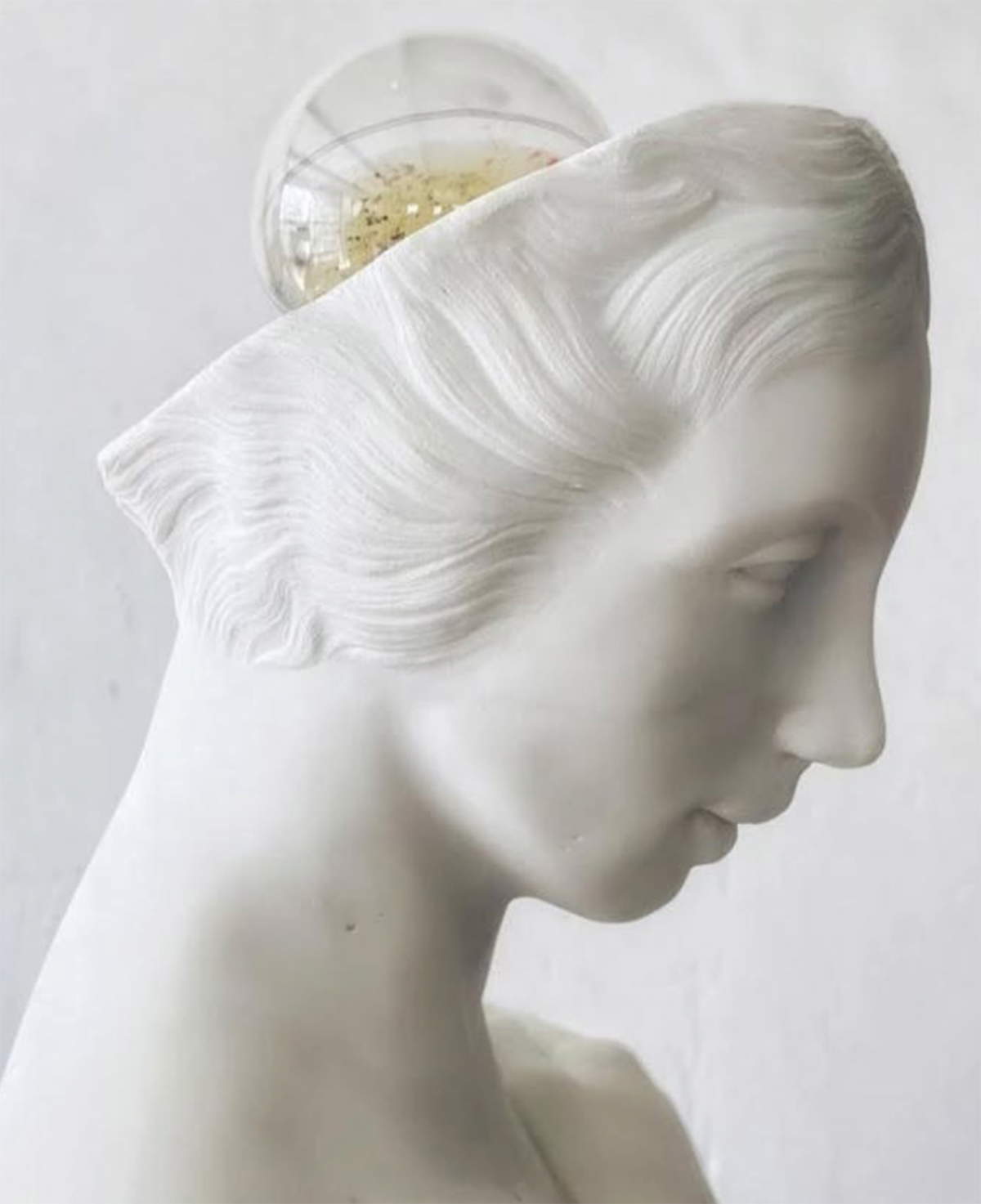
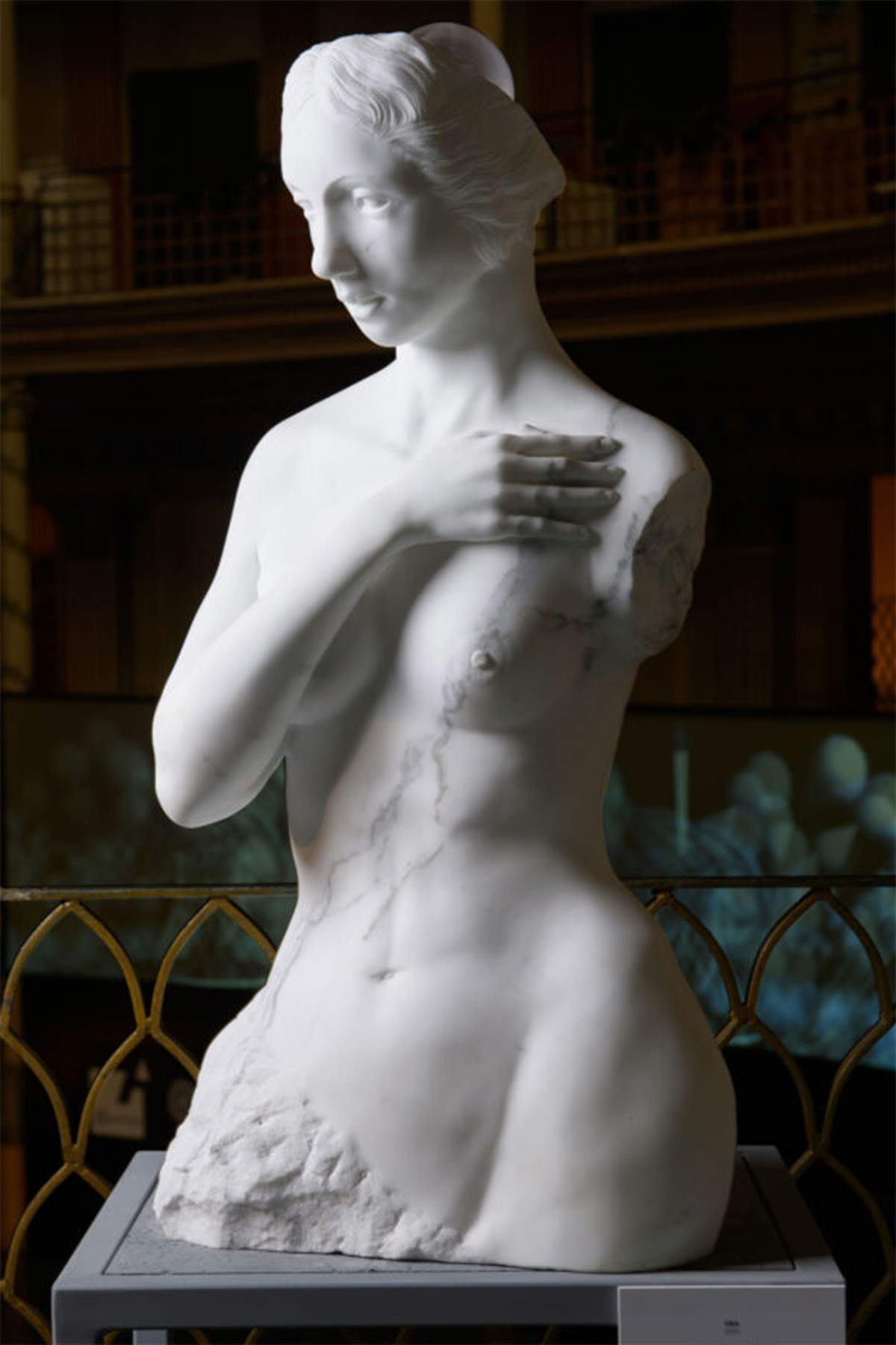
In Gea, the sculpture representing the Earth, the microorganisms do not come into direct contact with either the marble or the external environment, but are enclosed within a sphere placed on the head of the statue that contains the culture medium. “Inside it, the bacteria grew, mutated and transformed, giving rise to different colors, shapes and textures that evolved over time, making the work alive and constantly changing: a true dialogue between matter, energy and microscopic life,” says artist Alessia Forconi. The sculpture is currently on display without the bacteria at the Palace of Portici until April 12, 2026, as part of the exhibition NOISMS. For a future without isms, but the microorganisms will soon be reinstated. Curated by Michele Citro, the exhibition offers a path through past and present, from Futurism to contemporary artistic expressions, and includes more than fifty masterpieces, including works by Umberto Boccioni, Leoncillo Leonardi, Mario Schifano, Tano Festa, and Vettor Pisani.
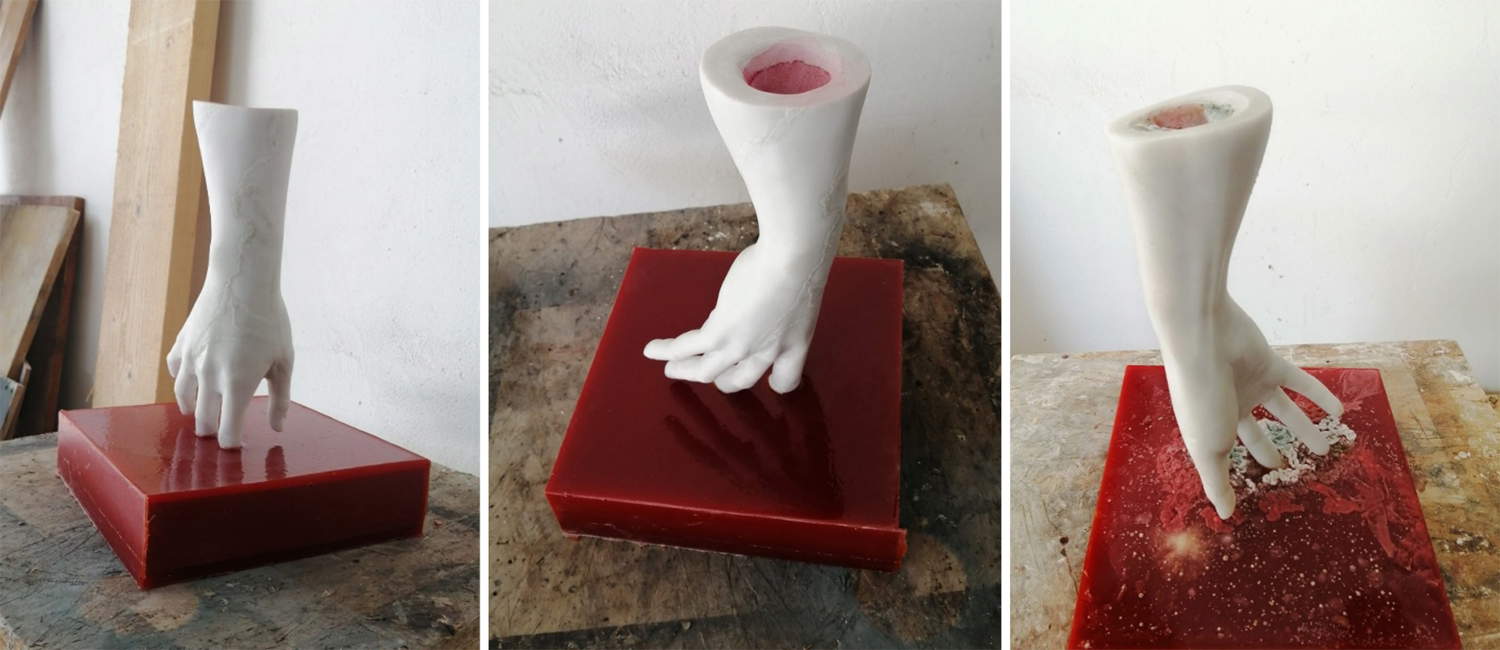
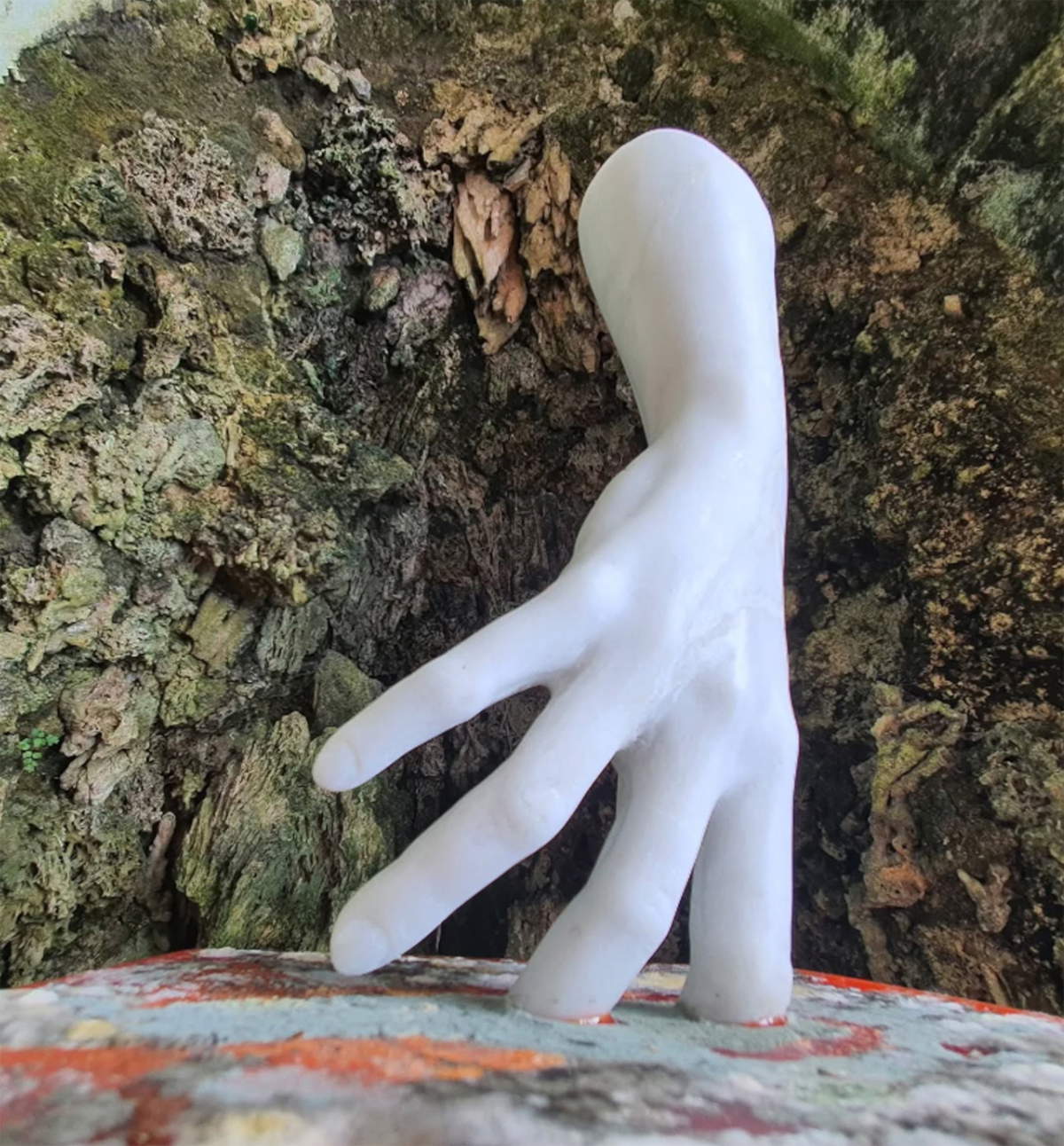
"In Linfa, the artist wanted to use our microorganisms to create chromatic patinas on marble, a fascinating and even amusing challenge, because we usually employ them for the opposite process: bio-cleaning, that is, the removal of those same patinas from stone surfaces," adds the ENEA researcher.
"Compared to Gea, Linfa is a more experimental work, because it was exhibited in the gardens of the historic Palazzo Mezzacapo in Maiori, in an environment already heavily colonized by microorganisms, in which the marble, treated with the culture medium for bacteria and fungi provided by ENEA, remained in direct contact with the natural environment," she concludes.
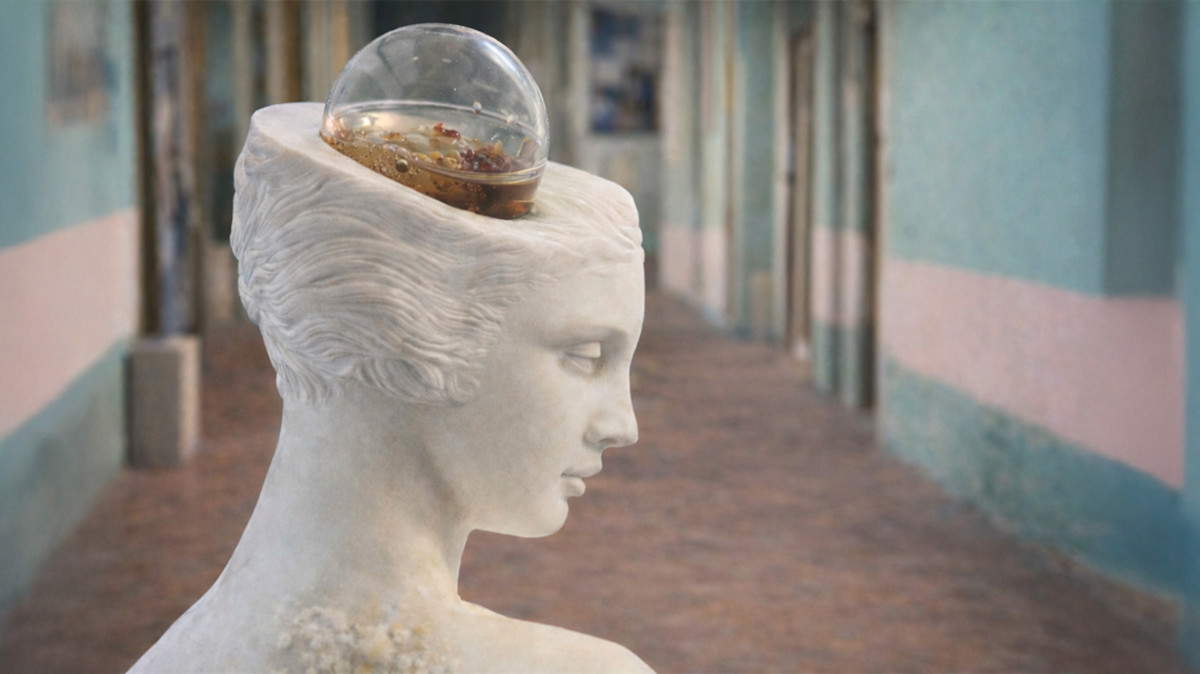 |
| Restorative bacteria from ENEA's microbial collection join contemporary art sculptures |

Warning: the translation into English of the original Italian article was created using automatic tools. We undertake to review all articles, but we do not guarantee the total absence of inaccuracies in the translation due to the program. You can find the original by clicking on the ITA button. If you find any mistake,please contact us.













 IT
IT FR
FR DE
DE ES
ES CN
CN


