





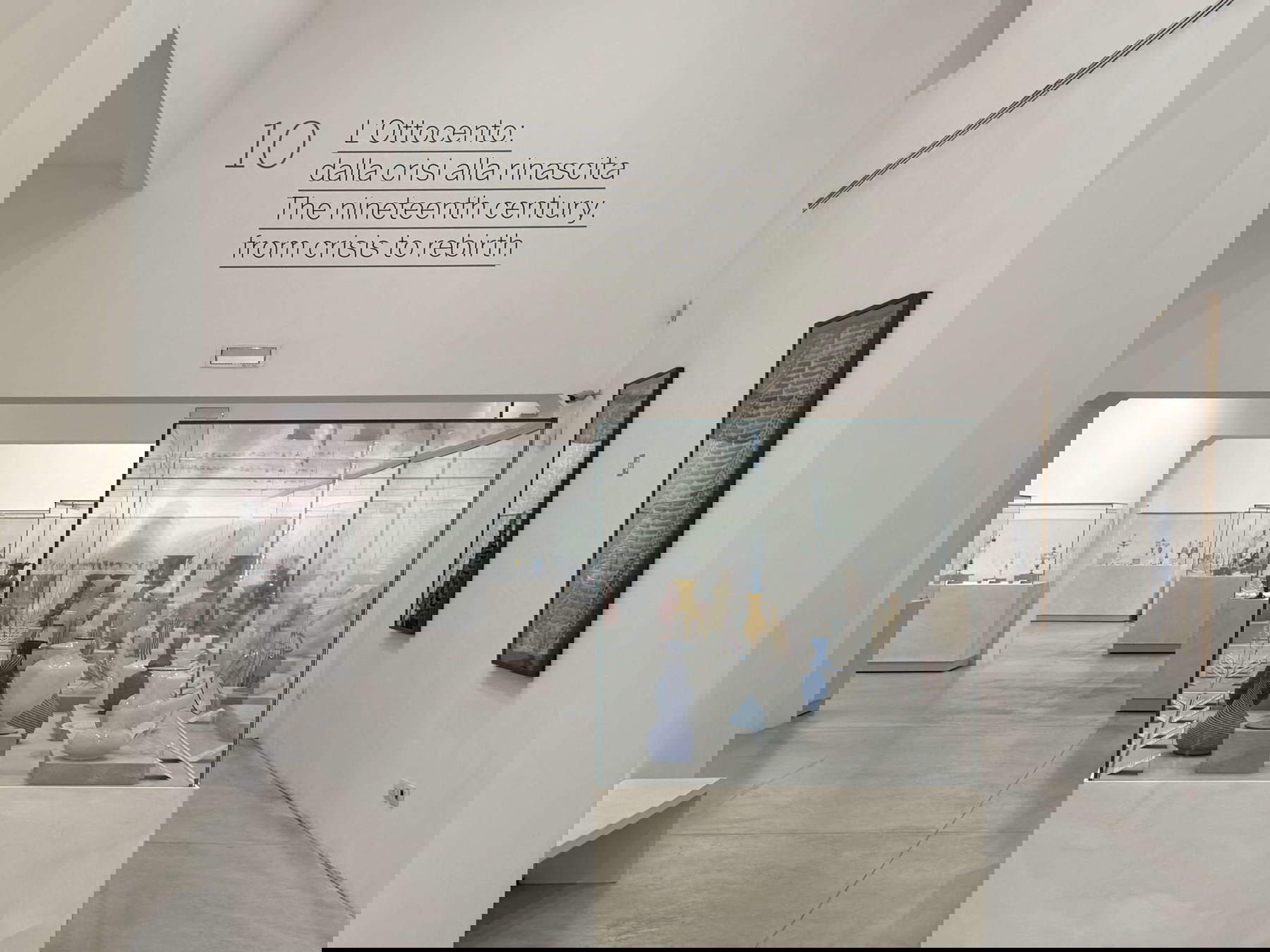
As of Dec. 12, 2025, the Murano Glass Museum will open to the public a new permanent section entirely dedicated to 19th-century glassmaking. The inauguration, part of the larger program of protection, enhancement and reorganization of museum spaces carried out by the Fondazione Musei Civici di Venezia, represents a central step in the renewal of the exhibition itinerary of the former Conterie. The goal is to return to the public a decisive chapter in the history of Murano glass, told through several hundred objects, many of them never exhibited before and until now kept in storage. The new section, curated by Museum Director Chiara Squarcina, with the collaboration of Mauro Stocco, is part of an overall project that will be completed over the next year and aims to enhance the extraordinary extent and richness of the historical collections.
This opening takes on special significance because it focuses attention on a complex and crucial century: the19th century. A period in which Murano glass art went through a profound crisis before experiencing a renaissance that would bring the island back to the center of the international art scene. The new section of the Glass Museum offers a broad and detailed reading of these events, reconstructing the social, economic and cultural transformations that affected glass production and the choices of the masters and entrepreneurs of the time.
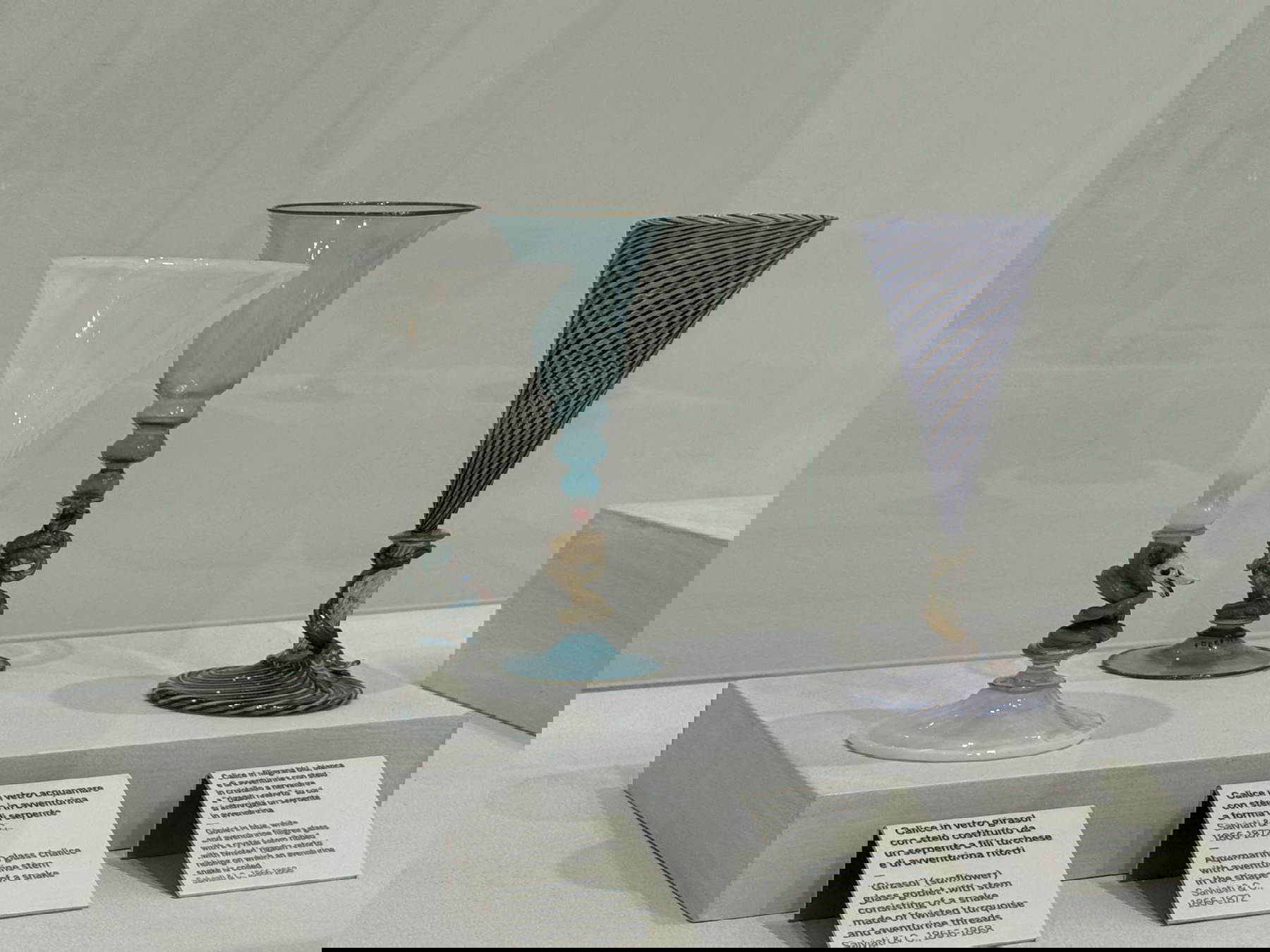
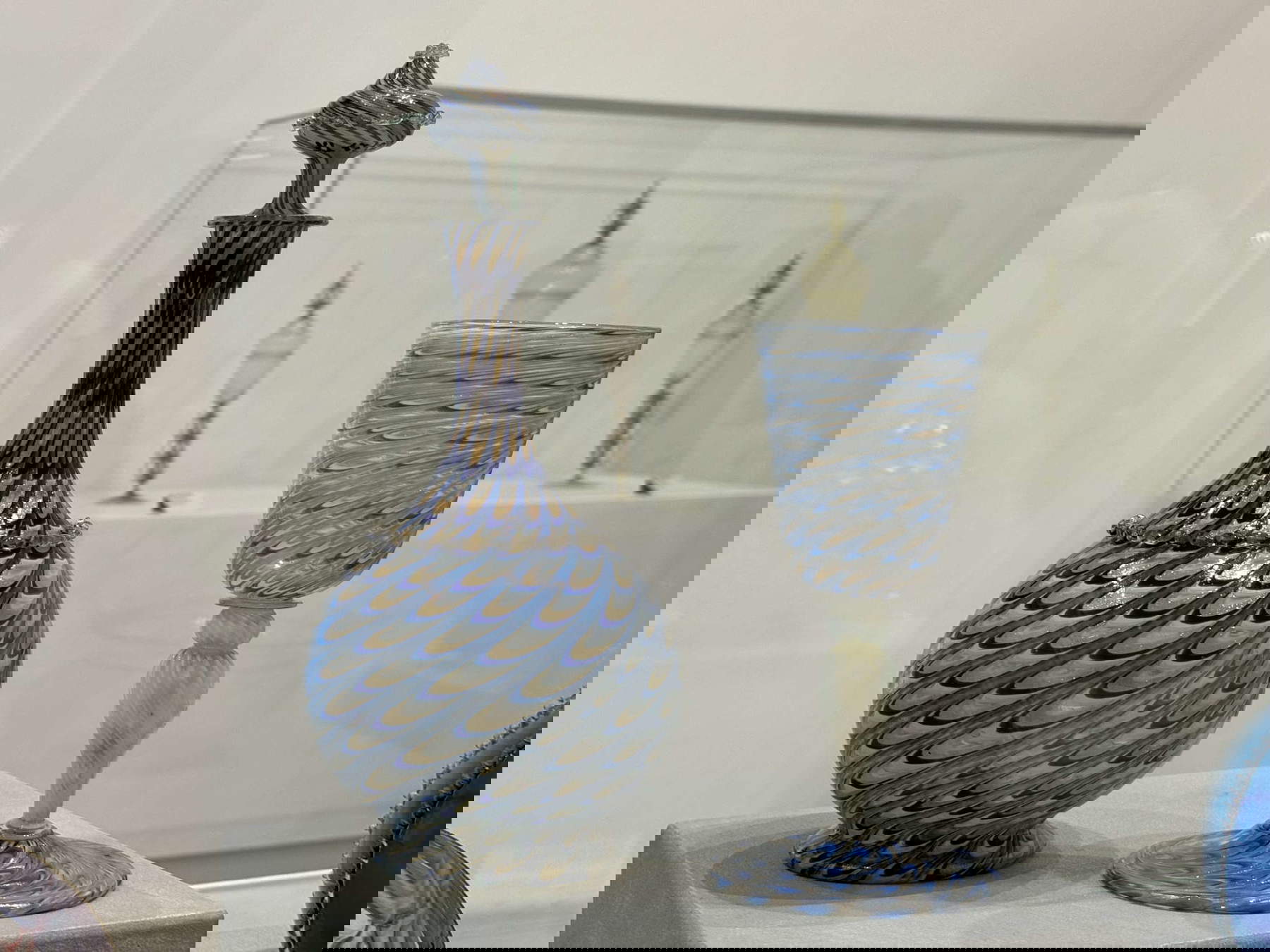
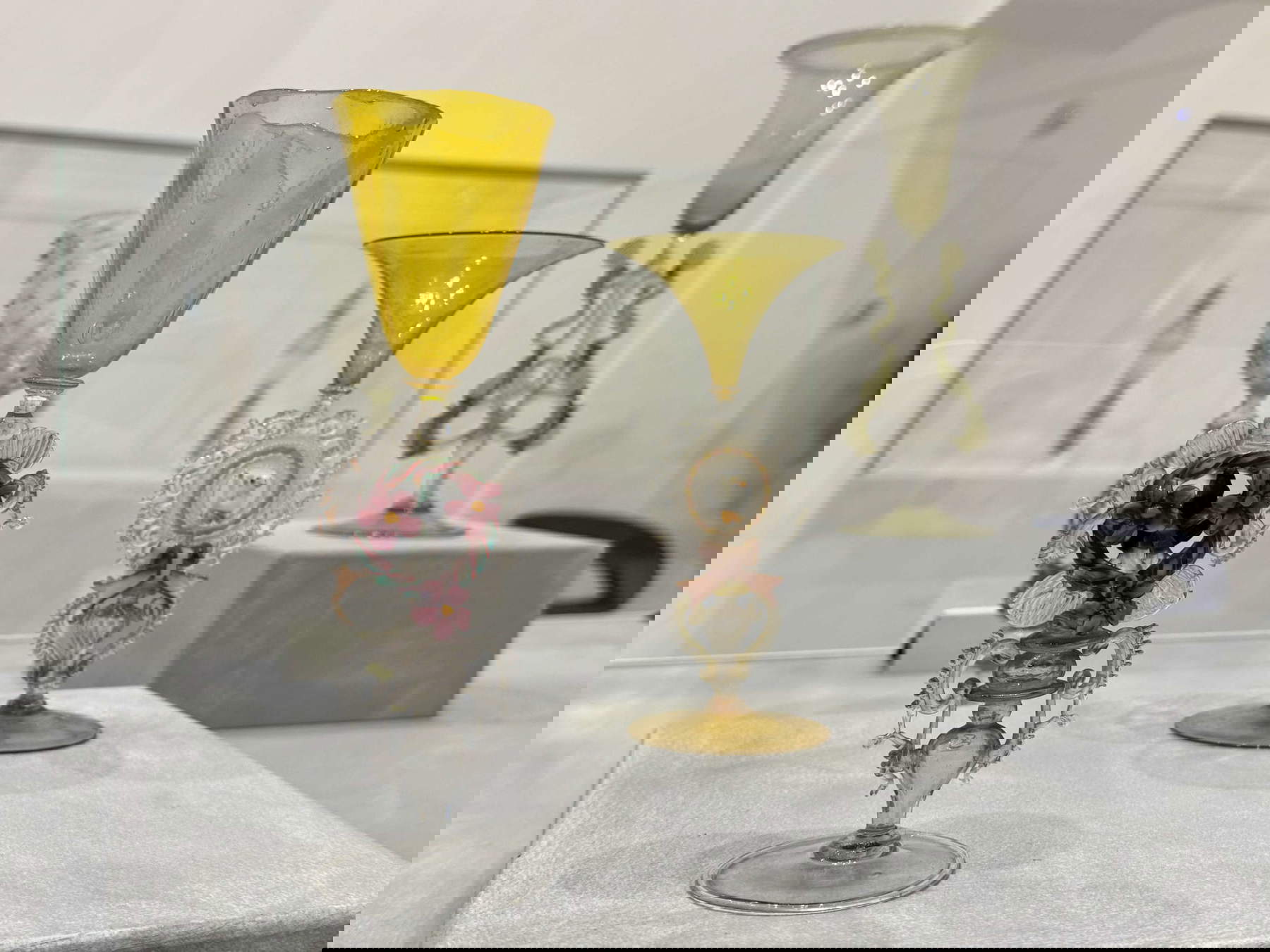
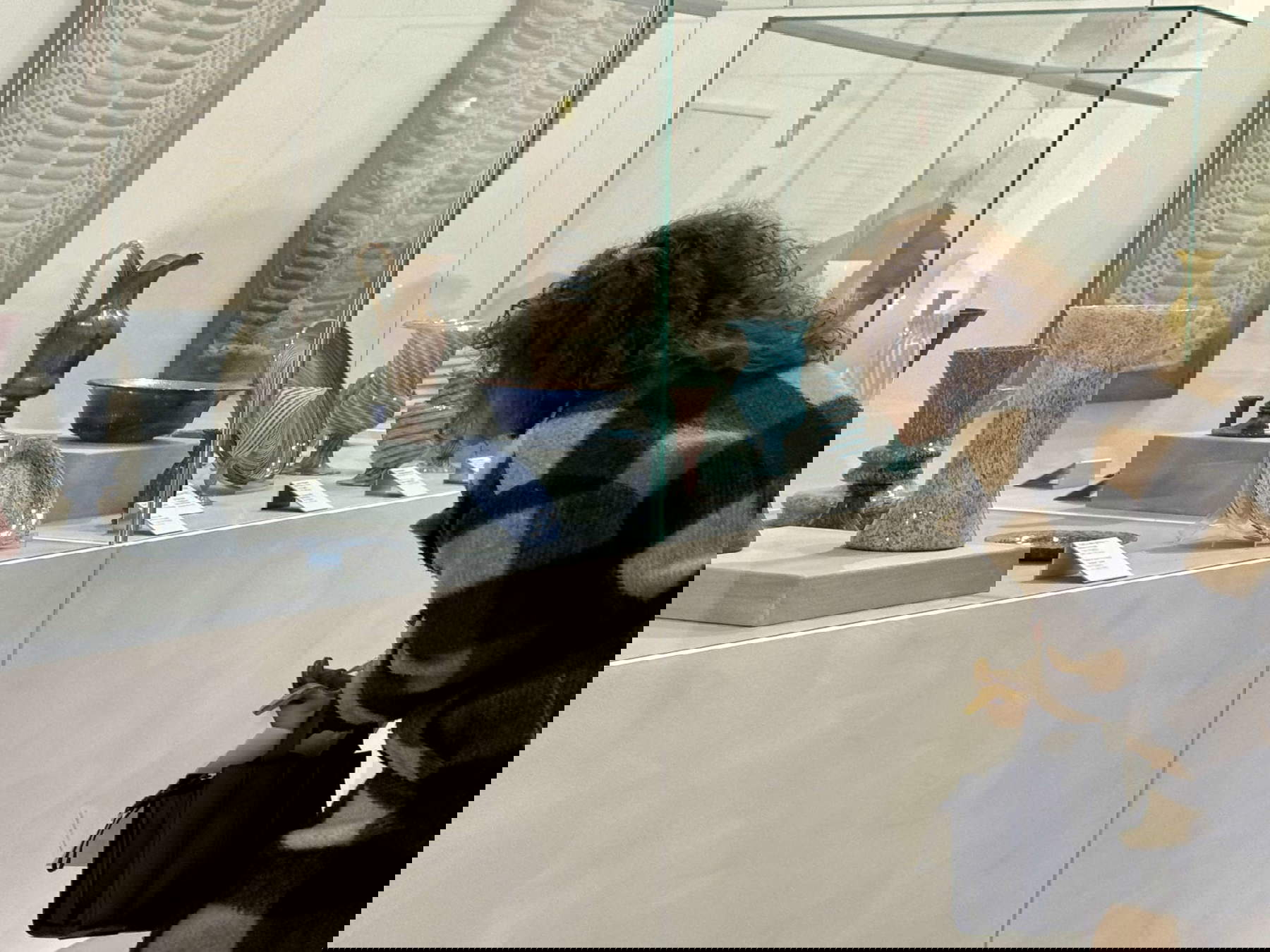
After the fall of the Venetian Republic in 1797, the entire lagoon economy was overwhelmed by a crisis that mainly affected industrial and commercial activities. The glass sector, historically one of the most vital on the island of Murano, was hit hard. For much of the first half of the nineteenth century, the production of art glass came almost completely to a standstill, aided by the European market’s growing preference for styles from other areas, particularly Bohemia and England, which offered patterns and techniques that were in high demand among the patrons of the time. Murano, which for centuries had been a center of absolute excellence, saw its furnaces gradually lose relevance, while technical knowledge was in danger of dispersing.
The first signs of a possible recovery began to appear around the middle of the century, when some masters and entrepreneurs understood the need to recover ancient skills and rare materials, rediscovering historical techniques that had contributed to the glory of Venetian glass in previous centuries. Among these played a key role was Renaissance filigree, which returned to practice thanks to the efforts of figures such as Domenico Bussolin, active as early as 1838, and Pietro Bigaglia, who in later years carried on important experimentation on granite glass. The museum’s new section displays a significant selection of his works, many of which Bigaglia himself donated to the Glass Museum in 1861, the year the museum and archives were founded. The inclusion of these testimonies allows visitors to understand how the recovery of historical techniques was at the center of the Murano renaissance, and how the preservation of the artistic heritage passed through an ongoing dialogue with tradition.
At the same time, Lorenzo Radi ’s activity contributed decisively to the reconstruction of a refined technical repertoire: Radi devoted himself to the recovery of gold-leaf colored pastes for mosaics and gave new life to chalcedony glass, perfecting its workmanship in 1856. The museum itinerary highlights how these innovations represented crucial moments in the return of Murano production to levels of excellence, offering the masters tools and materials capable of competing with European models while affirming a strong local identity.
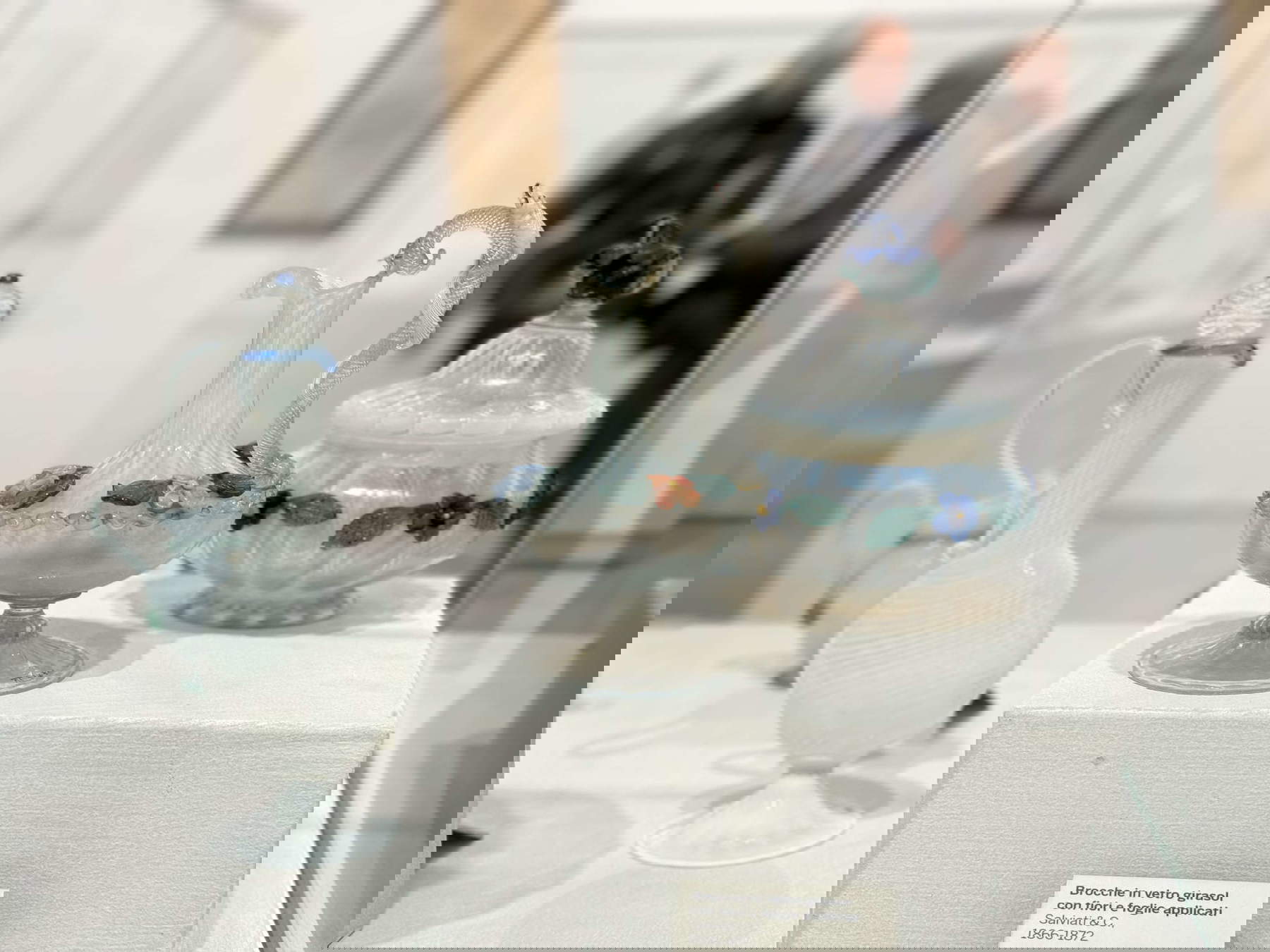
A decisive role in the rebirth of the art of glassmaking was also played by some entrepreneurial realities destined to leave a deep mark on the island’s history. In 1854 Fratelli Toso was founded, destined to become one of the most renowned glassworks of the 19th and 20th centuries, known for the quality of its creations and its ability to innovate without abandoning its ties to tradition. A few years later, in 1859, Vicenza lawyer Antonio Salviati opened a factory in Venice for the production of mosaics, and in 1866 he founded a furnace dedicated to blown glass. Salviati’s contribution was decisive in relaunching the image of Murano glass internationally. Indeed, the new furnace marked the beginning of a renaissance documented in a timely manner in the museum itinerary through cups, goblets and other artifacts that testify to the quality achieved by Murano production thanks to this lively season of experimentation and reorganization.
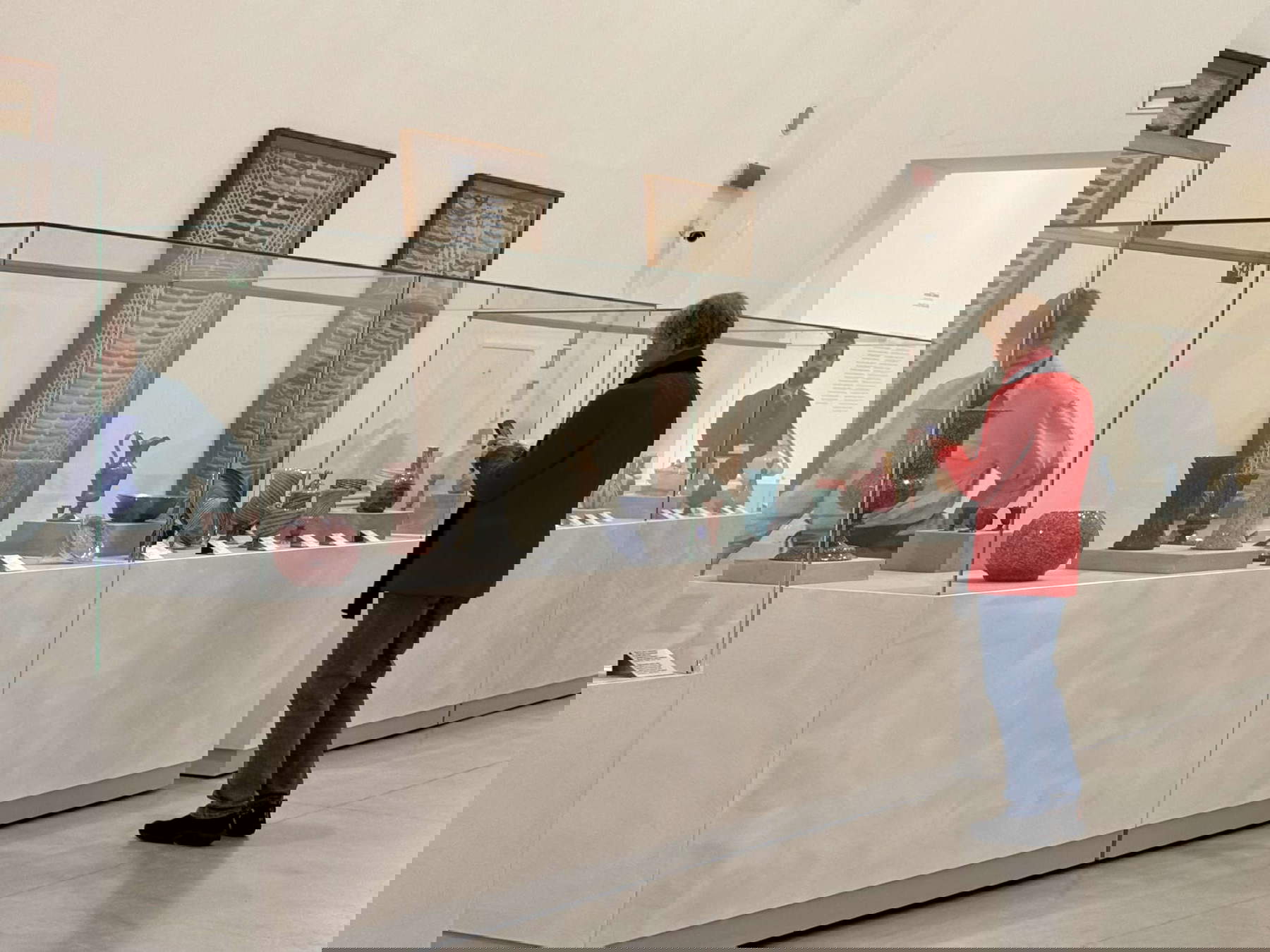
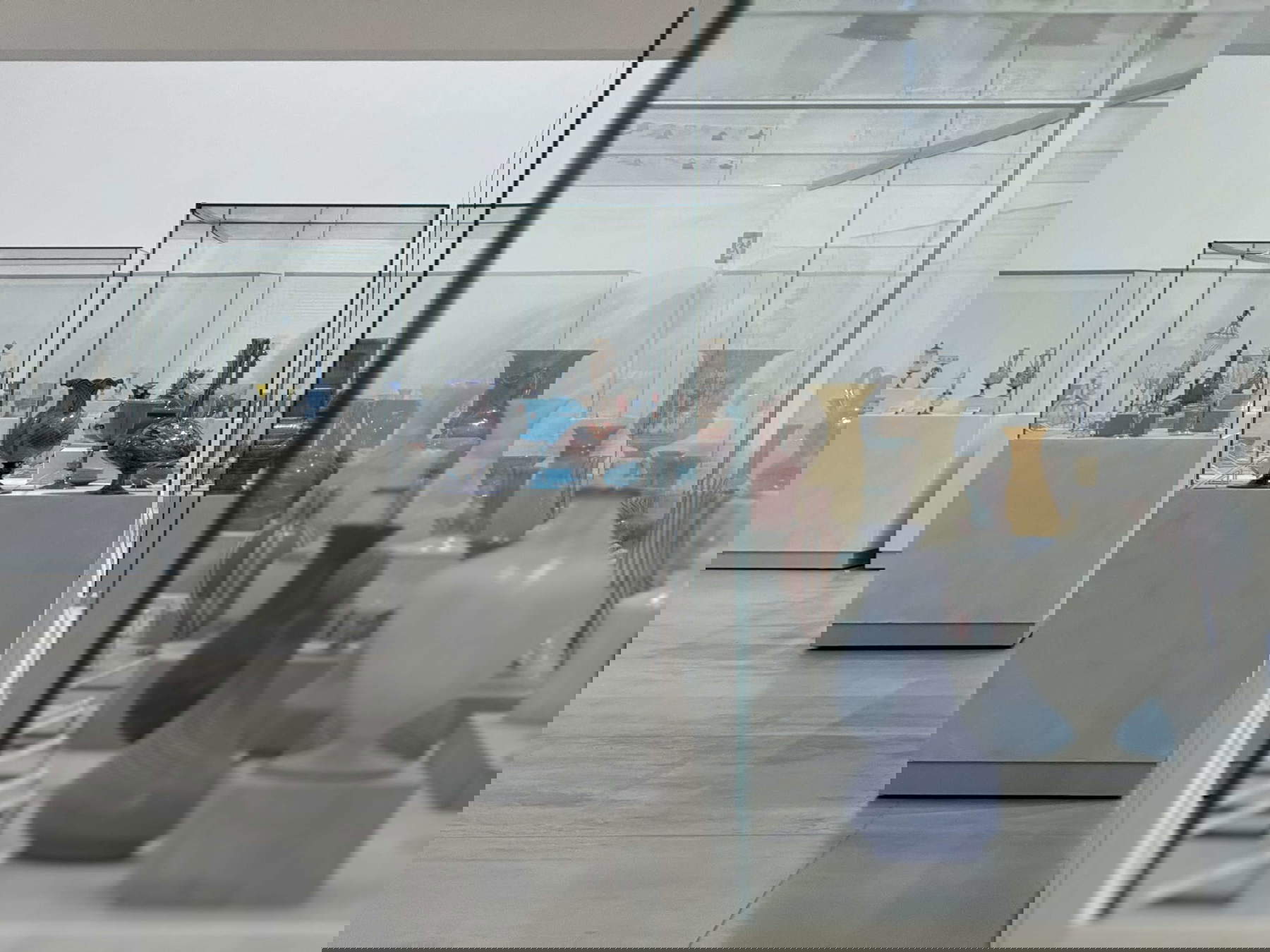
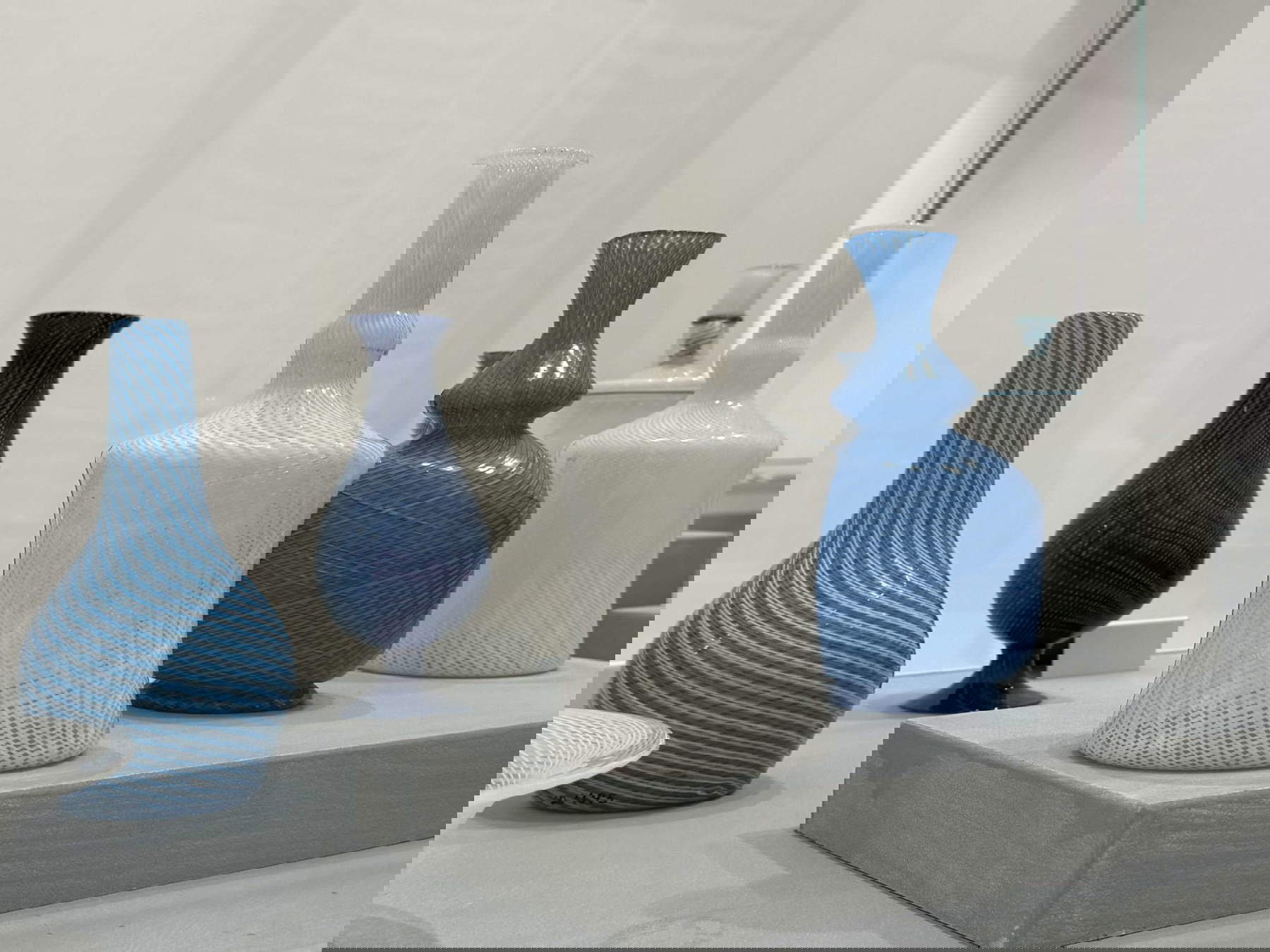
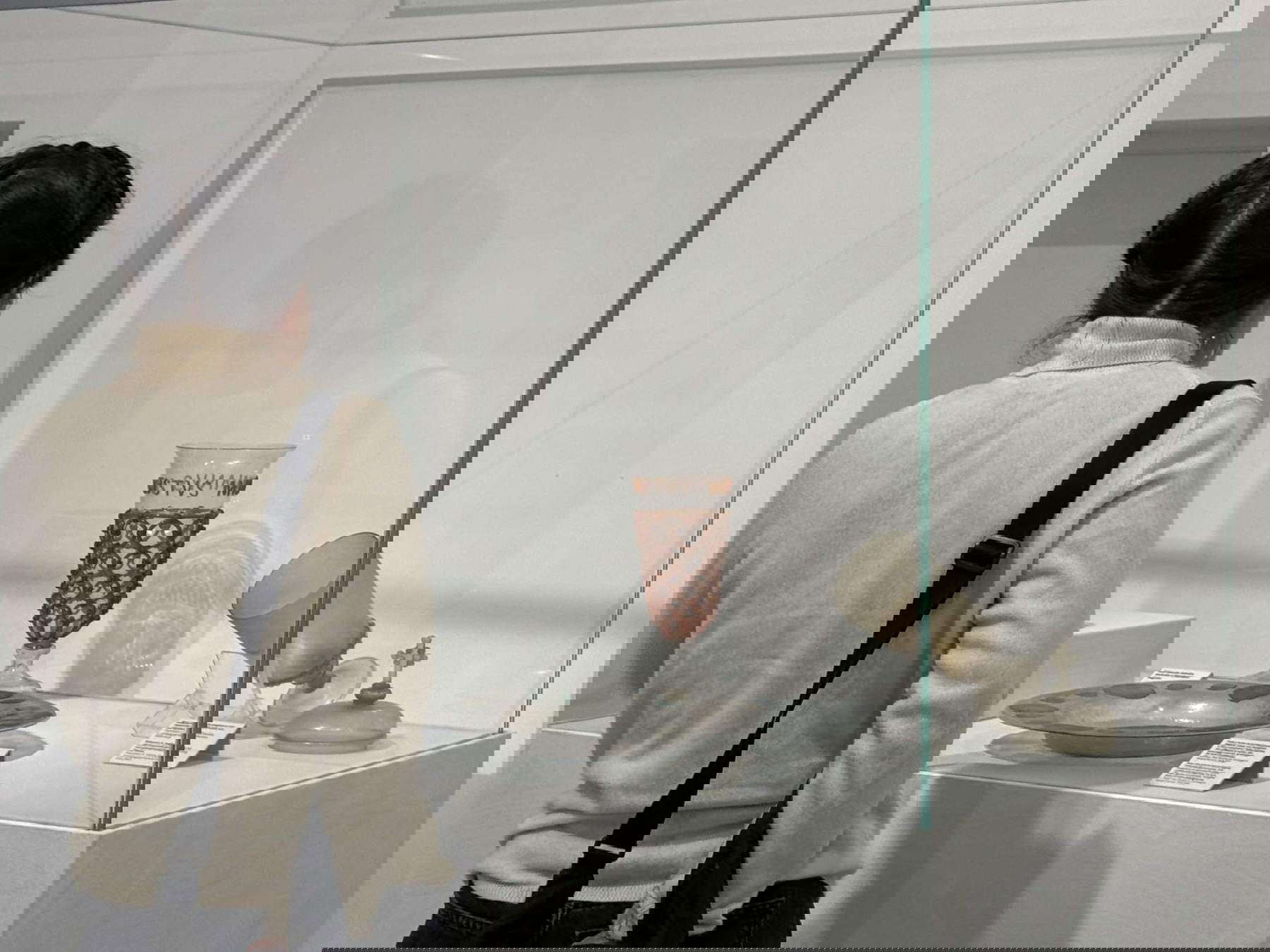
The Glass Museum’s new layout also aims to show how the splendid Renaissance and Baroque blown objects, already present in the museum’s historical collections, were a source of inspiration for nineteenth-century masters. After the long period of crisis, Murano production in fact recovered the models of previous centuries, updating them to the taste of the time through the addition of fine, polychrome ornamentation. As director Chiara Squarcina points out, these objects testify to the masters’ willingness to dialogue with the past without limiting themselves to mere imitation, but reinterpreting the forms to respond to the sensibility of the contemporary market.
The section also includes an in-depth study devoted to the revival of the forms and techniques of Roman and pre-Roman archaeological models. Again, the nineteenth century proved to be a period of strong attention to ancient cultural heritage, which was studied not only as a historical source, but as a formal repertoire to be creatively reworked. Among the most appreciated techniques was that of glass-mosaic or murrine, linked in particular to the name of Vincenzo Moretti, a leading figure who contributed greatly to bringing this complex working process back into vogue. The works on display show the chromatic variety, the precision of the tesserae and the richness of the textural effects that characterized the artifacts made by Moretti and other workshops of the time.
Thanks to the selection of masterpieces from the museum’s collection, many of which are now on display for the first time, the new section allows a complete and articulate retracing of the events that led to the rebirth of Murano glassmaking. The itinerary restores the complexity of a century that saw the island go through moments of crisis and uncertainty, but also a season of incredible creative vitality capable of relaunching Murano as the world capital of art glass.
|
| Murano, new section on the 19th century opens at the Glass Museum |

Warning: the translation into English of the original Italian article was created using automatic tools. We undertake to review all articles, but we do not guarantee the total absence of inaccuracies in the translation due to the program. You can find the original by clicking on the ITA button. If you find any mistake,please contact us.



























 IT
IT FR
FR DE
DE ES
ES CN
CN


