





Last July, Andreina Contessa was appointed director of the newly formed Galleria dell’Accademia di Firenze and Musei del Bargello museum system, which includes the Galleria dell’Accademia di Firenze, the Museo Nazionale del Bargello, the Museo delle Cappelle Medicee, the Museo di Palazzo Davanzati, the Complesso di Orsanmichele, the Museo di Casa Martelli and, upon completion, the former church of San Procolo. In addition to the reorganization of these museums in Florence into a single network, restoration, refurbishment and thematic routes are planned, with unified tickets and hours, and a focus on different audiences. In this lengthy interview, Director Contessa tells us what the new museum system will look like under her leadership. The interview is by Ilaria Baratta.
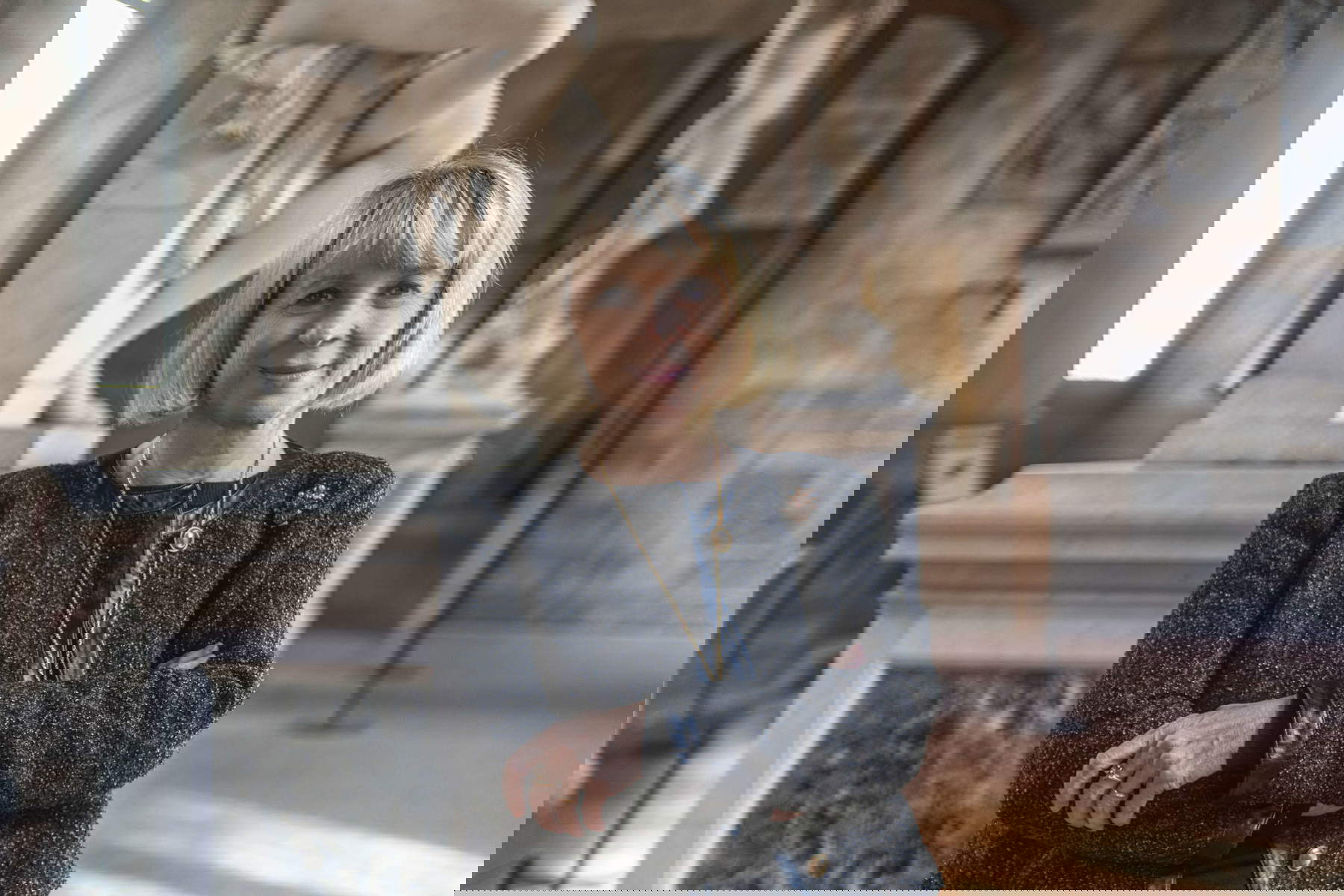
IB. Since last July, she has been director of the new museum system Galleria dell’Accademia di Firenze and Musei del Bargello, which brings together seven venues and more than 50,000 works. A reorganization for Florence’s state museums, which opens up new opportunities but also poses complex challenges. What do you see as the main challenges of this reorganization? You have been director of the Historical Museum and Park of Miramare Castle for years, what does it mean to direct not a single museum, but an articulated system spread throughout the city?
AC. I think that the establishment of this new institution Galleria dell’Accademia di Firenze and Musei del Bargello marks a really important step in the Italian and international museum scene, because the union of these seven state museums, in fact, characterized by very strong identities and also by very valuable collections gives rise to a single museum system. The challenge is to coordinate it, so that it is based on a shared cultural vision and also on a new focus on the audience experience. Directing a system for me is not new, because I used to direct not only the Castle of Miramare Park, but also the Regional Directorate of Museums of Friuli-Venezia Giulia, and so I have experience in directing a composite series of museums, which in that case were arranged in different places, but nonetheless also had a very different character. The idea is just to interpret and give a new interpretation to this constellation of interconnected places, works, and stories, so as to build a unified, but plural narrative. This I think is the challenge of the moment.
From a management and administrative point of view, what are the main complexities of an amalgamation of this magnitude?
Certainly there is the whole administrative part of the budget and there are the people: two entities that are used to each working on their own, with practices that have been established for a long time. It is necessary to make them work together, to make people work together, and that is never easy. Right now I’m also working on the structural and scientific reorganization of these institutes because there are of course competencies on both sides but they have to work together. That is why in these months I have talked very little to the press and worked very much on the inside, because these reorganizations are often complicated and complex and you have to do them with people and not against people. It is important to have everyone’s input. We are also working on reorganization from a functional point of view, for the public, because right now the museums have different hours, different opening days, and some are not open all day every day. It will take some time because we are also waiting to have sufficient staff, but the idea is to give visitors a unique architectural and artistic museum itinerary, spread over different buildings in the city; a kind of journey through the different historical eras of Florence and its different faces, because within this constellation of museums there are also buildings with a very ancient history. So the cultural strategy in my opinion lies in enhancing the peculiarities of small museums by relating them to each other. I would like this new museum system to become the favorite place for research, for the history of collecting, but also a place where it is possible to follow the creative process of sculpture, from the making of the work to even the execution of its copies, and then to discover the various artistic techniques and the materiality of art in all its applications. The idea in this regard is precisely to create a new urban itinerary that allows people to enjoy these historic places and the masterpieces created by the genius of the Renaissance up to the nineteenth century, and to understand the way in which talent has been expressed over the centuries.
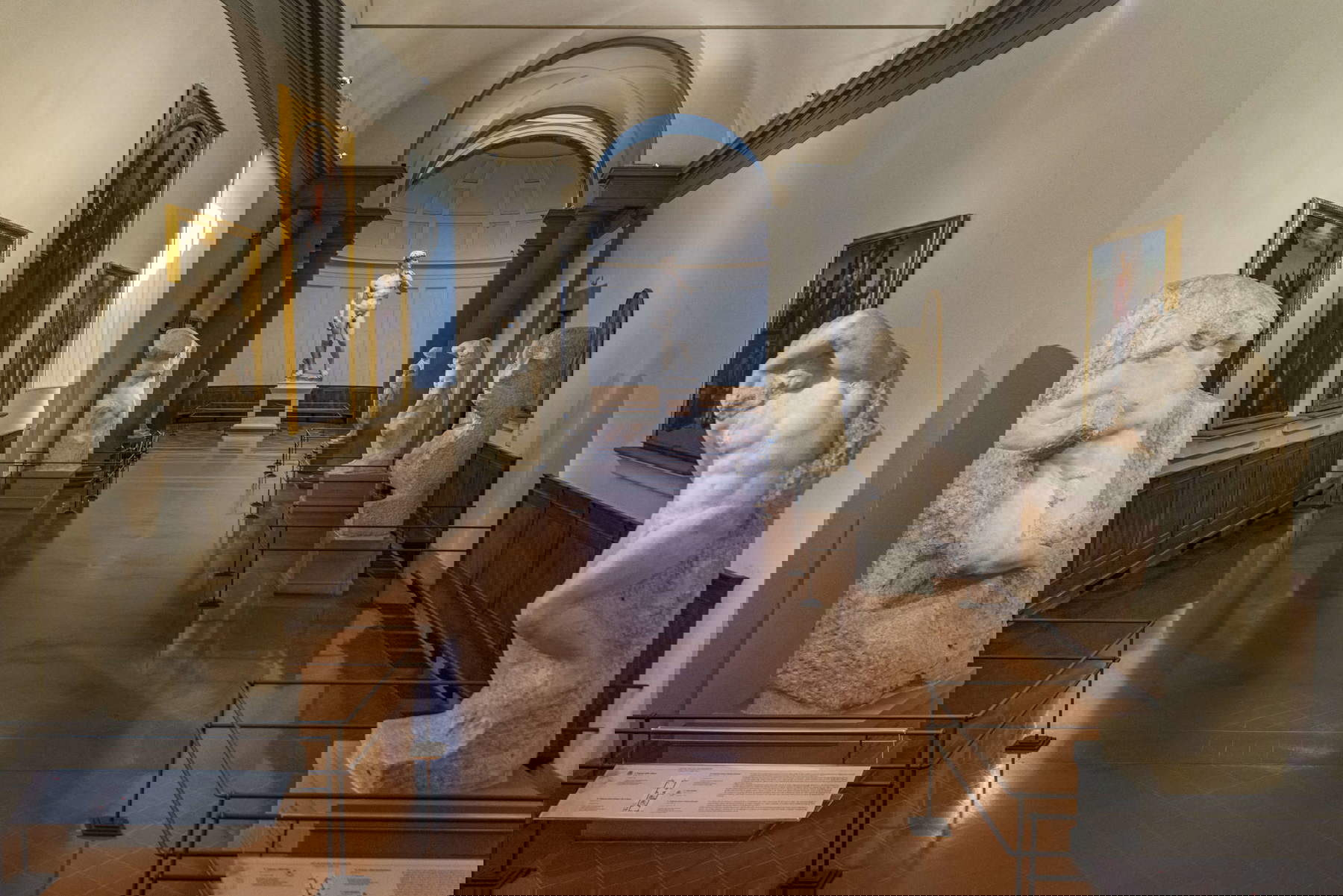
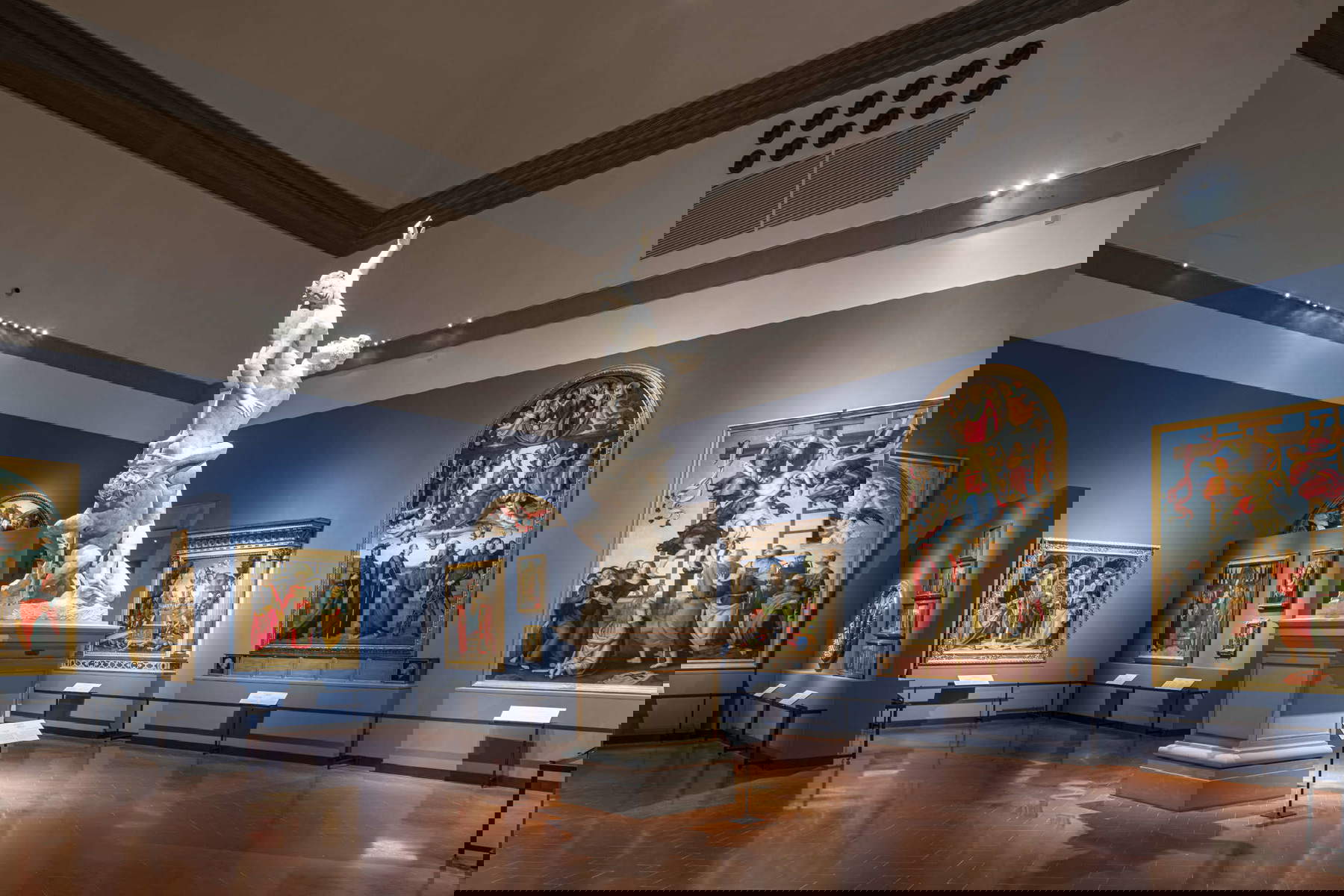
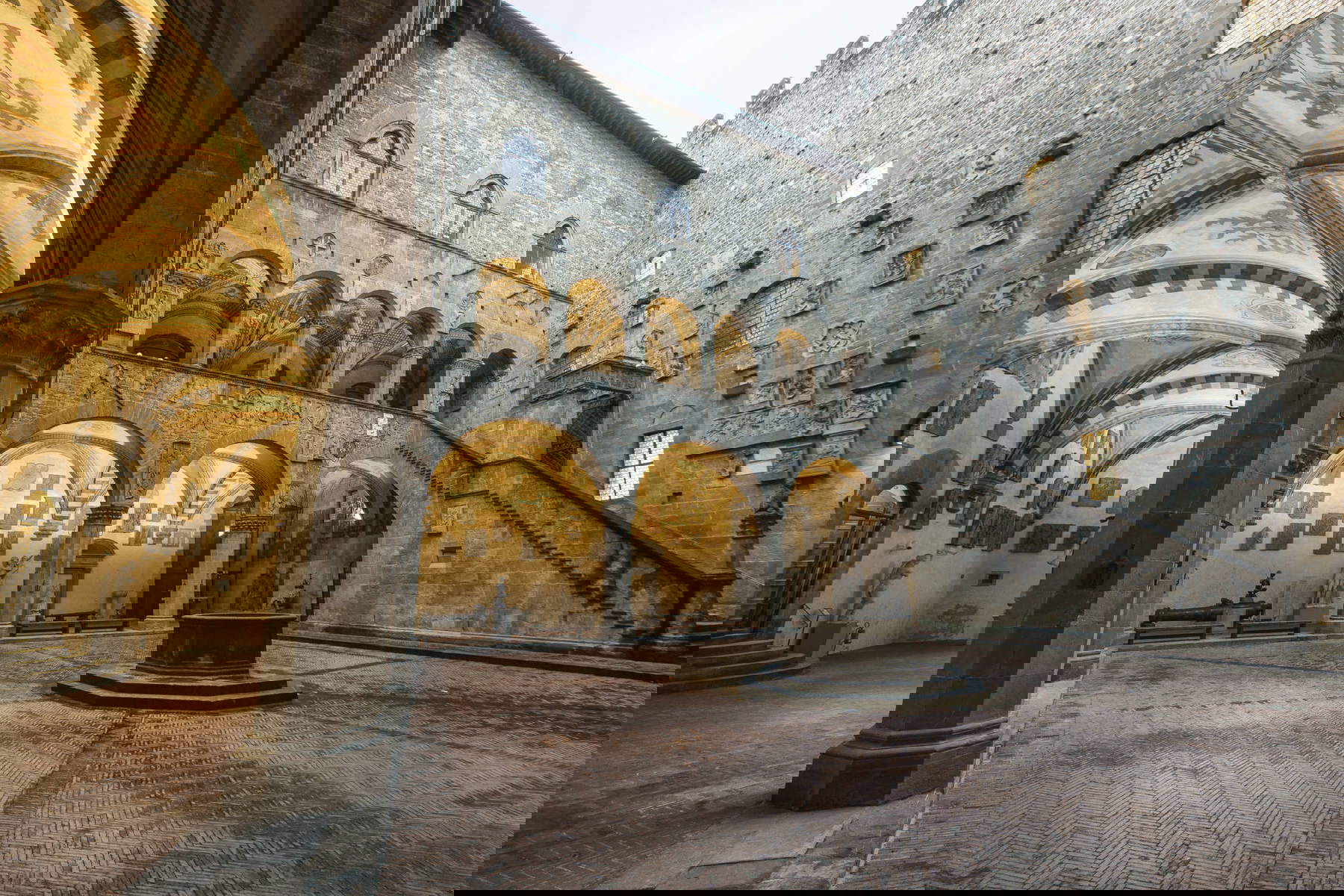
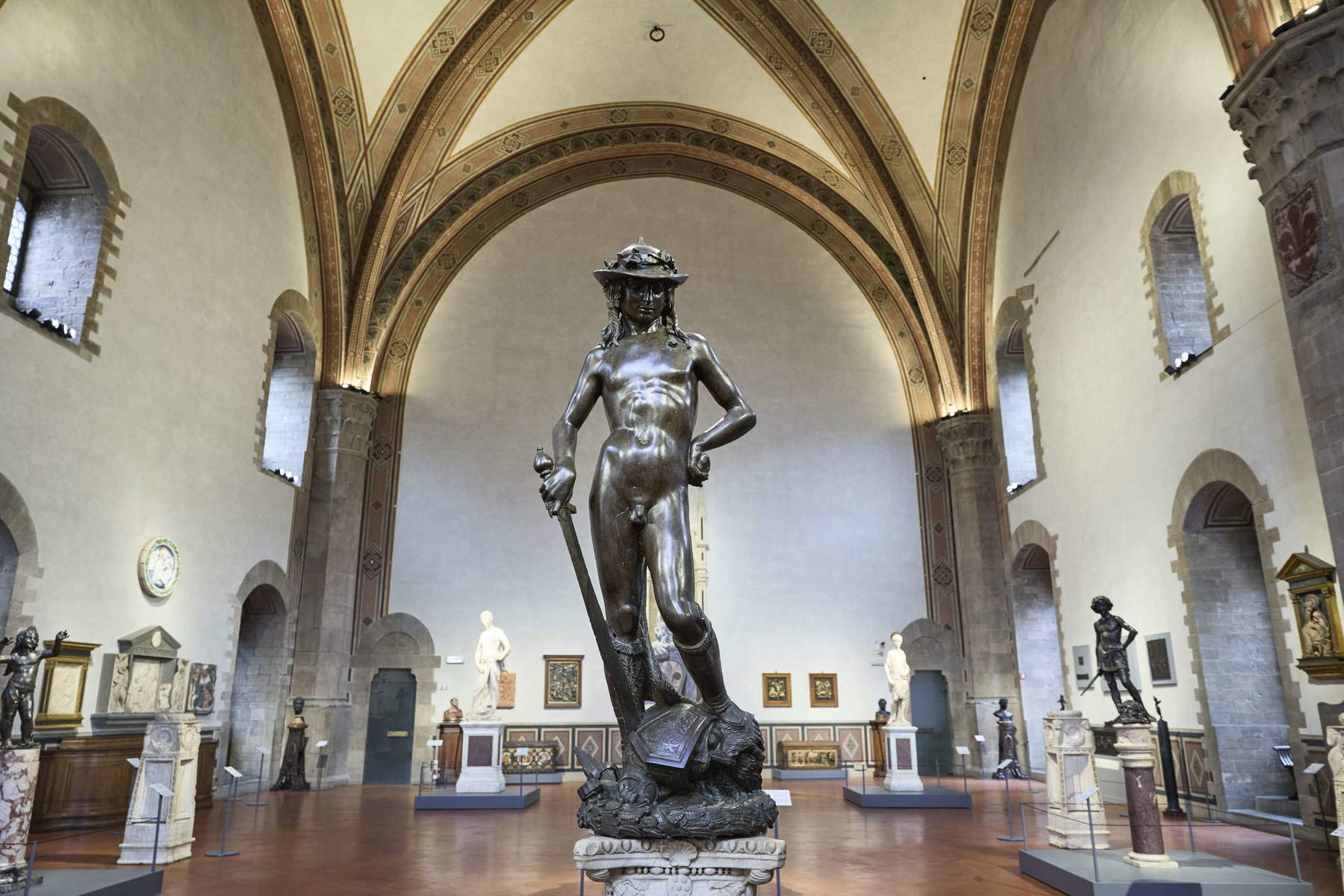
Assuming that each venue has its own identity, how will this system allow Florence to be told as a journey through historical eras and different faces of the city?
The idea is to create a narrative, as I said before, that is unified but plural, and to make it concrete I thought of a series of thematic itineraries, which to begin with will be three. One is dedicated to Michelangelo, through his Florentine masterpieces that we can find in the Accademia Gallery, the Bargello and the Medici Chapels, and through all his poetics on the non-finite, on the reflection of time, on the transience of life inherent in the work. Another itinerary is devoted to Florence and its symbols and tells the visual identity of this city, which has a very strong and ancient civic character, through heraldry of which we have a very large collection in the various palaces, civic religion, allegorical figures, heroes, its sacred history: thus the imagery and icons that Florence has had over the centuries. The third one, on the other hand, the last one, is really about the materiality of art, which is the art of detail that leads us to discover even objects of which we have enormous and very precious collections at the Bargello or at Palazzo Davanzati, and which we then perhaps find in the paintings of the Accademia Gallery, in the paintings on panels, and that therefore leads us to educate our gaze to see the details and to place relationships between the painted image and the object itself. This is a bit more complex as a discourse, but I think it is of interest to the audience as well. After that, how is it put into practice? There will be unified and coordinated ticketing from mid-March and the possibility of having a very convenient single ticket that will give access to all museums that will be worth 72 hours. It will not be easy to manage museums with venues that have different capacities and characteristics, so at first I think we will start with the single ticket that is easier to manage, which is the Accademia Gallery plus Bargello with a 48-hour duration. The goal is also to develop slower tourism, because many cities like Florence are victims of hit-and-run, superficial, voracious, hurried tourism, and with the coordinated ticket you have time to enjoy these museums. The idea is precisely to provide a different experience.
However, there are also variations on ticket prices...
Yes, there are minor cost alignments, but to align with current prices, because now museums that have low attendance tend to have low ticketing thinking they are attracting tourists. But if museums are in a single network, that doesn’t make sense. It makes more sense to network them and create a new narrative: each place is a fragment of Florence’s history, from the Middle Ages to the Renaissance, from daily life to applied art.
And through these new thematic routes you mentioned, which will connect different works and venues, what do you think is the value of this cross-cutting approach compared to a traditional single-museum visit? And what kind of audiences do you imagine can be intercepted by these thematic routes?
We expect a differentiated audience, as it should be. At the moment we don’t have a survey, we will do it, on the type of audience, but the idea is to get to a diverse audience, precisely because with this ticketing you simplify the visitor experience, you promote thematic itineraries that also capture the specific interests of different people, but at the same time you strengthen the unified narrative. I think it is important to always keep in mind that we are a new museum system that is on the one hand unitary, but on the other hand is polycentric, and therefore is able to enhance the specificity of individual museums within a common narrative.
One of the stated goals is precisely to return these museums to the Florentines, to create a greater bond with the citizens: what tools and initiatives do you imagine to strengthen this bond with the city?
I would like Florentines to feel that these museums are at the service of the city, because it is true that they are great tourist attractors, but the museum in itself also has an ethical and educational function and must not give up these functions in the name of tourism or overtourism. Or rather, it must try to continue to be a cultural landmark for the city as well. So dedicated itineraries and schedules and a whole series of activities to serve the community will have to be thought of, because in many cases Florentines feel somewhat dispossessed by these museums. Faced with endless queues they give up. These places that are invaded by tourism actually oust citizens, and this I would like to see not happen by finding ways, means and time to do it. We will definitely think about dedicated interventions and then we are already adhering to a number of activities and programs such as facilitated visits, initiatives aimed at people with frailty. Accessibility will also be one of the important issues at all levels; accessibility not only physical, but also cultural, intellectual, social.
As you said, you would like the new institute to become a privileged place for research: which areas of study do you intend to strengthen the most?
Those of the materiality of art and the artistic process, of artistic production, because really we can follow it in all its phases over time. And then we have the Bargello, which is strongly linked to the civic and religious history of the city, but it also has a collection of Renaissance sculpture, of applied arts, such a preciousness of collections that allows us to delve into so many topics on the artistic process.
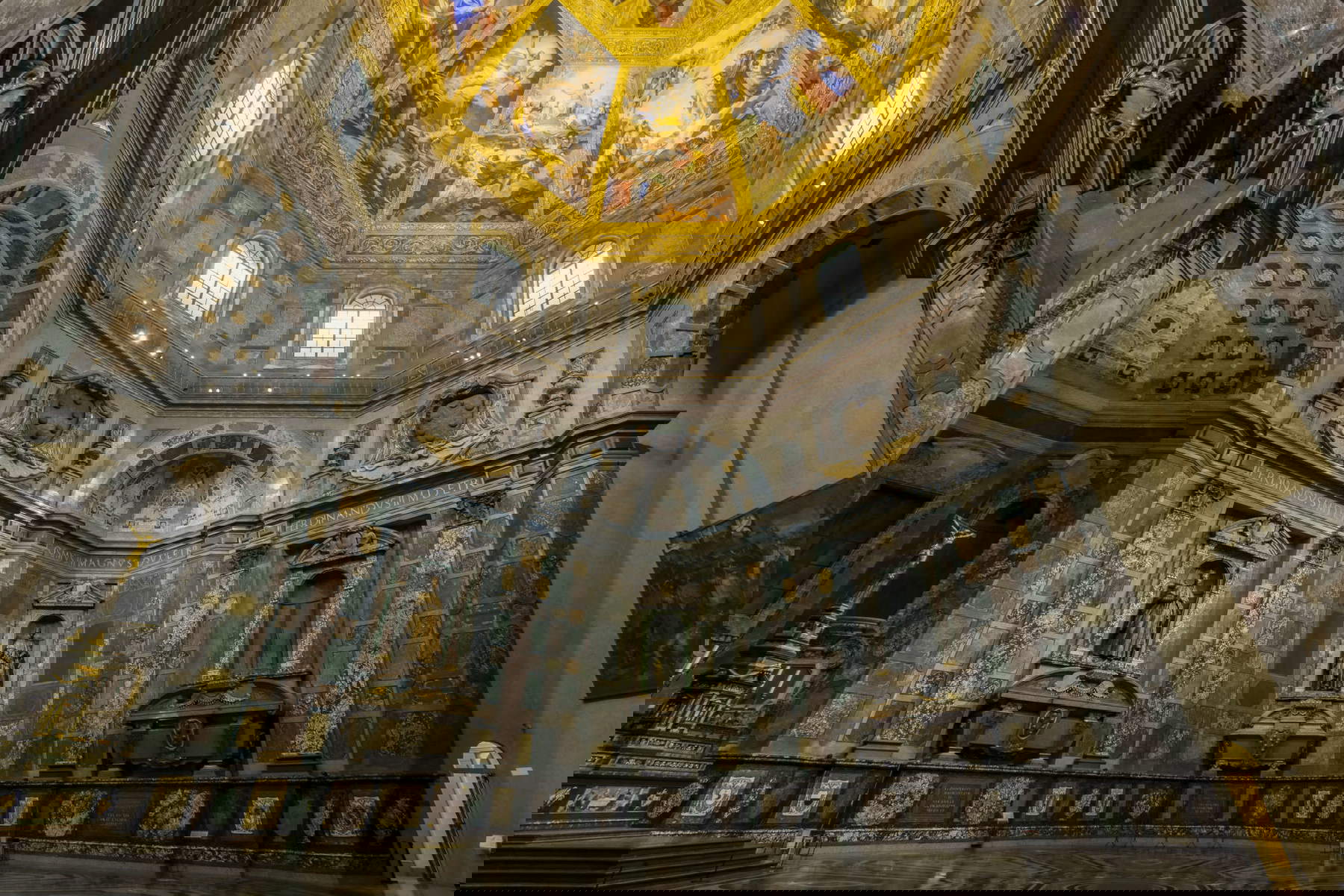
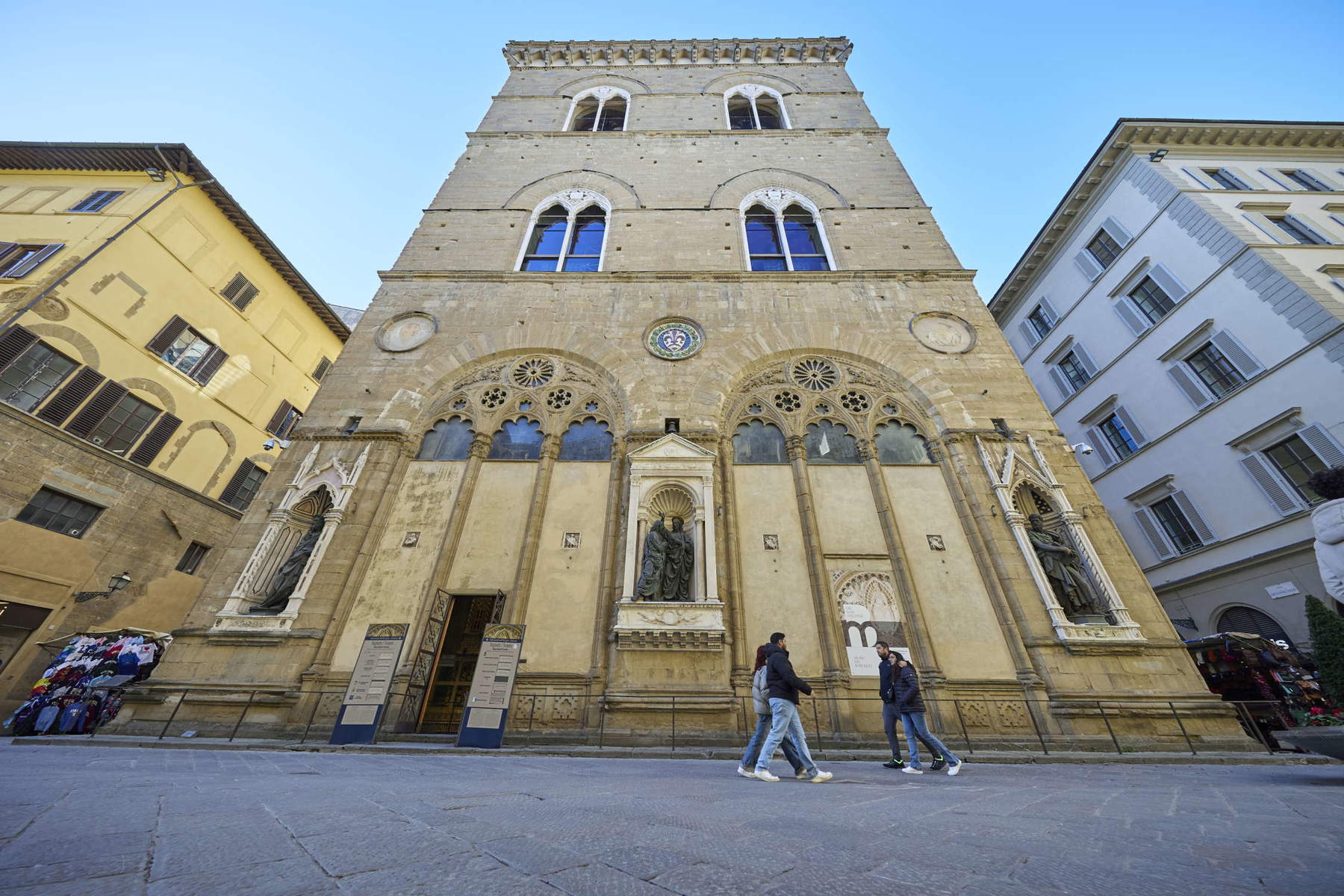
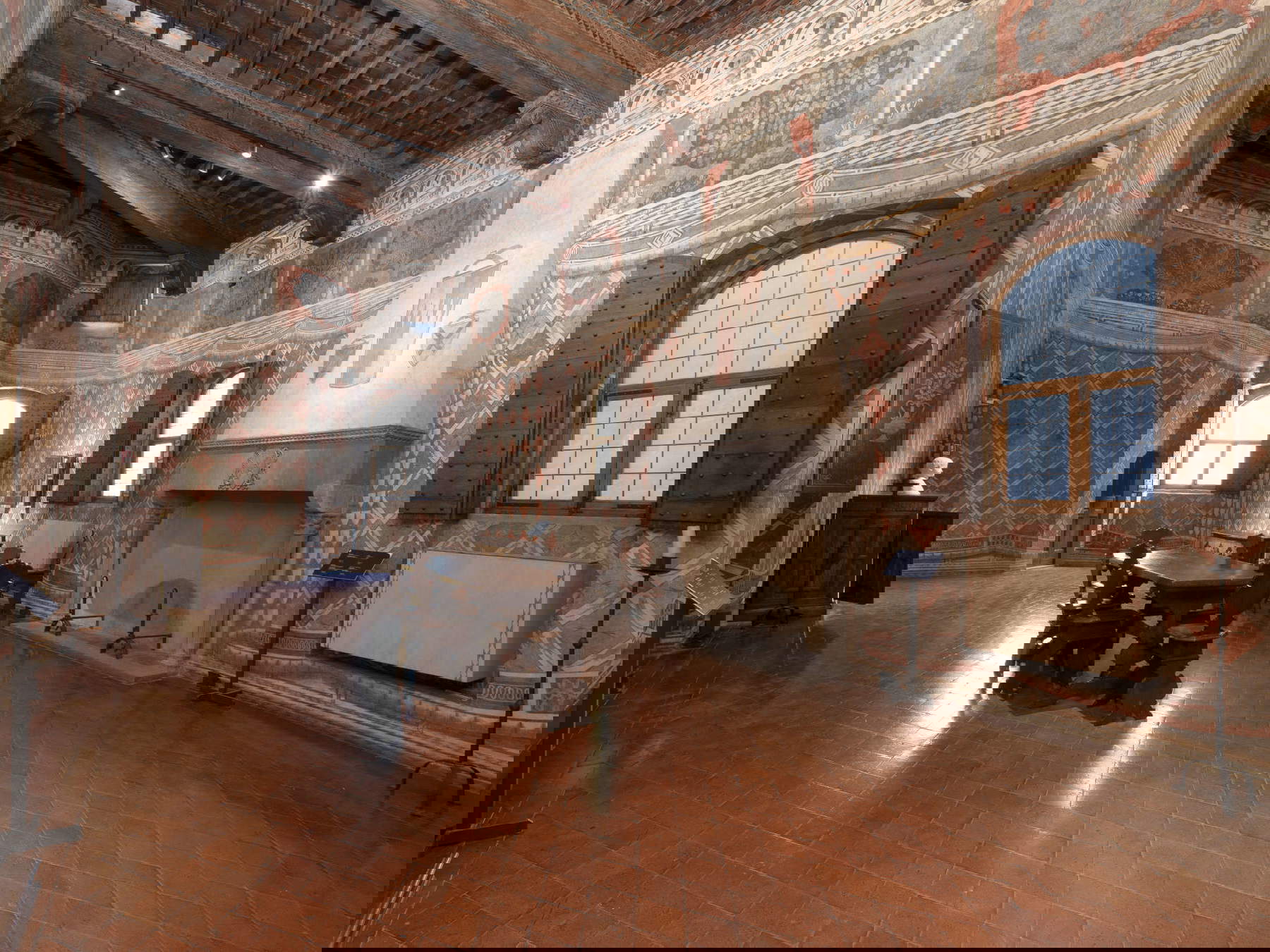
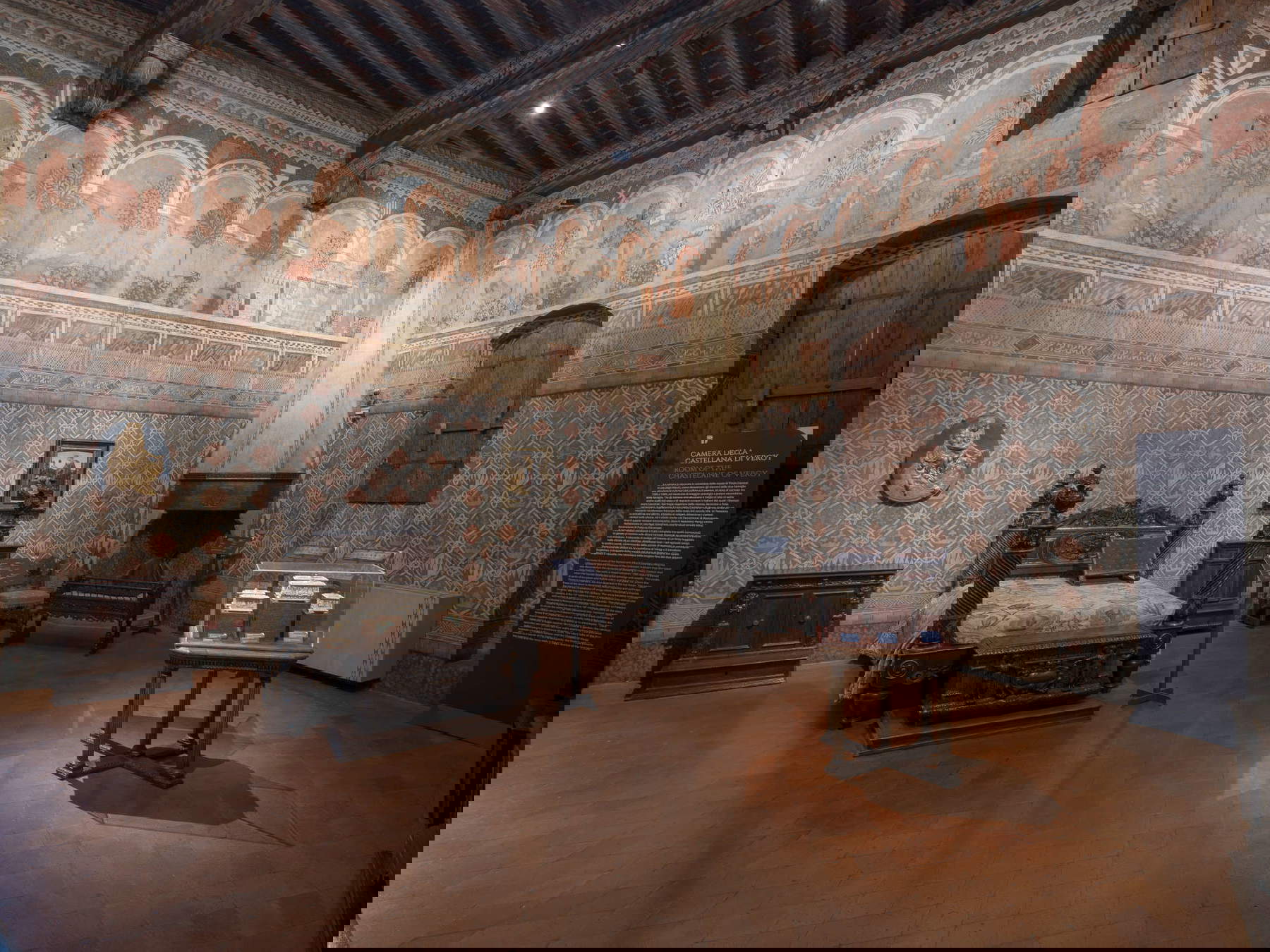
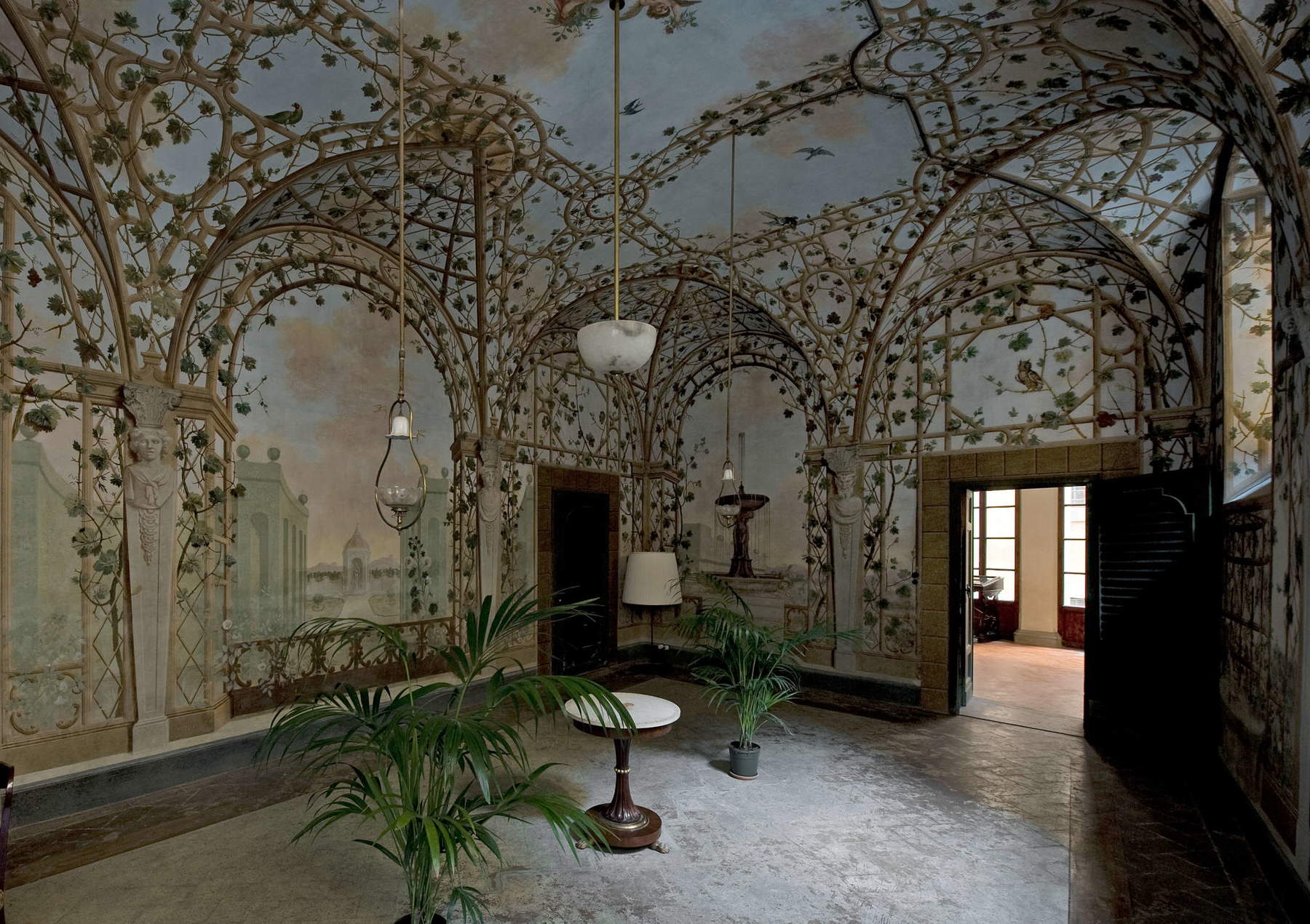
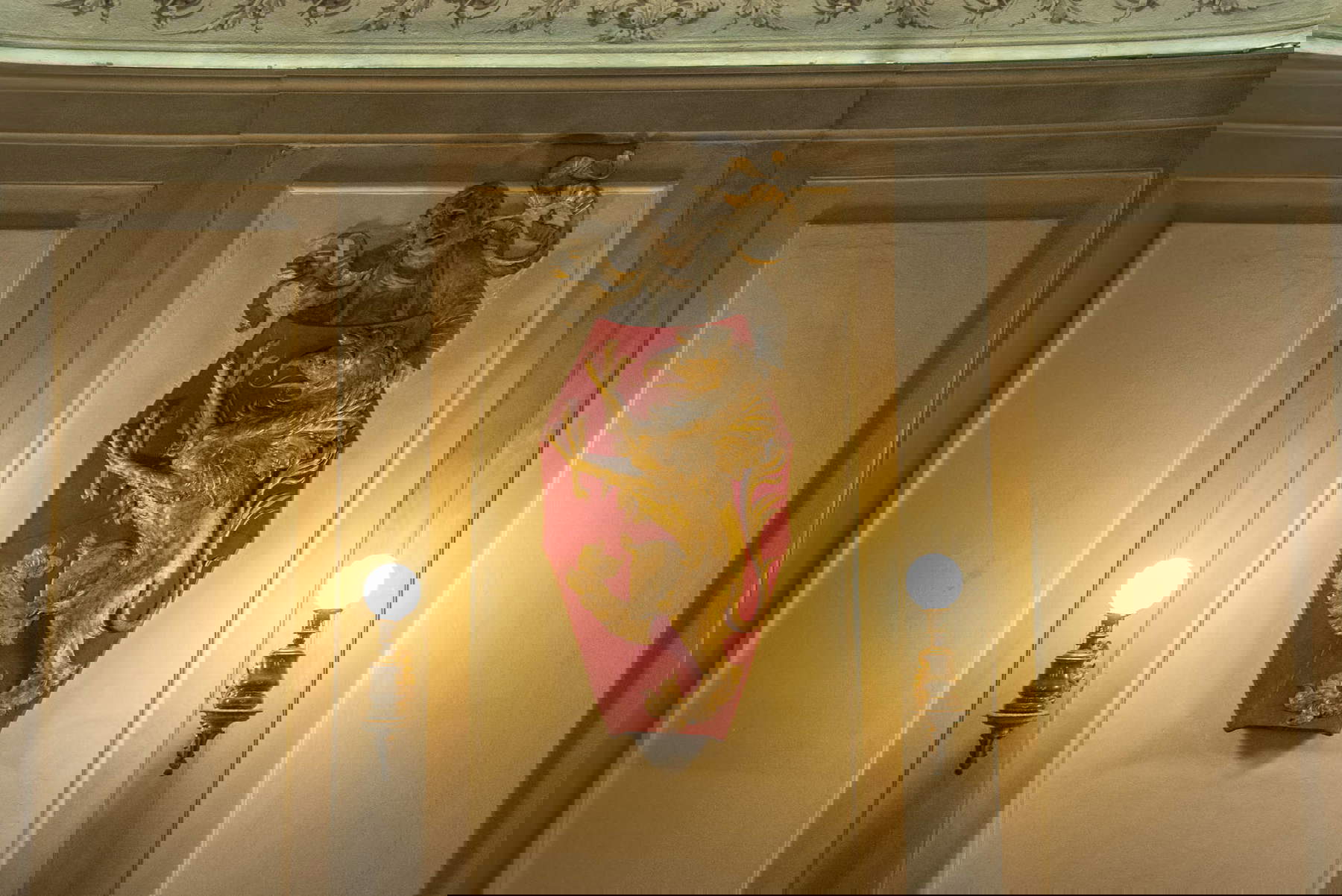
There will also be restorations, a program of restorations involving several venues and works, particularly the Bargello, the Galleria dell’Accademia, the Medici Chapels and Casa Martelli, where the Martelli family coat of arms has also been relocated. What overall vision guides these interventions?
First of all, there are some interventions planned on works in the Accademia Gallery that we will also always make accessible to the public. Now, whenever a restoration is taking place, we will film it, we will create a documentation that will be made accessible to the public, as we did with the Martelli coat of arms that we recently inaugurated and as we are also doing with other important panels that will soon be visible again. Then there will be structural restorations that are absolutely necessary and also urgent in the Medici Chapels that of course are already being planned; we are also planning the restoration of some of the oldest windows in Orsanmichele and we will replace or restore all the window frames in Casa Martelli. But first of all, there are restorations that have to be thought of precisely in terms of restyling and in favor of the usability of access, and the project that I think absolutely cannot wait any longer is that of the entrance to the Bargello and the hall now called Michelangelo, the hall dedicated to 16th-century sculpture.
But what about the educational and inclusive activities will be expanded? What role do you attribute to education and training in the mission of museums?
Absolutely very high, and there is already a great commitment of these museums in the activity of education and also cultural welfare. Now the difference is that we do them in a network, in the sense that we are a museum network, so the activities can also be differentiated to the maximum and offer a more interesting and more present engagement to the city but also to the school public and different audiences. This is something that I think is very important. The ethical and educational role of museums for me is fundamental, but also educating to care for the common good, in the sense that the heritage that we have the honor of managing and caring for is a common heritage, it is everyone’s heritage, and this is something to which everyone must be educated or re-educated, because understanding the importance of the common heritage means cultivating a more respectful, more understanding, more conscious attitude toward what you go to see. No museum can give up this role because it is a very important role, highly educational and ethical, which must really cultivate civic consciousness, social consciousness, caring for places and also show how it is complex sometimes as well as useful.
What about communication, what will be new?
Communication is so important right now because there are so many things we have to communicate, starting with building a unique brand as a constellation of places, which is not so easy. We have a very long name, so we should arrive at a simpler naming and a logo that represents all this complexity. Communication has a very important role to play in presenting this new institution as a great new diffuse museum in the city, but it has to make it clear above all that these different identities are connected by a common vision that holds them together. We need to create a narrative that becomes the backbone of the connection of these museums.
In conclusion, what priorities have you given yourself in the first year of your term?
To give a big boost to this, the museum was created on paper, then came my appointment. My role is to go from the new name on paper to a new entity that works and is visible and speaks in society.
Can you give us previews of future exhibitions or initiatives?
I have frozen for the moment the idea of temporary exhibitions because right now I think there is so much work to be done internally to develop these big projects and to build something lasting and useful. I think we have to dedicate ourselves to that, we can’t get lost right now in small exhibitions that will be there, we are planning them, but not for this year. I think for this year we have more to do.

The author of this article: Ilaria Baratta
Giornalista, è co-fondatrice di Finestre sull'Arte con Federico Giannini. È nata a Carrara nel 1987 e si è laureata a Pisa. È responsabile della redazione di Finestre sull'Arte.
Warning: the translation into English of the original Italian article was created using automatic tools. We undertake to review all articles, but we do not guarantee the total absence of inaccuracies in the translation due to the program. You can find the original by clicking on the ITA button. If you find any mistake,please contact us.
















 IT
IT FR
FR DE
DE ES
ES CN
CN


