





The protection of Etruscan artistic and cultural heritage represents a test of primary importance for Italy, considering the historical and identity value of finds and their vulnerability to illegal trafficking and clandestine excavation. The Carabinieri’s Cultural Heritage Protection Unit (TPC) operates throughout the country through investigative activities aimed at the recovery of illegally stolen goods, monitoring on land, at sea and from the air of archaeological sites, and controls on the antiquities market and online to prevent theft, clandestine excavations and illicit trafficking. Collaboration with the Ministry of Culture, Superintendencies, and scientific bodies makes it possible to ascertain the authenticity and provenance of finds, ensure restoration and preservation, and ultimately arrange for their return to their territories of origin. Public awareness initiatives, such as exhibitions of recovered works and educational tours in schools, reinforce awareness of the value of Etruscan heritage and promote responsible enjoyment, helping to safeguard national historical memory and counter contemporary threats to cultural heritage. Answering our questions about investigative methods and activities is Lt. Col. Paolo Salvatori, commander Archaeology Section.
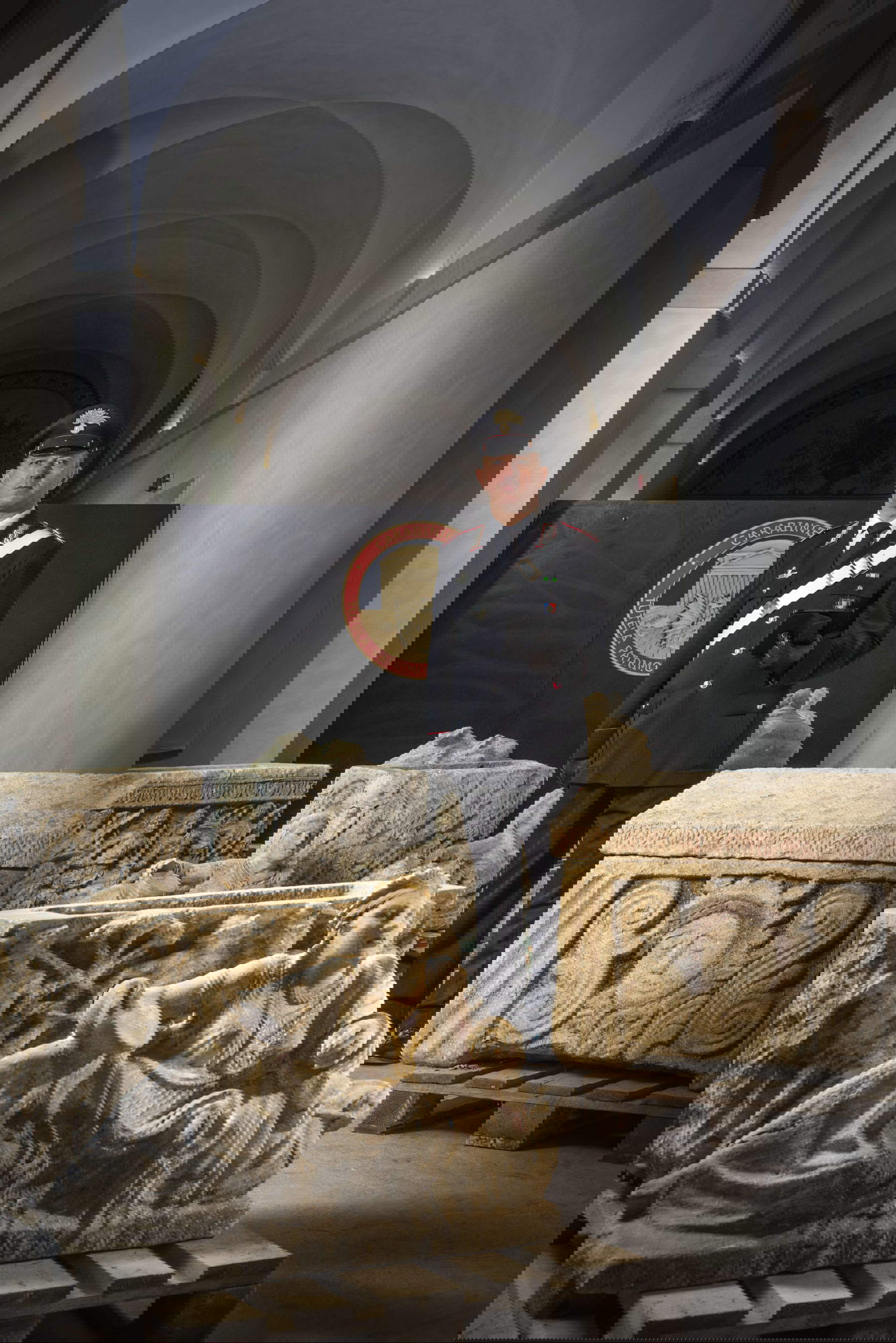
NC. What is the main role of the Carabinieri Nucleo per la Tutela del Patrimonio Culturale in safeguarding the Etruscan archaeological heritage in the country?
PS. The Carabinieri Command for the Protection of Cultural Heritage (TPC), operating on the national territory in cooperation with the central and peripheral offices of the Ministry of Culture, performs the functions of protecting and safeguarding archaeological heritage, including Etruscan heritage, by: carrying out investigative activities aimed at identifying the perpetrators of crimes committed to the detriment of cultural heritage and recovering the illegally stolen goods, including abroad; monitoring land and sea archaeological sites, as well as areas of landscape interest and “World Heritage” sites of UNESCO; the monitoring of commercial activities in the sector, fairs/markets where the buying and selling of cultural goods takes place, auction house catalogs and e-commerce sites; the verification of anti-crime security measures of museums, libraries and archives; and the management of the Data Bank of Illicitly Misappropriated Cultural Goods.
What are the main threats to Italy’s cultural heritage, particularly regarding artifacts of Etruscan origin?
The main threat to Italy’s archaeological heritage is undoubtedly clandestine excavation. Under Italian legislation, unlike other nations, everything found underground belongs ipso iure to the state and enters the administration’s unavailable heritage from the moment of discovery. Therefore, whoever takes possession, through clandestine excavation, of archaeological material is liable for the crime under Article 518-bis C.P. (Theft of cultural property), while whoever acquires it is liable for receiving cultural property (Article 518-quater C.P.). It is necessary to consider how destructive the illicit excavation carried out by grave robbers is. In addition to the dispersion of artifacts, being conducted not with scientific methods but in a hasty manner, clandestine excavation inevitably ends up destroying the morphology of the site making it difficult to read from a cultural-historical point of view. This produces, in other words, an irreversible loss of the original context. In some cases, clandestine excavation starts with devastating means and techniques, from pickaxes up to earth moving equipment, literally destroying archaeological sites. In this context, archaeological artifacts of Etruscan origin, due to their particularity and reference to a people whose origins, in the collective imagination, are still considered partly mysterious, still arouse strong interest in the illicit market, which is ready to receive them and relocate them mainly to private collectors.
How does monitoring of archaeological sites take place and what technological tools are used to detect clandestine excavations or illicit trafficking of the finds?
Preventive activity with respect to clandestine excavation is developed in the following ways: monitoring archaeological sites, to prevent looting and damage (can also be carried out by aerial, land and sea reconnaissance: it should be kept in mind that while archaeologists excavate slowly, with scientific methods and the latest technology, in order to read the layers and findings and to also obtain historical information as well as objects, the so-called grave robbers are only interested in the despoliation of the site in order to make money from the sale of the objects found in the burials or other archaeological areas: they therefore dig in a hurry and often at night, assay the ground with so-called pins, long, thin iron poles, to check whether there is a tomb roof under the earth, destroy the integrity of burials with pickaxes and bulldozers, do not care about the stratigraphy and preservation of historical data, and above all, irretrievably separate the finds from the graves and sites of origin, making it then impossible to reconnect one to the other with accuracy... aerial reconnaissance, using helicopters and/or drones, is crucial because from the sky it is possible to see the holes drilled in the ground by grave robbers and to trace traces of illicit excavations even after many months thanks to the different color of the loose soil and differently grown grass at the excavation sites); checking commercial activities, antique stores, fairs, markets, art galleries; checking auction house catalogs; checking dedicated websites; Stolen or illicitly excavated art objects are usually put on the market to be sold. They are usually first taken out of Italy, where laws and controls are stricter, and sold abroad in order to make it easier to sell and more difficult to discover that they are objects of illicit origin. The individual item sold at a foreign auction house may sometimes have been illicitly excavated and illegally exported even decades ago, accompanied almost always by documentation falsely attesting to its lawful provenance. Identifying these goods requires constant checking of auction house catalogs, close checks at dealers in the sector, and at Antiques markets and fairs. Once an asset has been identified, it is necessary to coordinate action with the Judicial Authority, through rogatorial means, according to the laws of the foreign country in which it is located.
How is the collaboration between the Nucleus, the Superintendencies and scientific bodies articulated and managed in the activities of recognition, preservation and return of the recovered goods?
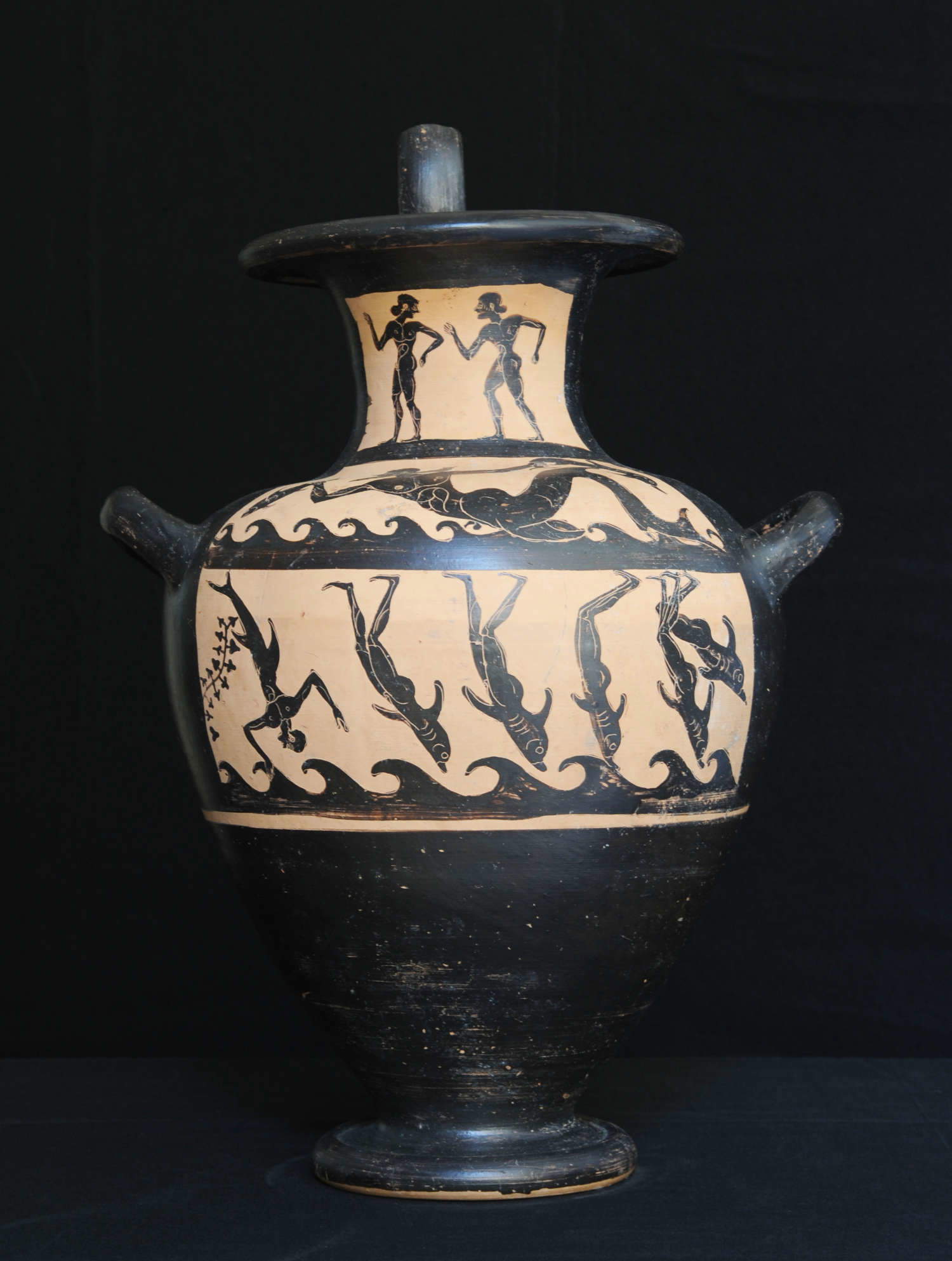
In all three phases considered, the relationship between the Carabinieri TPC Command and the various territorial and non-territorial branches of the Ministry of Culture is close and intense. In the investigative phase, experts from the Ministry assist the TPC investigators in order to strengthen and enrich the evidentiary framework aimed at the recovery of a particular cultural property. Fundamental are, for example, technical examinations aimed at analyzing a particular find and aimed at proving and motivating its origin from Italic areas, provenance from clandestine excavation, circulation even in ancient times, and so on. Once recovery has been made or restitution has been obtained, the Ministry undertakes restoration or conservation work, even before the end of the various procedural stages, if necessary. Superimposed on this activity is the scientific study of the find, including techniques aimed at establishing its dating or exact provenance. As for, finally, restitution, if we are dealing with illicitly excavated goods, for which there is no a priori ownership entity as in the case, for example, of works stolen from a museum, it is always the Ministry that oversees the procedure for assigning them to a museum institution, a Superintendency or other territorial entity, taking into account both the expressions of interest of these institutions and the geographical area of presumed provenance.
What criteria are used to establish the authenticity and provenance of recovered artifacts?
As mentioned, authenticity and provenance of recovered goods are established by expert archaeologists from the Ministry of Culture, either through a bibliographical study of a comparative nature, or through the analysis of figurative elements (if there are any), and of the techniques of making. Obviously, when necessary, such assessments can be supplemented by scientific examinations of the materials in order to establish their dating and provenance, or by analyzing investigative data collected and deemed useful for the purpose.
How widespread is clandestine excavation activity today and what are the most vulnerable areas in Tuscany, Lazio and Umbria?
Investigations conducted in recent years show that the entire area corresponding to ancient Etruria remains vulnerable to the phenomenon of clandestine excavation. This is determined both by the vastness of the archaeological areas, which are sometimes still unknown, and by the difficulty of implementing constant surveillance of them. The investigation that in late 2024 led to the recovery of eight funerary urns, a sarcophagus and numerous grave goods from a clandestine excavation perpetrated in the Città della Pieve area shows that the activity of tomb-robbers is not limited to areas known to be rich in evidence such as Cerveteri or Tarquinia, but also to portions of central Italic territory only apparently less subject to the phenomenon. This demonstrates the importance of constant monitoring not only of the territory, but also of the antiquities market, in order to detect any anomalies.
What strategies are currently being adopted to counter the trafficking of artifacts?
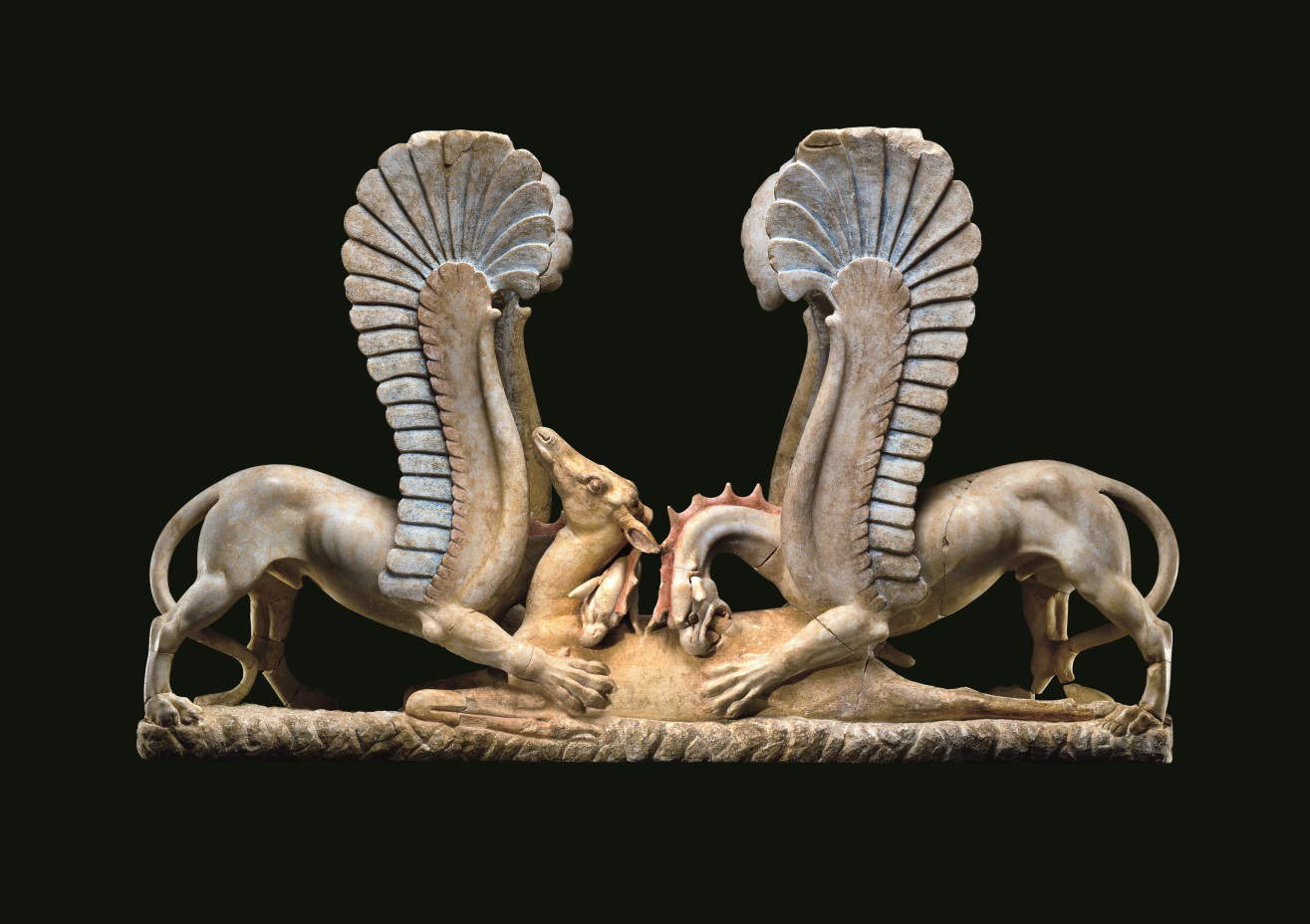
Preventive activities include inspecting archaeological areas, both on land and underwater and by aerial flyover, to see if there have been any illegal archaeological excavations. Frequent inspections are carried out at antique dealers, boutiques, fairs, auction houses and markets to check for the possible sale of stolen or illegally acquired objects. Another activity, which is increasingly important, is the monitoring of online trade, through the monitoring of auction house sites, as well as private sales sites and social media.
How do the TPC Carabinieri intervene to raise public awareness and foster greater awareness of the value of cultural property?
Public awareness has always been considered of great importance by the TPC. To this end, numerous exhibitions of recovered works of art have been organized over the years, both in Italy and abroad. In June 2022, the Museum of Rescued Art was opened. This museum is intended to showcase to the public the activities of the Carabinieri TPC, presenting a selection of recovered works of art immediately after their return to Italy and before their final transfer to museums in their respective geographical areas of origin. This is not a permanent exhibition, as the objects on display change periodically. Other activities such as lectures in schools, exhibitions, participation in workshops and seminars both in Italy and abroad are also aimed at raising public awareness.
What are the future possibilities for the protection of cultural heritage in Italy, considering that illicit trafficking is evolving with increasingly sophisticated tools?
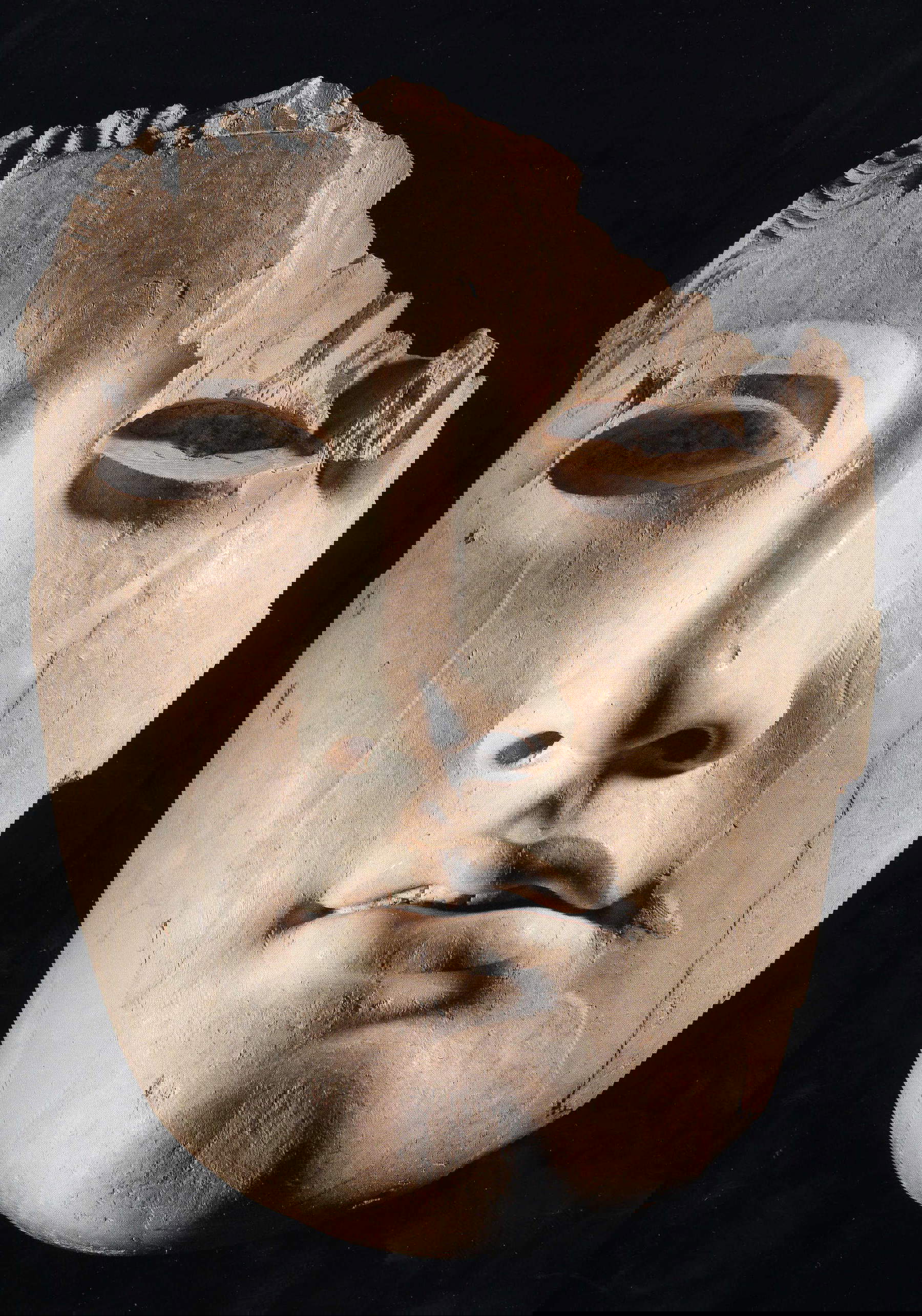
The increasing use of telematic channels instead of traditional ones for the illicit trade or export of cultural goods requires continuous updating of IT systems. In this regard, the design solution S.W.O.A.D.S. (Stolen Works Of Art Detection System) has allowed, on the one hand, the creation of the new system for the search and detection of stolen works of art and, on the other hand, the evolution of the existing “Leonardo” system through substantial evolutionary implementation of its main software components, necessary to obtain better results from the interaction with SWOADS. The created system makes it possible to perform automatic collection of data from the web, deep web, social media and information entered by the operational components - the result of control activities - and analyze the data, also with the application of Artificial Intelligence, to find correspondence with the textual and photographic contents of the artworks registered in the Database of Illicitly Stolen Cultural Goods.


The author of this article: Noemi Capoccia
Originaria di Lecce, classe 1995, ha conseguito la laurea presso l'Accademia di Belle Arti di Carrara nel 2021. Le sue passioni sono l'arte antica e l'archeologia. Dal 2024 lavora in Finestre sull'Arte.Warning: the translation into English of the original Italian article was created using automatic tools. We undertake to review all articles, but we do not guarantee the total absence of inaccuracies in the translation due to the program. You can find the original by clicking on the ITA button. If you find any mistake,please contact us.



























 IT
IT FR
FR DE
DE ES
ES CN
CN


