




CC, an exhibition by the American post-minimalist artist Michael E. Smith, hosted in the basement of Bologna’s Palazzo Bentivoglio that sees the double curatorship of Simone Menegoi together with Tommaso Pasquali, confirms itself among the most interesting exhibition projects of Art City, the institutional program promoted by the Municipality of Bologna in collaboration with BolognaFiere that, since 2013, has flanked Arte Fiera, contributing to making the city a widespread space for the promotion and enjoyment of contemporary art. Born in Detroit in 1977, Smith builds his sculptures and installations using common and industrial materials to transform them from their initial appearance into something other than themselves by making them ambiguous often unrecognizable, sometimes ironic, most often disturbing, even thanks to unprecedented assemblages so that the everyday hides something unspeakable. These are surviving, discarded objects that can be found in landfills or second-hand stores, but still capable of telling something. The resulting works stage the banality of the everyday, invite reflection on the fate of the objects themselves, on the value scale, on abandonment and, by reflection, on the fragility of existence.
The places replicate the interventions that welcome them and counterbalance them in a game of uncanny correspondences: whether it is a gallery or an aseptic museum space, the environment is altered so that nothing remains of the pre-existing white cube and so that it itself becomes a work. During the creative-equipment process, which the artist calls “composition” (with obvious reference to musical composition and music in which he has always had a great interest as a user and performer), Smith obscures windows, privileges corridors or areas usually considered marginal or ancillary, emphasizes back doors, electrical and ventilation systems, subverting their parameters and functions. In this way he overturns established hierarchies and challenges the implicit rules governing the exhibition experience.
When Smith entered into a relationship with the palace’s sixteenth-century basement, rich in history and endowed with clearly distinguishable features, he created a site-specific project from the site, finding himself in an already “resonant” environment.
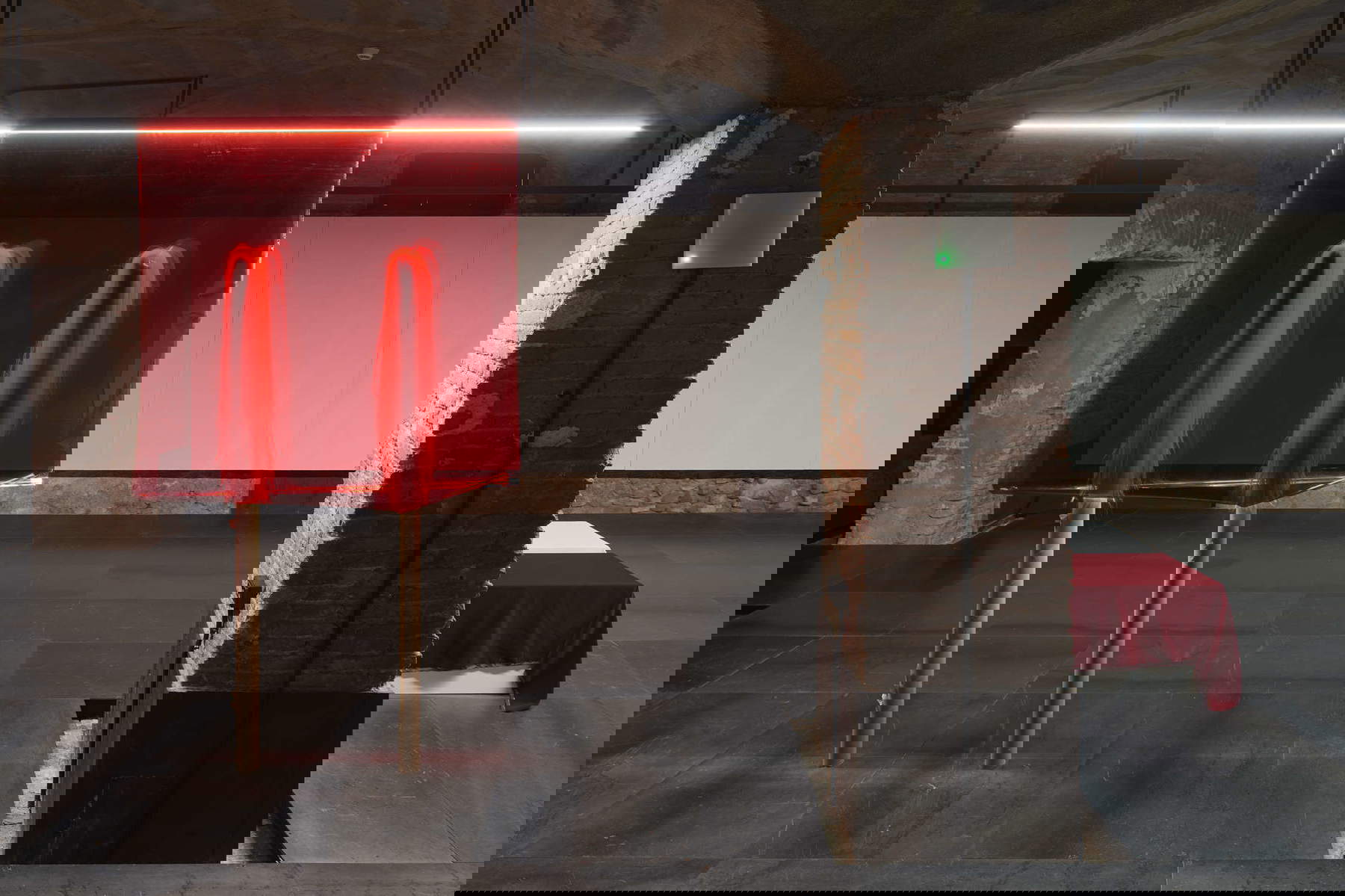
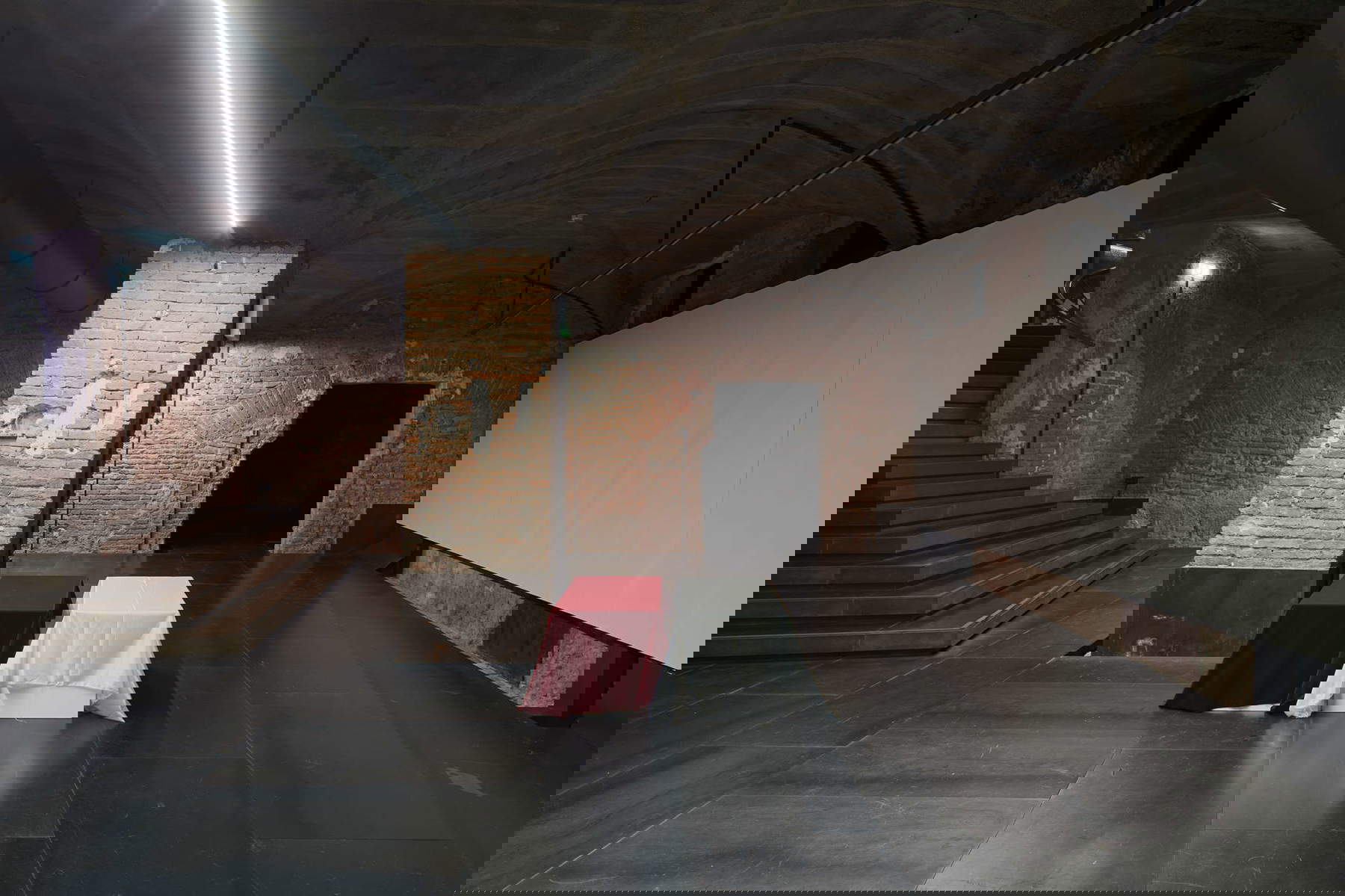
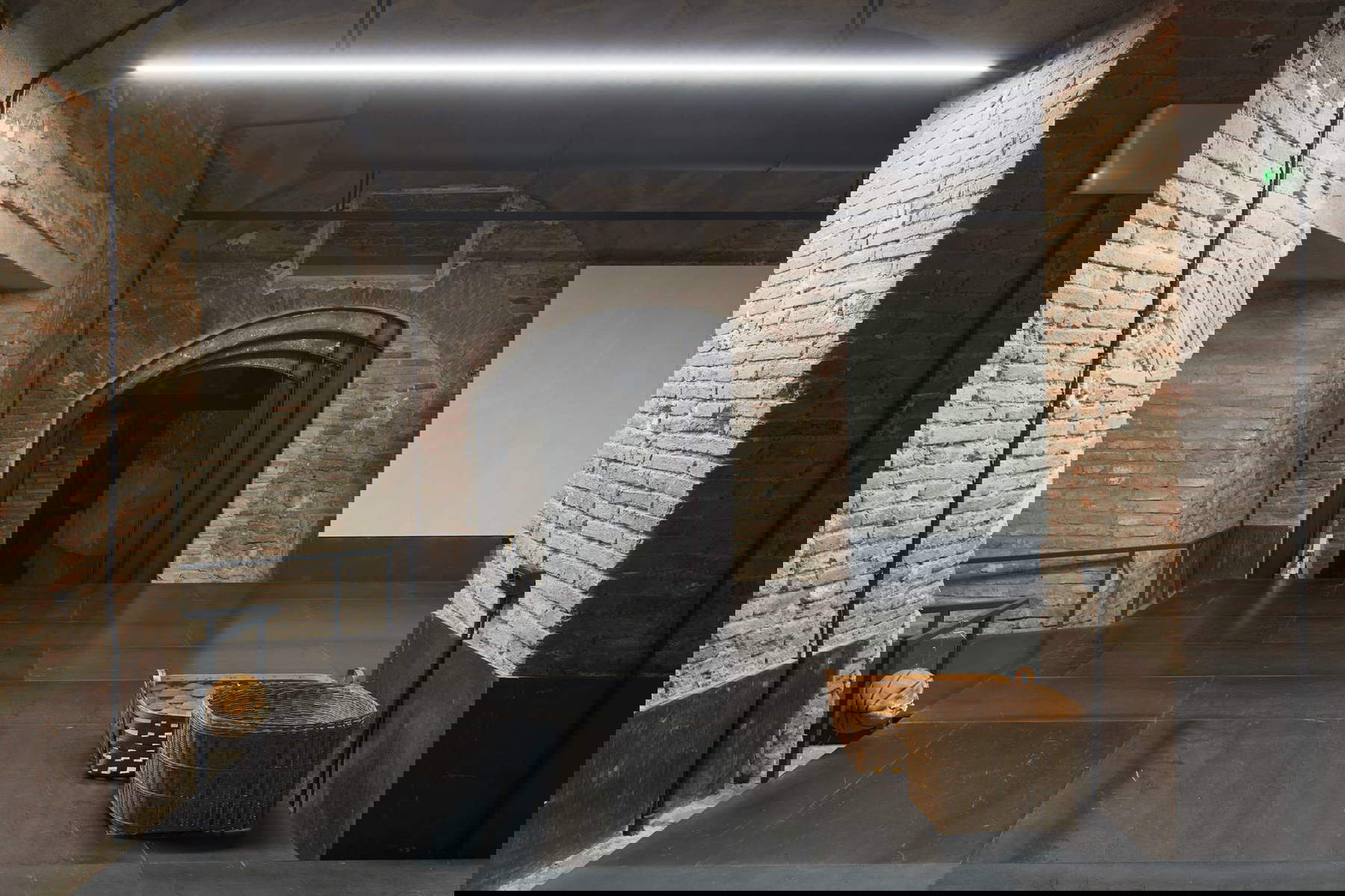
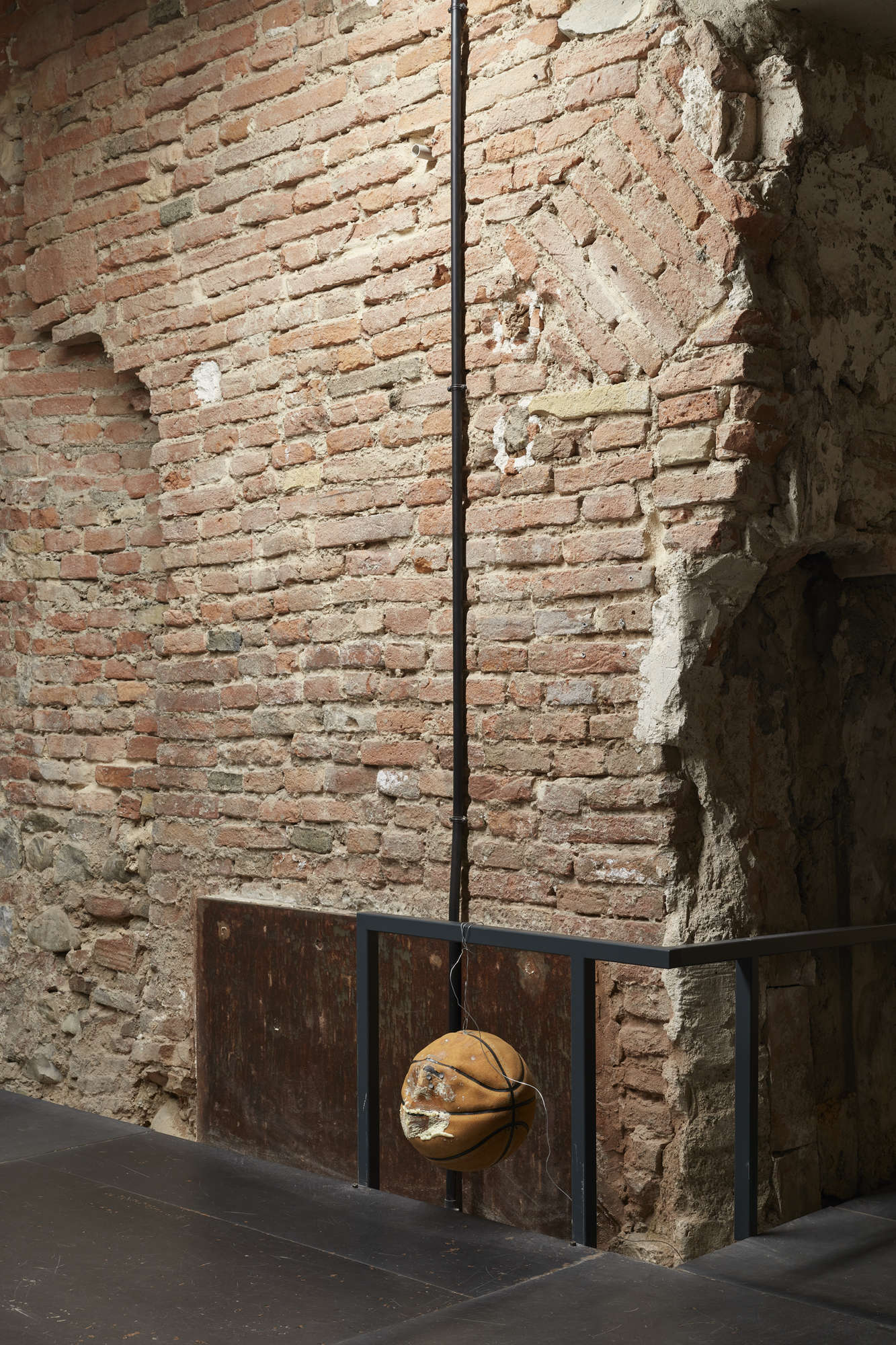
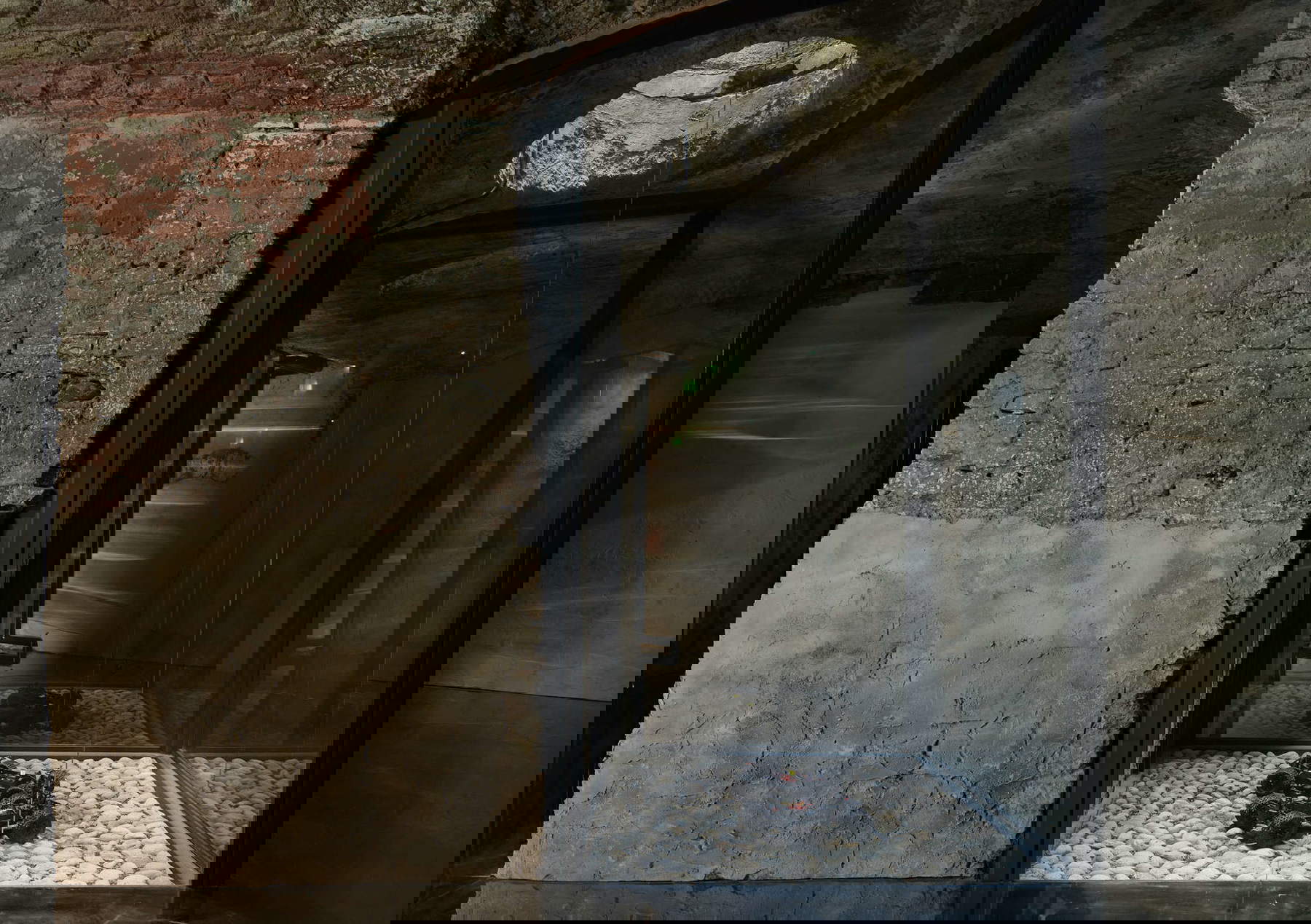
Visiting the exhibition is a training of the gaze, to intercept the interventions that many times are imperceptible, hidden in the folds of the architecture, insinuated in a crack, in a depression in the pavement (and thus the work occupies a space of the margin that is thus ennobled, acquiring its own gravitas). It is an accustoming of the view to semi-darkness (in some spaces the light has been reduced in its power, some sections are partially illuminated, others are almost dark), accepting an uncertain vision, being guided by the illumination sometimes emanating from some works, from small lanterns that Smith has scattered here and there, and, when it is not enough, operating the flashlight of one’s phone. From what has been said, one will perceive that light is itself a sculptural act, a primary and not an accessory element.
Besides, the title of the exhibition(CC), apparently cryptic, almost an acronym, warns us in advance: see, see. Look twice, look carefully. The American artist’s work has always had to do with looking and being looked at: the work Bugs presented back in 2023 during the Ghosts exhibition in Leeds comes to mind, consisting of two players no longer in use (one for dvd and one for vhs), almost two large peering eyes, fixed on panels obscuring a window once “with a view.” It is no longer (or at least not only) a matter of contemplating an object, but of making a broader reflection in the contemporary sphere about who looks, how they look, and what implications of power, identity, and control the act implies.
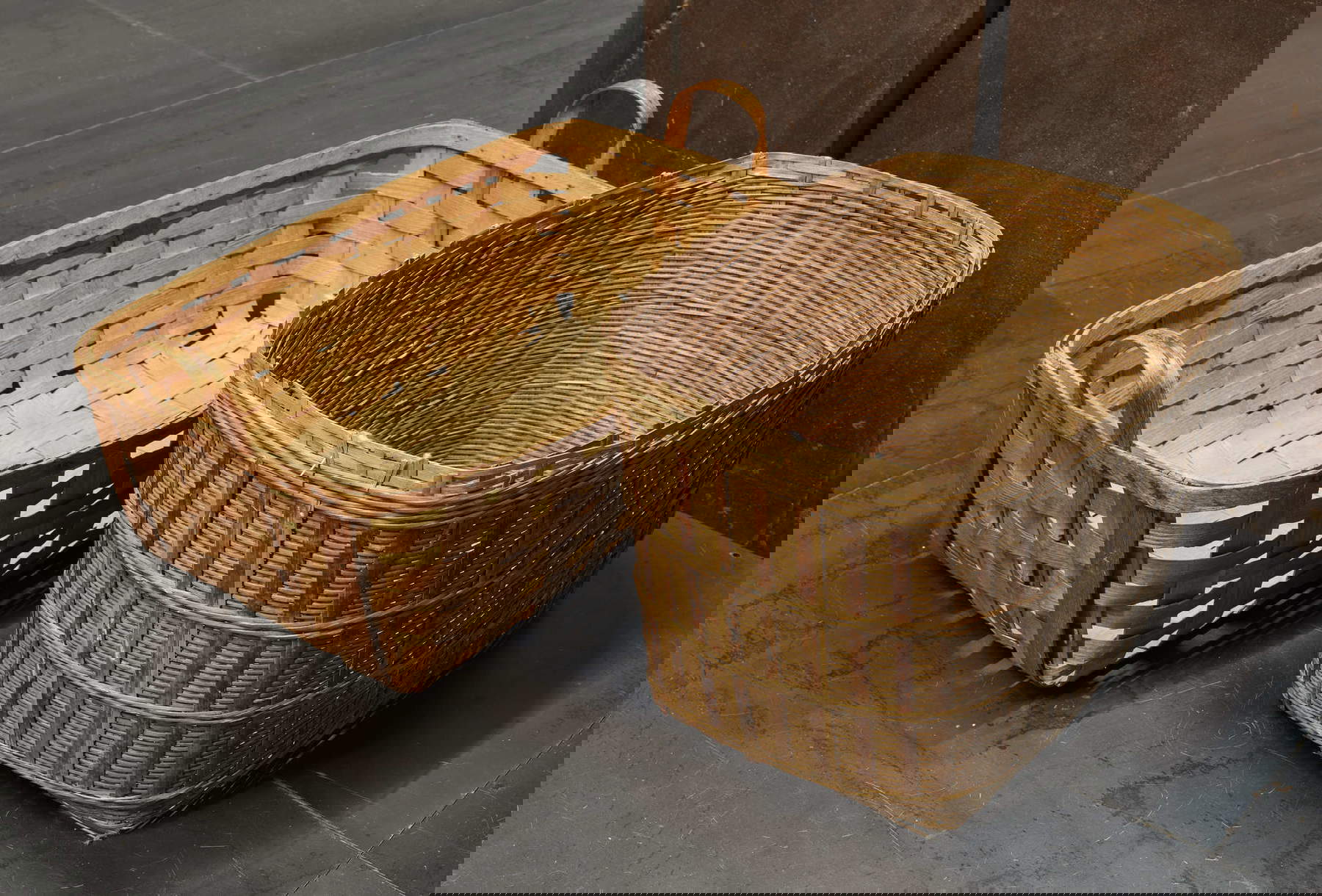
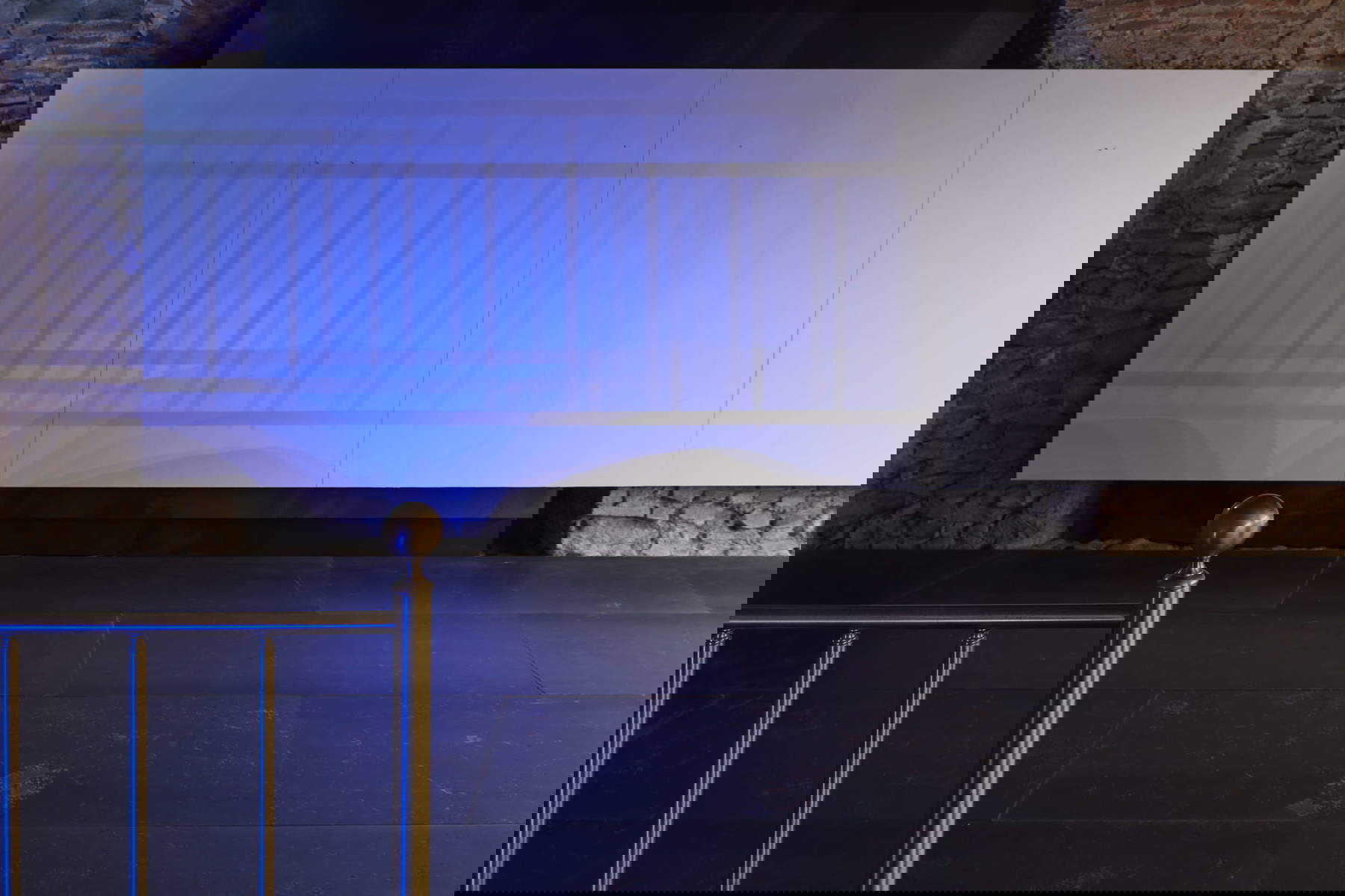
The theme of the double recurs throughout the course in many installations formed by pairs of objects: the viewers, the A4 sheets of paper, the tubes accessorized with wigs that greet us at the entrance (the work borrows the title of a Nina Simone song, my sweet lord, today is a killer), the two bases pretentiously covered with precious white and burgundy drapes that suggest liturgical trousseaus, the wicker baskets placed in front of a basketball, the cloths stretched on the wall (one off-white and theother identifiable as a tablecloth depicting the tree of life, a symbol of rebirth, manifest contrasts between aniconic and figurative in an improvised daring reflection by means of household objects), the blue and red looping lights of a silent video, the curved, dog-bitten beanbag ottomans inserted inside a brass frame of a double bed--almost messages of hope in the face of boundless loneliness.
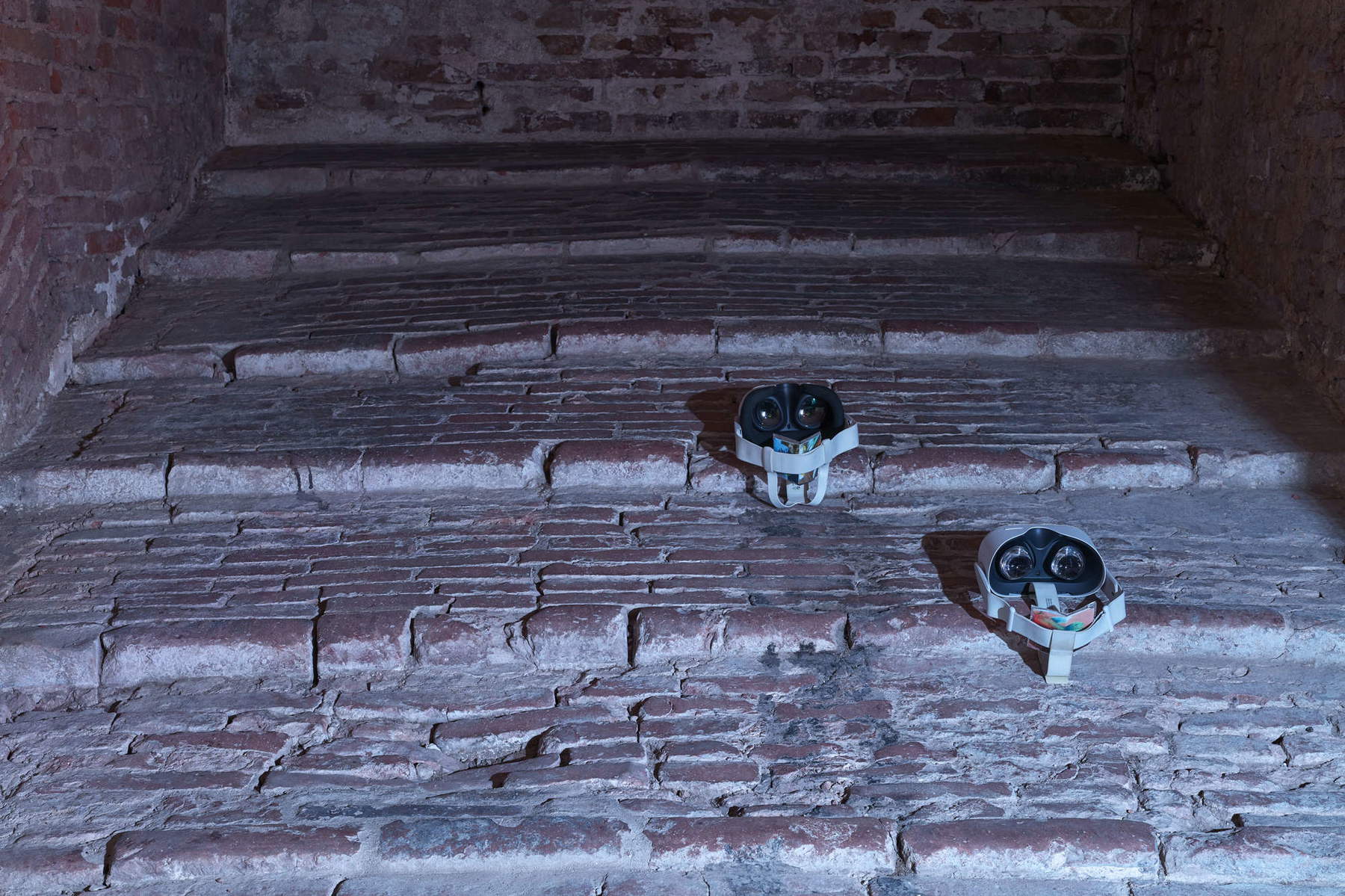
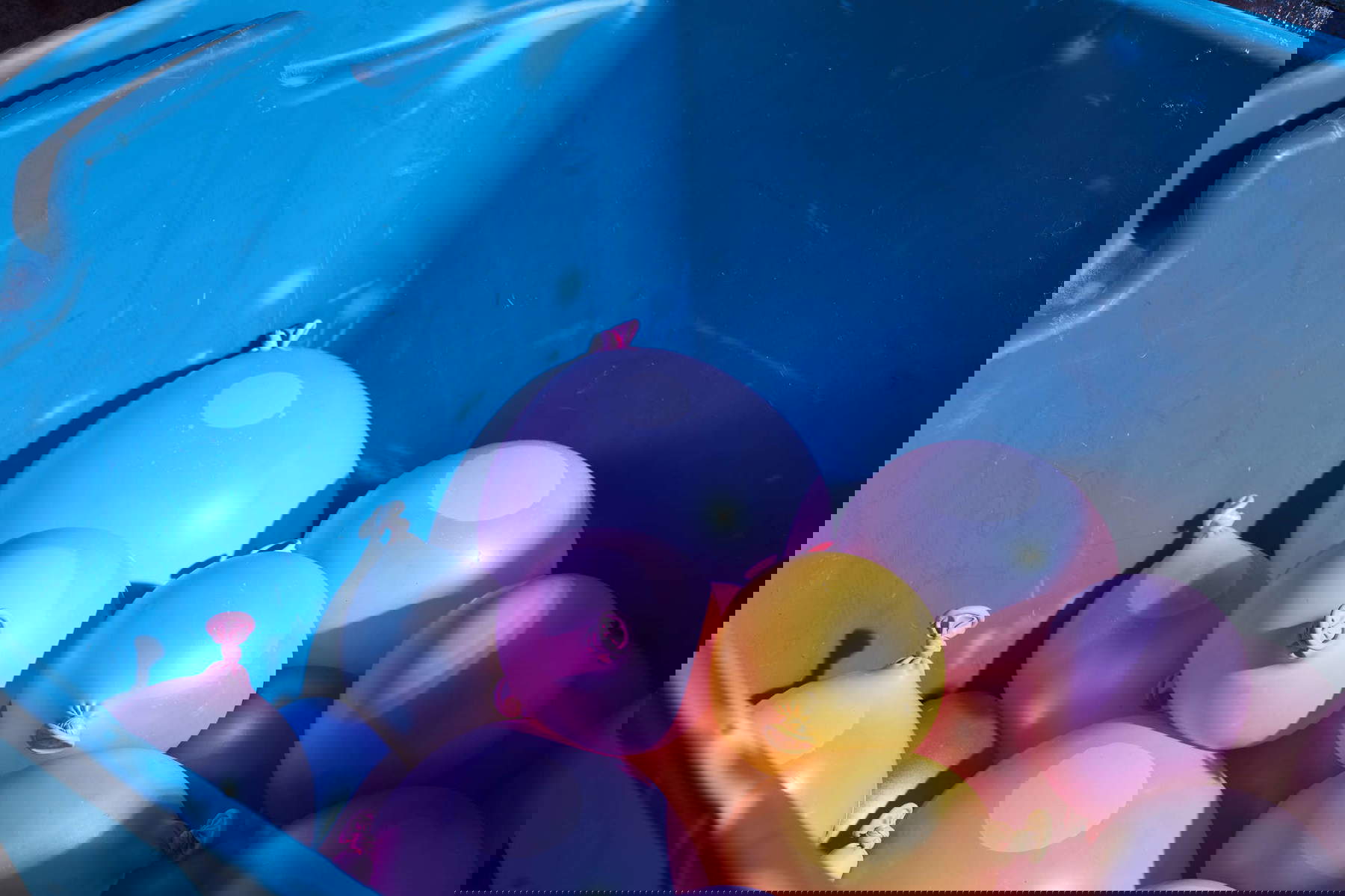
The exhibition, anticipated by a kind of "intro" with an intervention in the courtyard in front of the entrance, opens with two augmented reality viewers turned upside down and placed on the ground in a low niche that, with their diving-mask shape, invite unconscious immersion (inside theinside the elastic band that attaches them to the head, they hold reflective booklets where the gaze self-reflects, in a narcissistic, self-referential mirroring). Smith places them next to a blue plastic basin containing balloons colored by water balloons (titledSchmücke dich o Liebe Seele, bwv 654, or a chorale composed to music by J.S. Bach and text by Johann Franck from Johann Krüger dedicated to the Eucharist), perhaps a kind of “welcome” to an afternoon party of a U.S. middle-class family: an image of quiet before the storm.
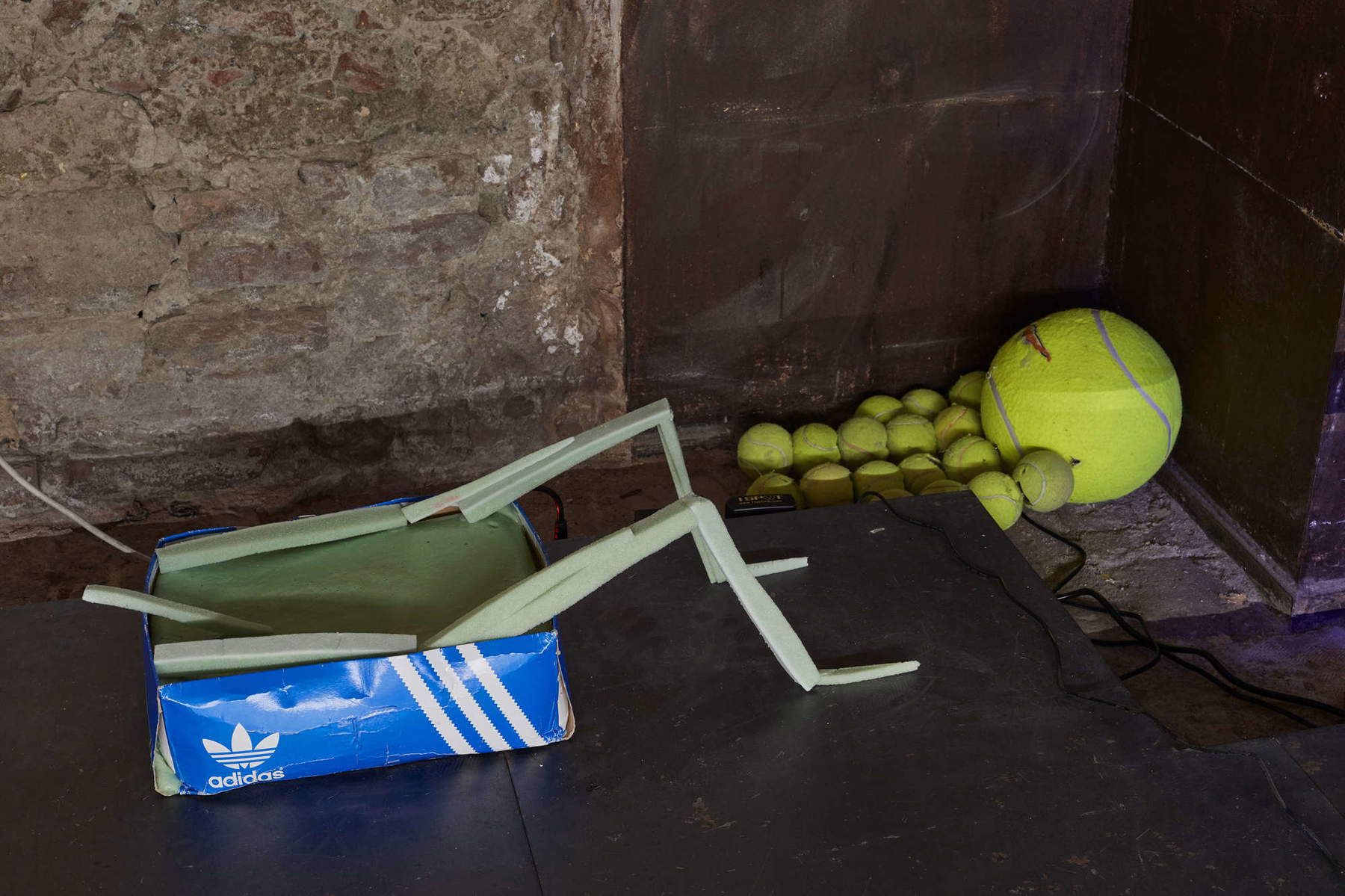
Then a succession of installations suggests the anthropic presence without it actually being present, starting with the dark room on the left where, beyond the reception table, fluorescent cell phone sticks are attached to a chair in a composition reminiscent of a human skeleton, or from the tubes accessorized with blond wigs boxed under red cellophane (just’just mentioned) that look like attentive sentinels, to the resin structures that look like a parody of a skeleton peeking out of an Adidas shoebox filled with polyurethane foam, as if emerging from a stone sarcophagus; and again from the basketball where one recognizes eyes, nose, and mouth covered with white foam in an intervention that simulates a face (placed down in favor of soccer and not up in favor of basketball hoop, reiterating precisely a downsizing of ideals summed up in an object that for years symbolized the possibility of redemption by humble classes), to the tennis balls that make up a strange lying puppet with humanoid forms. Smith through emptiness and created objects, reflects on the precariousness of contemporary existence and the vulnerability of the body, evoked but never explicitly shown, contributing to a suspended, fragile and sinister atmosphere, all the more tangible because given in absence. The objects recall the human figure through analogies, assonances or because they were useful to her.
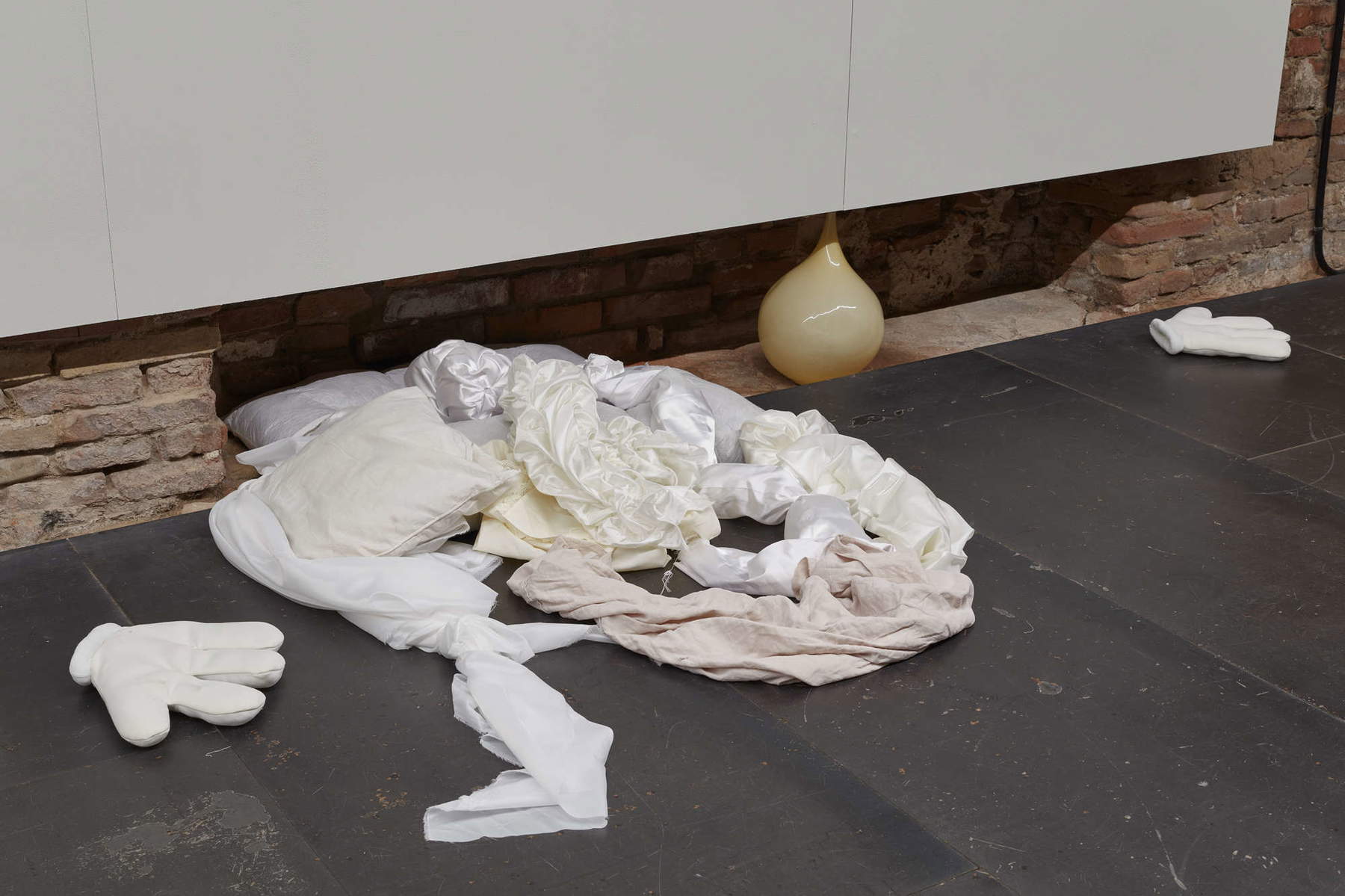
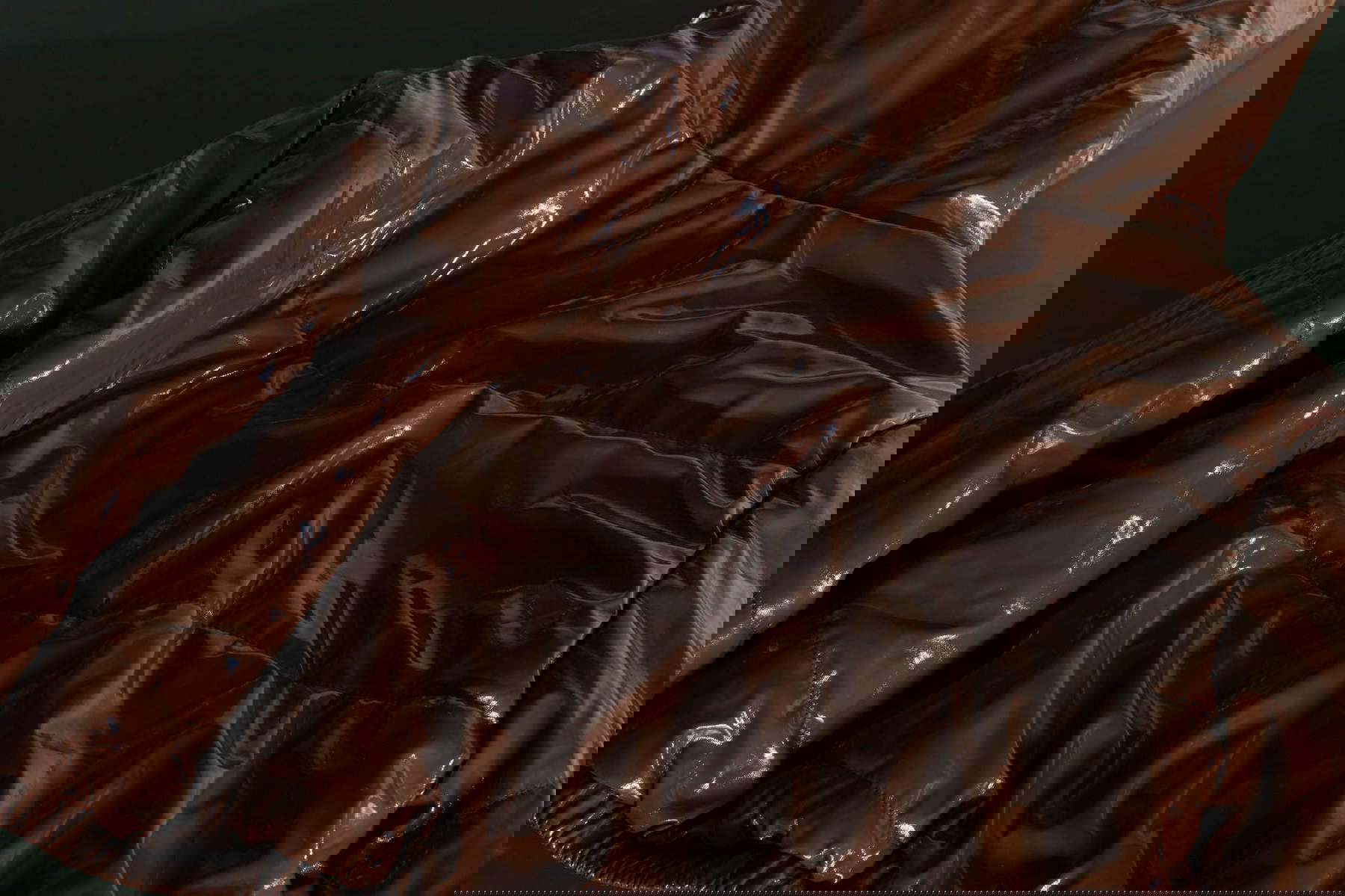
CC is, in the end, an exploratory journey (on multiple levels, psychic, social, of contemporary experience) where the visitor becomes a speleologist sent to explore semi-dark meanders that show, in a fragmented narrative, what remains of a collapse that has already taken place: it is as if the author is digging into theunderworld, or wants to make us complicit witnesses of a post-apocalyptic world. All this immersed in a kind of Lynchian imagery with which both artists share the Freudian category of theUnheimlich. We sense it in the air as we pass by an ant table on which has a baby quilt has been stretched out with open arms(Poppies), an image that at first glance alarms us, or we wander among iridescent white pieces of cloth scattered on the ground (some look like those with which corpses are wrapped) and appearing to form a dismembered, headless body lying on a pillow(Bricks in my pillow- Laura Dukes) while to the side is placed an oblong vase that recalls the shape of a head in a sui generis décollement; we perceive it in the installation of a synthetic English lawn tongue not at all reassuring(Hello walls -demo) placed almost at the end of the path in an alienating perspective, flanked by a projector emitting beams of light on a pair of selenite crystals (homage to Bologna and its ancient city walls) between a pre-existing portcullis and a laser machine. In the last room, before the wall with which the visitor will have to reckon at the end of the exhibition, Smith leaves a sinister light on, to be perceived not as a forgetfulness but as an element charged with signification: a to-be-continued that is both chilling and at the same time cracks a smile because it is as if the artist is winking at the visitor to say “you know me by now, you get the picture” (the narrative register is always dual).
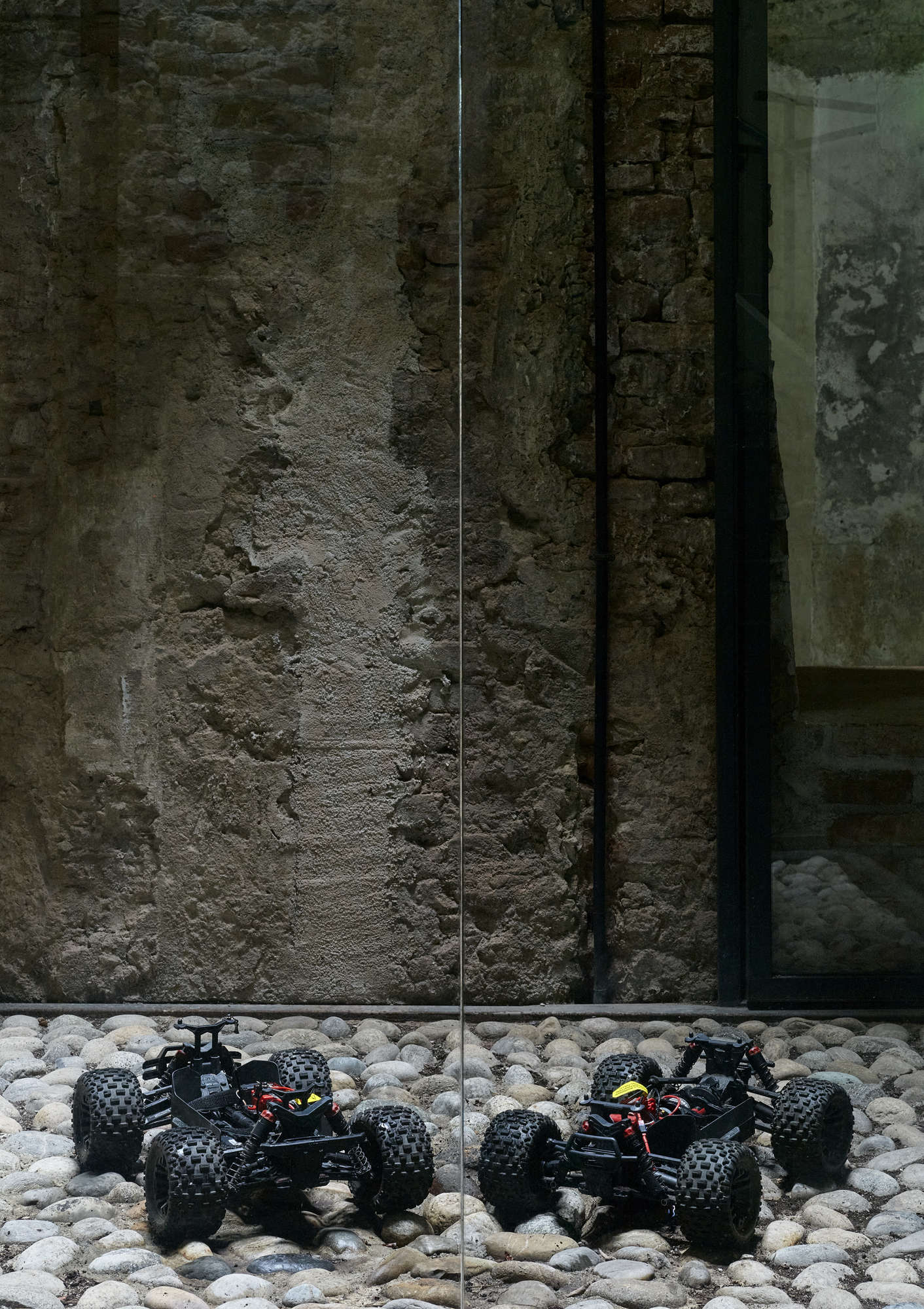
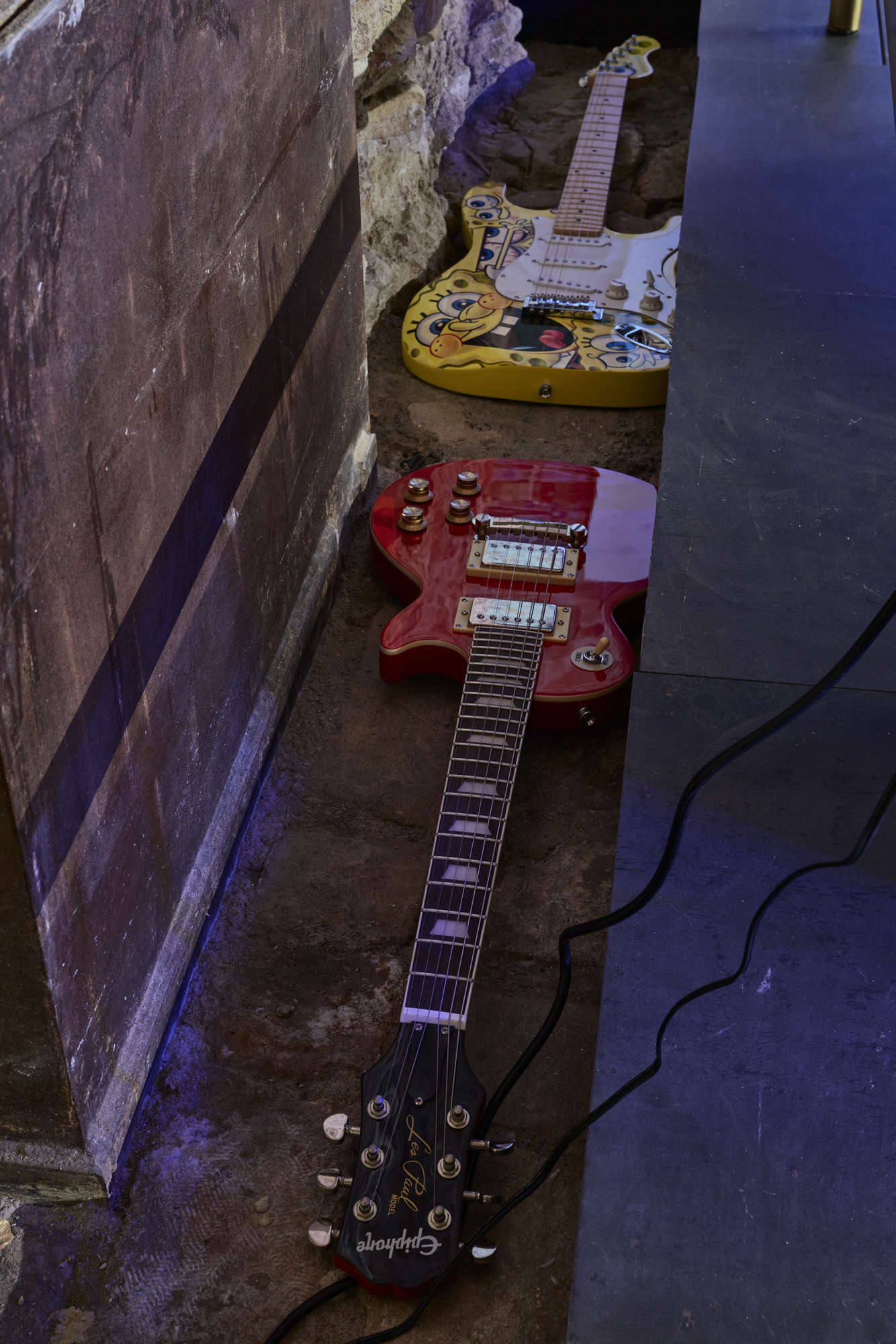
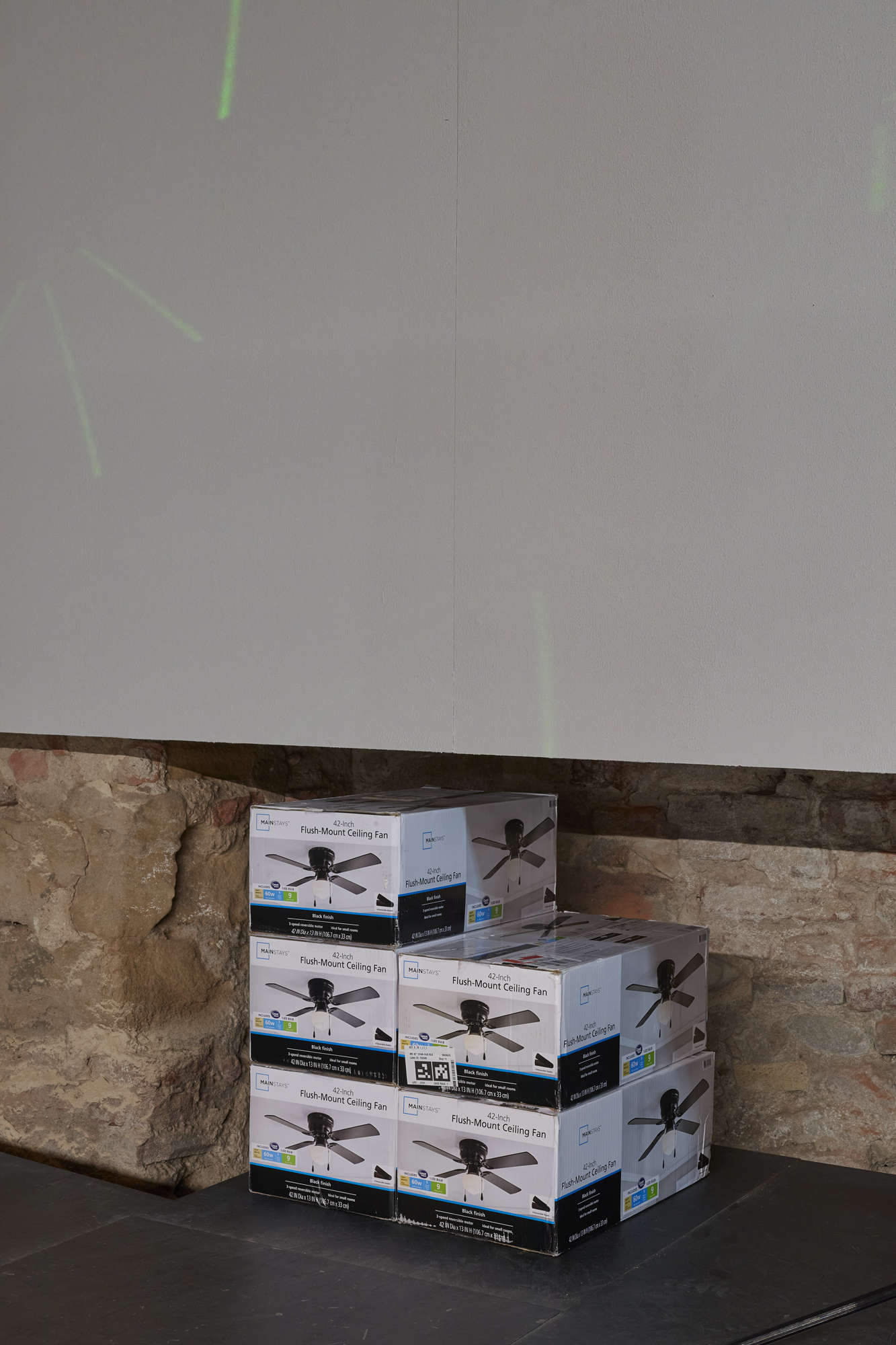
CC is an exhibition dense with American mass culture, but it speaks of an America of theafter where what is disturbing is internal to what once appeared familiar: children’s guitars (one with the ’image of SpongeBob a cartoon character symbolizing optimism and resilience), the skateboard accessorized with blue lights, the pair of toy cars without circuits placed under glass inside thehypogeum with mirrored floors, the shoeboxes of Adidas and Nike and the stacked packs of fans(Back in our minds) with their now retro technology (a revisited citation of Andy Warhol and Brillo detergent boxes, as was speculated in the curatorial text) and stowed inside a bunker, to be read as a precious stockpile in view of future portents of tightness.
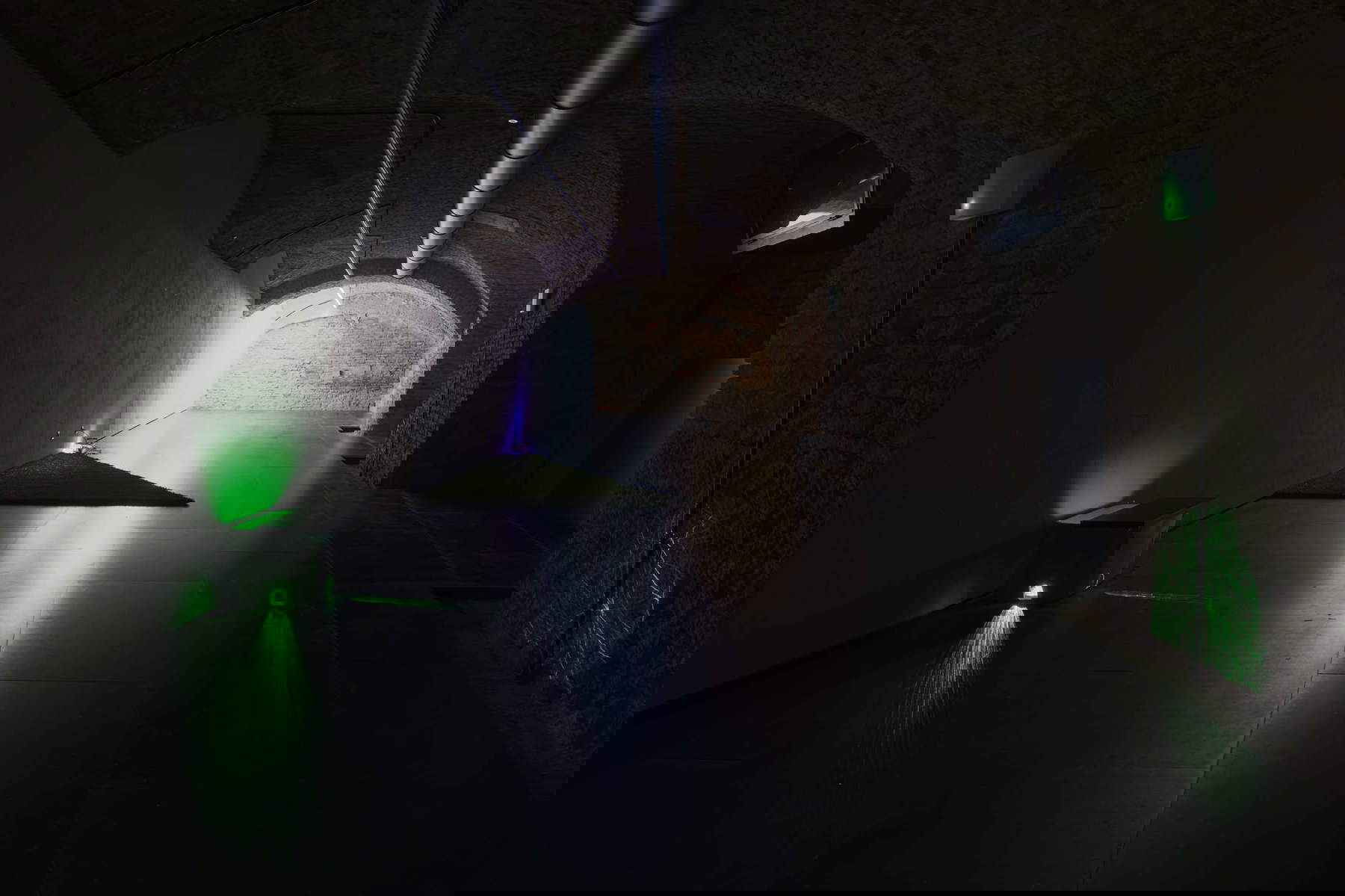
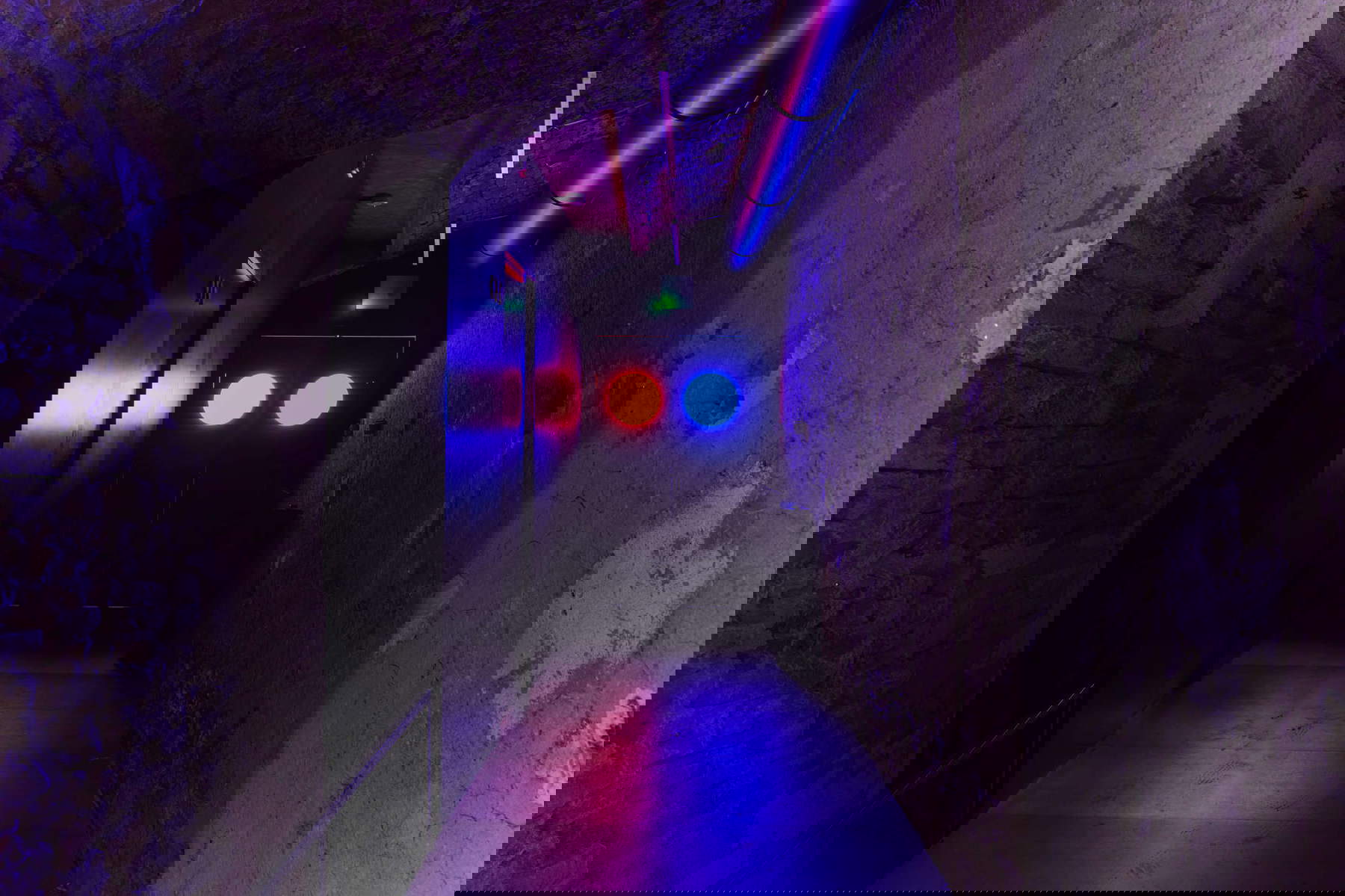
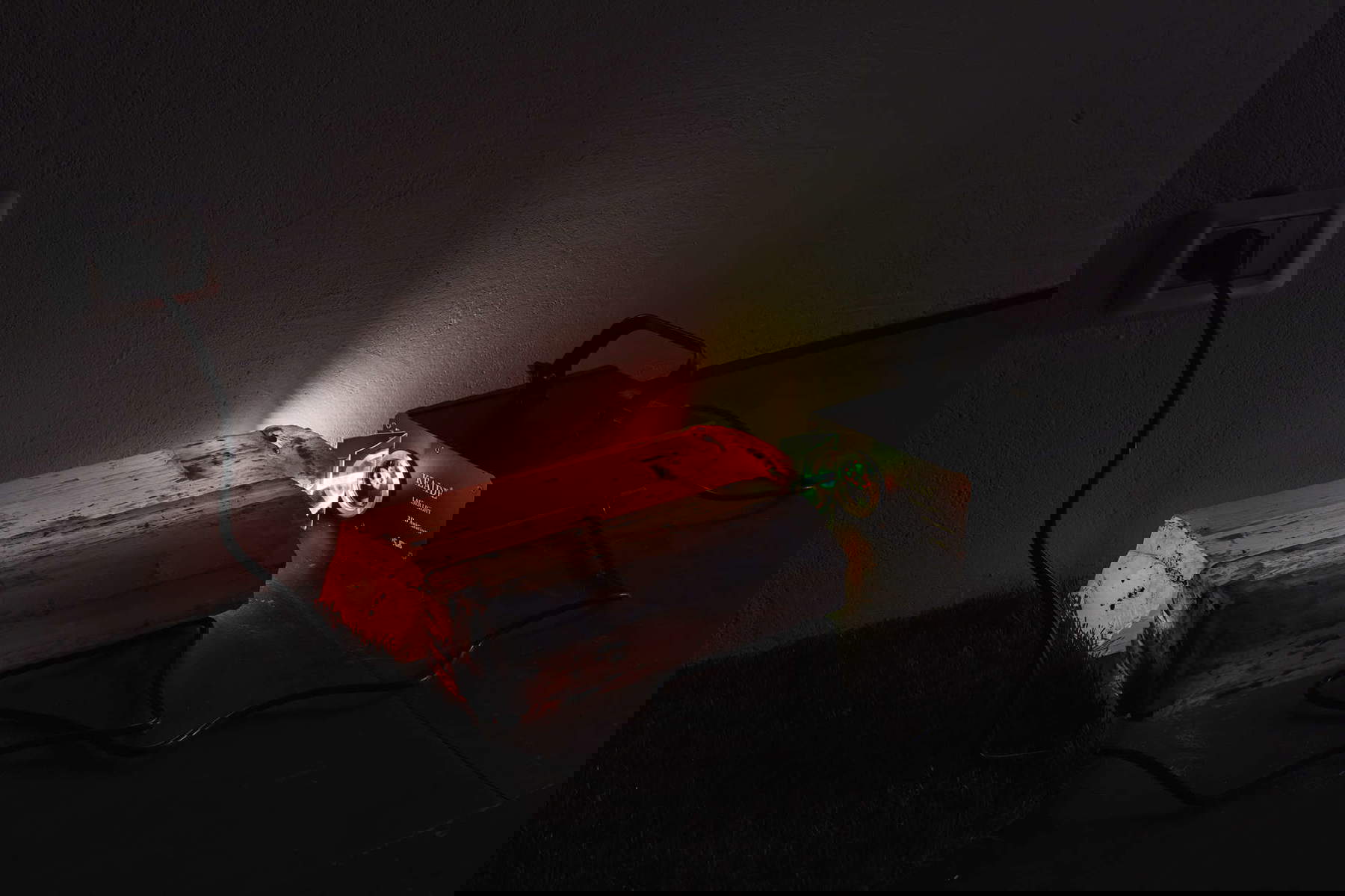
Smith’s poetics are affected by the post-industrial context of his hometown, Detroit, which takes on a paradigmatic significance in his work. As highlighted by Mark Fisher, “the post-Fordist landscape is not just an economic and urban space, but an affective and mental structure, marked by depression, stagnation and the impossibility of a future.” In this case in fact the future is there and Smith reinvents it with nothing, creating by subtraction from lack, crisis, and discard, faithful to the alphabet that has become his true stylistic hallmark, and yet, on the occasion of the Bologna exhibition, he innovates: there are no more taxidermied animals and not even skulls, bone fragments and human remains (because by now certain discourses related to ecology and systemic violence have been transposed) and some objects are not second hand, but inaugurated for the occasion waiting for its story to begin (loosely quoting Menegoi: it is as if after having long investigated the discard, the author wanted to focus on the object’s production of life imbued with the ephemeral fascination of novelty). And then in this exhibition there is music, Smith’s great passion since the days when as a boy he listened to hip hop: recalled in the few titles given to the works, which this time unusually appear with references to blues, soul pieces. A music that works as a jazz improvisation to reinforce the silent installation path (with the exception of some disturbing electric sound or the metallic beat produced by an amplifier connected to a guitar pedal, coming from the installation inserted in the area of the double bed structure); even if the artist confessed to the curators that his work lately has become“ more funky, eccentric, strange, smelly.”
An exhibition to be seen not before reading up on it (perhaps reading the catalog published by CURA with texts by the curators and an intervention by Romeo Castellucci), or, on the contrary, without a compass to get lost in the various meanings and be surprised.

The author of this article: Tristana Chinni
Tristana Chinni nasce a Bologna dove risiede. Dopo studi classici, si iscrive alla Facoltà di Lettere e Filosofia di Bologna, laureandosi in Storia del Cinema presso il DAMS Spettacolo e successivamente in Storia dell’Arte. Ha conseguito un Master in Comunicazione per le imprese culturali. Giornalista dal 2013, critica d’arte e curatrice, collabora con varie e note riviste cartacee e online specializzate nel settore artistico e culturale. Dal 2020 scrive per Finestre sull’Arte; lavora presso l’Alma Mater Studiorum-Università di Bologna.Warning: the translation into English of the original Italian article was created using automatic tools. We undertake to review all articles, but we do not guarantee the total absence of inaccuracies in the translation due to the program. You can find the original by clicking on the ITA button. If you find any mistake,please contact us.














 IT
IT FR
FR DE
DE ES
ES CN
CN


