



by Redazione 15/12/2025



Categories: Exhibitions / Disclaimer
In Soliera (Modena), an exhibition between private collecting and historical research presents paintings from the 16th to 18th centuries, with works from private collections and the Cantore Galleria Antiquaria, set in the historical context of Campori Castle.
From Dec. 6, 2025 to Jan. 18, 2026, the Campori Castle in Soliera (Modena) will host the exhibition Art Treasures at the Castle from the 16th to the 18th century, an exhibition project that interweaves local history, collecting and art-historical research. The opening took place Saturday, Dec. 6, at 10:30 a.m., in the presence of Soliera Mayor Caterina Bagni, organizing director Franco Zibordi and exhibition curator Pietro Cantore. To mark the opening, the morning included a guided tour of the exhibition, led by art historian Virna Ravaglia, curator of the catalog, which was presented during the morning.
The exhibition is organized in collaboration with the Centro Studi Storici Solieresi and is set in a territorial context historically linked to collecting and patronage. Indeed, the vicissitudes of the Este, Pio and Campori families have made a lasting mark on the cultural history of the area, making Castello Campori an emblematic place for artistic patronage and the collection of works of art. The exhibition confronts this legacy, proposing an itinerary that holds together the historical value of the works and their provenance from predominantly private spheres. The project brings into dialogue paintings from private collections and from the Cantore Galleria Antiquaria, which presents a selection largely unpublished to the public.


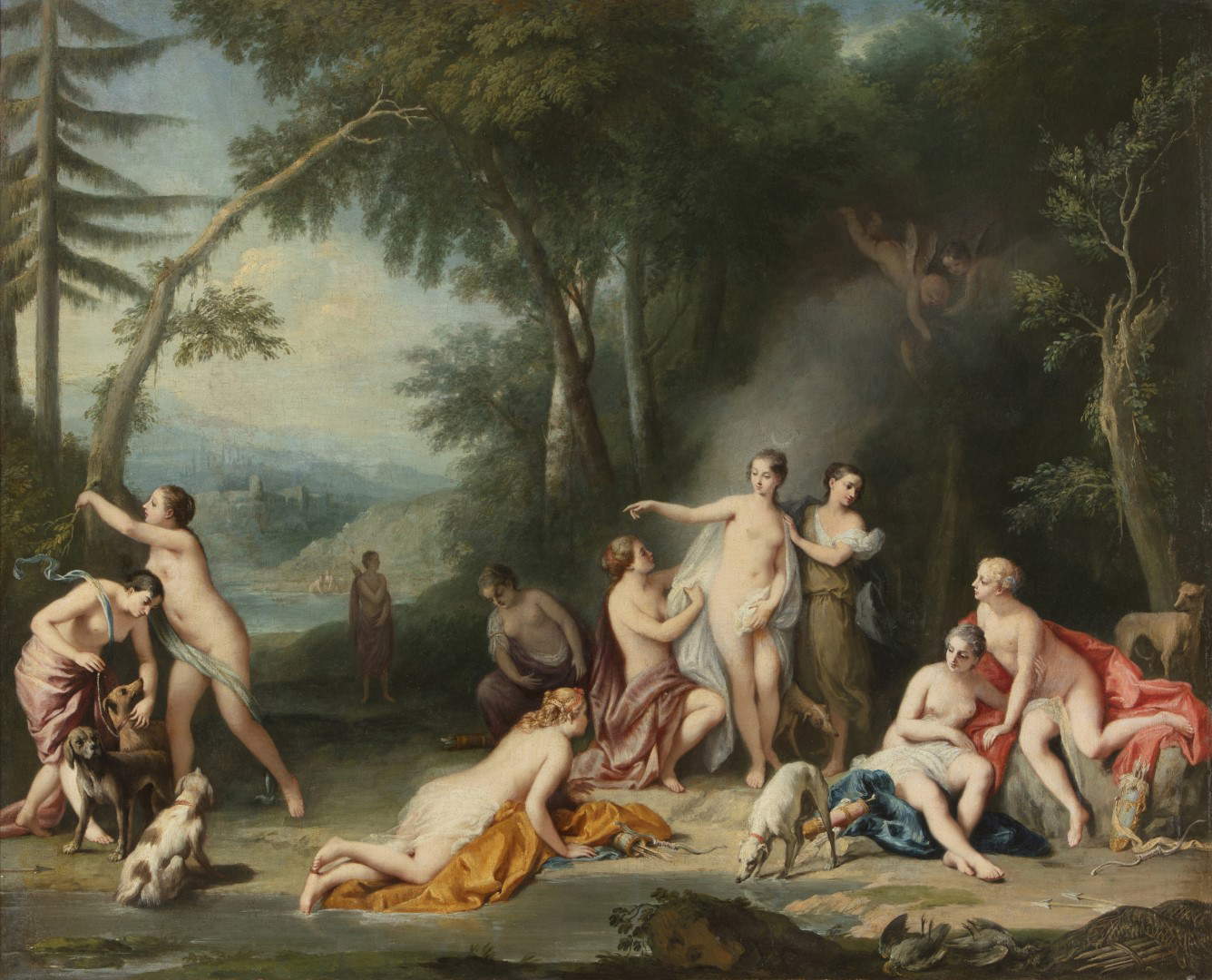
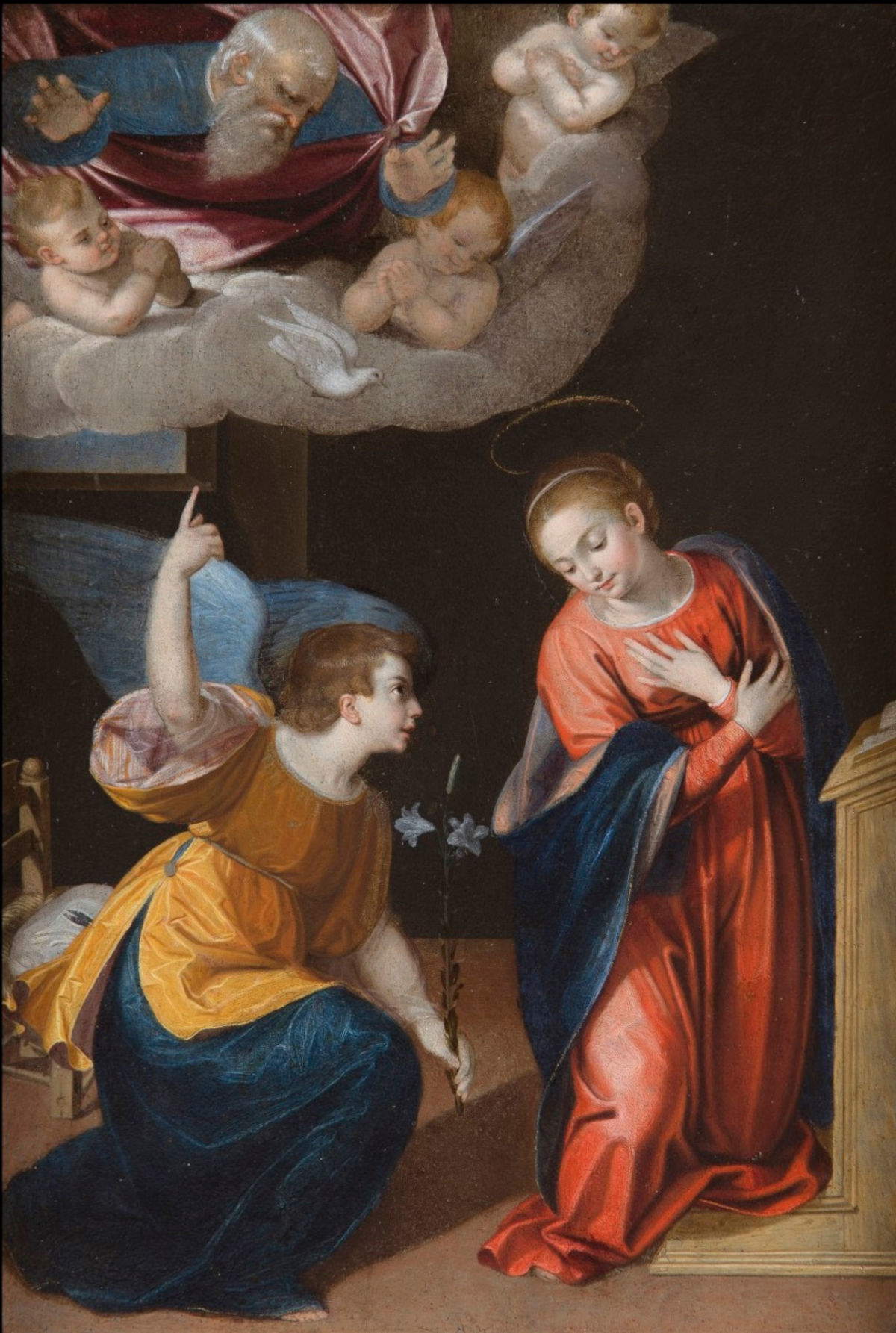
“The goal is to offer visitors an opportunity to admire paintings of great quality and historical interest that are not normally accessible, restoring visibility to works kept in private settings,” says curator, Pietro Cantore.
“The exhibition also enhances the work of the entire art supply chain, from restoration to critical studies to conservation and cultural mediation,” reiterates art historian Virna Ravaglia.
The exhibition is characterized by its chronological breadth and the variety of genres represented, with a selection of paintings covering a time span between the 16th and 18th centuries. For the 16th century, there are two oil on panel works, one attributed to the Bolognese painter Biagio Pupini and the other to Scipione Pulzone, a central figure of Counter-Reformation painting. These are works that bear witness to different languages and sensibilities, but share a high quality of execution and a strong connection with the cultural context of the time. The seventeenth century is represented, among other works, by anAdoration of the Magi by Luigi Garzi, a Roman painter active in the late seventeenth and early eighteenth centuries, known for a production that combines Classicist elements and Baroque instances. Alongside the painting of religious subjects, the genre of still life also finds space, present with the Merenda galante by Pier Francesco Cittadini, a Milanese artist also active in the Este context, as demonstrated by the frescoes created for the ducal residence in Sassuolo. The eighteenth century is documented, among other examples, by a Diana and Nymphs by Jacopo Amigoni, a Venetian painter whose activity was part of a European panorama marked by international commissions and elegant and decorative painting. The presence of works from different epochs and schools contributes to delineating an articulated itinerary, allowing us to grasp continuities and transformations in Italian painting between the 16th and 18th centuries.
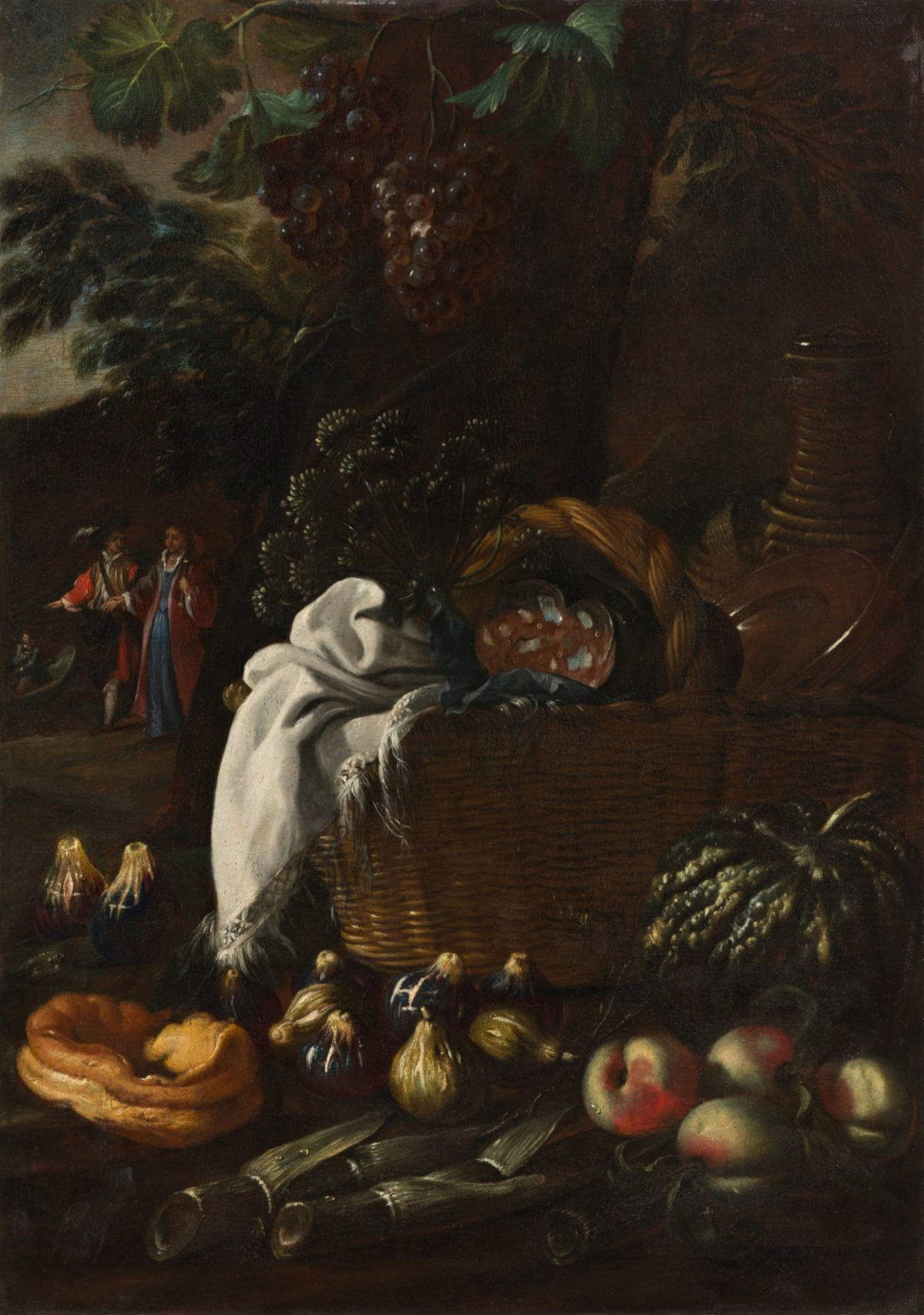
In addition to the exhibition dimension, the exhibition intends to enhance the work that revolves around works of art, from restoration to critical studies to protection and cultural mediation. The project is thus proposed as a shared path, capable of returning an otherwise invisible heritage to the community and leaving a trace of it through research and catalog publication. Within this framework, Treasures of Art at the Castle from the 16th to the 18th century is configured as an opportunity for an encounter between works, collecting histories and territorial context, offering the public the chance to delve not only into the paintings on display, but also into the events and relationships that have accompanied their transmission over time.
The exhibition is curated by Pietro Cantore, with the collaboration of Virna Ravaglia, and is under the organizational direction and coordination of Franco Zibordi. The initiative enjoys the patronage of the Municipality of Soliera and the Centro Studi Storici Solieresi.
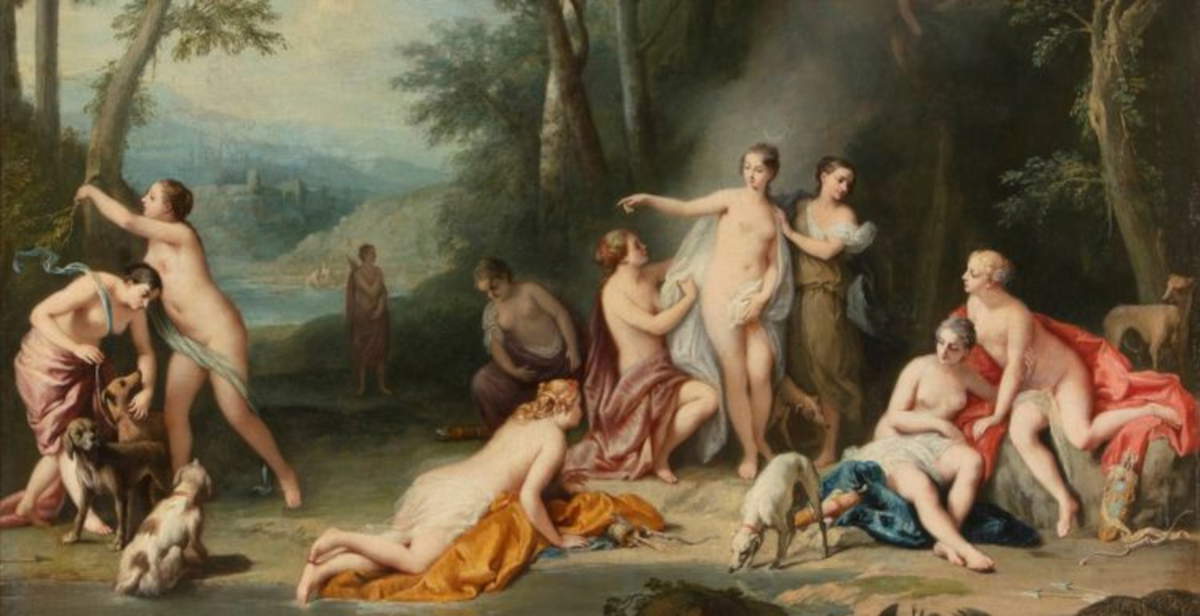 |
| Art treasures from the 16th to the 18th century on display at Campori Castle in Soliera (Modena) |
Warning: the translation into English of the original Italian article was created using automatic tools. We undertake to review all articles, but we do not guarantee the total absence of inaccuracies in the translation due to the program. You can find the original by clicking on the ITA button. If you find any mistake,please contact us.