




by Redazione 23/04/2026



Categories: Exhibitions / Disclaimer
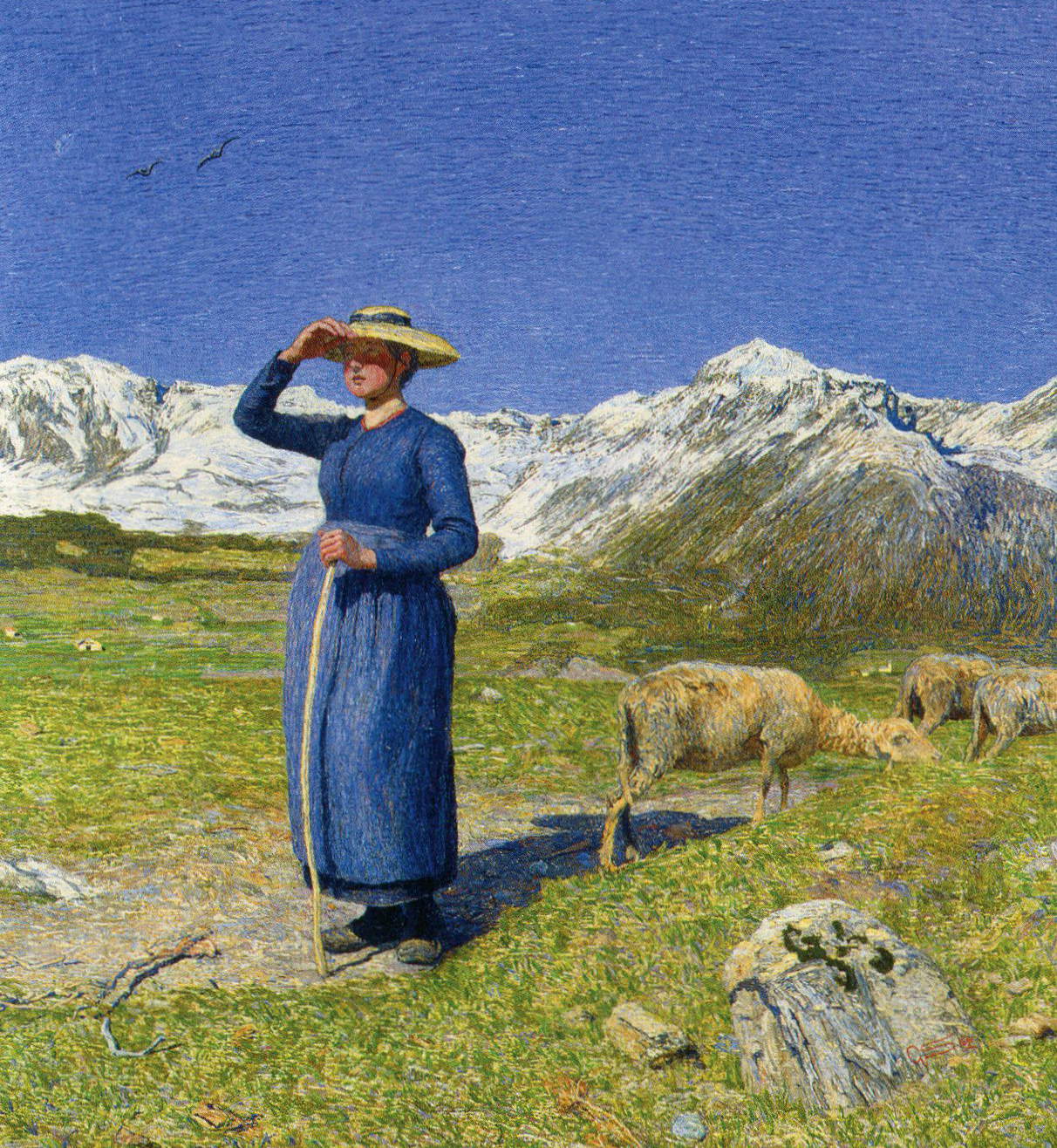
From April 29 to August 16, 2026, the Musée Marmottan Monet in Paris hosts the first major retrospective in France dedicated to Giovanni Segantini. Over sixty works, including paintings, pastels and drawings, where the common thread is the mountain.

From April 29 to August 16, 2026, the Musée Marmottan Monet in Paris welcomes the exhibition Giovanni Segantini (1858-1899). I Want to See My Mountains, the first major retrospective in France dedicated to Giovanni Segantini, one of the most relevant painters of European Symbolism and Divisionism. Even in his lifetime, Segantini aroused great interest among French critics, who were attracted to the figure of this solitary artist who lived immersed in the Swiss Alpine valleys. The first monograph devoted to him, edited by William Ritter, was published in Paris in 1898 in the Gazette des Beaux-Arts. Despite this, for over one hundred and twenty years no exhibition of such magnitude has ever been dedicated to him in France.
The exhibition at the Musée Marmottan Monet, curated by Gabriella Belli and Diana Segantini and organized in collaboration with 24 ORE Cultura, under the patronage of the Swiss and Italian embassies in France, brings together more than sixty works, including paintings, pastels and drawings. The common thread is the mountain, a central element in Segantini’s poetics, understood both as a real landscape and as a symbol and mythical dimension.


Several Italian and Swiss institutions have contributed loans of important works, testifying to the artist’s deep connection with nature. The works from the 1880s, presented in the first section, come in particular from the Galleria d’Arte Moderna in Milan and private collections. The works created during the Swiss period, on the other hand, are granted by important collections such as the collection of Christian Fischbacher (now at the Segantini Museum in St. Moritz), the Kunsthaus in Zurich and museums in the Netherlands, Belgium, Germany and the United Kingdom.
Rounding out the exhibition are some thirty drawings and pastels, rare and high-quality works that underscore how much work on paper was an integral and fundamental part of Segantini’s artistic research.
Born in Arco, Giovanni Segantini lived most of his life in the Swiss Engadine valley. French audiences have never had the opportunity to fully explore the human and artistic journey of such a complex figure. Yet the artist dreamed of exhibiting in Paris during the 1900 Paris World’s Fair, a project that remained unfinished due to his untimely death in 1899. Stricken with peritonitis while painting outdoors in a cabin on Mount Schafberg in the Swiss Alps at an altitude of 2,700 meters, he died at only forty-one years old.
His last work, La Natura, is part of a large triptych now in the Segantini Museum in St. Moritz. Segantini would have liked to present it specifically in Paris. According to biographer Raffaele Calzini, the artist’s last words were, “I want to see my mountains.” The Paris exhibition, which aims to trace his artistic and existential story, takes its title from this phrase.
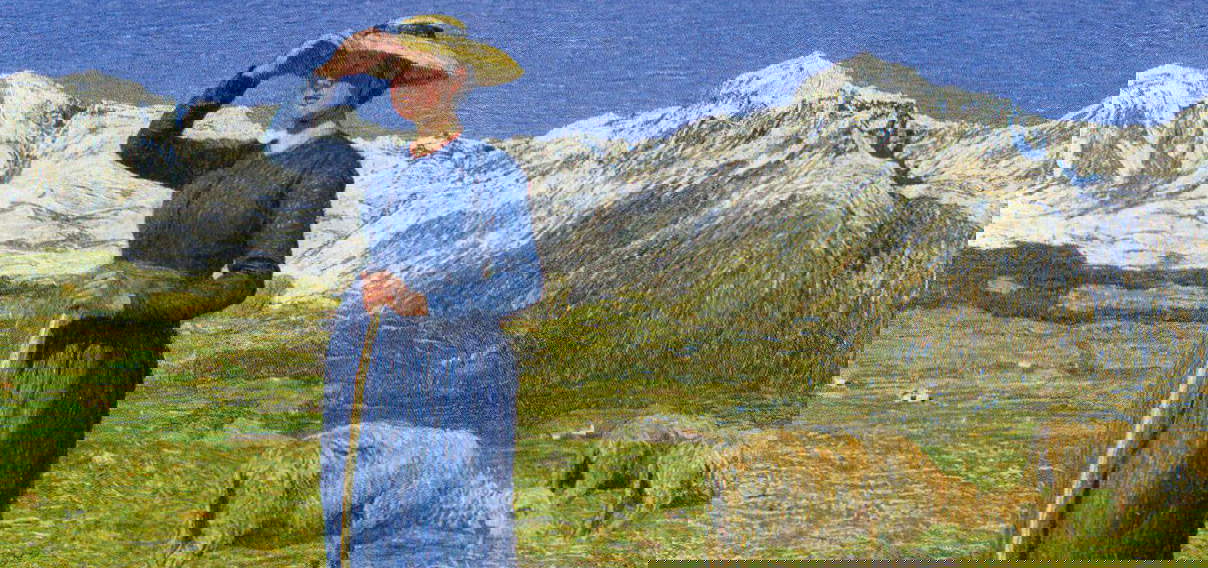 |
| At the Musée Marmottan Monet in Paris, the first major retrospective in France dedicated to Giovanni Segantini |
Warning: the translation into English of the original Italian article was created using automatic tools. We undertake to review all articles, but we do not guarantee the total absence of inaccuracies in the translation due to the program. You can find the original by clicking on the ITA button. If you find any mistake,please contact us.