



by Redazione 12/03/2026



Categories: Exhibitions / Disclaimer
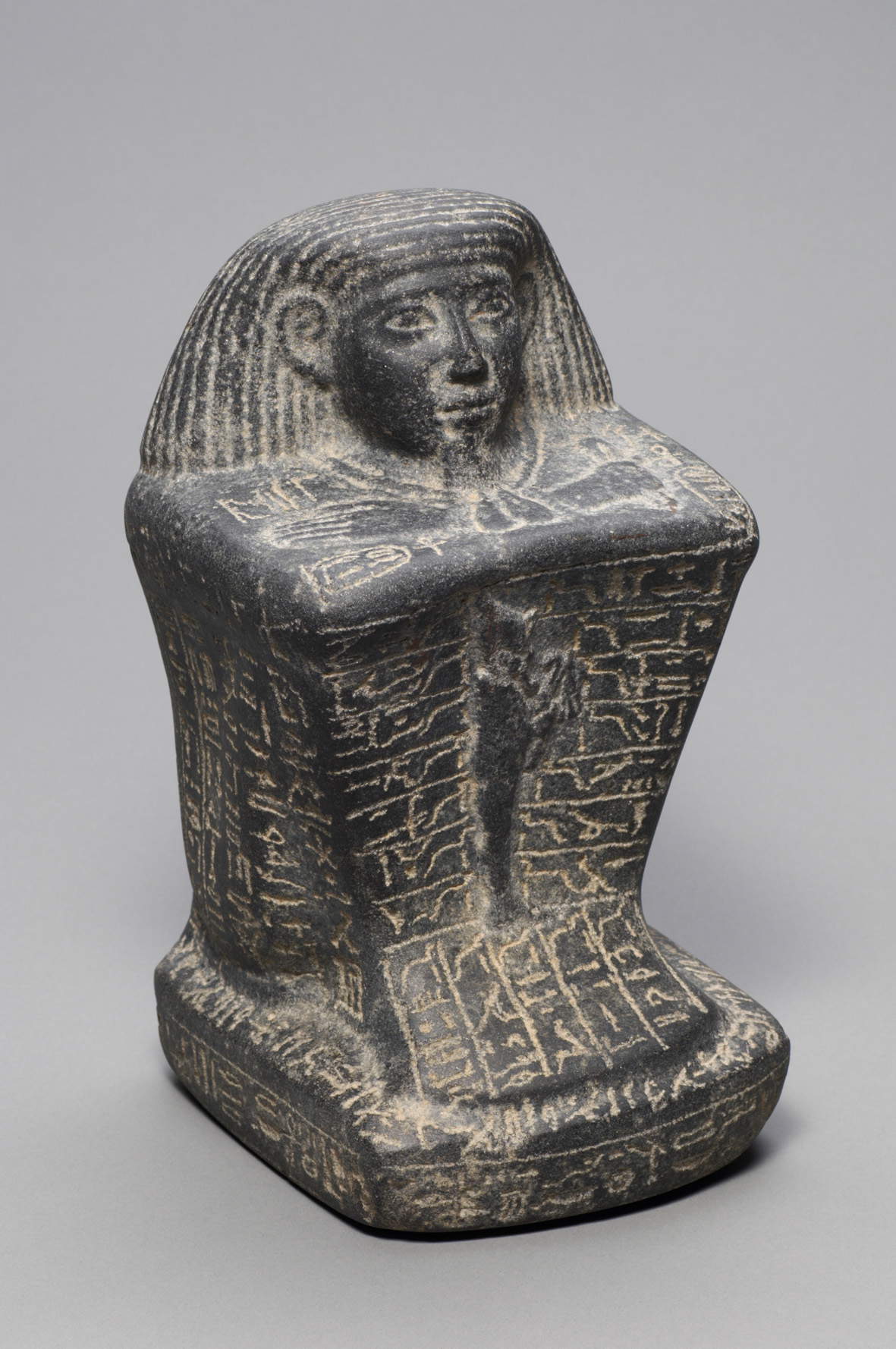
At the Scuderie del Castello di Miramare in Trieste, the exhibition "A Sphinx Attracts Her" reconstructs the Egyptological passion of Archduke Maximilian of Habsburg. Over one hundred artifacts tell the story of the collection transferred to Vienna in 1891 and now temporarily brought back to Trieste.

A significant part of Maximilian of Habsburg ’s Egyptian collection returns to Trieste after more than a century. From April 2 to November 1, 2026, the Scuderie del Castello di Miramare will host the exhibition Una sfinge l’attrae. Maximilian of Habsburg and the Egyptian Collections between Trieste and Vienna, a project that temporarily brings back to the Julian city a collection of artifacts that had been in Vienna for 143 years. The exhibition is the result of a collaboration between the Historical Museum and Park of Miramare Castle and the Kunsthistorisches Museum in Vienna, an institution that now preserves much of the archduke’s Egyptian collection. The project is curated by Massimo Osanna, director of the General Directorate for Museums; Christian Greco, director of the Egyptian Museum in Turin; Cäcilia Bischoff, art historian at the Kunsthistorisches Museum; and Michaela Hüttner, curator of the Egyptian-Oriental Collection at the Vienna museum.

The exhibition features more than one hundred artifacts, many of them from the Kunsthistorisches Museum’s own Egyptian-Oriental Collection, where they converged after the collection was transferred from Trieste to Vienna. Some objects also arrive from the Civic Museum of Antiquities J. J. Winckelmann in Trieste, helping to reconstruct the cultural and collecting context in which the nineteenth-century passion for ancient Egypt matured in the Adriatic city.


The collection’s history is rooted in the figure of Archduke Ferdinand Maximilian of Habsburg, creator and owner of Miramare Castle and future emperor of Mexico. The transfer of the Egyptian collection to Vienna took place in 1891, when it was displayed in the Eastern Egyptian Collection of the Kunsthistorisches Museum. Today, thanks to the collaboration between the institutions involved, a part of those materials temporarily returns to Trieste, offering the public a chance to learn more about the archduke’s cultural and collecting project. The exhibition is organized by the Historical Museum and Park of Miramare Castle, co-organized by the Kunsthistorisches Museum in Vienna, and produced by MondoMostre and CoopCulture. The project also has the collaboration of the City of Trieste and PromoTurismoFVG and the scientific contribution of the Egyptian Museum in Turin.
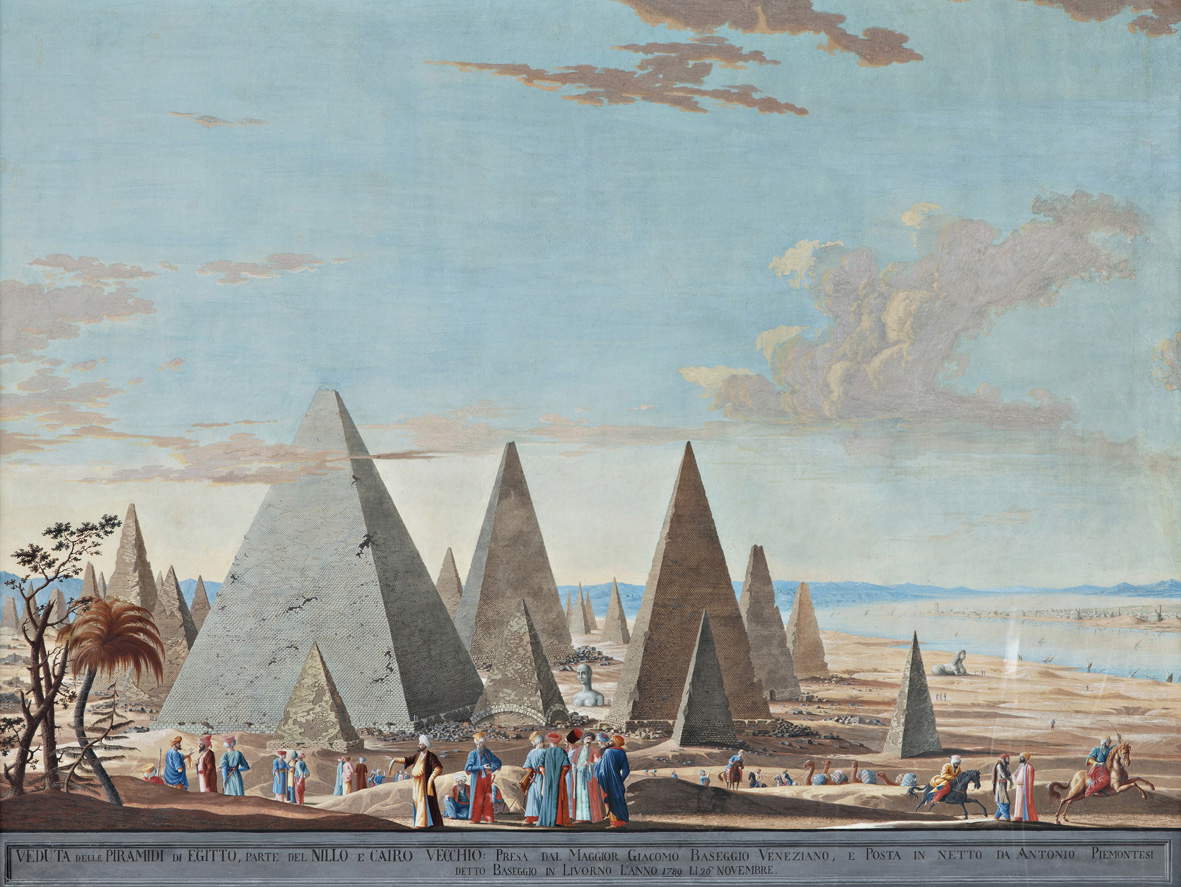
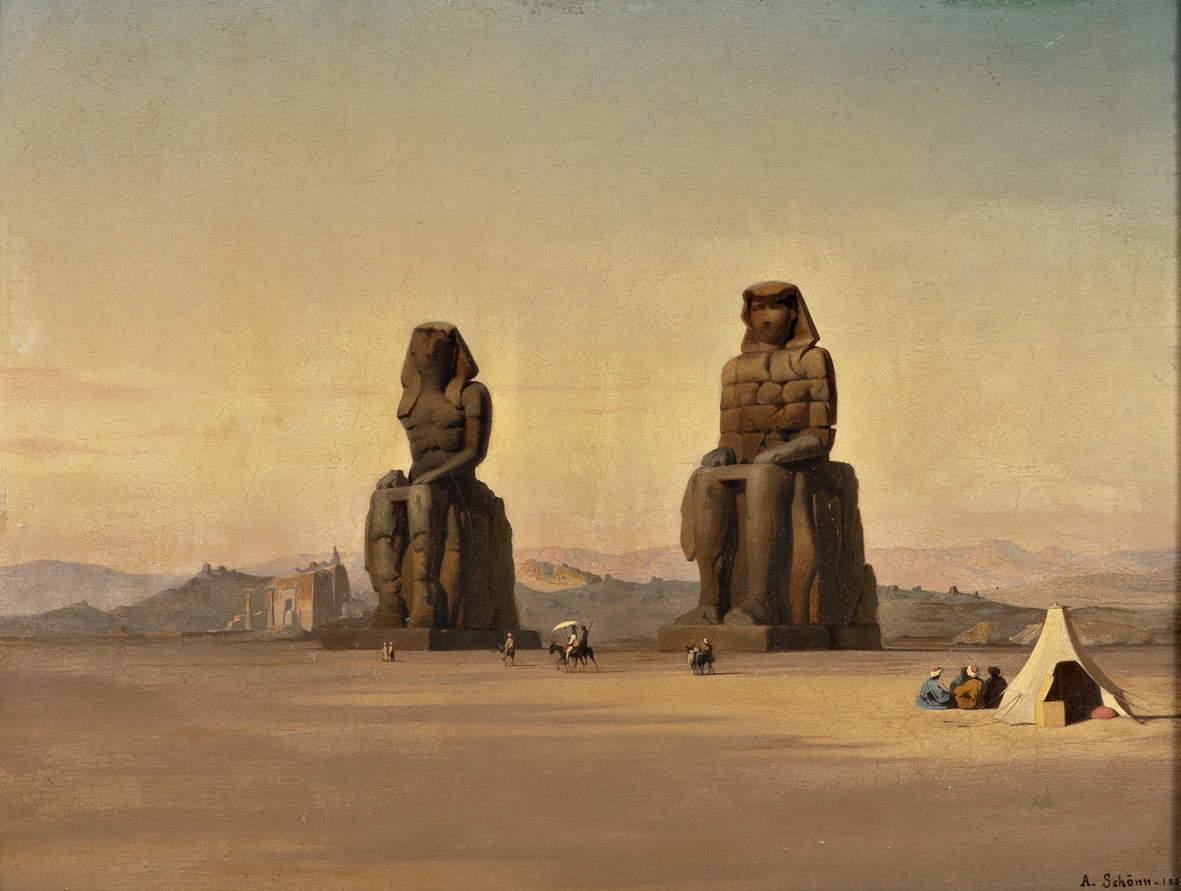
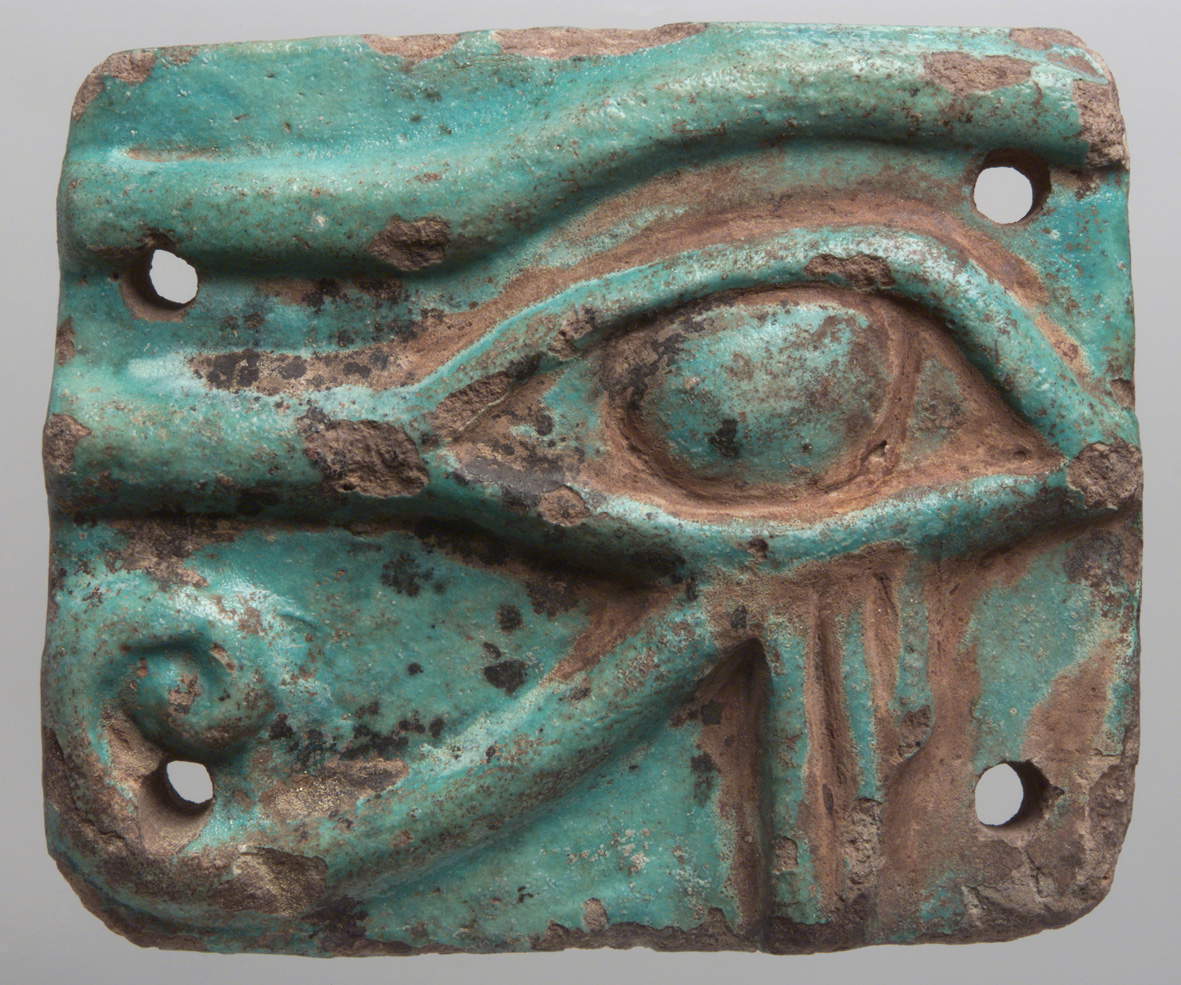
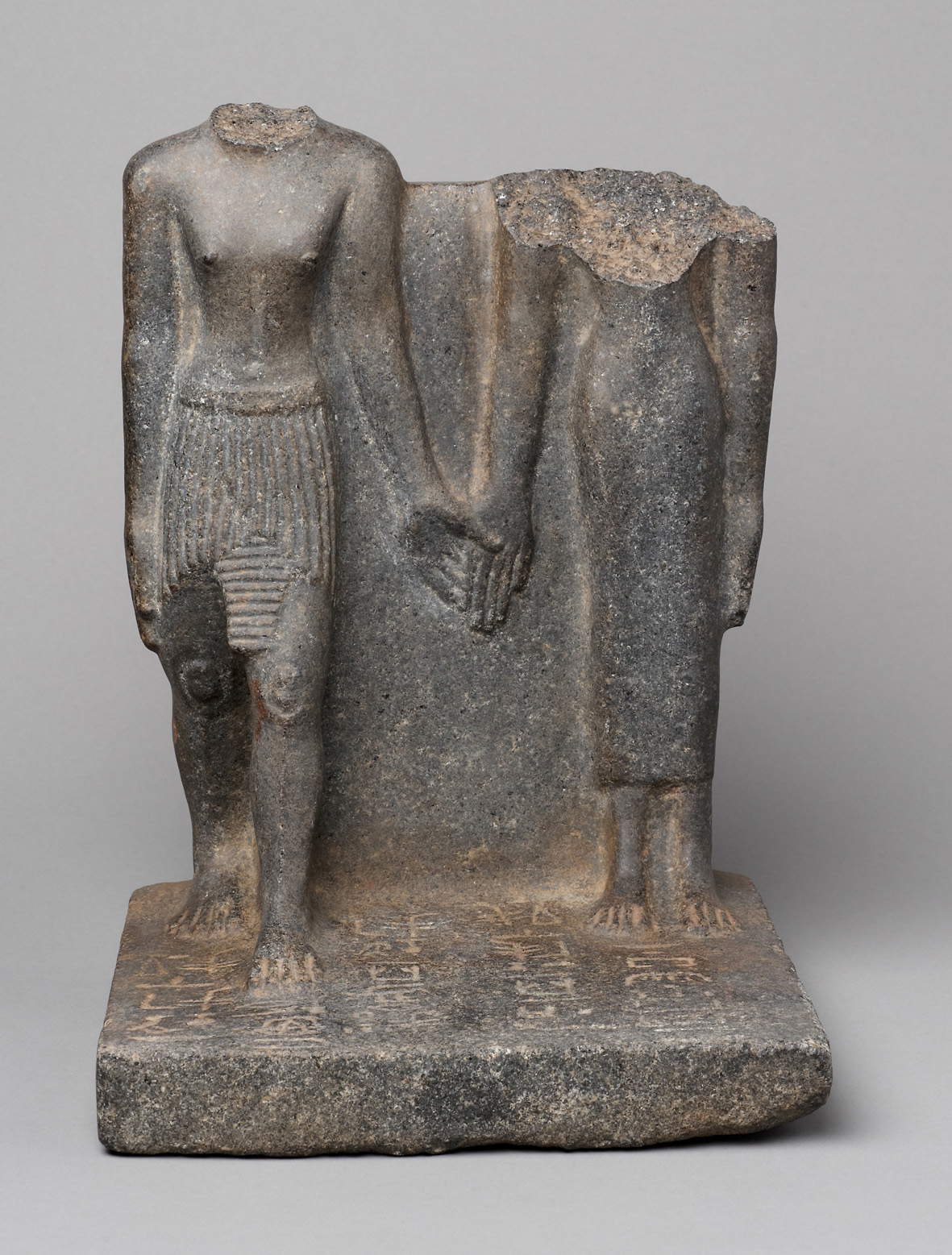
The exhibition is housed in the Stables of Miramare Castle, the aristocratic residence designed by Maximilian of Habsburg himself. In this space, visitors can trace the birth and development of the archduke’s Egyptian collection, while also understanding his cultural and museum vision. Indeed, among his plans was the creation of an ideal museum in which to display his collections, which were characterized by a wide variety of interests and provenances.
The curators have selected works that document the different stages of the collection’s formation, allowing us to follow the evolution of Maximilian’s interests as a collector of antiquities. The exhibition itinerary tells not only the story of individual objects but also the historical and cultural context in which the collection was established.
Through the exhibits, in fact, the role of Egyptology emerges in the panorama of European collecting in the 19th century. In those years, the museum of antiquities was no longer just a private place intended for the aesthetic pleasure of a few enthusiasts, but was gradually transformed into a space for the study, preservation and dissemination of the history of ancient civilizations. The exhibition tour thus also offers an opportunity to reflect on the evolution of the concept of the museum itself and the transition from an aristocratic and private dimension to a public and scientific function.
Alongside loans from Vienna and some works from the collection preserved at Miramare, the exhibition also includes materials from the Civic Museum of Antiquities J. J. Winckelmann in Trieste. These artifacts testify to how interest in Egyptian civilization was not limited to the figure of the archduke but was part of a broader cultural phenomenon involving Trieste’s lively collecting environment in the 19th century.
The genesis of the collection recounts Maximilian’s enduring interest in Egyptian antiquities and the way in which this interest became intertwined with his personal life story. In the early 1850s the archduke purchased an initial nucleus of artifacts from Anton von Laurin, who had served as consul general in Alexandria, Egypt. The purchase was made en bloc and formed the starting point of a collection that was destined to expand over the following years.
The collection was gradually enriched through new acquisitions, diplomatic missions, and actual buying campaigns. In this way Maximilian succeeded in building an articulate collection that reflected the growing European interest in Egyptian civilization and its archaeological finds.
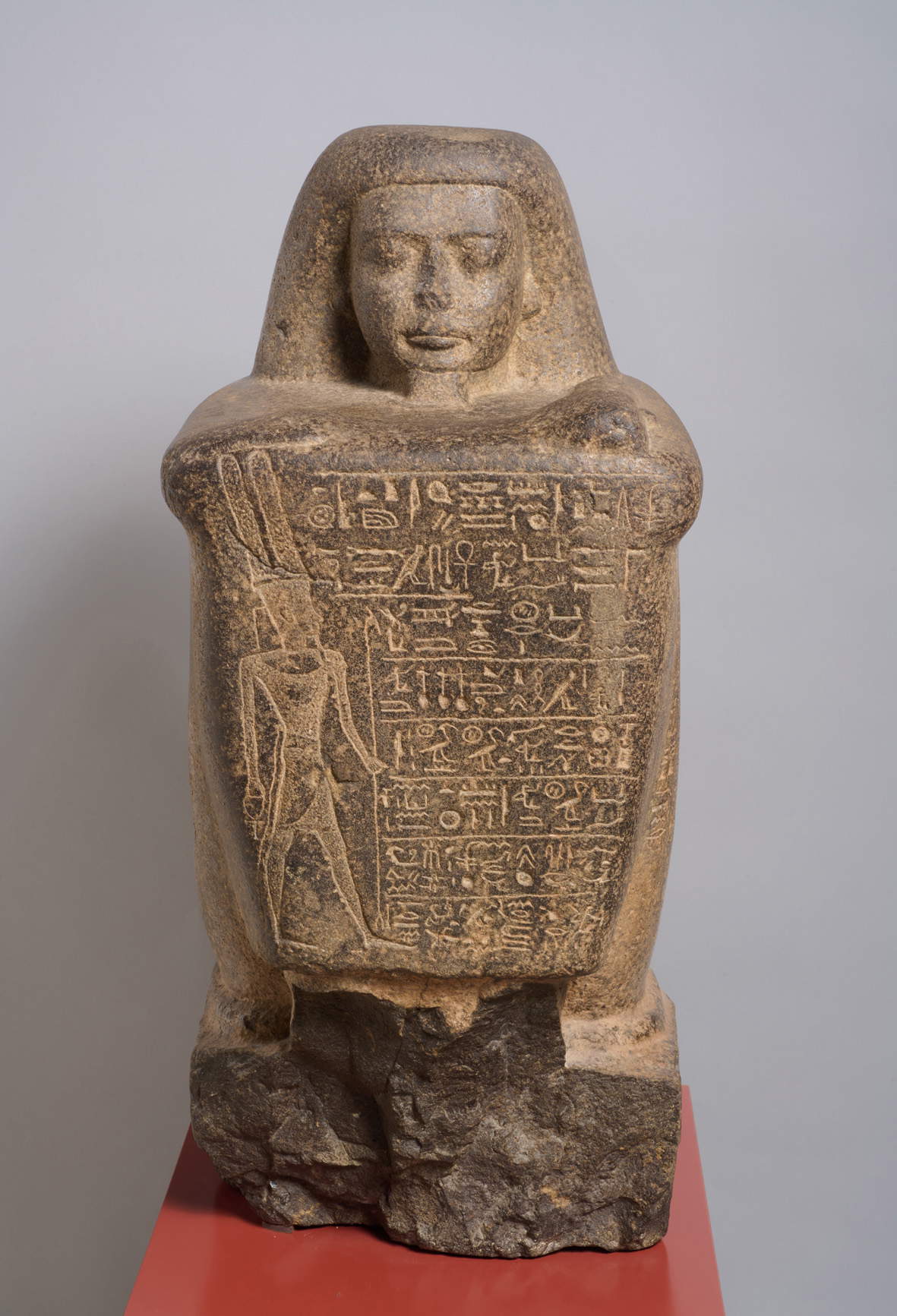
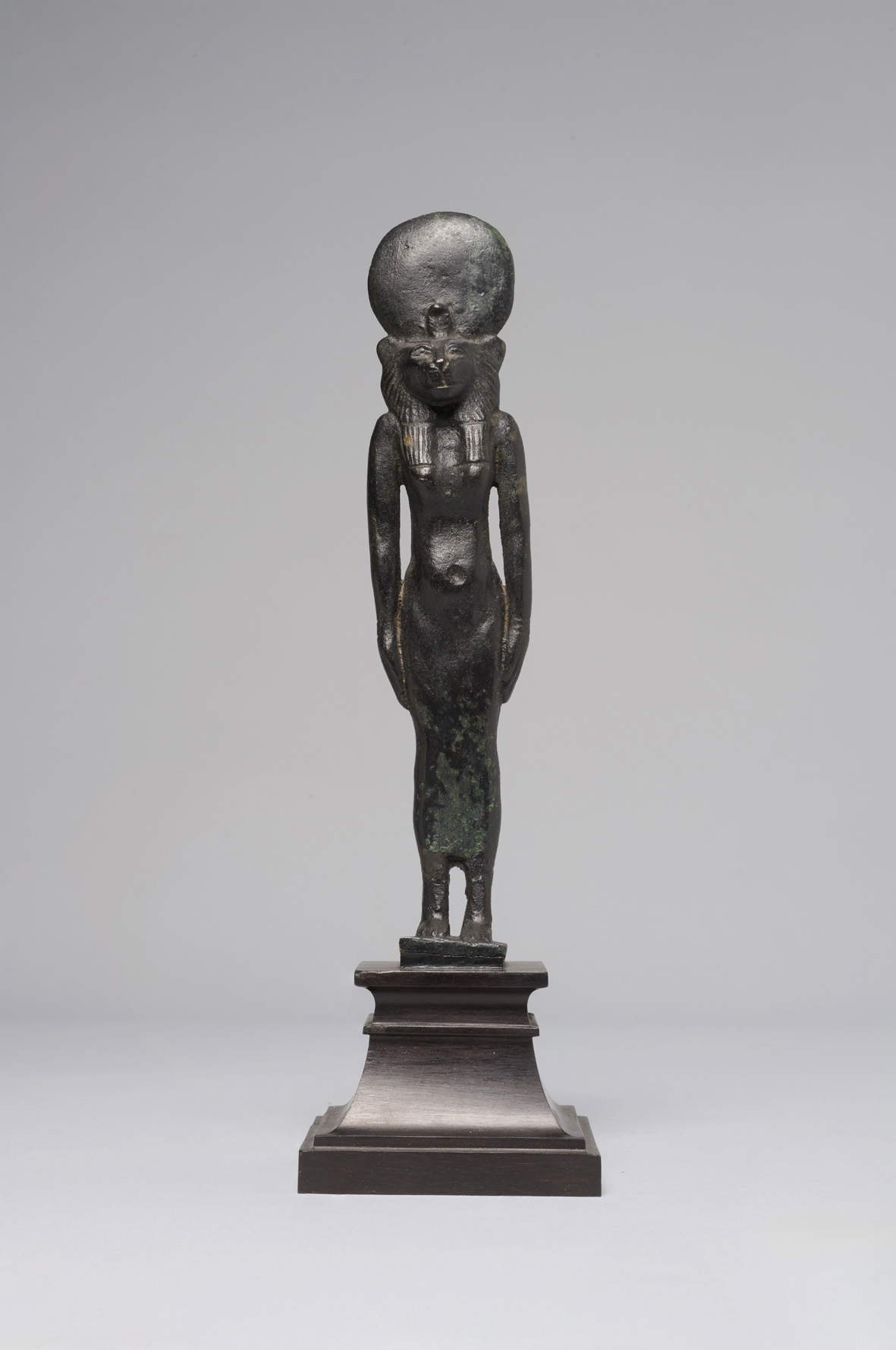
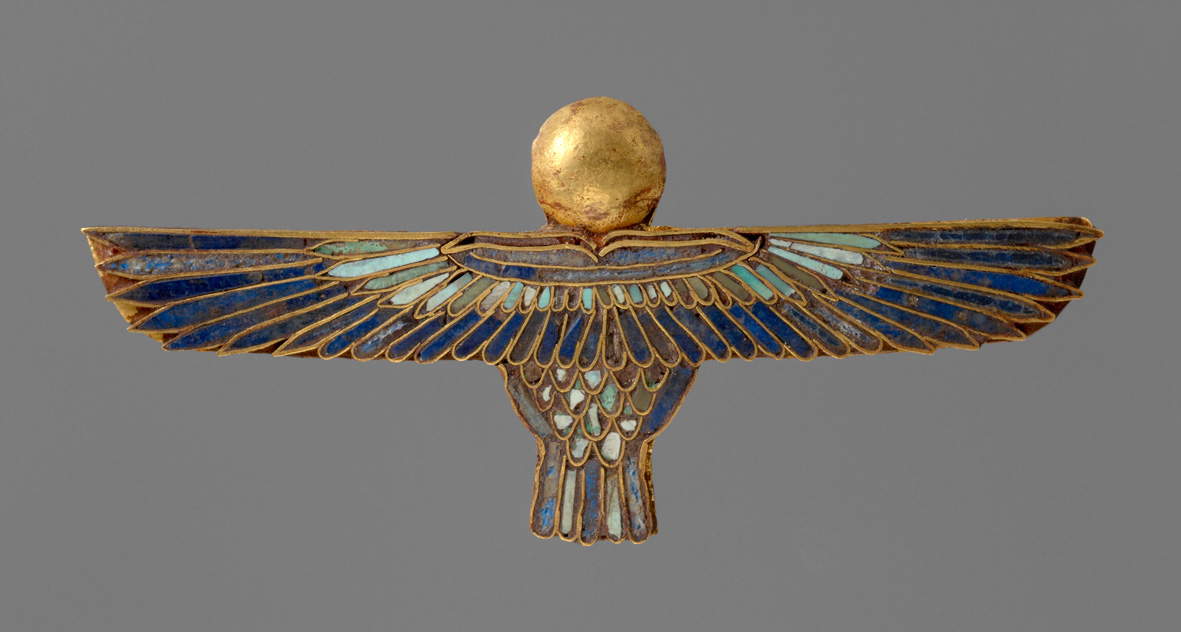
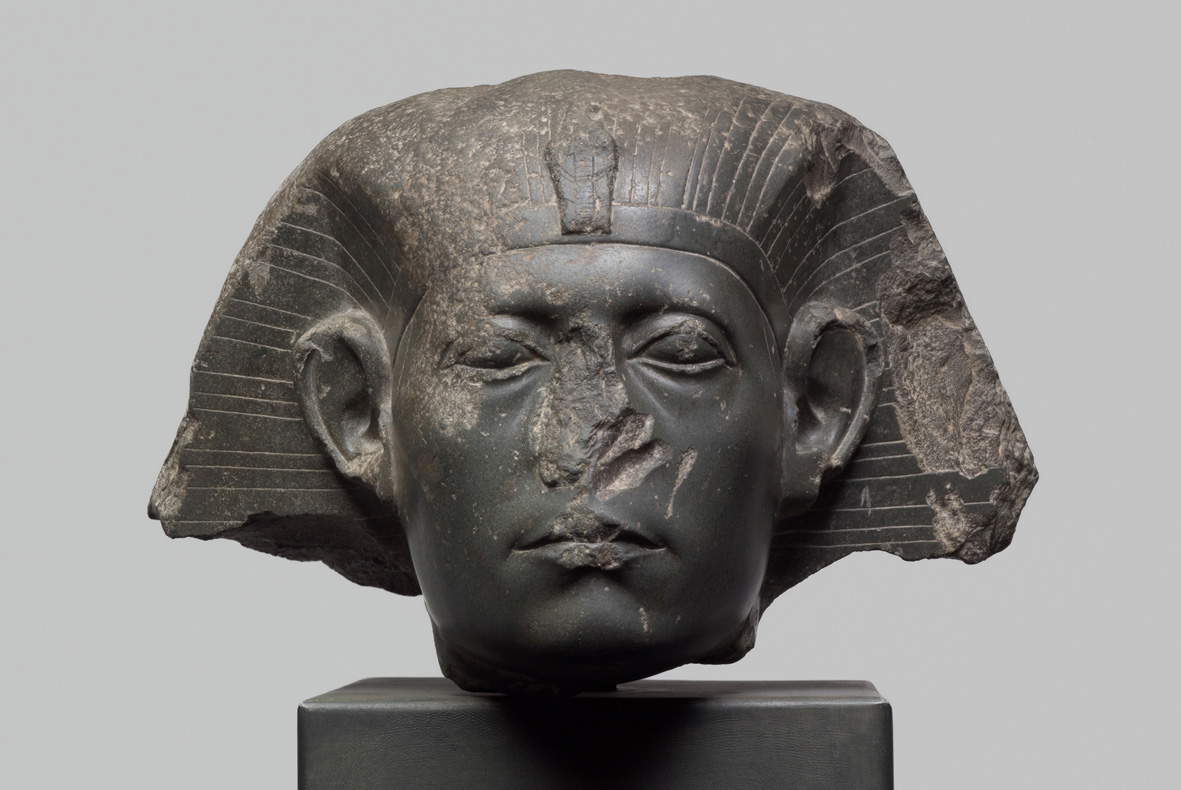
In the archduke’s intentions, however, the collection was not to be limited to being an instrument of personal prestige or wealth enrichment. His project also included a scientific function, related to the development of historical and philological studies on ancient Egypt. For this reason, Maximilian commissioned Egyptologist S. L. Reinisch to study the materials in the collection and to compile a catalog raisonné documenting its contents.
When he became emperor of Mexico, Maximilian entrusted Reinisch himself with an extensive new purchasing campaign in Egypt between 1865 and 1866. The goal was to further expand the collection and allocate it to the Museo Nacional del Mexico, thus contributing to the establishment of a major cultural institution in the new empire. However, the project could not come to fruition. Maximilian’s political affair ended tragically when, in a Mexico riven by civil war, he was captured and executed by Republicans. The archduke died at the age of thirty-five, leaving many of the cultural projects he had envisioned unfinished.
The Miramare exhibition thus reconstructs a story that intertwines collecting, scientific research and personal events. The exhibits on display allow us to understand not only Maximilian’s interest in Egyptian civilization, but also the way in which nineteenth-century collecting contributed to the birth of the great European museums dedicated to antiquities. Through the temporary return of a part of Maximilian of Habsburg’s Egyptian collection, the exhibition brings back to Trieste a significant chapter in the history of European collecting and gives the public a glimpse of the cultural vision of a nineteenth-century protagonist whose passion for ancient Egypt helped to build a heritage preserved today in major international museums.
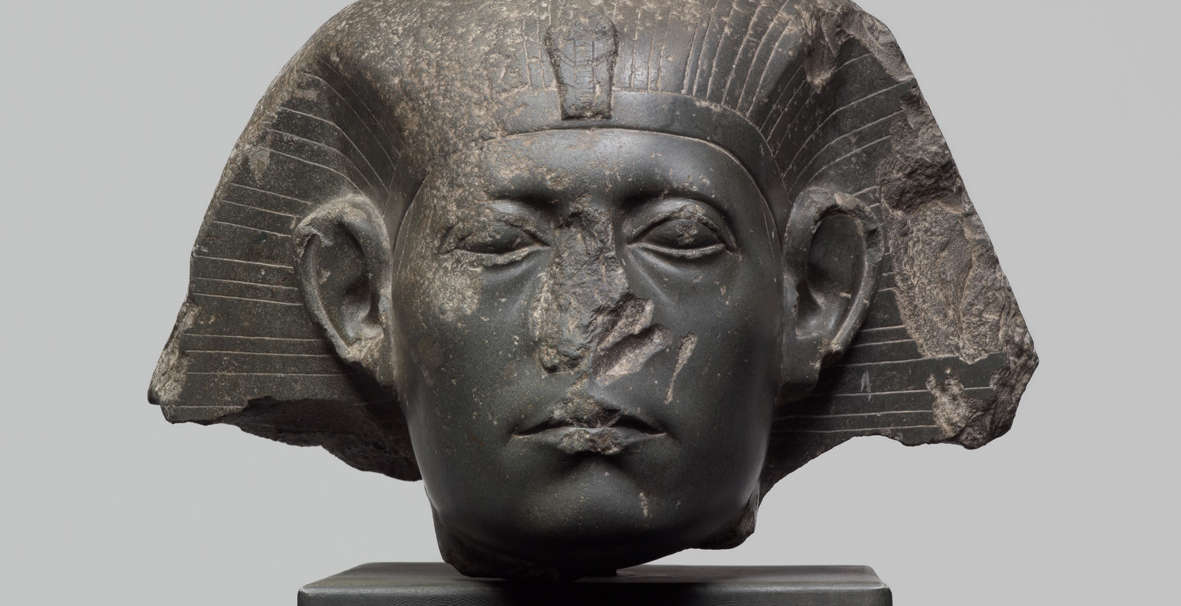 |
| Maximilian of Habsburg's Egyptian collection returns to Trieste after 143 years |
Warning: the translation into English of the original Italian article was created using automatic tools. We undertake to review all articles, but we do not guarantee the total absence of inaccuracies in the translation due to the program. You can find the original by clicking on the ITA button. If you find any mistake,please contact us.