




From July 1 to September 20, 2026, Palazzo Reale in Milan will host a major exhibition dedicated to Mario Raciti, tracing over sixty years of work by one of the most refined artists of late 20th-century Italian painting. The exhibition , titled *Mario Raciti: Works 1952–2025*, with free admission, is sponsored by the City of Milan – Culture and produced by Palazzo Reale and Silvana Editoriale, with Luca Pietro Nicoletti serving as curator. The initiative is part of the “Maestri a Milano” exhibition series, which in recent years has paid tribute to figures such as Ruggero Savinio, Grazia Varisco, and Valerio Adami, reaffirming Palazzo Reale’s commitment to showcasing leading figures in contemporary art with ties to the city.
Through approximately one hundred works from Milan’s Museo del Novecento, Rovereto’s MART, and private collections, the exhibition aims to trace Raciti’s entire artistic career, from his early years in the 1950s to his most recent works, offering a comprehensive overview of his artistic practice.
Born in Milan in 1934, Mario Raciti is considered one of the leading figures of the Italian post-Informal movement. After studying law and beginning his career as a lawyer, in the early 1960s he chose to devote himself entirely to painting, embarking on a journey aimed at exploring a dimension suspended between reality, memory, and vision. The roots of his artistic language lie in postwar Milan, a city brimming with vibrant cultural and artistic ferment. During those years, he forged pivotal relationships with figures such as the poet Roberto Sanesi and the publisher Vanni Scheiwiller, who in 1970 published the first monograph dedicated to the artist. At the same time, his artistic development was nourished by the works of authors such as Rainer Maria Rilke, Friedrich Hölderlin, Johann Wolfgang Goethe, and Robert Musil, as well as by a deep passion for the music of Richard Wagner, Gustav Mahler, and Franz Schubert—elements that would help define the poetic tension of his painting.
Starting in the 1970s, he joined the group at Enzo Spadon’s Galleria Morone, alongside artists such as Claudio Olivieri, Valentino Vago, and Enrico Della Torre, gradually consolidating his role in the Italian art scene. Over the decades, his works have entered prestigious public and private collections, including those of Intesa Sanpaolo—now housed at the Gallerie d’Italia—the MART in Rovereto, the CSAC in Parma, and the historic Pallini and Jucker collections.
A pivotal chapter in the relationship between Raciti and Milan was the major solo exhibition held in 1988 at the PAC—Padiglione d’Arte Contemporanea. On that occasion, director Mercedes Garberi acquired thirty-six of the artist’s works, now housed at the Museo del Novecento. This historic collection forms one of the central focal points of the exhibition at Palazzo Reale and bears witness to the recognition Raciti received in his hometown.
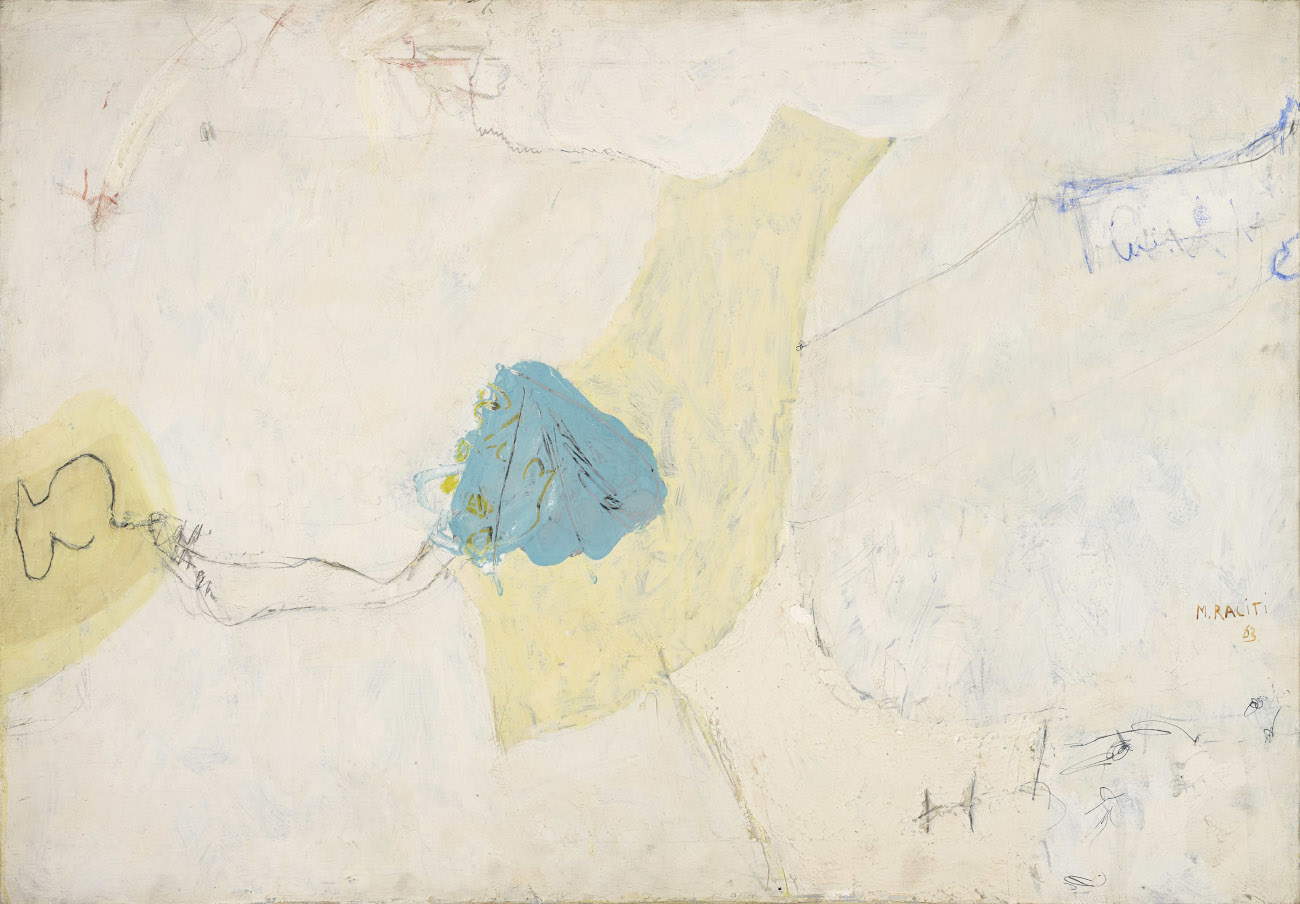
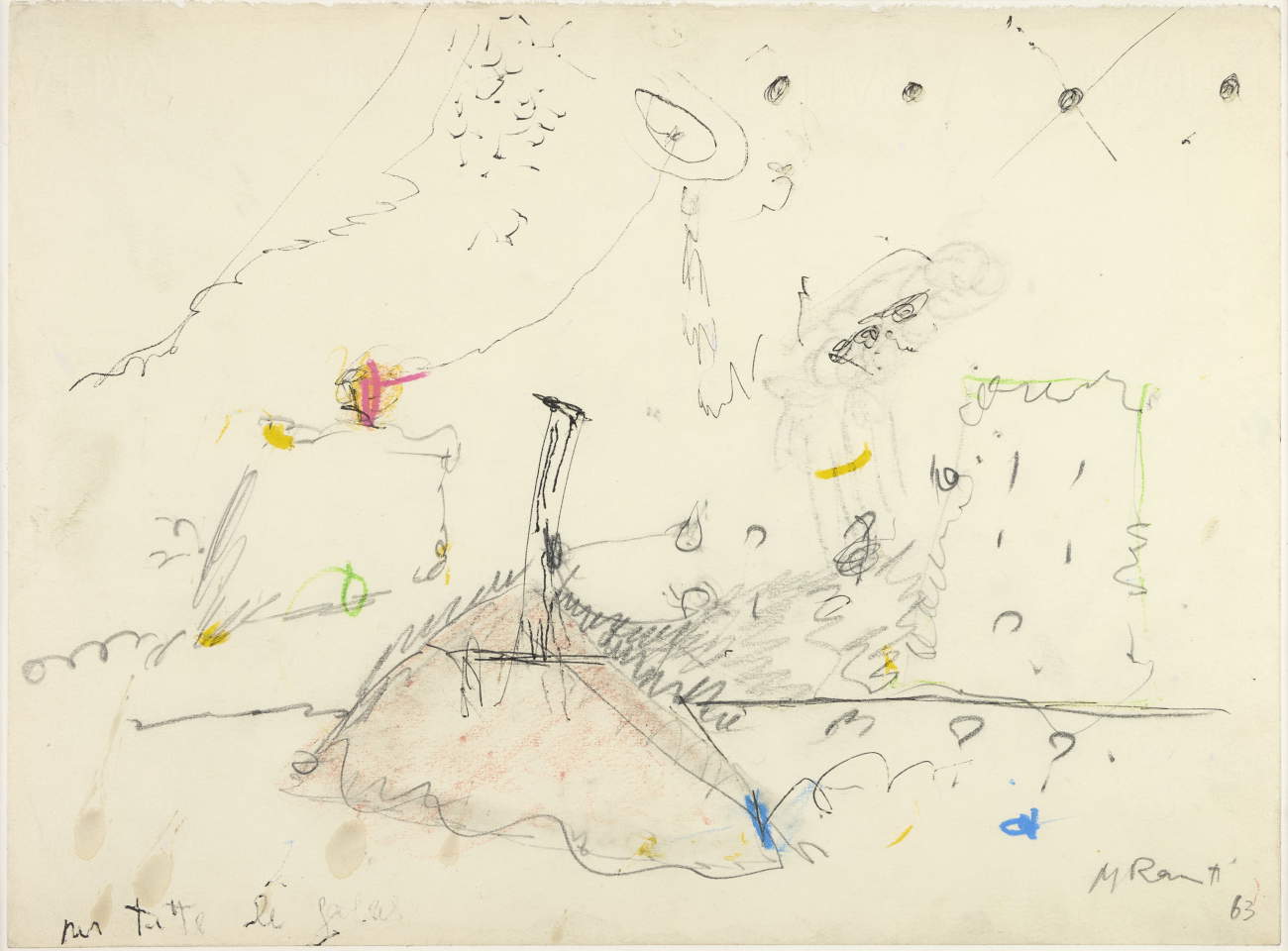
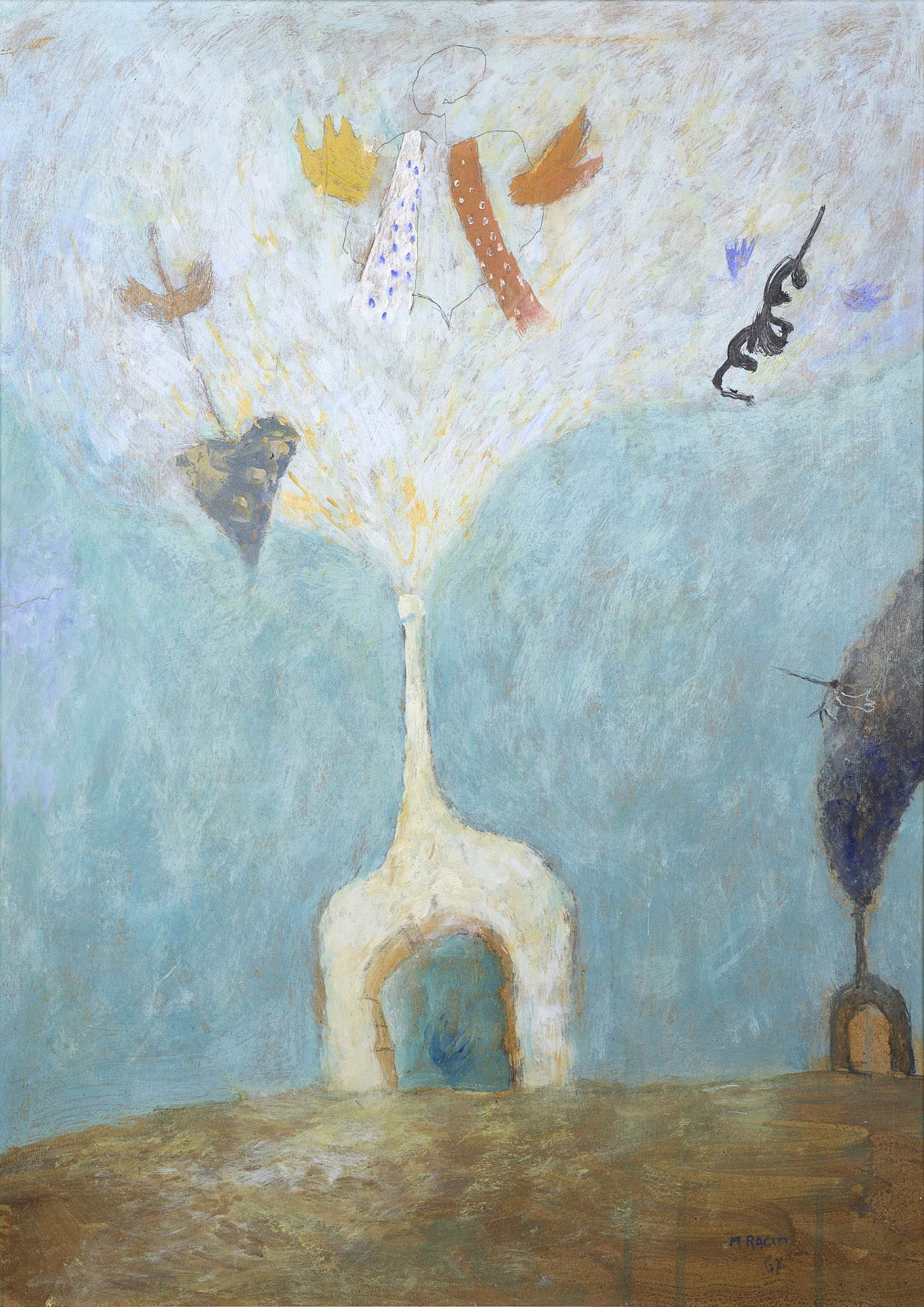
The exhibition traces the various phases of his artistic production, from the symbolic figurations of the 1960s to the rarefied atmospheres of the “Presenze-assenze” of the 1970s, through to the “Mitologie” of the 1980s and the “Misteri” of the 1990s. In his most recent works, his painting progressively moves toward the dissolution of the image, addressing increasingly complex existential and spiritual themes.
Among the cycles on display are works dedicated to the Crucifixion and *Why*, part of the series *I fiori del Profondo*(*Flowers of the Deep*), in which the myth of Proserpina becomes a metaphor for the human need for connection and communication. In his latest explorations, collected in the series *Una o due figure* and *Fonti*, the flower transforms into darts, evoking the distance and lack of communication between individuals.
The exhibition marks a new milestone in the effort to highlight Raciti’s work, following major retrospectives held at Palazzo Sarcinelli in Conegliano in 1998, at Palazzo Magnani in Reggio Emilia in 2010, and at MART in Rovereto in 2016. The exhibition also follows the 2023 publication of the authorized catalog of his paintings. Accompanying the exhibition will be a catalog published by Silvana Editoriale, produced in collaboration with OltreArte Galleria Contemporanea.
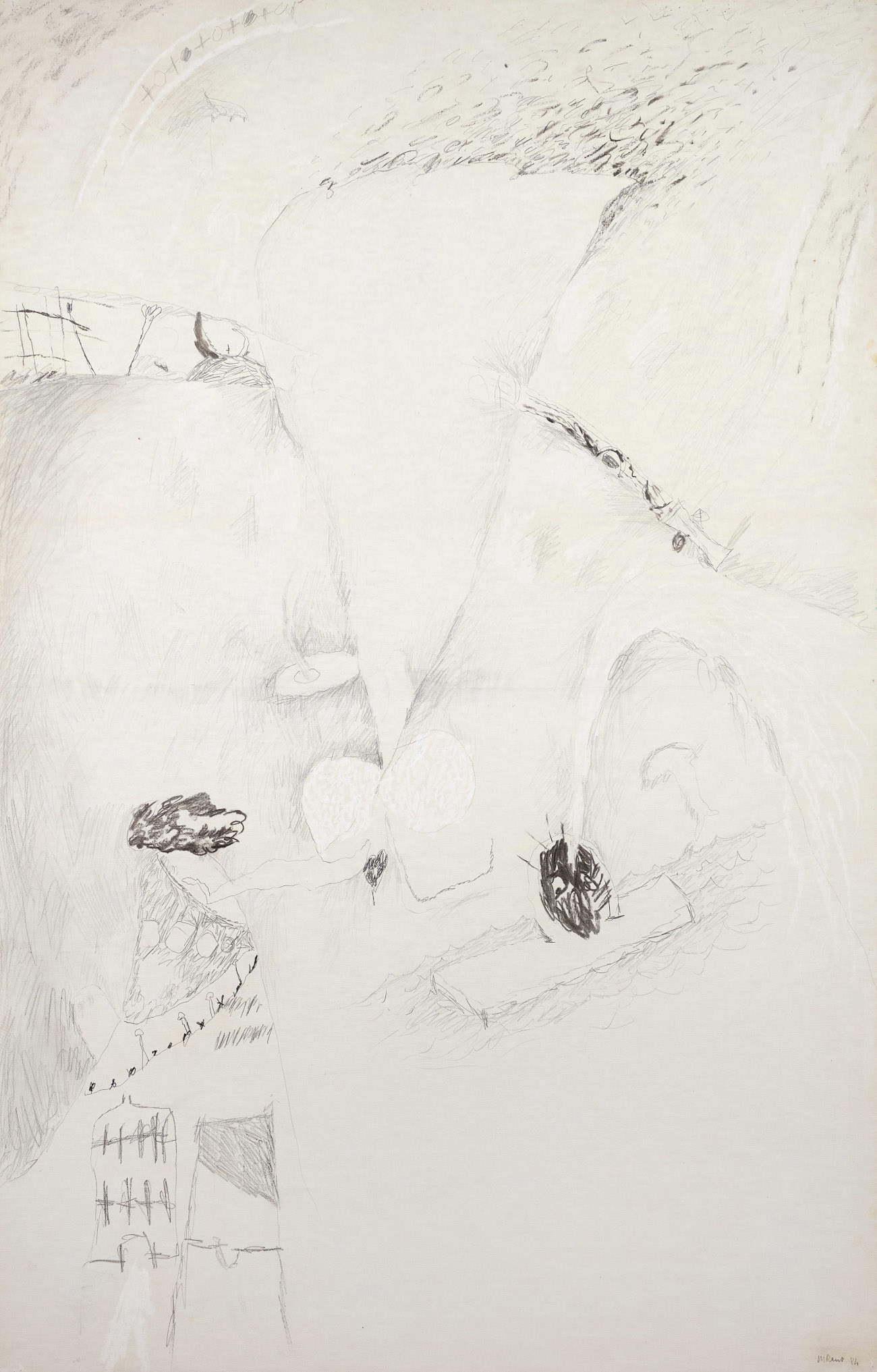
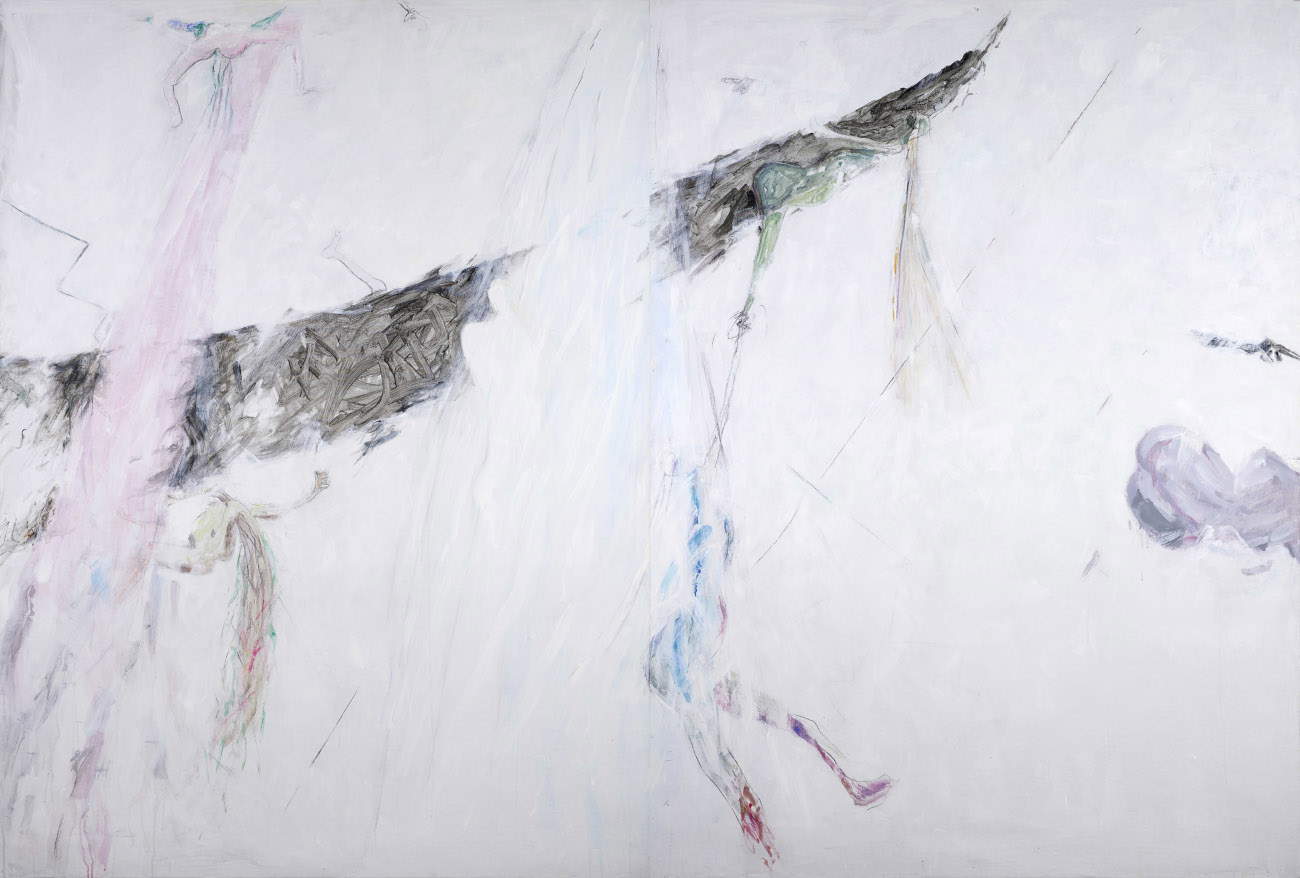
“The exhibition pays tribute to an important voice of the 20th century, who was able to give form to humanity’s deep anxieties and disorientation without sacrificing a touch of poetry, navigating between psychological impulse and allegory of the depths, in search of an elsewhere,” explains the curator.
“Hosting this exhibition at Palazzo Reale,” says Tommaso Sacchi, Councilor for Culture, “means honoring a generation of artists who have made a decisive contribution to the country’s artistic history and reaffirming Milan’s role as a place of dialogue, research, and memory.”
|
| The Royal Palace of Milan is honoring Mario Raciti with a major retrospective dedicated to his more than sixty-year career |

Warning: the translation into English of the original Italian article was created using automatic tools. We undertake to review all articles, but we do not guarantee the total absence of inaccuracies in the translation due to the program. You can find the original by clicking on the ITA button. If you find any mistake,please contact us.




















 IT
IT FR
FR DE
DE ES
ES CN
CN


