





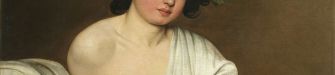
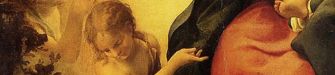
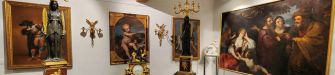
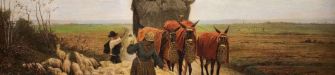
From April 24 to September 6, 2026, Palazzo delle Albere hosts the exhibition Anachronisms and Discronies. Italian Art from the 1980s to Today, curated by Margherita de Pilati and Ivan Quaroni.
MART thus returns to occupy the spaces of the historic Trentino palace with an exhibition project dedicated to a selection of Italian artistic research developed from the 1980s to the present. The itinerary focuses on practices that question the linearity of time, interweaving historical references, imagery and contemporary languages. About seventy works by nearly fifty artists, belonging to different generations and paths, are exhibited, including Sandro Chia, Enzo Cucchi, Francesco Clemente, Mimmo Paladino, Salvo, Luigi Ontani, Francesco Vezzoli, Guglielmo Castelli and Giulia Andreani.
The exhibition aims to highlight how, over the past forty years, a significant part of Italian art has chosen to operate in apparent contrast to its present, establishing a discontinuous, irregular or deliberately anachronistic relationship with history. Since the 1980s, many artists have developed non-aligned forms of temporality. In the digital and hyper-present era, this condition has expanded: works seem to be suspended, placed in an intermediate space that does not fully belong to either the past or the present, where iconographic memory is continually reworked, interrupted or slowed down.
Through returns to painting, retrievals of images from the past, and temporal suspensions, the works construct an environment in which past and present dialogue dynamically, offering new perspectives on recent artistic production.
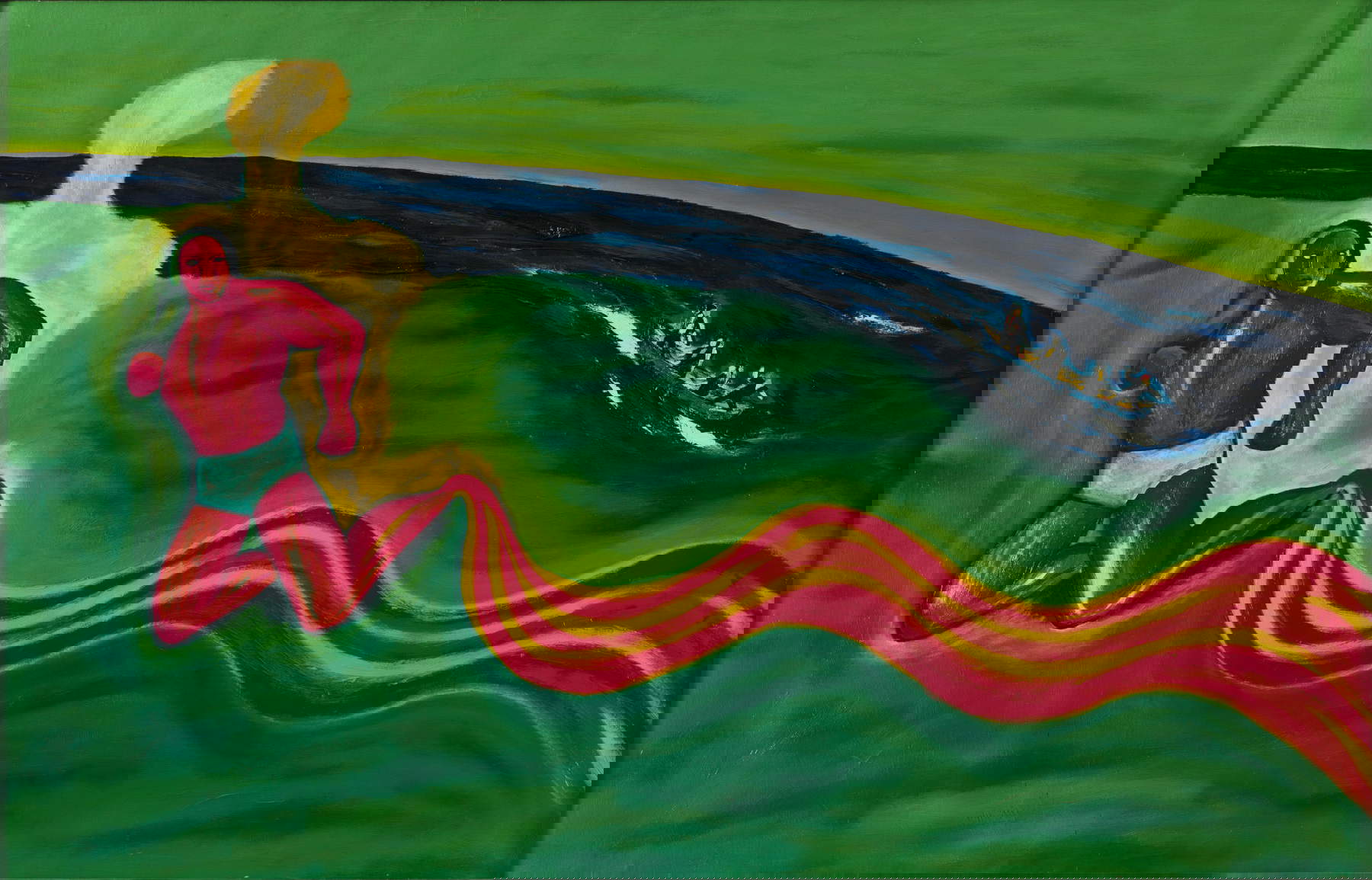
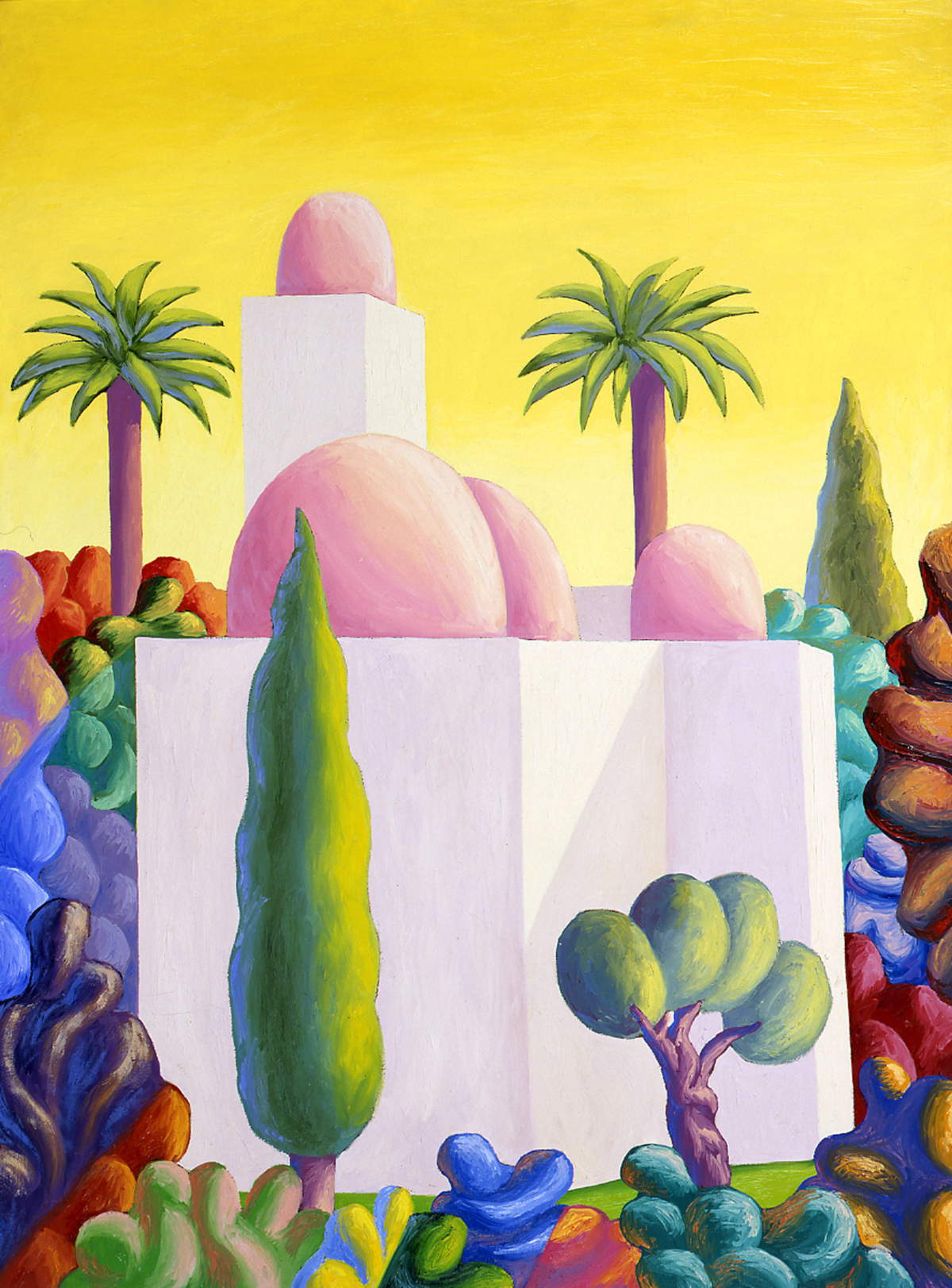
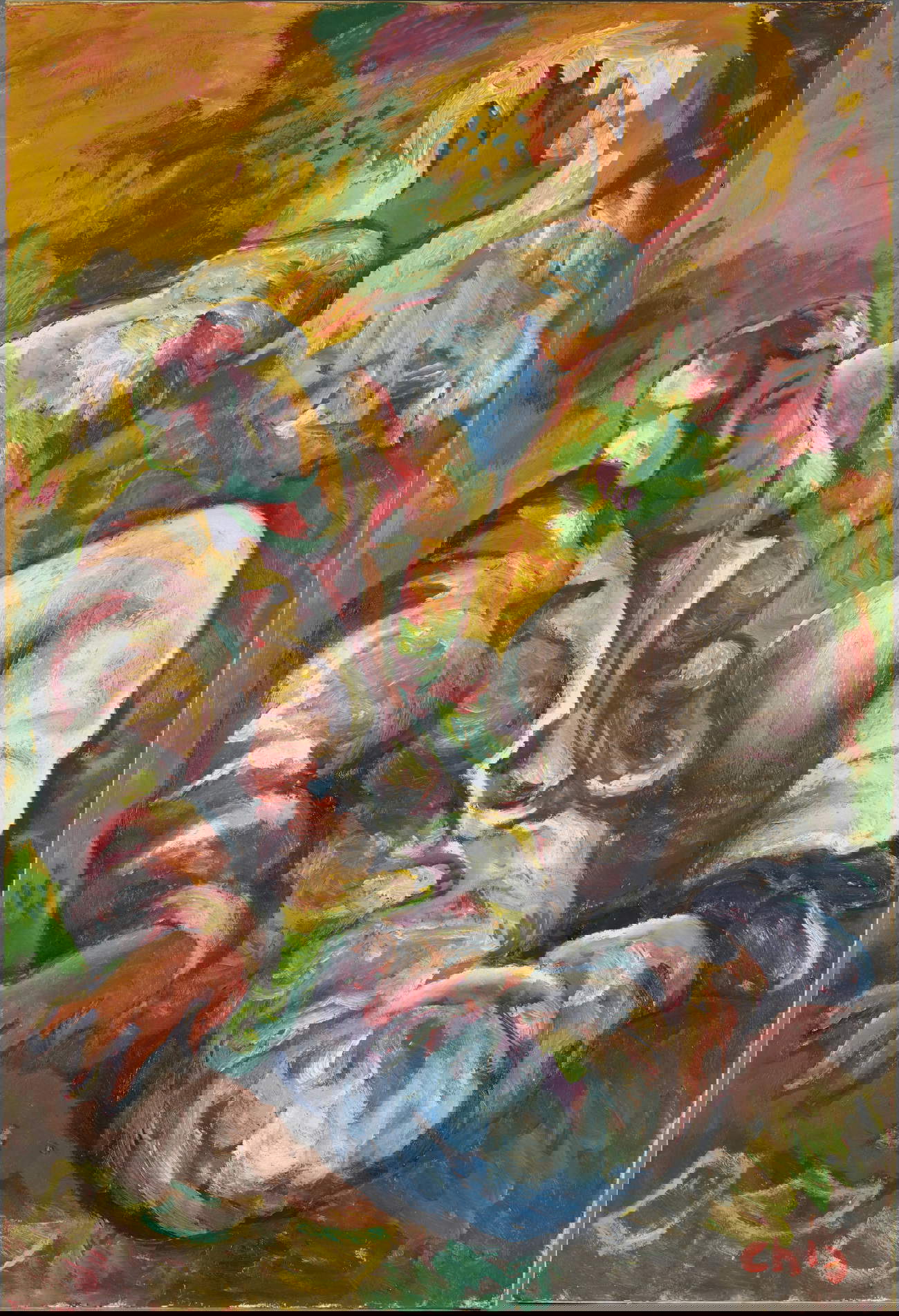
After the conceptual season, in the late 1970s and early 1980s, the Transavanguardia brought painting and figuration back to the center. Artists such as Sandro Chia, Enzo Cucchi, Francesco Clemente and Mimmo Paladino reintroduce narrative, mythological and archaic elements, not in a nostalgic key, but as a reactivation of an iconographic heritage rooted in Italian culture. This phase is followed by the experience of the Anacronisti, who deal with the past even more decisively, recovering form, classical composition and a painting that recalls distant eras. Notable among them are Stefano Di Stasio, Omar Galliani, Paola Gandolfi and Carlo Maria Mariani.
The exhibition continues with some postmodern experiences: the Nuovi-Nuovi, represented by artists such as Salvo, Luigi Ontani and Aldo Mondino, anticipate the work of the Nuovi Futuristi. The latter adopt a pop language inspired by advertising, design and mass culture, as in the case of Marco Lodola and Umberto Postal. Between painting, objects and environmental installations, New Futurism is distinguished by an immediate, ironic and self-conscious approach, capable of reflecting a world dominated by media and the circulation of images. Rather than explaining reality, the works traverse it, transforming everyday codes into visual experiences that still question the role of art today.
In this continuous alternation of styles and references, numerous artists confront history, such as Paolo Ventura and Max Rohr, or time, such as Andrea Mastrovito and Giulia Andreani. Others dialogue with sacred iconography, such as Nicola Samorì, or with myth, a central theme in Francesco Vezzoli’s work. Also significant is the confrontation with traditional genres of painting: Guglielmo Castelli devotes himself to portraiture, while Nicola Nannini, Fulvio di Piazza and Andrea di Marco explore landscape.
The influence of art history also emerges in the works of artists under 35, including Giuditta Branconi, Chiara Calore and Martina Cinotti, whose pictorial works conclude the exhibition.
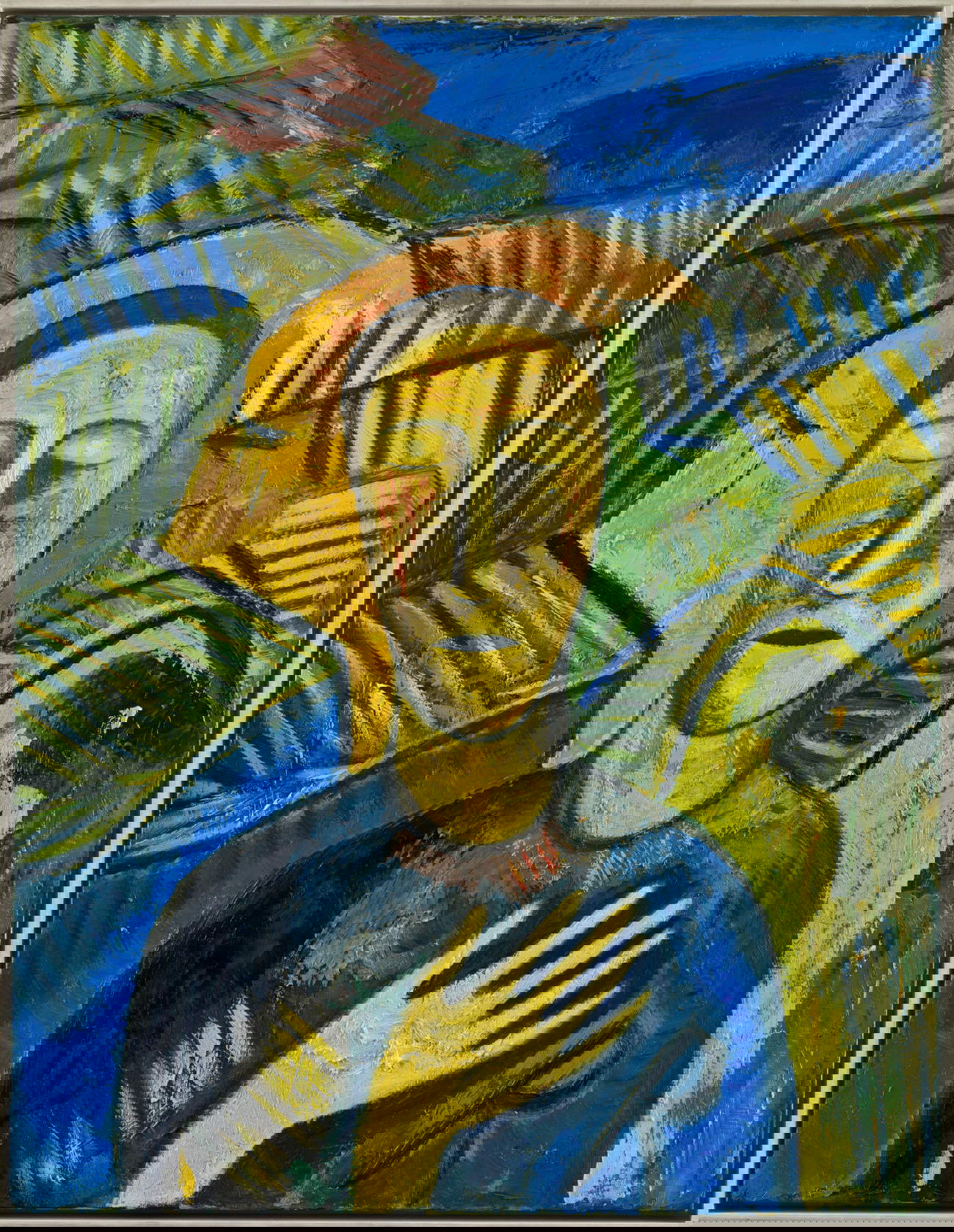
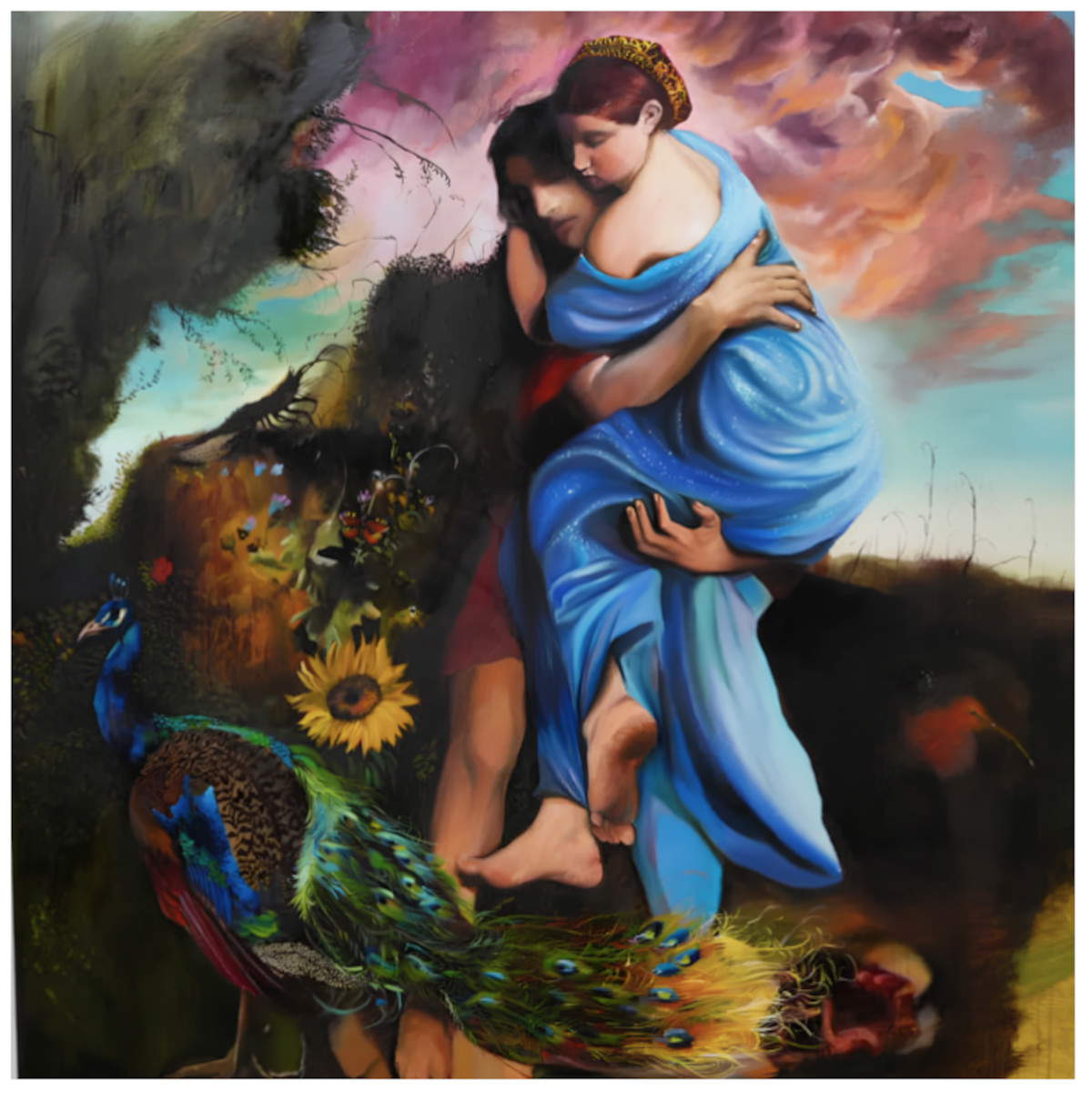
Alberto Abate, Gianantonio Abate, Giulia Andreani, Diana Aparo, Ubaldo Bartolini, Giuditta Branconi, Dario Brevi, Chiara Calore, Arduino Cantafora, Guglielmo Castelli, Gianni Cella, Sandro Chia, Martina Cinotti, Francesco Clemente, Enzo Cucchi, Vanni Cuoghi, Bruno d’Arcevia, Paolo De Biasi, Andrea Di Marco, Fulvio Di Piazza, Stefano Di Stasio, Christian Fogarolli, Omar Galliani, Paola Gandolfi, Mimmo Germanà, Jacopo Ginanneschi, Innocente, Marcello Jori, Marco Lodola, Carlo Maria Mariani, Andrea Mastrovito, Aldo Mondino, Gian Marco Montesano, Nicola Nannini, Luigi Ontani, Mimmo Paladino, Michele Parisi, Plumcake, Umberto Postal, Andrea Ravo Mattoni, Max Rohr, Salvo, Nicola Samorì, Paolo Ventura, Nicola Verlato, Francesco Vezzoli, Massimiliano Zaffino.
Hours: Tuesday through Friday 10 a.m. to 6 p.m.; Saturday and Sunday 10 a.m. to 7 p.m. Closed Mondays.
|
| Trento, Italian art from the 1980s to the present day on display at Palazzo delle Albere |

Warning: the translation into English of the original Italian article was created using automatic tools. We undertake to review all articles, but we do not guarantee the total absence of inaccuracies in the translation due to the program. You can find the original by clicking on the ITA button. If you find any mistake,please contact us.














 IT
IT FR
FR DE
DE ES
ES CN
CN


