





What does it mean to leave Italy at a very young age to pursue the dream of working in art? And what does it mean to work inside one of the world’s iconic art venues today? Danilo Forleo tells us, who today, at 42, holds the position of preventive conservation manager at the Palace of Versailles and does research in the doctoral school of science and engineering at Cergy Paris Université, within the chair of conservation science. He holds a degree in Preventive Conservation from the Sorbonne University of Paris and in 2011, at the age of twenty-seven, he joined the Directorate of the National Museum of the Palace of Versailles and Trianon; three years later, he took on the position of supervising conservation in the context of major restoration work and facility renovation programs. Since 2015, he has also founded and directed the European research program EPICO(European Protocol on Preventive Conservation), dedicated to the development of strategies for the preventive conservation of historic houses. The EPICO method has since been adopted and transmitted to more than fifteen historic houses, as well as to European conservation and educational institutions. The project received the European Union Grand Prix “Europa Nostra Awards” in the research category and “The Best in Heritage - Projects of Influence” award. In parallel, Danilo Forleo lectures, promotes continuing education programs and participates in outreach initiatives aimed at the general public through radio, television and the press. He tells us all about it in this interview with Noemi Capoccia.
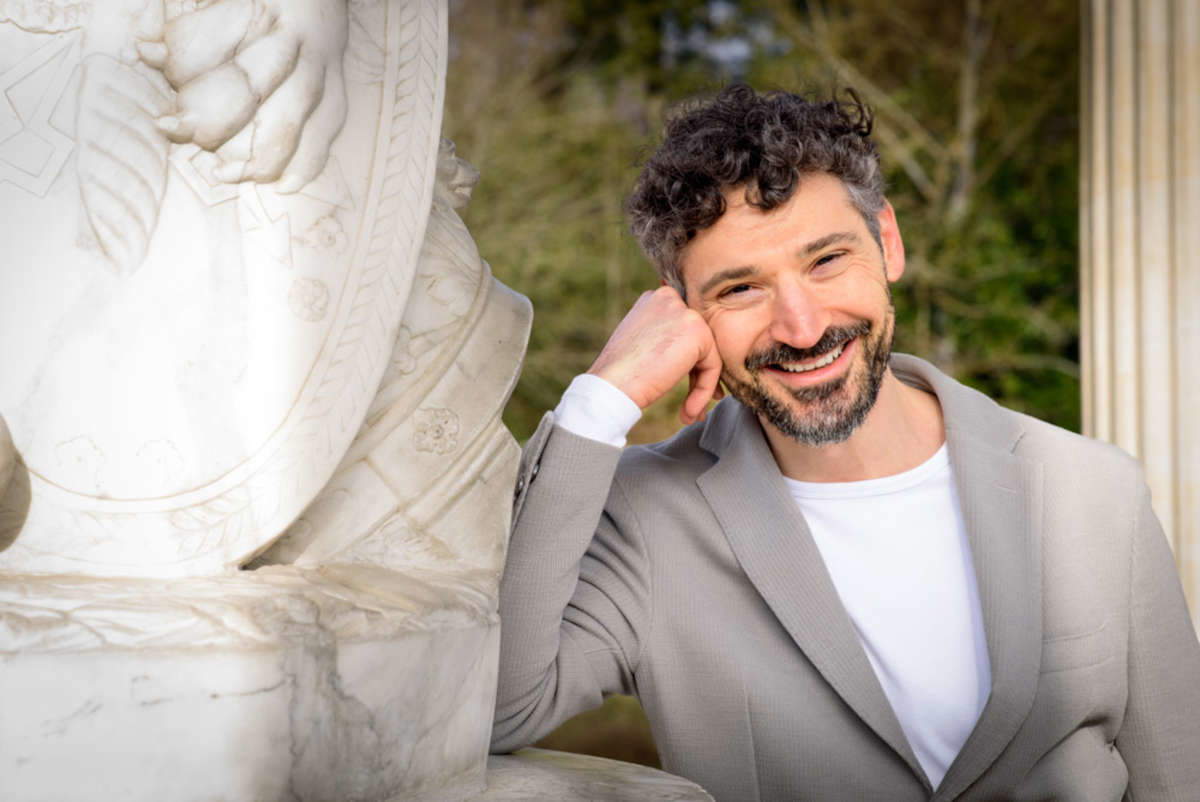
NC. What prompted you to move to France and at what age did you embark on the path?
DF. There were two main reasons that brought me to Versailles: a personal desire and an opportunity also related to the Italian context at that time. From a young age I had a great passion for Versailles; I remember visiting it when I was 14, in 1998, just before the storm of 1999 that did enormous damage to the gardens. Fortunately, the palace suffered little damage, but almost all of the historic trees along the Grand Canal were destroyed. That storm, besides being a drama, became an opportunity: the alignments designed by Le Nôtre, which for reasons of preservation and history could not be changed, returned to a perspective closer to the original one as we know it today. Before the storm, a different atmosphere reigned at Versailles, with fewer visitors and without the royal gate reconstituted only in 2008. I was deeply fascinated by the palace and said to myself, “I would like to work here someday.” For years that idea remained on hold. In 2006, I initially would have liked to go to Florence for the School of the Opificio delle Pietre Dure or to Rome to the Central Institute for Restoration, but in those years university reforms had temporarily closed access to new students. Not to waste time, I decided to look to France: at the Sorbonne there was a master’s degree program in preventive conservation, which suited my aspirations perfectly. I was not admitted the first time because my French was not yet sufficient, so I spent a year in Lille to perfect it and, in the meantime, I did several internships between Lille and Paris, including at the Musée des Beaux-Arts, which allowed me to accumulate experience in the field. Back in Paris, I resumed my path to the Sorbonne, and from there the path that would lead me to Versailles finally took shape. In short, desire and opportunity met and led me to what I now consider a fulfilled dream.
Do you think it is more difficult for those trained in the arts and conservation disciplines to find opportunities in Italy than abroad, and how are these profiles received in international contexts?
Much more difficult in Italy. Probably, if the opportunities were there, I would have stayed there. Unfortunately, despite the infinite wealth of cultural heritage, opportunities in the field of conservation and restoration are limited, even for the most technical disciplines. Paradoxically, however, Italian professionals abroad are very well received because of an established reputation: there is this “aura” that precedes us, even if we are clearly not given the results. My experience in France confirms that nothing is taken for granted: every day I have to demonstrate competence, passion and value, even having a permanent contract. In any case, compared to other countries, Italy has given us a cultural and professional advantage: one thinks of Cesare Brandi and the Italian deontology of restoration, so those who come from Italy are automatically considered prepared. In addition, many Italian colleagues speak our language out of passion, not necessity, and this creates a network that facilitates integration. In Versailles, between gardens, conservation and exhibitions, we are a remarkable presence: there are about ten of us, not a few, and the Italian community is very visible. It surprises those who do not know him, because one often does not expect such a large number of Italians in such a prestigious French institution.
His career is based on scientific research and practical conservation management. Can you tell us how these two fields are integrated within the Palace of Versailles?
The profession of conservator and restorer, including preventive conservation considered as an autonomous discipline, lies at the crossroads between, humanities and experimental sciences. My initial training in Italy as an art historian must necessarily be integrated with in-depth knowledge of materials and works of art. In my work, which in Versailles as in any other museum takes place under the guise of preventive conservator, the main objective is to identify the fragilities of the different constituent materials of the works. Each work, in fact, contains a message, we could say a soul, which is expressed through an inherently perishable material. My task is to analyze the degradation factors and the inherent vulnerabilities of each material in order to slow down deterioration as much as possible. The goal is to prolong the life of the collections, striking a balance between enhancement, thus enjoyment for contemporary audiences, and protection for future generations, following the deontological principles of preventive conservation.
The EPICO program has influenced more than 15 historic mansions in Europe. Can you explain how the method works and what goals it has set for itself, especially in the context of Versailles?
The program was born at the end of 2014, during the major renovation of the technical facilities at the Palace of Versailles. At that time we realized that the standard norms for the control of climatic parameters, generally adopted in museums for the conservation of collections, were not suitable for a historic mansion like Versailles. Prior to the work, the recommended climatic conditions called for relative humidity to be around 50 percent, with a tolerance of about five percentage points. These were very stringent and precise standards. The engineers in charge of simulating the technical systems translated these indications into volumes of air to be treated, very thick ducts and ventilation grilles inserted within the walls of the palace, or placements that interfered with the historical collections. The result was that the technical design, while meeting standards, risked compromising the integrity of the historic mansion. Remarkably, despite fluctuations in humidity, high summer temperatures, and the influx of up to 17,000 visitors a day, the main collections, for example, the queen’s apartment, were in good condition. This created a dichotomy: on the one hand, the risk assessed by engineers and the planned work, which was potentially counterproductive; on the other hand, the actual state of the collections, which was positive. EPICO (European Protocol in Preventiv Conservation) was created to identify the point of contact between theoretical risk and the actual state of the works. It is a diagnostic method specifically designed for historic mansions, which differ from traditional museums. The main characteristic of these mansions is respect for the spirit of the places. At Versailles, for example, it is not possible to use modern isolation technologies or diffuse showcases, because this would alter the historical atmosphere that the public seeks and that is part of the scientific and cultural project of the palace. The goal is to restore an idea of life under the Ancient Regime, and “musealizing” the spaces too much would mean losing this dimension. The advantage, however, is that the deterioration of the collections is more easily correlated with the environmental conditions of the room in which they are located. For example, changes in the gilding of a bed are directly related to the climatic conditions of the room. In a traditional museum, on the other hand, the object does not originate in the space in which it is displayed, making it more difficult to establish a direct link between deterioration and causes. The Epic method is based precisely on this ability to clearly correlate symptom and cause. It makes it possible to create a priority scale of degradation factors, from the most important to the least important causes, and to effectively allocate human and financial resources for preventive conservation of collections.
Versailles is a huge estate, with about 70,000 works. How does it decide which conservation interventions should be addressed first, when everything seems urgent and valuable?
It is precisely on this point that method proves crucial. When I arrived at Versailles, the vastness of the collections and spaces immediately presented me with an obvious difficulty: how to plan conservation and restoration interventions on such an extensive heritage? Everything seemed urgent and, in the absence of an overall vision, it was difficult to set priorities. The global vision represents one of the central principles of preventive conservation. That’s what the method is for: to identify the places and collections that are suffering more than others, so as to understand where to intervene most urgently. The assessment is based on several parameters. Among the main ones are the severity and extent of degradation observed on specific assets or environments. The elements are translated into a scoring system that allows different situations to be prioritized. In other words, the process also has a quantitative dimension: certain indices are assigned on the basis of the diagnostic analyses and allow the precise identification of risk factors. For example, we know that one room in the queen’s apartment, the Salon des Nobles, is more exposed to light risk than other rooms. Consequently, that room requires priority interventions within the entire apartment. Then there is an additional parameter that we consider in the final stage of the assessment: the patrimonial importance of the assets in a given place. From a deontological point of view, as the ICOM guidelines state, every asset should be preserved regardless of its age or intrinsic value. In practice, it also becomes necessary to establish operational priorities. Taking the example of the Salon des Nobles, a work of extraordinary value is preserved in that room: a portrait of Louis XV made by the Gobelins manufactory, a precious weaving with pigments that are particularly sensitive to natural light. It is also an object designed for that specific space, known to the royal family and still placed in its original context. In such a case, the conservation priority becomes highest. A work with such historical value and direct connection to the place carries a different weight, for example, than a chair whose textile upholstery was reconstructed in the 1970s. In theory, all assets are on the same plane from an ethical standpoint. In any case, to establish concrete programming of interventions, we add this additional criterion that considers the historical connection of the work with the place and its relevance to the scientific and cultural project of the palace. In this way it becomes possible to define a truly effective scale of priorities for heritage conservation.
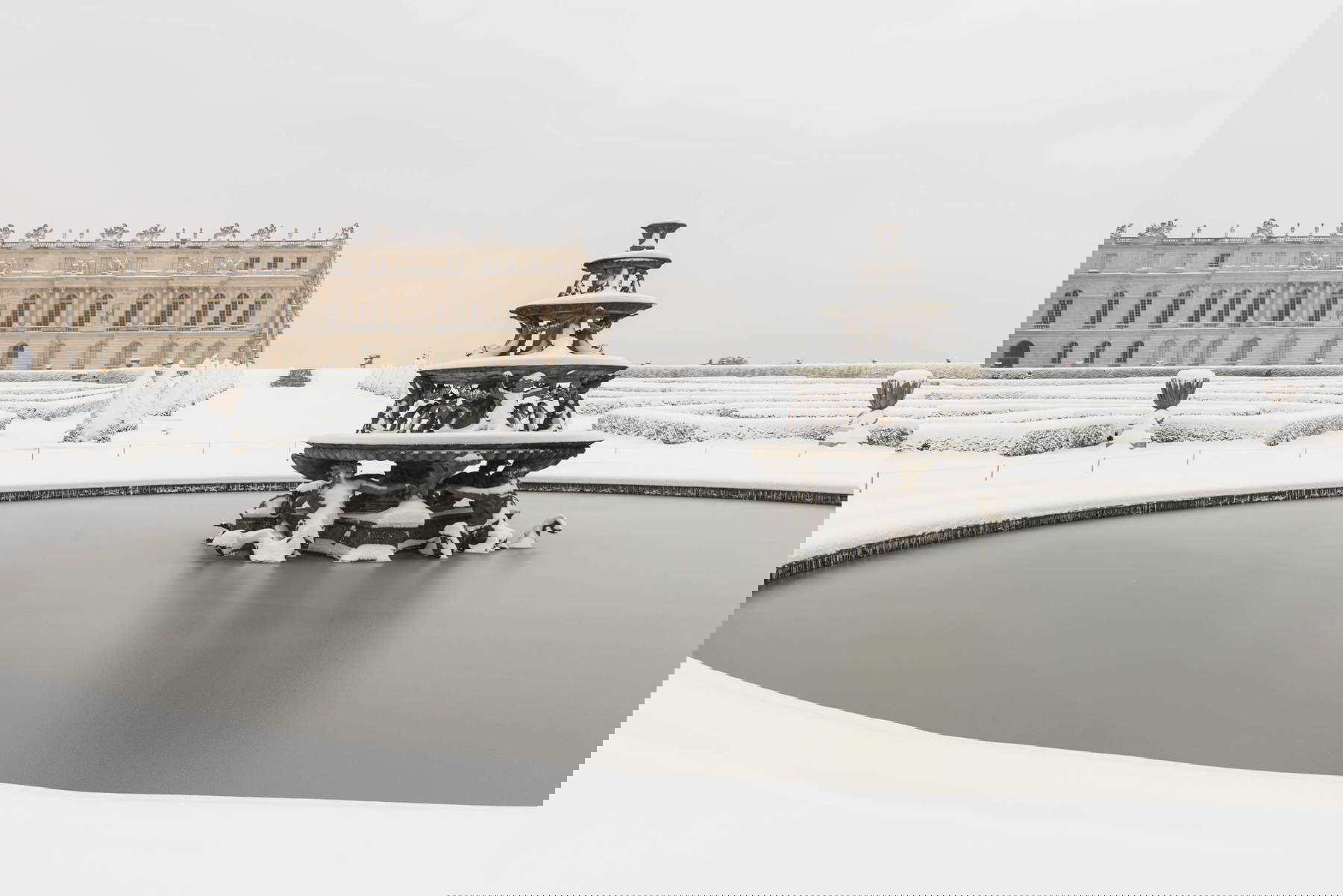
What was the state of the palace when you arrived and what were the first works you focused on?
This is a rather complex question. First of all, I would like to clarify one thing: my area of expertise is on collections and decorations, that is, what is called architectural decoration. On the other hand, as far as the actual architecture is concerned, there is a specific figure, the chief architect, who is in charge of the preservation and restoration of the building. So this is a separate area from mine, handled by a whole specialized department. Of course, we try to work in close collaboration, because at Versailles there is a very strong relationship between the container and the content: on the one hand there is the architecture, which is itself a work of art, and on the other hand there are the collections and decorations that inhabit those spaces. Answering the question is not easy. Fortunately, at Versailles the work of involving patrons, as they are called in France, not sponsors, plays a key role. The word itself is important, because it invokes a deeply rooted tradition of cultural support. Through this system we are able to attract a lot of funds for restoration and conservation projects. Of course, it is never enough, because the heritage is immense. Despite the extraordinary wealth that we can observe today, we are still a long way from what the situation was under the Old Regime, both in terms of the quantity of collections and the resources that were devoted to maintaining the palace. Today, however, the state invests considerable resources in the preservation of Versailles, and the heritage is well protected. In any case, it is a work that never has a real conclusion: when one construction site ends, another is ready to begin. In this sense, Versailles can be said to be a permanent construction site.
Millions of visitors walk the corridors and halls of Versailles every year. How do you manage to protect the historic works and furnishings from the impact of tourism without restricting access?
This is a very pertinent question and also represents a great test. It is a question that affects all the world’s great museums. In recent years, European states have tended to progressively reduce the resources allocated to heritage preservation and enhancement. As a result, major cultural institutions are increasingly being asked to develop greater economic autonomy. In this context, the main sources of revenue become two: patronage and revenues from ticket sales. Thus, on the one hand, there is a need to attract audiences and supporters; on the other hand, from the point of view of preservation, the massive presence of visitors is evidence. If you ask a conservator what the ideal solution would be, the answer would probably be to reduce the stress on the works as much as possible. This is precisely where the basic principle of preventive conservation emerges, which is to strike a balance between preservation and accessibility. Ideally, one would want to offer the public maximum accessibility to the collections. For example, windows and shutters could be kept open to restore an experience as close as possible to the historical life of the palace, showing the rooms as they were lived in the past. In fact, from a conservation point of view, sometimes it is necessary to do the opposite. Taking the example of the Salon des Nobles, the shutters must remain closed to limit exposure to light and slow the deterioration of the works. The relationship with the public then becomes a continual compromise. The influx of visitors cannot be considered a real cause of deterioration (because all the work of museums exists precisely for the public) but it is nevertheless a factor that can accelerate some deterioration processes. Here, too, a balance must be struck. It should also be said that this is not a decision that depends only on individual institutions. It is related to a large pattern, political and economic in nature. Basically, each state decides what role to give to ticketing revenue and patronage in financing its cultural institutions. The institutions, in turn, try to adapt to that model and manage their resources in the best way possible. For this reason, there is no single answer to the question. It is a complex and ever-changing balance that can always be improved.
Are there everyday behaviors or situations that negatively affect the preservation of works and furnishings?
Yes, certainly. The public has an important role and, they need to be informed and made aware. People often do not think about the material dimension behind a work of art: they look at the image, the historical or aesthetic value, but forget that these are still fragile objects, composed of materials that react to the environment and human interaction. This is also why I gladly agree to participate in interviews or documentaries: it is a way to explain these aspects and raise public awareness. The most obvious behavior involves physical contact. Touching a work of art may seem like a harmless gesture, especially if it happens only once. In reality, one must consider that at Versailles, during the busiest times, as many as 17,000 visitors per day can be reached. A gesture repeated thousands of times, over months and years, inevitably produces friction that can lead to the gradual deterioration of the work. This is why the principle of “don’t touch,” or “ne touchez pas,” is strongly insisted upon in museums. Another very important element is light. In some rooms, for example in large apartments, we leave small signs on the shutters to explain to the public why they remain closed. From a visitor’s point of view this may seem like a limitation, because the view of the Versailles parterres is extraordinary. In any case, closing the shutters serves to protect the exhibits from natural light, which over time can damage particularly sensitive materials. Again, it is all about the balance between conservation and enjoyment. If the public understands the reason for certain choices, thanks to the explanations of the supervisory staff or the information in the rooms, it becomes easier to accept these small compromises. In addition to physical contact and light, there are also other, less visible but equally important factors. Each visitor, for example, produces heat and humidity. In busy places this can change the climatic conditions of the halls. For this reason, various technical strategies, such as ventilation systems or constant monitoring of CO₂, temperature and humidity levels, are adopted in museums with the aim of maintaining stable conditions for the conservation of works.
Among the artworks and furnishings in the building, are there any materials or environments that require special care?
In general, all organic and hygroscopic materials are more sensitive than inorganic materials such as ceramics, metal or marble. This is why we pay special attention to textiles, graphic arts, then paper, as well as furniture and paintings. Of all, the materials that react most quickly and visibly to environmental changes are textiles. In fact, textiles are very sensitive to both natural light and changes in humidity. When moisture undergoes sharp fluctuations, the material can deform: what we call gondulation occurs, that is, the formation of ripples in the surface of the fabric. In the presence of moisture, the material relaxes and tends to deform, while when the moisture decreases it returns to contract. Fortunately, in most cases these are reversible phenomena, but it is still a sign of environmental instability. Another particularly delicate category concerns some paintings on the ceilings of Versailles. Unlike what is often the case in Italy, where the fresco technique dominates, many ceilings in the palace are not frescoed. Instead, they are oil-painted canvases pasted on plaster, a technique referred to in French as peinture marouflée. In this case the structure of the work is composed of different materials, simplifying: the canvas, the glue, the plaster and the structure that supports it. The combined presence of organic and inorganic elements makes these works more sensitive to changes in temperature and humidity. The term marouflé comes from the French verb maroufler, which means the gesture of applying and pressing a canvas to a surface to let the air out, rather like when you apply an adhesive trying to get rid of bubbles. From this technical gesture comes the name of the painting technique. It is a very popular solution in France. On the one hand because French artists were less familiar with the fresco technique, traditionally more developed in Italy; on the other hand because oil painting allowed more illusionistic and chromatically intense effects than the more opaque tones of fresco. However, this choice also entailed a much greater inherent fragility than traditional wall painting. For this reason, textiles and marouflées paintings represent two of the categories of works requiring greater attention in preventive conservation at Versailles.
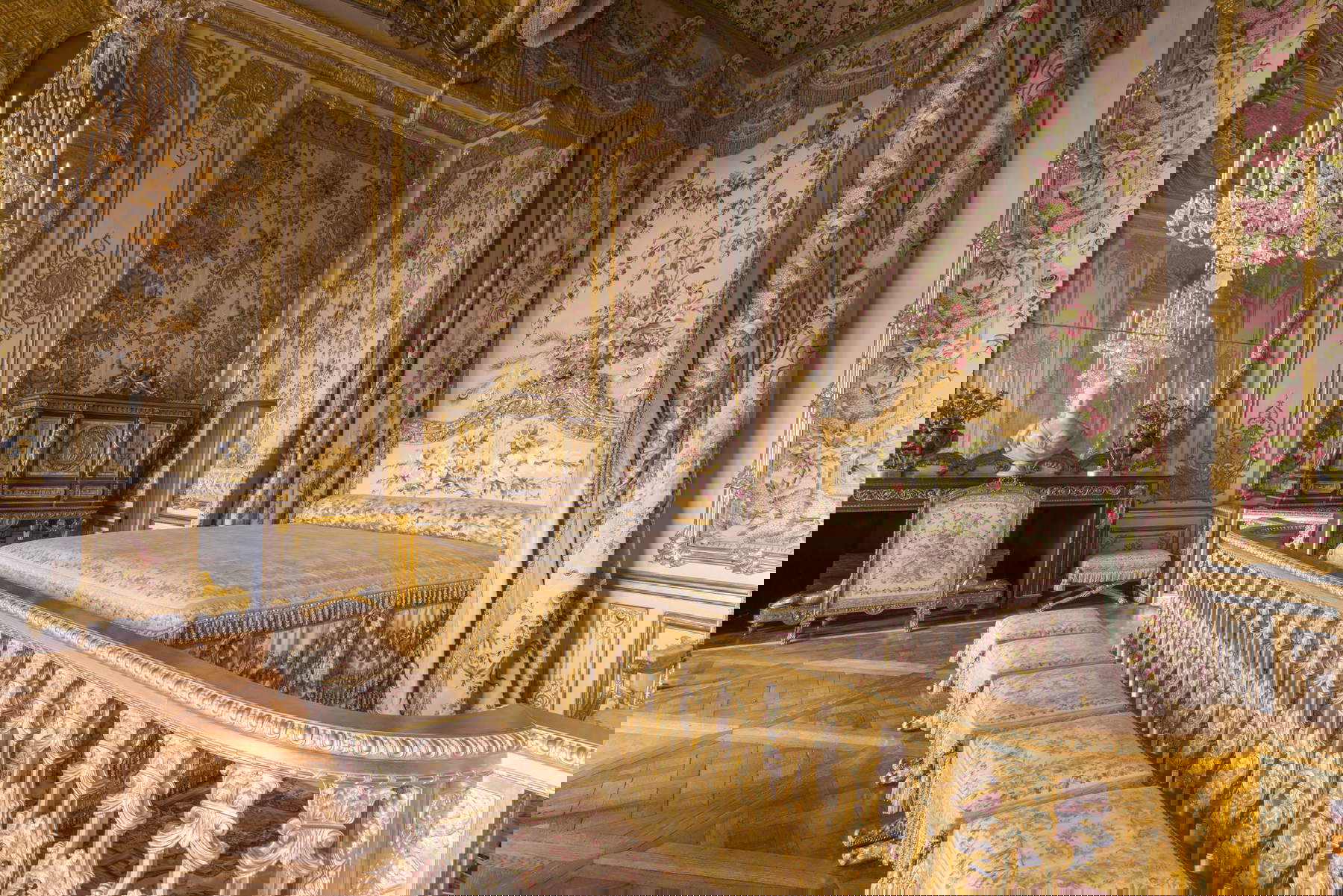
What innovative tools or technologies do you use to control temperature, humidity and light in the palace’s collections and furnishings?
First of all, I would like to point out a fundamental aspect: the most important thing is the methodological approach, even before the technology. Even before the diagnostic tools, the method by which phenomena are observed and interpreted counts. I like to make a comparison with medicine. A good general practitioner, thanks to his or her experience and observational skills, can often understand a great deal about a patient’s state of health even without immediately resorting to complex instruments. Similarly, in preventive conservation, methodological diagnosis is the starting point. The instruments then serve to confirm, measure and monitor what the analysis has already allowed us to identify. In terms of monitoring environmental parameters, we use various monitoring tools. In particular, we employ so-called data loggers, devices that record in real time a range of values such as temperature, relative humidity, illuminance level, that is, the amount of light in the rooms, and CO₂ concentration, as well as other technical parameters. These systems allow constant monitoring of environmental conditions. If any of the parameters exceeds the thresholds considered safe for conservation, we immediately receive a notification, via e-mail or message, that there is an anomaly in a particular room. At that point we can intervene with different solutions, often very simple ones. In some cases, temporary ventilation or closing a window will suffice. In other cases we use specific devices, such as dehumidifiers installed in some rooms to lower the humidity level. Intervention strategies can thus be very varied. However, it is important to reiterate that the difference is not so much the amount of tools available as the ability to interpret them correctly. Just as in medicine: you may have many diagnostic tools at your disposal, but without the expertise to read the results, it is difficult to arrive at the right treatment. This is a point I also stress a lot with my students. Technology is certainly helpful, but it is not the deciding factor. The real key always remains the ability to observe and diagnose.
Is there a preventive conservation intervention at Versailles that made you discover something new or unexpected about a work or furniture?
I can give two examples to better explain the results obtained. The first concerns precisely one of the most important aspects that emerged from the EPICO program. Rather than introducing something completely new, the project allowed us to redefine the parameters necessary for the conservation of artworks. In the past, it was considered essential to maintain very strict and constant climatic conditions, for example, extremely precise temperature and humidity values, especially for objects of great value, such as those in the queen’s apartments. In any case, as I mentioned earlier, rigidly applying these standards would have meant very invasive technical interventions and, in some cases, even counterproductive for the historic home. Instead, thanks to the research program, we realized that many works are more resilient than previously thought. This has had very important consequences: on the one hand, it has made it possible to better preserve the architectural integrity of the rooms, avoiding invasive technical installations; on the other hand, it has generated significant energy and economic savings. The benefits have been quantified in mathematical terms, calculating how much energy and economic resources are saved by avoiding treating the air according to the standards originally planned. In parallel, a new project, called HypErPICO, is underway, which is a further development of this research. Here we are using hyperspectral imaging technologies applied to some of the rooms of the palace, specifically the Queen’s Chamber and the Hall of Mercury. The goal is to analyze the behavior of materials in relation to environmental phenomena and climate change. To do this we are building a kind of complete three-dimensional modeling of the halls, within which it is possible to study how surfaces and materials react over time to different environmental conditions. This is still ongoing research, so we have no definitive results to report at this time. However, the early data are very promising and could open up new perspectives in the study and conservation of historic houses.
If you had to choose one work of art as an example to make the public understand the importance of preventive conservation, which one would you point to?
I would definitely choose the queen’s jewelry box, made by one of the court’s cabinetmakers shortly before the French Revolution. In this case I can also say something from an art-historical point of view, because my basic training is really that of an art historian, although I later specialized mainly in the study of the materiality of works. This is an extremely technically complex object. Indeed, the cabinet brings together a wide variety of materials: mahogany veneers, mother-of-pearl, porcelain, paint under glass, gilded bronzes as well as, of course, different glues used to assemble all these elements. Such a heterogeneous structure would suggest an object that is extremely sensitive to climatic variations, precisely because organic and inorganic materials coexist in the same artifact. In theory, one would therefore expect great fragility. Instead, the opposite happens. The jewelry box was one of the examples that gave us the most food for thought during the research program: despite the fact that the climatic conditions in the rooms are often far from traditional museum standards, if we take as a reference, for example, certain normative parameters such as those given in the Italian ministerial decree of 2001, the work is preserved in an extraordinarily good state. This raised a fundamental question: is it really worth investing millions of euros in rigidly air-conditioning these rooms, even risking invasive intervention in the architectural structure, when in fact the collections are already in good condition? The jewelry box is also an incredible case for another reason: it is still in the room for which it was designed, which is quite rare. Moreover, the state of preservation is astonishing for an object of that age. Much of this achievement depends on the exceptional quality of its making. Indeed, it was the best that the technology and cabinetmaking of the time could offer. This example helped us understand that many objects possess a certain resilience. Over time, they have already gone through environmental variations and sometimes show small signs of aging, such as some cracks, but, if conditions remain within certain limits, further deterioration does not occur. For this reason, our main focus is on maintaining what we call the “historical climate” of the work, that is, the set of environmental conditions to which the asset has adapted over time. I often present this case to my students as well, because it makes a fundamental point of my work very clear: works of art are certainly fragile, but care must be taken not to intervene excessively. With the intention of protecting them, one sometimes risks creating counterproductive effects. You need to really get to know the work, almost as if it were a patient: you need to auscultate it, observe its behaviors over time, and not just act on the basis of abstract ideas. Sometimes, paradoxically, some collections have been preserved for centuries precisely because nothing was done, because they were forgotten and therefore not subjected to invasive interventions.
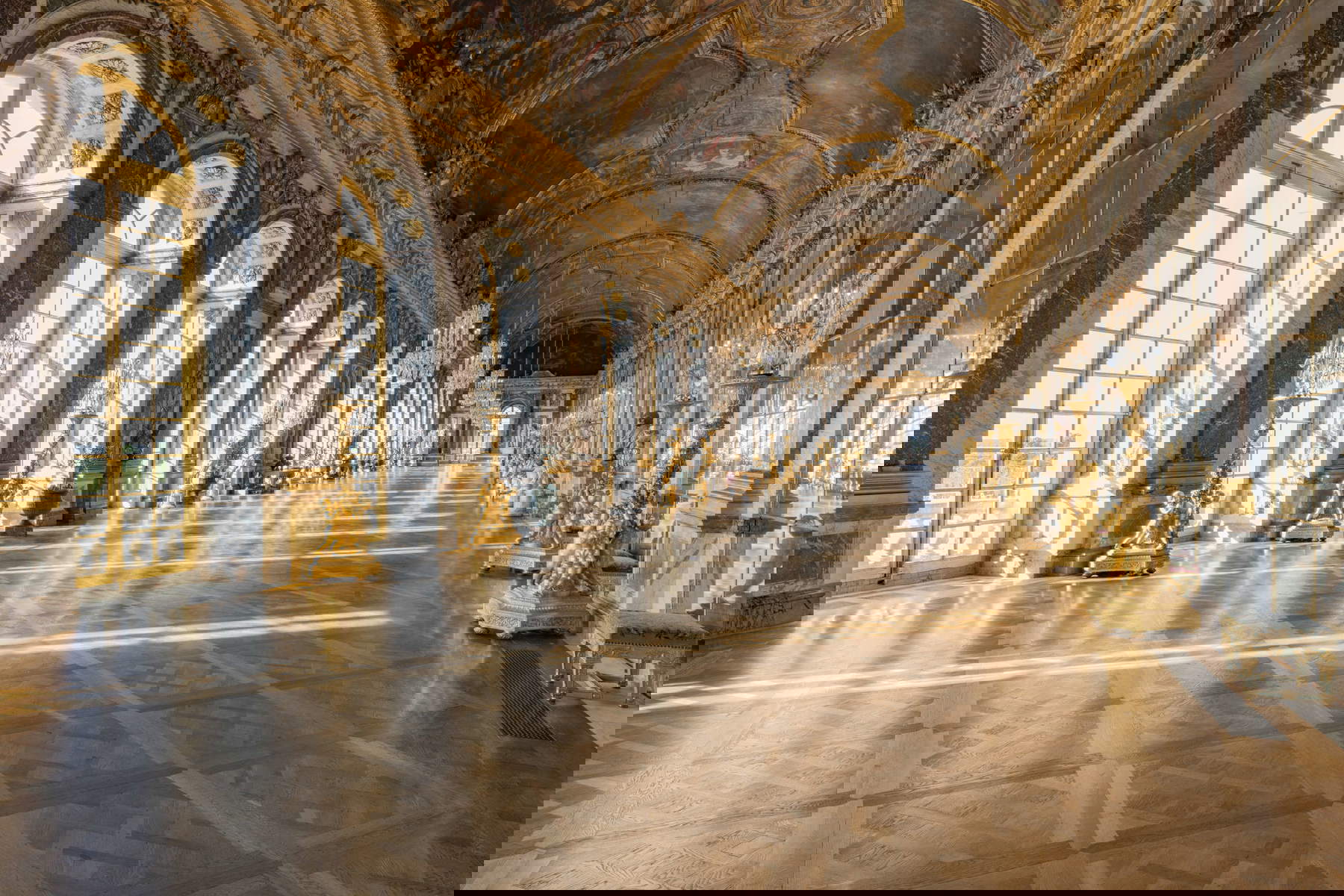
In the Mirror Gallery, there is an arrangement that tries to recall the original configuration, with chandeliers, vases and the orange trees. I wanted to understand how much of this work falls within your field of conservation: is it something that complements your work, or is it primarily a museographic display project?
Mainly it is a work that stems from the museum director’s desire to return the Mirror Gallery to a configuration closer to its original 17th-century configuration. For example, many of the chandeliers were removed precisely to bring out the 17th-century structure of the room, enhancing the painted ceilings and allowing the public to better appreciate its perspective and artistic complexity. From a conservation point of view, this work is not directly within my scope, which is concerned with the care of collections and sensitive materials, but it still supports the understanding of the art-historical message of the palace. As for the vases and orange trees, this is a museographic display. Again, the work is mainly exhibition, but I take care of their maintenance: since they are live and delicate orange trees, I control their melting temperature in summer, manage their dusting, and intervene for minor damages, such as broken leaves, entrusting any repairs to specialized technicians. My intervention focuses on the preservation of fragile elements, even if they are museographic and not inventoried historical objects, while the design of the layout and the choice of chandeliers and vases are part of the cultural and artistic decisions of the Versailles management. In any case, the collaboration between conservation and exhibition design is essential to ensure that the public can enjoy the room without compromising the security of sensitive materials.
In your opinion, could the episode of “Ulysses - Versailles in sequence plan,” which aired in prime time on Rai 1 last March 2, influence the public’s perception of the preservation and historical value of the palace?
Definitely yes. A media approach like Alberto Angela’s, which is able to reach a very wide audience, can be extremely useful in bringing people closer to these issues. I am absolutely convinced that outreach tools of this kind can help raise awareness of the work behind heritage preservation. For my part, I have always gladly accepted to participate in interviews or outreach projects, whether for specialized magazines such as yours or for television audiences. I have also had some opportunities to work with children, and I must say that with them it is often even easier. Indeed, the youngest have a very direct and curious relationship with the materiality of the works, while adults tend to forget that a work of art is not something abstract, but an object made of real materials. When visiting Versailles, everything appears perfectly in order, shining, almost unchanging. In reality that appearance is the result of continuous restoration and constant maintenance. The works we see are often two, three or four centuries old, and because of that, they are inherently fragile. For example, I remember a particularly relevant episode. One year we had to move one of the folding stools in the king’s chamber, the ones with the X-shaped frame. Externally it was in perfect condition: the gilding was intact and showed no obvious signs of deterioration. In fact, when it was lifted, of course with all technical precautions, the structure cracked under its own weight. Inside the wood were in fact ancient tunnels dug by xylophagous insects, no longer active but sufficient to have transformed the wood into a kind of honeycomb structure, extremely fragile. On the outside, the object looked perfectly stable, but its internal structure was actually very vulnerable. Here, this example demonstrates well how the materiality of works can hide invisible fragilities. Returning to the question, I therefore believe that disclosure is crucial. Of course, preventive conservation is not an easy topic to talk about. If our work is done well, nothing can be seen: there is no spectacular before and after as in the case of restoration. For this reason, even from a TV perspective, it is not always easy to make it immediately fascinating. Explaining that investing in prevention is often more important than intervening when the damage is already visible requires a communication effort. There is, however, a strong narrative potential: that of diagnosis, of investigation, almost of a form of inquiry. Indeed, the conservator’s job is to observe the material, to auscultate it, to try to understand what stories it tells about its past and what signals it gives us about its own fragility. Behind each work, therefore, there is a process of research and interpretation that, with the right narrative approach, and perhaps even with a bit of poetry, can become very engaging for the audience. It is also a way to make visitors understand that heritage conservation depends not only on specialists, but also on the behaviors of those who observe and experience it. By the way, this is exactly an idea I proposed to RAI as well. Who knows, maybe something in this direction could develop in the future.
If you had to describe in a few words the soul of Versailles from your point of view, what would you say?
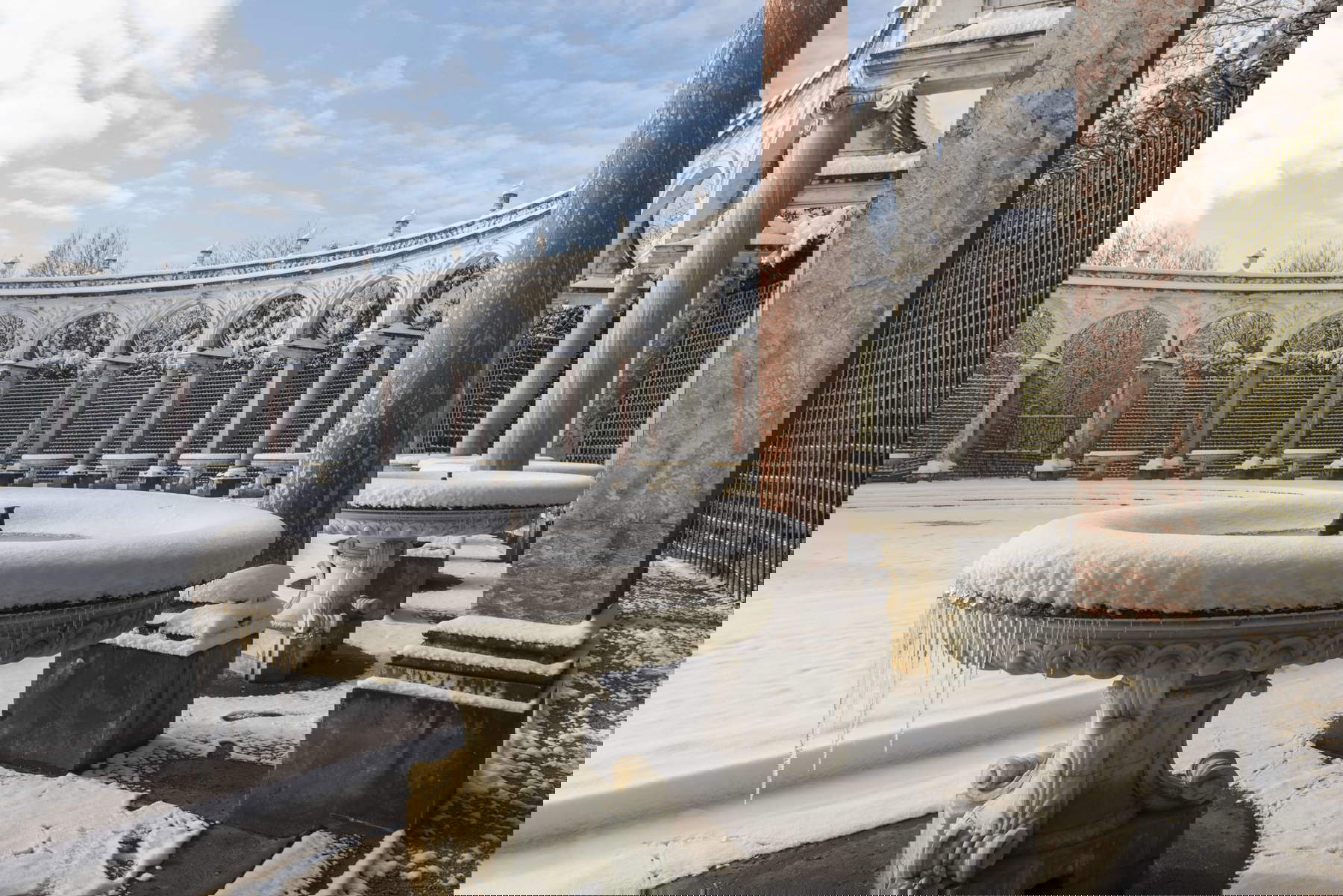
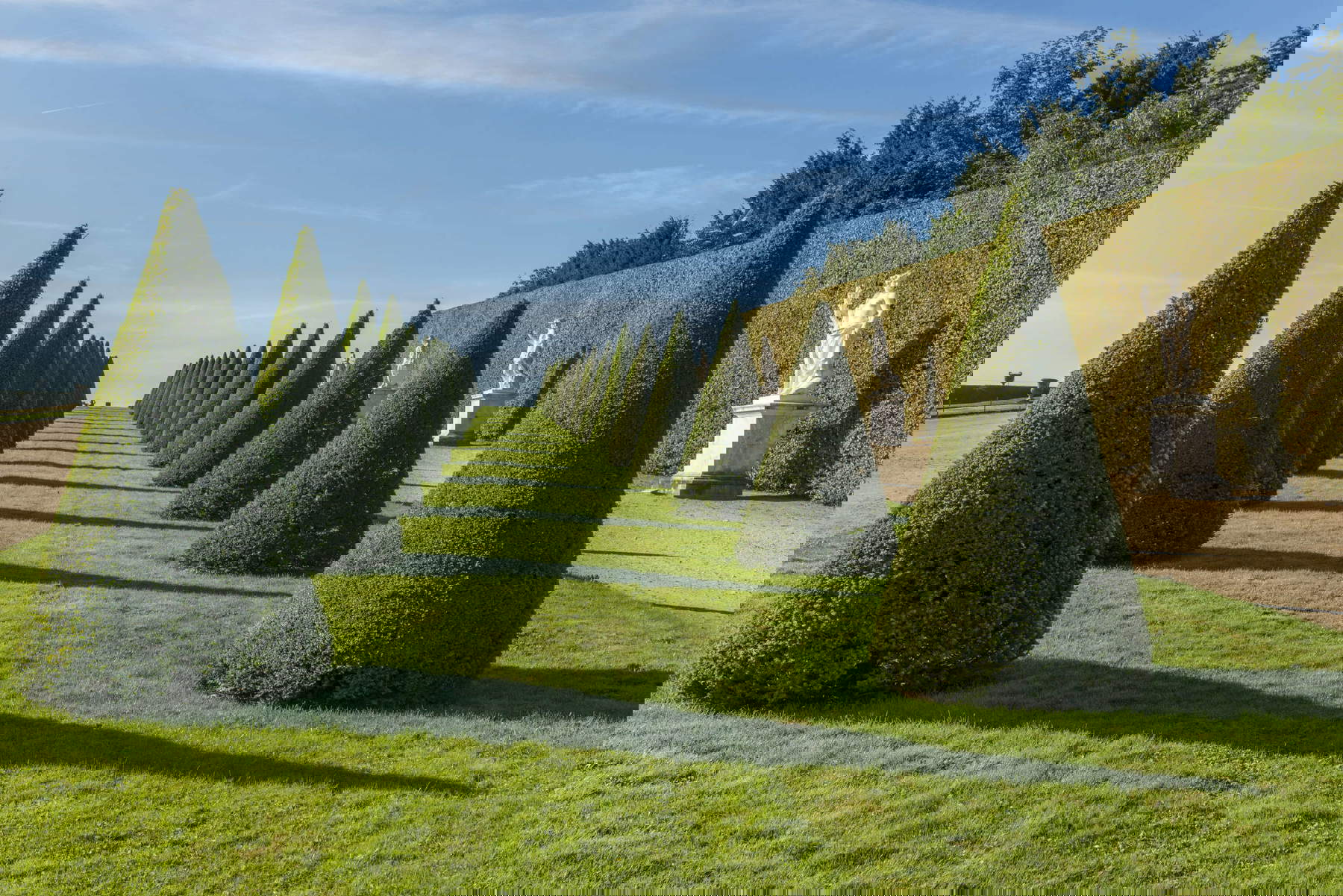
For me, Versailles is a universe within the universe. Often, with my gardener friends, we joke that when we get to the end of the park, 800 hectares, not a few hectares, it really feels like reaching another world. Between Versailles, Trianon, the Queen’s village and the gardens, there is a whole dimension that I call “the Pillars of Hercules,” because beyond that threshold the vastness appears to us as the limit of the known world. It is a very rich, complex and, at times, very difficult universe to fully comprehend. As in any work environment, there are difficulties, enthusiasms, joys and angers. But what is surprising is the singular harmony of this place. Despite the layers of history, from the time of Louis XIII to the present day, Versailles manages to blend its different souls into a rare balance. It is a museum, but also a presidential palace; it has multiple dimensions, yet these coexistences find a kind of magic, a harmony that I have hardly seen elsewhere. This extraordinary coexistence of buildings, collections, gardens and city makes Versailles never get tired. After almost fourteen years here, every time I look at the palace I am amazed: the perfection of the details, the beauty of the gardens, the balance between architecture and collections always strike me.


The author of this article: Noemi Capoccia
Originaria di Lecce, classe 1995, ha conseguito la laurea presso l'Accademia di Belle Arti di Carrara nel 2021. Le sue passioni sono l'arte antica e l'archeologia. Dal 2024 lavora in Finestre sull'Arte.Warning: the translation into English of the original Italian article was created using automatic tools. We undertake to review all articles, but we do not guarantee the total absence of inaccuracies in the translation due to the program. You can find the original by clicking on the ITA button. If you find any mistake,please contact us.






















 IT
IT FR
FR DE
DE ES
ES CN
CN


