




by Redazione 15/01/2026



Categories: Museums / Disclaimer
Florence's Galleria Accademia-Bargello museum system, which unites seven venues, is being reorganized. The new director, Andreina Contessa, unveiled the new course: single ticket, thematic itineraries and large-scale restorations, enhancing the collections and the visitor experience.
New arrangement for an important nucleus of museums in Florence. The newly established Galleria dell’Accademia di Firenze and Musei del Bargello museum system was unveiled yesterday, comprising seven venues and more than 50,632 works including sculptures, paintings, tapestries, ivories, jewelry, majolica, medals, medals, coins, textiles, musical instruments, furniture and ancient weapons, spread over a total exhibition area of 18,610 square meters. Of these, the Michelangelo collection is the most significant in the world. In 2025, the museums recorded atotal attendance of more than three million visitors, confirming their importance in the Italian and international cultural scene. Coordinated management and the definition of a shared cultural project aim to consolidate the system’s identity and optimize its fruition.
The seven venues involved are the Galleria dell’Accademia in Florence, the National Museum of the Bargello, the Museum of the Medici Chapels, the Museum of Palazzo Davanzati, the Orsanmichele Complex, the Museum of Casa Martelli, and, upon completion, theformer church of San Procolo. Under the direction of Andreina Contessa, who was appointed director of the new institute last July, each museum will retain its own specificity, but is included in a coherent network that interprets the city’s heritage as a constellation of interconnected places and meanings. The reorganization includes restoration work, rearrangement and thematic routes, with unified tickets and hours, and a focus on different audiences, from the youngest to visitors with special needs.


“I believe,” explains Director General Andreina Contessa, “that this union between two great institutions represents a challenge and an opportunity for both. Visitors will be able to enjoy a unique museum, architectural and artistic itinerary, spread over different buildings in the city, a journey through the different historical eras of Florence and its different faces. The union, through tools such as integrated ticketing and by unifying opening hours, may lead to a rebalancing of visitor inflows and economic resources. The cultural strategy is to enhance the peculiarities of individual museums by bringing them together. This new institute now represents the favorite place for research, the history of collecting, the creative process of sculpture leading to the creation of the work, and the materiality of art in all its applications, capable of creating a new urban itinerary to enjoy the historical places and masterpieces created by the genius and talent expressed in art. We want to return these places of great attraction to Florentines, developing initiatives and special openings for citizens and emphasizing the role of museums in the service of the community and the culture to which they belong. In parallel, we need to think about implementing a comprehensive awareness campaign to make visitors aware of sustainable behavior in the context of cultural heritage and conservation issues. I know from experience that mergers can be great opportunities but they are never easy. The Accademia Gallery-Bargello Museums union will involve a complex change from a management-administrative point of view. This is why I began my Florentine assignment by meeting with staff: listening is essential to understanding needs and perspectives. Also because it is from the voices of those who live the museum every day that the deep sense of a cultural community capable of innovating, growing and speaking to the world is born.”
Among the main changes is the introduction of two cumulative tickets, active from March 15, 2026. The first will allow access to all museums in the system within 72 hours at a cost of 38 euros, while the second will allow visits to the Accademia Gallery and the Bargello National Museum in 48 hours at a price of 26 euros. A family ticket is also being studied to facilitate family access. Starting Feb. 1, individual museum tickets will undergo some changes: the Accademia Gallery will go from 16 to 20 euros, the Bargello from 10 to 12 euros, Palazzo Davanzati from 6 to 8 euros, the Medici Chapels from 9 to 11 euros (excluding Michelangelo’s Secret Room at 32 euros), and Orsanmichele from 8 to 10 euros. Casa Martelli will remain free on the two days it is open, with the introduction of a ticket planned in the future. All tickets will be available for purchase through the official MiC-authorized channel, managed by Giunti-Opera Laboratori, through telephone reservations and online at the museums’ official websites. From March 15, 2026, opening hours will be unified: all museums will be open from Tuesday to Sunday, 8:15 a.m. to 6:50 p.m., except for Casa Martelli, whose schedule is subject to ongoing construction sites.
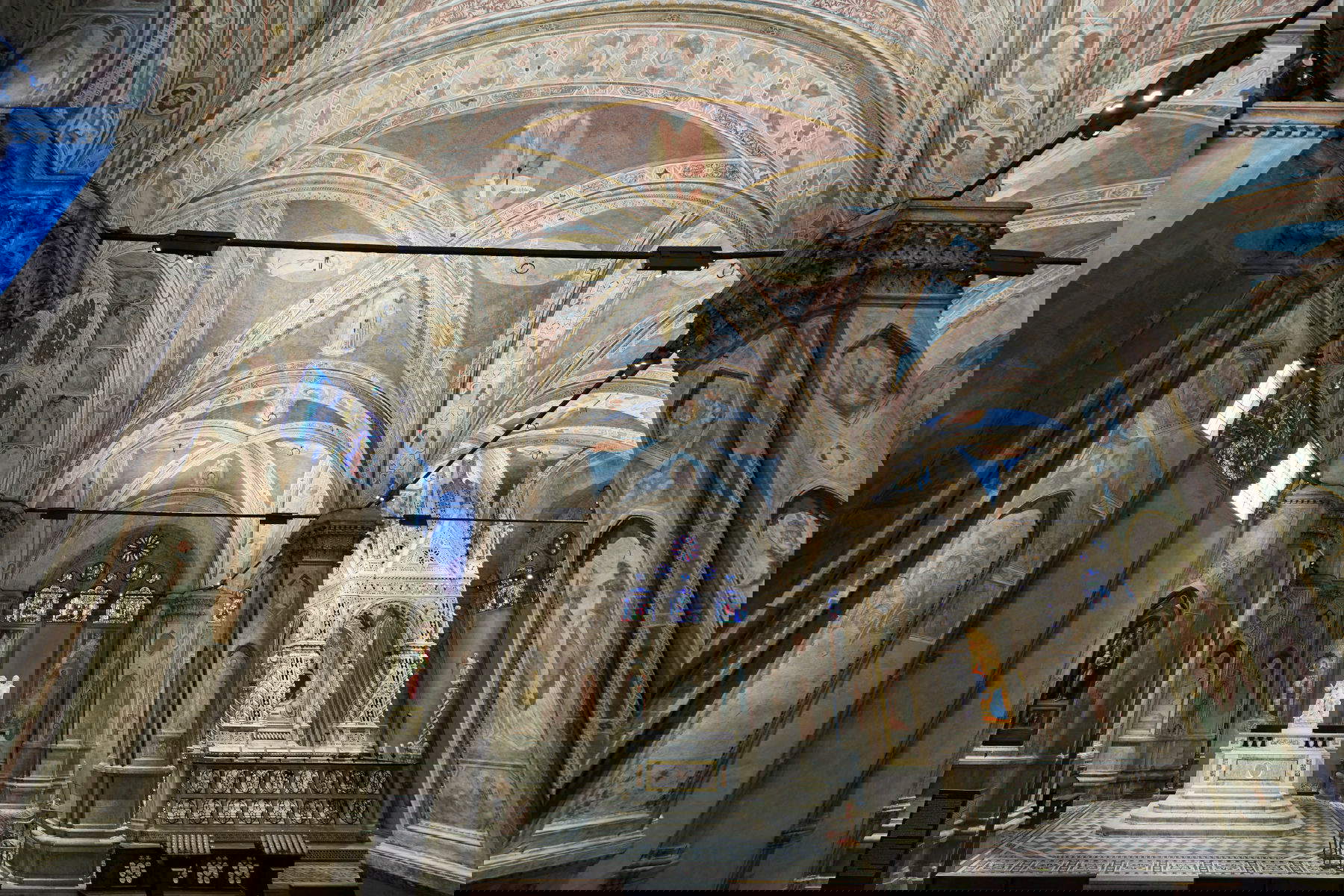
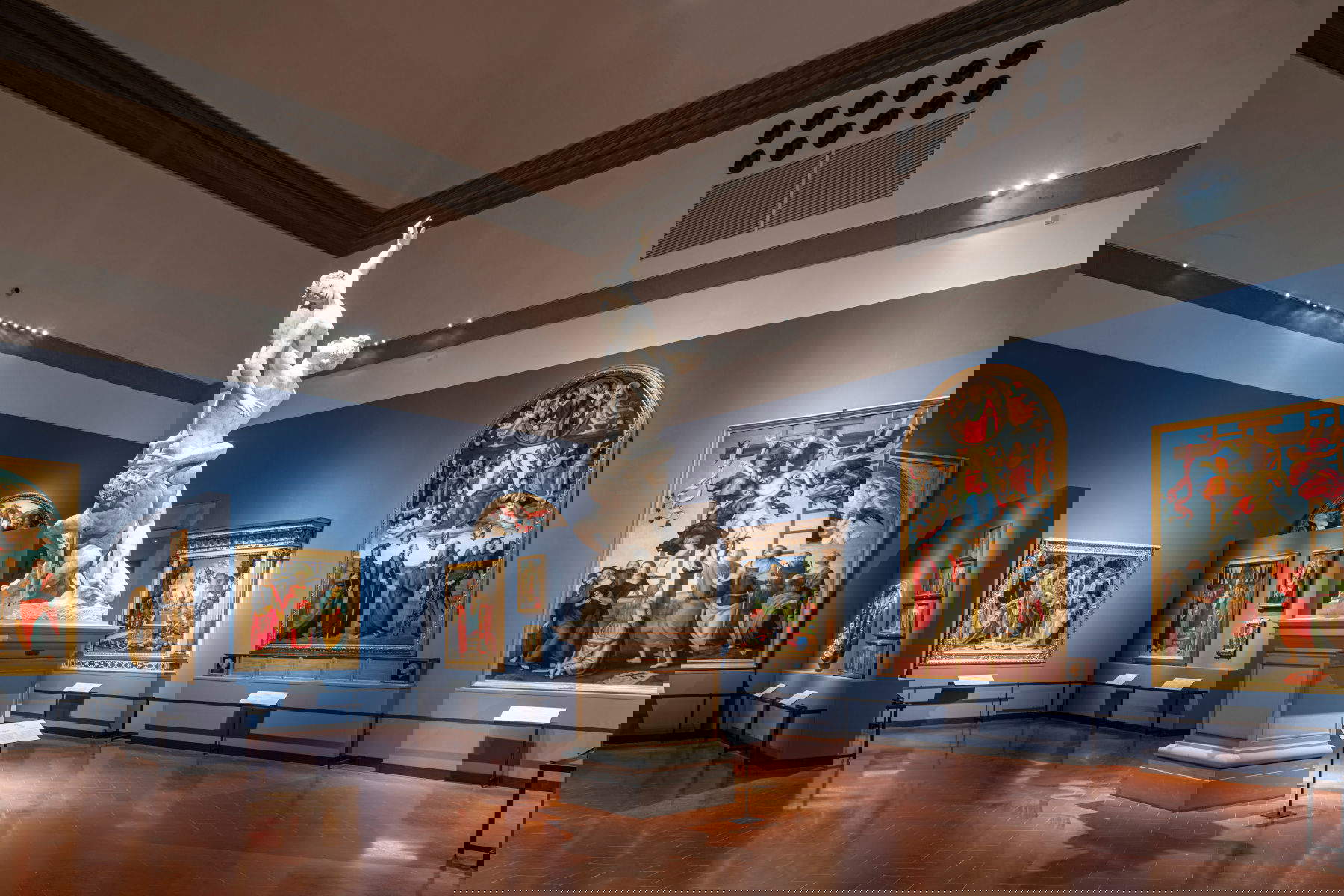
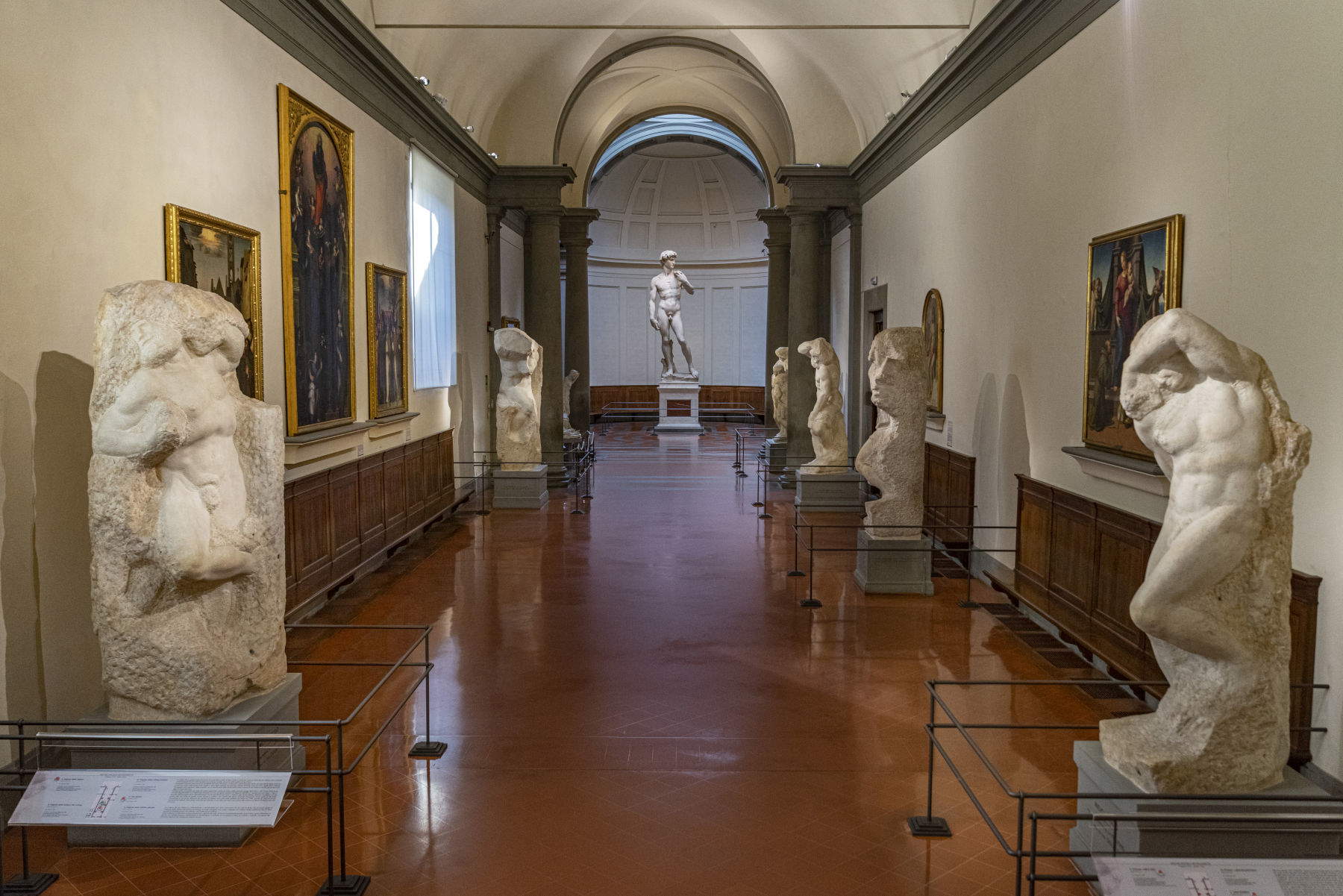
The cultural offer is enriched by three new thematic itineraries that connect different works and venues. The first, In the Sign of Genius. Michelangelo and the Technical, Iconographic and Symbolic Innovations, explores the evolution of Michelangelo’s work, from the youthful Bacchus to the Pitti Tondo, from the David-Apollo to the Brutus conserved at the Bargello, up to the masterpieces of the Accademia Gallery such as the David, the Prisoners, the St. Matthew and the Palestrina Pietà, concluding at the Medici Chapels in the New Sacristy of San Lorenzo. The second itinerary, Florence and its Symbols. The Visual Identity of the CityTold through Heraldry, Civic Religion, Allegorical Figures, andHeroes from Classical Mythology and Sacred History, analyzes the visual identity of the city through heraldry, civic religion, allegorical figures and myths, with stops between Orsanmichele, Bargello and the Galleria dell’Accademia, highlighting the communicative and symbolic function of the works. The third, The Art of Detail. A Journey to Discover Real and Represented Objects, Clothes, Textiles, and Accessories in the Collections of the Accademia Gallery of Florence and the Bargello Museums, traverses four venues to document the history of dress and material culture, from the Middle Ages to the modern age, including clothing, textiles, ornaments and objects of use, with a focus on the links between collections and social practices. The tours are scheduled to start in May 2026, following the training of staff, particularly art historians at the various venues.
Among the rearrangements, Casa Martelli saw the return of the Martelli family coat of arms, relocated on the monumental staircase after more than two decades at the Bargello National Museum. The coat of arms, 1.93 meters high and made of polychrome stone, had originally been placed on the palace on Via degli Spadai (now Via Martelli) and attributed to Donatello or, according to recent studies, Desiderio da Settignano. Its placement in the historic home restores an important element in the history of Florentine collecting and the Martelli family’s relations with the Medici.
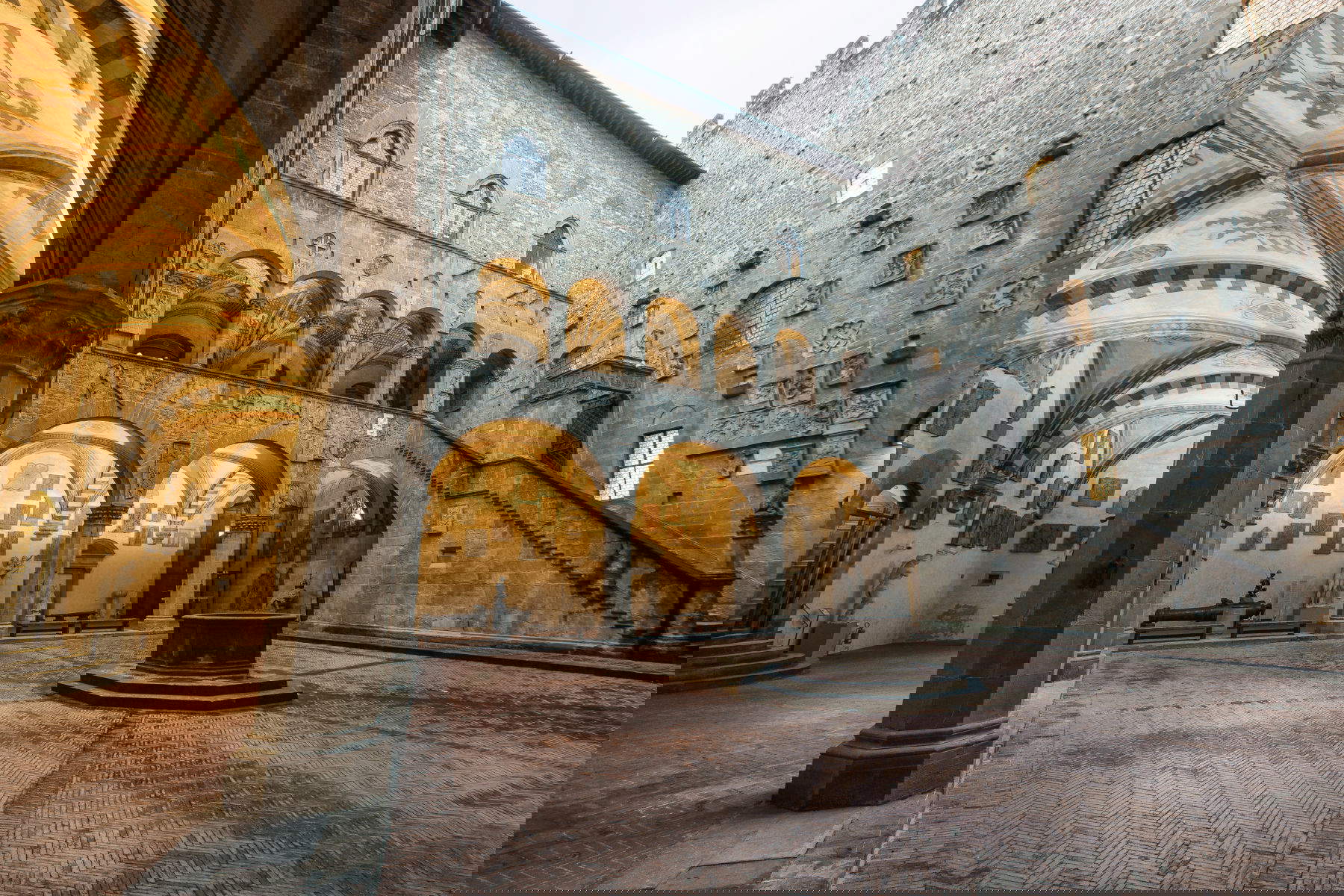
The Bargello National Museum will have during 2026 extensive work on the entrance floor, ticket office, courtyard and Michelangelo Hall. The room, originally intended for the entrance and reception of soldiers in the service of the Podestà, houses 54 works including sculptures in marble, bronze and terracotta, including masterpieces by Michelangelo, Giambologna, Benvenuto Cellini, Bartolomeo Ammannati and Baccio Bandinelli. The work will also involve the Verone, loggia, courtyard and external staircase, as well as renovate lighting and air conditioning systems.
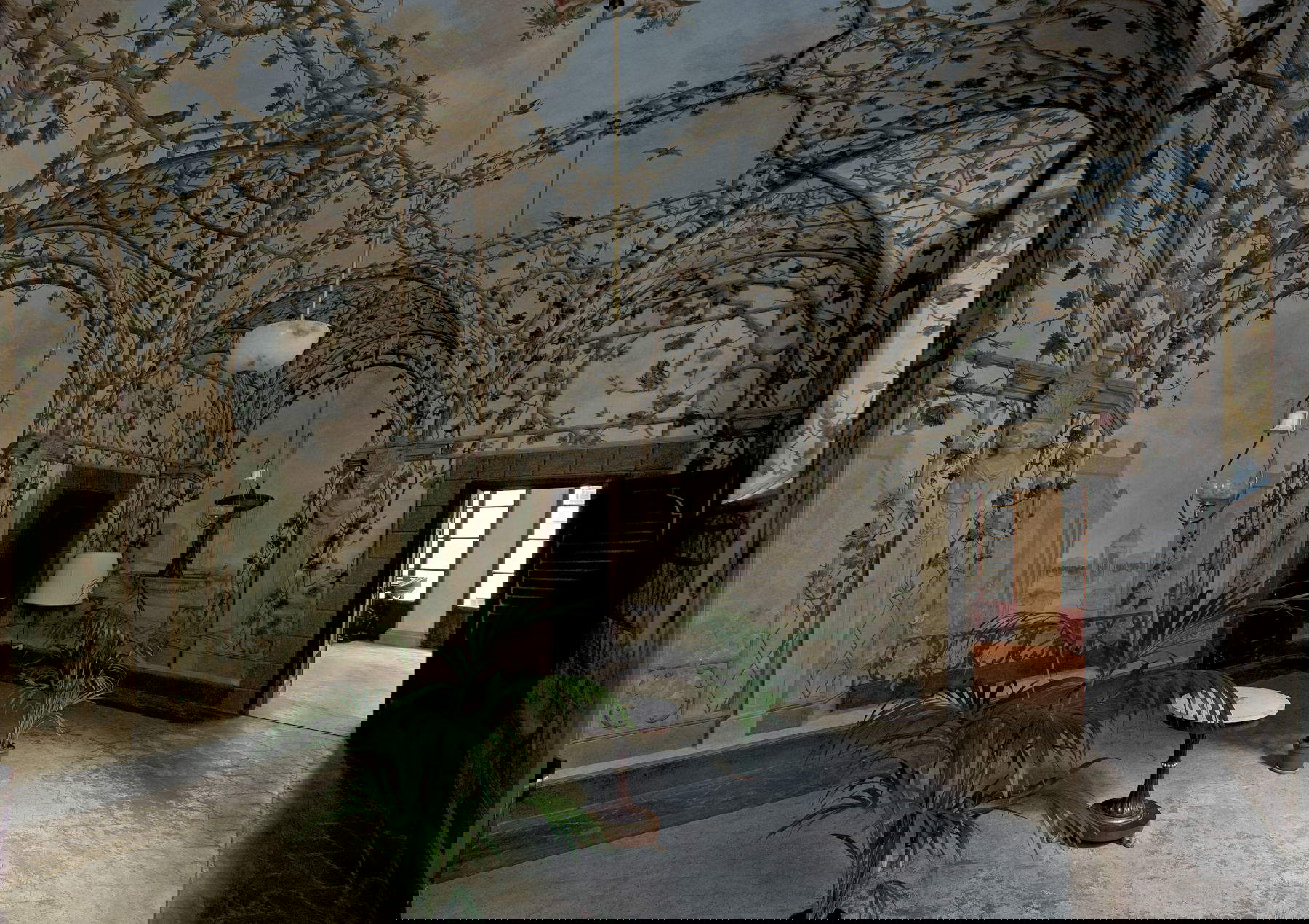
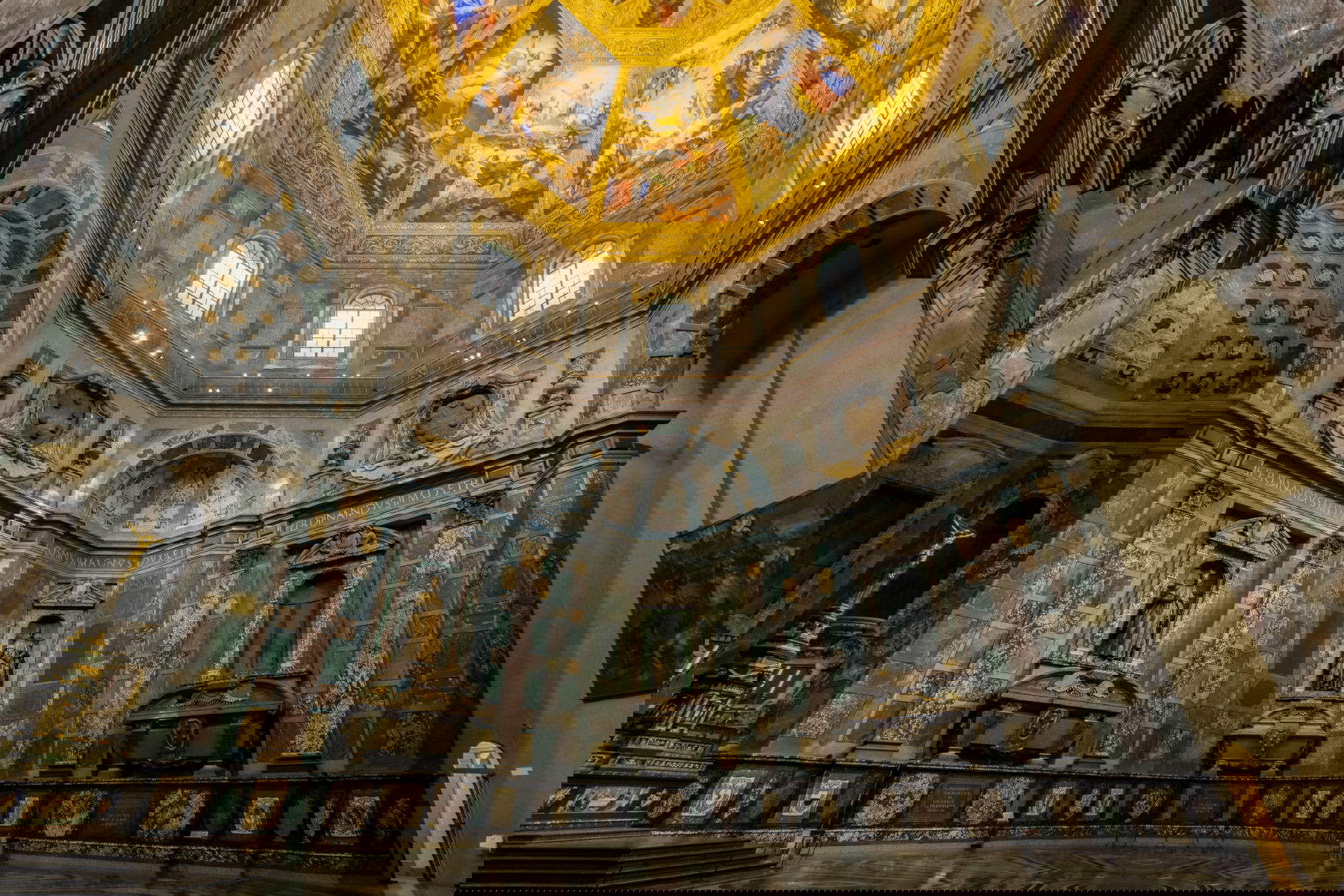
Restoration works will affect several works and venues. At the Bargello, work is planned on plinths and bronze sculptures such as Benvenuto Cellini’s Perseus, Valerio Cioli’s Satyr with a Flask, and Giambologna’s Fishing Putto. At the Accademia Gallery, the restoration of painted panels by Spinello Aretino, Bernardo Daddi and the Master of 1416 will continue, along with the refitting of Room 4 as a visitable storage and study space. The Medici Chapels will see restoration of the dome, interior vestments and colossal portraits of Ferdinand I and Cosimo II, as well as work on the entrance area. Orsanmichele will begin the restoration of stained glass windows and a two-year project on bronze sculptures, while Casa Martelli will complete restoration of the upper floors, energy refurbishments, and restoration of textiles, frescoes and floors. The former St. Proculus Church will enter the museum system upon completion of the work, with efficiency upgrades and restoration of the painted altarpieces. The routine maintenance plan includes periodic dusting and scheduled interventions on the entire heritage.
The museum system maintains and expands educational and inclusive activities, with music workshops, routes on ancient instruments, itineraries on the history of music, and school-to-work training projects for high schools. Offerings aimed at families and special audiences include tours in LIS, routes for people who are deaf, neurodivergent or have dementia, tactile tours and digital tools such as videoguides in IS and LIS, along with educational workshops for children and families that explore art techniques and museum history.
|
| Florence, Accademia Gallery and Bargello reorganize. Here's how |
Warning: the translation into English of the original Italian article was created using automatic tools. We undertake to review all articles, but we do not guarantee the total absence of inaccuracies in the translation due to the program. You can find the original by clicking on the ITA button. If you find any mistake,please contact us.