




I have been attending Arte Fiera Bologna since 2006. At the time I was a gallery assistant, beardless and without any experience, one of those who learn by snooping around, standing on the sidelines. I remember that first edition well: there was snow that whitened Bologna and made the continuous passage between the pavilions and the city more tiring, almost initiatory. On the first day we sold out the whole booth, I had to hang new paintings on every wall while my boss put the checks in order. I have returned every year since, and things have changed. Twenty consecutive editions. The market has changed, the galleries have changed, we have changed too.
This year Bologna was the opposite: sunny days, mild temperatures, full tables. The usual gastronomy that works as a glue, like a second parallel fair, and the warmth of a university city that sleeps little, lives under the arcades and maintains a human dimension that many fairgrounds have sacrificed on the altar of growth. Arte Fiera is also this: an event that does not remain closed in the pavilions but naturally expands to the city, like ink that dribbles.
It is from this perspective, layered over time, that the balance sheet of Arte Fiera Bologna 2026 should be read.
The fair has functioned, but it has done so within a now recognizable perimeter. A domestic, national, popular enclosure in the best sense of the term. New artistic director Davide Ferri, together with operations director Enea Righi, said it without pretenses: Arte Fiera is, and will increasingly be, a national-popular fair. Pop not as simplification, but as adherence to a real audience, made up largely of Italian collectors, mainly from the Center-North. International presences remain marginal if not entirely absent; the South continues to be underrepresented. A fact, rather than a fault to blame.
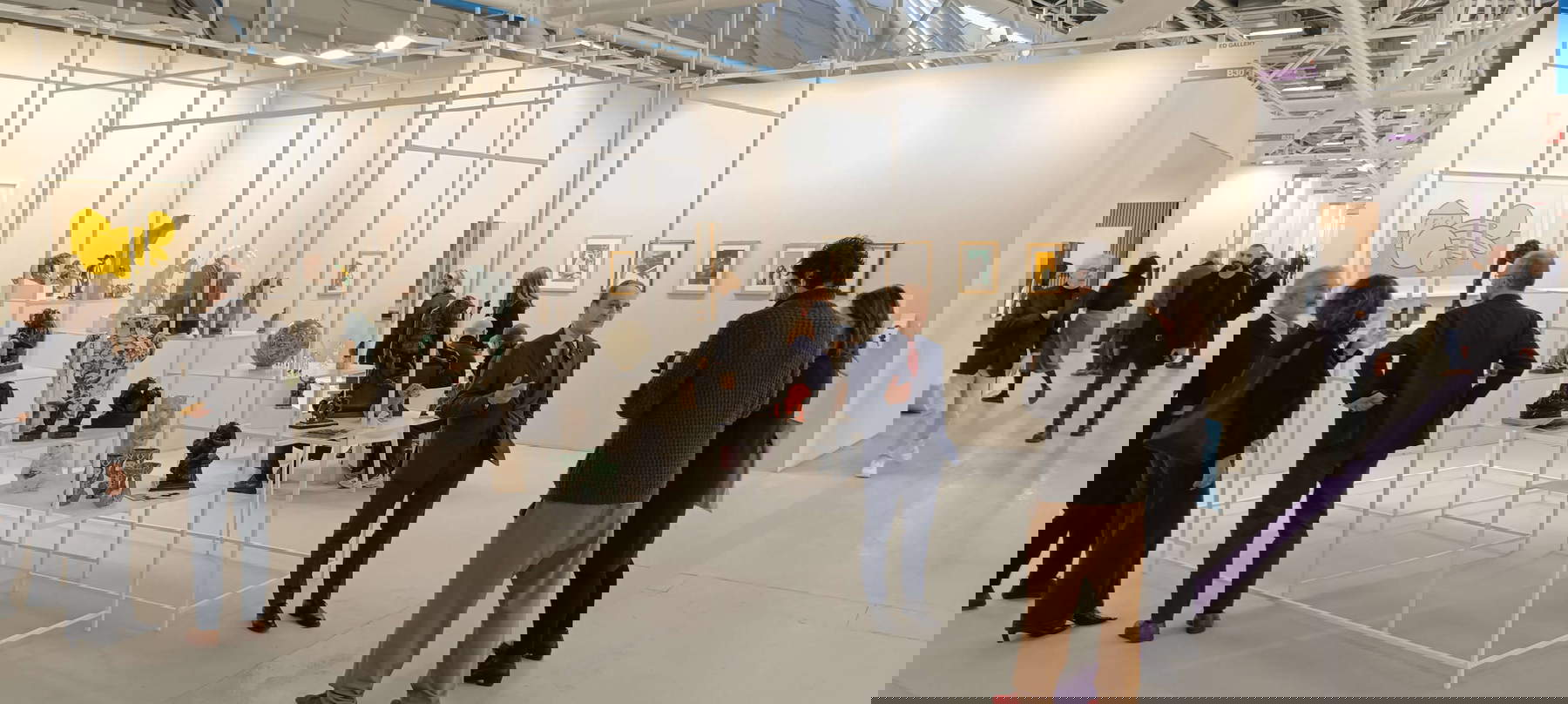
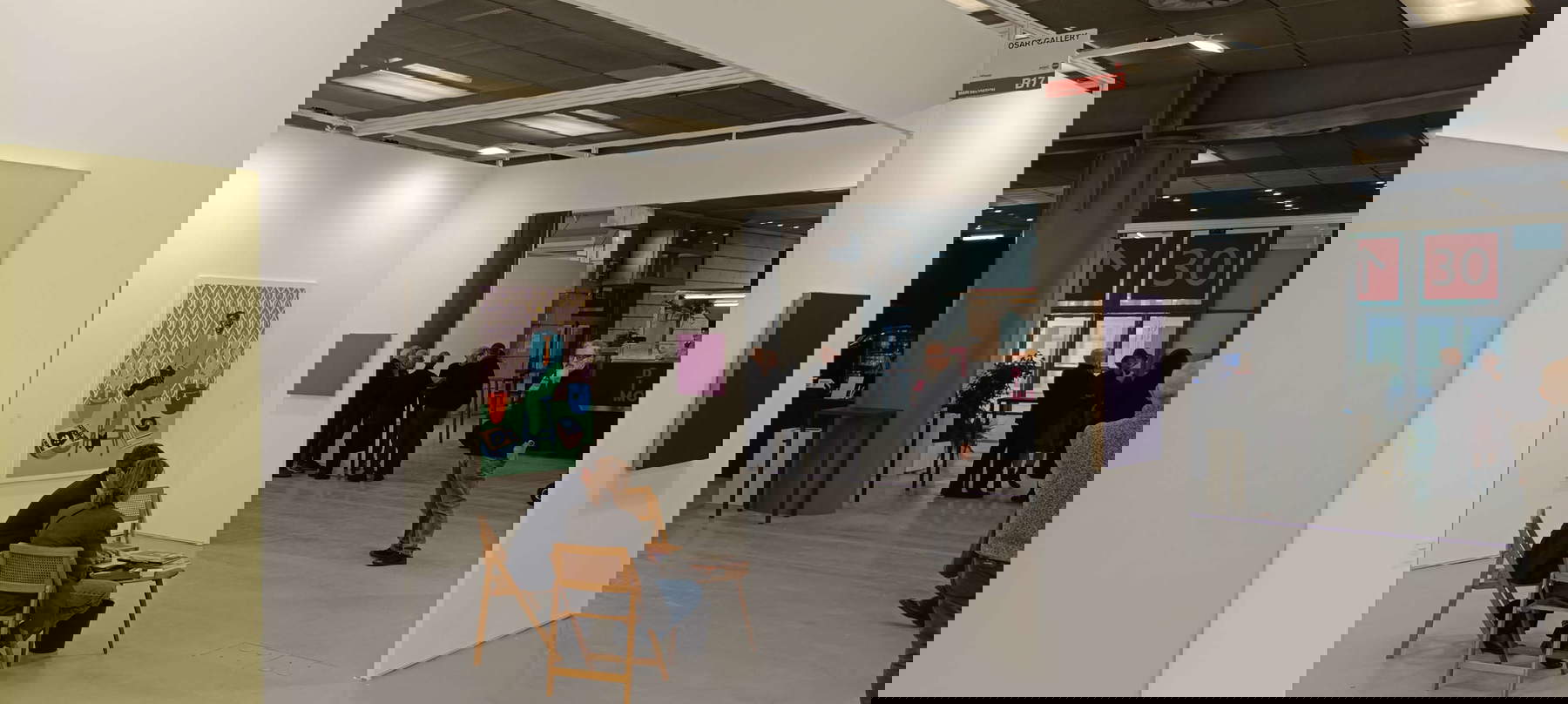
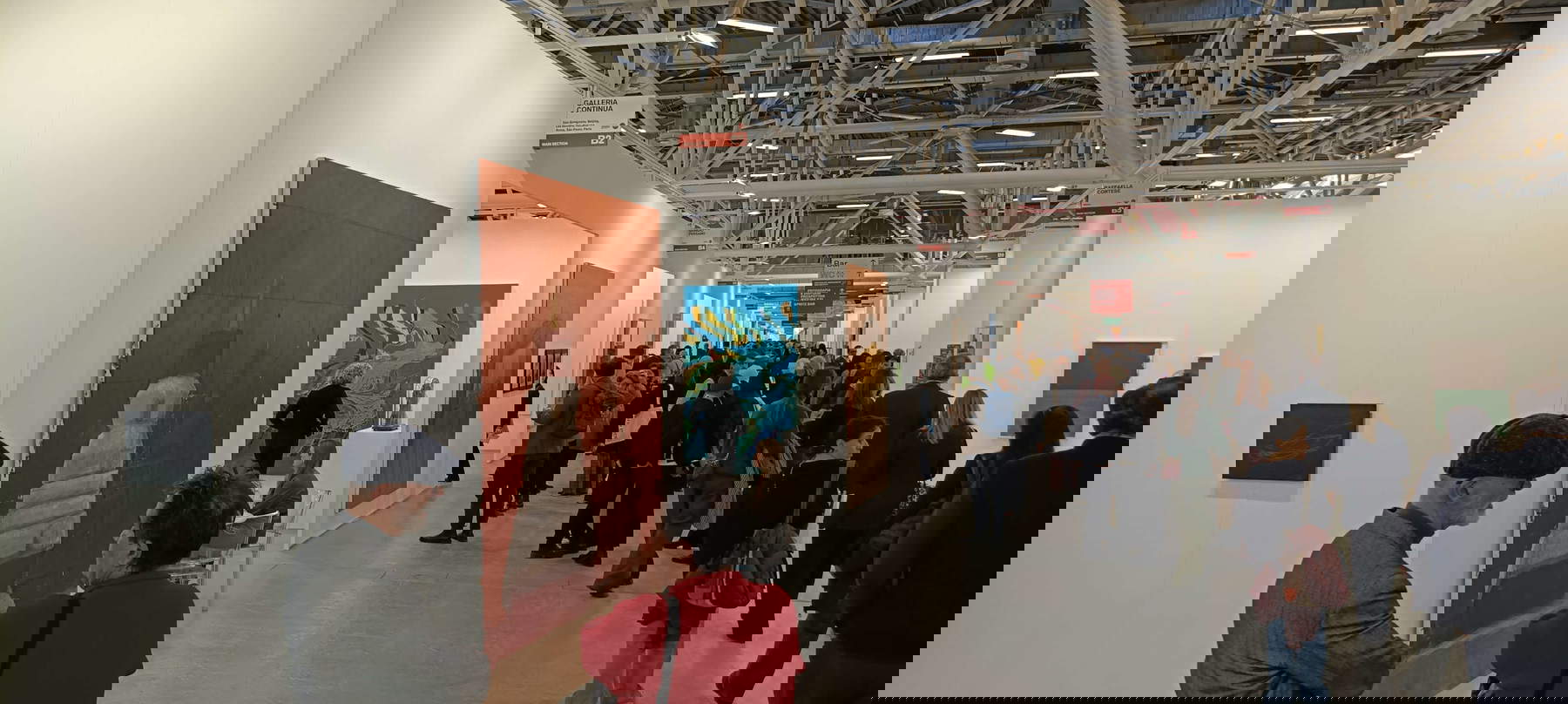
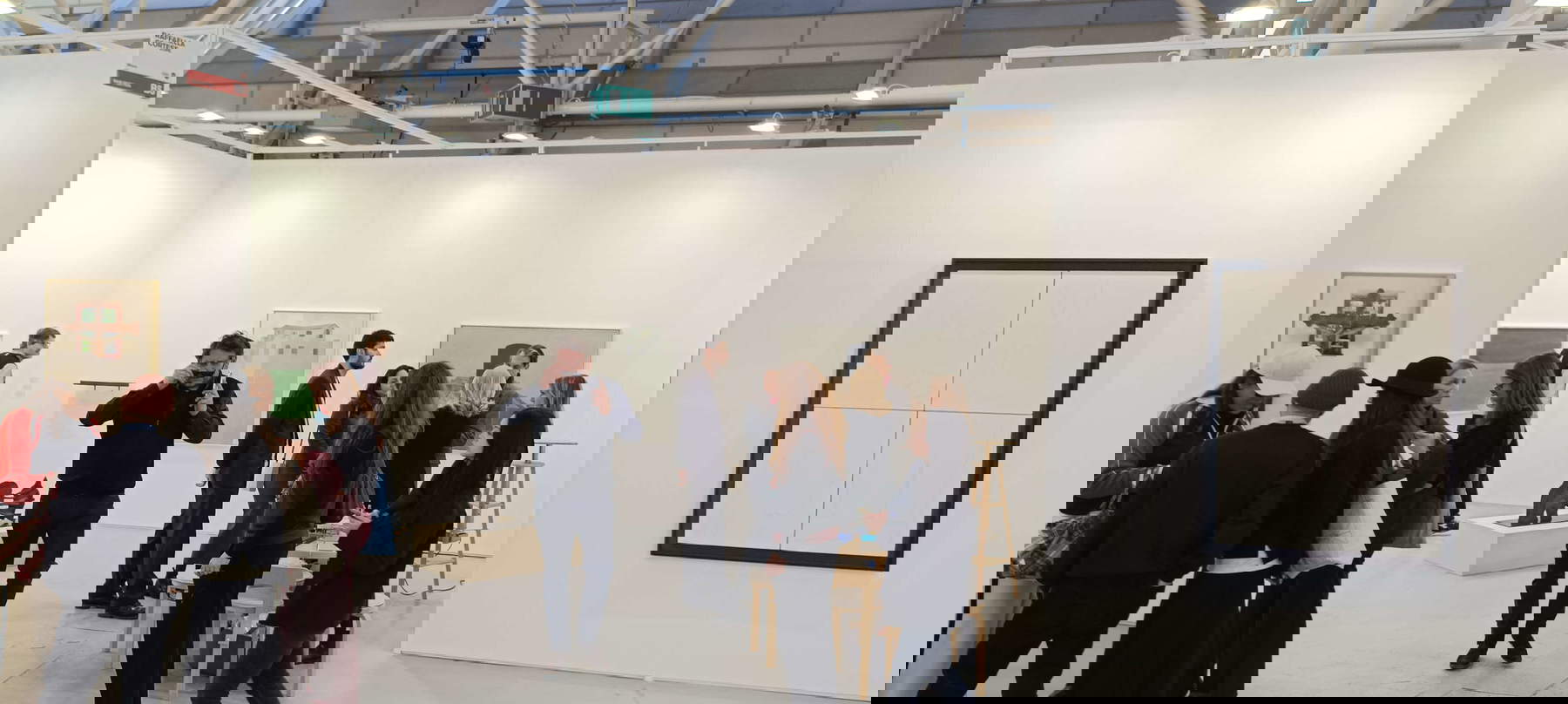
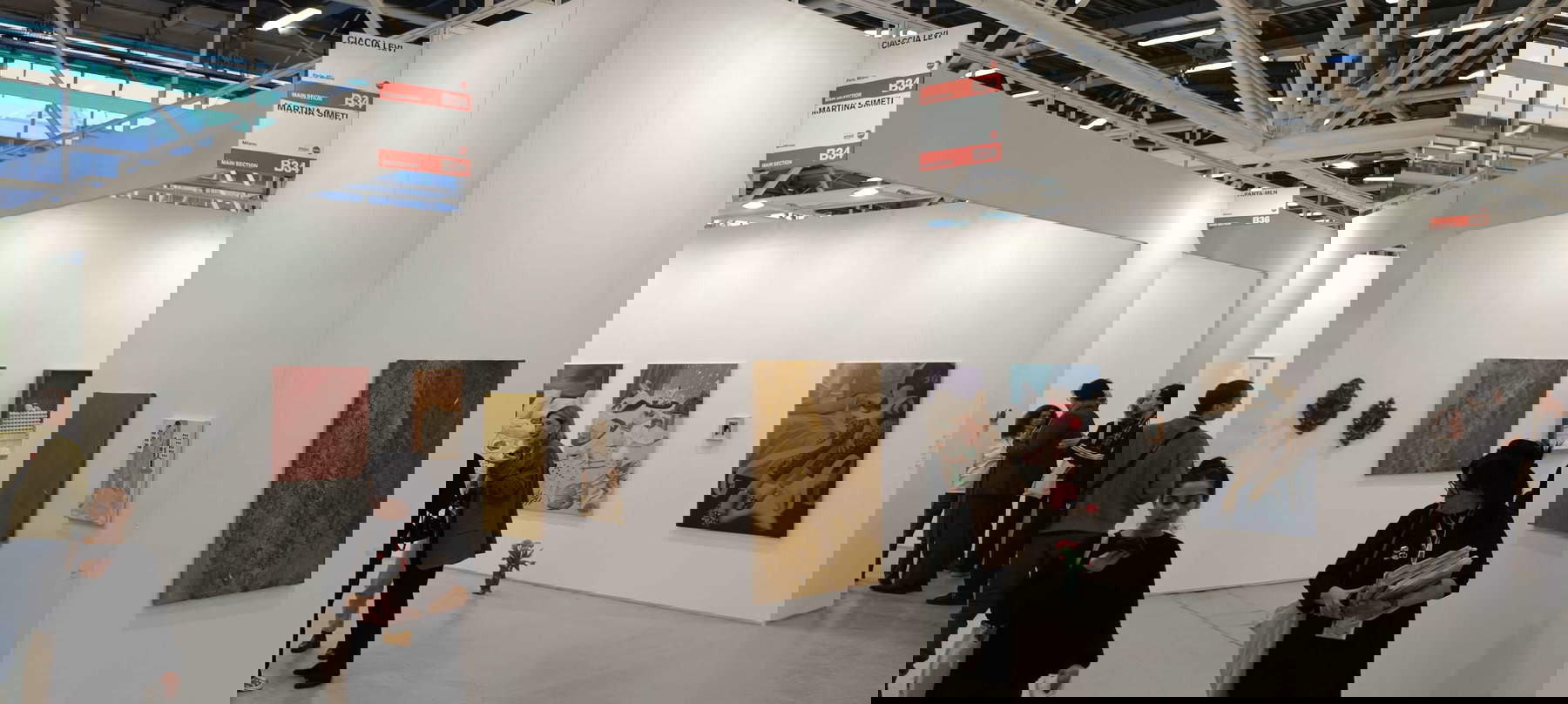
From a commercial point of view, the indications gathered from talking to numerous galleries converge rather sharply. It worked well, sometimes very well, the range under 7-10,000 euros. Here the market has run like a well-run engine: accessible works, by young artists or already structured mid-careers, have found a smoother and less fearful audience. Conversely, above this threshold the machine began to lose steam. The important works, the museum masterpieces, the 200-, 300-, or 500-thousand-euro proposals often stood still, observed as one would observe a luxury showcase without entering. This especially challenged the large modern galleries, which brought works of great quality and ambition to Bologna. Solid stands such as Mazzoleni’s or Tornabuoni’s recorded decent results, but not such as to make the fair operation fully sustainable. The problem is not the offer, but the playing field, which today absorbs less weight and returns less momentum.
The paradox is well known but more evident today: with sales under 10,000 euros, it is complicated to sustain booths that cost 25-30,000 euros, return costs and generate real margins. Yet this is precisely the market that is emerging, at least domestically. It is not the market of million-dollar auction house sales or the market of ultra high net worth individuals. It is a more everyday market, walking at a human pace, made up of thoughtful choices and less impulsive purchases. It can give satisfaction, but it no longer runs like it did ten or fifteen years ago.
There is also a cultural reason, as well as an economic one. For previous generations, the purchase of a house almost automatically implied that of a painting, an integral part of bourgeois furnishings and identity. Today this mechanism has broken down. The painting is no longer a pillar of living, but an optional, often postponable element. Hence a greater inclination toward less demanding, more accessible and lighter works, even on a symbolic level.
In this sense, the comparison with fairs such as Brafa Brussels (just held in January) is instructive. There, too, the results were decent, but mostly in the lower-middle range. International uncertainties remain in the background as a constant background noise, even with healthy stock exchanges. Collectors, especially local ones, are proceeding cautiously, feeling the ground before each step.
However, Arte Fiera should not be measured by the yardstick of Artissima or Miart. The ambitions are different, as are the audiences. This is also demonstrated by the return to Bologna of galleries such as Alfonso Artiaco or Kaufmann Repetto: operators with an international profile, aware that here they will not meet the usual clientele of Frieze or Art Basel, but a different ecosystem, which requires other maps and other speeds.
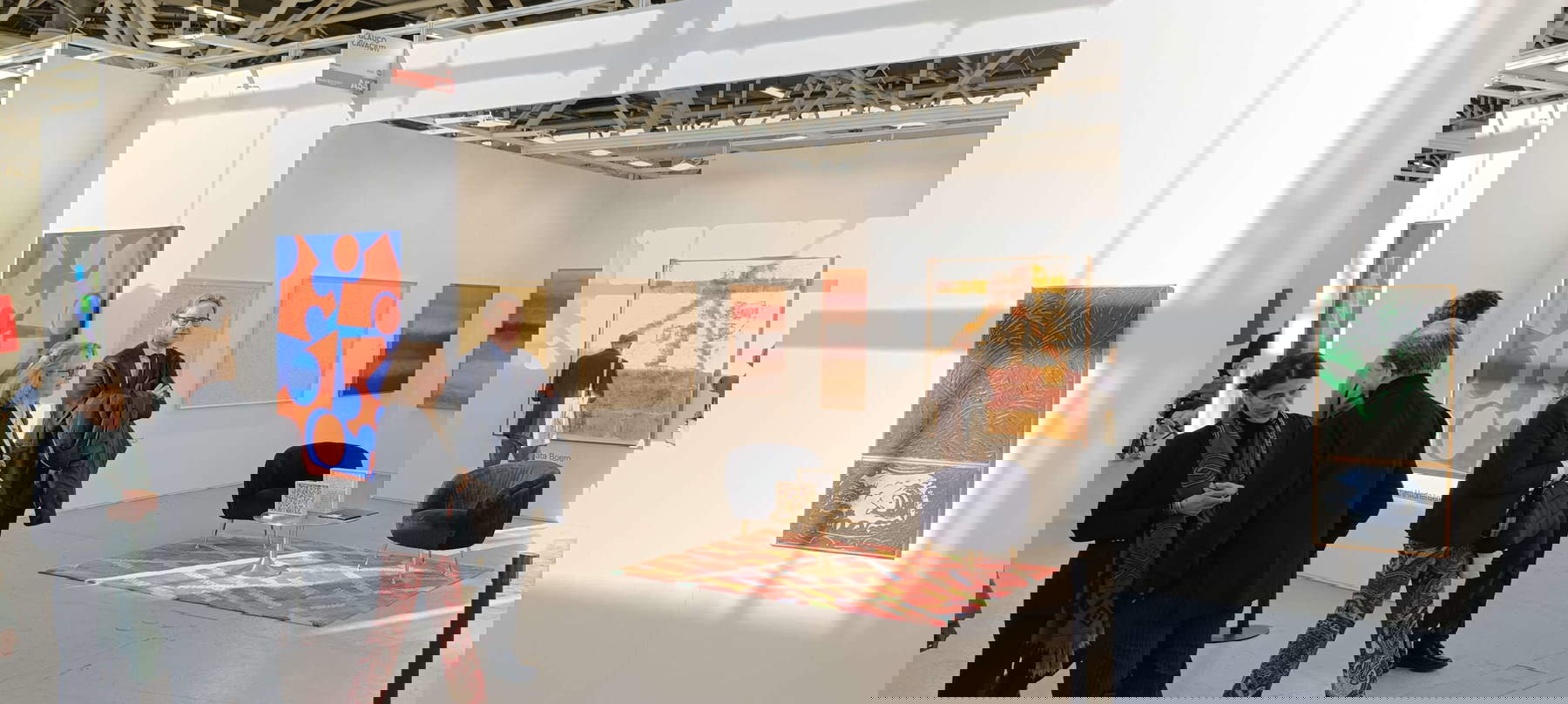

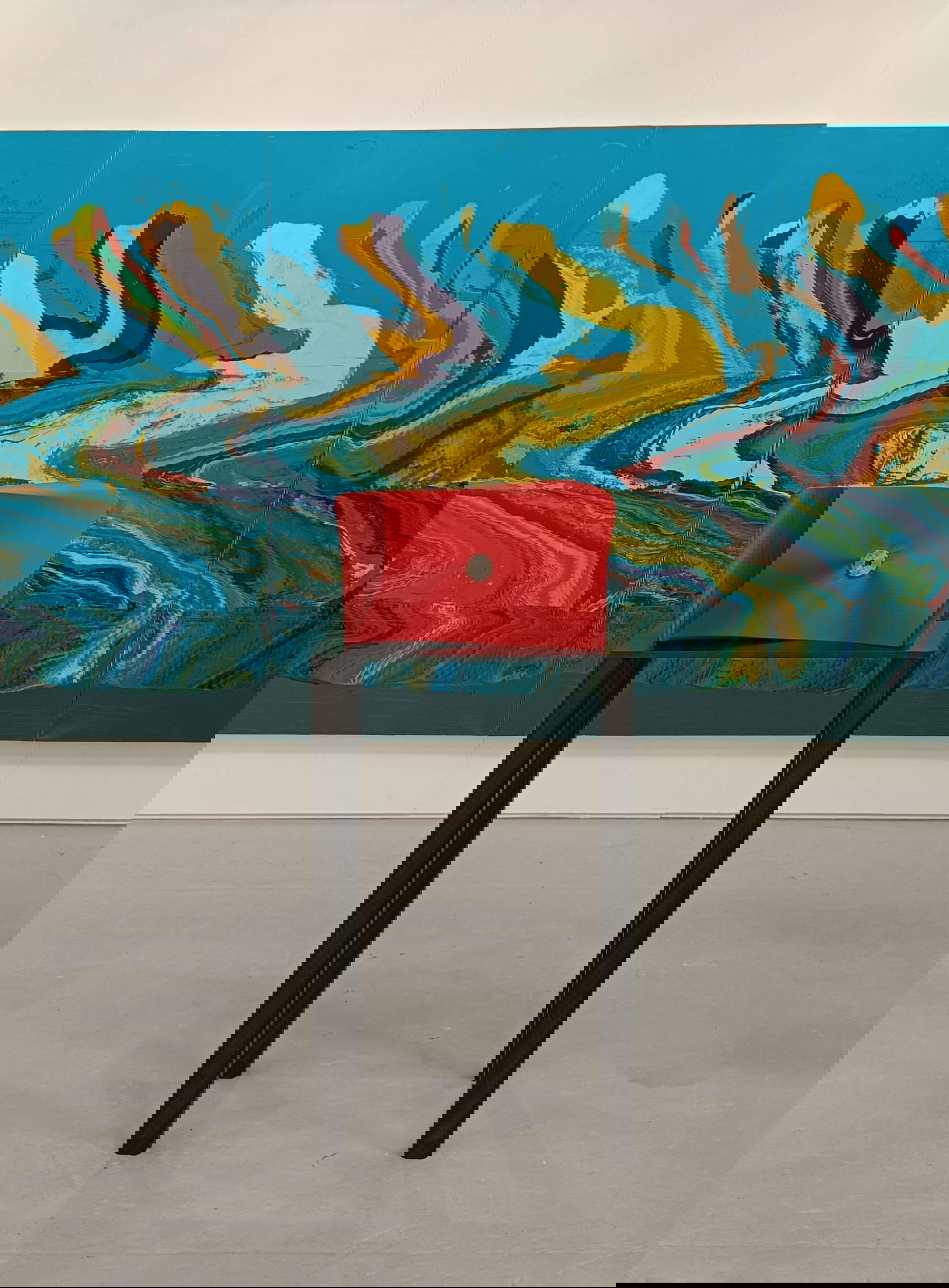
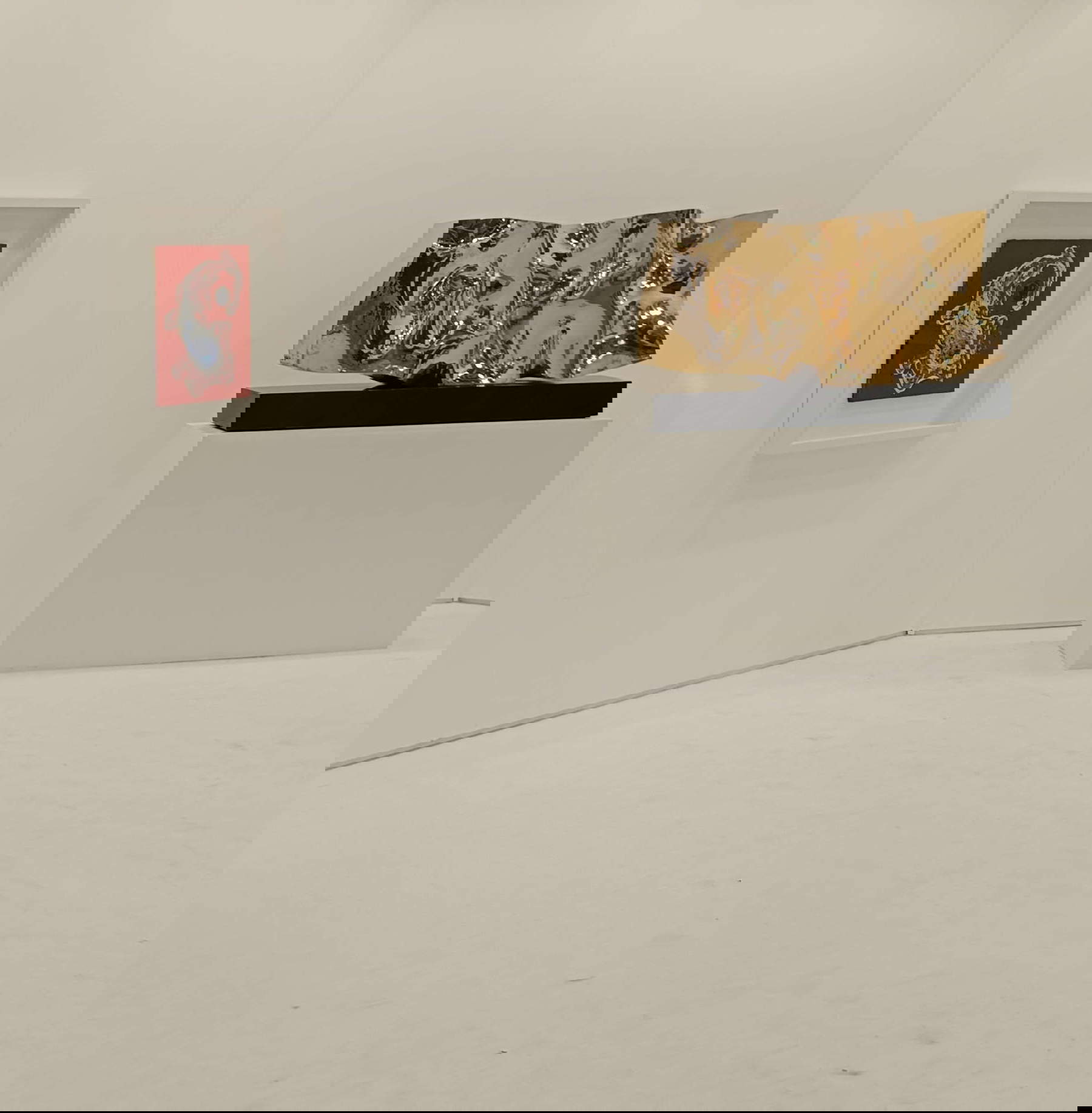
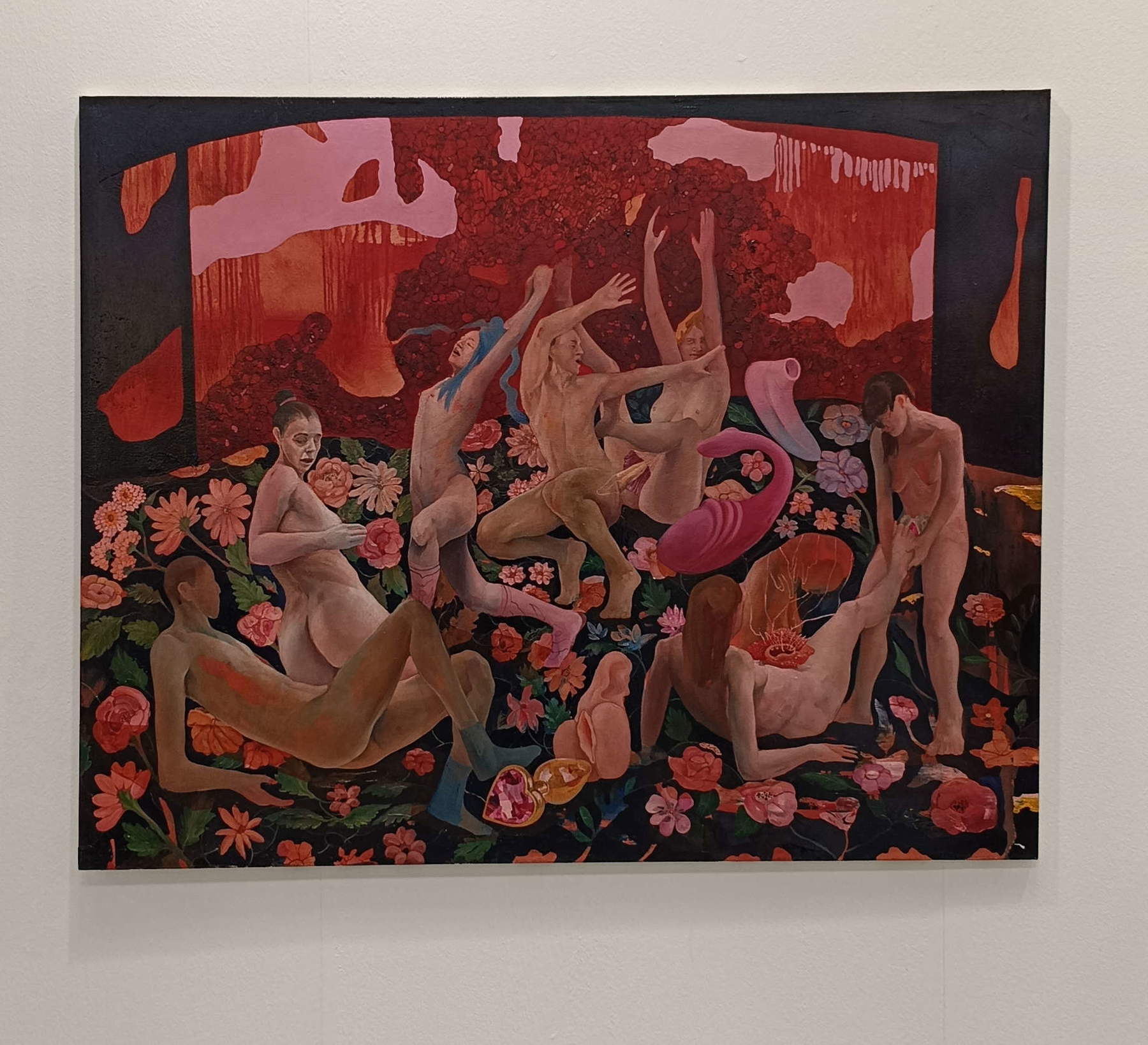
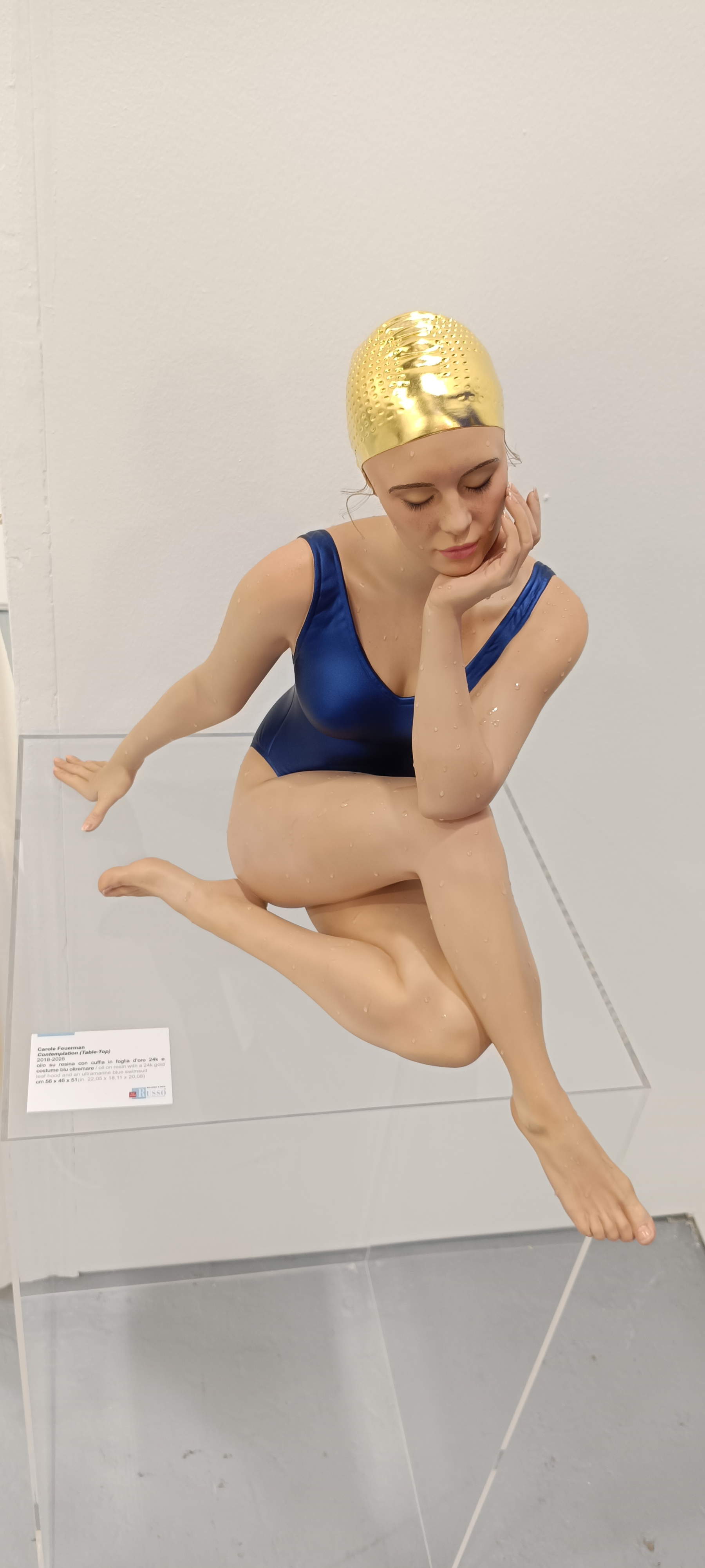
The selection curated by Davide Ferri was solid overall, as was the layout. The organization remains the same as always: Bologna, for better or worse. A city that seems to have stopped chasing models that do not belong to it and is rediscovering a more honest, national and recognizable dimension. This is probably the possible future of Arte Fiera: no longer the square of million-dollar sales of fifteen years ago, when Triveneto entrepreneurship kept the system on its feet, but a central appointment in the Italian fair ecosystem, capable of telling without illusions the real state of things.
The 200 or 500 thousand euro works, today, in Bologna are no longer sold. This is a fact. But this does not mean that Arte Fiera has lost its meaning. Rather, it means that it has changed its skin. And like any mutation, it leaves something uncovered, but it also opens to a new form of adaptation.
Fiscal and institutional note: The introduction of the 5% reduced VAT on artworks, hailed as a historic achievement, has so far had limited impact on the real market, especially in the modern, where the margin regime prevails and the tax is applied on the difference between purchase and sale. More interesting, however, is the 100,000-euro fund allocated by BolognaFiere for fair acquisitions: not decisive, but concrete. Signal. And today, in a market that proceeds by inertia rather than momentum, signals also count.


The author of this article: Giacomo Nicolella Maschietti
Giacomo Nicolella Maschietti è giornalista professionista, critico e curatore. Da oltre vent'anni collabora con Class CNBC come esperto di mercato dell'arte. Direttore di Collezione da Tiffany, scrive regolarmente per Cottura Creativa, Private e Patrimoni e ha collaborato con Milano Finanza, GQ, Marie Claire Maison e con le principali testate italiane del settore (Flash Art, Artribune, Artslife). Conduce settimanalmente la rubrica culturale Grand Hotel su UP TV, la moving TV delle metropolitane e degli aeroporti italiani. Si occupa di mercato, collezionismo e sistema dell'arte, con particolare attenzione ai rapporti tra patrimonio culturale, istituzioni e contemporaneità.Warning: the translation into English of the original Italian article was created using automatic tools. We undertake to review all articles, but we do not guarantee the total absence of inaccuracies in the translation due to the program. You can find the original by clicking on the ITA button. If you find any mistake,please contact us.


















 IT
IT FR
FR DE
DE ES
ES CN
CN


