



by Redazione 14/12/2025



Categories: Museums / Disclaimer
In 2026 it will open in Flanders, in Bruges, a large open house intended to become the innovative hub of the future Bruges Museum Quarter.
BRUSK, a large open house destined to become the innovative hub of the future Bruges Museum Quarter and to redefine the way the city relates its art-historical heritage to the most advanced visions of contemporary creativity, will open in Bruges in 2026. The name BRUSK, an acronym in keeping with the Nordic tradition of abbreviations, lends itself to multiple interpretations-from “Artistic Stimulus of Bruges” to “Urban Art Gallery” or “Art Center of Bruges”-and encapsulates the idea of a space in which the heritage of the Flemish Masters enters into constant dialogue with the most experimental creative pursuits of the present.
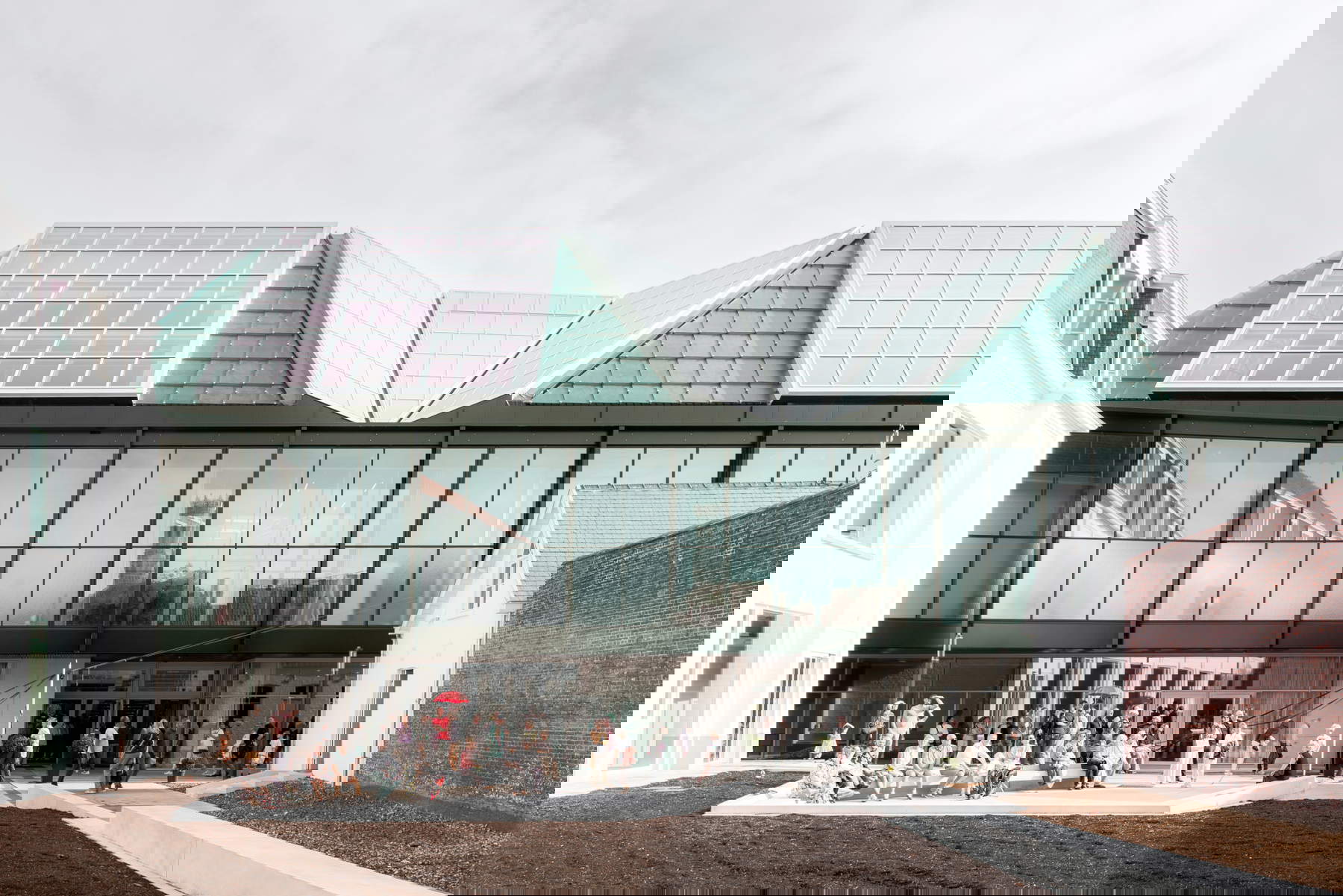
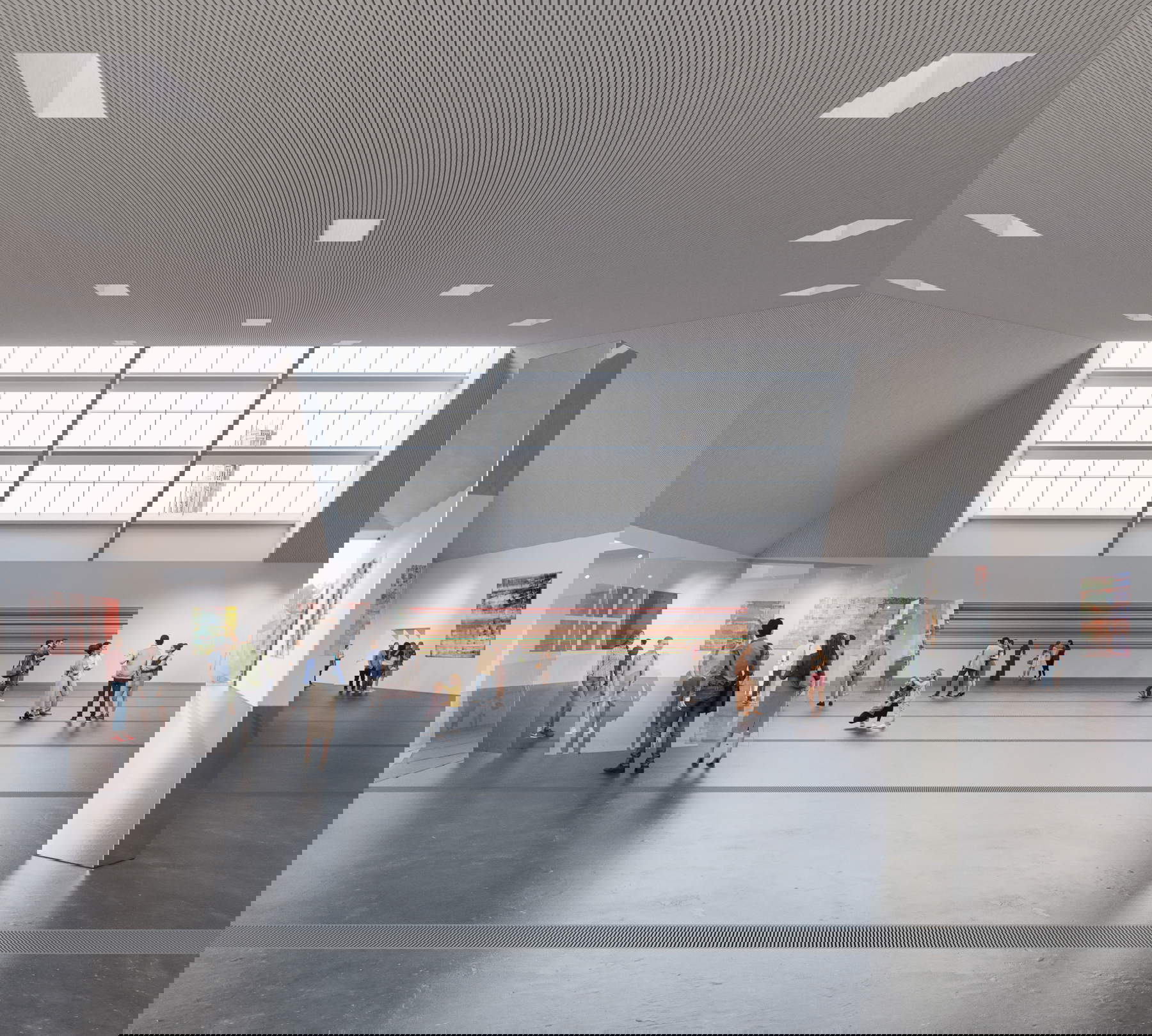
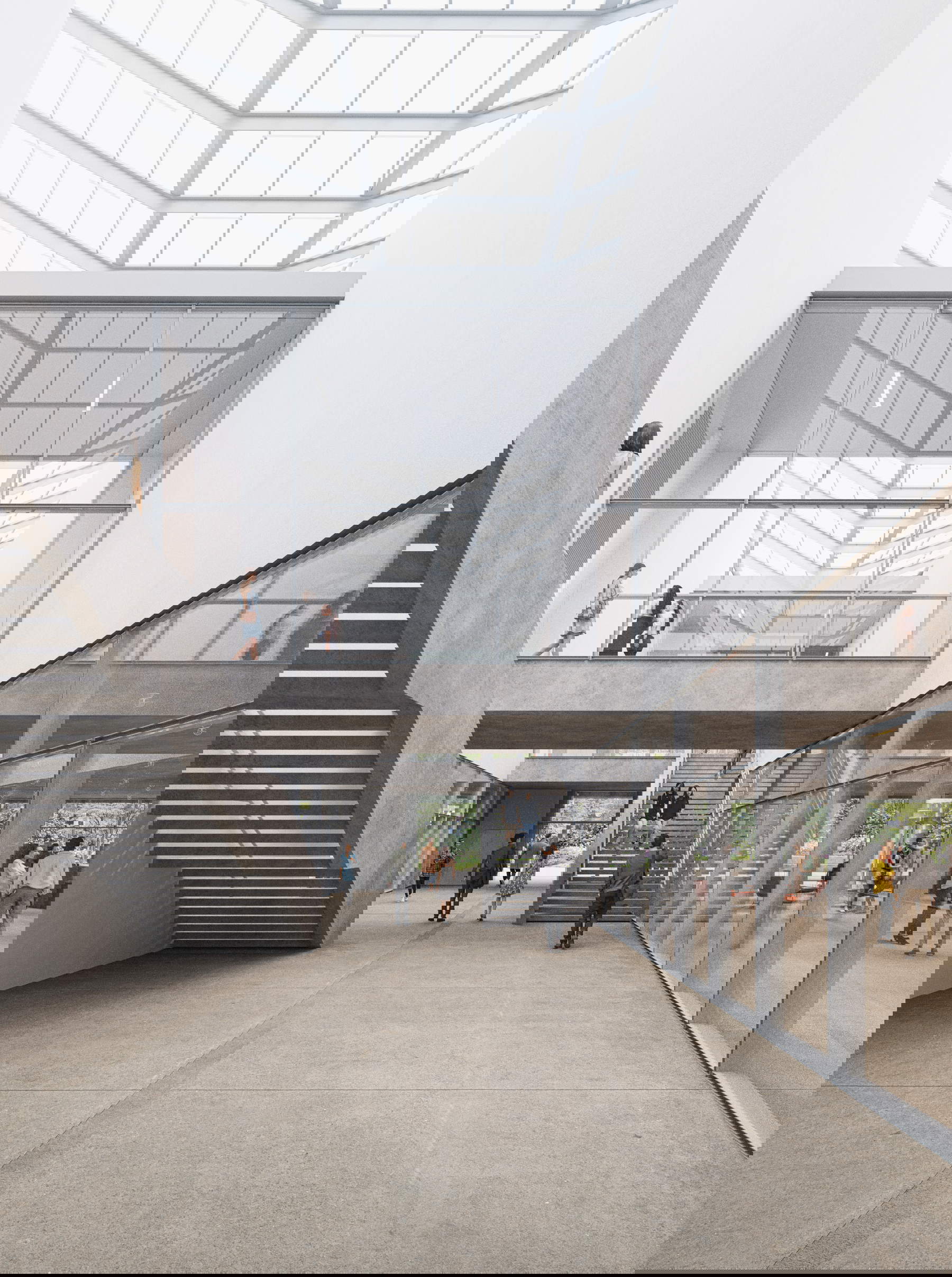
Designed according to sustainability criteria by Robbrecht and Daem Architects and Olivier Salens Architects, in harmony with the existing landscape, BRUSK is on two levels. On the ground floor, an open space that will dialogue with the outdoors, a community space with reception, bookshop and cafeteria, along with an auditorium dedicated to performances, conferences and events, designed for a diverse and international audience. The large central staircase, traversed by natural light, will lead to the second floor, where the imposing 13.75-meter bays of the two exhibition halls will welcome the artistic and cultural experiences of the new hub, scheduled to open on May 8, 2026.


Marking the official start of the program will be two exhibitions, which are intended to make BRUSK’s artistic direction immediately apparent: rooting Bruges in its global past, opening it up to technological innovation, and broadening its gaze toward the practices of contemporary creativity and their interpretations of the challenges of the present.
Indeed, on the occasion of the opening, the Turkish-American artist among the pioneers of digital art, internationally known for his immersive installations based on artificial intelligence, Refik Anadol, will make his debut in Belgium. For BRUSK, Anadol will create a new work (on view until Nov. 8, 2026) generated from data related to Bruges: from medieval networks to architecture to the city’s rich art collections). The work will explore the relationship between humans, digital systems and data ethics, offering an experience that goes beyond the aesthetic dimension to interrogate the processes of collective memory construction and preservation.
Alongside this project, the Bigger Picture exhibition, which will be on view until September 6, 2026, will offer an original reinterpretation of Bruges’ medieval period through the contribution of British historian and Oxford University lecturer Peter Frankopan. Divided into five chapters, the itinerary will aim to restore the image of a city at the center of trade networks that linked Scandinavia, the Mediterranean, the Christian East and the Islamic world, placing it in a broader narrative of trade, travel and ideas. Masterpieces from major international museums and the Musea Brugge collection will bring this dense web of relationships to light, inviting the public to consider globalization as a long-lasting phenomenon, capable of transforming cultures and perspectives well before the modern age.
With the opening of BRUSK and the launch of the BRON research center, which opened last November, Bruges further strengthens its cultural vocation, interweaving study, experimentation and heritage protection. In a city where canals, towers and alleys tell centuries of history, the new center will offer a broader look: at the city itself, its role in the world and the ways in which art continues to reinvent its narrative.
|
| In Flanders, in Bruges, BRUSK, a large open house, will open in 2026. It will be the innovative hub of the museum district |
Warning: the translation into English of the original Italian article was created using automatic tools. We undertake to review all articles, but we do not guarantee the total absence of inaccuracies in the translation due to the program. You can find the original by clicking on the ITA button. If you find any mistake,please contact us.