





A new experimental project promoted by ASLTO3, which introduces social prescription within museums, transforming art and culture into concrete tools to support the health and psychophysical well-being of citizens.
The project, called Museo Benessere: paths of care through art and culture, represents the natural evolution of the path Oulx: in arte salus, launched at the Oulx health center, a place of care that in recent years has also become a space for art exhibitions, music, workshops and community initiatives. From this path is now born a structured model that directly involves General Practitioners, who are called upon to prescribe, alongside traditional therapies, museum visits and artistic activities through a “white prescription.”
This is a concrete application of social prescribing, an internationally recognized approach that enables health professionals to refer patients to cultural and social services in the community, with the aim of improving quality of life and fostering a holistic, person-centered model of care. The project has received support from the Compagnia di San Paolo Foundation, as part of the Culture and Health Yard 2025.
The scientific soundness of the initiative is based on the evidence gathered in the 2019 WHO report, which analyzes more than 3,000 international studies and recognizes the role of the arts in prevention, psychological support, chronic disease management and improving overall well-being. Cultural experiences, in fact, activate psychological, biological and social mechanisms that act at the individual and community levels, counteracting anxiety, isolation, mild-to-moderate depression and social frailty.
Museo Benessere is a strongly multiprofessional project, conceived by the nursing staff of the Distretto Val Susa Val Sangone District and developed thanks to the collaboration between doctors, nurses, psychologists, S.S. Health Promotion workers, administrative staff, teachers, artists and local realities. Partners include the Bardonecchia Red Cross, Sauze d’Oulx Public Assistance and the Apid Association.
Two cultural partners of excellence are involved, who are based in the ASLTO3 territory: the Rivoli Castle - Museum of Contemporary Art, already active in previous cultural welfare projects, and the Reggia di Venaria, home of the great Birth Feast and site of initiatives dedicated to the first thousand days of life. The proposed activities include guided tours, workshops, body storytelling, narrative medicine and activities designed to stimulate emotions, memory, movement and relationships.
The pathway is aimed at people in fragile situations, such as lonely adults and the elderly, people with anxiety or psychological fragility, mild intellectual disabilities, patients with chronic diseases or at risk of social isolation. The doctor identifies a suitable patient and prescribes his or her inclusion in the project; the health care team organizes small groups accompanied to museums, where specialized staff take care of the activities. Finally, the project includes clinical monitoring and a final evaluation of outcomes, with the aim of measuring the impact of the cultural experience on participants’ well-being and consolidating a replicable model of integration between health and culture.
“With this project,” stresses ASLTO3 General Director Giovanni La Valle, “territorial healthcare opens up to the Community and becomes a place of health that dialogues with culture, inclusion and participation. We are privileged to have in the territory two cultural realities of excellence, such as the Castle of Rivoli and the Reggia di Venaria, which I thank for their willingness to offer their collaboration, giving concreteness to the inclusive idea, of overcoming the traditional model of care, which is the heart and foundation of our project.”
"The Castello di Rivoli joins the Museo Benessere project as a truly experimental initiative in reconsidering the role of art in today’s society," says Castello di Rivoli Director Francesco Manacorda. “Art is an experience capable of affecting the cognitive, emotional and relational dimensions of the individual. For years our Education Department has been translating this experience into inclusive and accessible practices, but the collaboration with ASLTO3 makes explicit, in recognizing this contribution as a treatment, a different form of accompaniment toward well-being. This recognizes the Museum as a place of treatment, assigning the artistic experience an active role in health and wellness pathways.”
“We are very pleased to have been involved by AslTo3 in this particularly innovative project, which we intend to promote by actively collaborating in its implementation,” comment Michele Briamonte and Chiara Teolato, president and director of the Consortium of Royal Sabaudian Residences. “In fact, our numerous initiatives in this area testify to how fundamental we believe it is to invest in activities that combine psychophysical well-being and cultural experiences as much as possible, with significant results for every age group that encourage us to continue in this direction.”
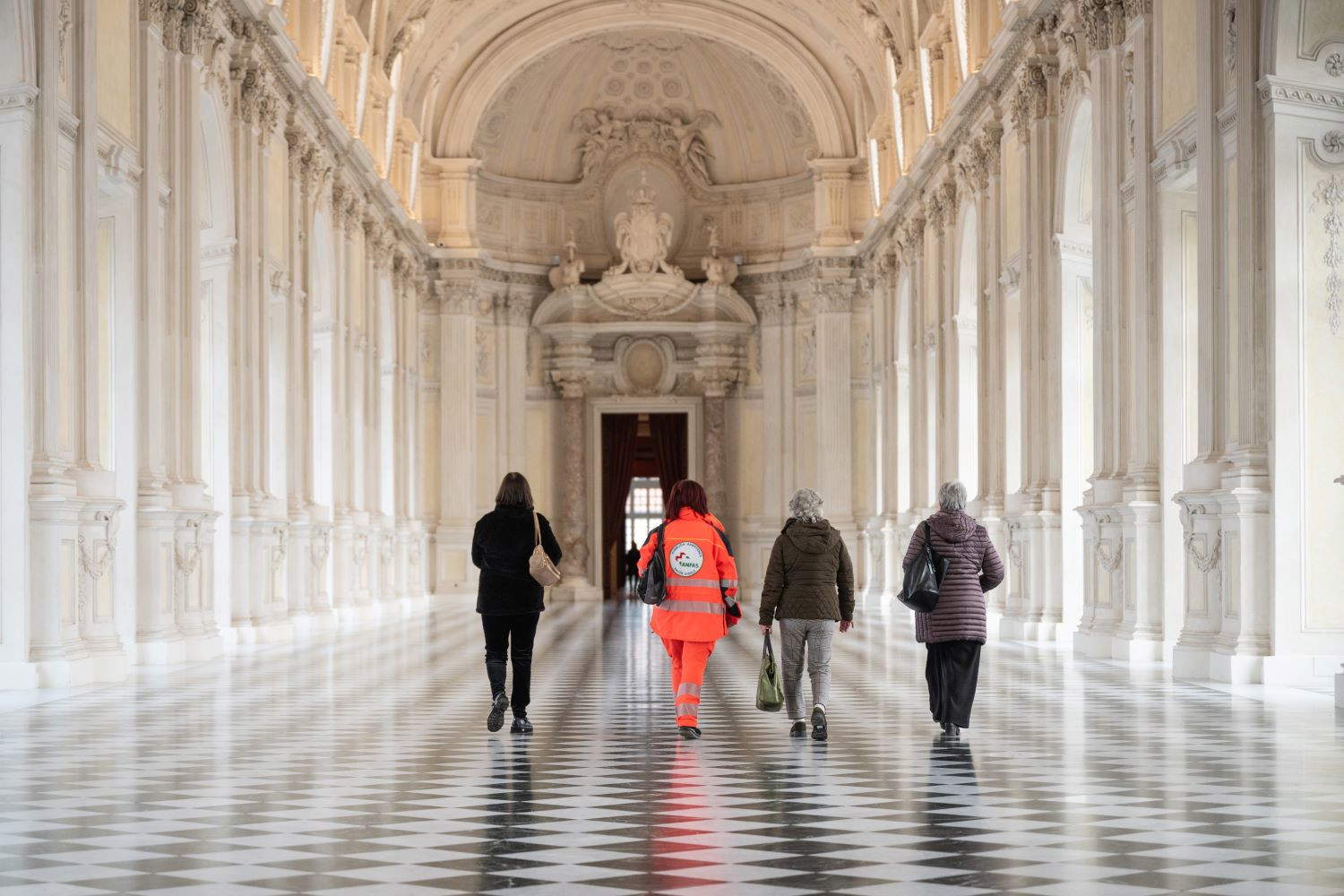 |
| In Turin, a new experimental project with ASL introduces museum visit with doctor's prescription |

Warning: the translation into English of the original Italian article was created using automatic tools. We undertake to review all articles, but we do not guarantee the total absence of inaccuracies in the translation due to the program. You can find the original by clicking on the ITA button. If you find any mistake,please contact us.



















 IT
IT FR
FR DE
DE ES
ES CN
CN


