





The international jury of the 61st International Art Exhibition of the Venice Biennale has made it known that it will refrain from considering countries whose leaders are currently charged with crimes against humanity by the International Criminal Court when awarding the official prizes. The decision was made known through a statement released Thursday and directly affects two states: Russia and Israel. The measure means that these countries will be excluded from competing for the event’s major awards, including the Golden and Silver Lions, which will be awarded at the official opening on May 9.
The jury, composed of chairwoman Solange Oliveira Farkas along with Zoe Butt, Elvira Dyangani Ose, Marta Kuzma and Giovanna Zapperi, justified the choice by a desire to disregard national pavilions belonging to countries whose leaders are the subject of formal charges by the International Criminal Court when evaluating the awards.
The reference is explicit. In 2023, the Court issued an arrest warrant against Russian President Vladimir Putin for war crimes related to the conflict in Ukraine. In 2024, a similar order concerned Israeli Prime Minister Benjamin Netanyahu, who was charged with war crimes and crimes against humanity committed in the Gaza Strip.
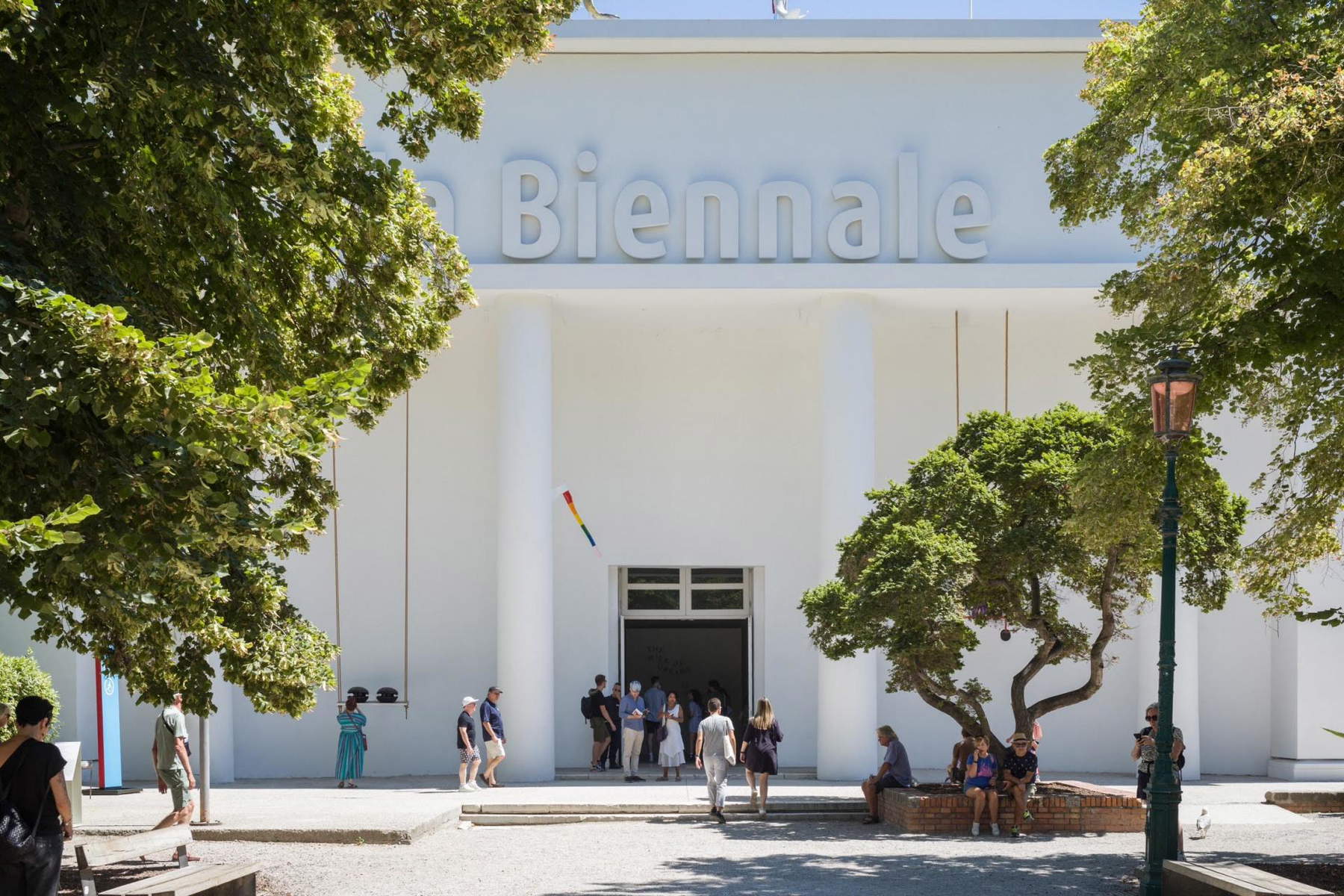
The jury’s position introduces an element of strong discontinuity from previous editions, placing at the center an issue that intertwines ethics, international law and cultural representation. While the decision does not formally exclude the participation of the countries concerned in the Biennale, it directly affects the possibility of competing for the official prizes, limiting the institutional recognition of their respective national participations.
The exclusion from the awards represents a stance that could have diplomatic and cultural repercussions, as well as raise questions about the role of art institutions in contexts marked by international conflicts and crises. The jury’s choice underscores a growing focus on the ethical implications of national representation in events of global significance.
The 61st Art Biennale, scheduled from May 9 to Nov. 22, 2026, between the Giardini and the Arsenale in Venice, thus confirms itself not only as a platform for contemporary art, but also as a space in which the political dynamics of the present are reflected. The awarding of the prizes, scheduled for opening day, will thus take place in a context marked by this decision, which is bound to influence the international debate on the intersection of culture and politics.
|
| Venice Biennale, jury excludes Russia and Israel from awards |

Warning: the translation into English of the original Italian article was created using automatic tools. We undertake to review all articles, but we do not guarantee the total absence of inaccuracies in the translation due to the program. You can find the original by clicking on the ITA button. If you find any mistake,please contact us.

























 IT
IT FR
FR DE
DE ES
ES CN
CN


