





The city of Zurich has decided to transfer to the Federal Republic of Nigeria the ownership of eleven works from the Kingdom of Benin that are stored at the Museum Rietberg. The decision, formalized last Friday, March 20, is a significant step in the broader international process of restitution of cultural property acquired during the colonial era and now recognized as an integral part of the historical heritage of the countries of origin. The objects concerned, which are of extraordinary cultural and spiritual significance, are of special value to the descendants of the Benin royal dynasty and to Nigeria as a whole. Their return comes in response to an official request made by the Nigerian government through the National Commission for Museums and Monuments, which had filed a formal petition in July 2024 on behalf of both the state and the Kingdom of Benin.
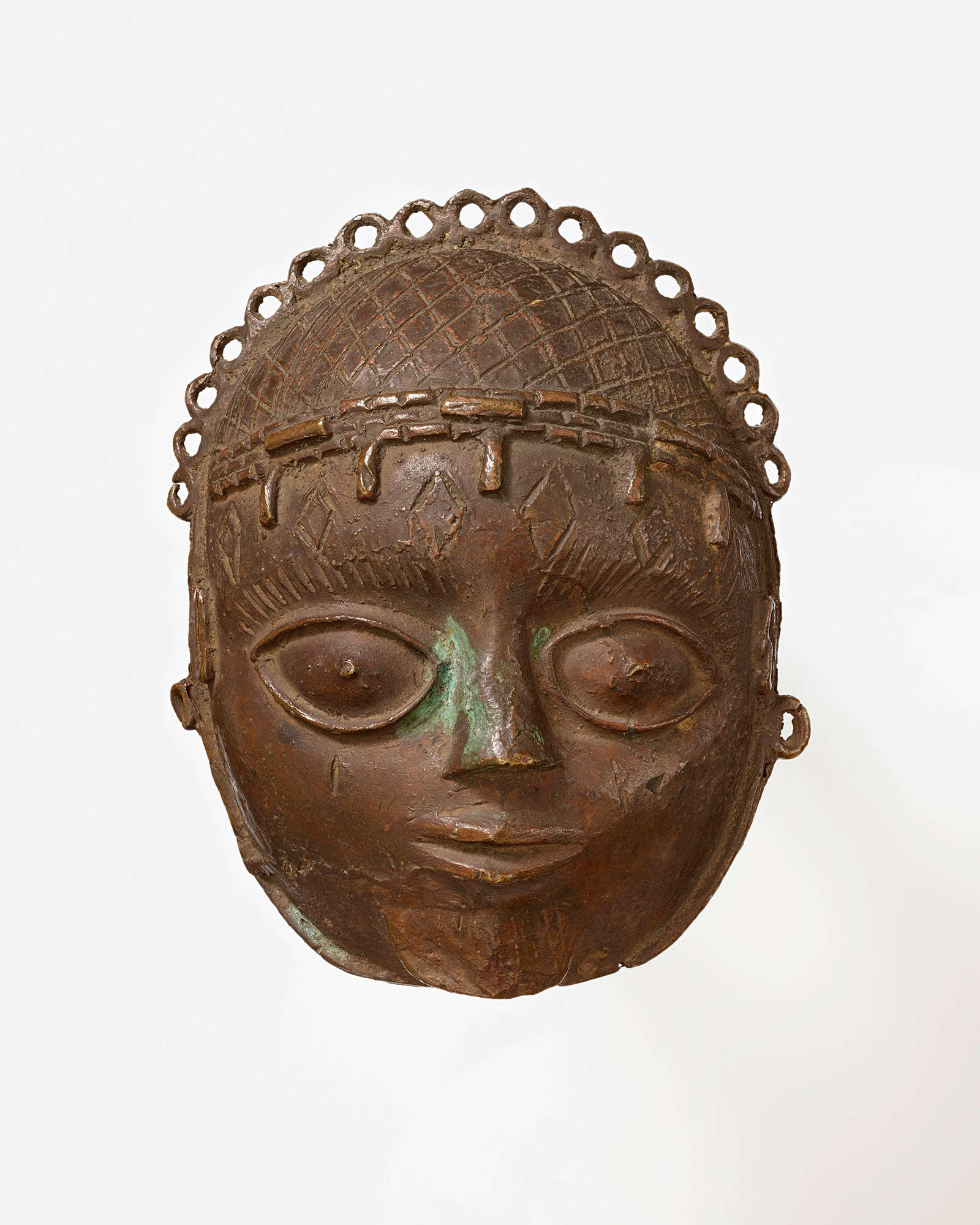
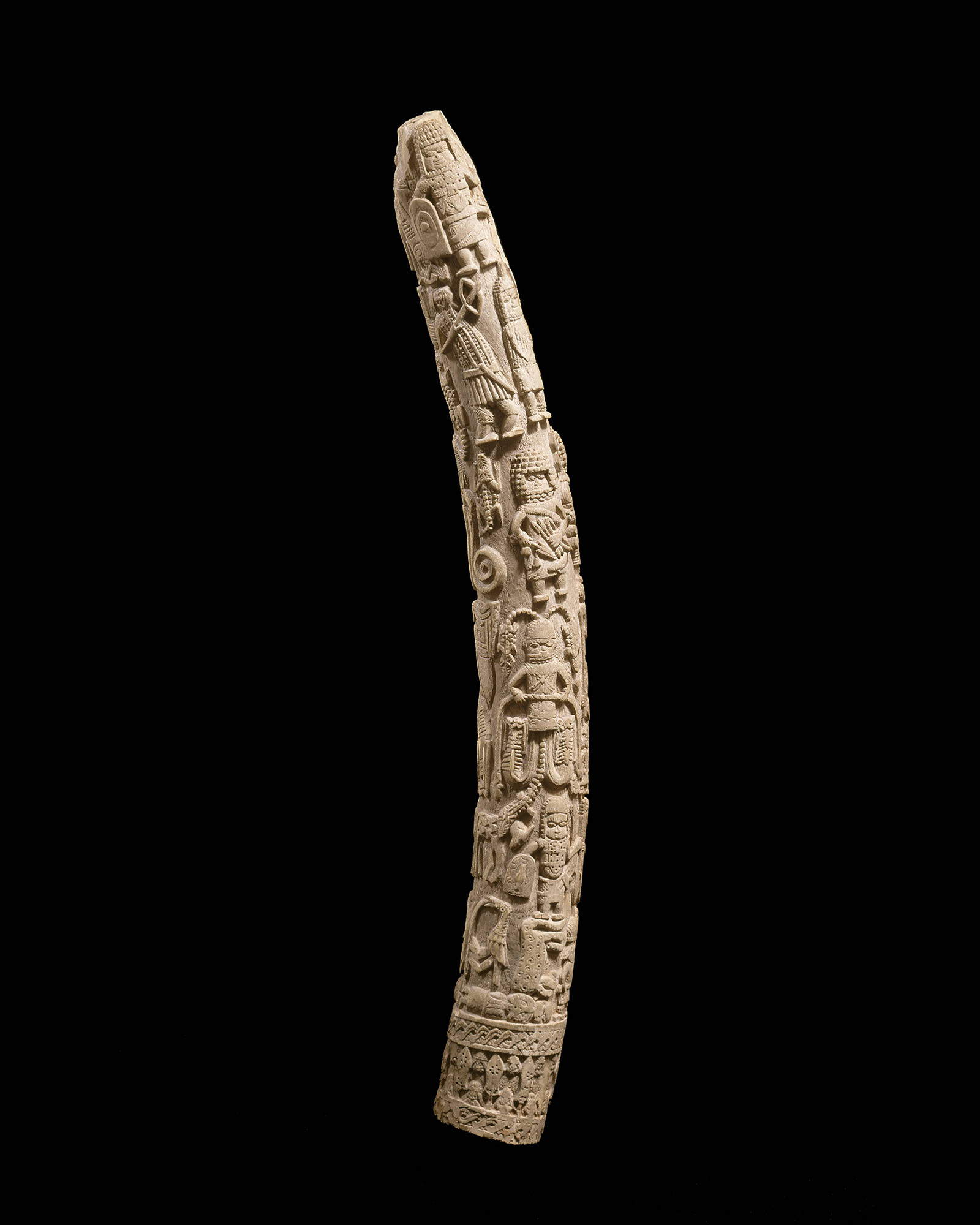
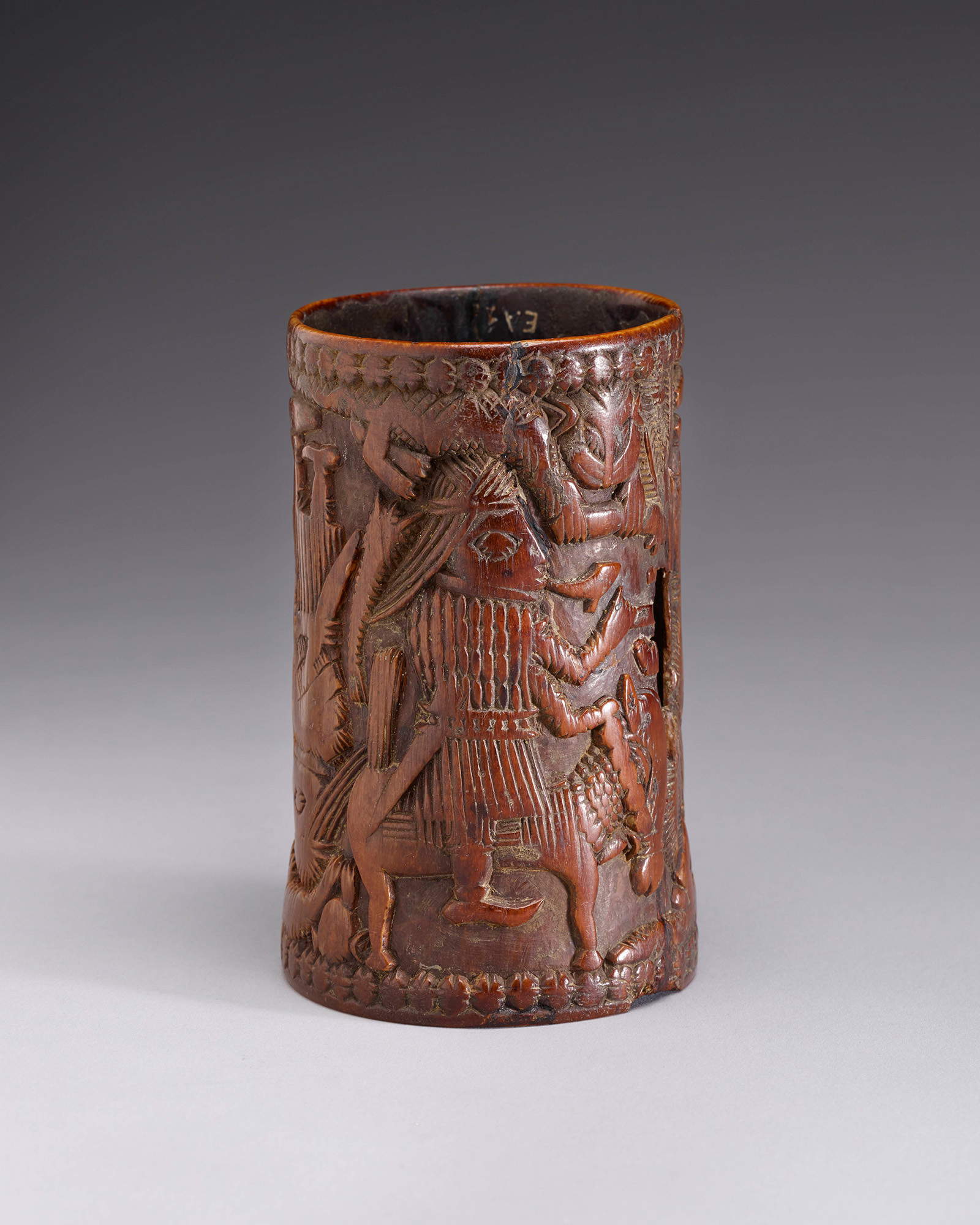
Among the works involved are valuable artifacts, such as a brass mask attributed to the Benin Royal Foundrymen’s Guild, dating to the 19th century, and a carved ivory tusk from an ancestral shrine, made between the 17th and 18th centuries by the ivory carvers’ guild. Added to these is a bracelet decorated with figures of horses and animals, dating from the 18th or early 19th century, evidence of the artistic and symbolic sophistication of the Benin court’s productions.
The Zurich city council’s decision is part of a broader reflection on the responsibilities of European institutions toward collections of colonial origin. The Swiss city’s mayor, Corine Mauch, emphasized how the city intends to consciously address this issue, highlighting the importance of recognizing past injustices and taking concrete action to remedy them. According to the city administration, fair treatment of cultural heritage involves not only the preservation and enhancement of works, but also the willingness to return them when clear evidence emerges of their wrongful acquisition.
On the Nigerian side, the decision was welcomed. The director-general of the National Commission for Museums and Monuments, Olugbile Holloway, highlighted the symbolic value of the return, emphasizing how it can help heal some of the rifts inherited from the colonial period. The return of the works is perceived as a significant gesture not only for the royal court of Benin, but also for the entire Nigerian population, which recognizes in these artifacts an essential part of its history.
Over the past few months, the National Commission for Museums and Monuments and representatives of the Kingdom of Benin have been discussing with Museum Rietberg how to manage the works in the future. It has been agreed that once the transfer of ownership is complete, some objects may remain temporarily in Zurich on loan. This solution allows, on the one hand, to keep the cultural value of these artifacts visible in Switzerland and, on the other hand, to strengthen a long-term institutional dialogue with Nigeria. In contrast, the remaining works will be physically returned to the African country in the summer of 2026.
The case of Museum Rietberg is not isolated. In Switzerland, the Ethnographic Museum of the University of Zurich and the Musée d’ethnographie de Genève are also involved in a similar process and will in turn return works from the Kingdom of Benin. The directors of the three institutions, Carine Ayélé Durand, Alice Hertzog and Annette Bhagwati, released a joint statement in which they stressed the importance of the research work conducted in recent years.
Through the initiative called Benin Initiative Switzerland, Swiss museums have in fact systematically analyzed the provenance of works in their collections, working closely with Nigerian partners. The investigations have revealed that a significant number of objects came to Europe through the international art market following the 1897 British attack on the Kingdom of Benin, an episode that led to the looting and dispersal of numerous artifacts.
In light of this evidence, restitution was considered a necessary step to enable Nigeria to regain possession of its heritage and manage it independently, both from the point of view of conservation and research and dissemination. The institutions involved emphasized that this choice reflects a growing ethical awareness and willingness to establish a constructive dialogue with the communities of origin.
The transfer of ownership thus represents not only an administrative act, but also a symbolic gesture of historical recognition. For the Swiss museums involved, it is a milestone in dealing with the past and a concrete sign of international cooperation. Indeed, the return of the works from Benin is part of a broader movement that has seen many European institutions initiate similar processes in recent years.
The operation marks a relevant moment in the international debate on the restitution of cultural property and highlights the role of museum institutions in promoting a more equitable and shared management of heritage. In this context, the decision of the city of Zurich takes on exemplary value, highlighting how the recognition of historical responsibilities can translate into concrete actions geared toward cultural justice and cooperation between countries.
 |
| Zurich returns eleven works from the Kingdom of Benin to Nigeria |

Warning: the translation into English of the original Italian article was created using automatic tools. We undertake to review all articles, but we do not guarantee the total absence of inaccuracies in the translation due to the program. You can find the original by clicking on the ITA button. If you find any mistake,please contact us.

























 IT
IT FR
FR DE
DE ES
ES CN
CN


