





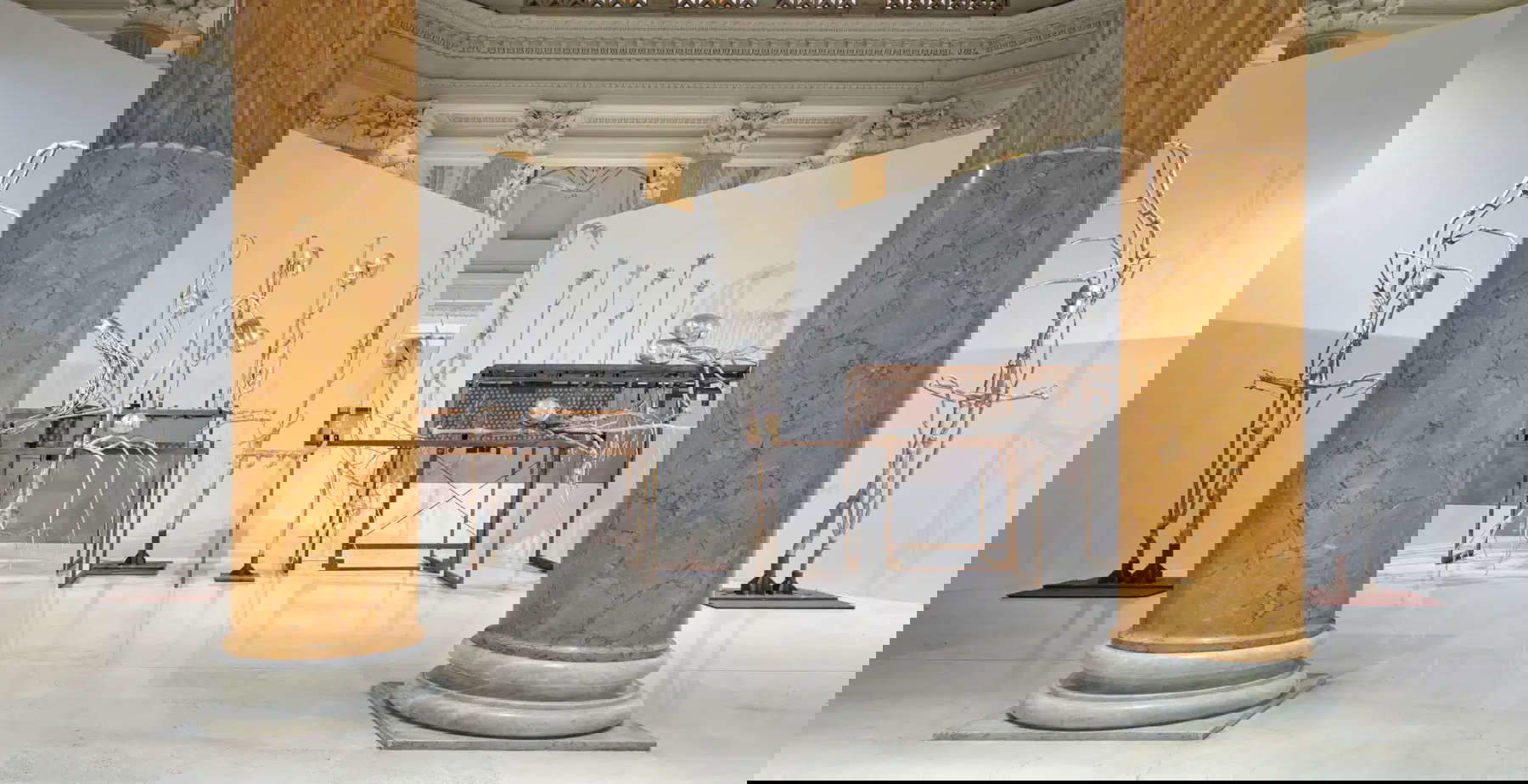
Yes, there are, Italian artists: they are the ones helped and trained in Italy and who have been taking Italian Council grant funding for more than 10 years. And we also have their mentors who, with pats on the back and useless power plays, help them all right -- but to be irrelevant. There are Italian artists, all right: Benny Bosetto now at Hangar Bicocca is proposing a vintage ballroom where he reworks the antiques market and seems to recall Tosatti’s Italia 2022 pavilion in which Gino Paoli’s music resonated (a pavilion that, of course, left no mark). The Flash Art Award-winning artists (Bosetto again ... truly unbelievable!) who oscillate between moving random things and the syndrome of young Indiana Jones and Grandma’s treasure chest.
Then there’s the whole group of Queer and Derivative painters who are all the rage now. Luis Fratino Syndrome. Jacopo Benassi, all well and good but he too old photos superimposed and endlessly repeated in Minini family fairs: how to destroy any punk impetus in the bourgeois rooms of power. Patrizio Di Massimo’s reassuring and unnecessarily playful painting. Yuri Ancarani’s Sorrentino-like attitudes that earned him two solo shows in two museums a few days and a few kilometers apart (MAMbo Bologna and PAC Milan). Arena redoing equal parts arte povera. Diego Marcon with pretentious video dramas and embarrassed references to Cattelan’s work. And then again Cattelan who, born in 1960, still tries to be young and presents, with young systemic curator Papini, Fabio Mauri at MAXXI L’Aquila. An incredible discoverer, as is Kounellis presented in the U.S. by De Bellis (who we still don’t know how he went from a nonprofit space to director of the Miart fair in Milan, then curator of a major U.S. museum and then director of Art Basel). Senator declaring participatory art intentions to achieve a totally defused 1980s pop art. Giulia Cenci with skeletal corpses of dogs between abstract and figuartivo. Camoni reassuring nursery work for the fireplace in the primitive section of Maison Du Monde.
We could go on with a merciless list. If we look abroad, things are not much better: the problem is precisely a crisis of international language between 2001 and 2008 and a system made up of operators who think only of the career test and do not think of critical confrontation as a fundamental humus for quality. Our curators are co-responsible for this situation. People who struggle to respond and as soon as they are invited they already have their list armored and ready but then, given the results, it is useless. At the Italian Council if you don’t already have a thousand connections it is impossible, so why not give this money directly to the usual museums? Much more aesthetically pleasing is the call for proposals that gives the idea of democracy when this does not exist. The good news is that there are highways to go outside beyond these Italian-style power games that are really sad and even more so when played by young people.

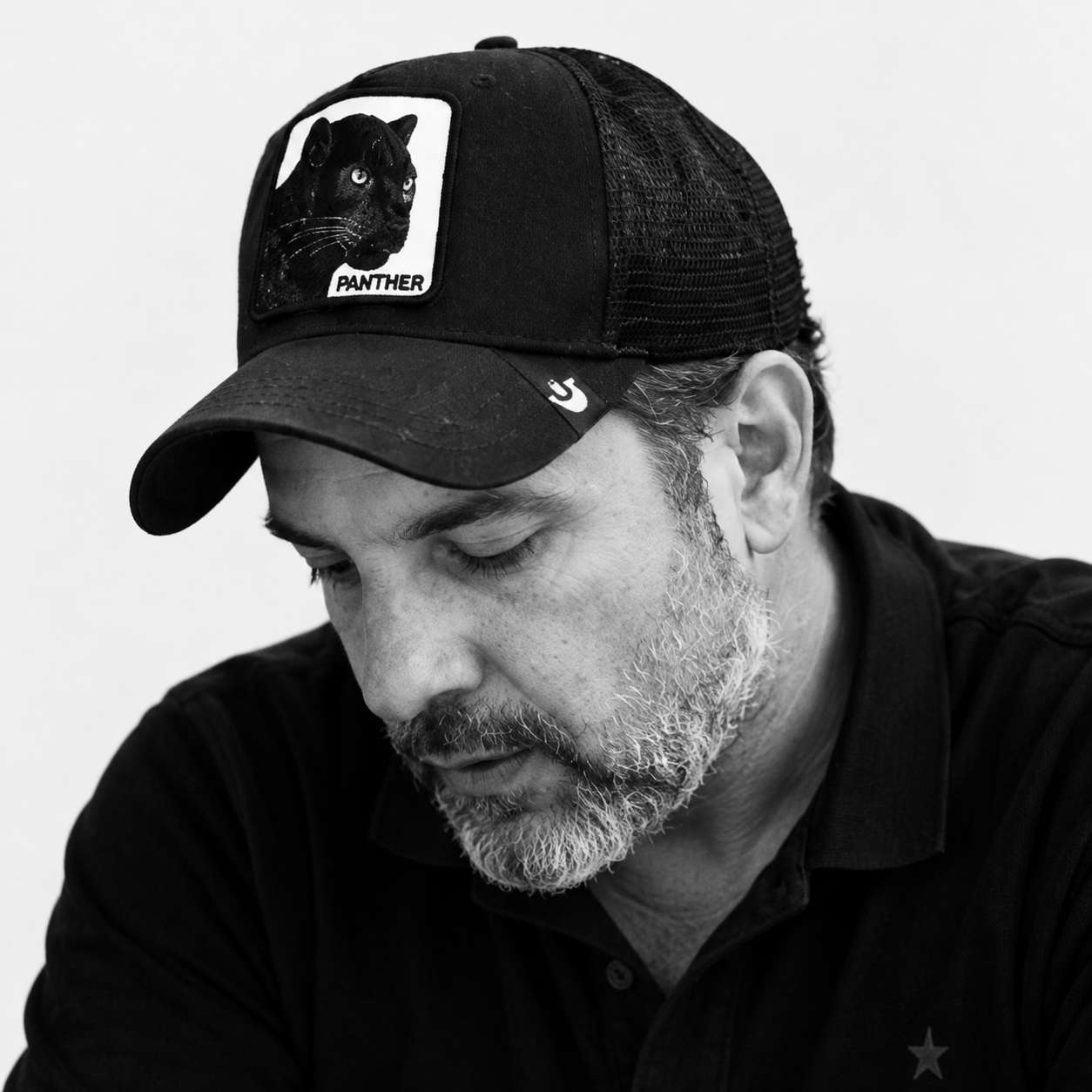
The author of this article: Luca Rossi
“Luca Rossi" è un nome di fantasia in cui idealmente convergono tutti i ruoli del sistema dell'arte: artista, critico, curatore, blogger e osservatore indipendente. È stato definito da Fabio Cavallucci “la personalità artistica più interessante d'Italia”. Dal 2009, “Luca Rossi”, collettivo aperto e figura controversa nel sistema artistico, cerca di stimolare quotidianamente un dibattito più critico nell'ambito dell'arte contemporanea, intesa come materia capace di rivestire un ruolo fondamentale nel nostro presente. Dalle sue riflessioni critiche, ampiamente diffuse, sue le definizioni di “Ikea evoluta”, “Sindrome del Giovane Indiana Jones” e “Nonni Genitori Foundation”, è nato un progetto artistico non convenzionale, che comprende anche attività di divulgazione e formazione, culminate nel 2016 con la creazione della Luca Rossi Art Academy & Coaching (documenta.live). Nel febbraio 2026, un Hidden Work di Luca Rossi è entrato nel nuovo percorso espositivo di Osteria Francescana di Massimo Bottura, segnando un ulteriore sviluppo del progetto e della ricerca intorno agli Hidden Works. Nel 2014 Giacinto Di Pietrantonio, in un’intervista, definì Luca Rossi la promessa futura dell'arte contemporanea, paragonandolo a ciò che Vanessa Beecroft avrebbe potuto essere negli anni Novanta. Alcuni “nodi critici” sviluppati nel corso degli anni da Luca Rossi sono entrati a far parte del linguaggio dell'arte italiana e hanno contribuito a cambiare la prospettiva e la visione di molte persone, dentro e fuori il settore. Nel 2014, la celebre critica d'arte Angela Vettese dichiarò che, dopo aver letto i testi di Luca Rossi, aveva deciso di non dedicarsi più alla pratica artistica, ma esclusivamente alla teoria.Warning: the translation into English of the original Italian article was created using automatic tools. We undertake to review all articles, but we do not guarantee the total absence of inaccuracies in the translation due to the program. You can find the original by clicking on the ITA button. If you find any mistake,please contact us.





















 IT
IT FR
FR DE
DE ES
ES CN
CN


