





Between the rigors of winter and the explosion of summer, there is a season when shyly nature is reborn and blooms again. We notice it in the meadows filled with daisies, in the branches of trees, in the tiny buds that put seedlings on our balconies and terraces. We may not notice because we are too caught up in a thousand daily tasks, but spring also happens within us: a subtle shift in perception occurs, analteration of inner light that transforms the way we look at the world and ourselves, toward a direction of positivity. Everything turns into a form of gentle resistance, a declaration of confidence; it is the moment when we feel that something, at last, is melting away. But what if in addition to a season, defined by certain weather conditions and the cycle that determines its alternation, spring was therefore a state of mind? What would it look like and what characteristics would it have?
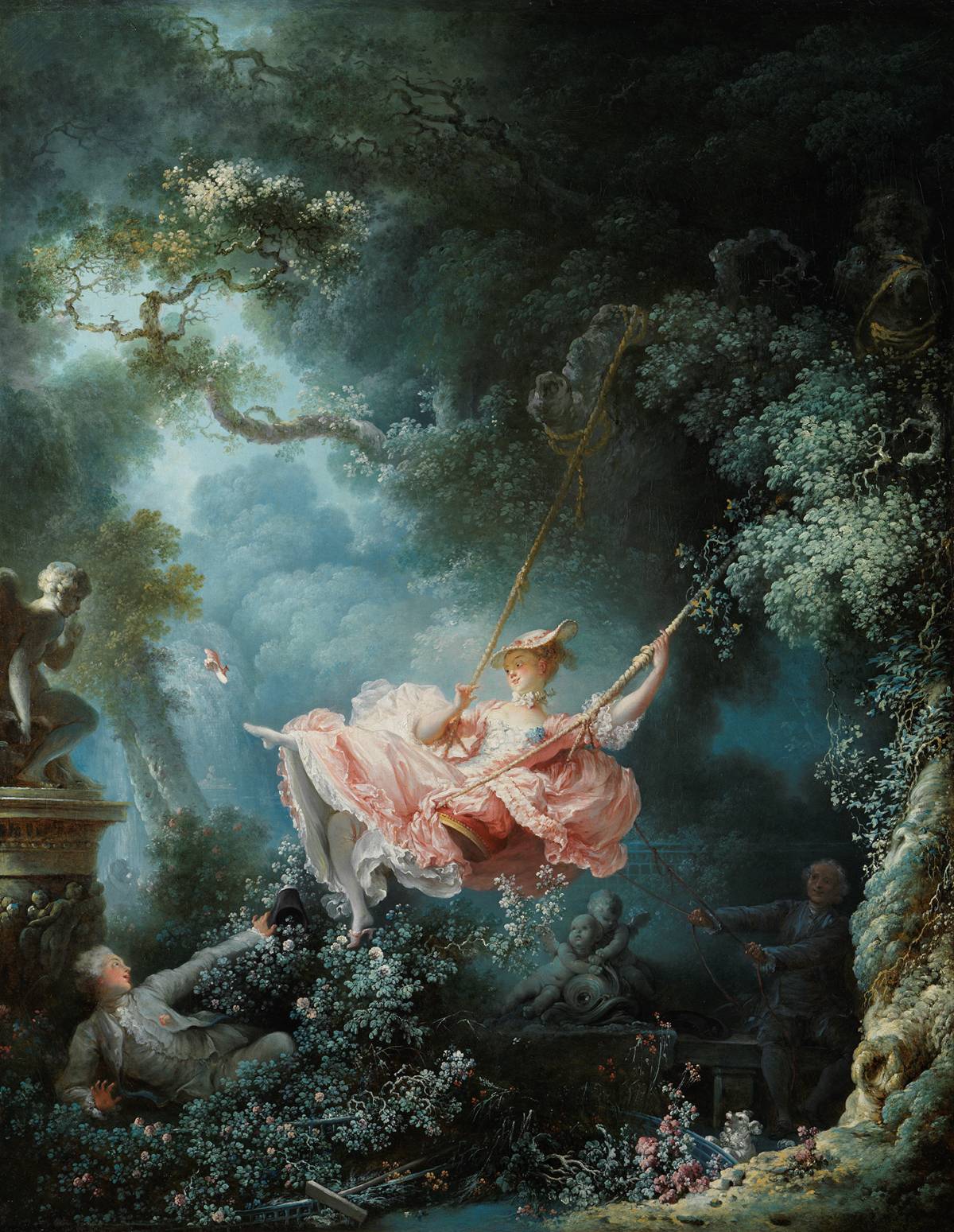
First of all, it would have lightness. Not a superficial frivolity, but a lightness that comes after a dense, heavy period, almost as if we were veterans of a long emotional hibernation. As if a weight lifted, a knot untied, leaving room for breathing. A lightness that defies the force of gravity, almost like the maiden in Jean-Honoré Fragonard ’s The Swing soaring through the air, amidst the vegetation. Here, however, a clear component of seduction also comes into play, but that body on the swing, despite the elegant and bulky clothes, seems extraordinarily light, seems almost to fly (like the slipper that escapes from her slender little foot). A moment of playfulness, the mind free from thoughts, the heart beginning to beat again with a new rhythm.
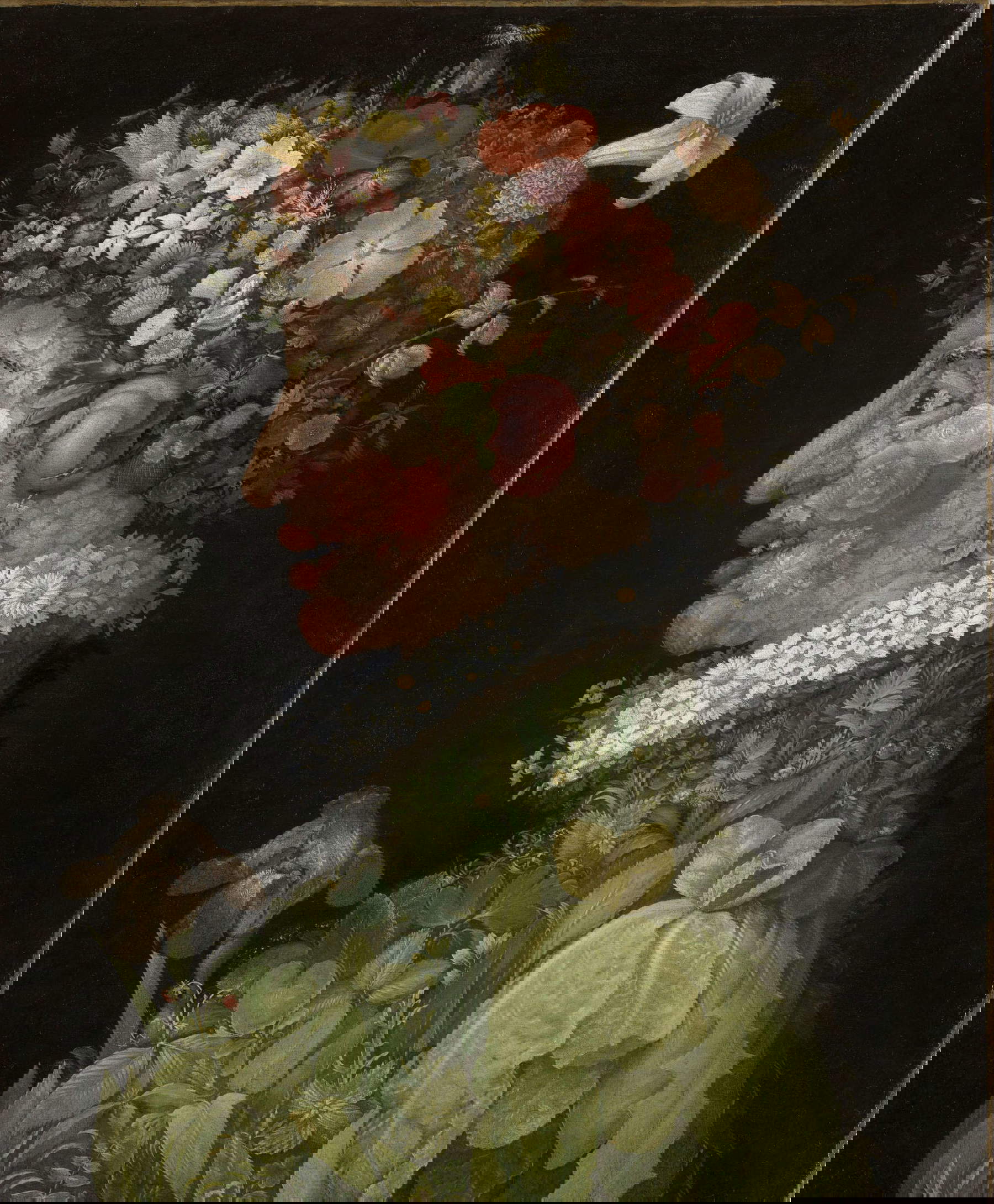
However, spring would also be curiosity: one rediscovers oneself capable of exploring the world with new eyes, as if everything appears to us for the first time. One feels the desire to step out of one’s boundaries, not only physical ones but also inner ones, to leave behind habits and sometimes even certainties, to try to pursue one’s own aspiration. One dwells on details that often escape, to grasp the beauty hidden in small things. It is the amazement that returns, spontaneously, for what is infinitely small but incredibly alive, for those fragments of life that, precisely in spring, return to sprout. And which each time surprise us, create wonder in our eyes. The same one that, in a different sphere but with the same curiosity, we feel in front of Arcimboldo’s Spring, one of the famous composite heads where, in this case, a great variety of flowers together with leaves and sprouts come together to give life to a half-bust, facing left. The hair is a multicolored bouquet , the skin and lips pink flowers, the neck is adorned with a necklace of daisies, the body covered with different kinds of leaves. On the breast, on the other hand, an iris sprouts. Every little element is part of a whole, just as every little bud or bud is part of nature. It is up to our curious and attentive gaze to understand it, leaving us amazed each time.
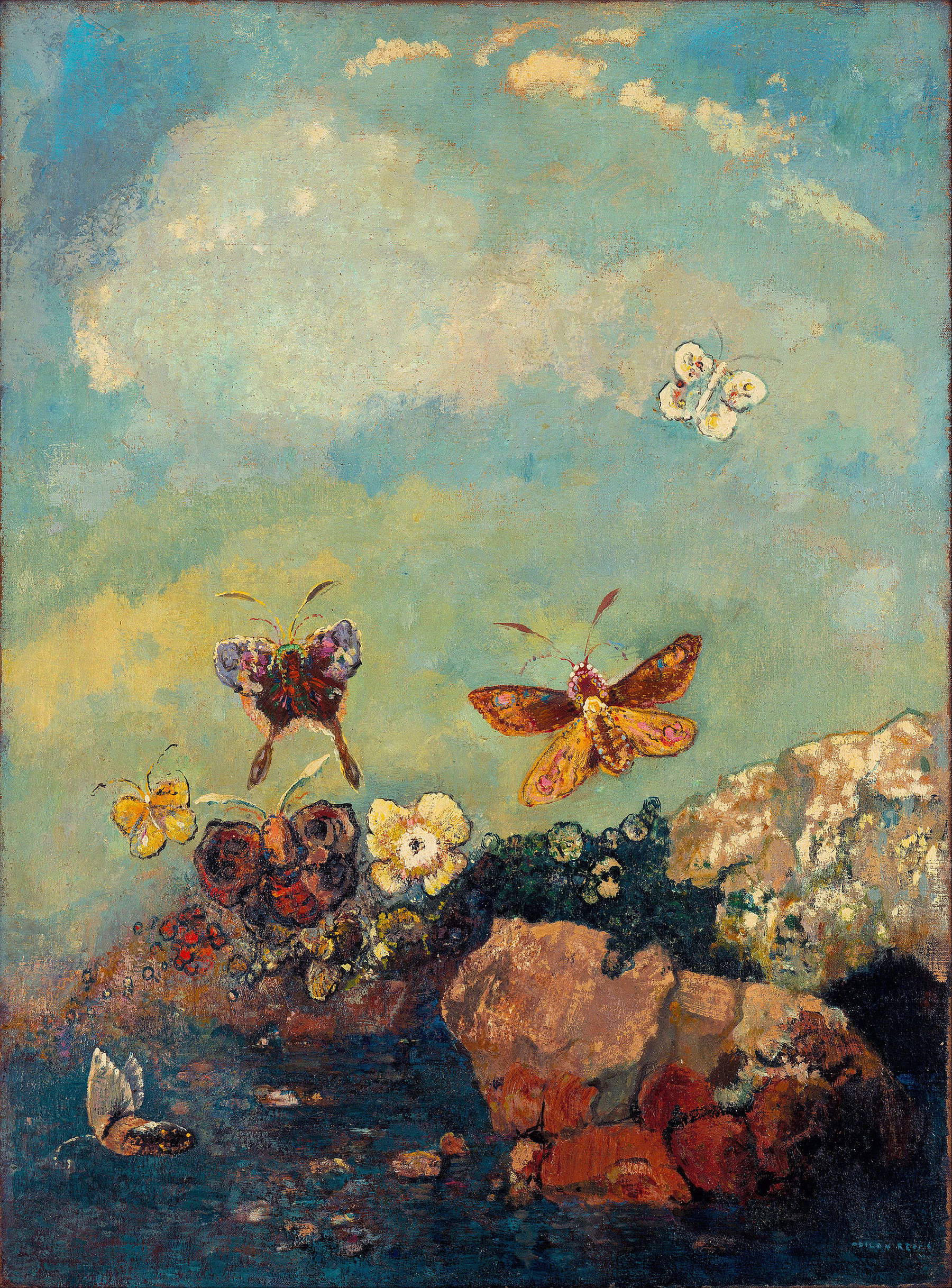
Spring-state of mind would then carry with it a concrete hope, a form of conscious optimism, a silent trust in change that stems precisely from the darkness one has passed through. An inner voice that, after a trial or a long silence, whispers, “maybe it can be better now.” And in that “maybe” is all the beauty of openness. In that moment, almost without realizing it, we begin to sense that something within us is slowly being set in motion again. Asubtle energy, still fragile but alive, begins to flow again. Thoughts become lighter, our gaze is lifted, and even what seemed motionless before begins to transform. Like a kind of slow metamorphosis reminiscent of butterflies: their slow transformation, from cocoon to butterfly, marks the beginning of a new phase, made up of colorful wings hovering lightly in the air and resting gracefully on fragrant flowers, against the stillness of the cocoon.
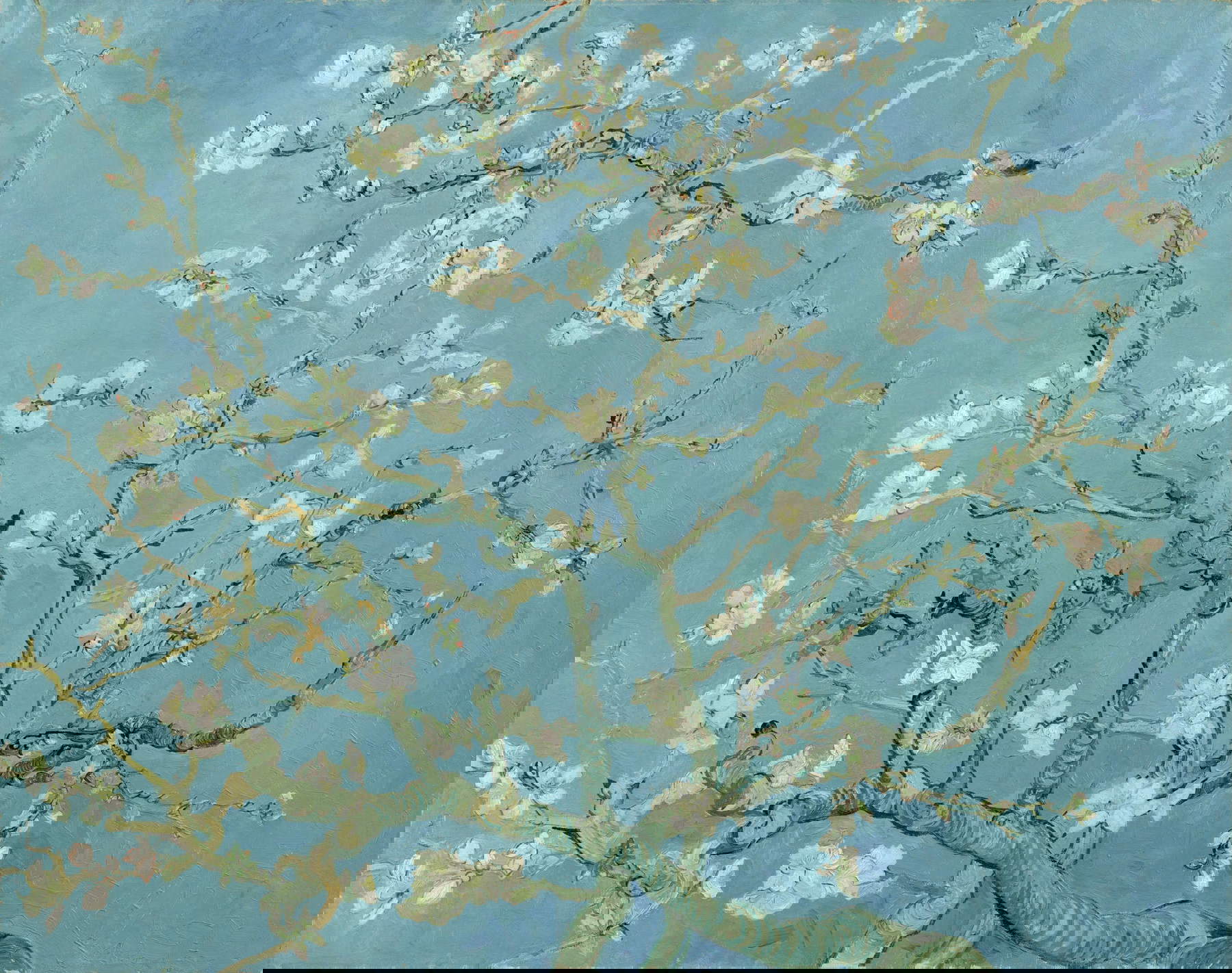
Spring as a state of mind would be a charge of energy that returns, but gently. An energy that does not have the overwhelming force of summer, but rather a subtle vigor, made of soft colors, diffused light, light air that caresses. An energy that accompanies and invites one to slowly reopen. It would be a feeling imbued with tenderness and delicacy, like something newly born that carries with it all the fragility and at the same time all the promise of beginning. A new strength that rediscovers the gentle courage to exist and bloom again. Like the almond blossoms depicted by Vincent van Gogh in one of his most famous and most delicate paintings. A work that is a hymn to life and that draws inspiration from Japanese prints: white, almost pearly flowers appear on the branches of one of the first flowering trees heralding the arrival of spring and silhouetted against a sky of the purest blue. They symbolize life returning, reborn, enduring, despite all the hardships of winter.
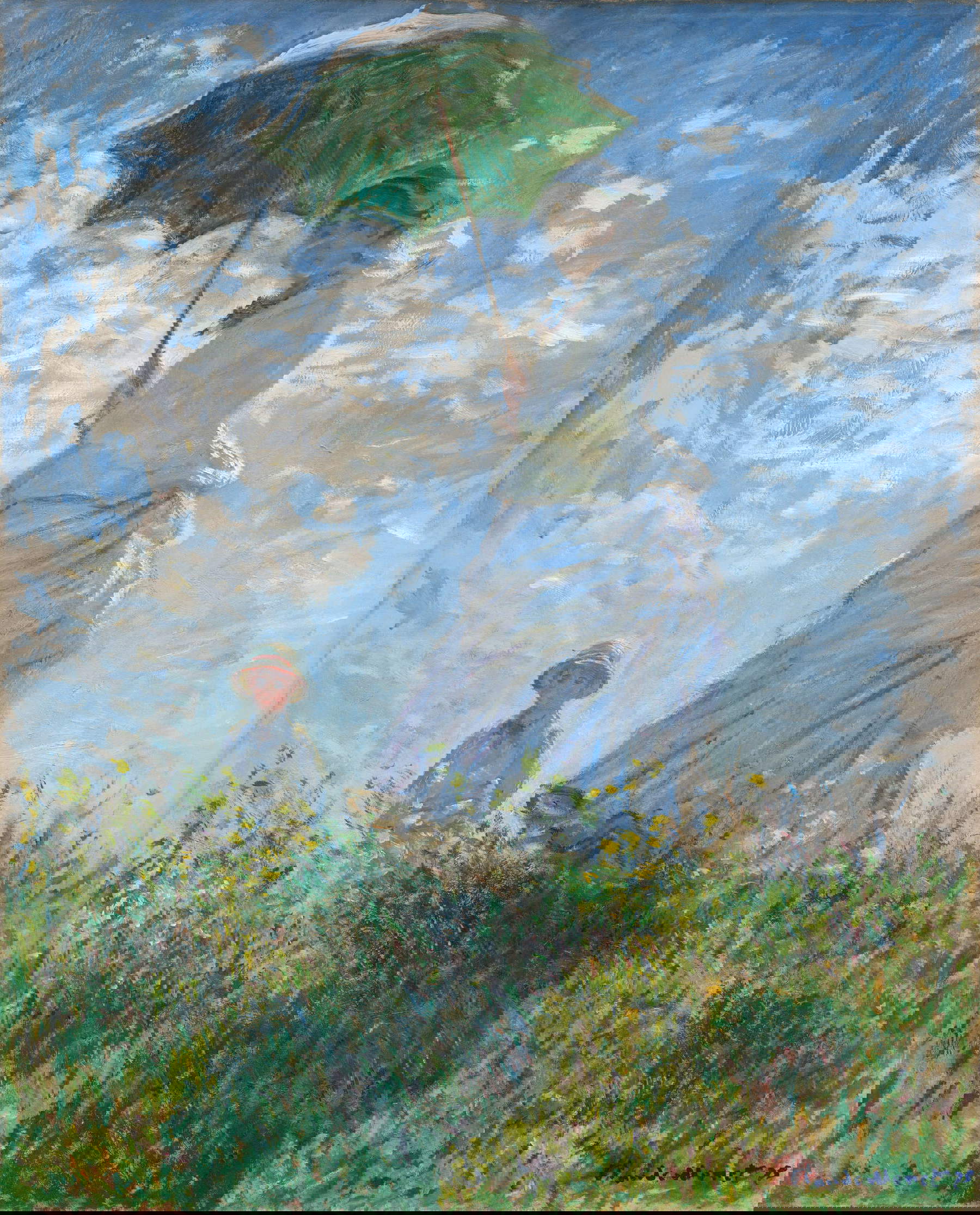
Spring-state of mind would ultimately be rejuvenating, for it is anenergy that heals, renews from within, and changes the way time and space are felt. Indeed, with spring there is an instinctive desire to go outside, to be in the fresh air, to immerse oneself in the green, as if it were an ancient, familiar call, capable of putting us back in touch with nature, with the essential. And with light. The sun makes one feel its warmth, which not only warms the body, but melts inner rigidities, lightening thoughts and opening the mind. It is as if that light can enter inside us, creating well-being. A walk, a ray of sunshine on the face, a beautiful flowery and fragrant meadow on which to sit or lie down: and there time changes pace and we rediscover the pleasure of small things, toward which we feel deep gratitude. The Impressionist painters knew this very well, so much so that they caught their family members in the open air many times, as Monet did, for example, with his wife Camille and son Jean in The Walk. There is wind, there is light, there is movement, but a moment suspended in time is depicted. The wind moves the blades of grass and Camille’s dress, light filters through the green parasol and plays with the fabrics creating glow, the warmth of the sun is felt in the glow of the sky, rapid brushstrokes suggest ever-changing clouds.
To experience spring as a state of mind is to learn to trust change, letting everything find its own time to open up, without forcing, without impatience. It is a smooth transition, accompanying us out of the rigidity of winter, like a branch slowly covering itself with buds, like the earth patiently working beneath the surface before showing itself alive again. It is an inner disposition, a trust that grows like a silent sap, bringing us back to a form of balance, and reminding us that all rebirth is possible precisely because it is natural, because it belongs to the very cycle of existence.
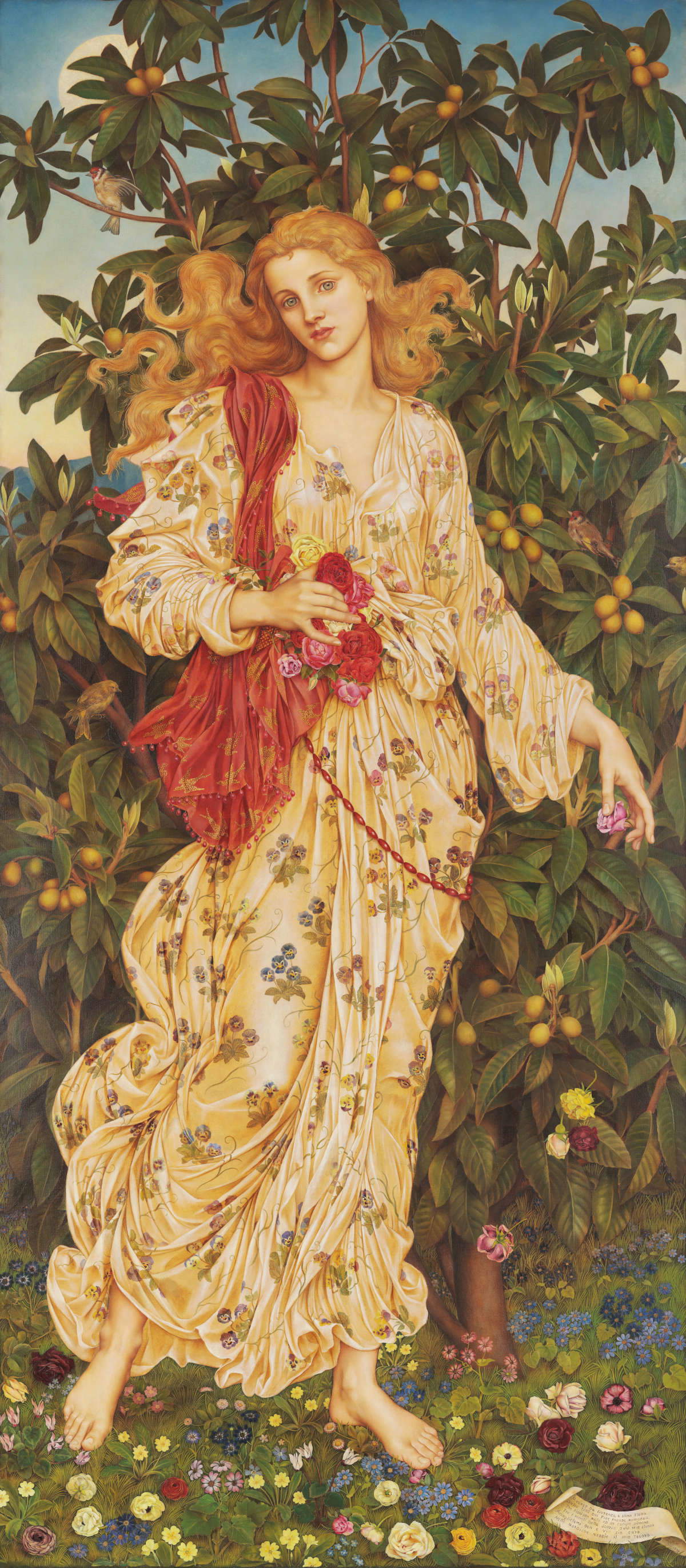
And perhaps it is Evelyn De Morgan ’s Flora that best encapsulates the meaning of all this: spring does not burst in, it does not overwhelm. It advances. It does so with a sure but gentle stride, with a grace that does not need to impose itself, bringing with it flowering as a harmonious gift, fulfilling itself, at the right time. Just as it happens within us, when, without realizing it, we slowly blossom again.


The author of this article: Ilaria Baratta
Giornalista, è co-fondatrice di Finestre sull'Arte con Federico Giannini. È nata a Carrara nel 1987 e si è laureata a Pisa. È responsabile della redazione di Finestre sull'Arte.
Warning: the translation into English of the original Italian article was created using automatic tools. We undertake to review all articles, but we do not guarantee the total absence of inaccuracies in the translation due to the program. You can find the original by clicking on the ITA button. If you find any mistake,please contact us.

























 IT
IT FR
FR DE
DE ES
ES CN
CN


