





Visibility-invisibility of Italian art outside Italy is the theme that most recurs in the discourses that have been made, at least since the last two decades, within the Italian art world. However, in my unassuming opinion, the real problem is not so much the absence or very little presence of our art in major international events, but that this is perceived as a problem, being, again in my unassuming opinion, a false problem. The real problem would be to give a damn about our more or less presence in these contexts and to concentrate on the idea of art that is not the production of works, since these constitute the point of arrival. In fact, what has been missing from us is the debate on art conceived outside of its admittedly necessary system, otherwise it would not explain why the last two international Italian movements, Arte Povera and Transavanguardia, were established when the fateful art system in Italy hardly existed.
For example, until the 1980s there were no museums dedicated to modern and contemporary art if we think that GNAM today GNAMC then snoozed, while the Rivoli Museum was born in 1984, Centro Pecci in 1989, GAMeC in 1990, until it exceeded the number of thirty today; significant galleries counted on the fingers of one hand, not to mention Foundations for contemporary art, such as Sandretto, Trussardi, Ratti to name but a few examples. This shows that for us the development of the art system has acted in reverse, in the sense that the more it has developed, the more Italian art has lost visibility. And this would be enough to confirm what I am saying.

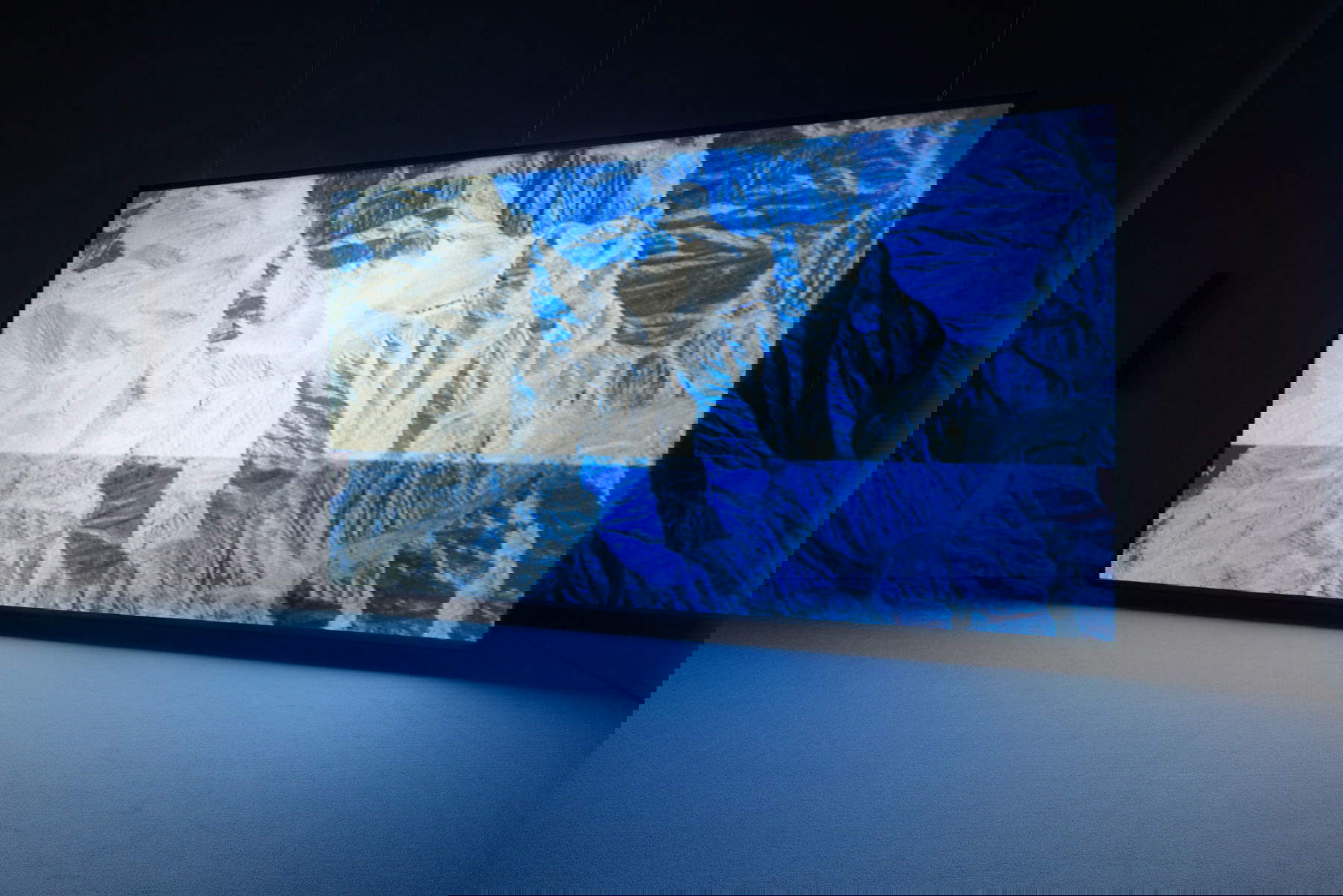
It should be emphasized that this is not only happening in the art world, but in the country in general. From my unassuming point of view I have been observing for years the lack of interest on the part of critics, curators, institutions, foreigners in Italian art. Of course, there are rare exceptions related to the individuality of a few artists who act on their own and not with the idea of being part of and/or an expression of a nation such as Cattelan, Bonvicini, Rosa Barba, who are invited to exhibitions not by virtue of being an expression of a country, but for their proposals as individuals. Until the early 1980s abroad, they thought that coming to see what was going on in Italy was something unavoidable. Paul Maenz, one of the leading gallerists of the time, said to me in the early 1980s, “We can’t help but come to Italy, because it is the country of art, and so we think there are artists as the artists of Arte Cifra show.” Arte Cifra was the name by which what we call Transavanguardia was called in Germany. Today no one outside of Italy thinks like Maenz, who was expressing a general thought that from the late 1980s onward has failed, not because there are not good artists and women artists, but in that there is a lack of a strong and necessary debate of the art that we can offer the world.
In my unassuming opinion, the question is not whether the works are more or less beautiful, but whether they are also representative in a non-didactic way of issues affecting the world. Until with a debate on the idea of art this knot is resolved, which of course cannot be done, as many often think, at the table, Italy will continue to remain excluded from the discourses and places of world art.
This contribution was originally published in No. 28 of our print magazine Finestre sull’Arte on paper, erroneously in a shortened form. Click here to subscribe.


The author of this article: Giacinto Di Pietrantonio
Giacinto Di Pietrantonio è critico, curatore, docente e divulgatore. Insegna Allestimenti espositivi ed Editoria dell’arte allo IED Accademia Galli di Como e ha ricoperto incarichi didattici anche all’Accademia di Belle Arti di Brera, dove ha insegnato discipline legate alla storia dell’arte contemporanea, ai sistemi editoriali e ai metodi di rappresentazione. La sua carriera si distingue per un forte impegno nelle istituzioni museali e nel sistema dell’arte: è stato direttore della GAMeC di Bergamo dal 2000 al 2017, ed è inoltre tra i fondatori di AMACI, l’associazione che riunisce i musei d’arte contemporanea italiani, di cui è stato anche vicepresidente e membro del consiglio di amministrazione, oltre a dirigere la rivista ufficiale “I love Museums”. Parallelamente ha sviluppato un’intensa attività curatoriale, firmando numerose mostre in Italia e all’estero. Ha avuto anche il ruolo di commissario alla Quadriennale di Roma del 2005. È stato inoltre redattore capo e poi vicedirettore di Flash Art Italia e International, continuando negli anni a collaborare con la rivista, e ha scritto per altre testate. È autore di numerosi saggi e monografie dedicate ad artisti contemporanei, tra cui Enzo Cucchi, Jan Fabre ed Ettore Spalletti, oltre a pubblicazioni sul design italiano e sul paesaggio. Nel corso della sua carriera ha fatto parte di comitati scientifici di importanti istituzioni museali e ha svolto attività di consulenza per fiere e premi d’arte. Il suo lavoro è stato riconosciuto con premi e attestazioni, tra cui un riconoscimento alla carriera conferito dall’Università di Bologna e il Premio Capitani della Cultura della Lombardia. Negli anni più recenti ha ampliato la sua attività alla dimensione digitale, ideando programmi online e format di divulgazione artistica su piattaforme come YouTube e Facebook, e collaborando a iniziative culturali e interdisciplinari, mantenendo così un ruolo attivo sia nella riflessione critica sia nella diffusione dell’arte contemporanea.Warning: the translation into English of the original Italian article was created using automatic tools. We undertake to review all articles, but we do not guarantee the total absence of inaccuracies in the translation due to the program. You can find the original by clicking on the ITA button. If you find any mistake,please contact us.

























 IT
IT FR
FR DE
DE ES
ES CN
CN


