




by Redazione 05/04/2026



Categories: Tourism / Disclaimer
Cingoli, in the Marche region, wins the title of Borgo dei Borghi in the final on Rai 3 hosted by Camila Raznovich. A journey through history, landscapes and local identities celebrating one of Italy's most charming villages.
It is Cingoli that has won the title of Borgo dei Borghi for 2026, an award given annually as part of the TV program Il Borgo dei Borghi, broadcast on Rai 3, which effectively confers the palm as Italy’s most beautiful village. The proclamation of the Marche town in the province of Macerata took place during the special Easter episode, confirming the centrality of the Marche town in the panorama of the most charming Italian villages.
Twenty towns, one from each region, selected for their historical and architectural value and quality of life, competed in the competition. The villages competing this year were: Arenzano (Liguria), Baselga di Pinè (Trentino), Battaglia Terme (Veneto), Canossa (Emilia Romagna), Castellaro Lagusello (Lombardy), Chatillon (Valle d’Aosta), Cingoli (Marche), Guardialfiera (Molise), Lucignano (Tuscany), Margherita di Savoia (Apulia), Nemi (Lazio), Passignano sul Trasimeno (Umbria), Realmonte (Sicily), Sadali (Sardinia), San Fele (Basilicata), San Nicola Arcella (Calabria), Spilimbergo (Friuli Venezia Giulia), Villalago (Abruzzo), Villar San Costanzo (Piedmont), and Zungoli (Campania).


A televised journey that crossed Italy from north to south, recounting territories, traditions and communities, until the final proclamation. Leading the public on this journey was once again Camila Raznovich, flanked by three exceptional jurors who contributed with their votes to the final ranking along with the public. Also among the evening’s protagonists were archaeologist Tiziana D’Angelo, director Fabio Toncelli and art historian Jacopo Veneziani, the three jurors who accompanied the viewers in the discovery of symbolic places of Italian heritage, from the Lucanian Dolomites to Altamura, offering keys to interpretation between landscape, history and culture.
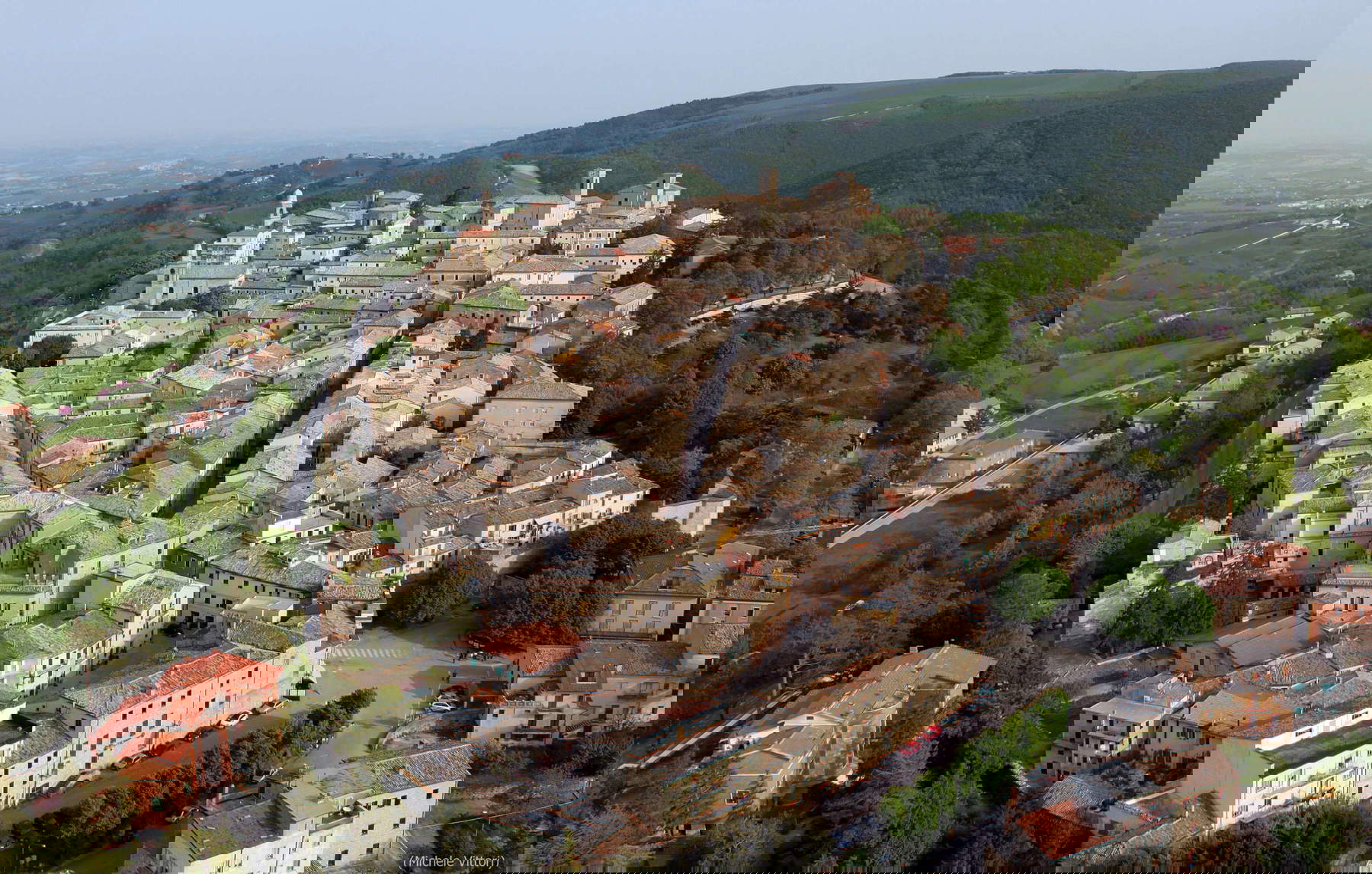
Cingoli’s success represents recognition of an area capable of combining natural beauty, historical stratification and cultural identity. Located in the province of Macerata, the village rises 631 meters above sea level on the summit of Mount Circe, dominating a wide panorama that has earned it the nickname “Balcony of Le Marche.” From here, on clear days, the view extends to the Adriatic Sea and beyond to the coast of Dalmatia.
The territory of Cingoli lies between the valley of the Musone River and that of the Rio le Laque, in a mountainous setting characterized by the so-called Cingoli fold, an Apennine formation of ancient origin, dating back to the Upper Cretaceous. The area is rich in biodiversity, with forests that are home to a wide variety of plant and animal species, making it a valuable natural environment. Not surprisingly, protected areas such as the Monte Nero and Tassinete scrublands were established as early as the 1970s.
The history of the village is rooted in antiquity. Inhabited as early as the 9th century BC by Picene peoples, the area saw the founding of Cingulum in the 3rd century BC. In Roman times the town acquired a significant role, becoming municipium under Augustus. In the following centuries it went through phases of transformation, including dominations, municipal development and belonging to the Papal State, until it joined the Kingdom of Italy in 1861.
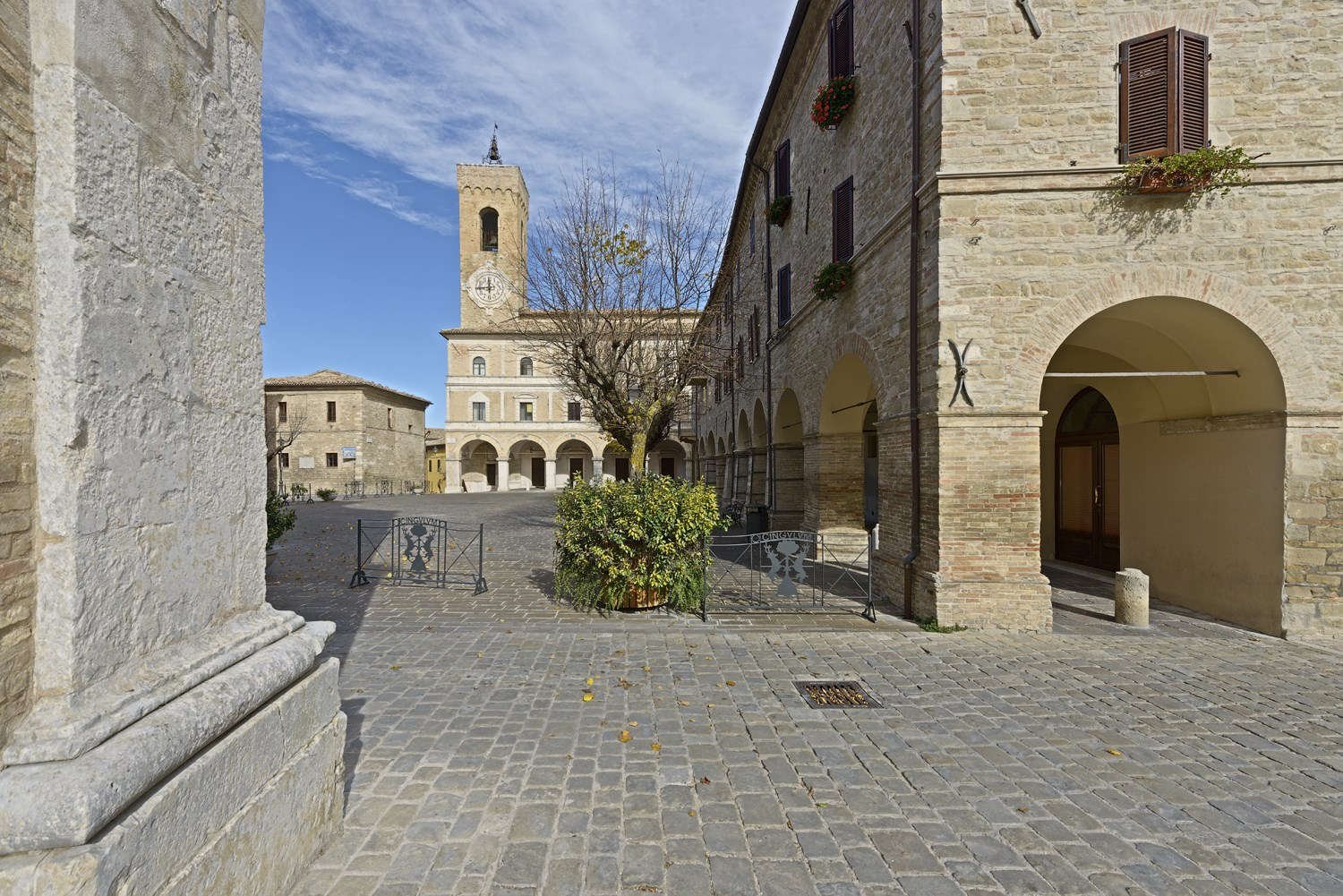
Walking through the historic center, one perceives a dimension suspended in time. The streets are characterized by warmly colored facades, Renaissance stone portals and an almost total absence of traffic, which contributes to an atmosphere of calm and recollection. The heart of the city is Piazza Vittorio Emanuele II, overlooked by the Town Hall and the Cathedral of Santa Maria Assunta, buildings that bear witness to centuries of architectural and cultural evolution.
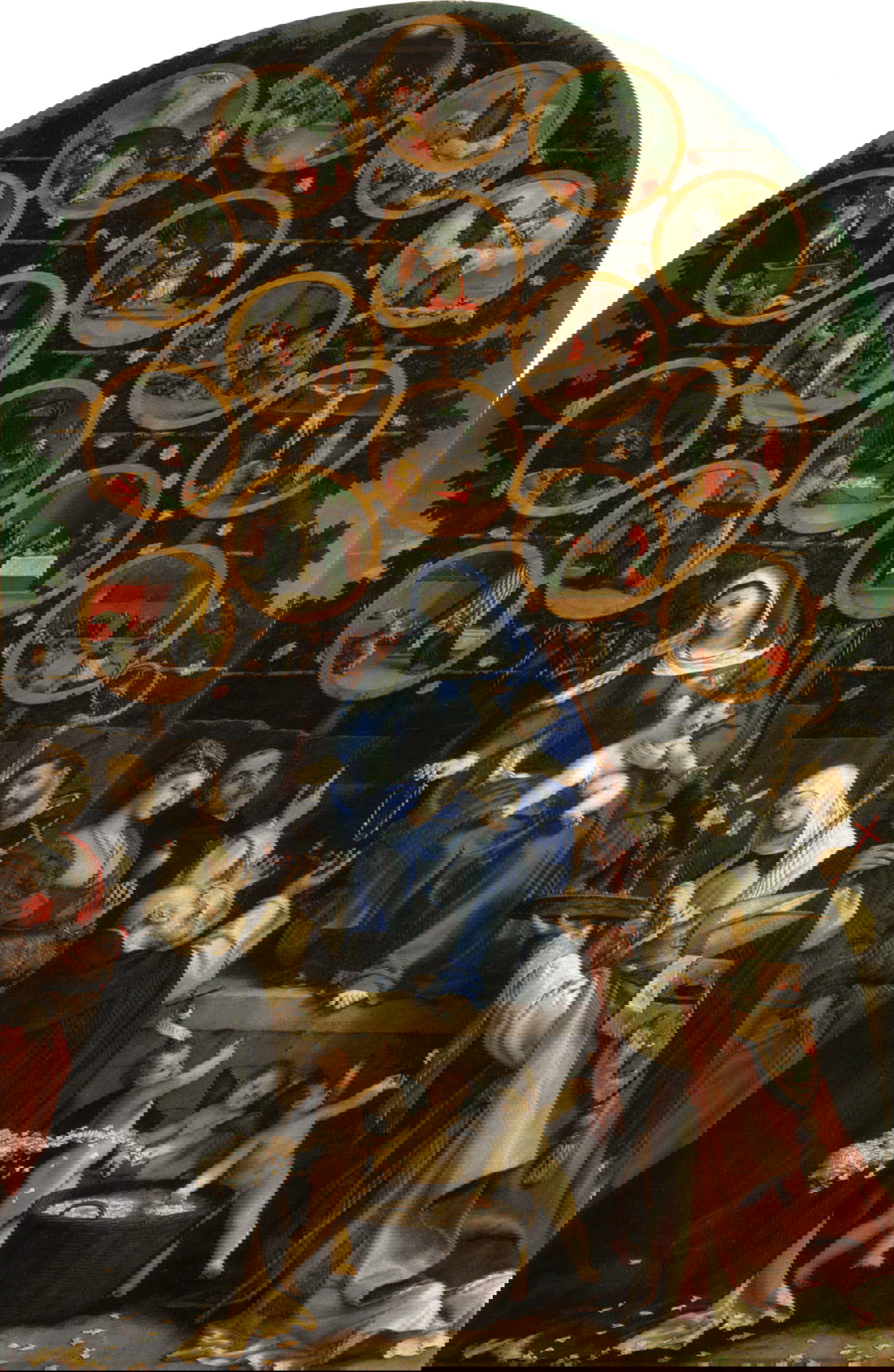
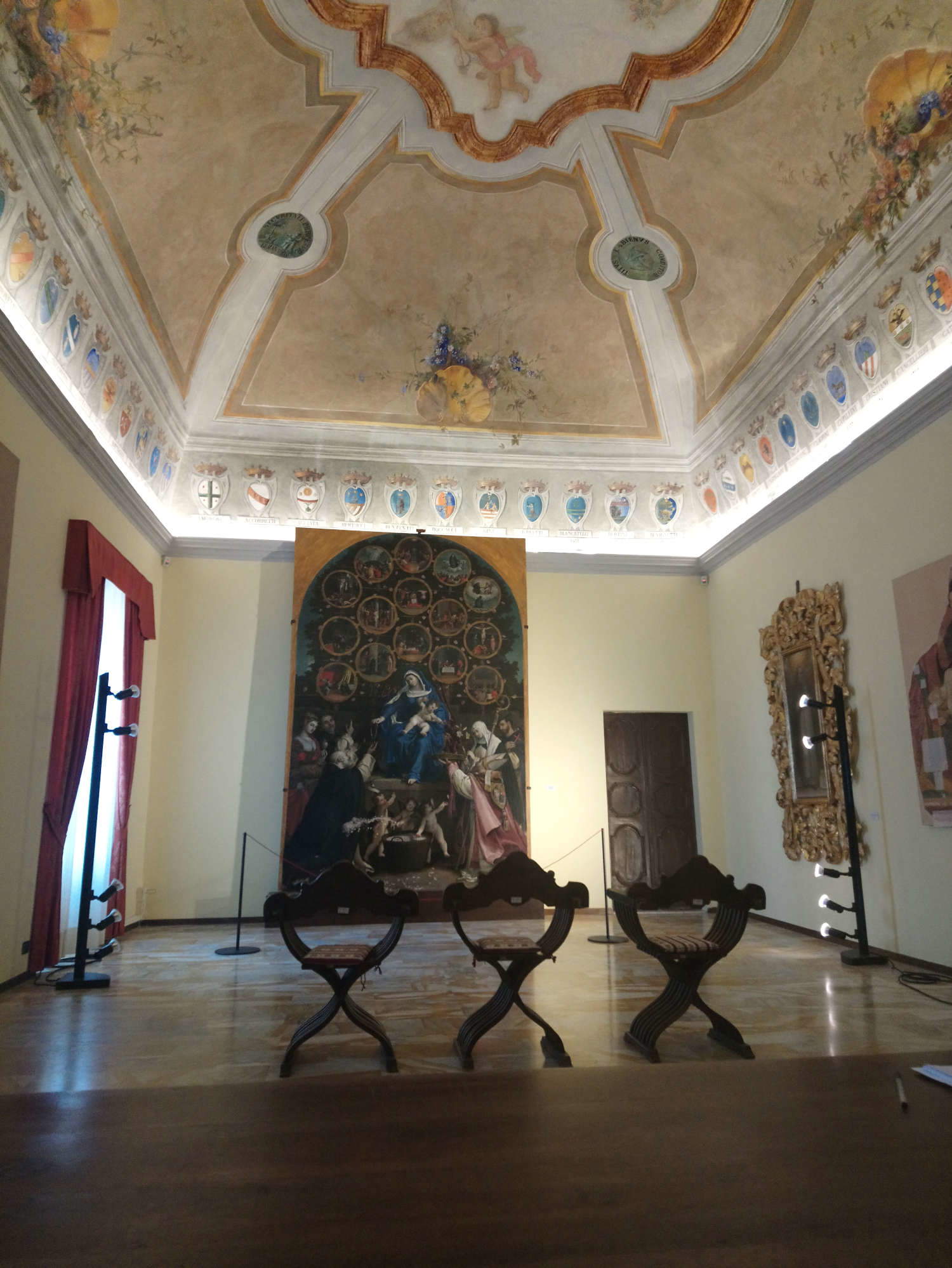
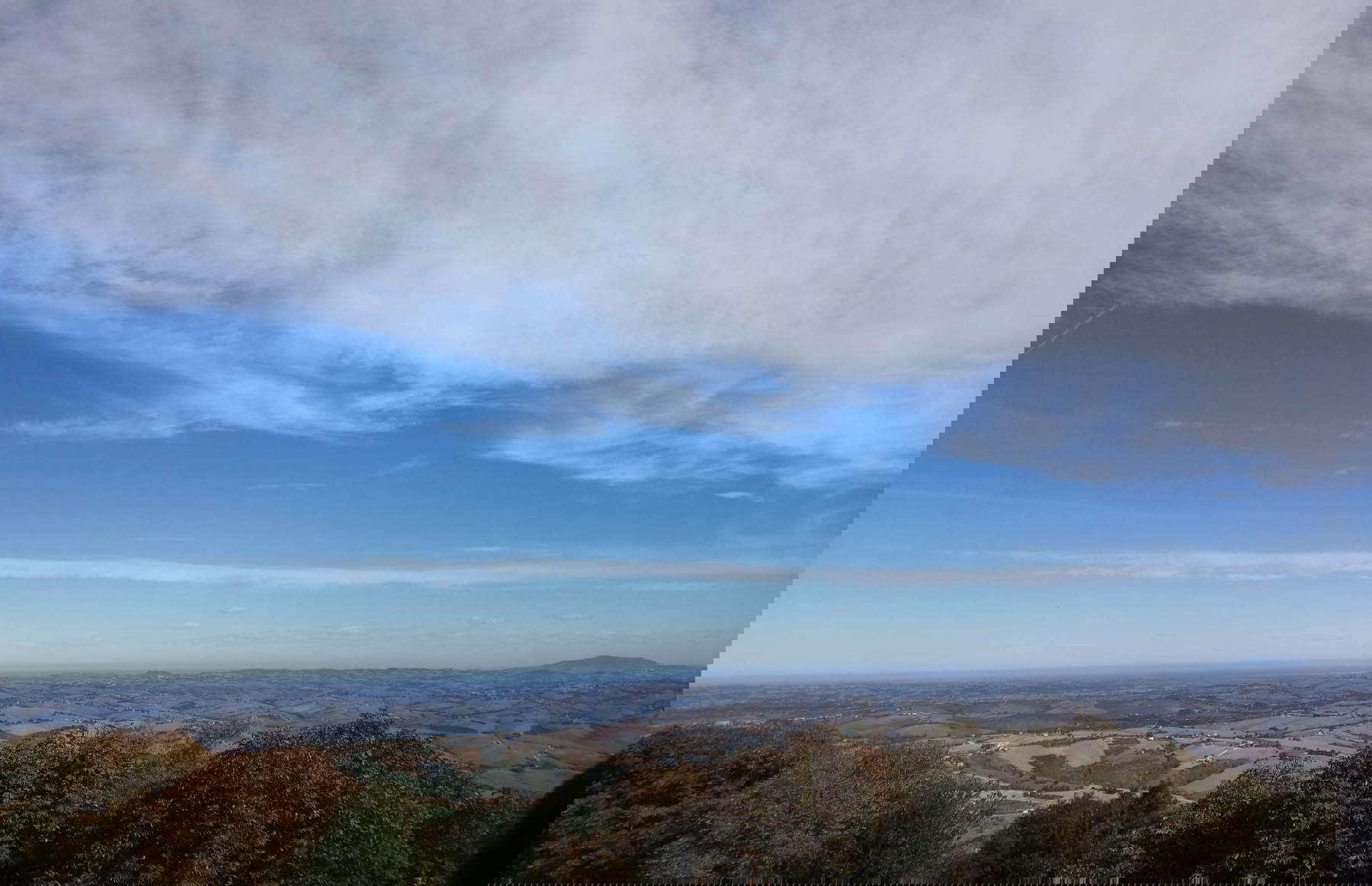
Prominent among the landmarks is the collegiate church of Sant’Esuperanzio, considered one of the town’s most important monuments, with its Romanesque facade and portal carved in the 13th century. No less important are the aristocratic palaces, Baroque churches and works of art housed in the historic buildings, such as the Madonna of the Rosary, an extraordinary masterpiece by Lorenzo Lotto, preserved in the Hall of Coats of Arms of the Town Hall.
The recognition obtained by Cingoli is part of a context of enhancement of small Italian towns, which in recent years have seen an increase in tourist and cultural interest. The “Il Borgo dei Borghi” program has helped reinforce this attention, telling local stories and promoting sustainable and conscious tourism. The victory of the Marche village is not only a symbolic title, but also represents a concrete opportunity for the area, in terms of visibility and development. The active involvement of the inhabitants, who enthusiastically supported the candidacy, is one of the elements that contributed to the final success, confirming the deep connection between community and local identity.
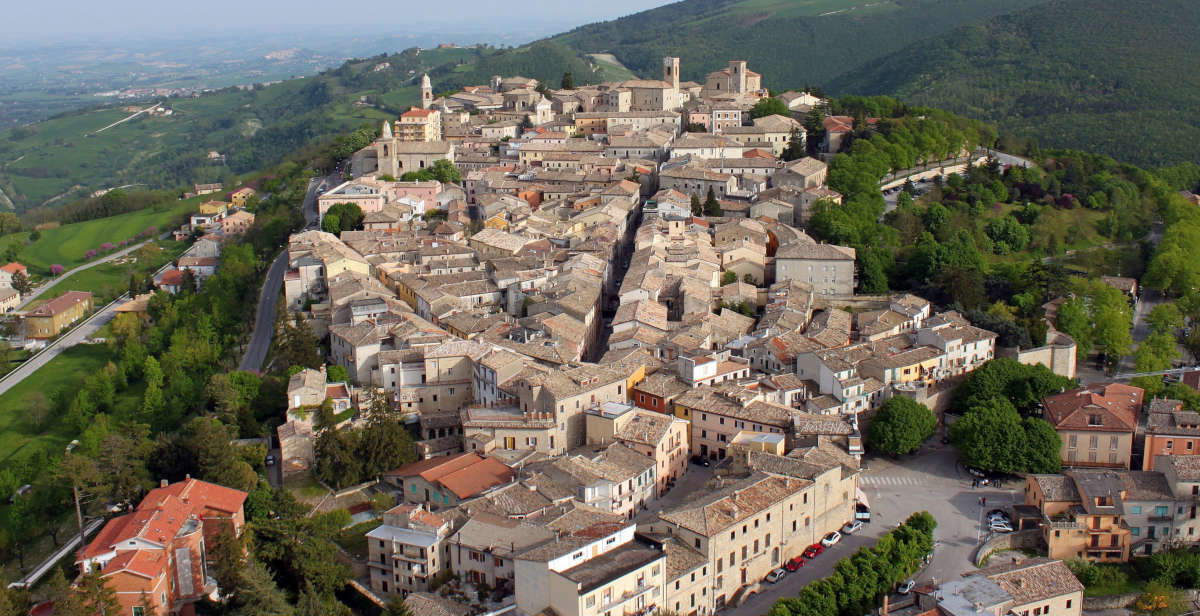 |
| Cingoli wins Borgo dei Borghi 2026: triumph for the "Balcony of Marche" |
Warning: the translation into English of the original Italian article was created using automatic tools. We undertake to review all articles, but we do not guarantee the total absence of inaccuracies in the translation due to the program. You can find the original by clicking on the ITA button. If you find any mistake,please contact us.