




Who, then, was Gian Lorenzo Bernini? In front of the long, uniform, sumptuous gallery of portraits gathered in the rooms on the first floor of Palazzo Barberini, one might be tempted to dismiss the feeling that Bernini was a man who disdained any form of awe, and one would end up turning nods ofassent to that output of Maffeo Barberini put in exergue to a thousand biographies of the sculptor of the popes, to stacks of studies on the human and artistic entanglements between Bernini and Urban VIII: said in short, Bernini was fortunate because it had happened to him to see Cardinal Maffeo Barberini become pope, but Barberini had had the greater good fortune to see Bernini live in his pontificate. Andrea Bacchi, who together with Maurizia Cicconi is curating the exhibition built to investigate the relationship between Bernini and the family of Urban VIII(Bernini and the Barberinis), set up in the south wing of what was once their palace, used the first half of Maffeo’s sentence as the title for his essay: nevertheless, it would be inevitable to think that no randomness, not even the most propitious, could give rise to happy destinies without an intelligence, without a reason intervening first to recognize it, and then to govern it. One could therefore be content to read the understanding between Bernini and Urban VIII in this way, and the exhibition would end up flowing as a curious, articulate résumé of more than twenty years of human and professional relationship, punctuated here and there with summits of Western statuary (or projects, where it was not possible to physically move certain works: the Baldachin of St. Peter’s, after all, does not pass through the doorway of Palazzo Barberini). And yet it would perhaps not be a complete reading of that “baroque of two,” as Bacchi calls it, which deflagrated on the same day as Maffeo Barberini’s ascent to the throne of Peter, if we are to give credence to what the biographers tell us, namely that one of Urban VIII’s first concerns as soon as he was elected was to call to himself the’25-year-old artist, evidently to renew to him that trust which, as cardinal, he had first accorded to his father Pietro and only later to the very young Gian Lorenzo, when he bought him that Saint Sebastian which remained in the Barberini collections until 1935, before being involved in the ill-fated sale of the family patrimony and being sold to Heinrich Thyssen-Bornemisza.
The title of the exhibition is in the plural, because Bernini’s hands did not model and sculpt only for Urban VIII: other members of the clan (and not only them, it would be worth noting) did not hesitate to employ the world’s greatest sculptor for a portrait to be placed in some corridor, in some niche, in some crevice of their residences. Much would not be lost, however, if one were to reduce the whole discussion to a pas de deux in which to try to read any spontaneous manifestation of the relations between art and power in the mid-seventeenth century, perhaps even before the signs of a dialogue, artistic and human, which was after all based on shared ideological foundations. It is inevitable: an exhibition that sets out to investigate the relationship between an artist and a family ends up becoming, despite itself, an exquisitely political affair if that family bears the Barberini name. Consequently, it ends up becoming an exhibition of tensions. Now, one should not expect an exhibition on the most carnal Bernini, but neither is it a cold and cerebral Bernini that squares us from the portraits lined up along the halls of Palazzo Barberini, from the projects hastily marked on paper, from those suffocating bronzes that came out in series from the papal foundries. From the rooms of the exhibition, indeed, emerges the blurred, feverish figure of a shadowy, energetic, perpetually hungry human being. Although perhaps at first glance we do not perceive it, for to the eyes of those of us wandering through the rooms of Palazzo Barberini it is offered the fait accompli, and moreover separated from us by the means of four centuries of distance. That fait accompli, however, shows the cracks left by an industrious restlessness, blatantly hides the traces of desire that furrow the face of necessity. And if the bond can never become intangible, where then is it that the obligation thins, where is it that it loosens, where is it that the mesh widens and a shadow of autonomy, a breath of independence begins to creep in? What, in short, is happening outside the hagiographies, assuming we are granted the faculty to infer it from the works?
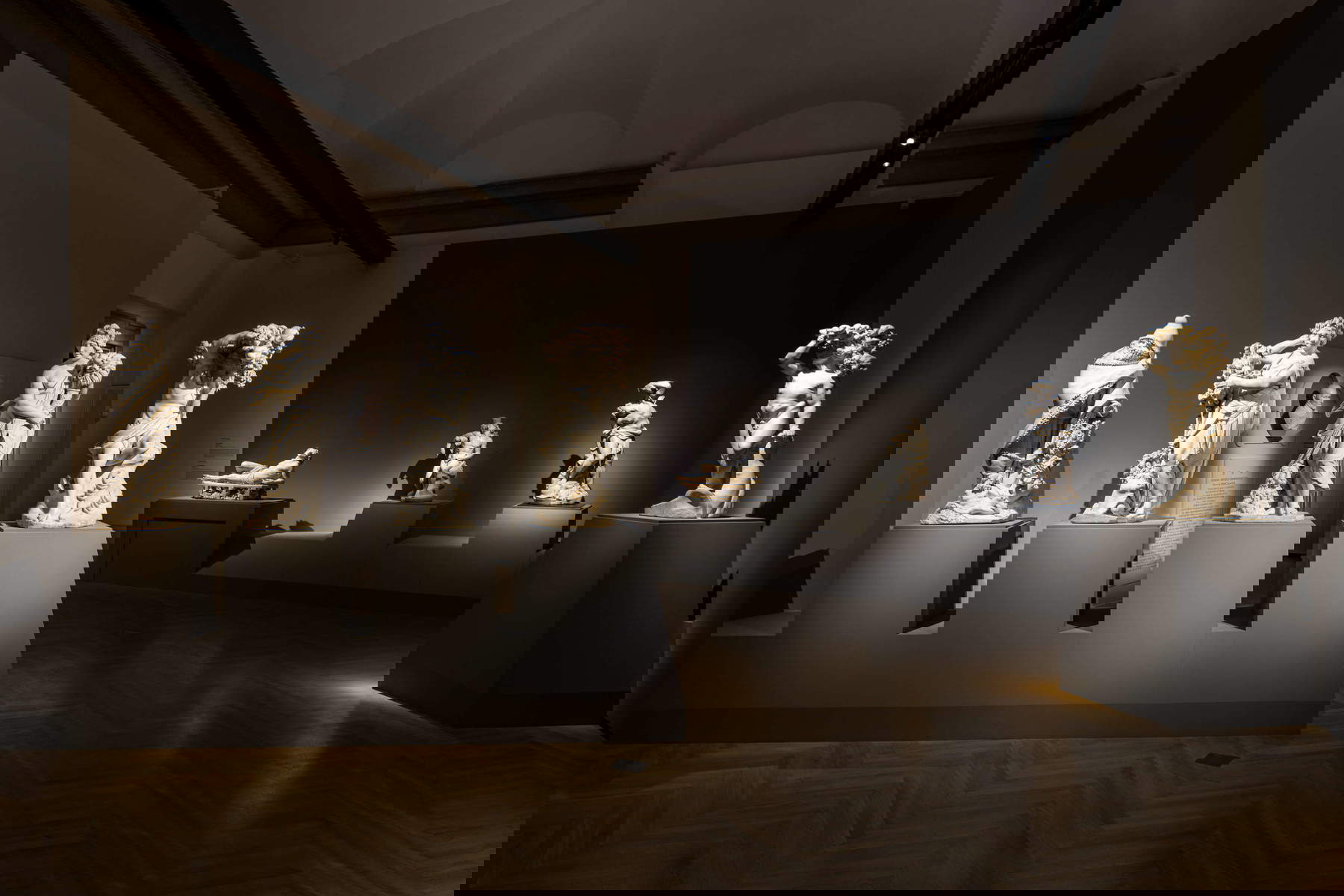
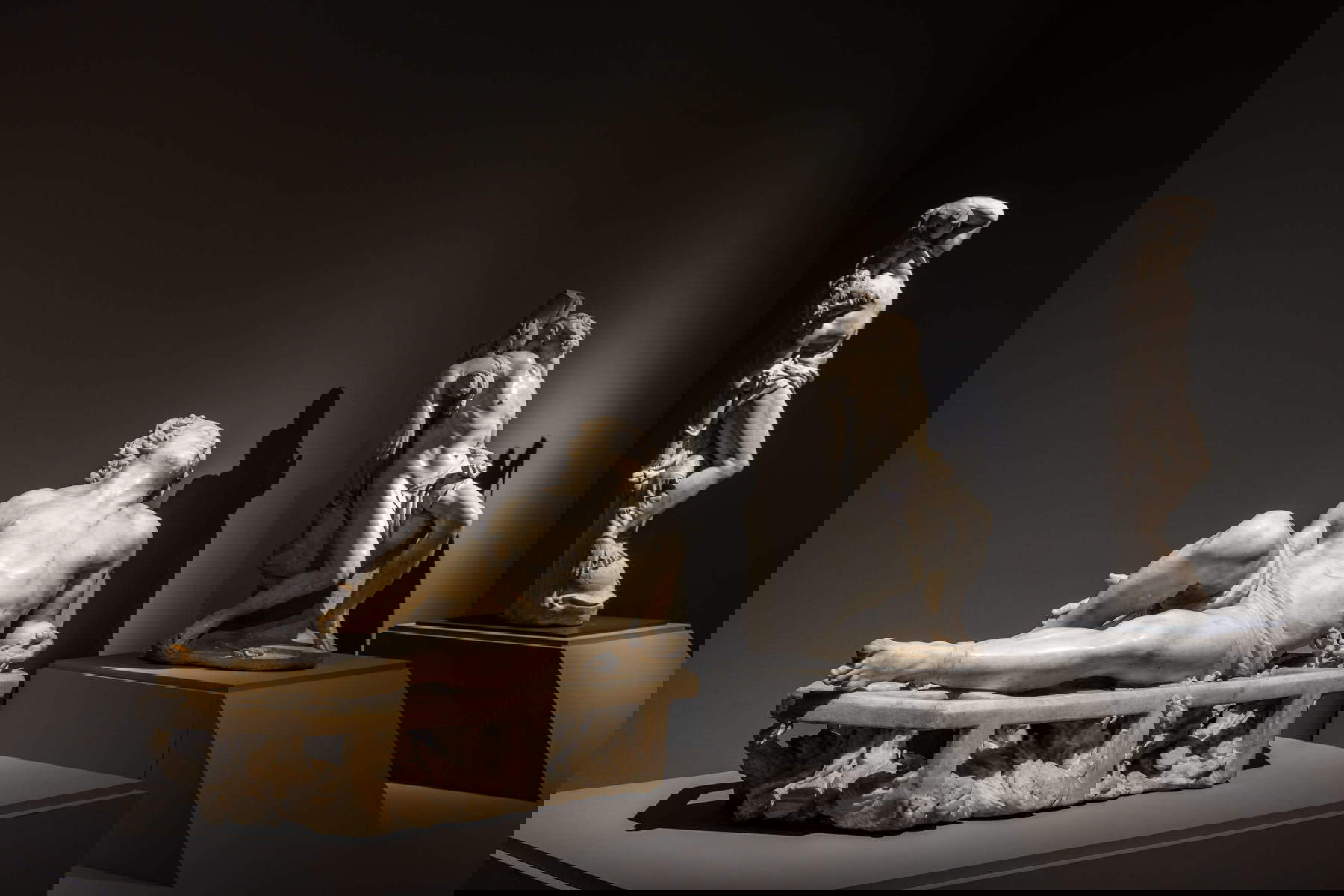
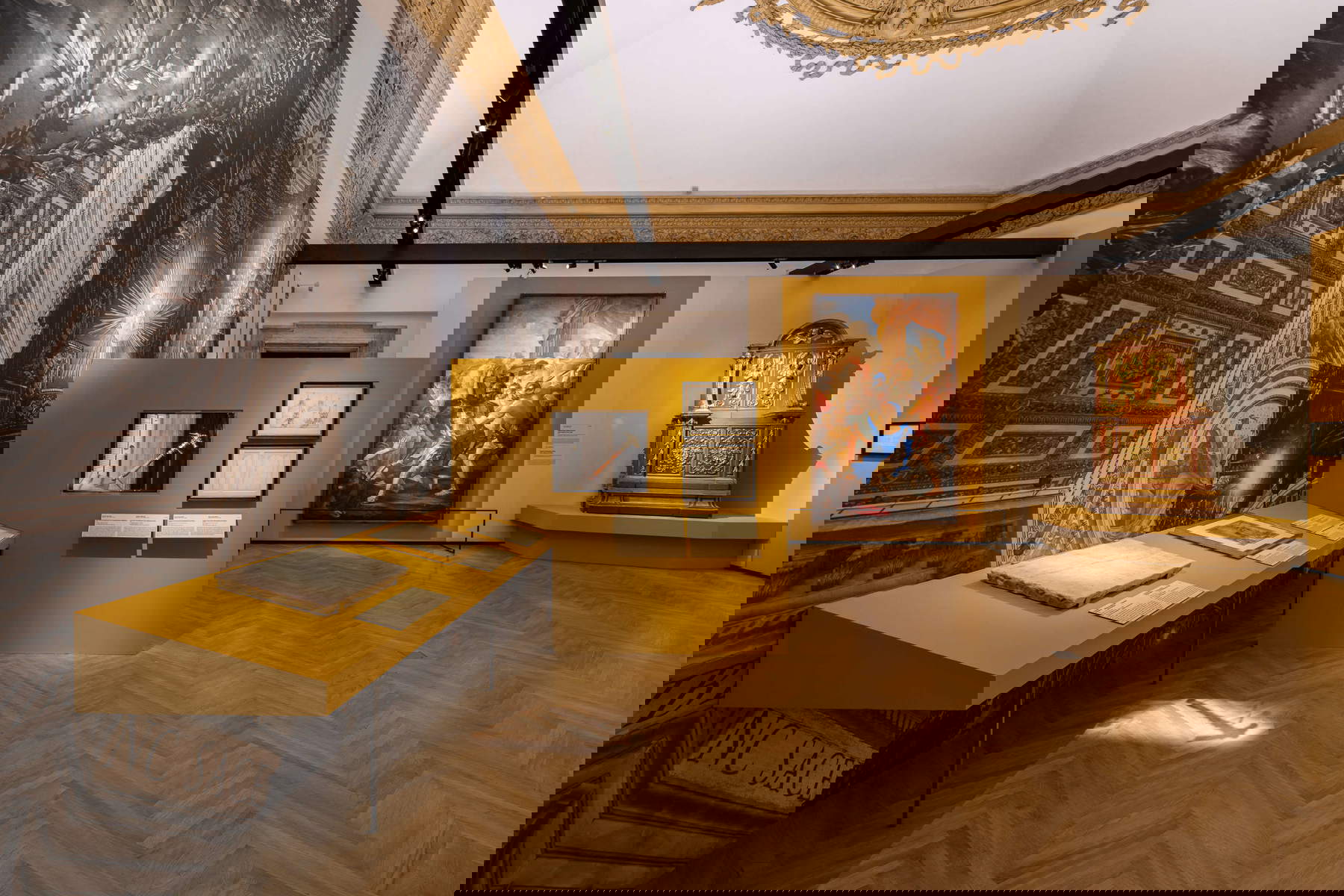
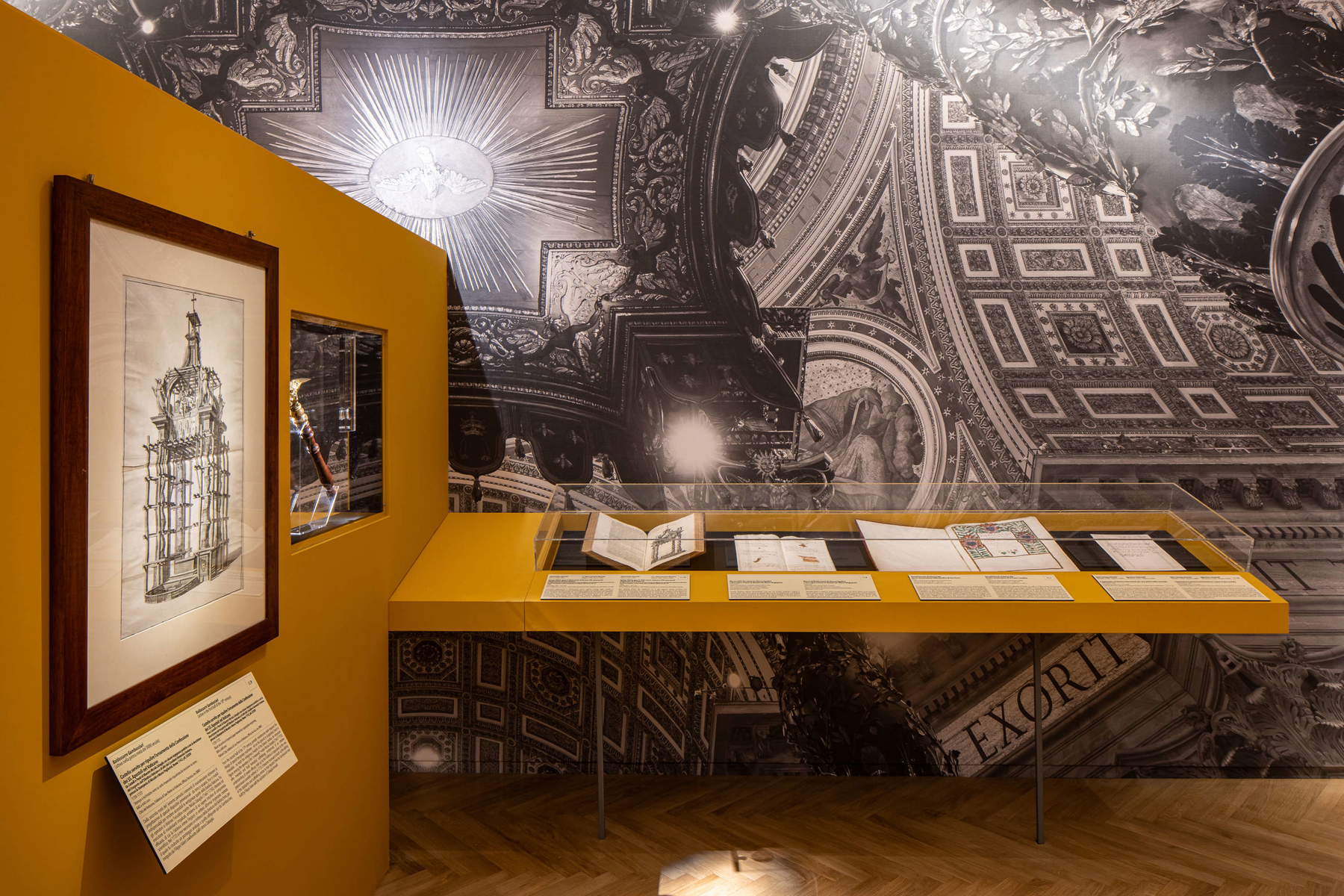
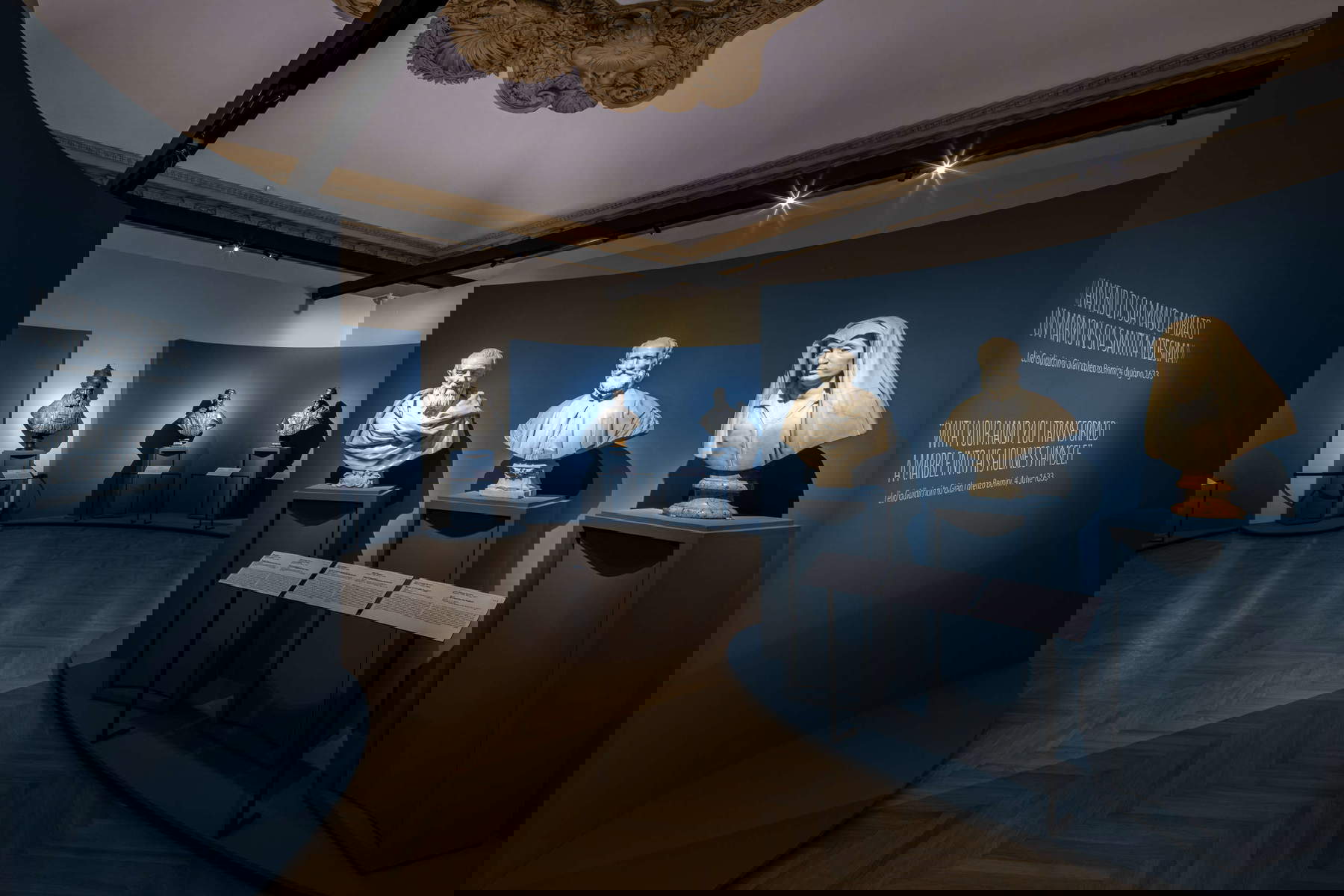
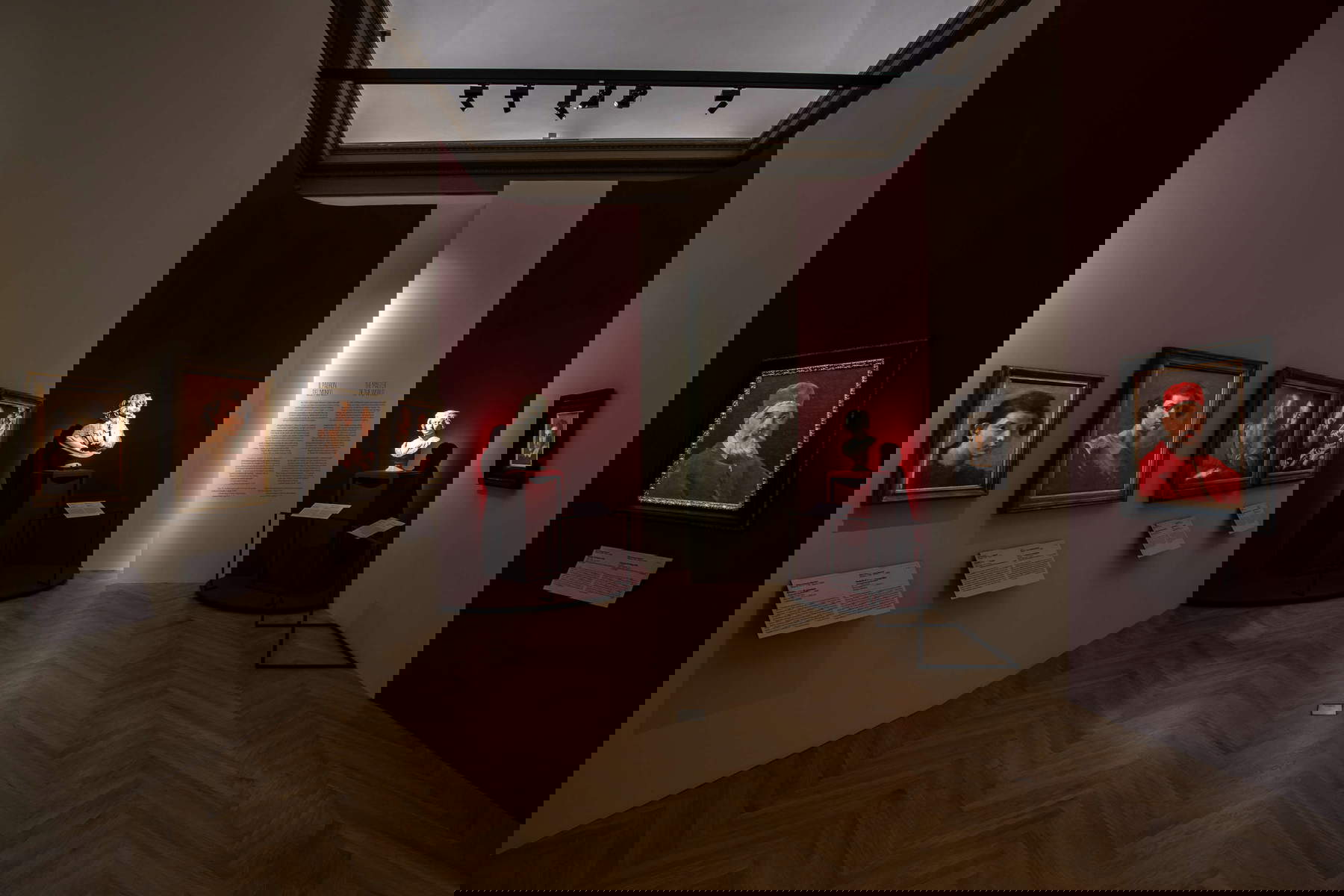
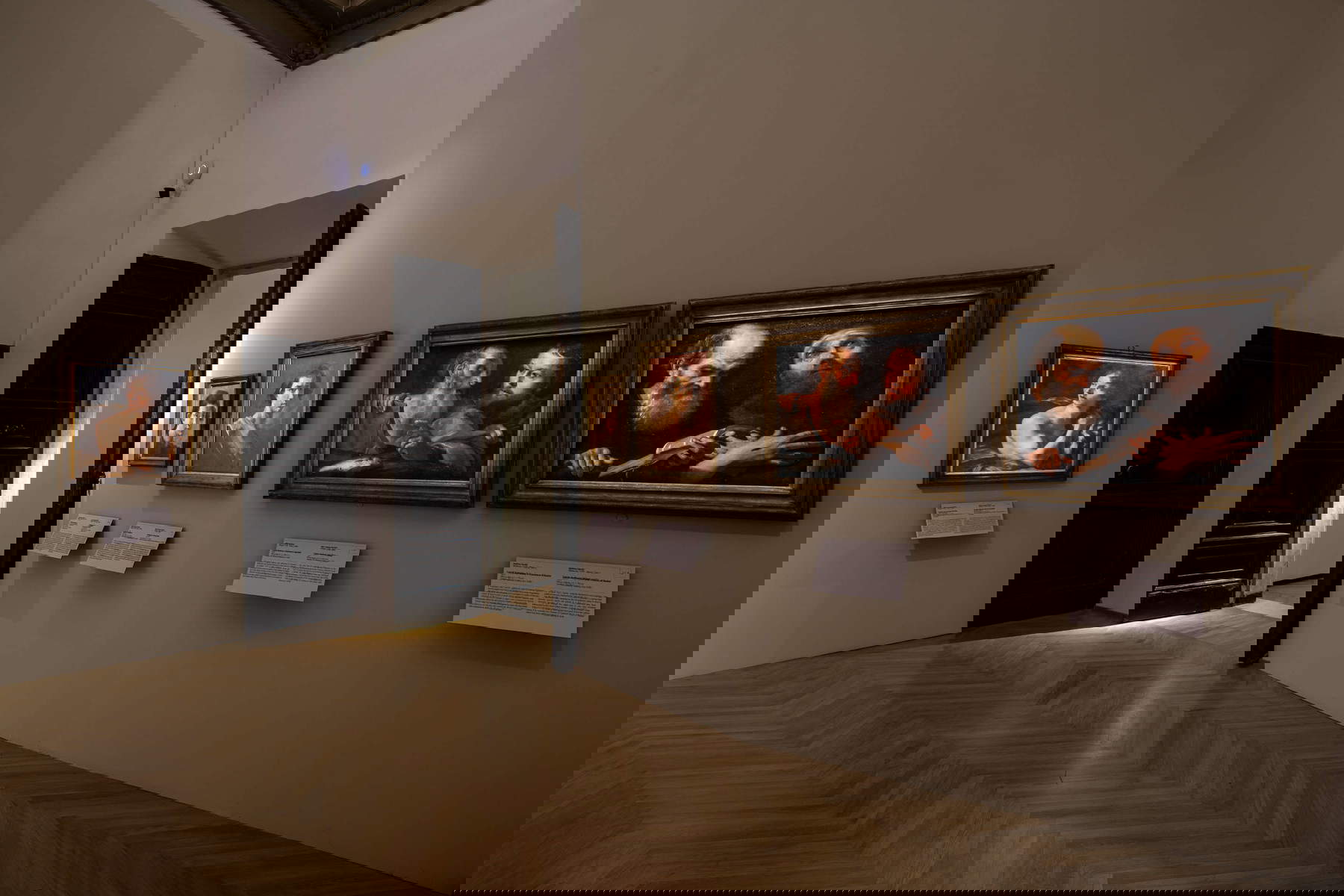
One could start precisely from the Madrid St. Sebastian to look for answers. From here, from this work that now curiously arrives at Palazzo Barberini in its original form, after an expensive reproduction was sent to the exhibition on Urban VIII two years ago, also in these rooms. From the work with which the young Gian Lorenzo definitively frees himself from his father’s authority and, especially, from almost all the dross of the Florentine sixteenth century to elaborate a new iconography at once filled with Michelangelo’s ardors, permeated with a lively spiritual impetus, and nevertheless furrowed by a noble, profound tragic tension: an iconography that is therefore original, for all the reasons adequately and succinctly explained long ago by Maria Grazia Bernardini (and they are, moreover, the same, shared reasons that led her to exclude that the Saint Sebastian of Jouy-en-Josas, shown in this exhibition, for the first time, alongside the Thyssen one, could also be considered the work of Bernini: the comparison, if then extended also to the St. Lawrence placed there a few centimeters away, would seem to support Bernardini’s hypothesis, and if it is necessary to name a Bernini for the French St. Sebastian it will be convenient to advance perhaps that of Peter, to whom the work of Jouy-en-Josas appears closer, look at theAdam and Eve near there, by treatment of the marble, twists, expressions, connotations). The audience encounters the St. Sebastian in the first room of the exhibition, a sort of re-edition, though far more focused and millimeter-like, of the same room that the 2017 exhibition on Bernini at the Galleria Borghese set up to introduce visitors to the early stages of the young Gian Lorenzo’s career, with his early works displayed alongside those of his father: Thus, the Seasons sculpted for Villa Strozzi return as a pivot for understanding the collaboration between father and son, escorted, however, by other works that can be considered the result of a common work (the Putto with the Dragon, then, and the Bust of Giovanni Angelo Frumenti), and by the works referable only to the parent. We do not know how the young Gian Lorenzo came to burst his genius with that Saint Sebastian , which already seems (indeed: is) the work of a sculptor made and accomplished, of a mature sculptor, the work perhaps not yet of a revolutionary, but certainly of an innovator. We do not know, but the thesis of the exhibition is that some credit is due to Maffeo Barberini, who may have sensed, Bacchi thinks, that he was initiating the 20-year-old Bernini into an imitatio buonarroti evident in his very early work: that reference to an illustrious model might thus have been to some extent induced and even pursued over time (at the root of the turning point that transformed Bernini from albeit very talented sculptor into “director of the Baroque” there was “certainly,” writes Bacchi, “the will of the pontiff to make Gian Lorenzo a new Michelangelo, in an all-Tuscan re-proposition of the Medici golden age”), yet there is also no reason to think that Gian Lorenzo’s actions were not natural, that he did not feel it was his own, that he did not feel that the role suited his intentions perfectly.
Brief, then, and perhaps not even so forced, was the transition from sculpture to the great machinations of Barberini propaganda, beginning with the work on St. Peter’s Cathedral in the Vatican. Perhaps it will not be idle to recall that at the age of twenty-nine Bernini was already the first architect of the basilica, having taken over in 1627 from Carlo Maderno who was forty years older than him: it meant that at not even thirty Bernini had the unscrupulousness to take responsibility for all the projects that concerned the church. All of them: sculptures, building sites, decorations, scenery, apparatus. Parading then in the second room are the models for the St. Longinus, his first monumental-scale work (as well as the largest sculpture he ever made), and from the drawings, from these drawings that “allow us to grasp Bernini’s creative intelligence” (so Louise Rice), we can perceive the silent effort, the obstinacy, the impulse to measure himself against what he had never dared to explore. We chase the models for the Charity and those for the Matilda of Canossa, summarily reconstruct the events of the arrangement of the Cathedra Petri, and broadly recall the greatness of the undertaking of the Baldachin of St. Peter’s, a work somewhere between sculpture and architecture, an extraordinary invention in which two forms of liturgical decoration, the baldachin and the ciborium, come together with admirable harmony and with a spontaneity that gives that monumental apparatus such a lightness that it almost appears to be a festive setting, a temporary structure.
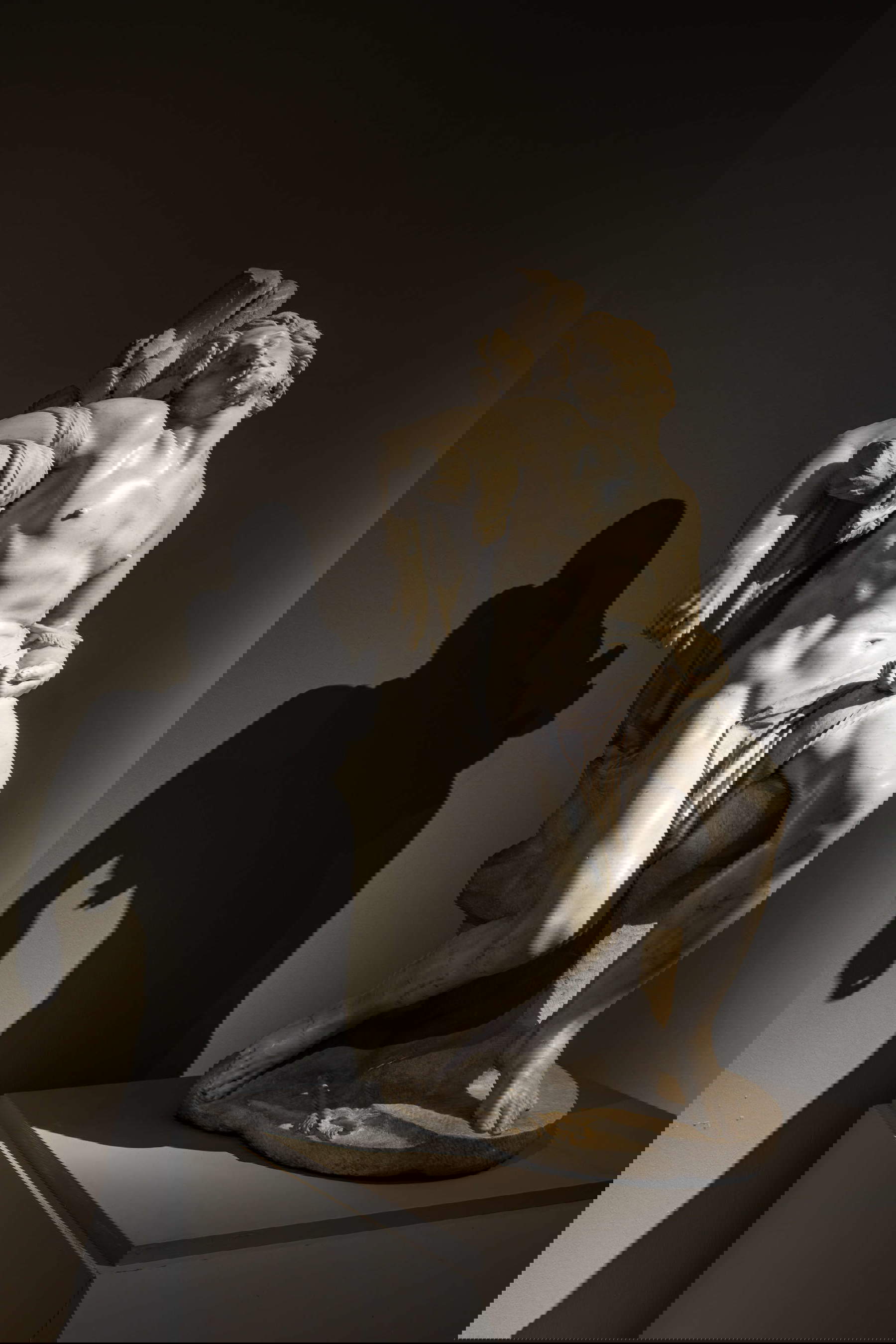
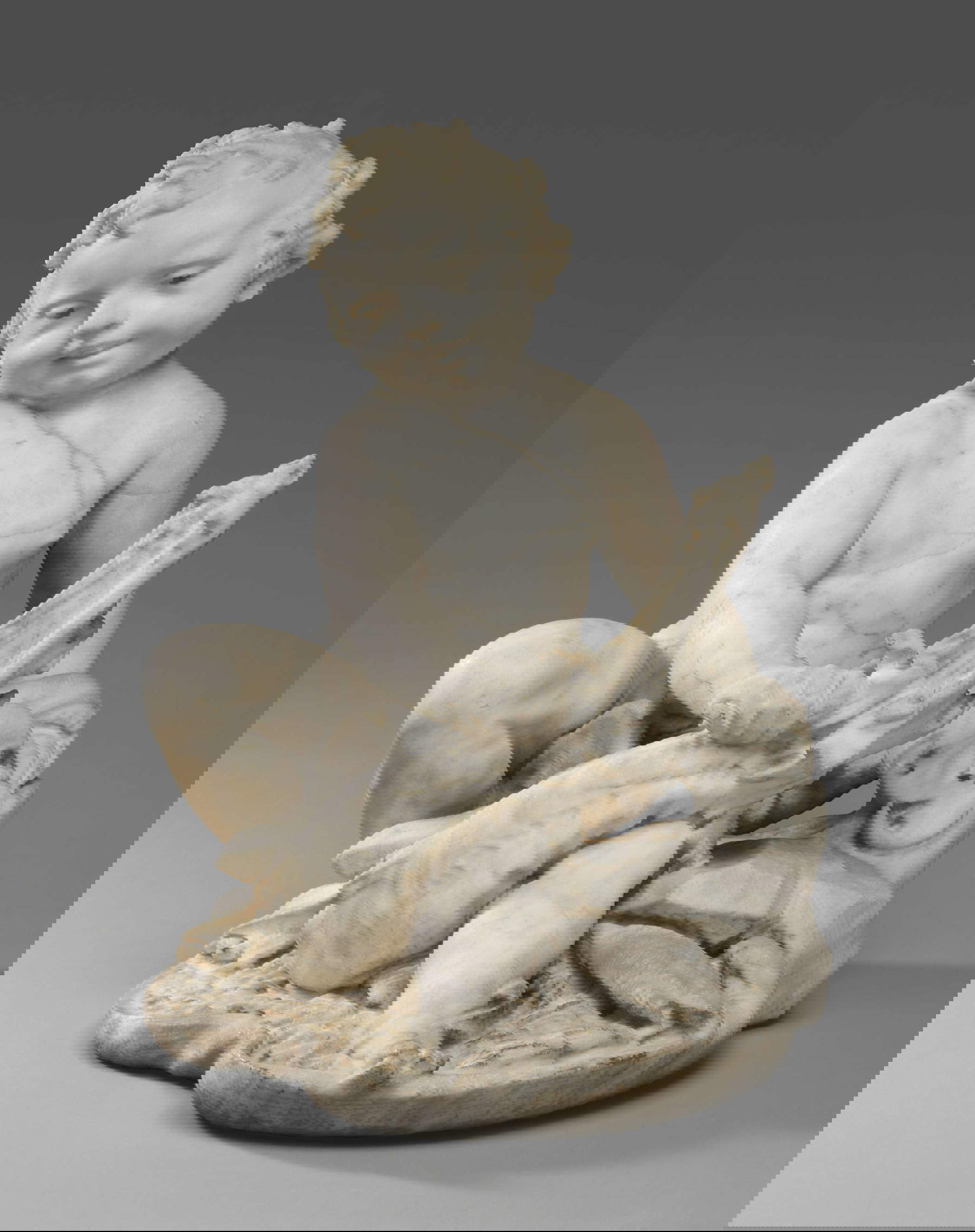
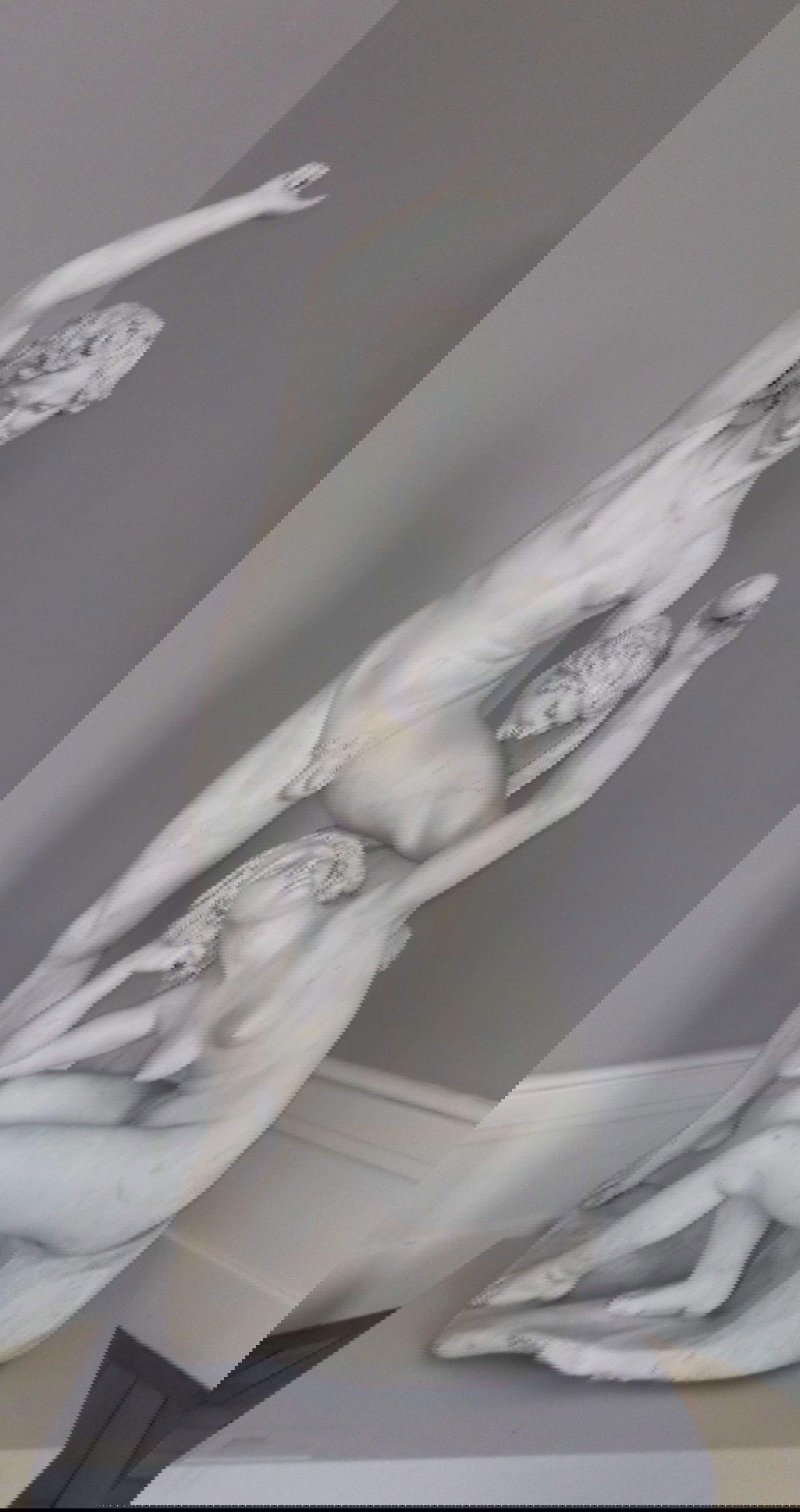
Bernini was not, however, merely the director of extraordinary public enterprises, and it would be all too easy to find there, among the marbles of St. Peter’s, under the columns of the Baldacchino, a kind of equal to Urban VIII, an artist endowed with a vision that exceeded even what man thought of himself, someone who s’invented seventeenth-century Rome on a par with the pontiff and perhaps even more so, since it was not just a matter of persuading Christians, of celebrating Urban VIII and his family, of constructing images that would impose the authority of the pontiff, and thus affirm papal power: it was a matter of building the very image of Rome, of inventing a completely new Rome. It would be all too easy to find here the man of unscrupulous ambitions, and it is perhaps the exercise that interests us least, although it could certainly be fascinating to understand to what extent, inside St. Peter’s, Bernini responded to Urban VIII and from where it is that he instead began to respond to himself. From the exhibition it would be convergent to get the idea that Bernini was not a man to have anything imposed on him. See the portraits, the long theory of portraits that, apart from a fleeting parenthesis on the vicissitudes of Palazzo Barberini (in which the little elephant of the Minerva also fits in for a moment), from the third room onwards is destined to accompany the public to the end of the exhibition, whether we are talking about marble and bronze portraits or painted portraits. And the distances between a public Bernini expressing himself through sculpture and a private Bernini entrusting the deposit of his most intimate meditations to the brushes are, perhaps, less unbridgeable than one might think: to what extent did a grim dilemma of sincerity really agitate the sleeps of that rebellious portraitist, capable of subverting even in official images any formality? Are the Barberini portraits carved in marble an indication of a torment that sought pertuosities and fissures wherever it could find them? Or are they, if anything, to be considered products that the artist truly felt were his own, children of his own hand and ingenuity on a par with anything he preferred to keep for himself?
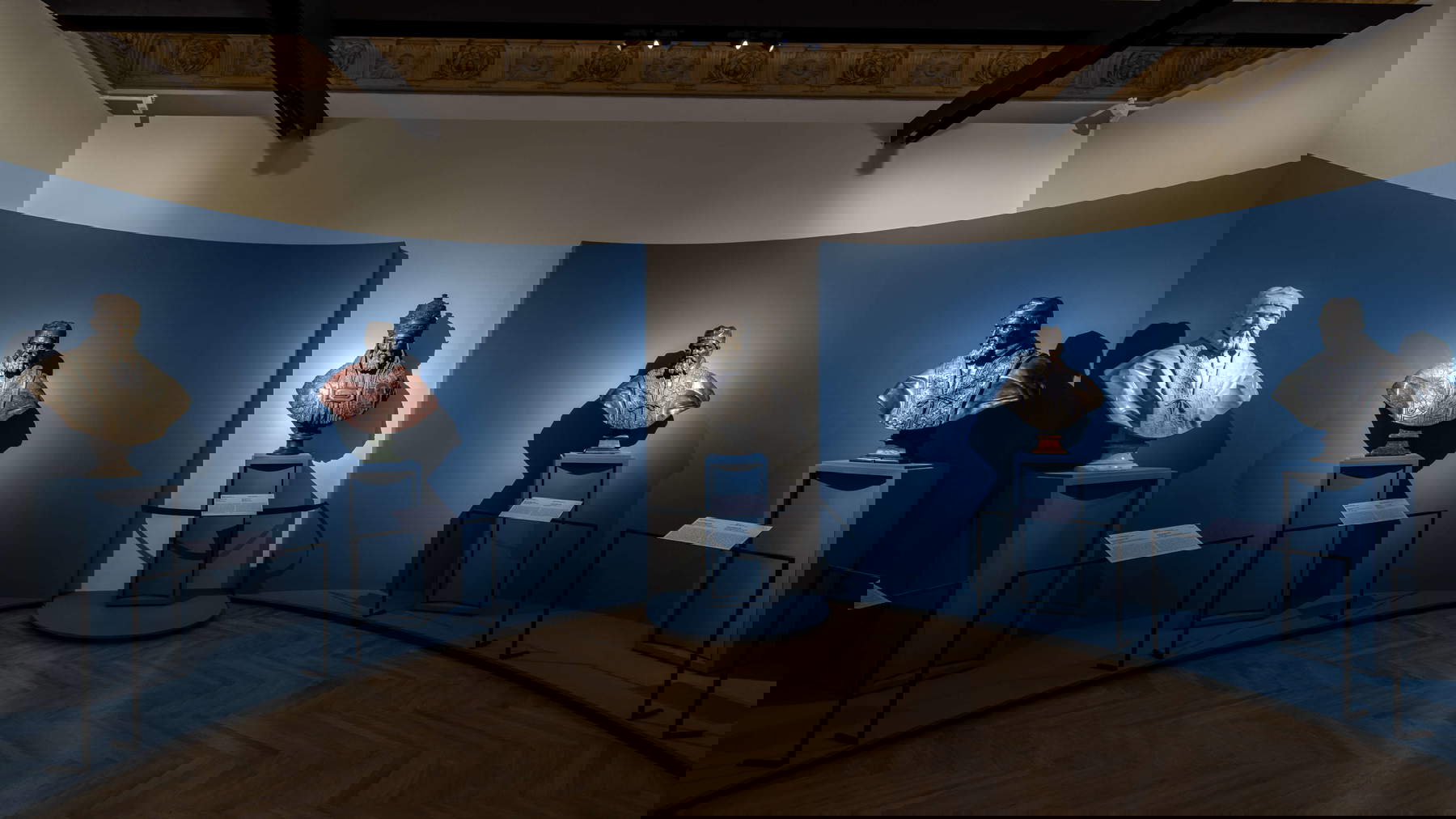
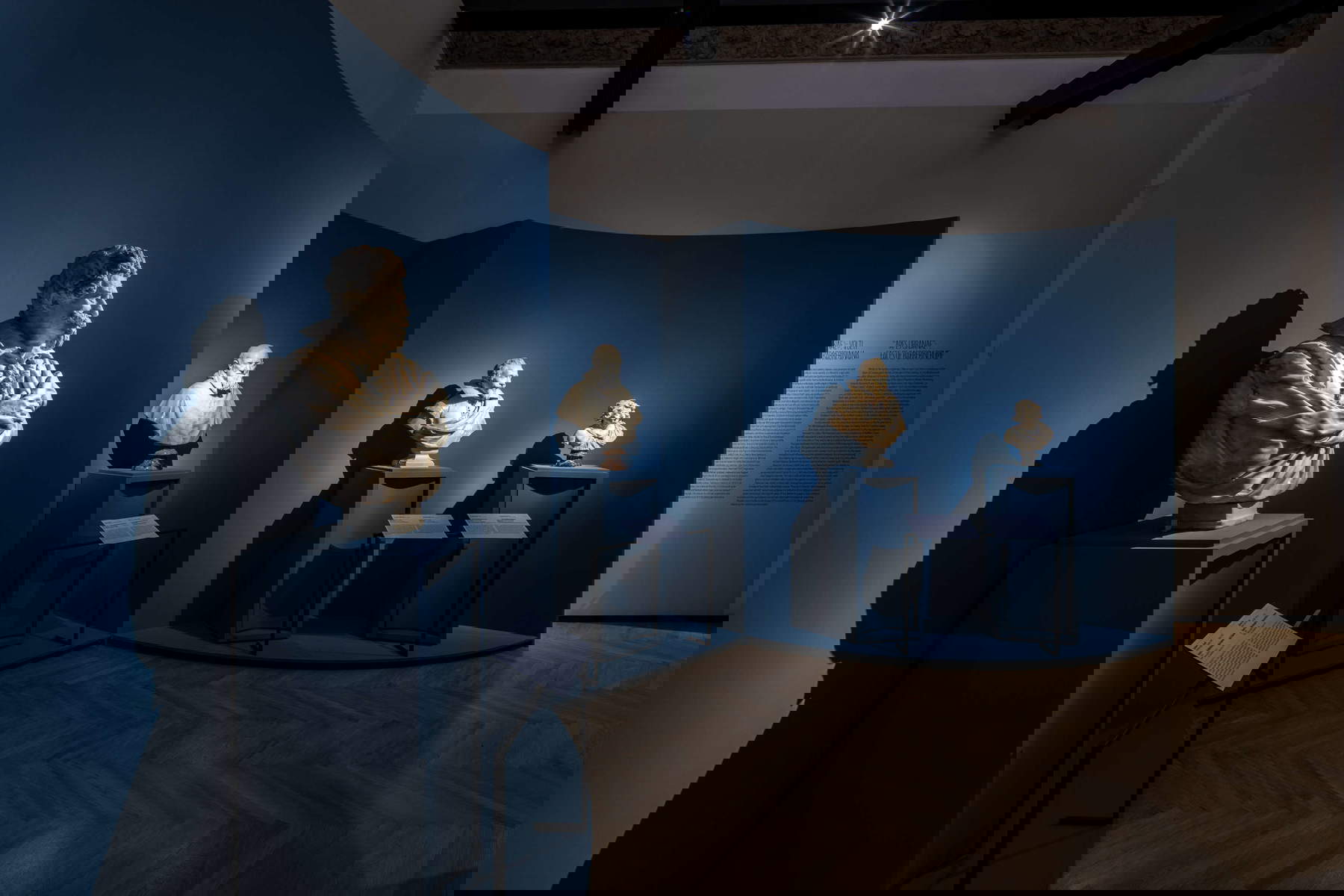
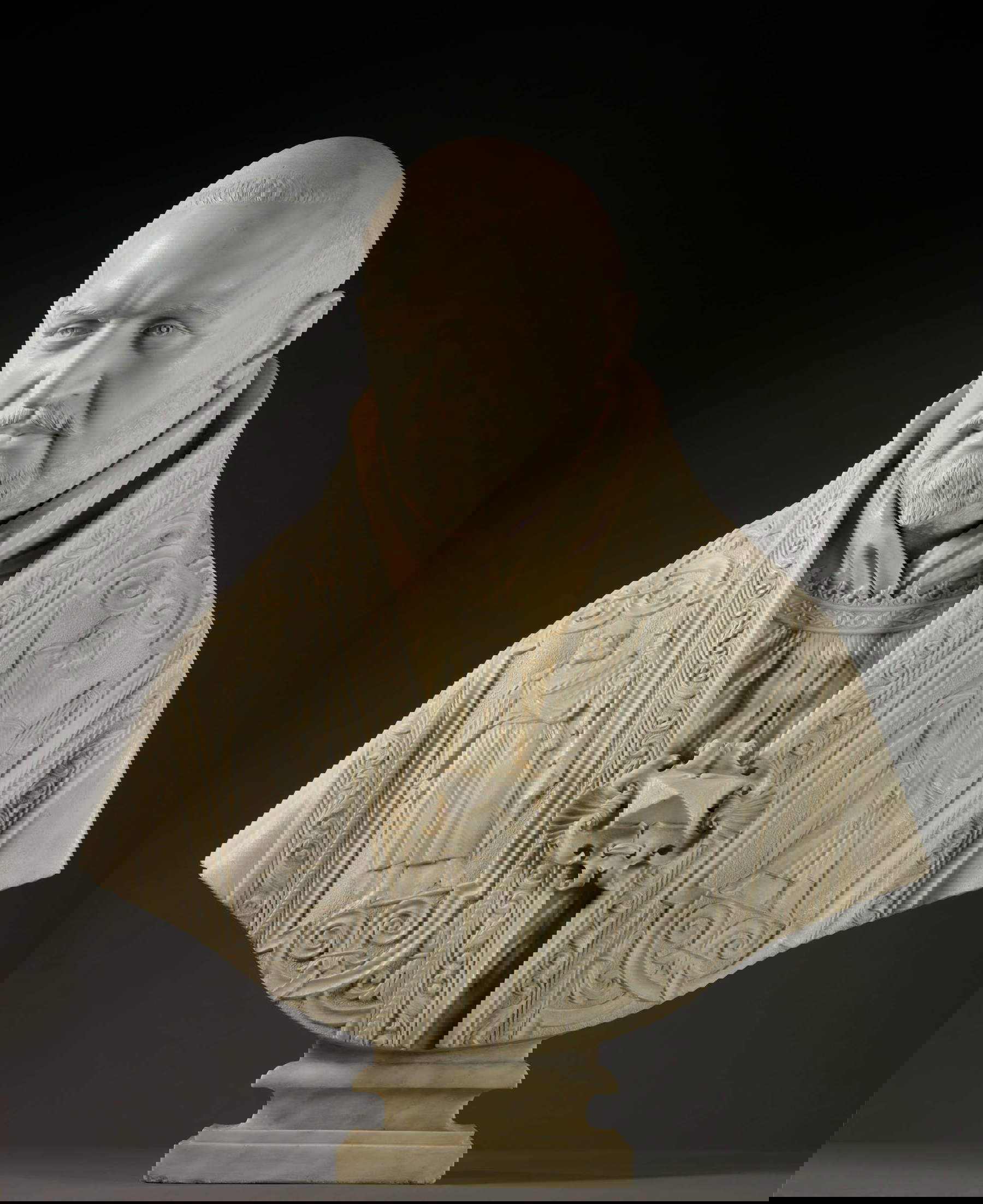
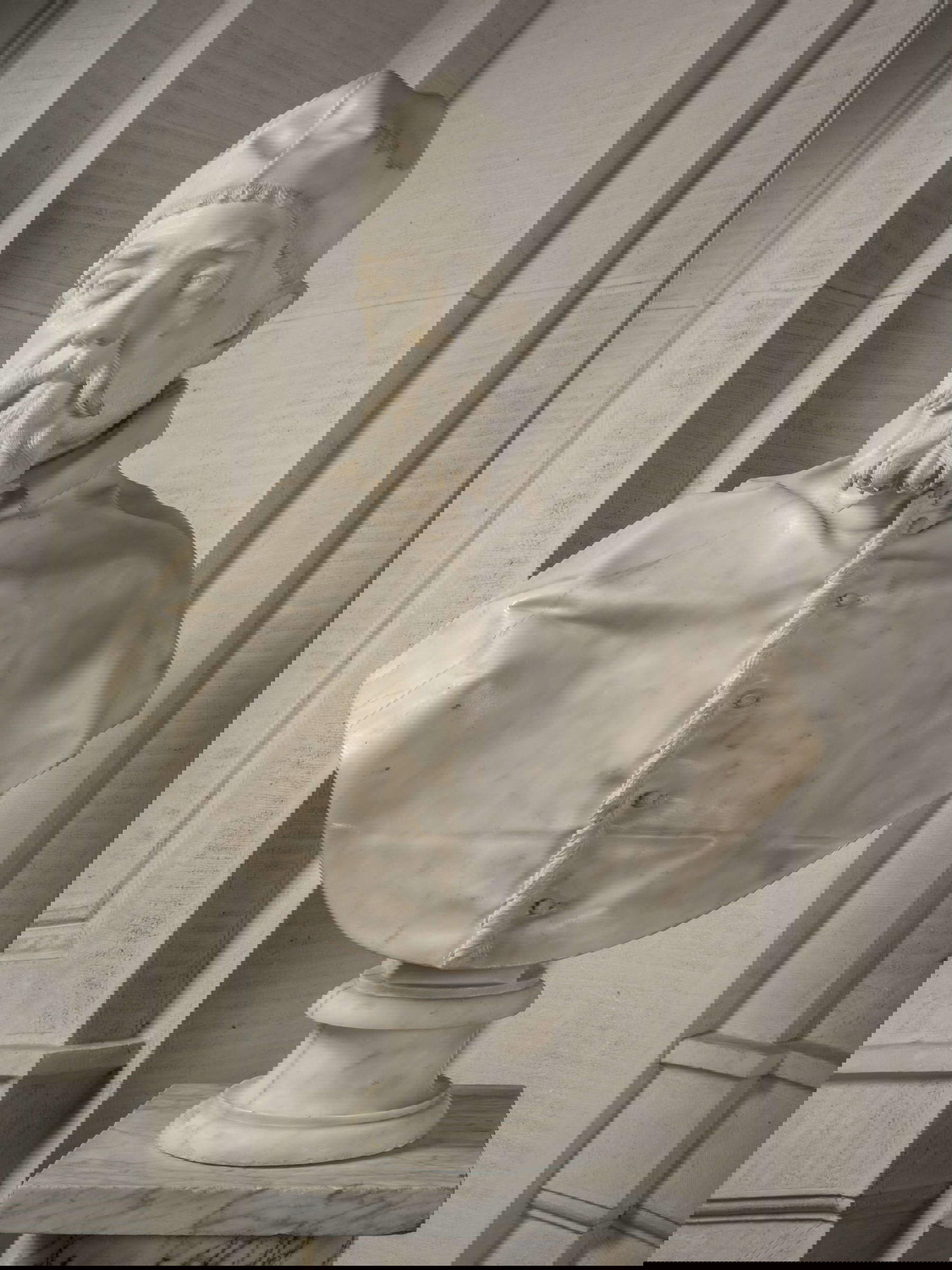
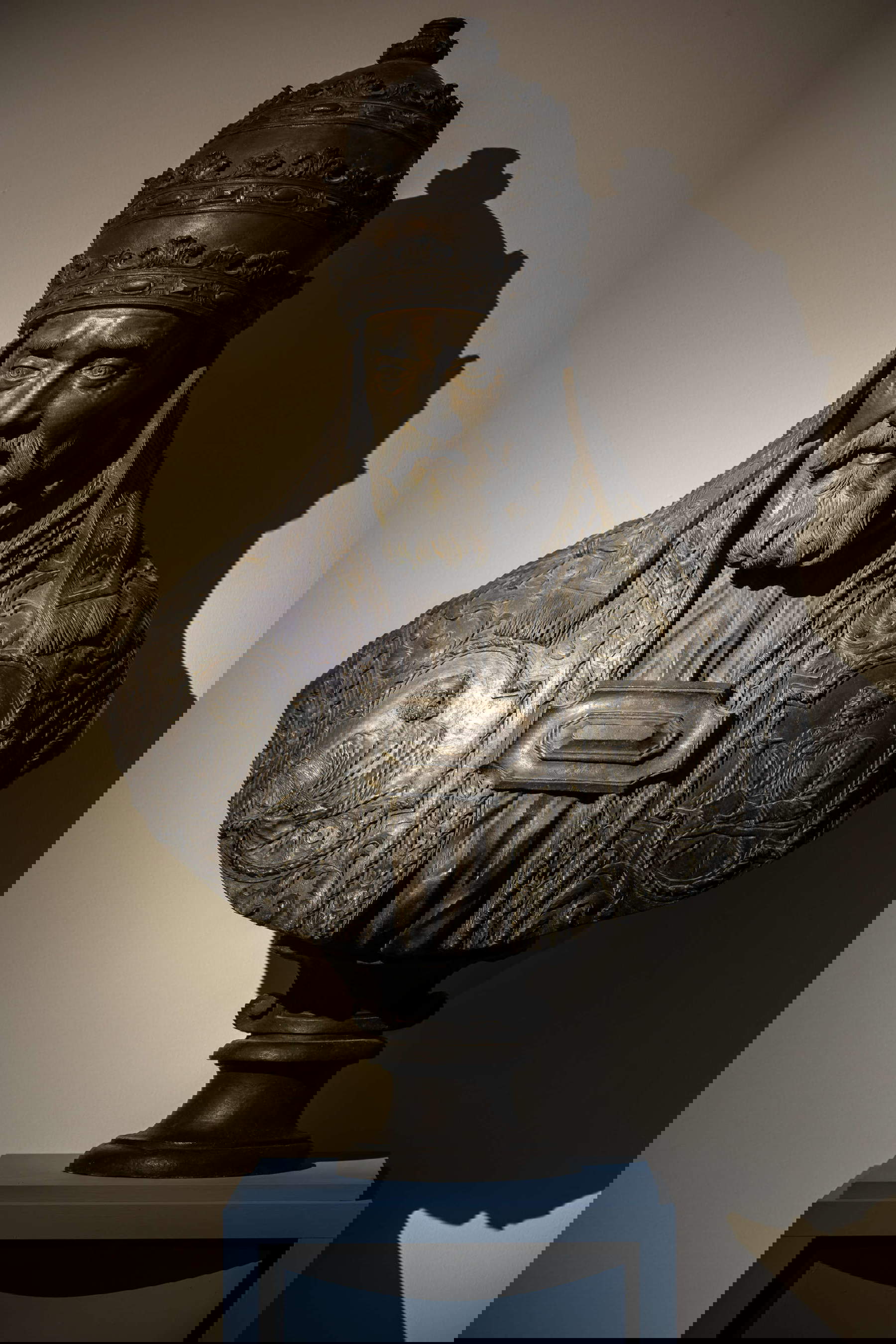
It is, Bernini’s portraiture, a sampler of nugae, of trifles, of futilities that end up taking on a physiognomy that may not be dominant, but is certainly relevant. And this is not only for weekend audiences who, looking at Bernini’s portraits, routinely scan the marble for the oddity, the excess, the curious detail, the flaw in the system. Of course: even if one were to consider these nugae as a form of renunciation, one could speak of a kind of controlled opposition. The problem, after all, has already been solved decades ago by Panofsky, in about twenty words: the detail is a symptom, small but significant, of the fact that in the age of the baroque, dignity was compatible with nonchalance, with naturalness. It is, however, an element that makes it necessary to subtract Bernini’s nugae from any possible carelessness, because it is also there, precisely in those smallnesses that move and amuse the public, that there lurks a will but at the same time also the natural expression of a temperament that finds, in those speaking portraits, a further ground for experimentation. From the very first portraits, ever since that Bust of Paul V arrived on loan for the Getty exhibition in Los Angeles (exceptional loan: the work returns to Rome for the first time since 1893), where one lingers not so much on that projecting boss that looks like an architectural element, nor on the cope decorated with the figures of St. Peter and St. Paul (which is not even symmetrical: it is moved to give the idea that under the vestments a body moves, there is flesh). And one does not even notice the intensity of the gaze, the deep psychological penetration of which Bernini proves himself capable at the age of twenty-three. No: one looks at the frowning skin over the hollow of the nose, one looks at the mole poking out under the right eyebrow, one looks at the lace of the shirt, one lingers on the hairs of the beard left a little longer under the chin, on everything that turns theicon and speaks the language of human beings, on everything that distorts, desecrates, on everything that attenuates any reflection of divinity and ends up bringing the pontiff closer to his ecclesia perhaps far more than he himself would have liked, had he been given the opportunity to see that portrait. When one looks at the bust of Antonio Barberini the Elder one notices, even before the truthfulness of expression and movement, the third button of his shirt, which is left undone. Almost exactly as in the celebrated bust of Urban VIII in the Palazzo Barberini, with the button of the mozzetta half having escaped its buttonhole. In the long series of busts of Urban VIII one can admire the strings and decorations of the stole, the movements of the folds of the mozzetta, the imperceptible movements of the gaze that were evidently meant to convey the idea of a vigilant and thinking pontiff. They were works often designed to depict living patrons: Bernini also proved to be extraordinarily revolutionary in adapting to renewed instances a genre that until the early seventeenth century, and still for much of the century, had remained essentially bound to the function of remembrance and memory. Nonetheless, a faint funereal grace persists on those faces that even overshadows the images designed to affirm Barberini’s power, a gloomy delicacy that obscures even the seemingly haughtiest and most imperious bust, the one commissioned by Urban VIII to Bernini in 1640 as a gift to Spoleto cathedral, to the point that the’public image of the pope, here even wearing the triregnum, almost seems to crack under that suffering gaze, so much so that Michele Di Monte, author of the catalog entry, says there is no reason to believe that “Bernini first cared to portray his pontiff and patron as a victor of History.”
Bernini’s nugae return, chase each other, litter throughout his portraiture with insistent recurrence. In the room where the images of the Apes urbanae, the vast constellation of the presences of the Barberini entourage, scroll by, one lingers on the horizontal folds of Pietro Valier’s mozzetta, which looks as if it has just been pulled out of a drawer, and one’witness a kind of contest in virtuosity between the master, who in the dubious portrait of Bartolomeo Roscioli, perhaps executed with the help of his workshop, indulges in a rendering of fur of exquisite tactile finesse, and his pupil Giuliano Finelli, who in 1630 finished a bust of Michelangelo Buonarroti the Younger with few equals in terms of sensory elaboration of detail: the wavy hair, the crumpled collar, the wrinkles on his forehead and hand, the buttons on his shirt, the bee poking out of his lapel to indicate his clan membership. And Bernini, one might malign, would even go so far as to imitate Finelli in the bust of Thomas Baker, which cost him friction with Urban VIII and which closes the exhibition, along with some evidence of Bernini as a painter and the bust of Costanza Bonarelli that offers a kind of theatrical coda, to account for ’an alleged opposition between “Bernini’s freedom” and “Urban VIII’s power,” the dyad chosen to title the last section.
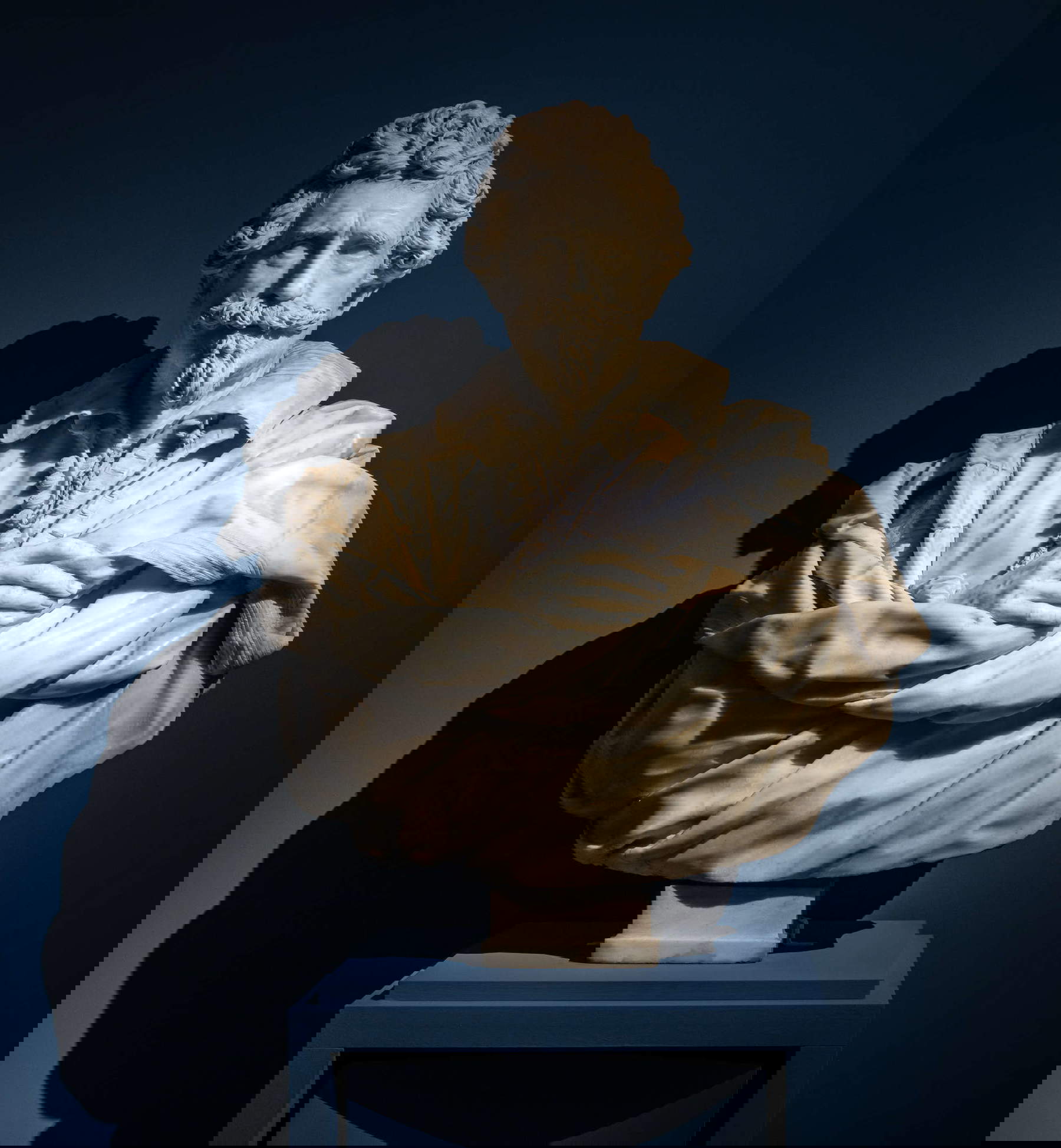
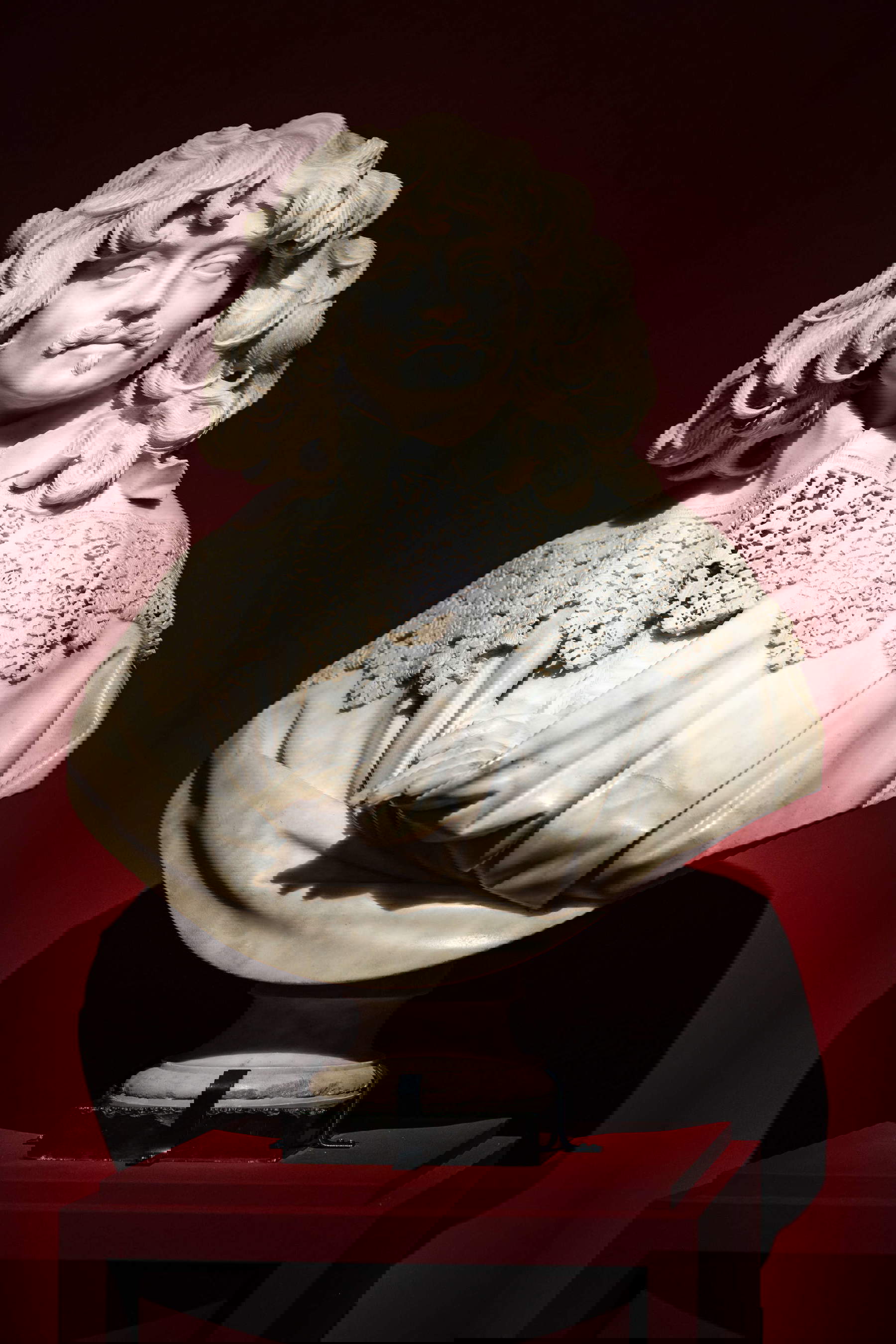
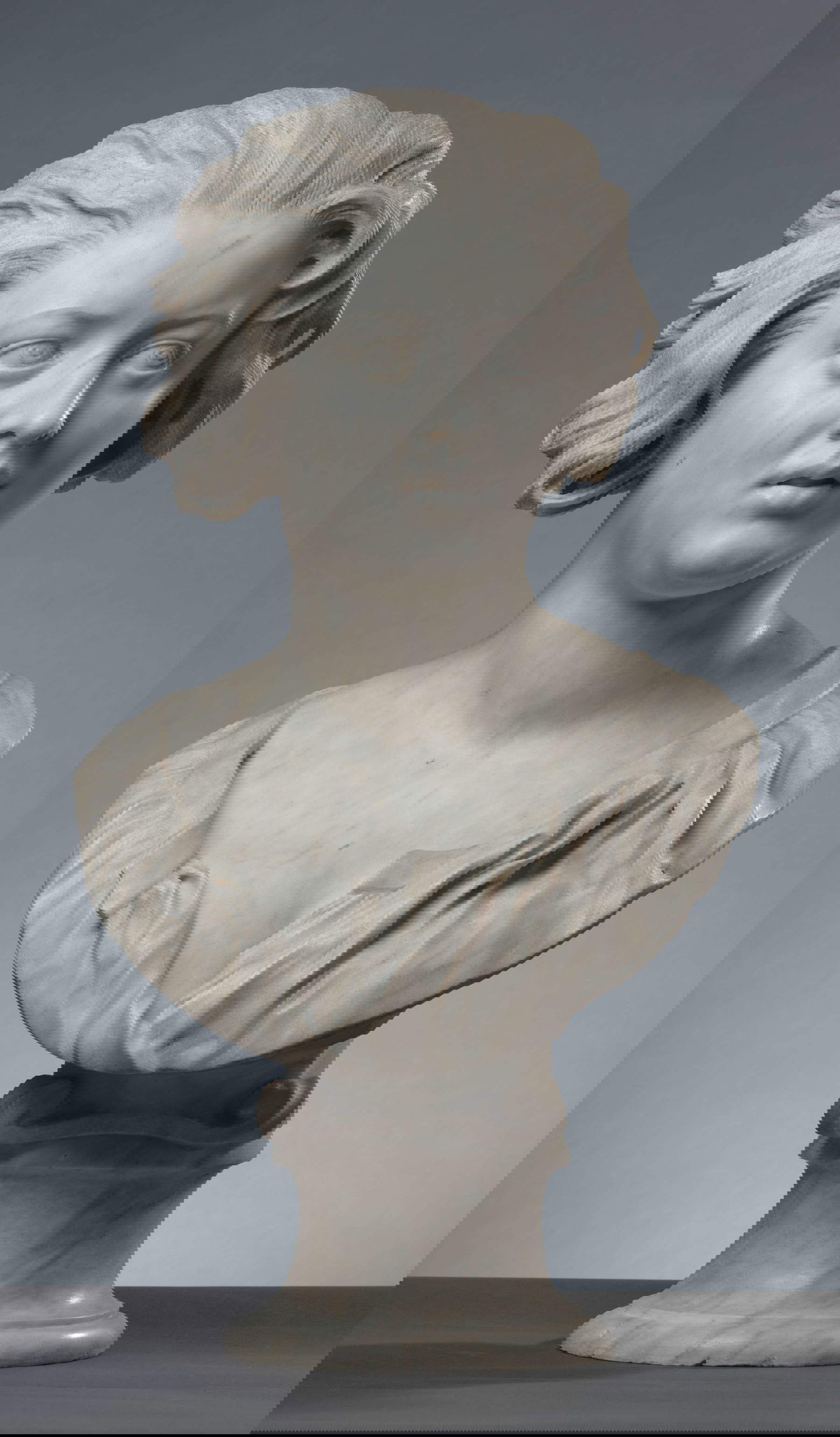
It is, however, an opposition that seems too binary, too consolatory, too presentist, and presumes perhaps to glean from the paintings, from those portraits of anonymous people without identifiable patrons and never used in public contexts (and therefore genuinely autonomous, of aautonomy demonstrable not by intuition but on the basis of solid historiographical arguments), a Bernini anxious to escape from the system, a Bernini “truly free from the conditioning of patronage,” the panel in the last room informs us, partially contradicted by the tragic affair of hislove affair with Costanza Bonarelli, the results of which are read as symptoms of the attitude of a man who evidently felt himself beyond the rules, so free that he allowed himself to give scandal, so free that his mother Angelica wrote a supplication to Urban VIII to ask him to curb that 40-year-old son who’had entered his house, “as if he were the Master of the World,” with the intention of killing his brother, guilty of having taken his mistress away from him, after having paid a hitman to have the poor girl disfigured.
There remains, rather, doubt. This could be the horizon of meaning through which to read the exhibition, the succession of rooms, the succession of works that bear witness to the birth and rise of an artist built to be the inventor of a world. And there is little that is reassuring, because it is necessary to assume that there exists a certain degree of nonchalance, of boldness, a tiny germ of self-determination even when shaping the throne of a monarch (and it is a lesson that, after the example of the French Revolution, since it is in any case difficult, not to say impossible, to liken Bernini’s role to that of an ideologue, will be kept well in mind by the regimes of the twentieth century). The question remains, then, whether Bernini felt all that burden as a constraint, or whether he was rather an artist fully aware of his role, an artist who understood how to inhabit the system, an artist aware of being both the instrument of papal propaganda and a man who had to and wanted to answer first and foremost to himself. An artist, therefore, capable of making himself autonomous not in spite of the pope, but through the pope, to the point that his freedom would end up taking on the ambiguous, obscure, elusive and dizzying traits of that of a demiurge. A demiurge who had the capacity to exceed whatever purpose was assigned to him. In all likelihood, the real Bernini will forever remain elusive.

The author of this article: Federico Giannini
Nato a Massa nel 1986, si è laureato nel 2010 in Informatica Umanistica all’Università di Pisa. Nel 2009 ha iniziato a lavorare nel settore della comunicazione su web, con particolare riferimento alla comunicazione per i beni culturali. Nel 2017 ha fondato con Ilaria Baratta la rivista Finestre sull’Arte. Dalla fondazione è direttore responsabile della rivista. Nel 2025 ha scritto il libro Vero, Falso, Fake. Credenze, errori e falsità nel mondo dell'arte (Giunti editore). Collabora e ha collaborato con diverse riviste, tra cui Art e Dossier e Left, e per la televisione è stato autore del documentario Le mani dell’arte (Rai 5) ed è stato tra i presentatori del programma Dorian – L’arte non invecchia (Rai 5). Al suo attivo anche docenze in materia di giornalismo culturale all'Università di Genova e all'Ordine dei Giornalisti, inoltre partecipa regolarmente come relatore e moderatore su temi di arte e cultura a numerosi convegni (tra gli altri: Lu.Bec. Lucca Beni Culturali, Ro.Me Exhibition, Con-Vivere Festival, TTG Travel Experience).
Warning: the translation into English of the original Italian article was created using automatic tools. We undertake to review all articles, but we do not guarantee the total absence of inaccuracies in the translation due to the program. You can find the original by clicking on the ITA button. If you find any mistake,please contact us.






















 IT
IT FR
FR DE
DE ES
ES CN
CN


