




by Redazione 09/12/2025



Categories: Travel / Disclaimer
Behind the worldly face of the Principality lies a rich cultural identity. Museums, historic palaces, gardens and neighborhoods tell centuries of art, tradition and science, offering a unique itinerary to discover the true soul of Monaco.

The Principality of Monaco is often associated with its best-known face, that of glamour, social events and international glamour that attracts visitors from all over the world. Behind this instantly recognizable image , however, lies a layered cultural dimension rooted in centuries and visible in every neighborhood of this unique city-state. Museums, historical sites, gardens and symbolic places outline a route that allows visitors to delve into the history of the area, understand its evolution and discover an artistic tradition that is intertwined with the daily life of the Principality. Exploring the different districts is a way to get in touch with the true Monegasque identity, which is not limited to its international image, but is rooted in a complex and established culture. For those who wish to get closer to the culturalsoul of the Principality, it is possible to take a comprehensive itinerary through museums, palaces, historic buildings and old neighborhoods, offering an in-depth look at the nuances of the city. These spaces, spread across the various districts, are a reference point for those who want to optimize their time and gain an in-depth understanding of the area’s historical and artistic legacy.

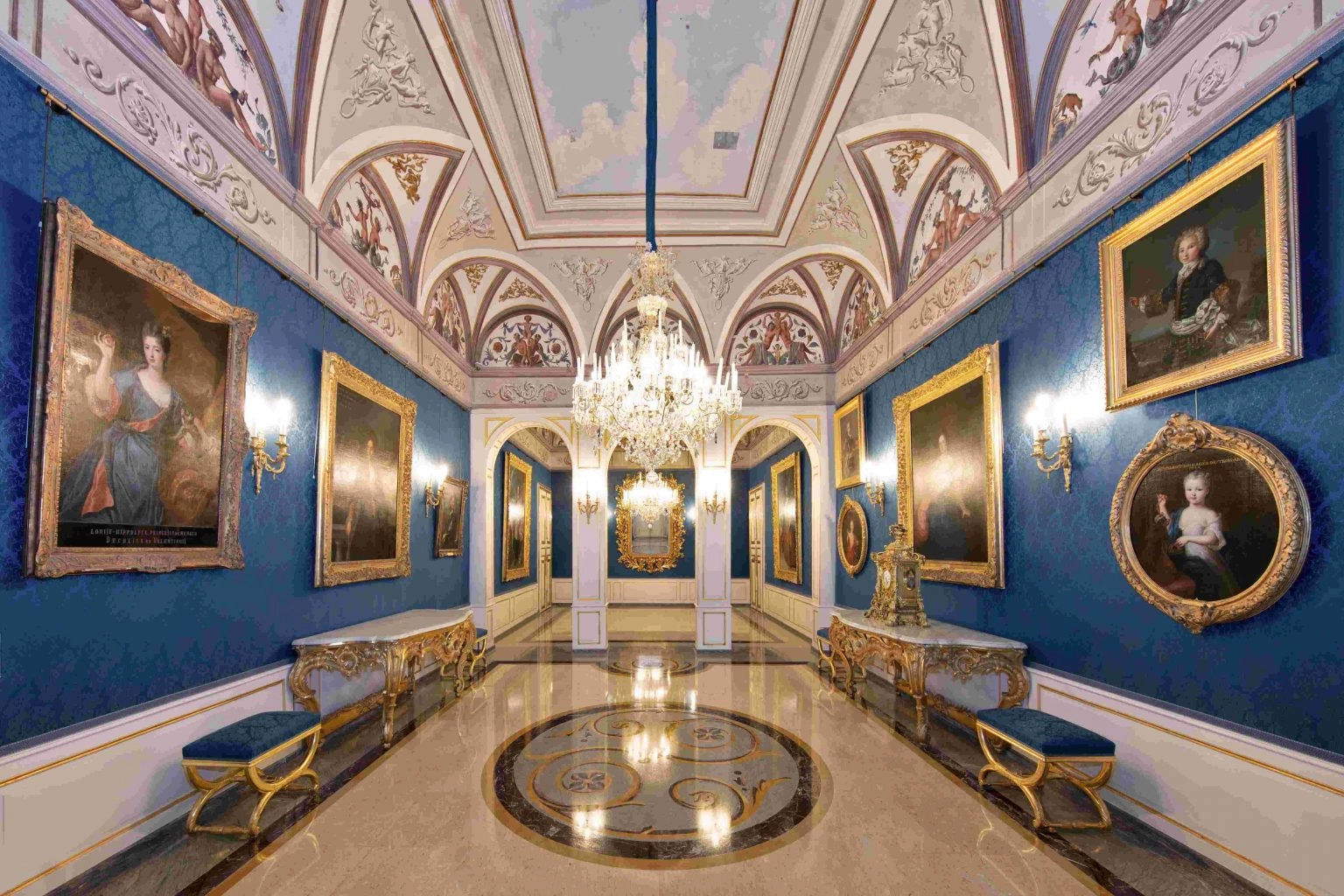
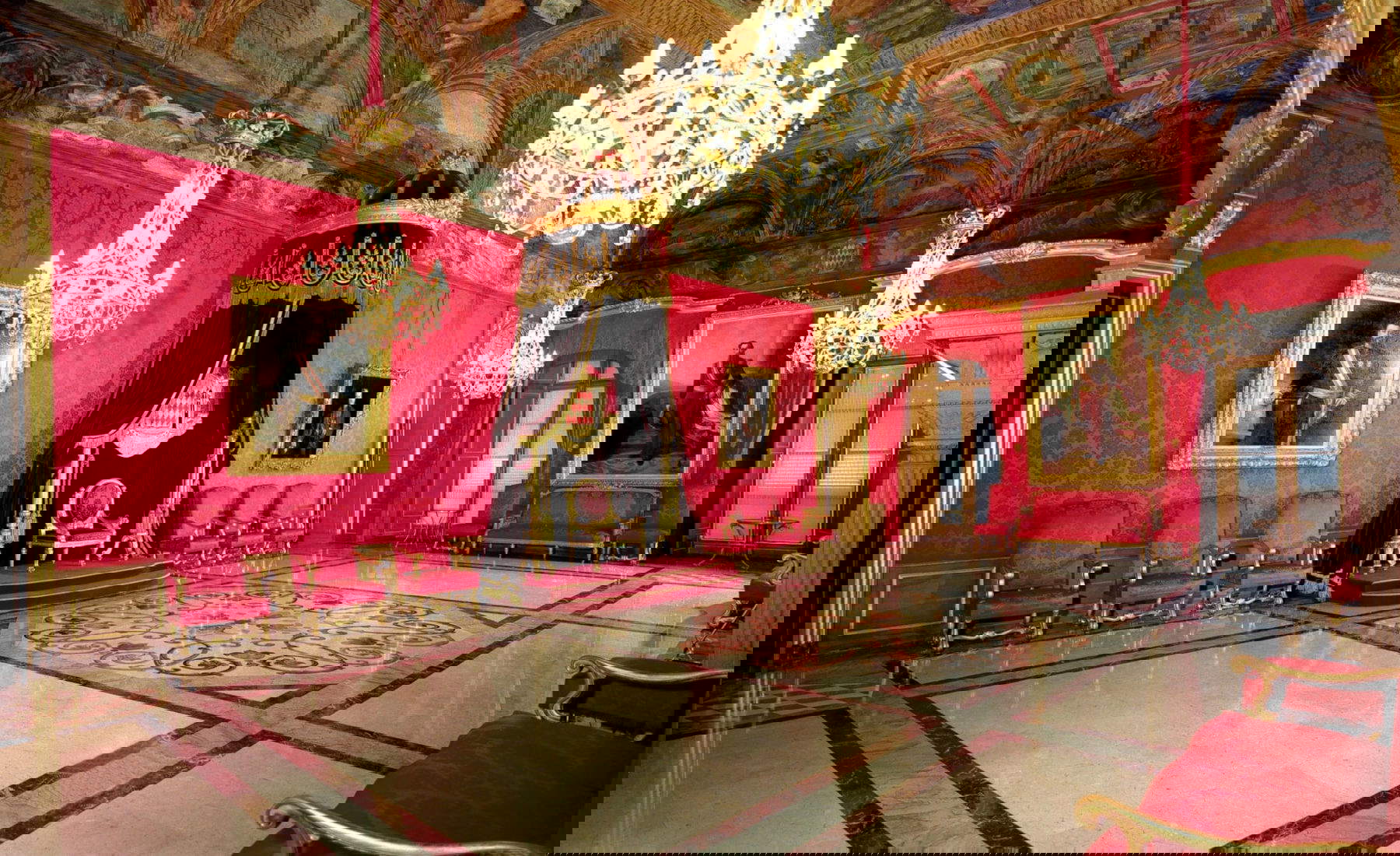
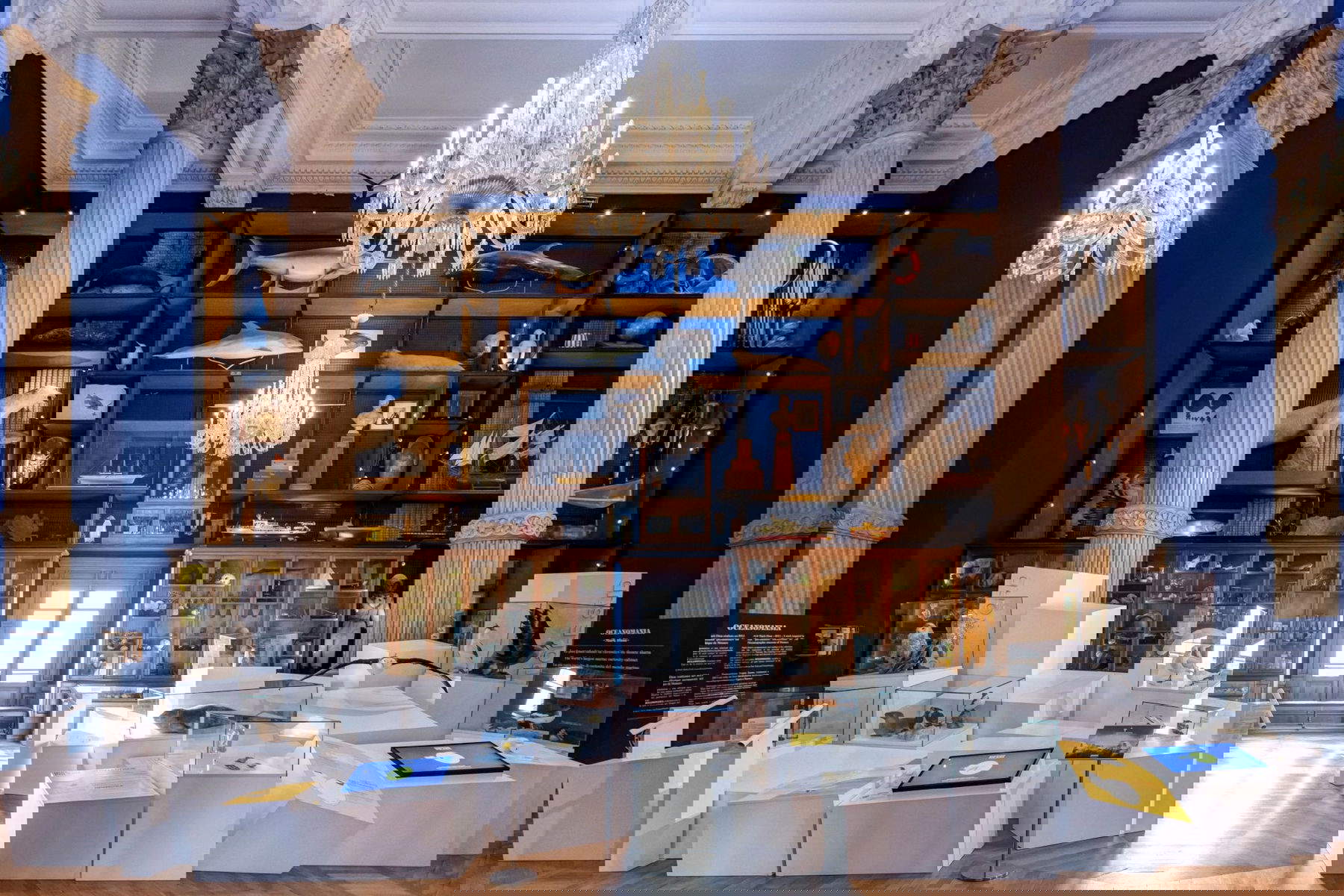
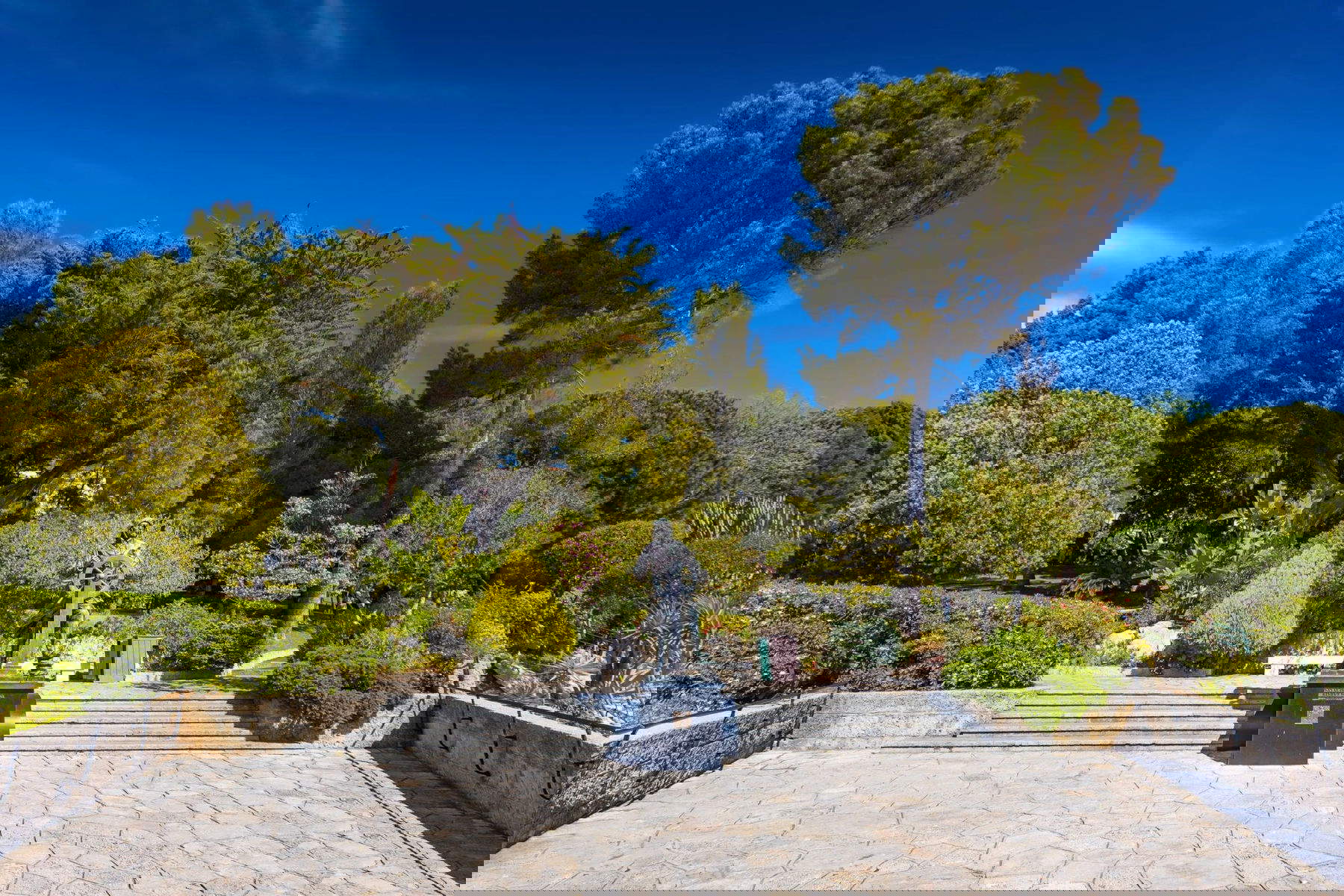
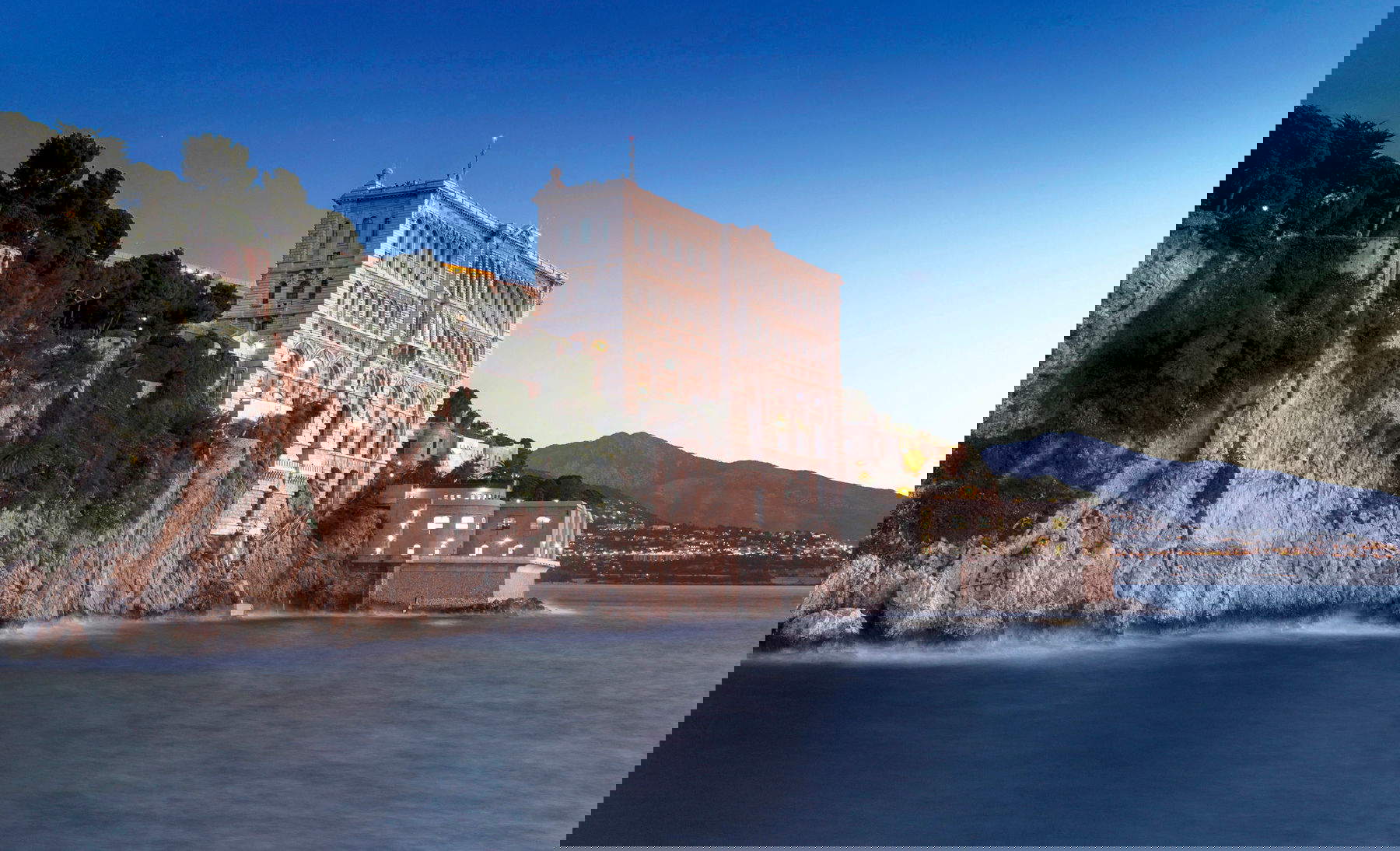
Among the most iconic venues is the Palace of the Princes of Monaco, open to the public from April until mid-September, a symbol of the House of Grimaldi and official residence for more than seven centuries. Located on the Rock in Monaco-Ville, the oldest district of the principality, it dominates the landscape and testifies to the historical importance of the Monegasque dynasty. The palace is not only an institutional site, but an essential stop to understand the political history of the principality and take a closer look at the rooms that have welcomed generations of rulers. On the same square, the changing of the guard takes place every day, a ceremonial ceremony that attracts many visitors and helps keep alive a tradition rooted in city life. Another pillar of Monaco’s cultural heritage is the Oceanographic Museum, an institution that has been dedicated to the study and protection of marine ecosystems for more than a century. The museum brings together aquariums, scientific instruments and works of art related to the marine world, offering activities and exhibitions throughout the year. Its educational role, combined with the wealth of its collections, makes it one of the most visited cultural centers in the Principality. Near the museum are the Saint-Martin and Sainte-Barbe Gardens, a green oasis that accompanies visitors along a path between botany, art and nature, offering one of the most striking views of the promontory.


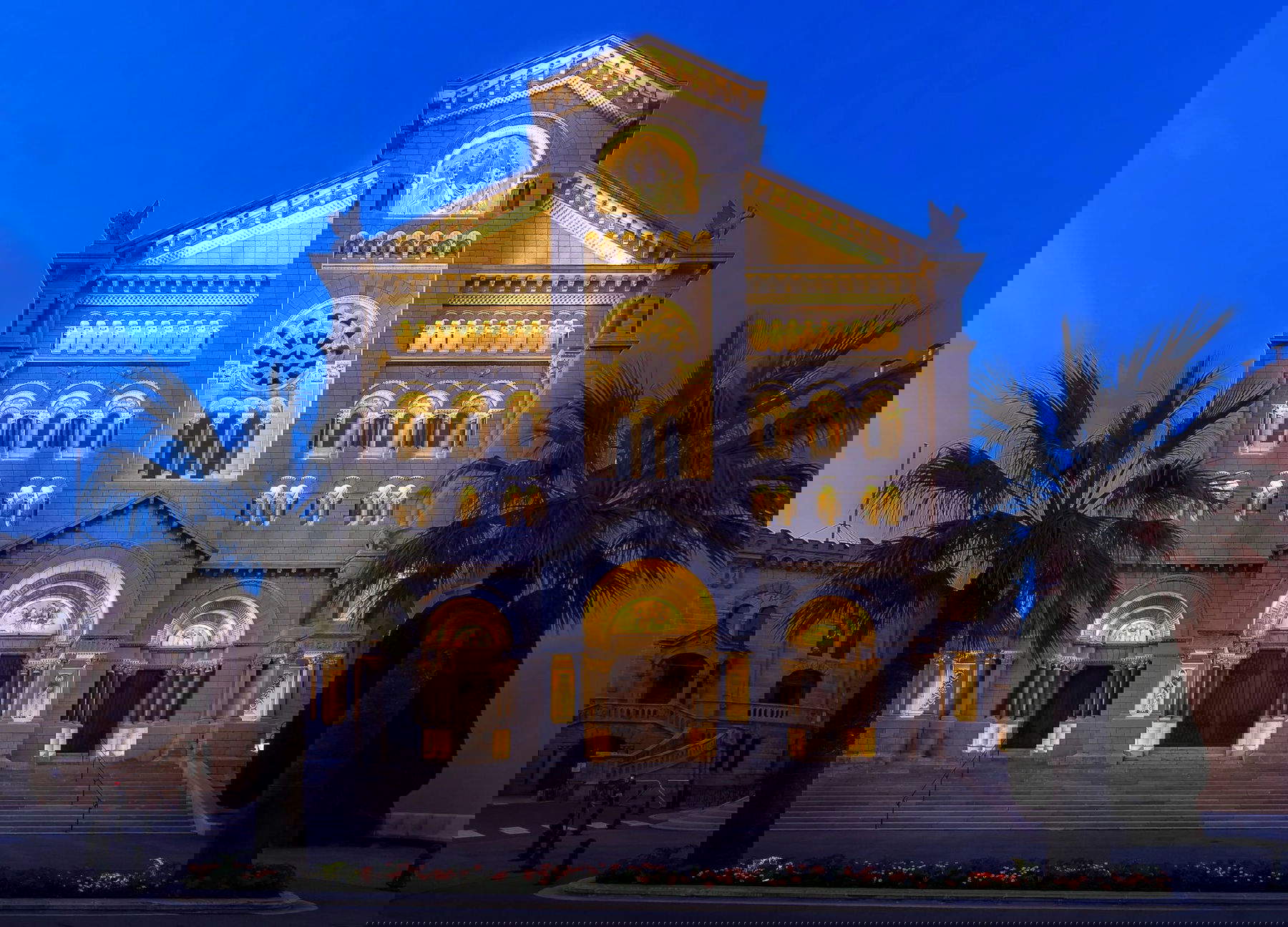
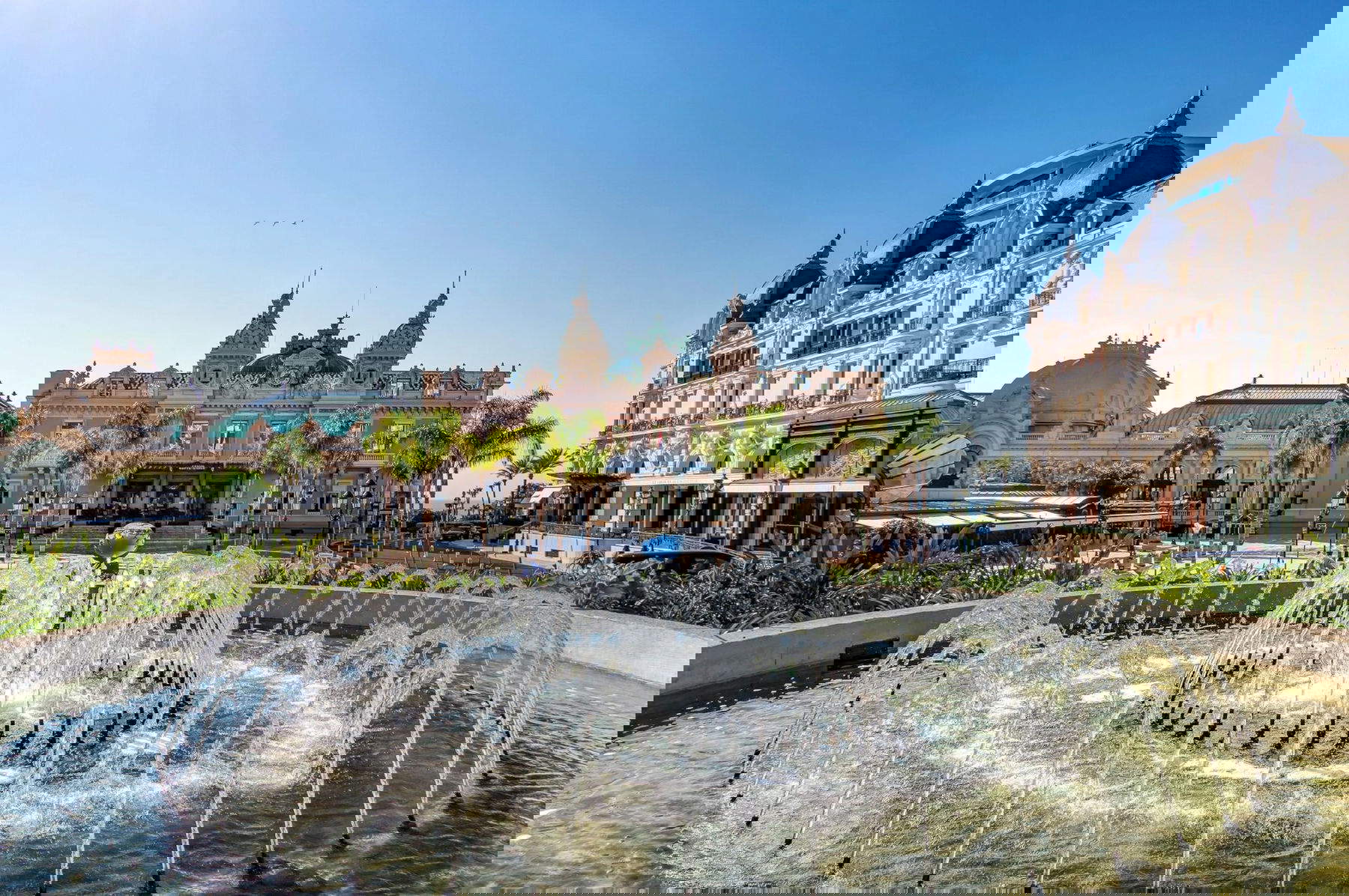
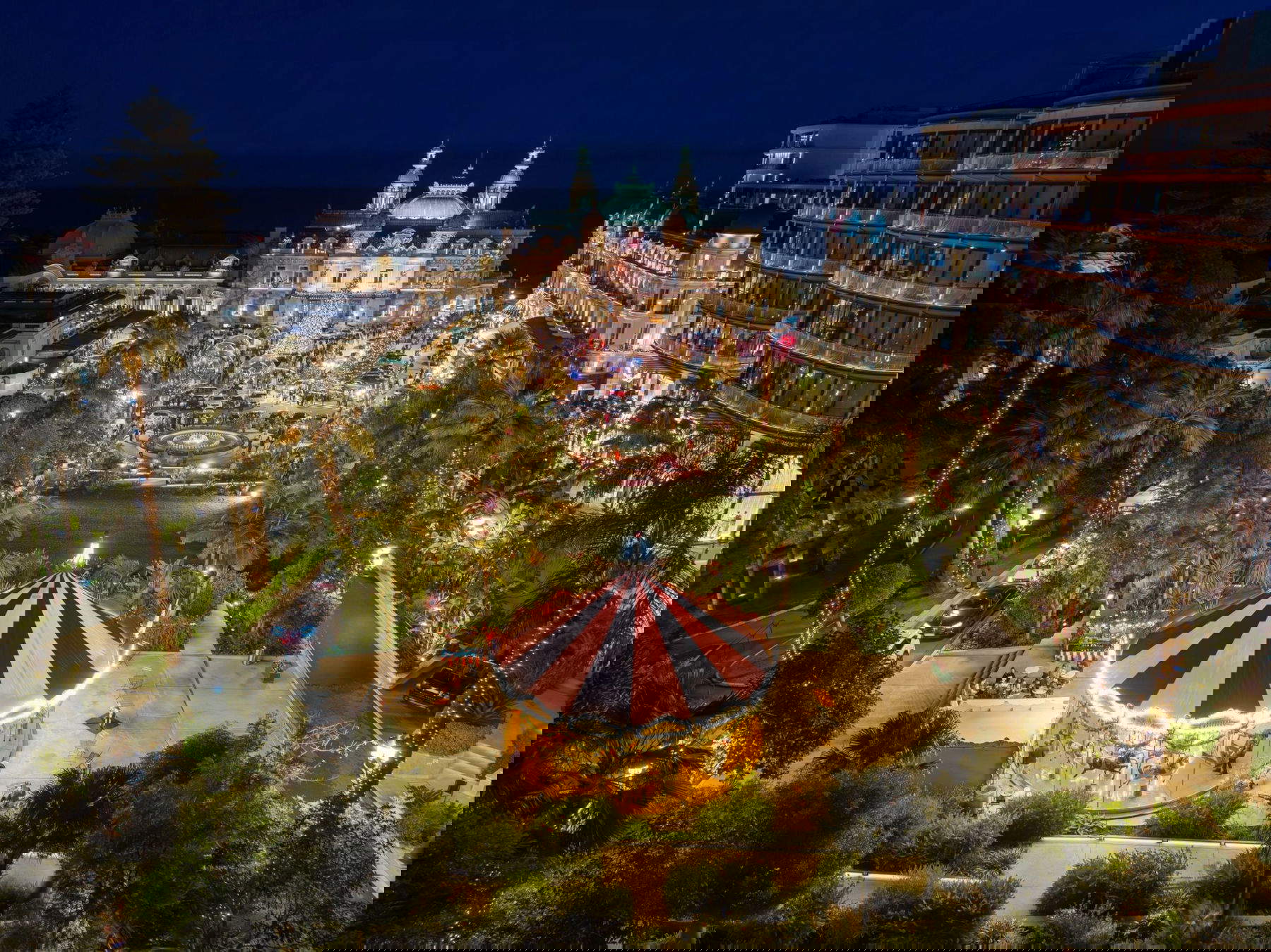
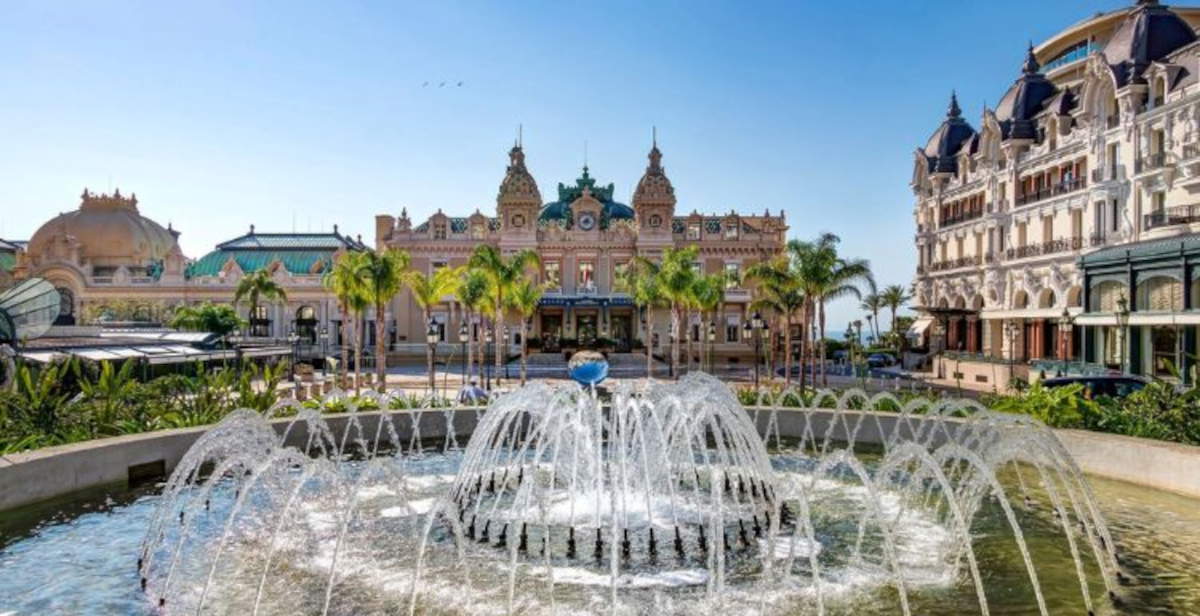
Alongside historical and scientific symbols, Monaco guards an architectural heritage linked to the Belle Époque, represented above all by the Casino de Monte-Carlo. With its celebrated facade and richly decorated salons, the casino goes beyond its function as a gambling venue, shaping itself as one of the city’s most significant buildings. Similarly, the nearby Café de Paris Monte-Carlo, renovated but true to its original spirit, continues to be a gathering place for residents and visitors alike, embodying an idea of conviviality and tradition that has belonged to Monegasque life for generations. Historical and artistic highlights include Villa Paloma, and Villa Sauber, the main headquarters of the New National Museum of Monaco. Created from the collections of the Museum of Local History (1873-1889) and the Museum of Fine Arts (1935-1958), the New National Museum was established in 1972 and hosts temporary exhibitions of contemporary art, photography, and film. In 2010, Villa Paloma was instead opened as a second exhibition space. Among the sites that tell the identity and memory of the area is the Notre-Dame-Immaculée Cathedral, a Romanesque-Byzantine place of worship located in Monaco-Ville. The cathedral houses the tombs of princes and hosts numerous official ceremonies, linking the present with the religious and institutional history of the Principality. Not far away is the Museum of Traditions, established a century ago with the aim of preserving Monegasque national identity and language. Its activities testify to Monaco’s attention to the preservation of its cultural roots through constant work aimed at collective memory.


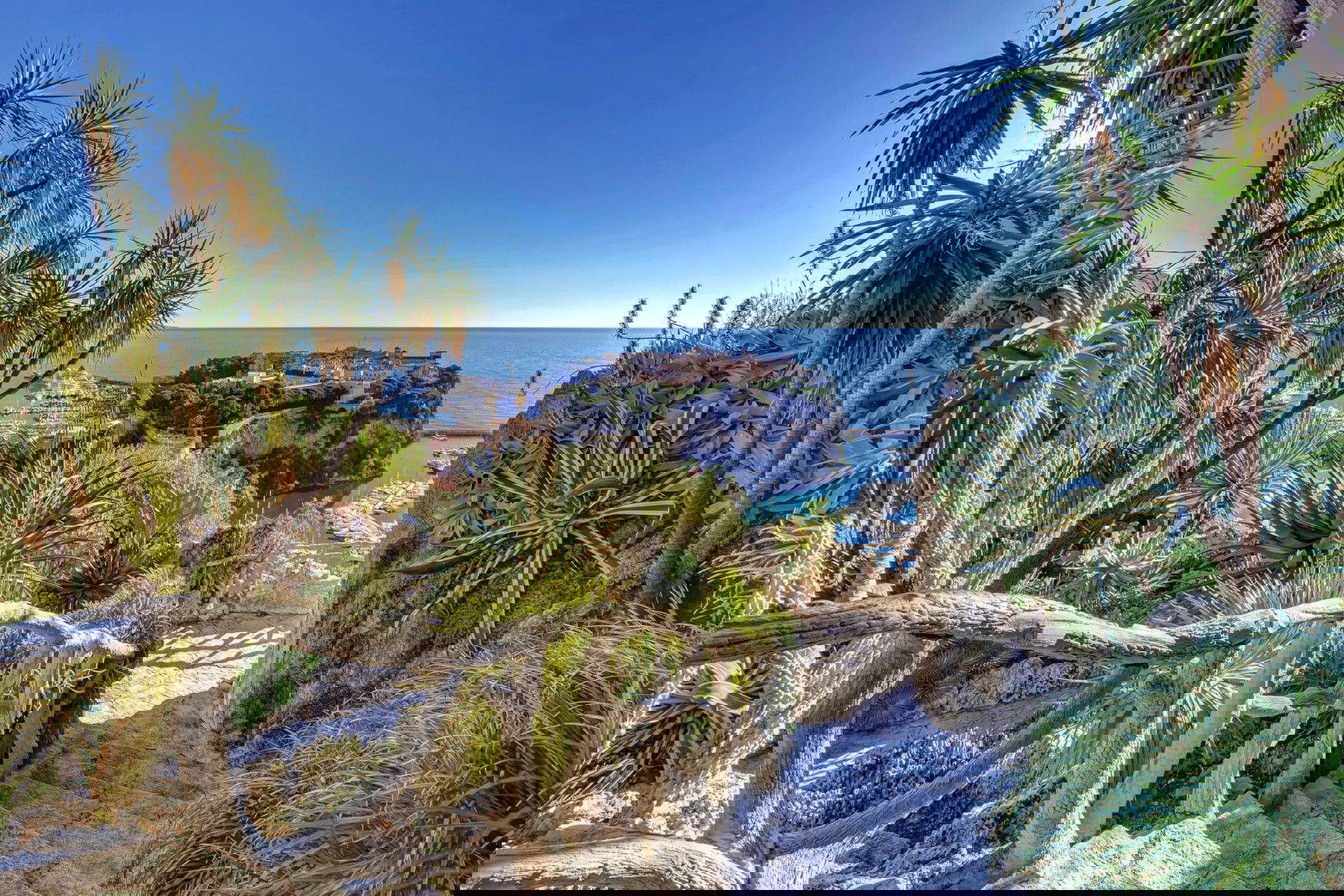
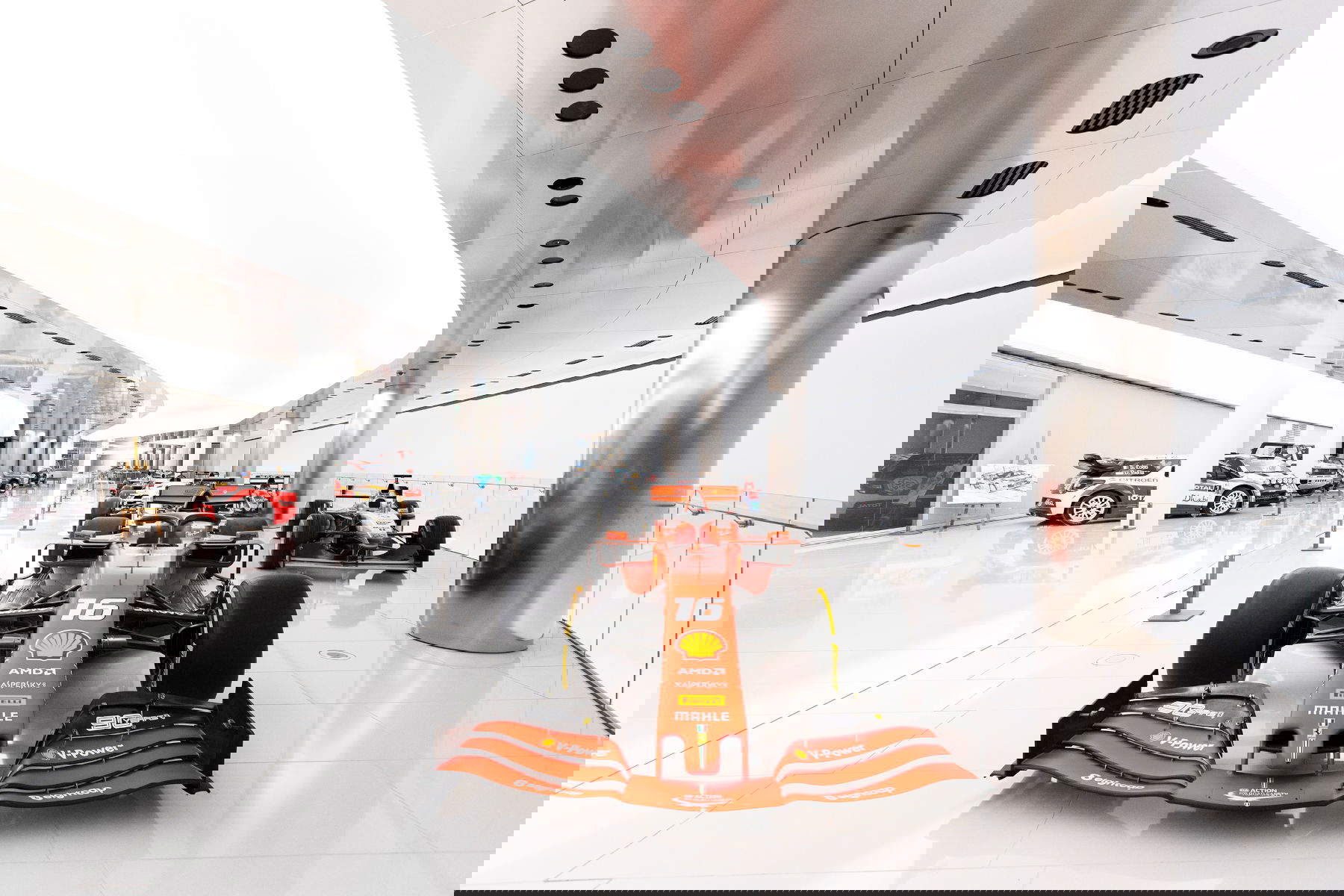
On the science and nature site front, the Exotic Garden and the Observatory Cave have held a special place in visitors’ imaginations for years. Located on the heights, they offer a privileged view of the Mediterranean and the Rock. The presence of the cave, carved into the rock thousands of years ago, adds a geological and historical element of great significance. The garden is scheduled to reopen in the first quarter of 2026, a long-awaited return that will allow people to rediscover one of the Principality’s iconic places. Next to the garden, the Botanical Center houses one of the most important collections of cacti and succulents in the world, located in greenhouses overlooking the sea that represent a natural heritage of great value. A stop that combines motoring passion and history is the Collection de Voitures, the automobile collection of HRH the Prince of Monaco, located in Port Hercule. Inside the exhibition space, defined by contemporary lines and a large surface area, are about one hundred vehicles from the Prince’s collection; the ensemble presents an overview of decades of automotive history and highlights the city’s connection to the Monaco Grand Prix. Rounding out the sports panorama, the Louis II Stadium offers visitors the chance to get a closer look at the facility opened in 1985, which hosts international soccer, athletics, basketball, and swimming competitions. Guided tours provide an inside look at one of the Principality’s most iconic sports complexes.
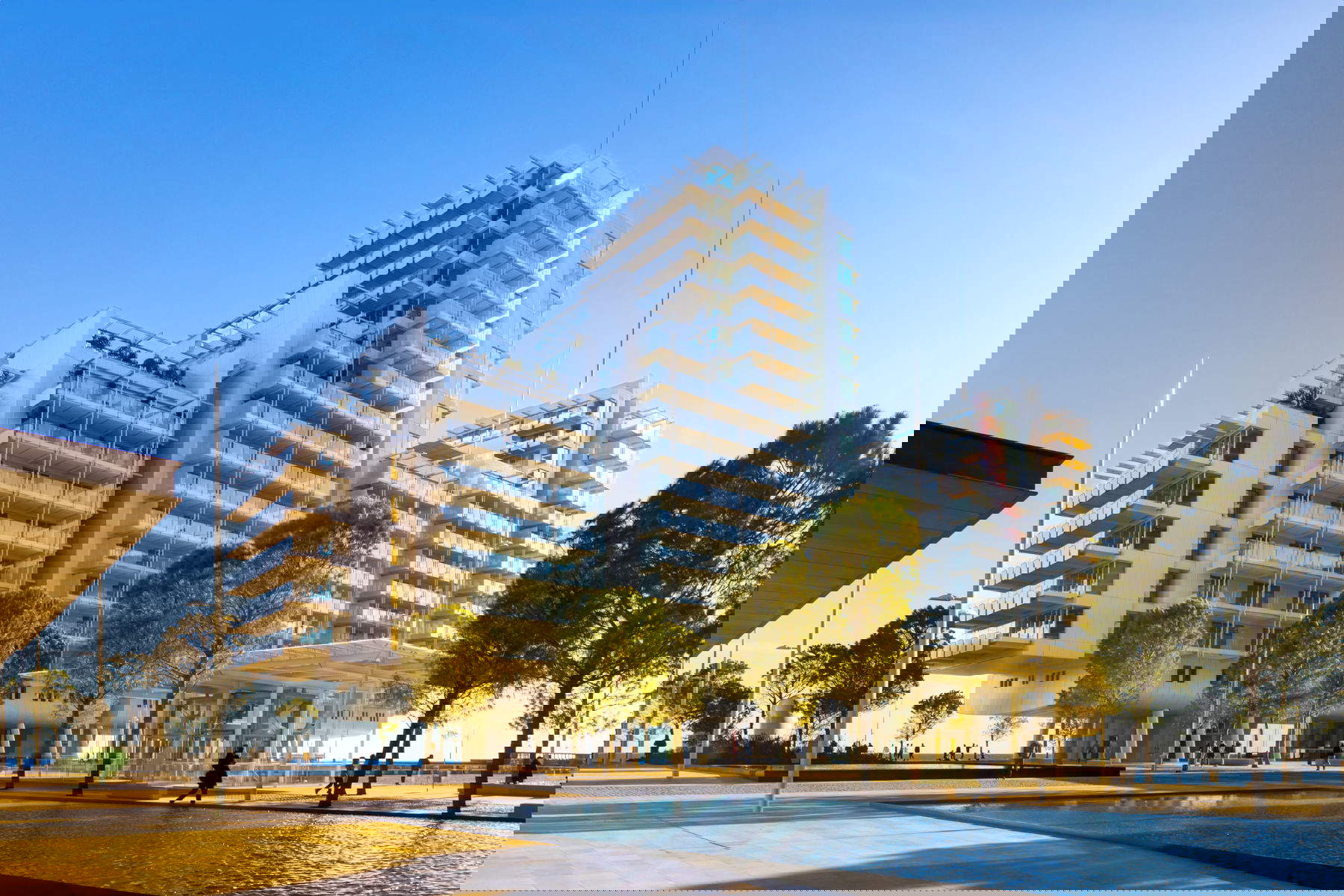
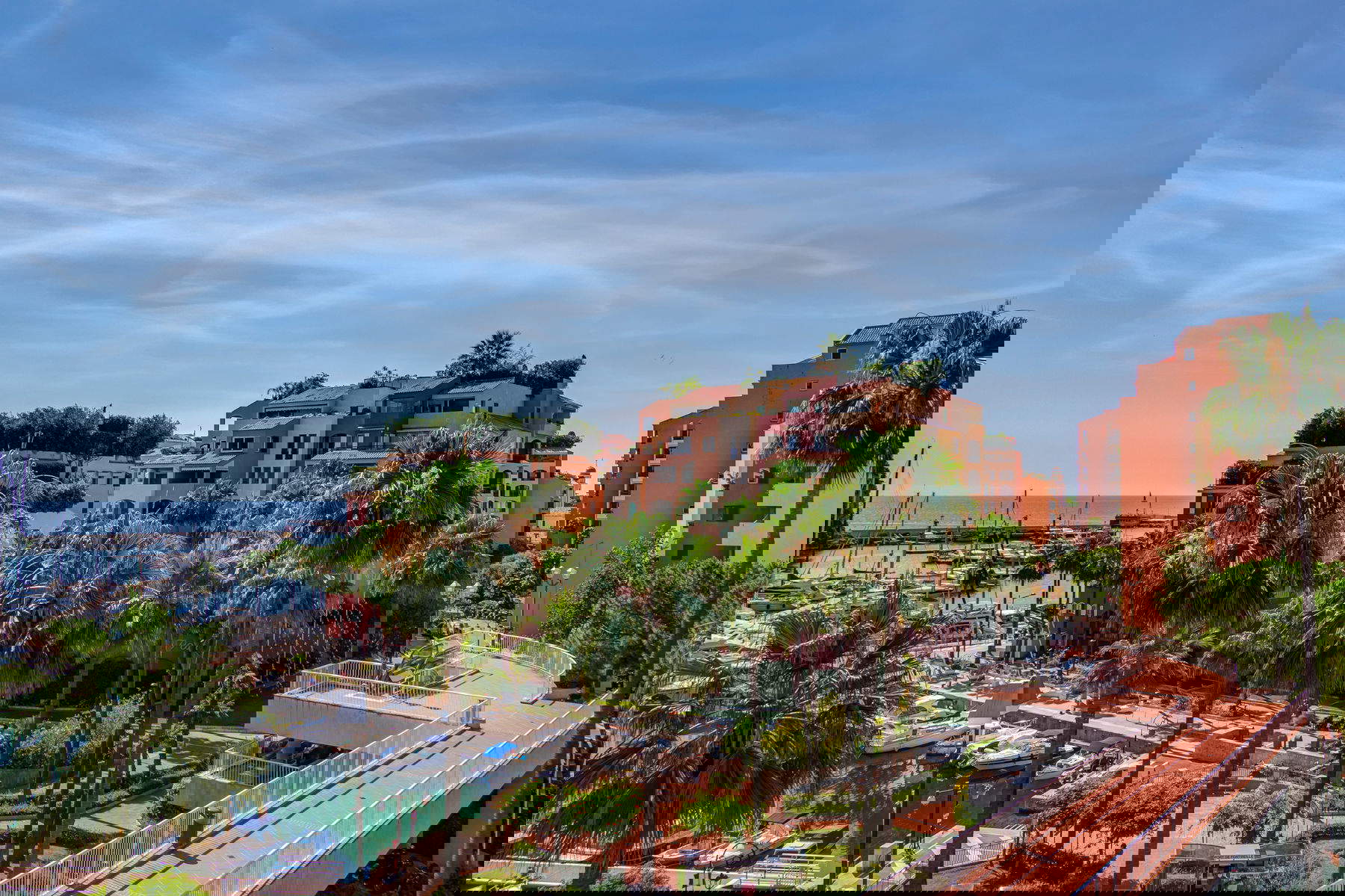
In Monaco it is also possible to visit places dedicated to fans of economic history and collecting, such as the Stamp and Coin Museum, founded in 1996. On display here is a selection of rare pieces chronicling the evolution of philately and numismatics in the Monegasque territory. The Museum of Prehistoric Anthropology, on the other hand, takes visitors on a journey back in time through fossils and artifacts from the Principality, the Observatory Cave, and the region, illustrating the presence of the territory’s earliest inhabitants and offering an in-depth picture of local protohistory. Completing the list of must-see experiences are places that represent the daily life of the city, such as La Condamine Market, a landmark that has been offering local produce and authentic hospitality for more than a century. The neighborhood, recognizable by its ochre-roofed buildings, maintains a lively atmosphere rooted in the popular tradition of the Principality. There is no shortage of completely new spaces, such as Mareterra, a six-hectare urban extension on the Mediterranean that expresses contemporary Monaco. This architectural intervention testifies to the Principality’s continuous evolution and its ability to dialogue with its surroundings through innovative solutions.
Monaco’s cultural itinerary intersects with the discovery of its neighborhoods, each of which offers a specific identity. Monaco-Ville retains the character of the old town, with its narrow streets and colorful dwellings, while Fontvieille combines business activities and places of interest. La Condamine, considered the most authentic neighborhood after the Rock, features elegant buildings reflecting more than a century of urban history and is known for a popular, commercial atmosphere marked by bustling alleys and old buildings. The market square is where the Monegasque community gathers, an element that helps define the daily identity of the neighborhood. Larvotto represents the seaside face of the Principality, with recent redevelopment transforming it into a leisure landmark. The Jardin Exotique district, located at the western entrance to the city, offers incomparable panoramic views, while Monte-Carlo remains the international symbol of worldliness and elegance, with its Place du Casino, its gardens and part of the famous Formula 1 circuit.
Taken together, museums, historic sites, gardens, architectural innovations, and neighborhoods help define a rich and articulate cultural journey. Those who arrive in Monaco with the intention of delving into the area’s artistic and historical heritage will find several sites that represent the perfect synthesis of its identity. Each site tells a different aspect of the Principality, taking the visitor on an itinerary that combines past and present, tradition and modernity, scientific research and artistic heritage. It is precisely in this combination of elements that we find the essence of cultural Monaco, a complex and fascinating reality that deserves to be explored carefully.
 |
| Monaco's art treasures: museums, history, neighborhoods |
Warning: the translation into English of the original Italian article was created using automatic tools. We undertake to review all articles, but we do not guarantee the total absence of inaccuracies in the translation due to the program. You can find the original by clicking on the ITA button. If you find any mistake,please contact us.