



by Redazione 09/03/2026



Categories: Travel / Disclaimer
From Roman and Arab traces to the Gothic style of the Lonja de la Seda to the contemporary architecture of the City of Arts and Sciences, Valencia combines centuries of history with a strong cultural and scientific vocation, reinforced by museums and events expected in 2026.

Located on the central-eastern coast of the Iberian Peninsula near the mouth of the Turia River, Valencia, the third-largest city in Spain in terms of population after Madrid and Barcelona, has in recent years consolidated its reputation as a dynamic and lively center linked to culture and science. It is no longer just a seaside destination favored by a particularly mild Mediterranean climate, with an average temperature around 19 degrees and more than three hundred sunny days a year. Valencia is more, it is a city with a rich and layered history that intends to project itself into the future: it has also been recognized as European Green Capital 2024, a title that underscores its commitment to sustainability and the enhancement of natural spaces.
The roots of the Turia Capital date back to the second century B.C., when the Romans founded it under the name Valentia Edetanorum. After a period of decline coinciding with the crisis of the empire and subsequent Visigothic rule, the city experienced a profound transformation under Arab control, taking on the name Balansiya. During this phase, a new urban and agricultural layout emerged that would influence the centuries to come, until the final conquest by James I of Aragon in 1238. The 15th century marked the beginning of the Valencian Golden Age, an era of extraordinary economic and cultural flourishing during which Valencia became one of Europe’s leading mercantile centers thanks to its port and cutting-edge financial institutions.


A city that bridges past and future
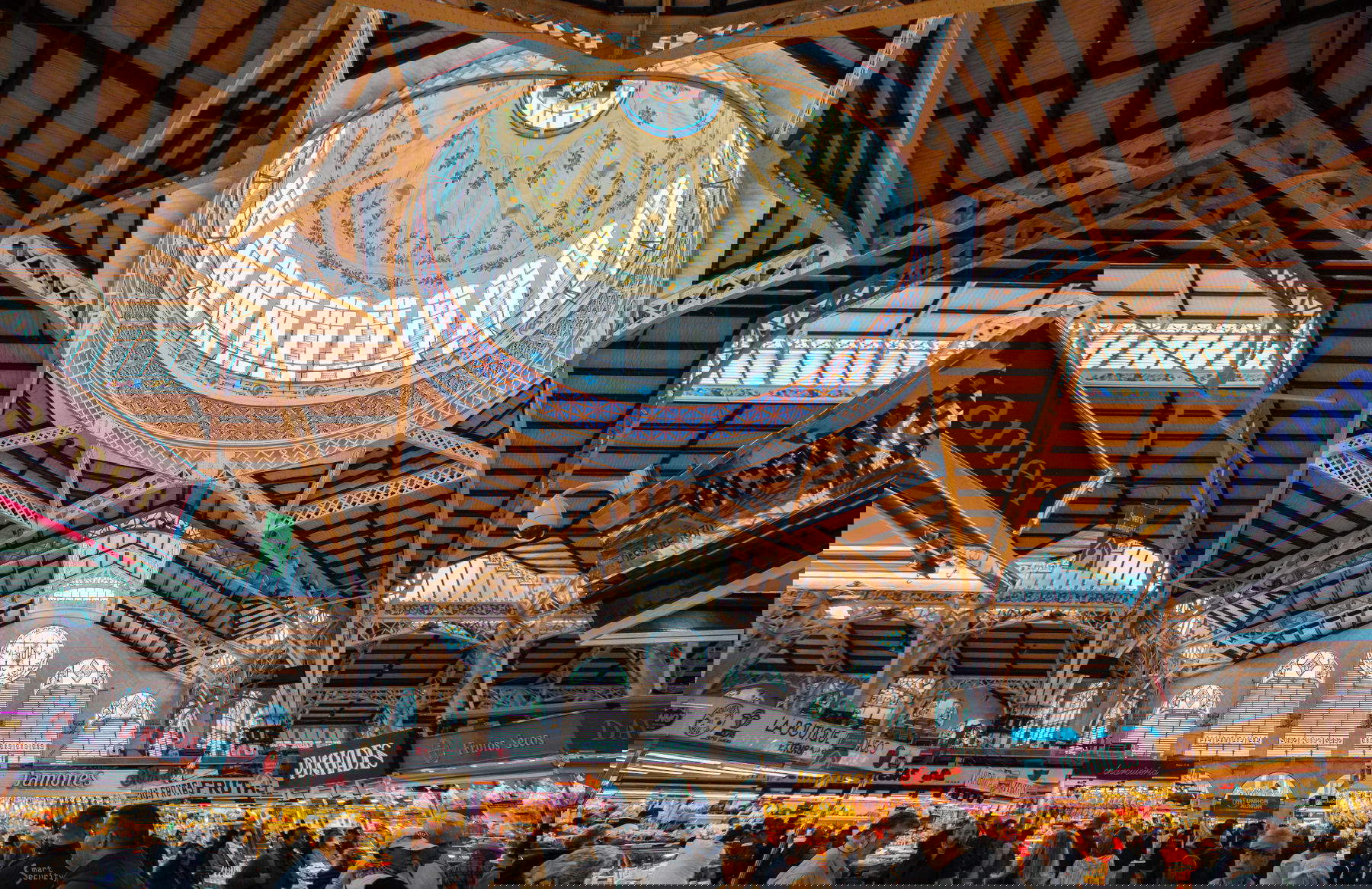
The legacy of this past is visible today in the heart of the historic center, where a significant portion of the most relevant monuments are concentrated. The Cathedral, consecrated in 1238 on the site of an earlier mosque, is a complex that blends Romanesque, Gothic and Baroque elements. It houses the Holy Chalice, a relic linked to a long historical and religious tradition that attracts visitors from all over the world. Next to the main structure stands the Miguelete bell tower, a tower from which the entire city can be observed thanks to a three hundred and sixty-degree view. Not far away is the Lonja de la Seda, or Silk Exchange, a masterpiece of civil Gothic architecture declared a UNESCO World Heritage Site in 1996. This building, a symbol of past commercial power, stands just across the street from the Central Market, a modernist structure that is the largest fresh produce center in Europe. A visit among its stalls allows visitors to immerse themselves in the aromas and flavors of the Mediterranean, a testament to the vitality of local gastronomy: Valencia’s cuisine enjoys an international reputation, driven by paella, the world-famous rice dish (the traditional recipe uses chicken and rabbit meat, local vegetables such as jackdaws and beans, olive oil and saffron, and is cooked in a typical metal pan from which it takes its name), with popular variations including fideuà, prepared with pasta instead of rice, and arròs a banda, often accompanied by aioli sauce.
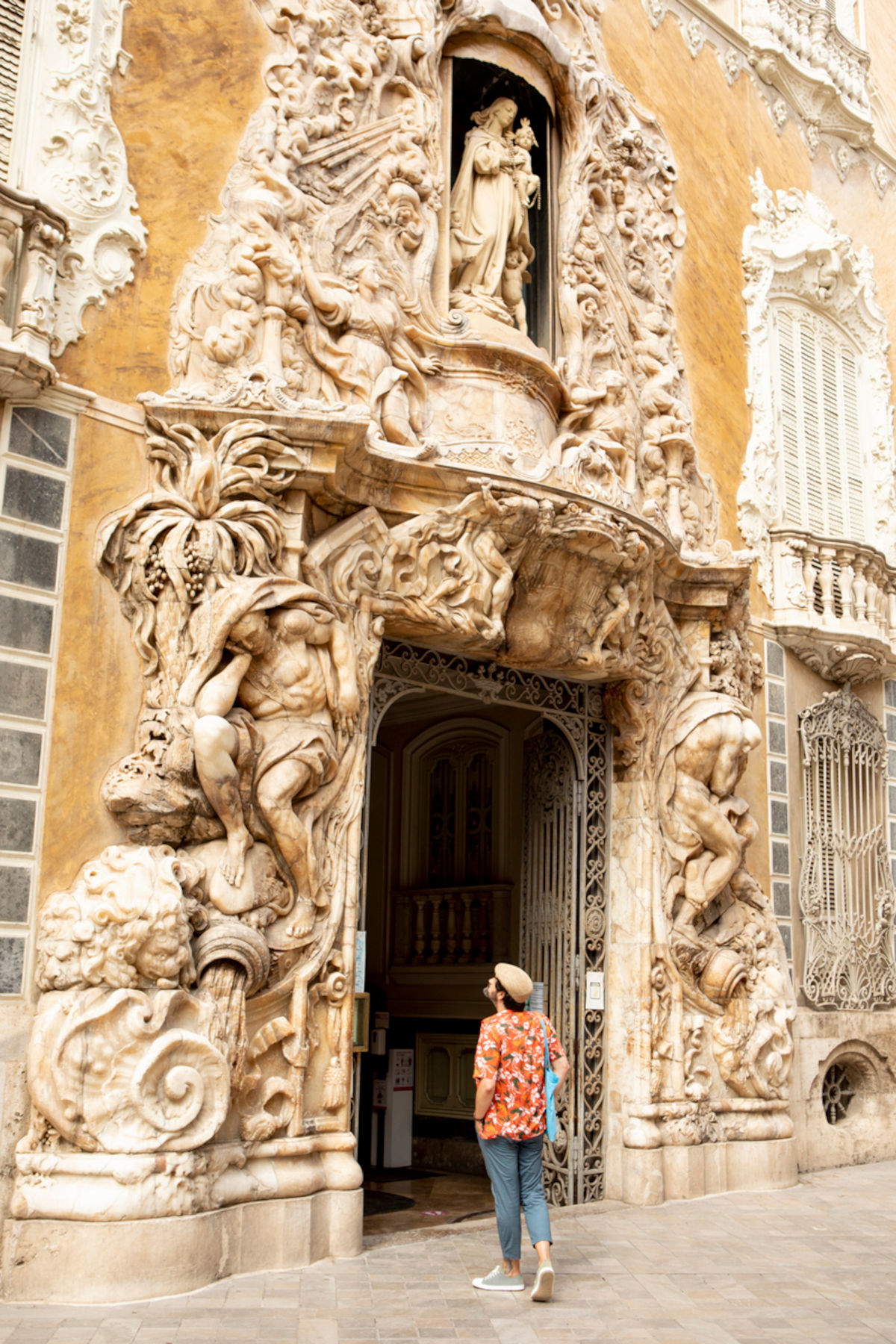
Another jewel of the center is the church of San Nicolás, often called the “Valencian Sistine Chapel” because of the exceptional nature of its Baroque frescoes, which tell the lives of St. Nicholas and St. Peter Martyr. Walking through the alleys of the Carmen district, one can sense the interweaving of different historical eras, with medieval buildings, aristocratic palaces, and remnants of the old Muslim and Christian walls, such as the Quart and Serranos Towers. This maze of streets is now a lively area, full of artisan stores, restaurants and cultural centers such as the IVAM (Valencian Institute of Modern Art) or the National Ceramics Museum, housed in the sumptuous Palace of the Marquis de Dos Aguas with its spectacular alabaster facade.
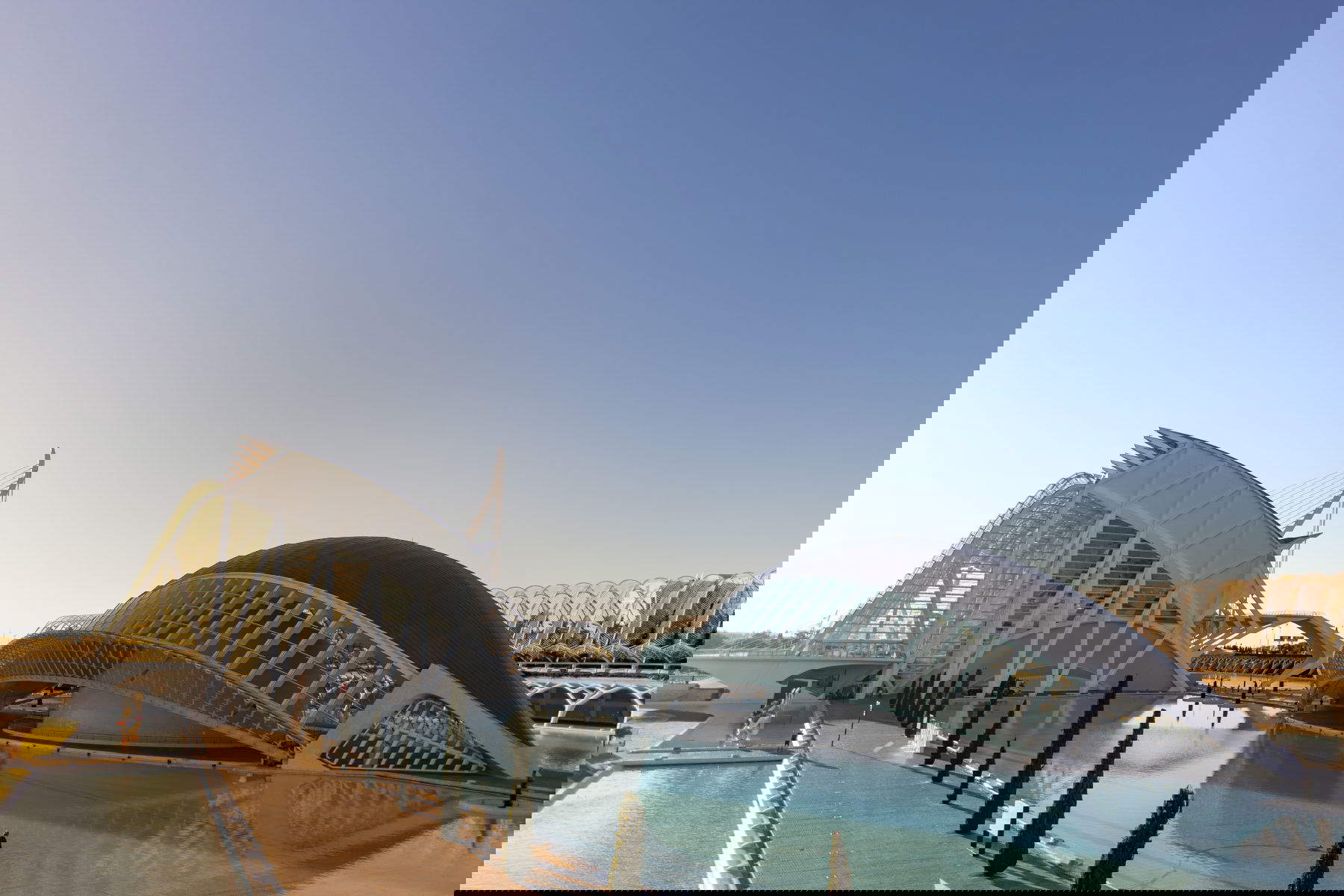
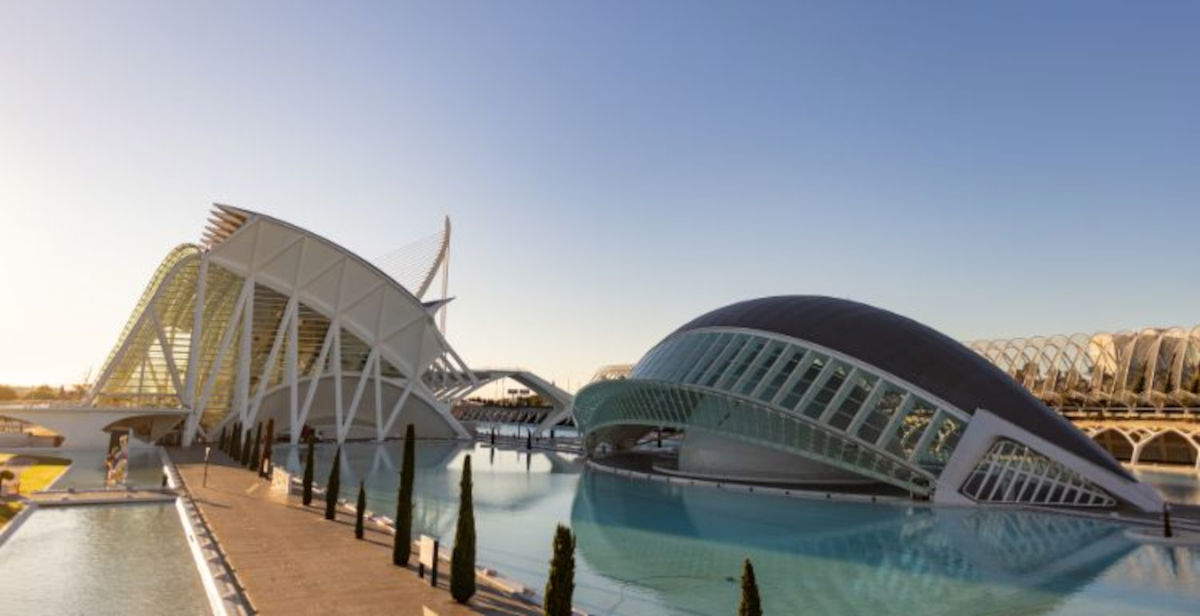
Valencia’s projection toward the future has found its greatest architectural expression in the City of Arts and Sciences, a futurist complex designed by Santiago Calatrava and Félix Candela that has redesigned the city’s southeastern skyline. Its structures include the Hemisfèric, the Science Museum and the Oceanogràfic, the latter credited as the largest aquarium on the European continent. Within the Oceanogràfic, the planet’s major marine ecosystems are represented, housing tens of thousands of specimens of hundreds of different species, with the goal of promoting biological education and marine conservation.
Valencia’s natural aspect does not end with its coastline, but finds a fundamental pillar in the Turia Garden. The urban park, extending for about nine kilometers, occupies the former bed of the Turia River, later diverted to protect the city center. The garden runs through the city offering extensive green spaces, bicycle paths, sports facilities and recreational areas, ideally linking Bioparc to the north with the City of Arts and Sciences to the south. Bioparc is a newly designed zoological park based on the principle of zoo-immersion, recreating the African habitats of the savannah, equatorial forests and Madagascar to allow visitors to observe animals and vegetation in near-natural settings.
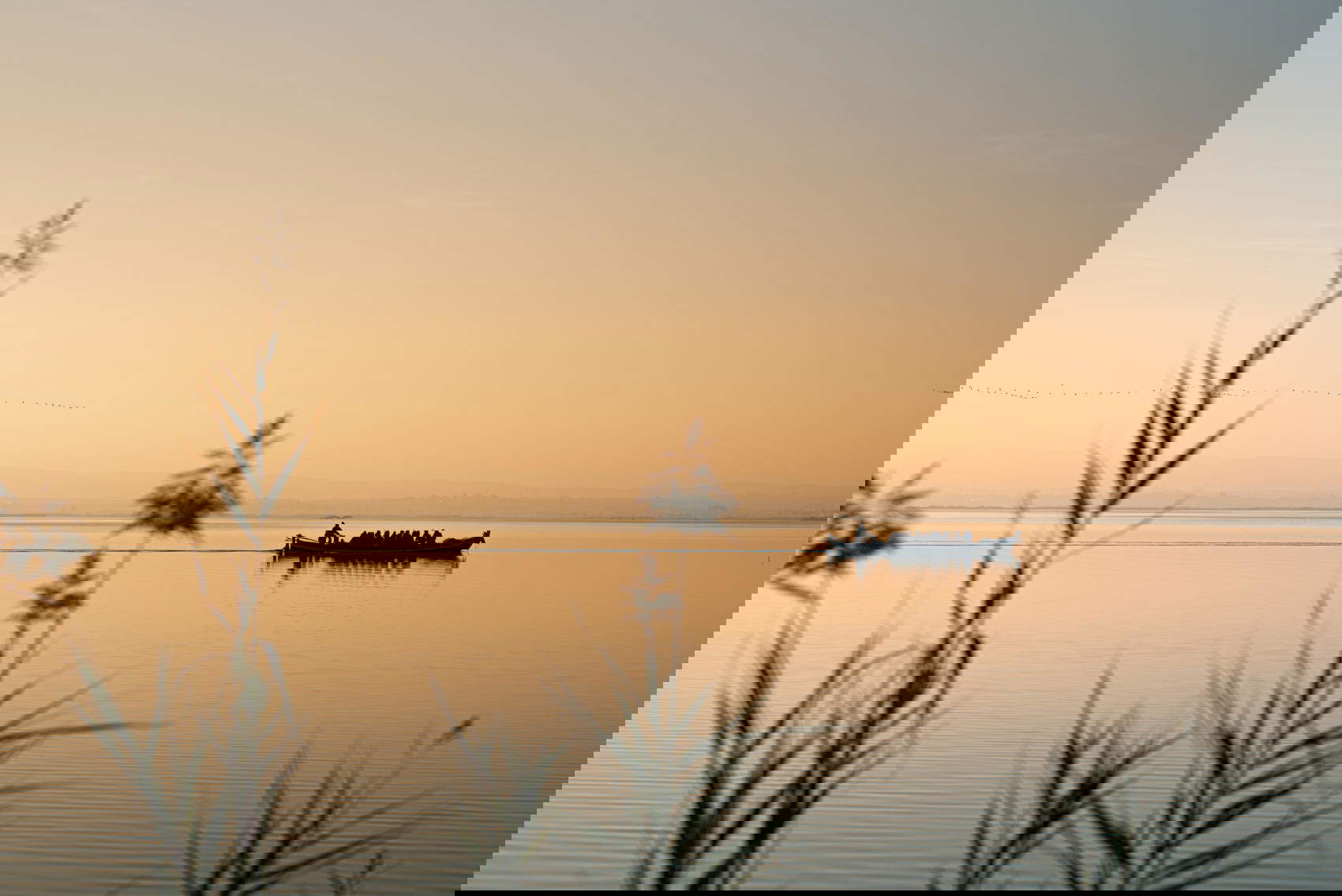
Moving south, one encounters the Albufera Natural Park, a protected area that is home to Spain’s largest freshwater lake, separated from the sea by a tongue of sand and pine forests. This place, crucial for biodiversity and the preservation of bird species, is closely linked to the origins of Valencian cuisine, being surrounded by extensive rice fields. Boat trips at sunset offer one of the region’s most evocative sceneries, allowing an understanding of the close link between humans and the lagoon ecosystem.
Why visit the city in 2026
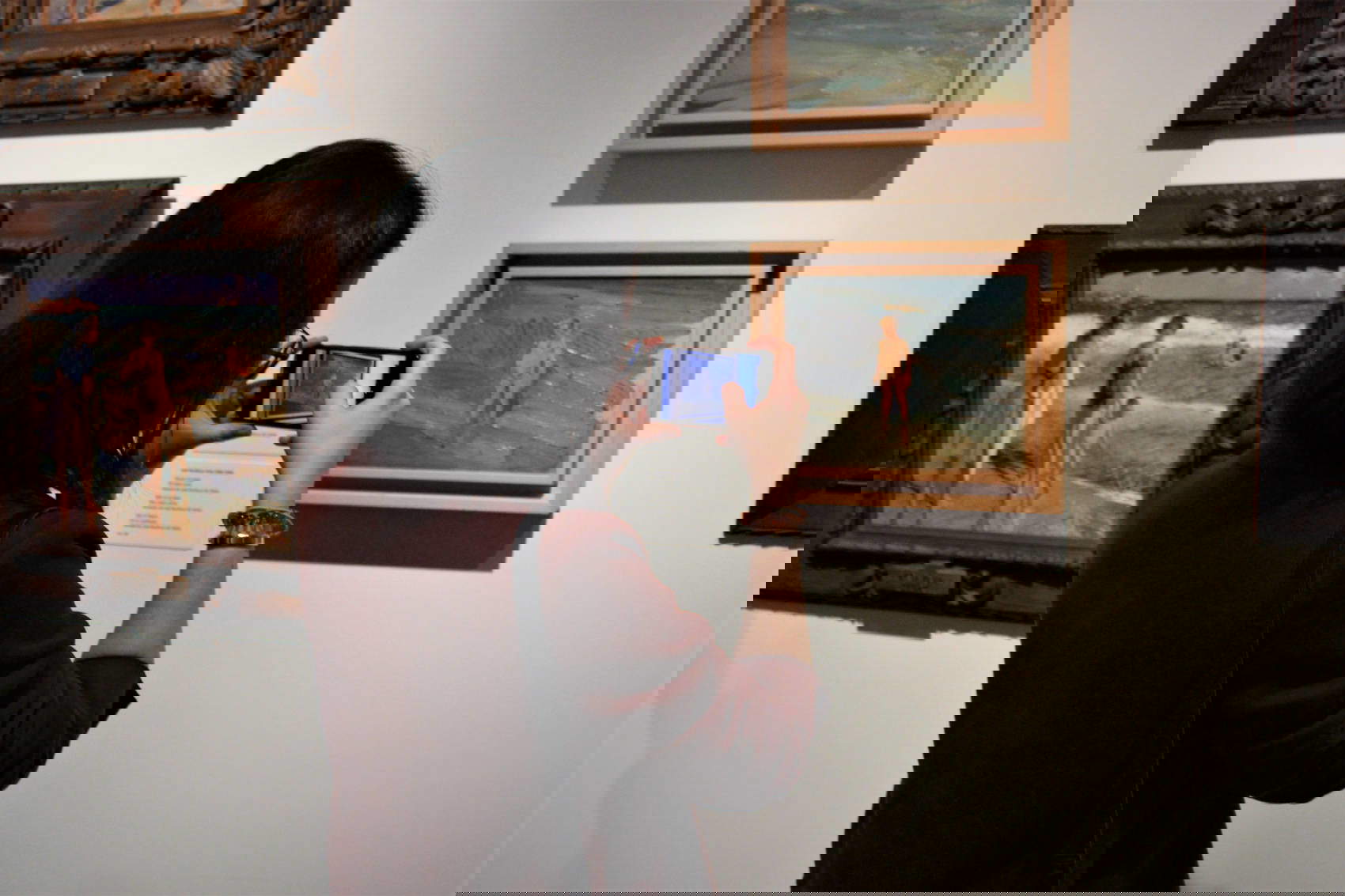
2026 promises to be a year of particular ferment for the city, with a calendar of events that will strengthen its cultural and sporting centrality. Prominent among the religious and historical events will be the third Jubilee Year of the Holy Chalice, a period of celebrations that will extend until October 2026 and will offer pilgrims the opportunity to enjoy experiences related to the sacred relic preserved in the Cathedral. On the museum front, the opening of the new Sorolla Museum in the heart of the city will be a highlight for art lovers. This new exhibition space will house more than two hundred works by the celebrated Valencian painter Joaquín Sorolla, ceded by the Hispanic Society of America, consolidating Valencia as a European reference point for the study and admiration of the master of light.
On August 12, 2026, Valencia will become one of the privileged stages for the observation of a total solar eclipse, a rare astronomical phenomenon that will plunge the city into darkness for just over a minute during daylight hours. This event will attract enthusiasts from all over the world, with west-facing vantage points becoming hubs to witness the celestial spectacle. In the same year, between June and July, the city will host the 12th Gay Games, an international event dedicated to sports and inclusion that will feature thousands of athletes in dozens of different disciplines. The event underscores Valencia’s vocation as a city that is open, modern and attentive to social diversity.
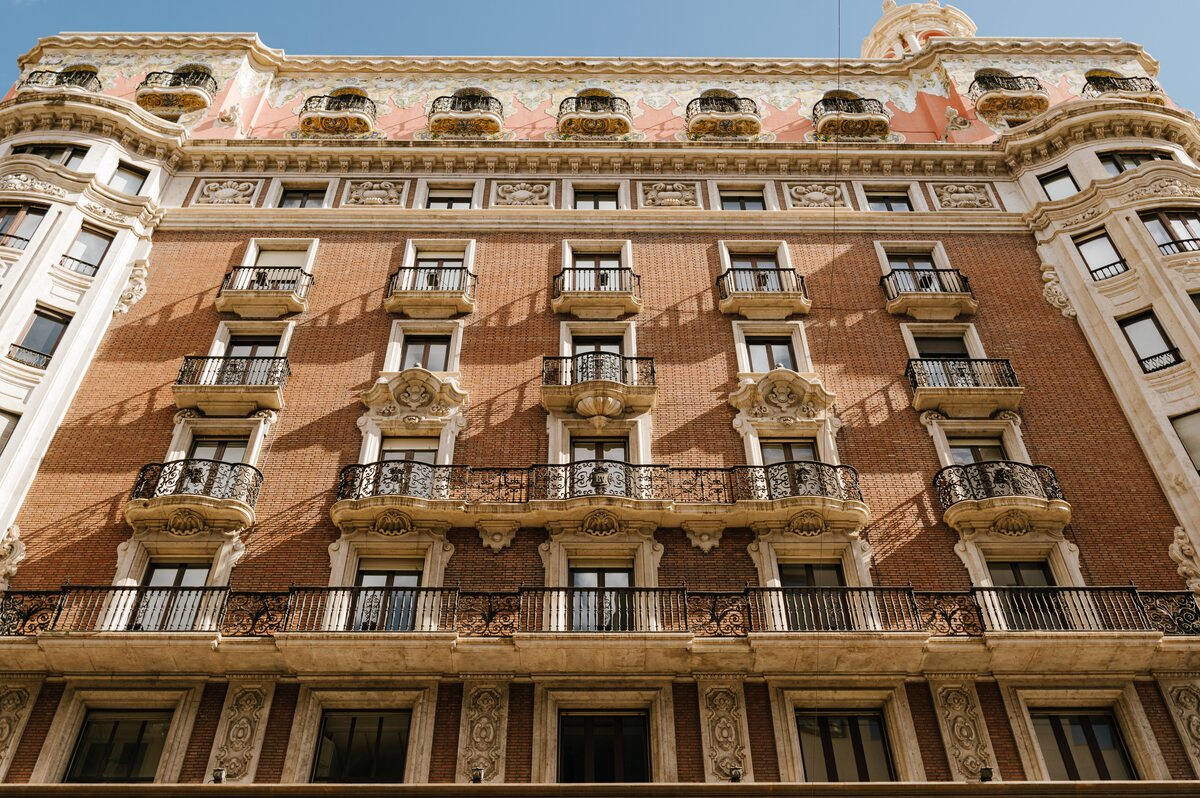
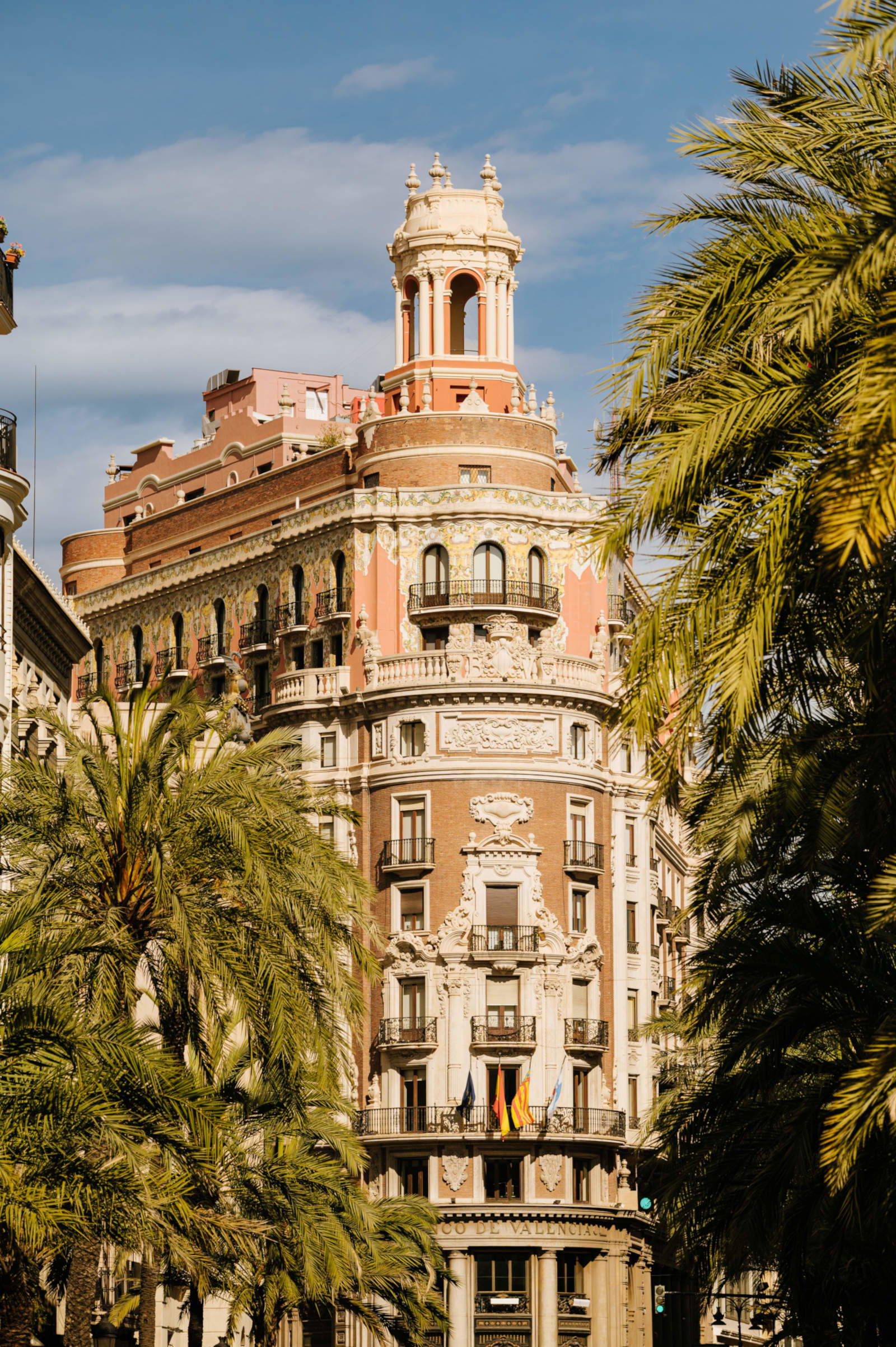
The city’s infrastructure has recently undergone major evolutions, as evidenced by the inauguration of the Roig Arena, a multipurpose pole financed by private capital intended to host major concerts, sporting events and Valencia Basketball games. The historic architectural heritage is also experiencing a renaissance, with the completion of the lengthy restoration work on the Santos Juanes Church, which has allowed it to recover the splendor of its Baroque frescoes and gilded decorations. The city also does not forget the contribution of the great professionals who shaped its appearance in the 20th century, such as Javier Goerlich. A master architect responsible for a profound urban revolution, Goerlich designed iconic buildings such as the Banco de Valencia or the renovation of the Town Hall Square, introducing styles ranging from rationalism to neo-Baroque and defining the identity of the modern center.
Valencia’s mobility system facilitates sightseeing thanks to an integrated transportation network that includes the metro, streetcars, and numerous urban and suburban bus lines. Valencia Airport, located a short distance from the center, is connected directly by metro lines, making travel quick for those arriving by air. For those who prefer sustainable solutions, the city offers more than two hundred and thirty kilometers of bicycle paths and a widely used municipal bike-sharing service. Using the Valencia Tourist Card also provides free access to many museums and monuments, offering discounts on various activities and facilitating the use of public transportation for varying periods.
The tourist offer is rounded out with the urban beaches of Malvarrosa and Cabanyal, the latter a former fishing district now the focus of a redevelopment process that has made it a trendy area. Along Valencia’s waterfront and Marina, it is possible to enjoy beach services, avant-garde restaurants and leisure spaces, fully experiencing the maritime character of a city that has been able to transform its port history into an opportunity for modern development. Valencia thus confirms itself as a destination capable of offering varied experiences, from cultural and religious tourism to sports and nature tourism, while always maintaining firm ties with its Mediterranean traditions.
 |
| Valencia, a city between history and innovation: cultural heritage looking ahead to 2026 |
Warning: the translation into English of the original Italian article was created using automatic tools. We undertake to review all articles, but we do not guarantee the total absence of inaccuracies in the translation due to the program. You can find the original by clicking on the ITA button. If you find any mistake,please contact us.