




by Noemi Capoccia 20/04/2026



Categories: Archaeology / Disclaimer
A Spanish archaeological mission from the University of Barcelona and the Institute of the Ancient Near East has unearthed a Roman tomb in Bahnasa, Minya province, Egypt, with mummies, sarcophagi, gold and copper tongues and a rare scroll with passages from Homer's Iliad.

In Egypt, at the archaeological site of Bahnasa, in the area of Minya province, a Spanish archaeological mission has identified a tomb datable to the Roman period, along with an articulated set of artifacts that refer to funerary practices. The operation was conducted by the mission of theUniversity of Barcelona and theInstitute of the Ancient Near East, under the direction of director Maite Mascourt and director Ester Ponce Melado.

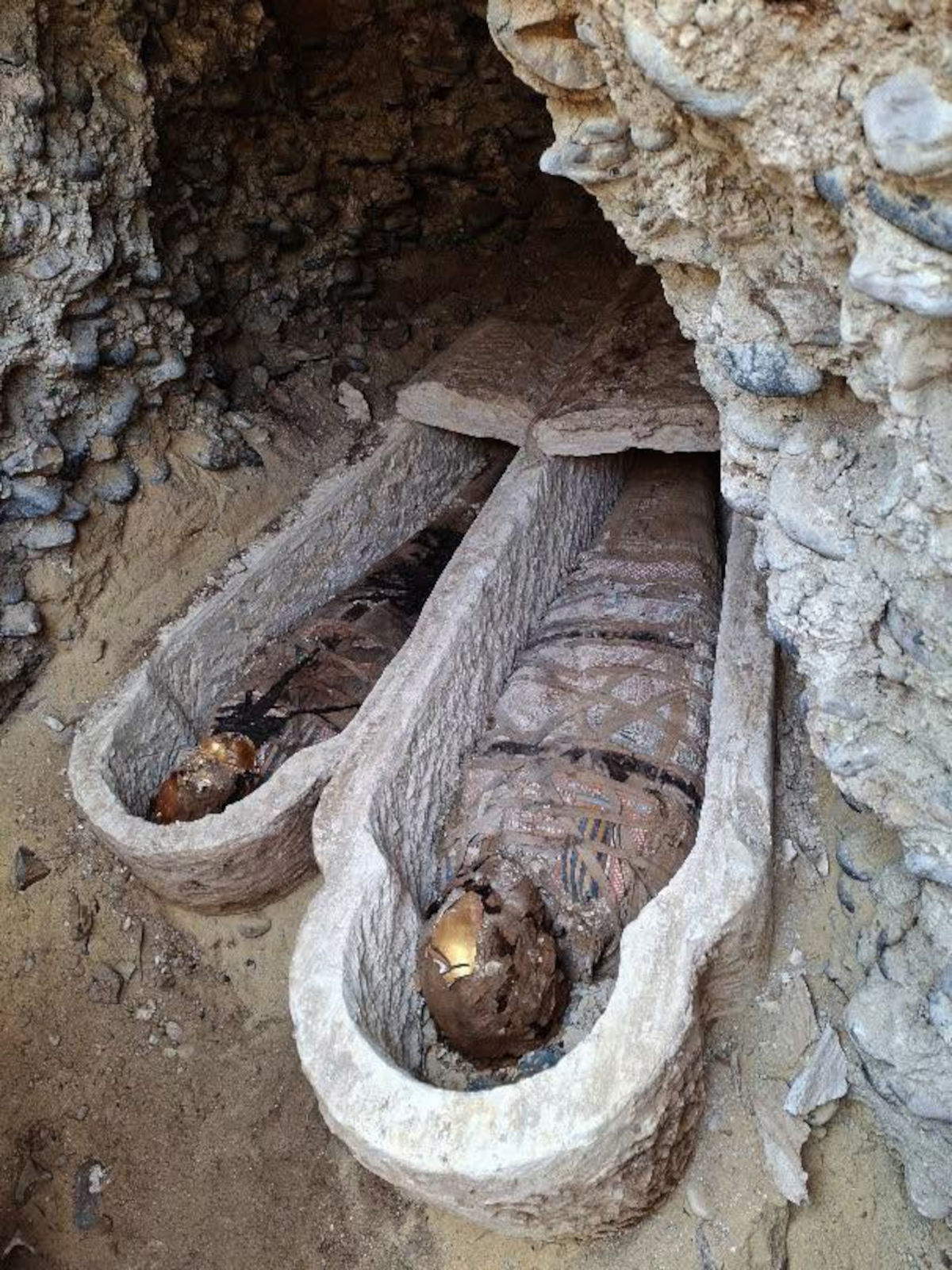
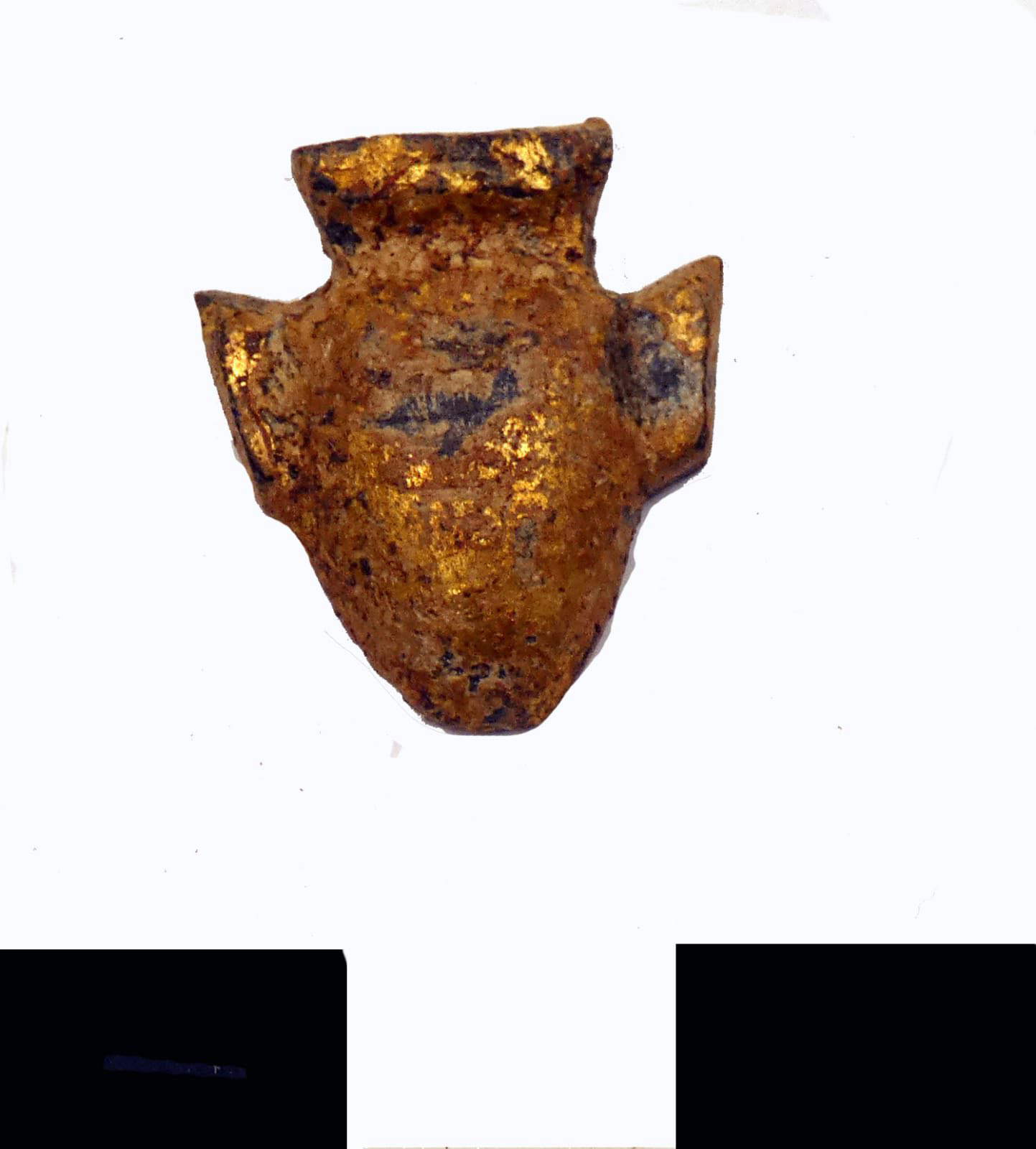
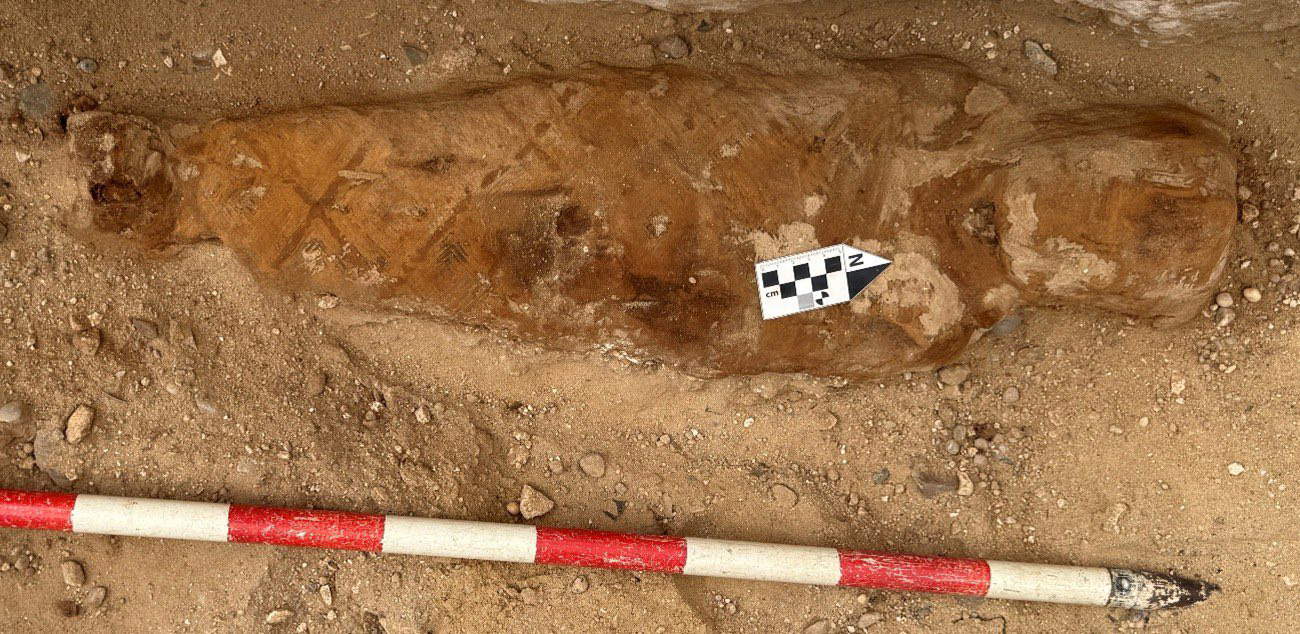
The excavation activities resulted in the recovery of several mummies dating back to the Roman period. Some turn out to be wrapped in bandages decorated with geometric patterns, while the materials unearthed also include wooden sarcophagi. Of particular note is the presence of three gold and one copper tongues embedded in the funerary context, as well as traces of the use of thin gold leaves applied to some of the mummies.


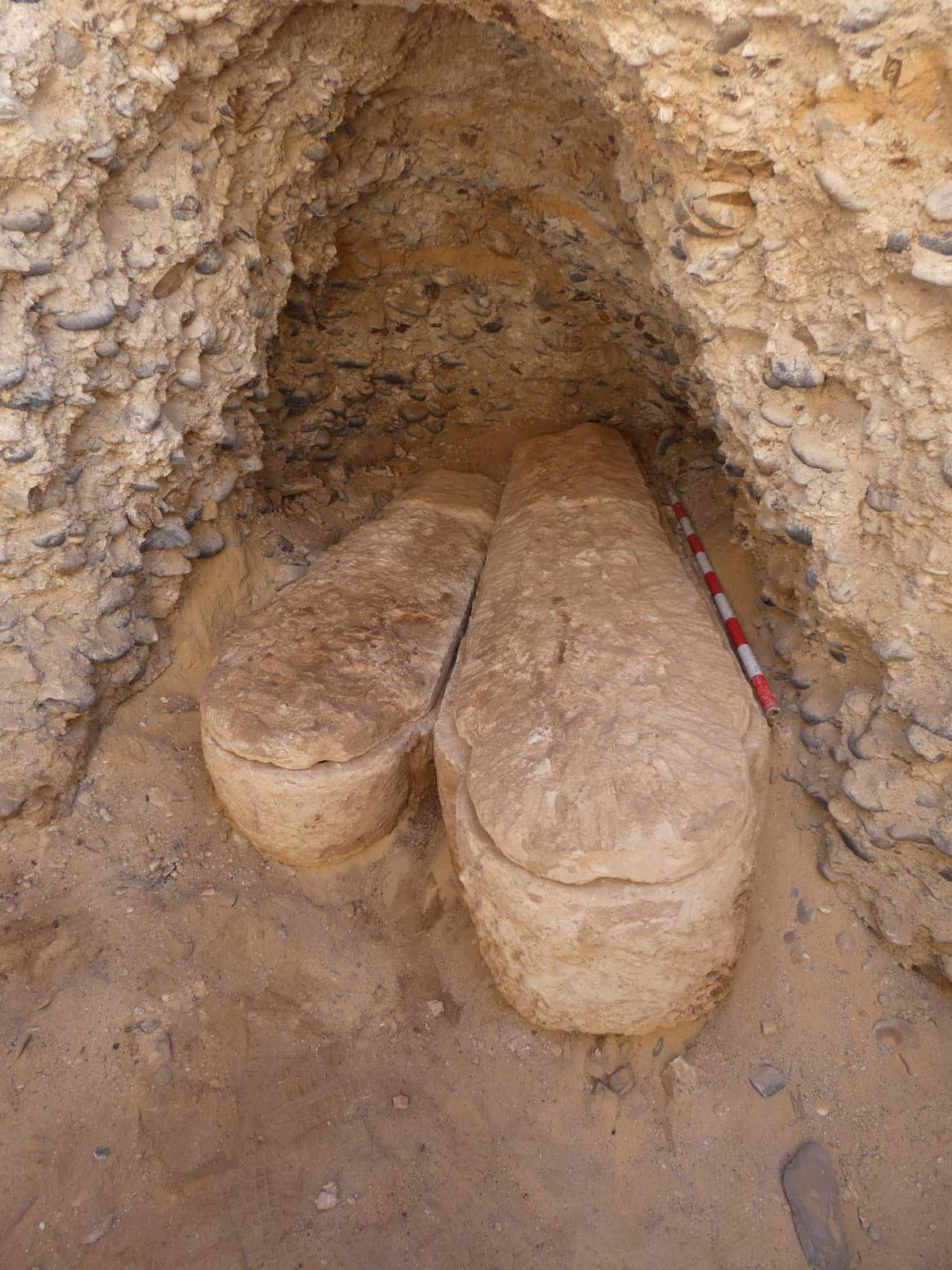
Egypt’s Minister of Tourism and Antiquities, Sherif Fathy, expressed satisfaction with the find, placing it within the framework of recent archaeological discoveries affecting the Minya area and stressing the variety of Egypt’s cultural heritage along different historical phases. According to Supreme Council of Antiquities Secretary General Hisham el-Leithy, the funerary context offers new elements for understanding ritual practices in the city of Bahnasa during Greek and Roman times. Also found inside one of the mummies was a rare parchment containing a text that can be traced back to the second book of Homer’sIliad, known as the “catalog of ships” (or “index of ships”), relating to the list of Greek contingents involved in the Trojan War. The find introduces a literary and historical element of special interest to the study of the site.
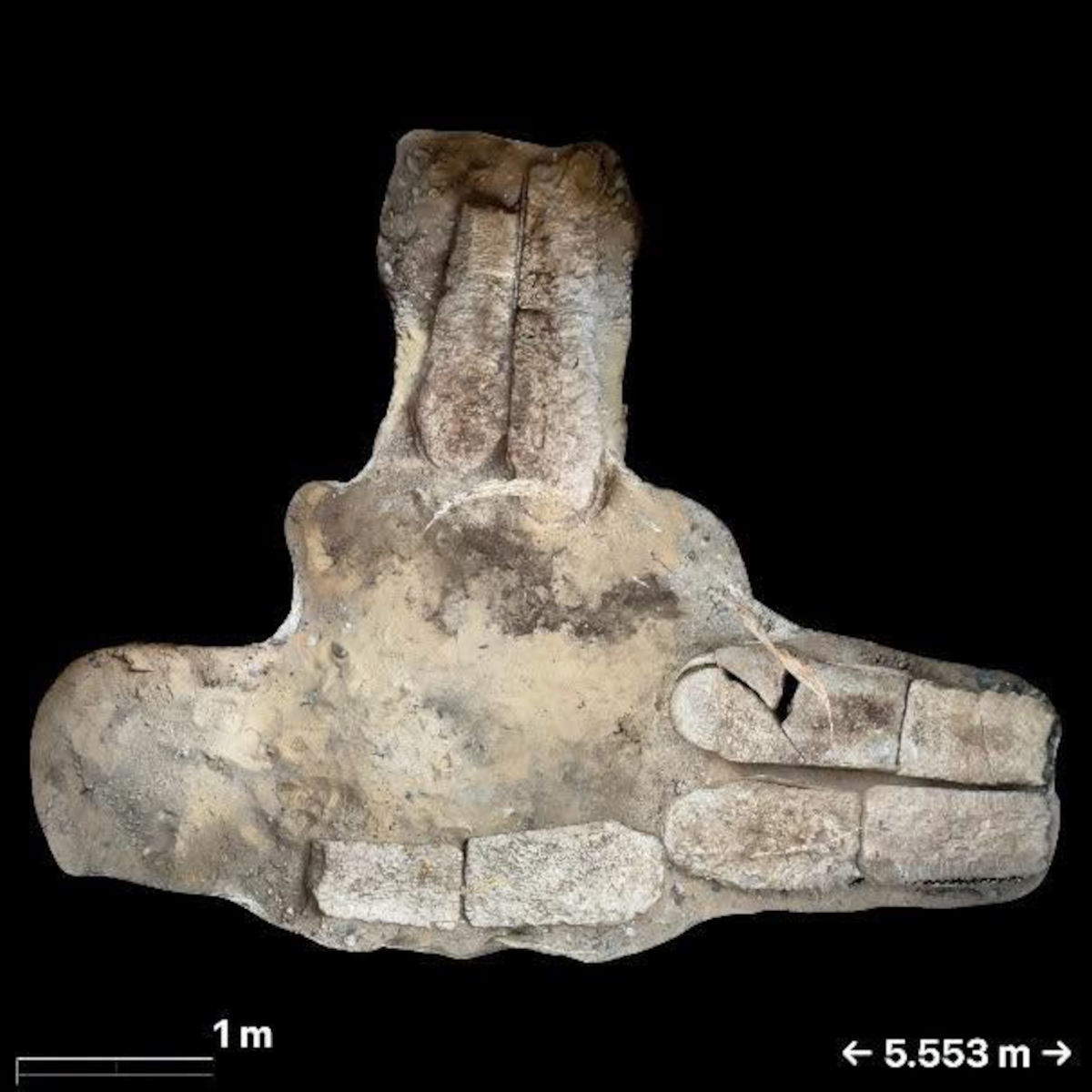
The head of the Egyptian antiquities sector of the Supreme Council of Antiquities, Mohamed Abdel Badie, reported that excavations conducted to the east of Ptolemaic tomb number 67, discovered in the 2024 campaign, uncovered a trench with three rooms built of limestone blocks, only partially preserved. In the first room, a stone slab and a large jar containing burned human remains attributable to an adult were found, along with bones of an infant and the skull of an animal from the feline family.
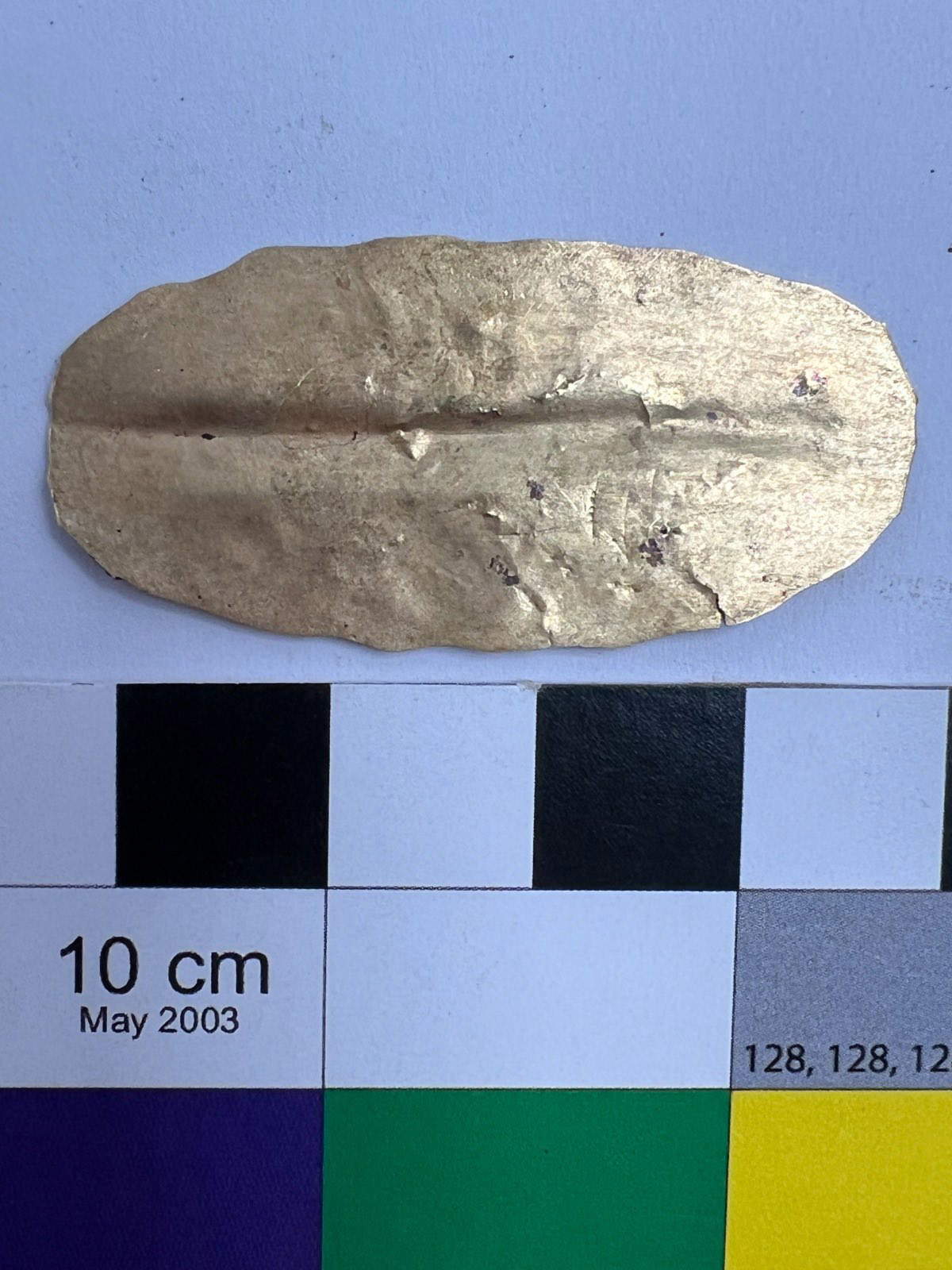
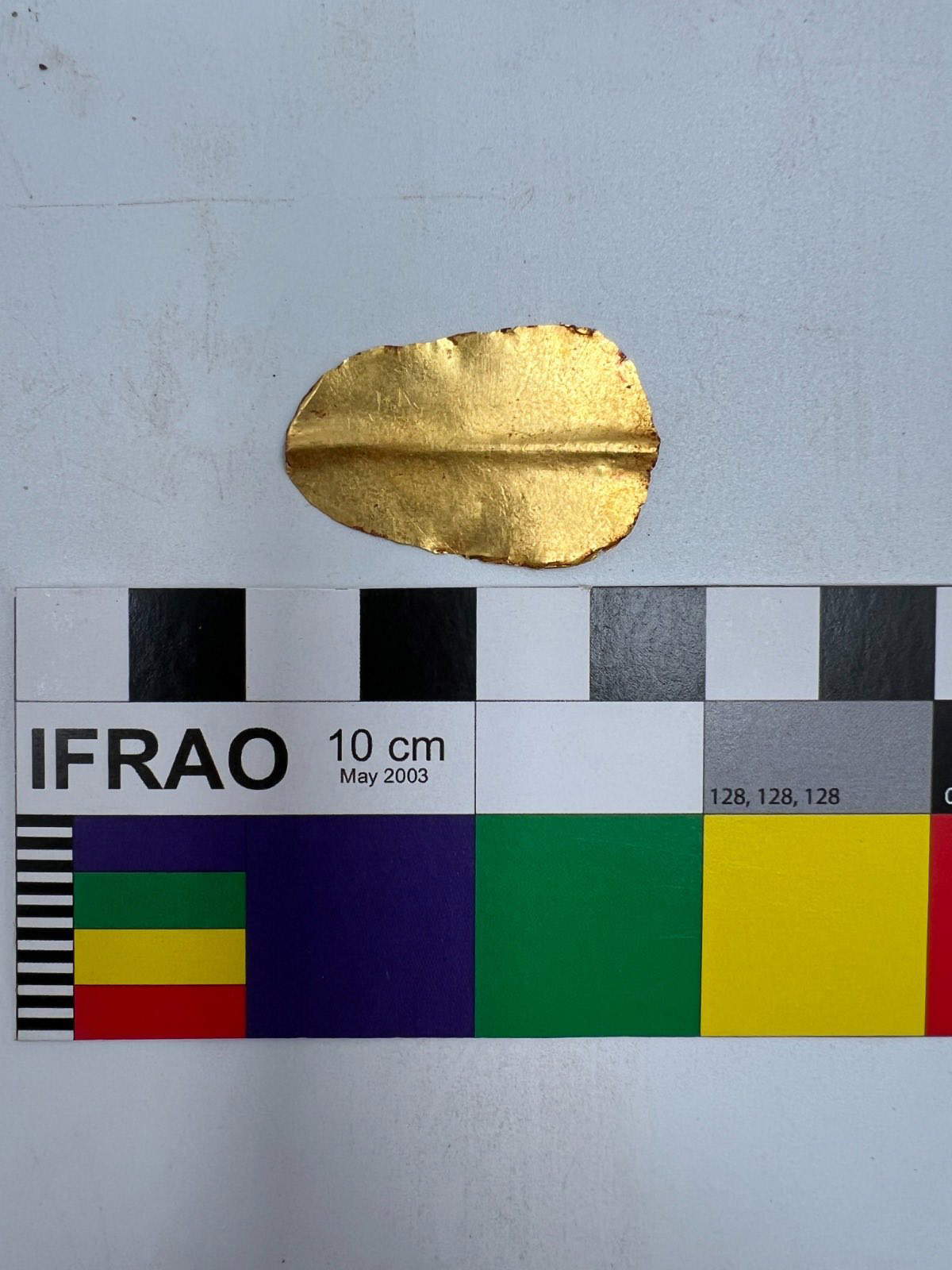
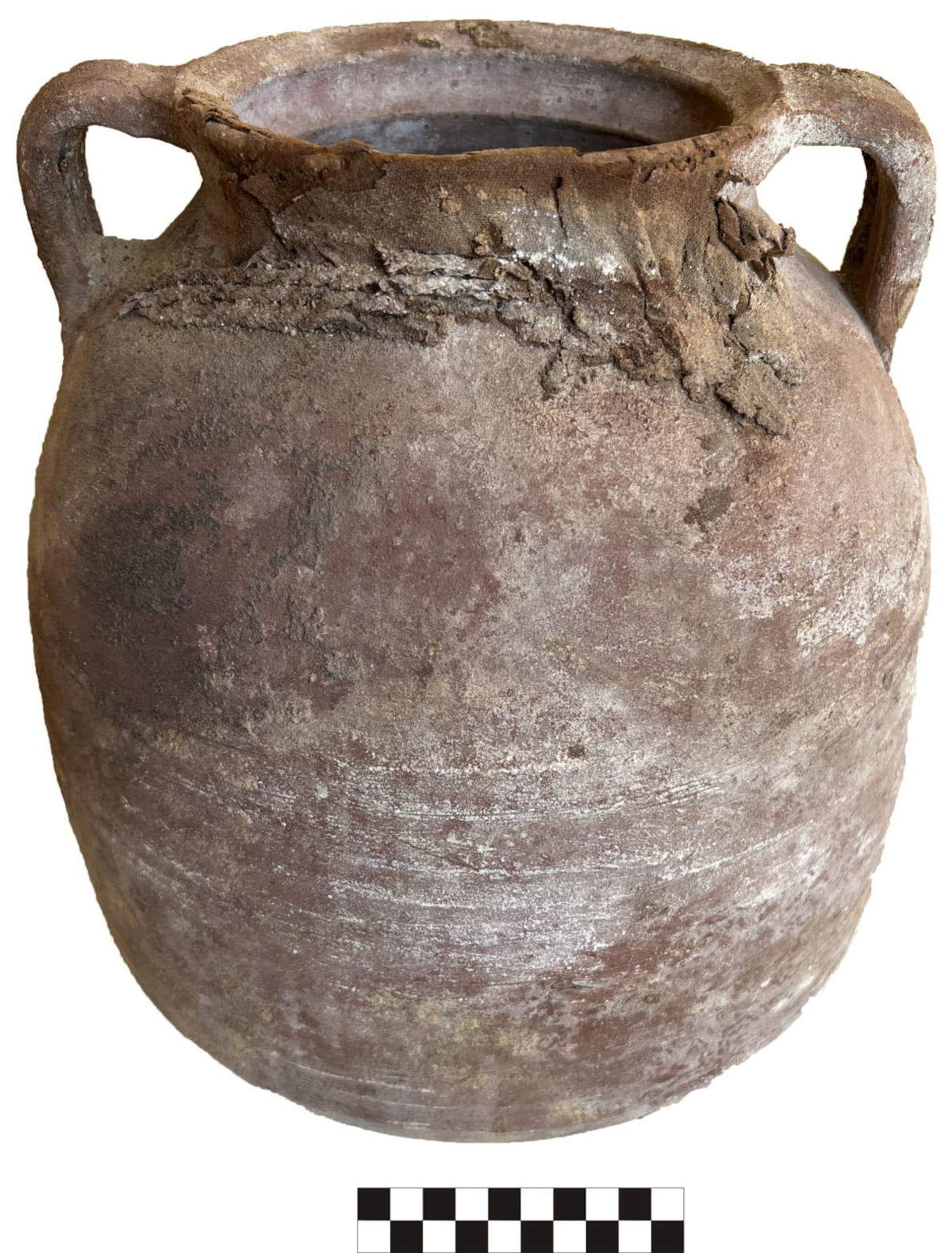
All remains were found to be wrapped in textile fragments. The second room featured a similar container with remains of two individuals subjected to burning and animal bones of the same type. Small terracotta and bronze sculptures also emerged to the south of the complex, including depictions of the god Harpocrates or Harpocrates represented as a horseman and a Cupid figure, elements that help paint a syncretic picture of local religious practices.
Additional information comes from Professor Hassan Amer, professor at Cairo University’s Faculty of Archaeology and head of the mission’s excavations, who traced the findings in tomb number 65 to the discovery of gold and copper tongues, as well as Roman-era mummies and painted wooden sarcophagi placed inside a hypogeum. The complex reportedly suffered an advanced state of deterioration due to looting in ancient times.
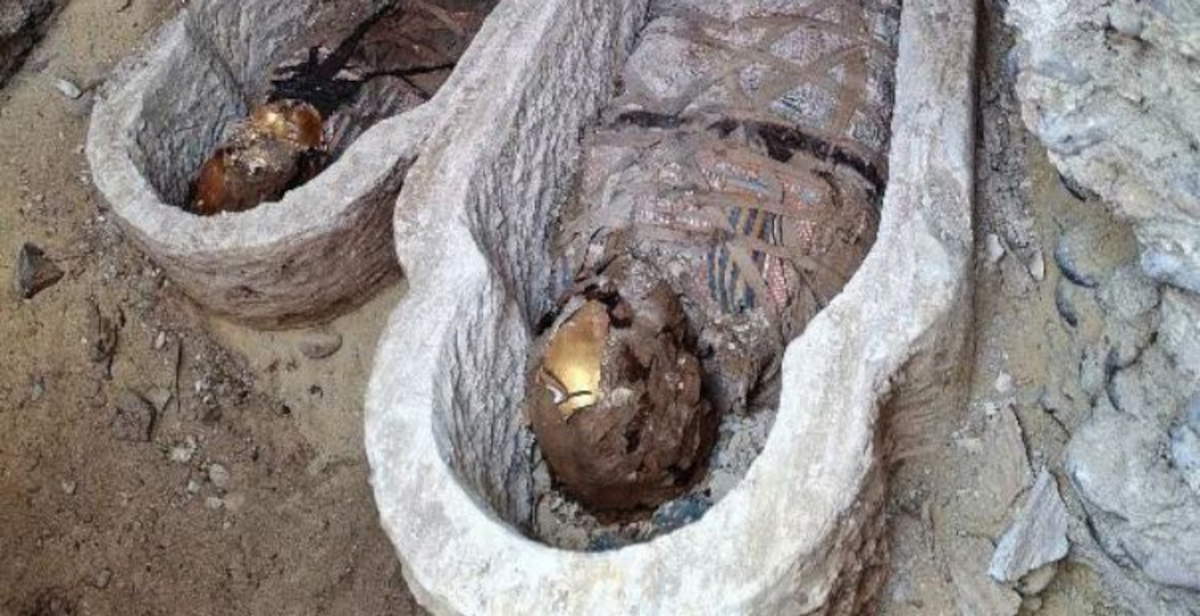 |
| Egypt, Roman tomb discovered with golden tongues and a rare papyrus from the Iliad at Bahnasa site |
Warning: the translation into English of the original Italian article was created using automatic tools. We undertake to review all articles, but we do not guarantee the total absence of inaccuracies in the translation due to the program. You can find the original by clicking on the ITA button. If you find any mistake,please contact us.