



by Redazione 05/12/2025



Categories: Archaeology / Disclaimer
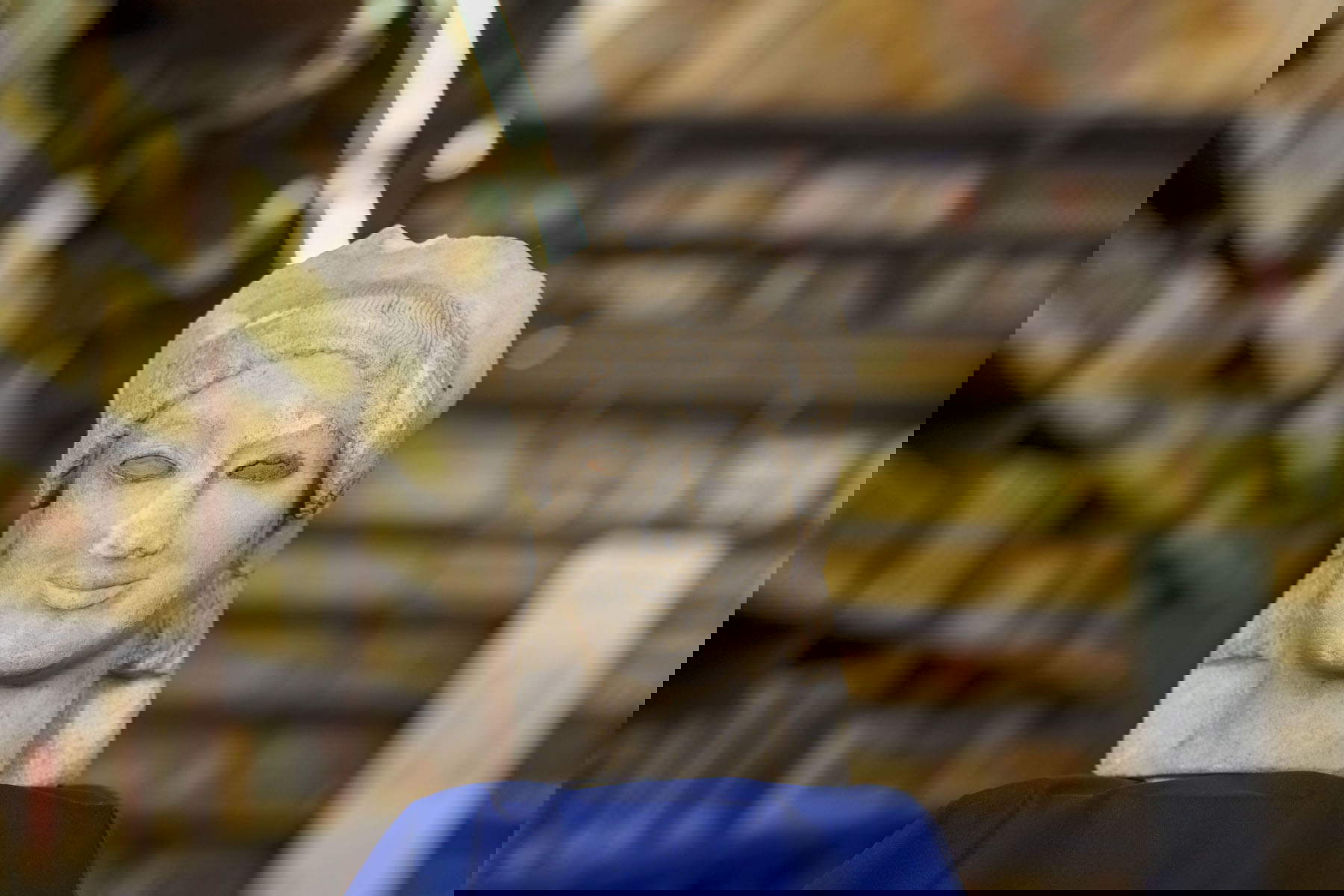
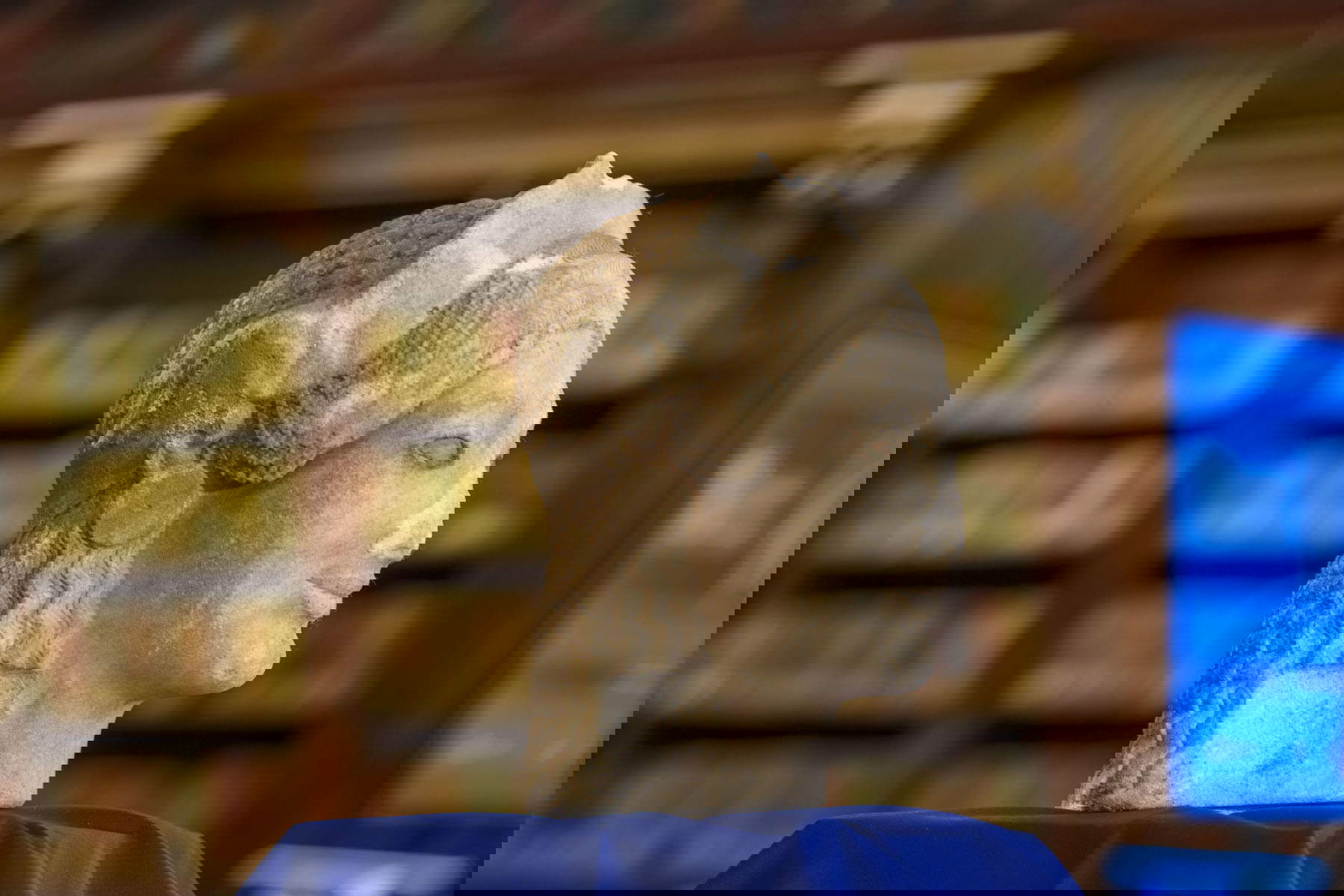
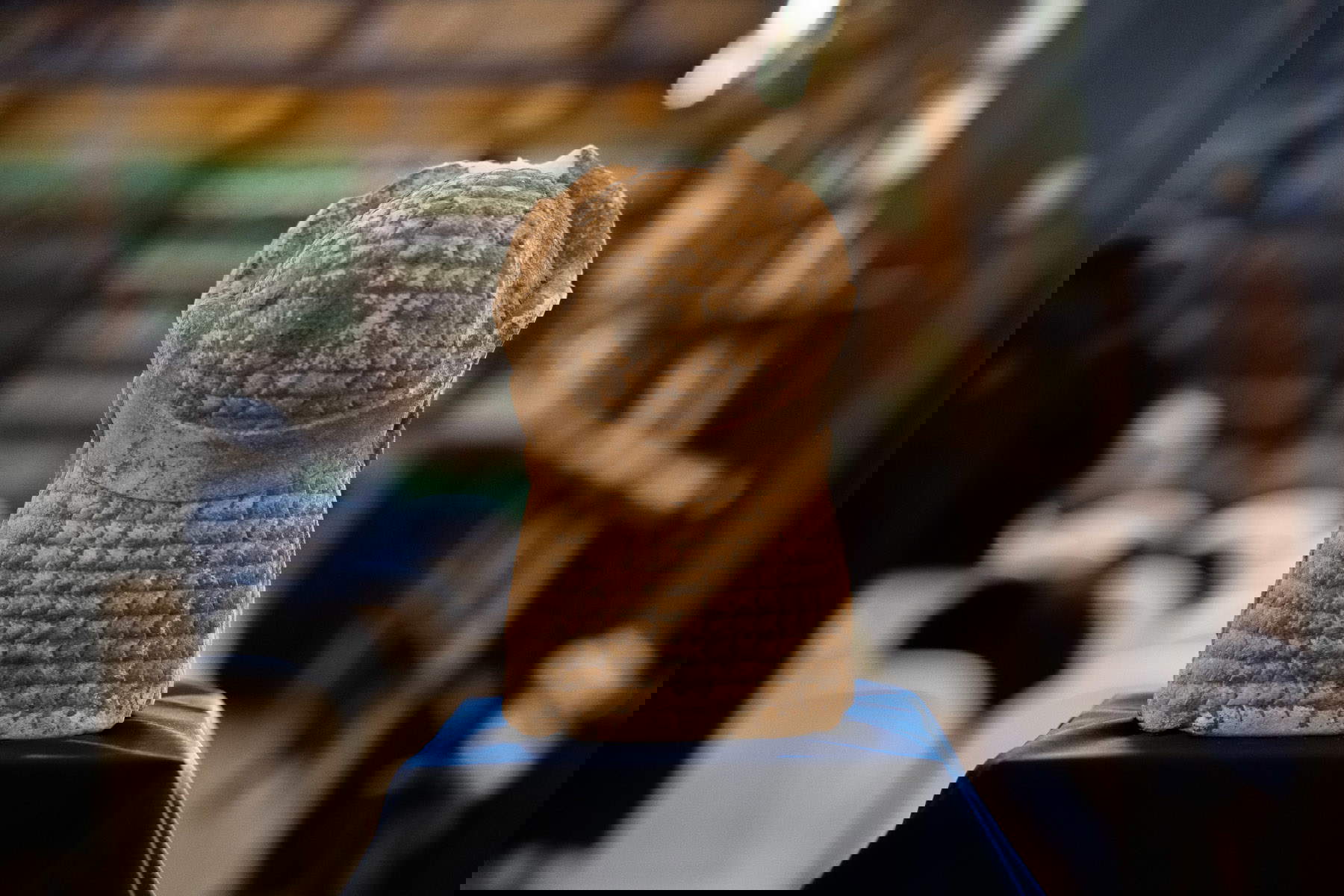
Important archaeological find in the ancient Etruscan city of Vulci: a Greek marble head of a young woman (a Kore) discovered. It constitutes a rare example of Greek sculpture found in Etruscan territory.


Important archaeological find in the ancient Etruscan city of Vulci: it is the Greek marble head of a young woman (a Kore), discovered during excavations conducted as part of the ministerial grant related to the “Vulci Cityscape” project, promoted by the Universities of Freiburg and Mainz. The work constitutes a rare example of Greek sculpture found in Etruscan territory that offers significant insights into the intensity of cultural relations between Greece and pre-Roman Italy. The Vulci Cityscape project, launched in 2020 in collaboration with the Soprintendenza Archeologia, Belle Arti e Paesaggio for the province of Viterbo and southern Etruria, together with the Vulci Foundation, aims through a multidisciplinary approach to investigate the structure and development of the city and to expand knowledge about Etruscan urban planning.

The find occurred in the area of the new large temple discovered in 2021, which contributes to expanding the hitherto known picture of cult buildings built in the urban center. The sculpture depicts a young female figure with a refined and elaborate hairstyle attributable to an Attic atelier of the early fifth century BC.
The find is currently at theCentral Institute for Restoration (ICR) in Rome, where it is undergoing a thorough restoration and scientific investigation aimed at investigating the original polychromy, the materials used and the working techniques.




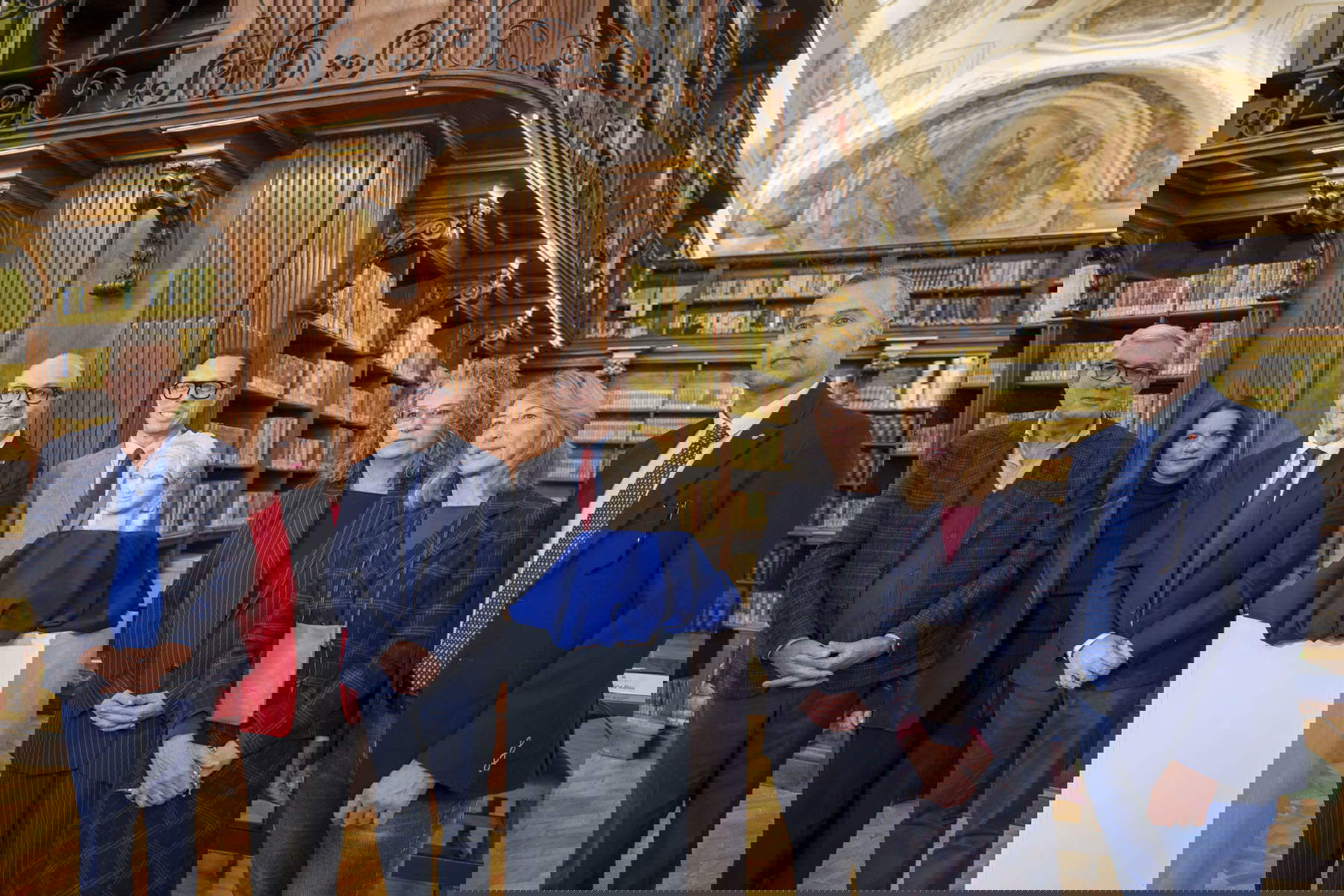
The discovery was presented this morning in Rome, in the Cruise Hall of the Ministry of Culture: speakers included Minister of Culture Alessandro Giuli, Department Head for the Protection of Cultural Heritage Luigi La Rocca and Department Head for Cultural Enhancement Alfonsina Russo. Speakers included Margherita Eichberg (ABAP Superintendent for the Province of Viterbo and Southern Etruria), Simona Carosi (archaeological officer and Vulci territory manager), Carlo Casi (Scientific Director of the Park, Vulci Foundation), Mariachiara Franceschini of the University of Freiburg and Paul P. Pasieka of the University of Mainz, Luigi Oliva (Director of the Central Institute for Restoration) and Federica Giacomini (restoration official and coordinator of the ICR working group).
Statements
“Today we have presented an important new archaeological find within the Vulci Archaeological Nature Park, an extraordinary area where the beauty of the landscape and the depth of history are intertwined in a continuous dialogue, capable even today of giving us back the voice of a very important civilization in the Mediterranean, such as the Etruscan,” Alfonsina Russo commented. “And through this object, this head of Kore, it will be possible to promote not only Vulci but also the territory nationally and internationally. This is a new way of valorization that goes in one direction, which is to continue to be based on an integrated strategy that combines archaeological research, landscape protection, innovation of exhibition languages, international networks and participation of local communities.”
“The discovery of the late Archaic marble head of Kore at Vulci is an event of extraordinary significance both for its artistic value and for the implications it carries. It was not simply a prestigious votive gift that was found, but a concrete testimony to the spiritual and therefore politico-civil ties that united Etruria and the Greek world. This is an archaeological discovery that can change our perception of the world as would happen with a new scientific law. It reshapes our representation of reality cognitively, symbolically and also politically,” said Minister Alessandro Giuli. “It is no coincidence that this happens in Vulci, a city open to contact through its port, recently acquired by the Ministry of Culture, and through the hinterland where already from the Orientalizing period, from the end of the 8th century B.C., all the objects, but above all the rituals, now reconstructible thanks to new diagnostic tools for archaeology, confirm to us a dynamism, a cultural permeability that still today must represent and represent our models. Already on other occasions, I have stressed how much, as a government and as a ministry, we feel we are part of a Mediterranean unity capable of building bridges and authentic dialogue, based on a co-partnership of identities and roots.”
“We are in the presence of one of the very rare examples of Greek sculpture in Italy, not only in Etruria, but also in Magna Graecia and Sicily. This kind of objects are very rare, and it opens the field to a series of important historical-archaeological considerations and reflections, particularly the intensity and type of relations between Greece and Etruria in the Late Archaic period, but also that on the presence of Greek artists in Etruria, as the sources also remind us, in relation also especially to the Templar sculptures and decorations,” said Luigi La Rocca.
“The Central Institute for Restoration has enthusiastically accepted the request of Sabap Viterbo Etruria Meridionale, at the time when, after the discovery the summer of 2024, we sought to make a first intervention on the Kore found and a campaign of investigations aimed then at the drafting of a proper restoration project. This activity is part of a collaboration that we have had for several years with Sabap. A collaboration that sees, on the one hand, conservation and investigation activities taken to the highest level and, on the other, a relationship with the entities that then manage the protection within the territory,” said Luigi Oliva.
|
| Important discovery at Vulci: a maiden's head found, a rare example of Greek statuary in Etruscan territory |
Warning: the translation into English of the original Italian article was created using automatic tools. We undertake to review all articles, but we do not guarantee the total absence of inaccuracies in the translation due to the program. You can find the original by clicking on the ITA button. If you find any mistake,please contact us.