





In Norfolk, onEngland’s east coast, a preventive archaeological investigation connected with work on cables for offshore wind farms has uncovered the remains of a vast, hitherto unknown Roman villa. As reported by the Artnet news outlet, the structure, dating back some 2,000 years, stretched more than 30 meters in length and included a covered portico, a bath complex and several outbuildings, elements that indicate an affluent economic condition of the occupants.
The site, buried under several layers of soil, was identified as part of a program of preventive archaeological investigations. An initial magnetometer survey, carried out more than five years ago, had detected an anomaly initially interpreted as modern debris. In any case, the absence of matches in cartographic and archaeological records of lost buildings prompted scholars to investigate further. In 2021, a number of excavation essays were opened and returned fragments of tile and flint masonry. Subsequently, the use of georadar made it possible to outline the plan of an extensive and articulated structure that developed in phases.
According to early interpretations, the villa and related agricultural complex would have been built between the 1st and 3rd centuries AD, the period of full Roman occupation of Britain. Evidence collected indicates the presence of a Roman road leading directly to the site and activities related to the cultivation and processing of agricultural resources.
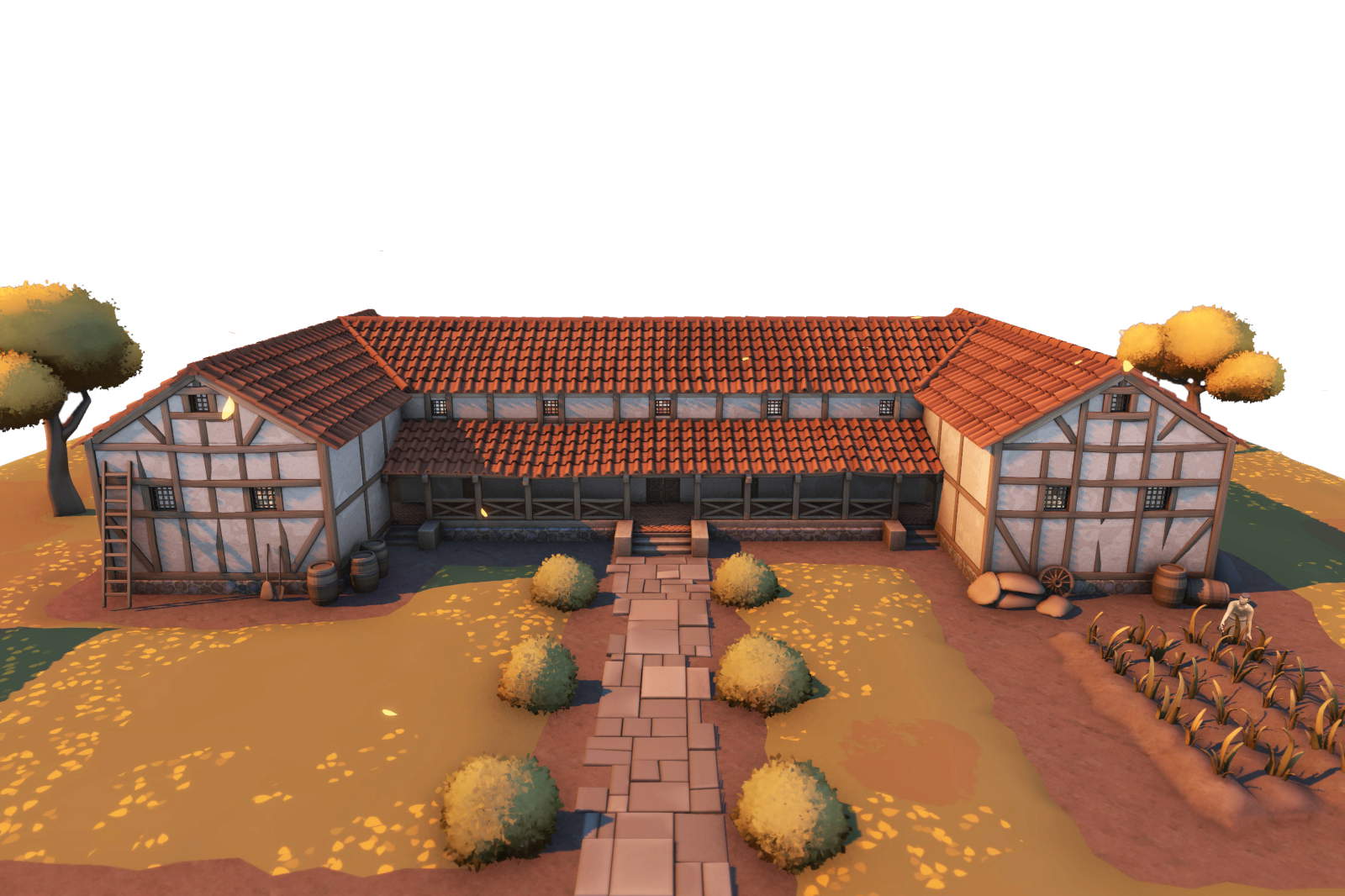
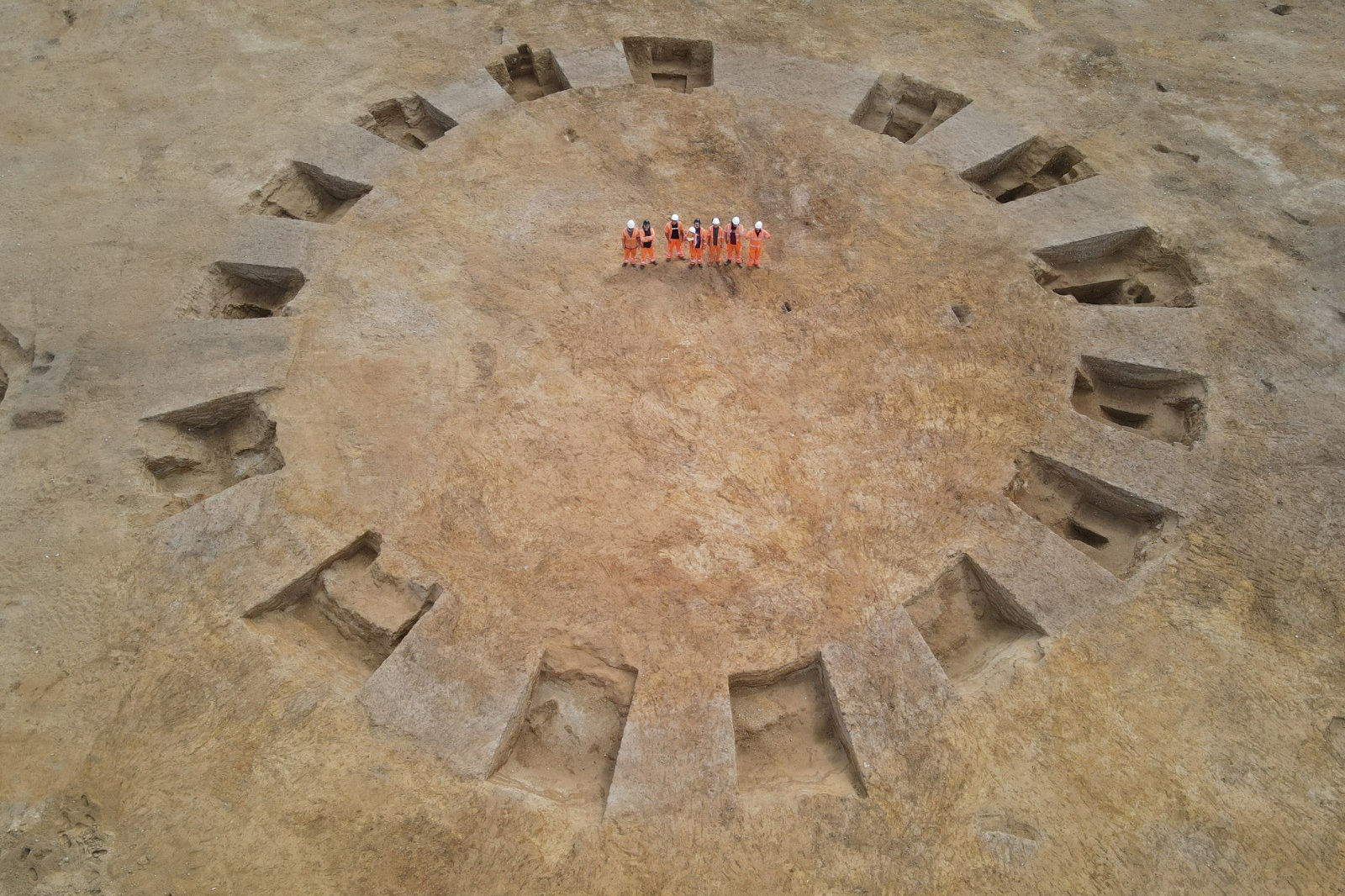
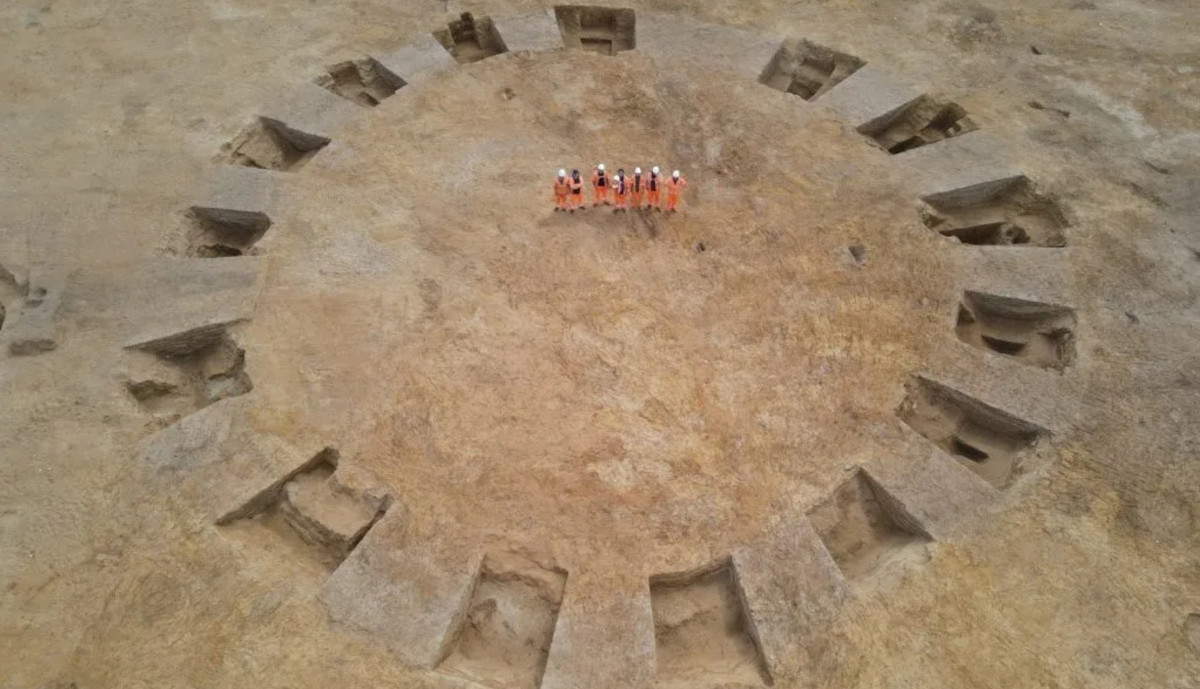
During the investigation, bone remains of dogs and cats were also found, hypothetically interpreted as items related to the management of domestic spaces and the presence of animals within the settlement. Materials recovered include a fibula, copper hairpins, nail cleaning tools, a silver ring with an inscription, imported pottery, painted plaster and fragments of window glass. Also of particular note are two bronze objects: the base of a chair leg decorated with a lion’s head and an ornate door handle.
As the masthead further reports, the area investigated, spanning more than 1,850 acres along a 40-mile route intended for cables, has seen the opening of more than 500 excavation trenches. In addition to the Roman villa, archaeologists also identified a burial mound and a Neolithic pit dating to 4,000 B.C., containing more than two pounds of pottery and stone tools. Also identified were the remains of two vanished medieval villages, Whimpwell and Stinton, previously documented in the Domesday Book, the 11th-century census of Norman England.
A selection of the finds was presented during a temporary exhibition organized in late March at Gressenhall Farm and Workhouse, a museum located near the excavation area. Documentation activities included GPS surveys and 3-D photogrammetry techniques, with digital reconstruction based on the processing of thousands of images. Upon completion of the data collection phase, the remains of both the Roman villa and the Neolithic evidence were left in situ.
 |
| In Norfolk, England, a vast Roman villa discovered during work on a wind farm |

Warning: the translation into English of the original Italian article was created using automatic tools. We undertake to review all articles, but we do not guarantee the total absence of inaccuracies in the translation due to the program. You can find the original by clicking on the ITA button. If you find any mistake,please contact us.



























 IT
IT FR
FR DE
DE ES
ES CN
CN


