





The government of Mexico announced on Jan. 23, 2026, the discovery of a Zapotec (population of south-central Mexico) tomb dating back to 600 A.D., considered, for the country itself, the most significant archaeological find of the last decade. This was made known by Mexico’s President Claudia Sheinbaum Pardo, specifying that the discovery is the result of research conducted by the Ministry of Culture through theNational Institute of Anthropology and History (INAH). The tomb is located in the Cerro de la Cantera in the San Pablo Huitzo area of the Valles Centrales in the state of Oaxaca, Mexico, a key area for understanding pre-Hispanic civilizations in the region.
“This is the most significant archaeological discovery of the last decade in Mexico because of its level of preservation and the information it provides,” said Mexico President Claudia Sheinbaum Pardo.
“This is an exceptional discovery for its level of preservation and for what it reveals about the Zapotec culture: its social organization, its funerary rituals and its worldview, preserved in its architecture and wall paintings,” added Culture Secretary Claudia Curiel de Icaza on social media. “It is a powerful example of Mexico’s ancient greatness, which is now being studied, protected and shared with society.”
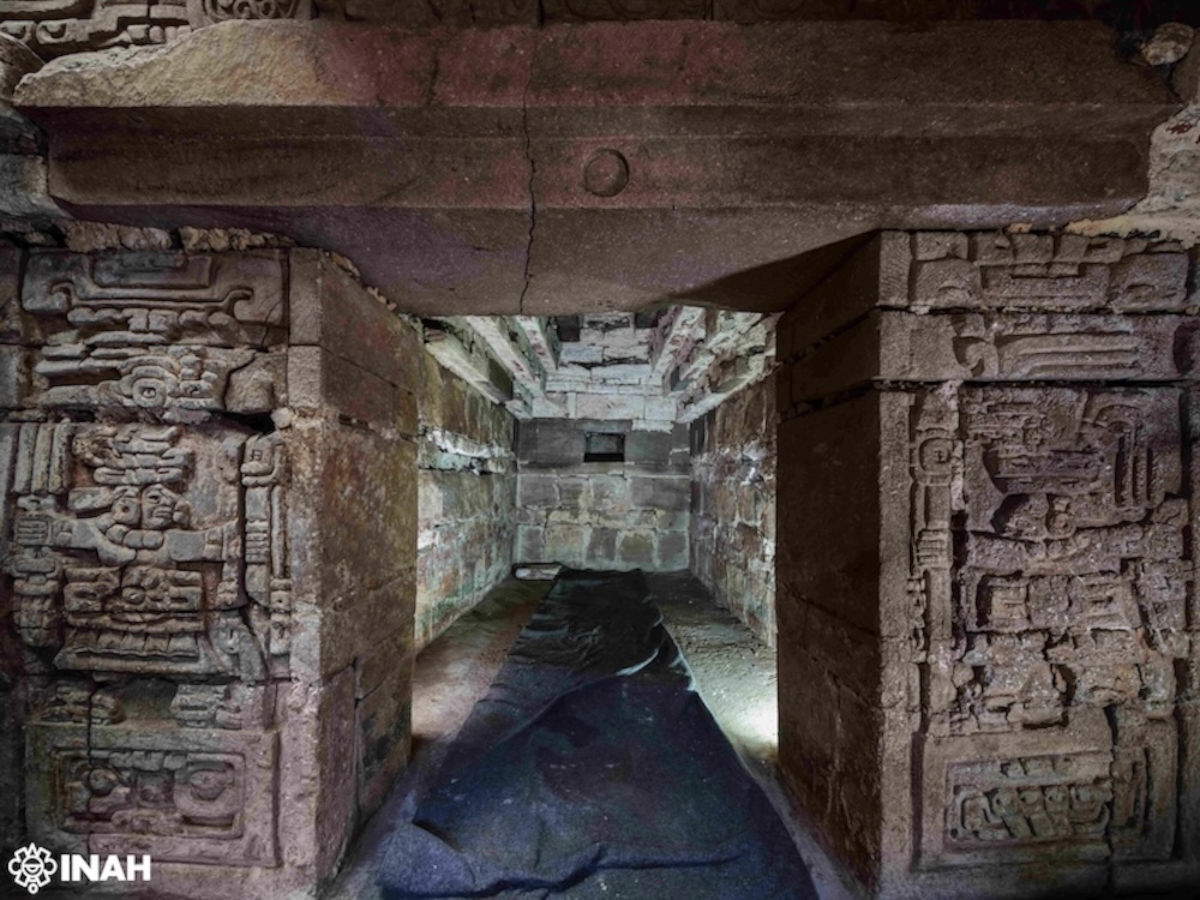
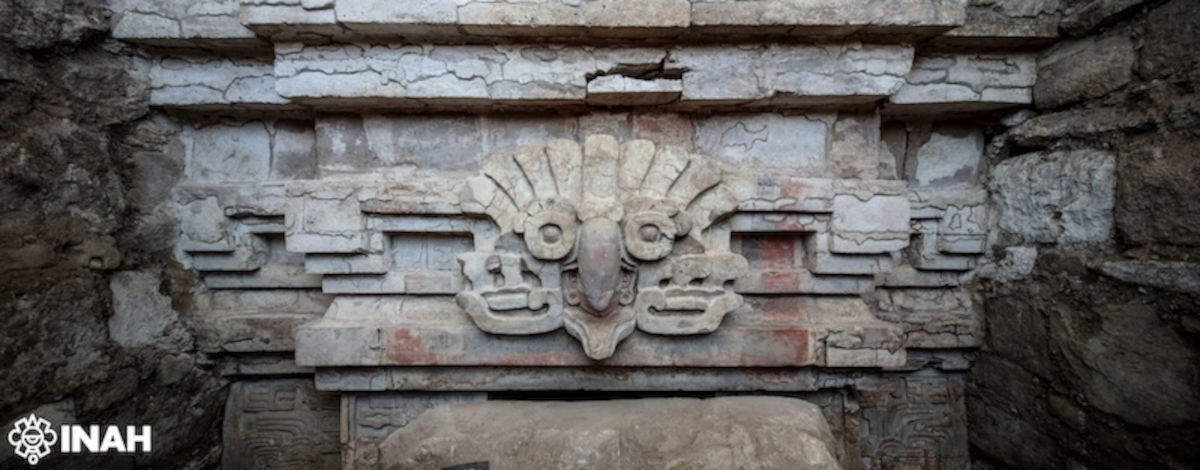
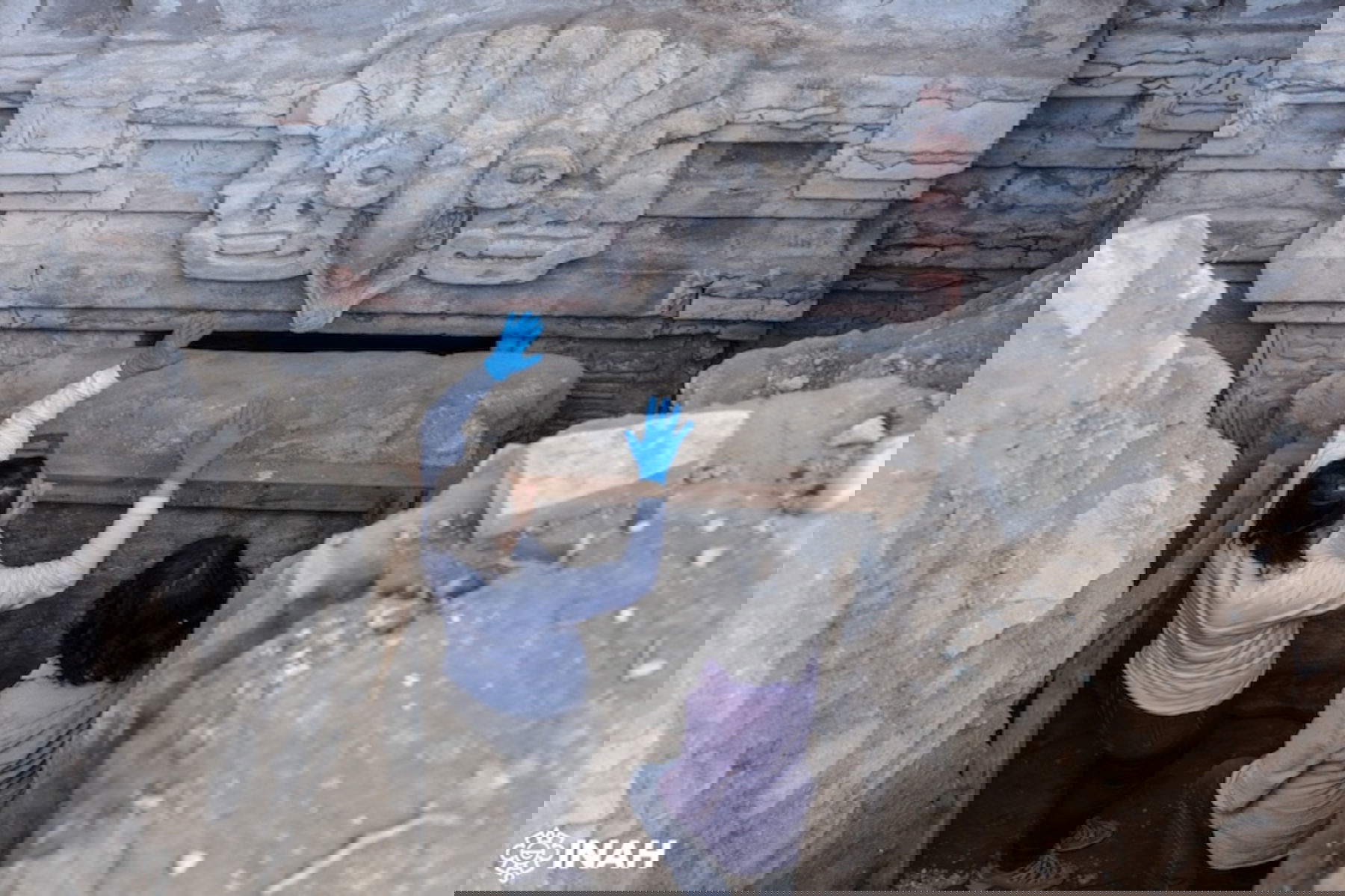
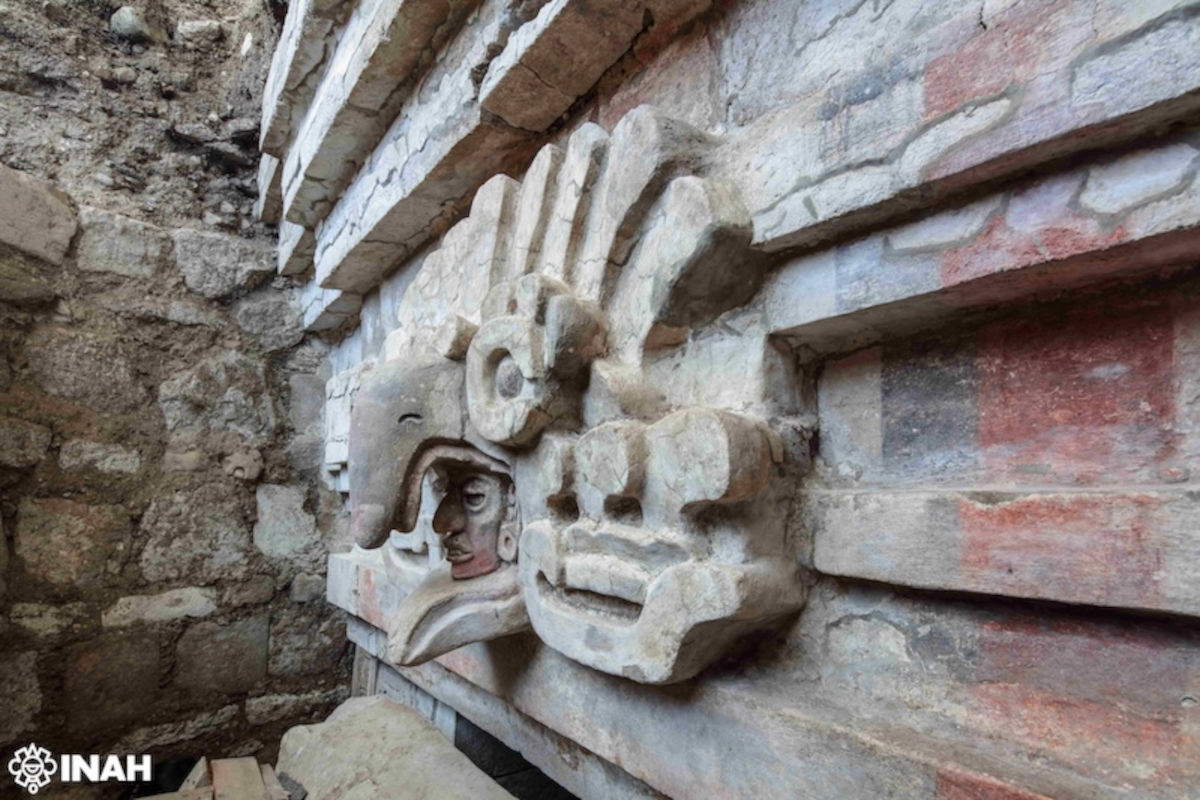
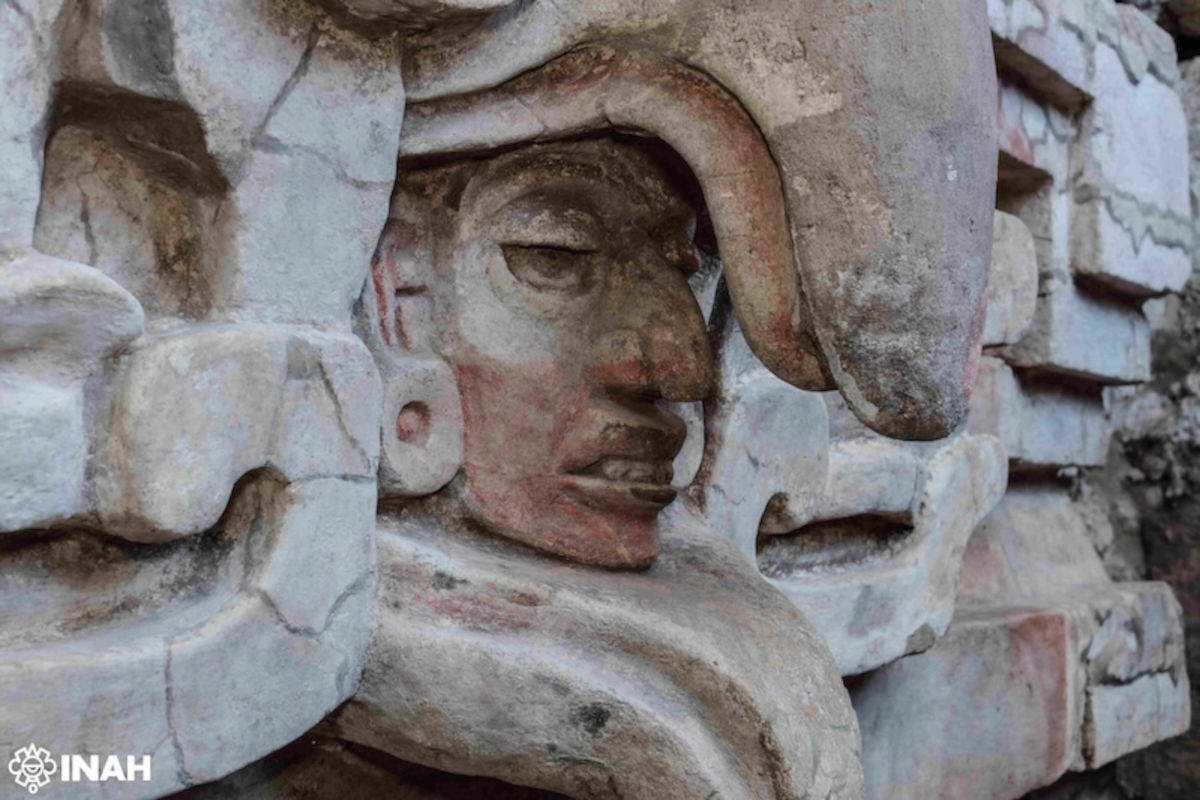
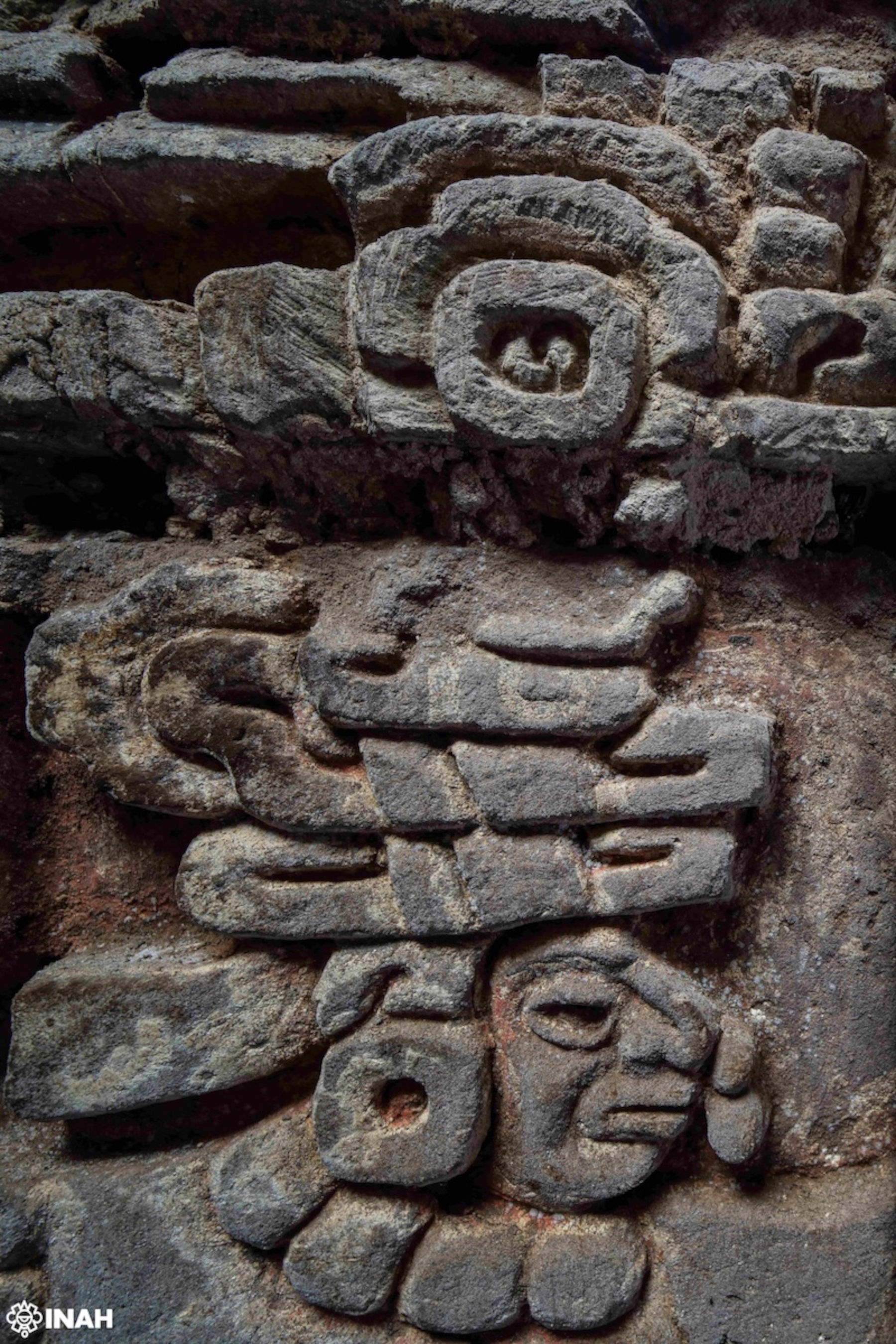
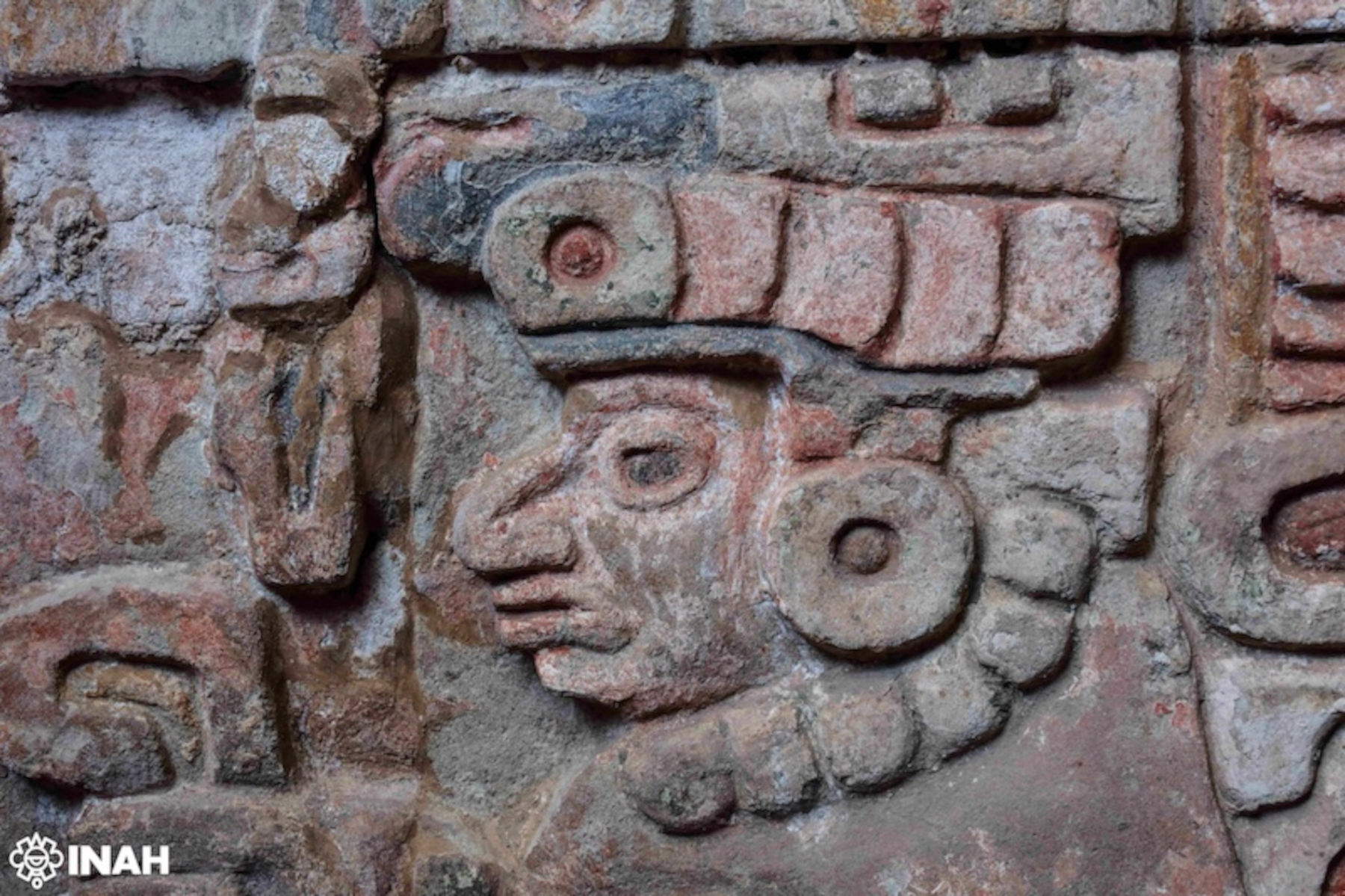
The tomb is notable for its architectural quality and for the presence of an articulate decorative apparatus that provides new information on social organization, funerary rituals, and Zapotec cosmovision. The entrance to the structure is decorated by the representation of an owl, an animal symbolically linked to the night and death. The bird’s beak covers the stuccoed and painted face of a male figure, interpreted by scholars as the possible ancestor to whom the tomb was dedicated, invoked as an intermediary with the deities.
Access to the burial chamber is marked by a complex sculptural apparatus: an architrave surmounted by a frieze composed of stone plaques with references to the calendar and, on the side jambs, the carved figures of a man and a woman, both with headdresses and ritual objects in their hands, perhaps identifiable as symbolic guardians of the place. Inside the chamber, several portions of polychrome wall painting, made in shades of ochre, white, green, red and blue, were found in situ. The scenes depict a procession of figures carrying bags of copal and advancing toward the entrance of the tomb.
The tomb’s preservation condition appears to be delicate. An interdisciplinary team from the INAH Oaxaca Center is engaged in operations to protect and study the building, with particular attention to stabilizing the wall paintings, which are threatened by the presence of roots, insects and environmental variations. At the same time, ceramic, iconographic and epigraphic analyses are underway, flanked by physical anthropology studies, with the aim of deepening knowledge of funerary practices and symbolic systems associated with the complex.
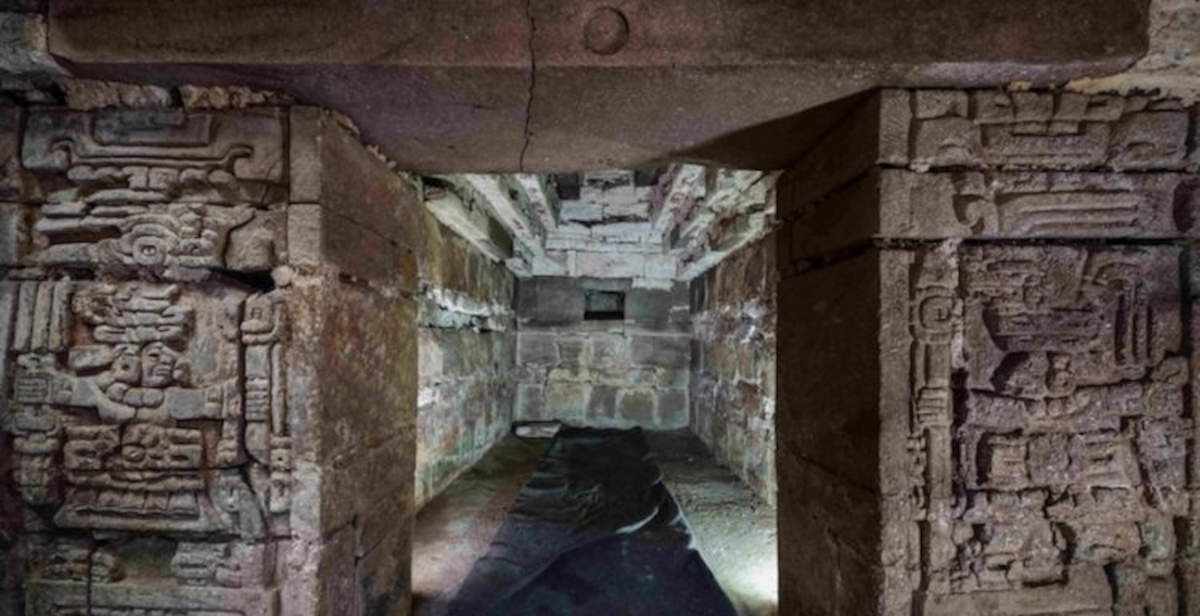 |
| Seventh-century tomb discovered in Mexico: for the country, it is the most important find of the last decade |

Warning: the translation into English of the original Italian article was created using automatic tools. We undertake to review all articles, but we do not guarantee the total absence of inaccuracies in the translation due to the program. You can find the original by clicking on the ITA button. If you find any mistake,please contact us.





























 IT
IT FR
FR DE
DE ES
ES CN
CN


